Loading video…

 12 Concepts
 2.3K views

Video Summary: Inhibitors of Bacterial DNA Synthesis Explained
Every year, millions of Americans are treated with fluoroquinolones, one of the most powerful classes of broad-spectrum antibiotics available. Understanding inhibitors of bacterial DNA synthesis reveals exactly why these drugs stop infections cold. By targeting DNA gyrase and topoisomerase IV, enzymes bacteria cannot replicate without, fluoroquinolones cause lethal DNA fragmentation inside bacterial cells. Watch the full video on JoVE Coach to master this concept with expert-led visuals and step-by-step explanations.
Bacteria reproduce by copying their DNA with extraordinary speed, under ideal conditions, *E. coli* can divide every 20 minutes. For an infection to spread, that replication machinery must work flawlessly. Inhibitors of bacterial DNA synthesis exploit precisely this dependency, targeting the enzymes bacteria cannot live without. Among this class, fluoroquinolones are the most clinically significant, and understanding their mechanism is essential for AP Biology, college microbiology, and health sciences coursework alike.
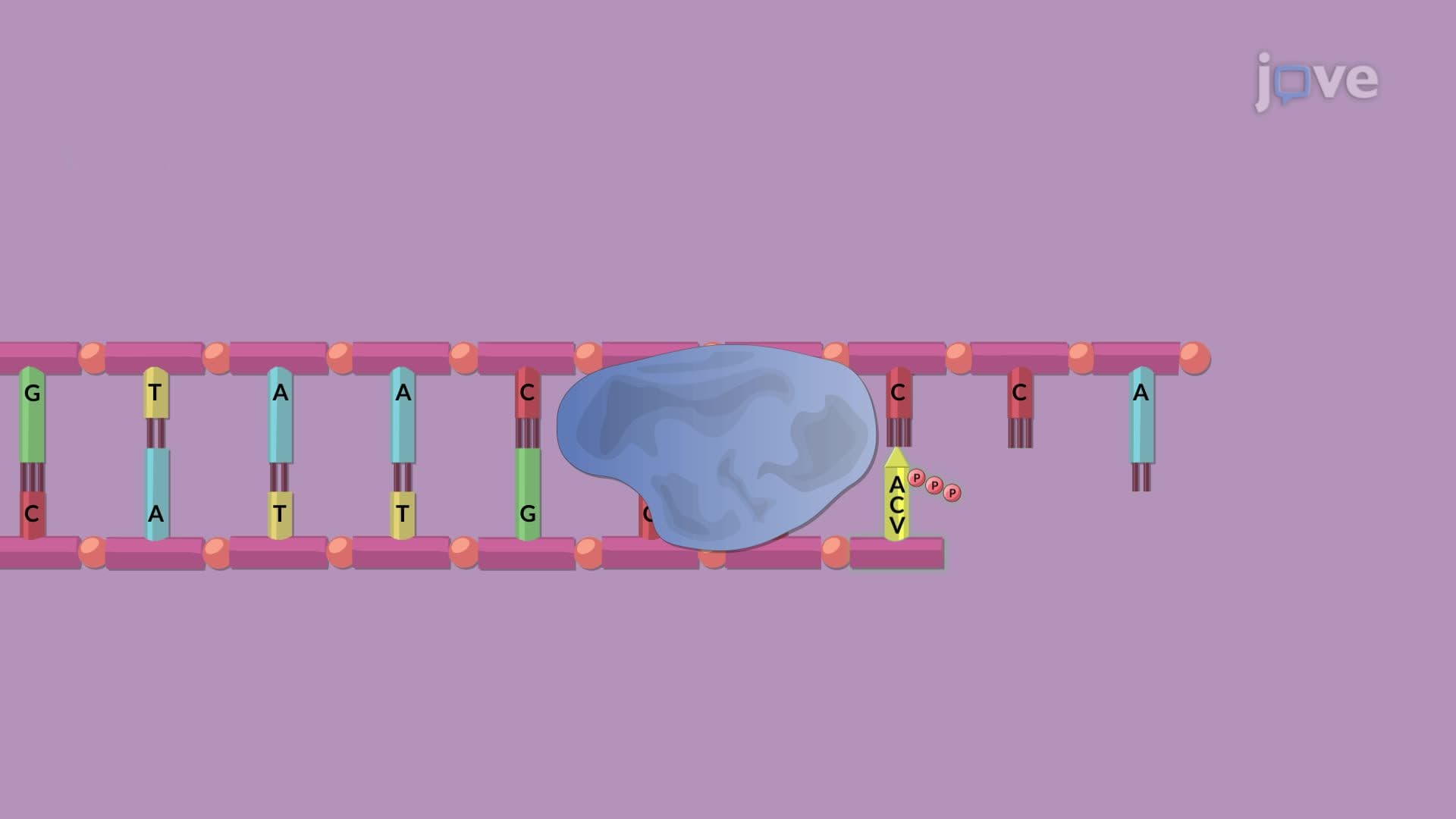
Bacterial chromosomes are circular and tightly coiled. During replication, the unwinding of the double helix creates physical tension upstream, the chromosome would essentially lock up without relief. DNA gyrase resolves this tension by introducing negative supercoils: it cuts both DNA strands, passes a DNA segment through the gap, and reseals the strands. This controlled cutting-and-sealing cycle keeps replication moving forward.
Once replication is complete, the two newly made circular chromosomes remain interlinked, like two rings hooked together. Topoisomerase IV performs the critical job of decatenation: cutting and separating these daughter chromosomes so each new bacterial cell receives a complete genome. Without this separation, cell division fails entirely.
Fluoroquinolones, including ciprofloxacin (commonly prescribed for urinary tract infections and anthrax exposure in the US) and levofloxacin (used for pneumonia), do not simply block these enzymes. They do something more destructive: they stabilize the enzyme-DNA complex *after* the DNA has been cut but *before* it is resealed. This trapped structure is called a cleavage complex or "poison complex."
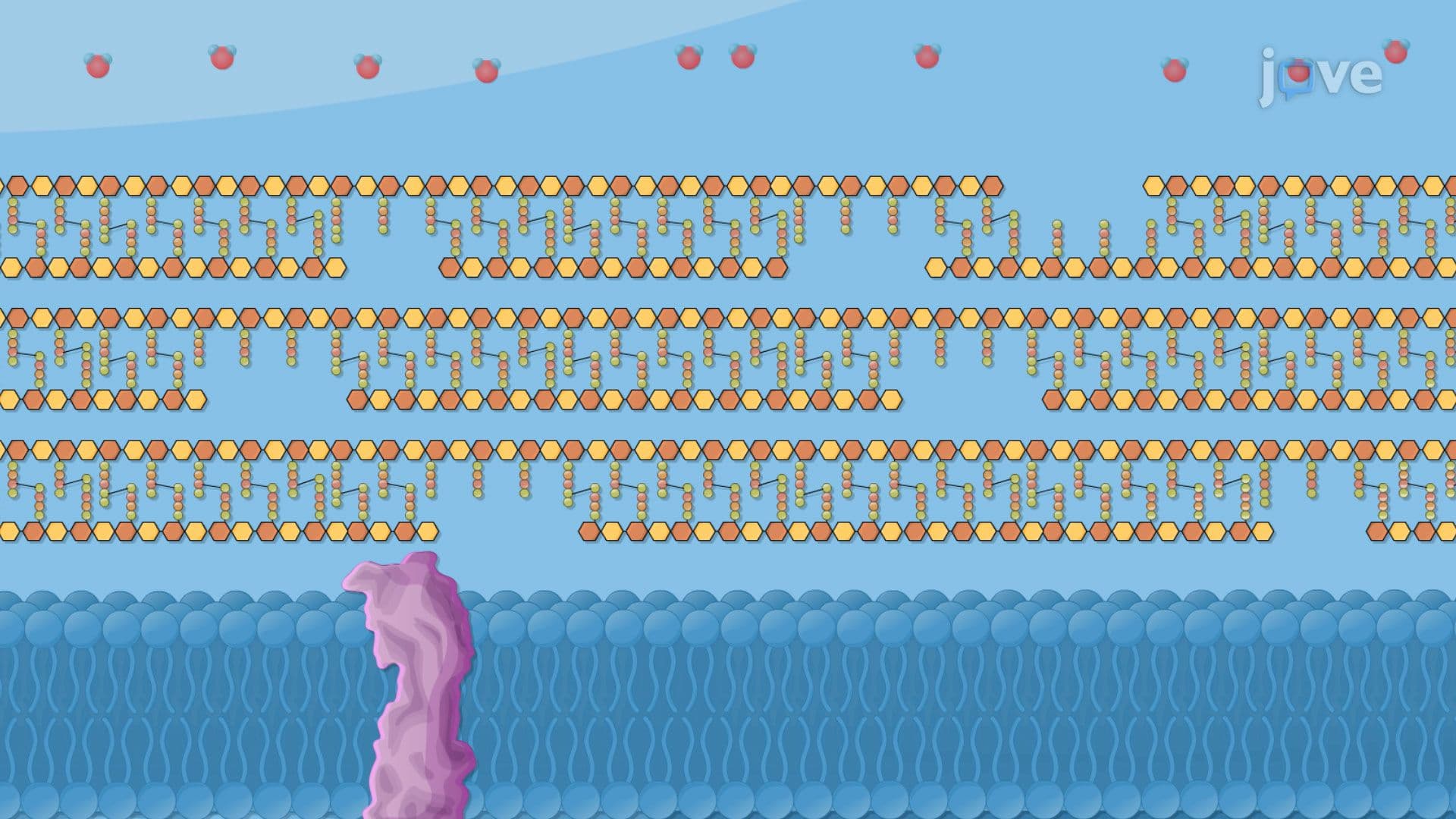
The result is an accumulation of double-stranded DNA breaks throughout the bacterial chromosome. These fragments disrupt transcription, trigger error-prone repair responses, and ultimately overwhelm the cell's ability to survive, making fluoroquinolones bactericidal, not merely bacteriostatic. This distinction is tested frequently on the MCAT, USMLE Step 1, and college pharmacology exams.
Fluoroquinolones are classified as broad-spectrum antibiotics because they are effective against both Gram-positive bacteria (like *Staphylococcus aureus*) and Gram-negative bacteria (like *E. coli* and *Pseudomonas aeruginosa*). However, the primary target differs by bacterial type. In Gram-negative bacteria, DNA gyrase is the main fluoroquinolone target. In Gram-positive bacteria, topoisomerase IV is typically more susceptible.
This selectivity has real consequences for antimicrobial resistance. Bacteria can develop resistance through point mutations in the genes encoding DNA gyrase (specifically the *gyrA* subunit) or topoisomerase IV (the *parC* subunit), reducing drug binding. Efflux pumps, membrane proteins that actively expel the antibiotic, are another resistance mechanism. The CDC has flagged fluoroquinolone-resistant *Neisseria gonorrhoeae* and *E. coli* as serious public health concerns in the United States.
For students preparing for AP Biology or college microbiology midterms, connecting enzyme structure, drug mechanism, and resistance pathways is the level of synthesis most exams demand, and it starts with mastering the fundamentals of how bacterial DNA synthesis inhibitors work.
Related Micro-courses