Loading video…

 12 Concepts
 2.3K views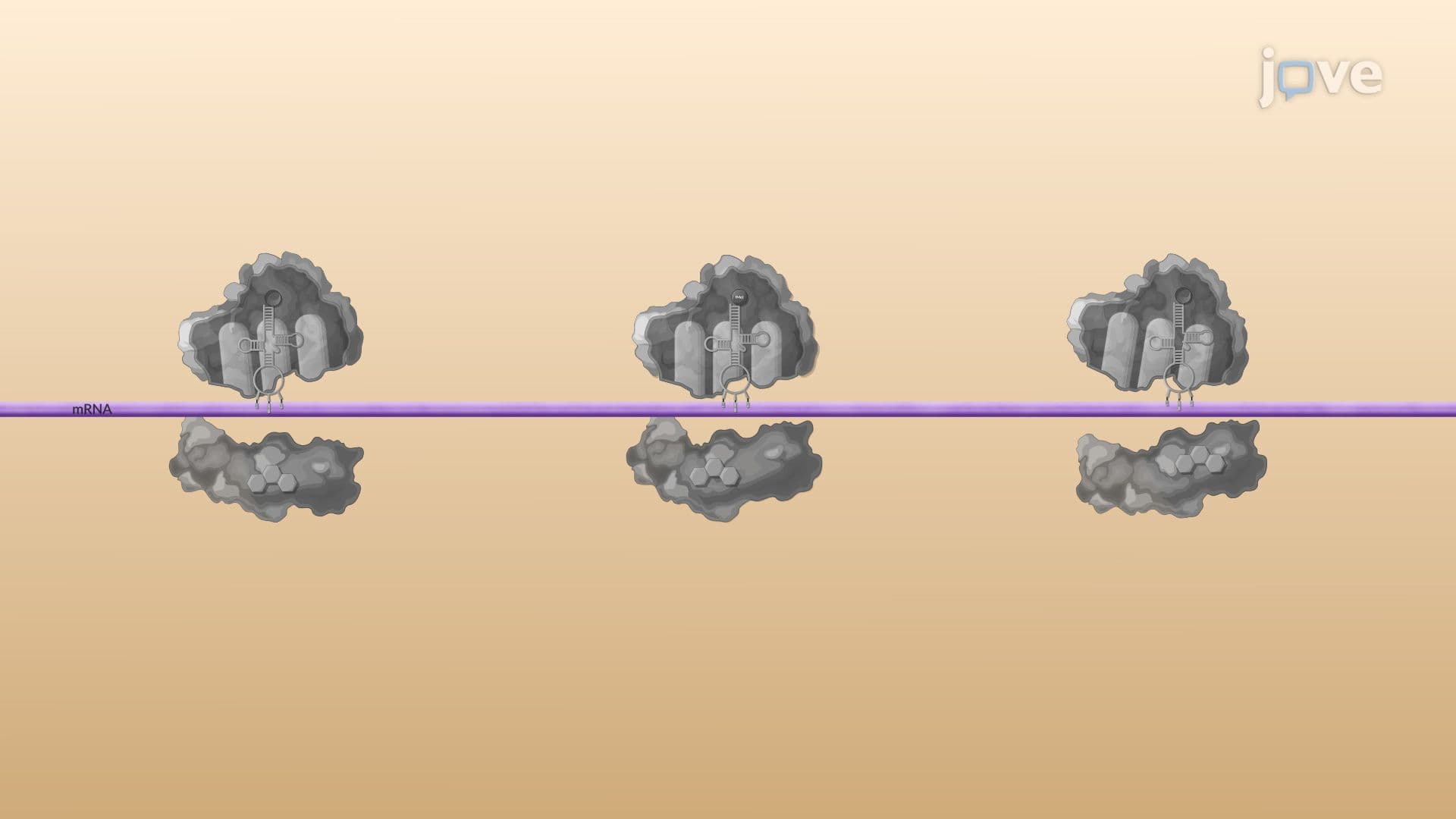

Video Summary: Inhibitors of Bacterial Protein Synthesis Explained
Did you know a single antibiotic discovered in 1943 helped win World War II by treating deadly battlefield infections? Understanding inhibitors of bacterial protein synthesis is key to grasping how modern antibiotics work. Streptomycin, still used in US tuberculosis treatment today, disrupts the bacterial ribosome at multiple stages, blocking initiation and causing fatal translation errors. Watch the full video on JoVE Coach to master this concept with expert-led visuals and step-by-step explanations.
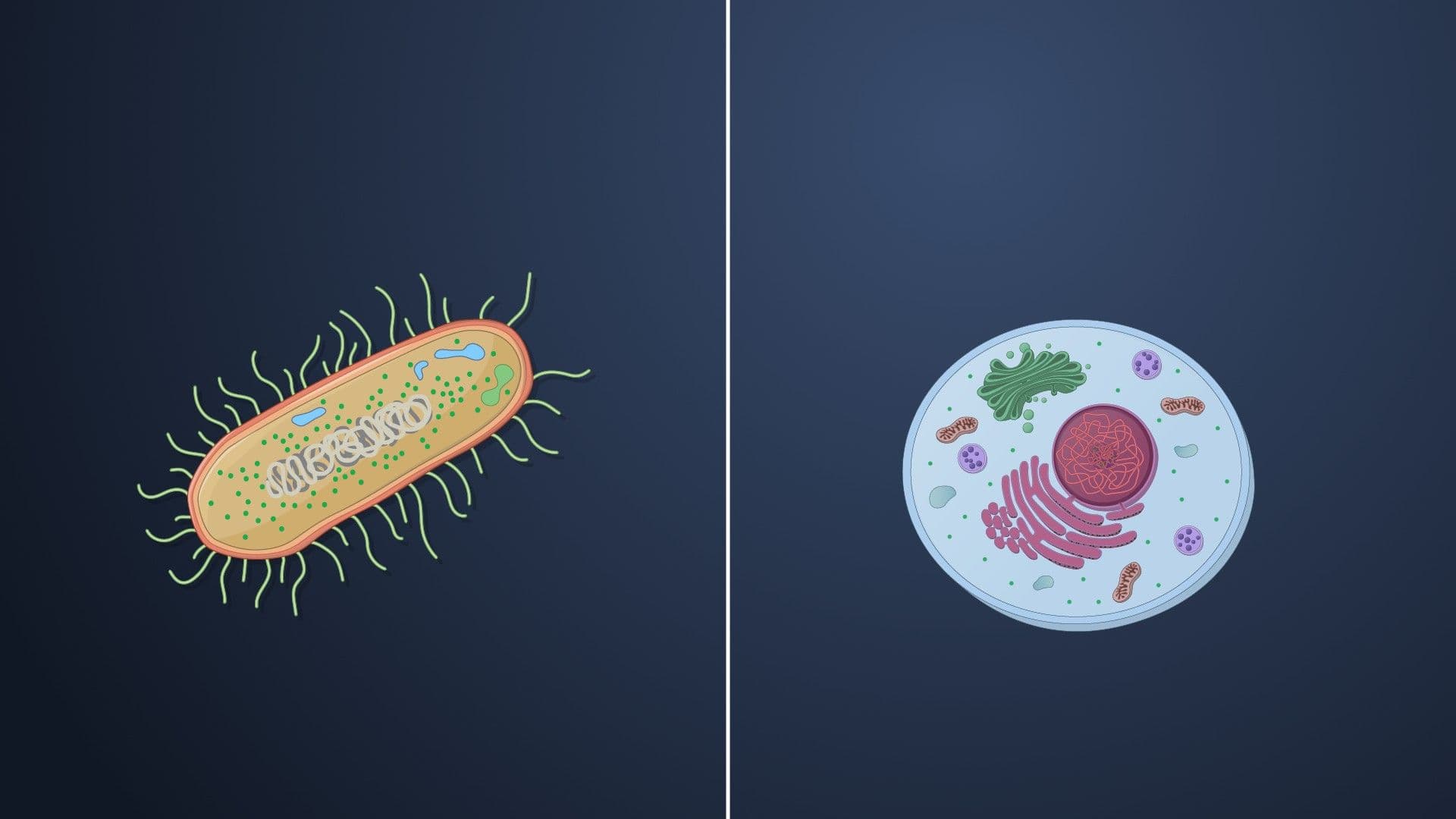
Every living cell depends on ribosomes to build proteins, and bacteria are no exception. What makes bacterial ribosomes a brilliant antibiotic target is that they are structurally different from human ribosomes. Bacterial ribosomes are 70S particles, assembled from a 30S small subunit and a 50S large subunit, while human ribosomes are 80S. This structural gap is the foundation upon which an entire class of life-saving drugs has been built. Inhibitors of bacterial protein synthesis exploit this difference to selectively destroy bacteria while largely sparing human cells.
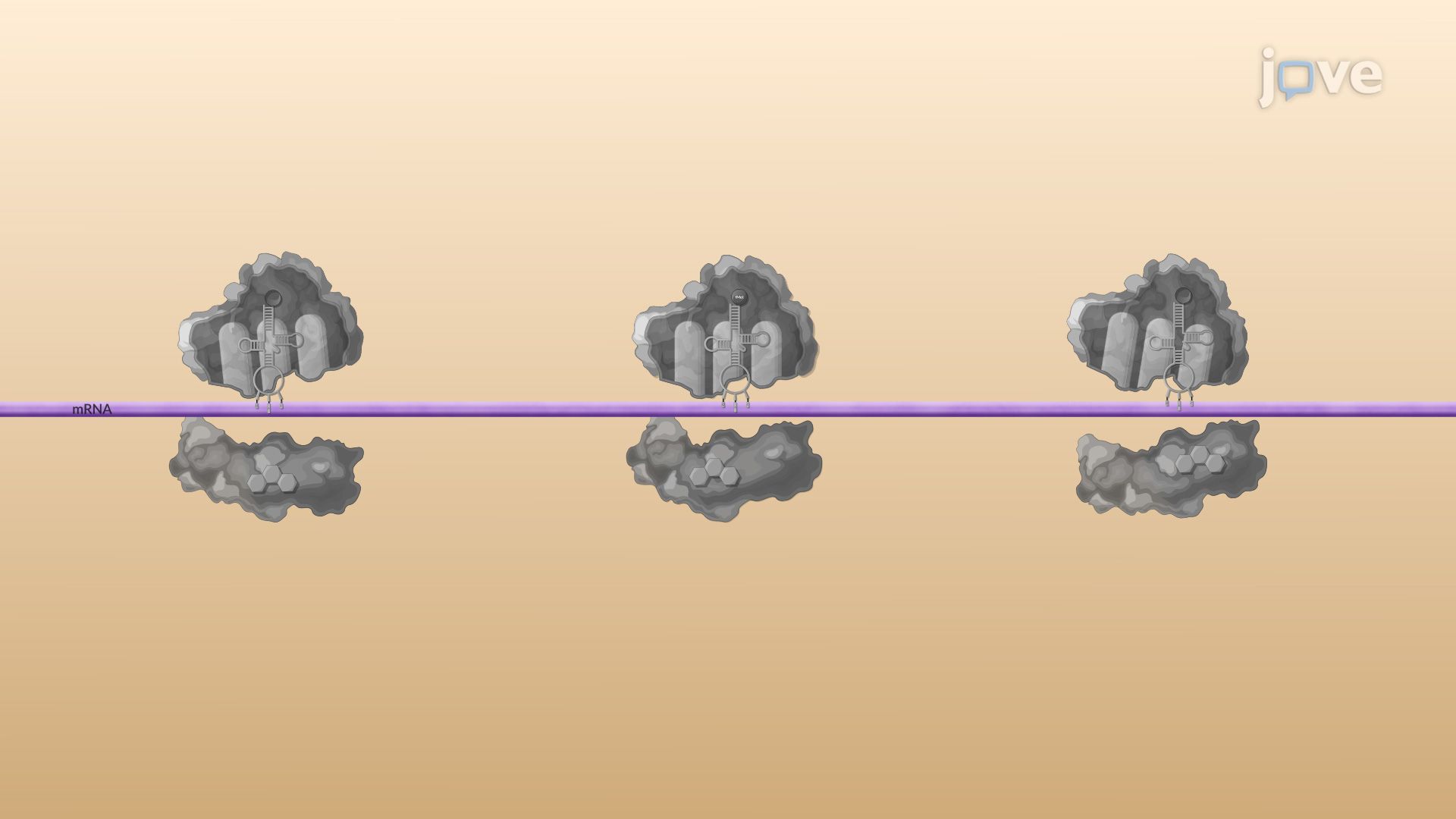
Aminoglycosides, including streptomycin, gentamicin, and tobramycin, are among the most clinically important inhibitors of bacterial protein synthesis. They work by binding tightly to the 30S ribosomal subunit. At the initiation stage, this binding physically distorts the ribosome's shape, preventing messenger RNA (mRNA) and the initiator transfer RNA (tRNA) from aligning correctly. Without proper alignment, the ribosome cannot form a functional 70S initiation complex, the essential starting point for protein production. The ribosome stalls in a non-functional pre-initiation state, effectively shutting down the assembly line before it even starts.
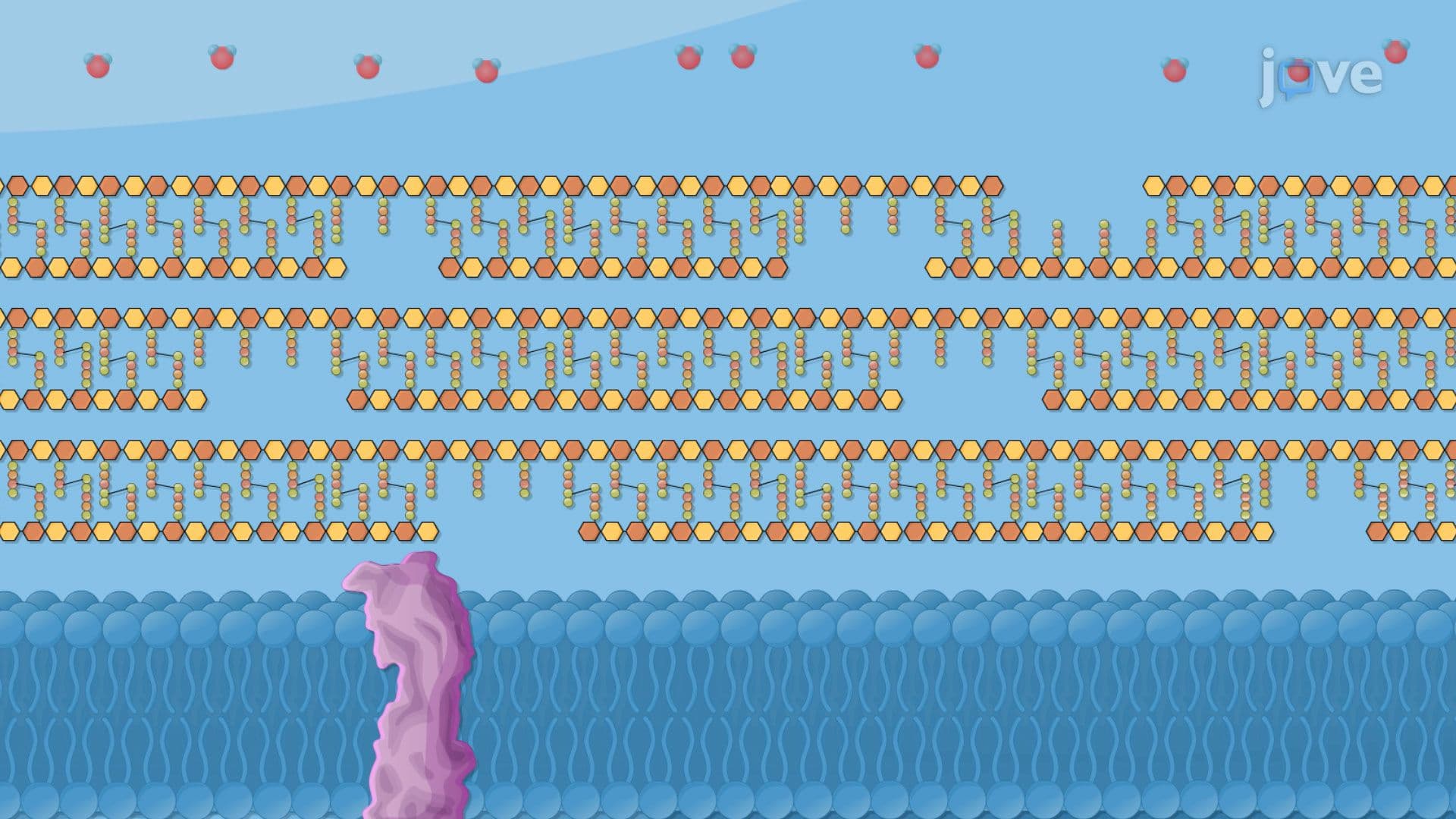
What makes aminoglycosides particularly powerful is that their damage doesn't stop at initiation. If a ribosome has already begun the elongation phase, the stage where amino acids are added one by one, streptomycin can force the ribosome to misread mRNA codons. The wrong amino acids get incorporated, producing misfolded or truncated proteins. These abnormal proteins are not harmlessly degraded; instead, they insert into the bacterial cell membrane, punching holes that disrupt the membrane's integrity. This increased permeability allows more antibiotic to flood into the cell, amplifying the damage in a self-reinforcing cycle that ends in bacterial cell death. This irreversible killing action is why aminoglycosides are classified as bactericidal, not merely bacteriostatic.
In the United States, aminoglycosides remain a frontline treatment option for serious gram-negative infections, tuberculosis (in combination therapy), and certain cases of bacterial endocarditis. However, antimicrobial resistance is a growing crisis: bacteria develop resistance through enzymatic inactivation of the drug, efflux pumps that expel the antibiotic, and ribosomal mutations that reduce binding affinity. Understanding these mechanisms of action is directly tested on US exams including the MCAT, AP Biology, USMLE Step 1, and NCLEX. Students in college microbiology and pharmacology courses regularly encounter questions about the difference between antibiotics and antimicrobials, narrow spectrum versus broad spectrum antibiotics, and why certain drug classes are chosen over others. Knowing that streptomycin targets the 30S subunit while drugs like erythromycin target the 50S subunit, and understanding the downstream consequences of each, is a high-yield concept for both coursework and standardized testing.
Related Micro-courses