Loading video…

 12 Concepts
 2.3K views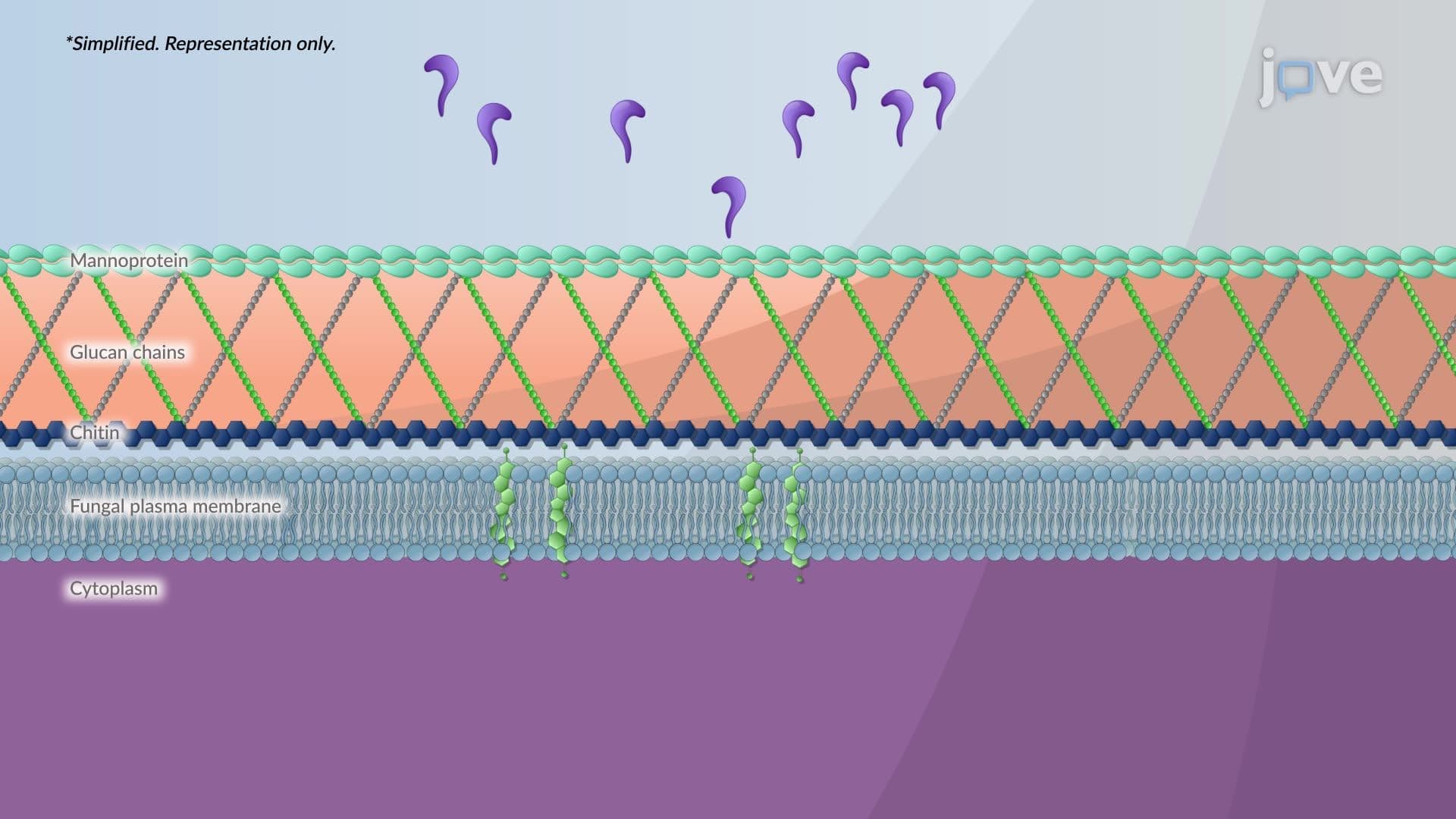

Video Summary: What are Antifungal Agents
Did you know that fungi cause over a million deaths annually in the United States alone? Antifungal agents are specialized drugs designed to target and destroy pathogenic fungi before infections spiral out of control. One powerful example is amphotericin B, widely used in US hospital settings to treat life-threatening fungal infections. These drugs exploit unique features of fungal biology, like ergosterol in cell membranes, to kill fungi without harming human cells. Watch the full video on JoVE Coach to master this concept with expert-led visuals and step-by-step explanations.
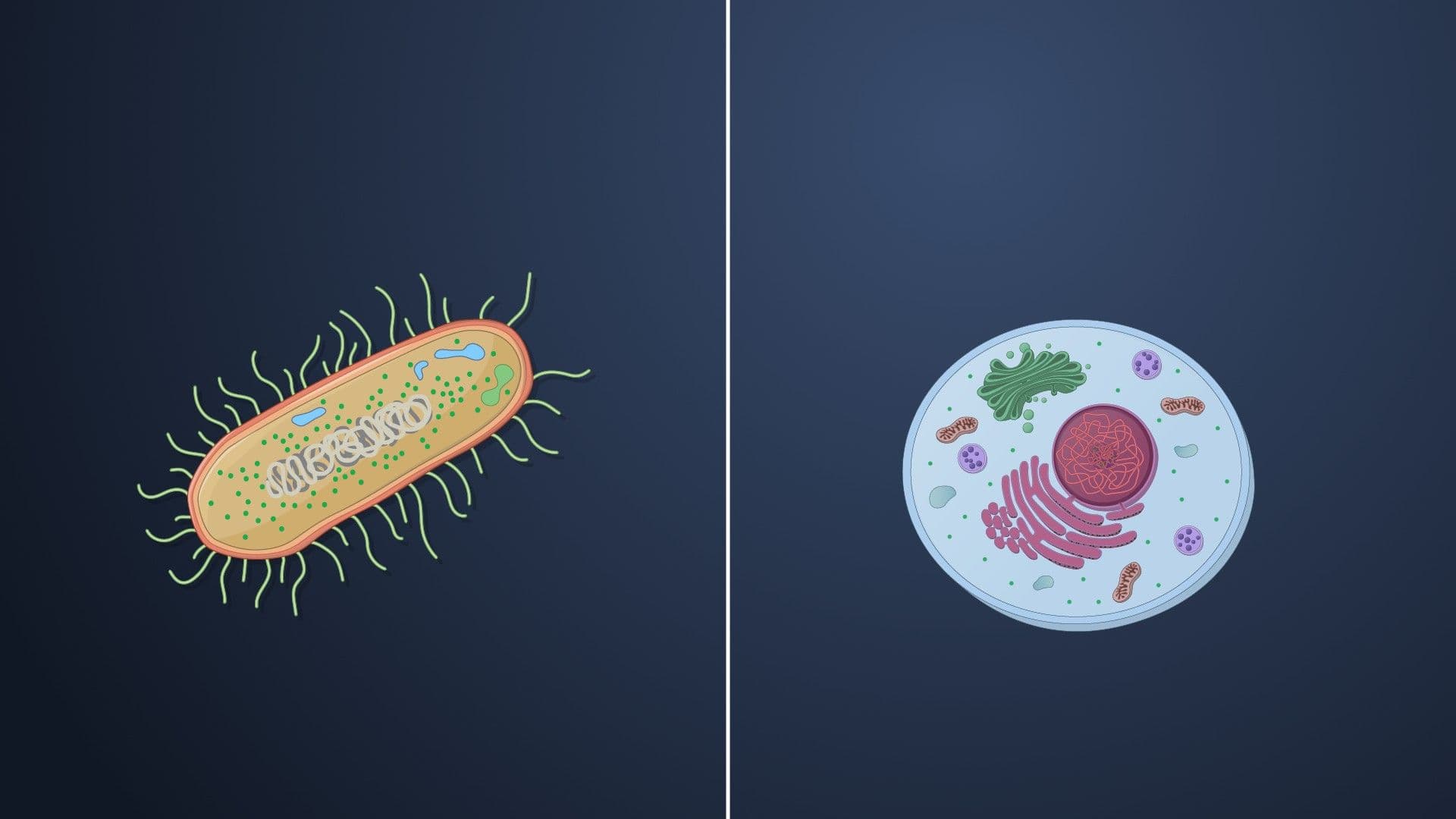
Antifungal agents are a class of antimicrobial drugs specifically engineered to target fungi, a kingdom of organisms that includes yeasts, molds, and dimorphic pathogens. Unlike bacteria, fungi are eukaryotes, meaning their cellular machinery closely resembles human cells. This shared biology makes drug development challenging: an effective antifungal must selectively harm the fungus without damaging the patient's own tissues. Understanding antifungal agents is a core concept in microbiology, pharmacology, and health sciences courses across the United States.
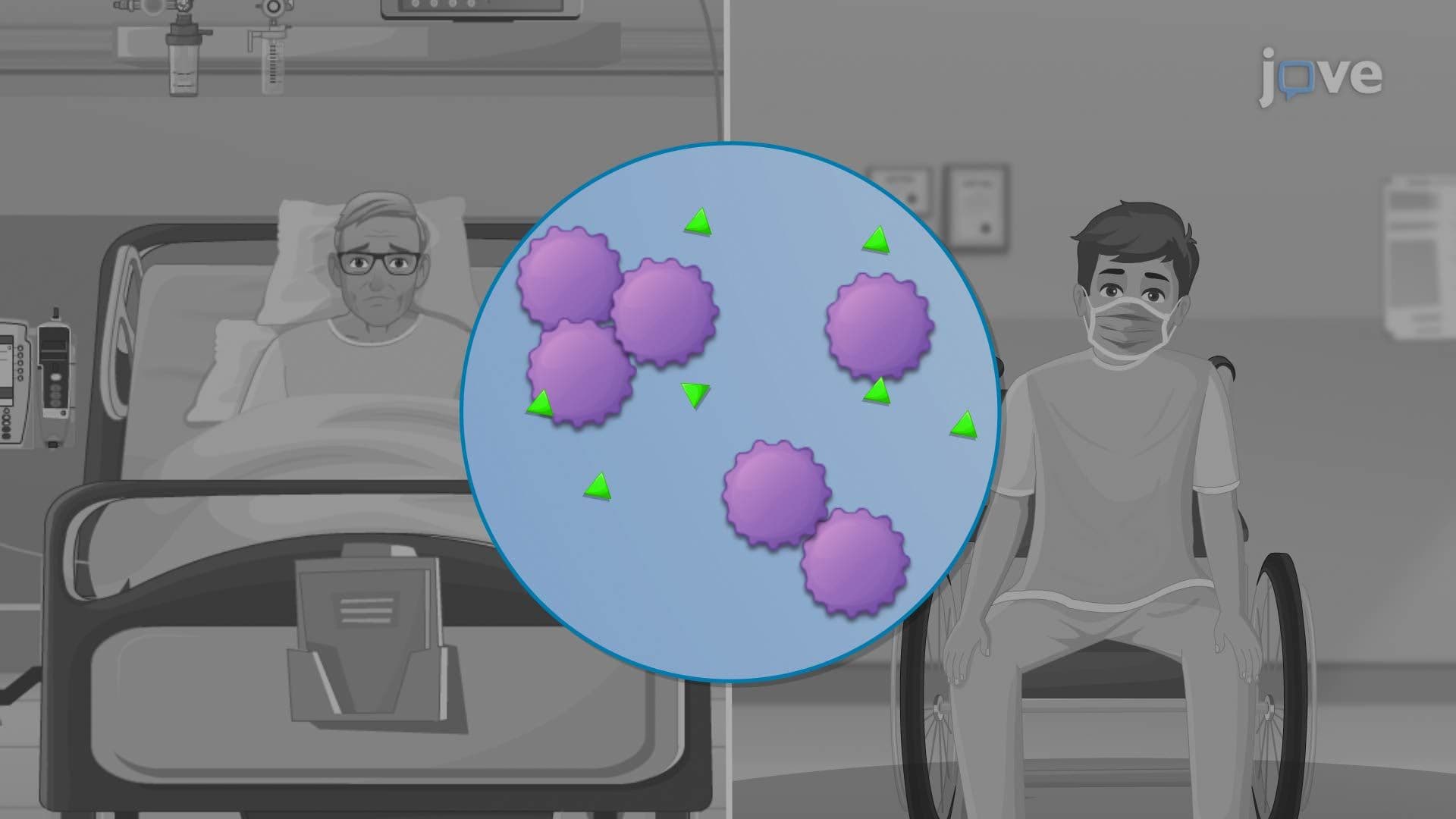
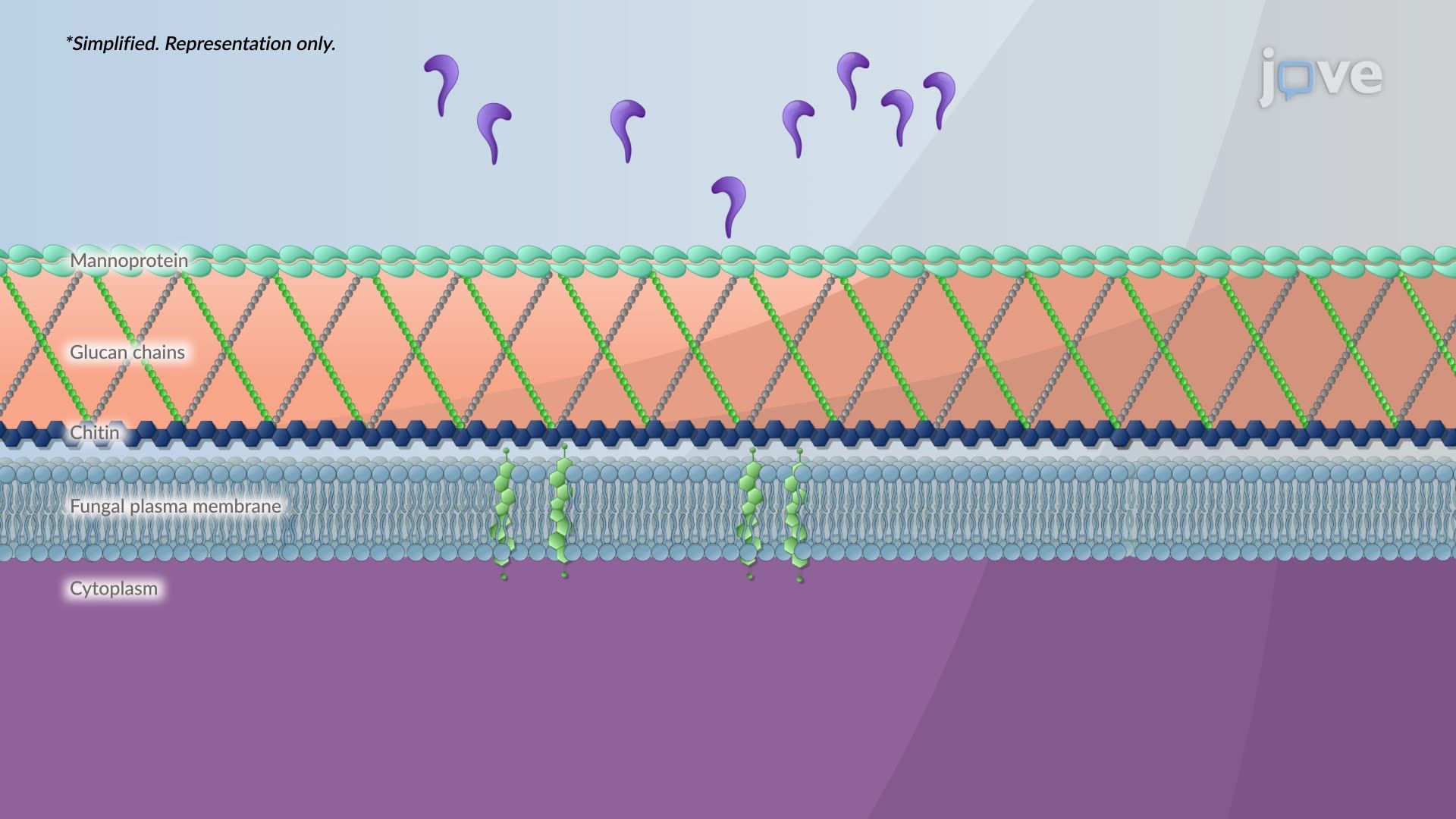
The central challenge with antifungal therapy lies in biological similarity. Because both fungi and humans are eukaryotes, many cellular targets, like ribosomes and DNA replication machinery, are shared, making broad chemical attacks dangerous. However, fungi possess one key structural difference: their plasma membranes contain ergosterol rather than the cholesterol found in human cell membranes. Ergosterol serves the same structural stabilization role as cholesterol but has a distinct molecular shape. This difference is the cornerstone of modern antifungal drug design. For example, in US hospital ICUs, patients with compromised immune systems, such as those undergoing chemotherapy or organ transplantation, frequently develop systemic fungal infections like *Candida* or *Aspergillus*, requiring targeted antifungal therapy.
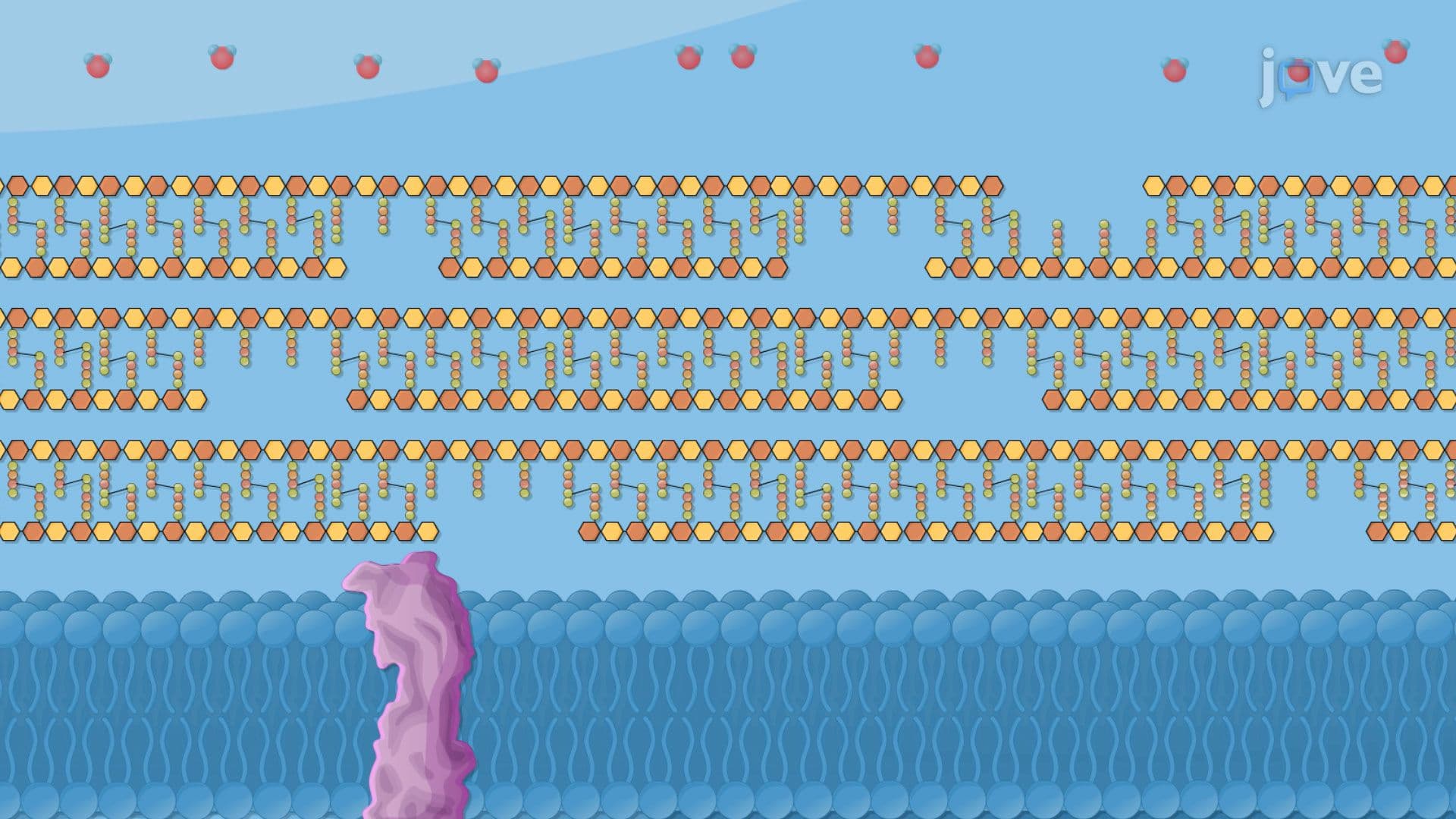
Amphotericin B remains one of the most well-studied antifungal agents explained in both academic and clinical settings. It is an amphipathic molecule, containing hydrophilic (water-attracting) and hydrophobic (water-repelling) regions within the same structure. This dual chemical character allows it to interact with the lipid bilayer of fungal cell membranes in two distinct ways:
1. Pore Formation: Amphotericin B molecules insert perpendicularly into the fungal membrane, aligning with lipid chains and assembling into ion channels. These pores allow potassium and other ions to leak uncontrollably, disrupting the electrochemical balance the cell needs to survive, a process called osmotic imbalance, which ultimately causes cell death.
2. Ergosterol Sequestration: In a separate mechanism, amphotericin B molecules align parallel to the membrane surface. This orientation physically traps ergosterol near the outer membrane surface, pulling it away from its structural role and destabilizing membrane integrity without forming full pores.
Antifungal agents are part of a larger pharmacological family that includes antibacterial, antiviral, and antiparasitic drugs, all grouped under the umbrella of antimicrobials. A major concern across all these drug classes is antimicrobial resistance, which occurs when microorganisms evolve mechanisms to survive drug exposure. Fungal resistance to antifungals, such as *Candida auris* outbreaks reported in US hospitals by the CDC, is a growing public health crisis.
For AP Biology, college microbiology midterms, and MCAT preparation, students are commonly tested on mechanisms of action for antimicrobial drugs, distinguishing fungicidal (kills fungi) from fungistatic (inhibits growth) agents, and connecting membrane structure to drug selectivity. Mastering antifungal pharmacology also reinforces foundational concepts like membrane dynamics, osmosis, and molecular polarity, topics that appear across AP Chemistry, AP Biology, and introductory college biochemistry courses.
Related Micro-courses