Loading video…

 12 Concepts
 2.3K views

Video Summary: Clinical Significance of Antibiotic Resistance Explained
Every year, antibiotic-resistant infections send over 2.8 million Americans to the hospital, and not all of them survive. Understanding the clinical significance of antibiotic resistance starts with pathogens like MRSA (*Methicillin-resistant Staphylococcus aureus*), a superbug responsible for deadly skin and soft tissue infections across US hospitals and communities. Emerging countermeasures, including phage therapy, nanoparticles, and plant-derived phytochemicals, are reshaping how medicine fights back. Watch the full video on JoVE Coach to master this concept with expert-led visuals and step-by-step explanations.
Antibiotic resistance is no longer a distant threat, it is an active clinical crisis reshaping how physicians treat infections across the United States. When bacteria evolve the ability to survive antibiotic exposure, standard treatments fail, hospitalizations lengthen, and mortality rates climb. The CDC estimates that antimicrobial resistance causes roughly 35,000 deaths annually in the US alone. For students studying biology, microbiology, or pre-health sciences, grasping this concept is foundational to understanding modern infectious disease management.
Antibiotic resistance occurs when a microorganism acquires the ability to survive and reproduce despite exposure to drugs designed to kill or inhibit it. Bacteria develop resistance through several well-documented mechanisms:
Understanding how bacteria develop resistance to antibiotics is a core learning objective in AP Biology, college microbiology courses, and MCAT preparation, particularly in sections covering evolution and molecular biology.
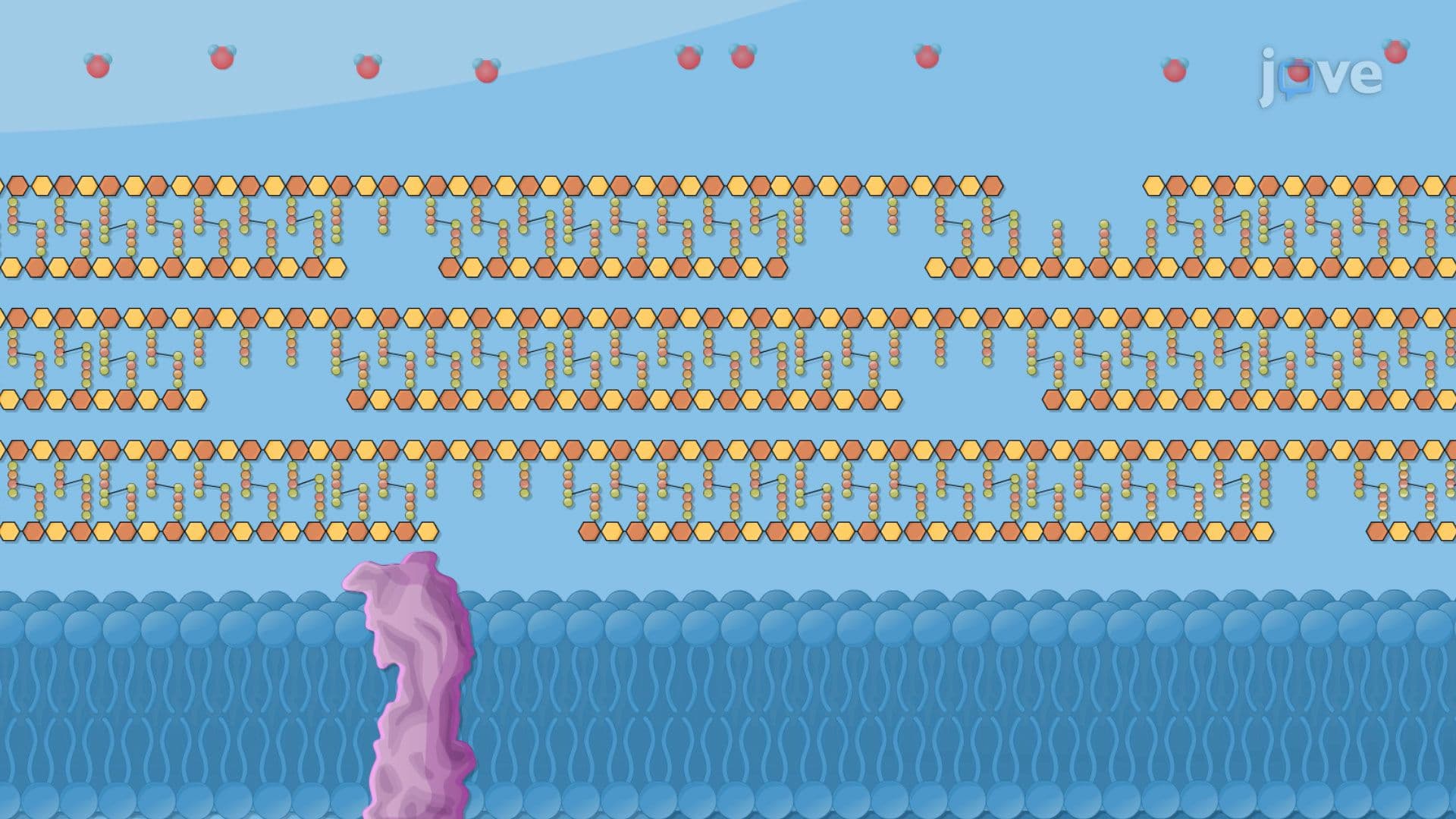
One of the most tested distinctions in microbiology is bactericidal versus bacteriostatic activity. Bactericidal antibiotics, such as penicillins, cephalosporins, and fluoroquinolones, kill bacteria directly by disrupting cell wall synthesis or DNA replication. Bacteriostatic drugs, like tetracyclines and sulfonamides, inhibit bacterial growth and reproduction, relying on the host immune system to clear the remaining organisms.
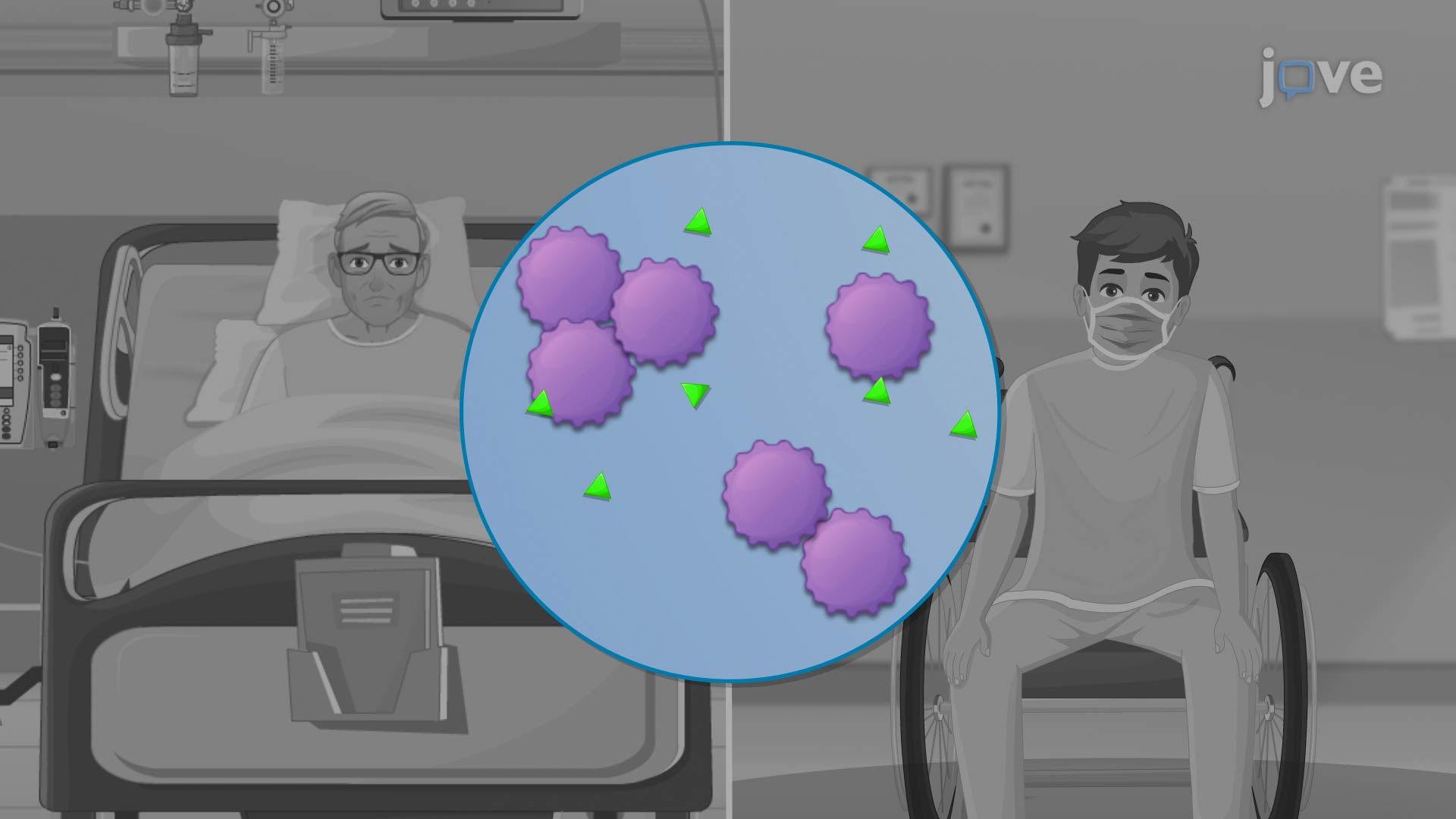
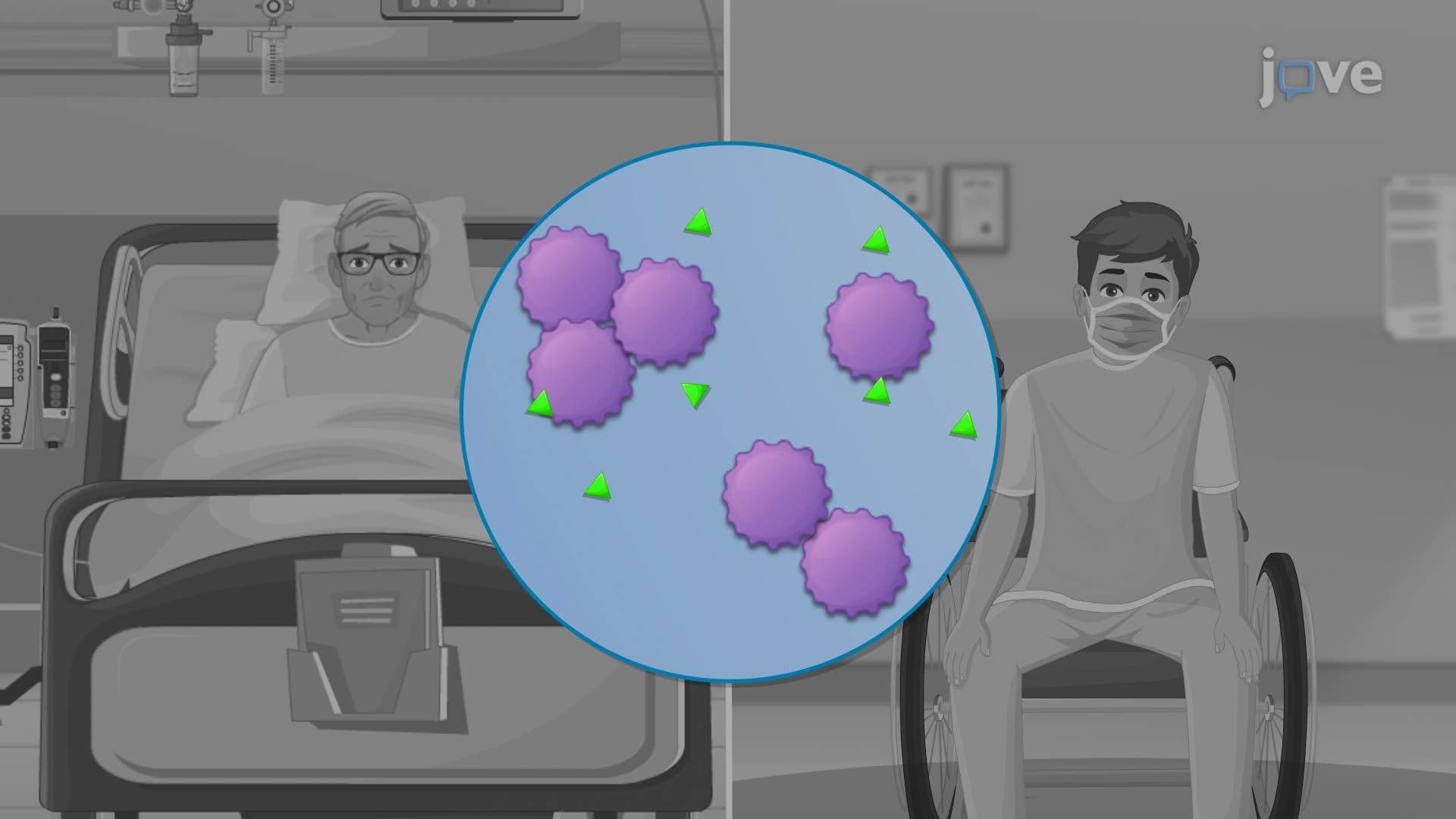
This distinction matters clinically and on exams. In immunosuppressed patients, the same population most vulnerable to MRSA, bacteriostatic drugs may be inadequate because a weakened immune system cannot finish the job. This is why clinicians managing serious infections typically prefer bactericidal agents or combination therapies.
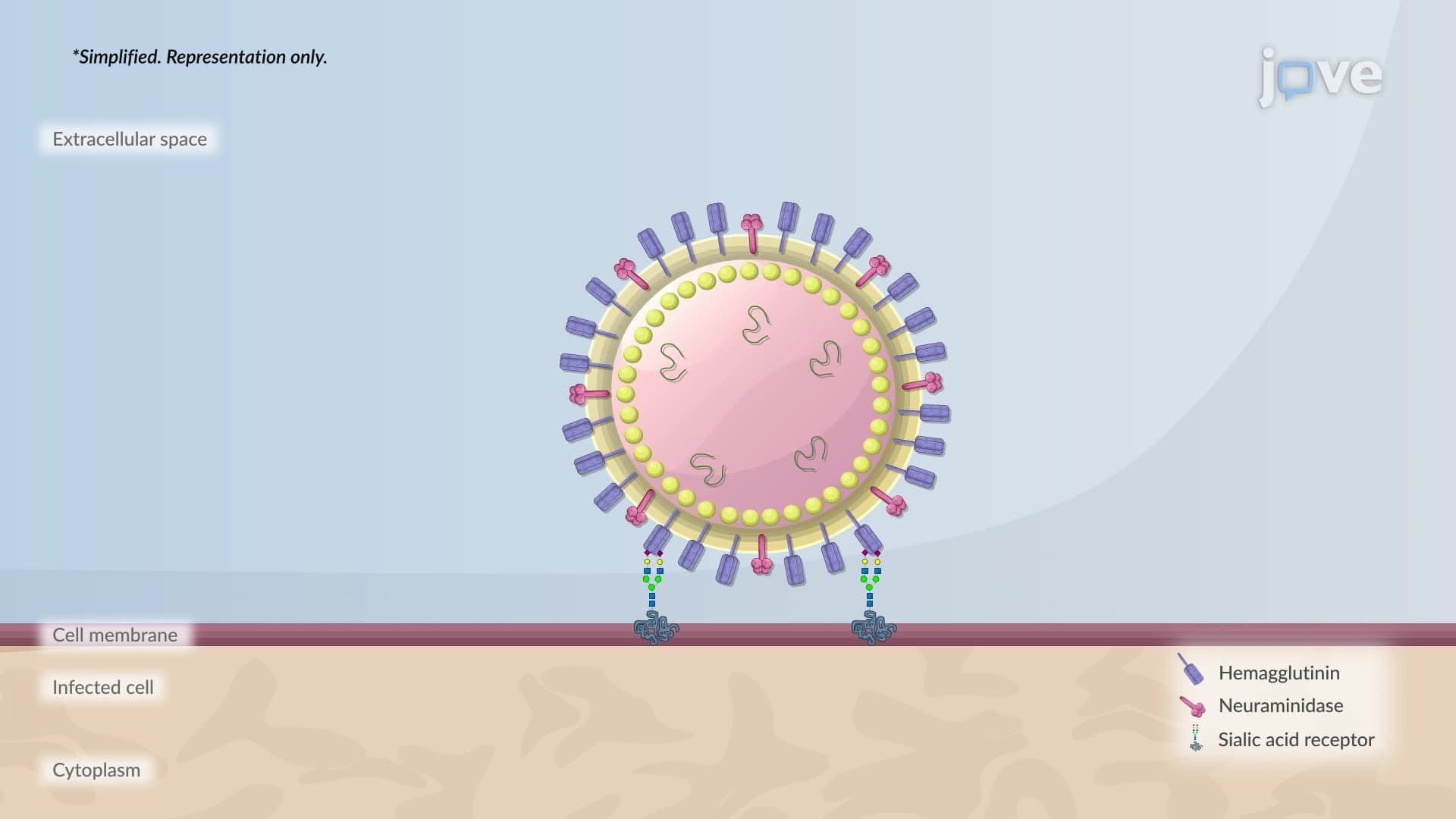
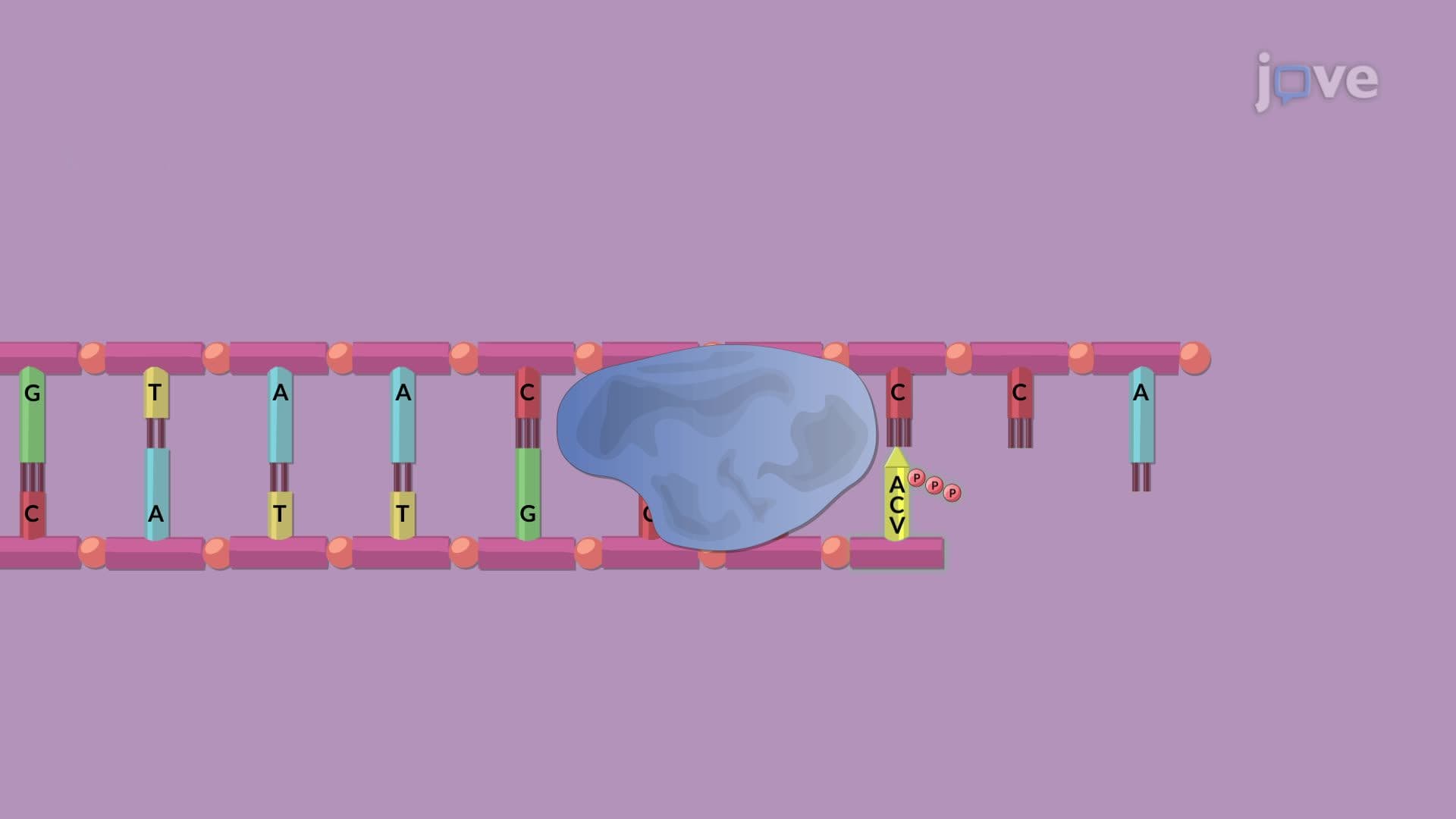
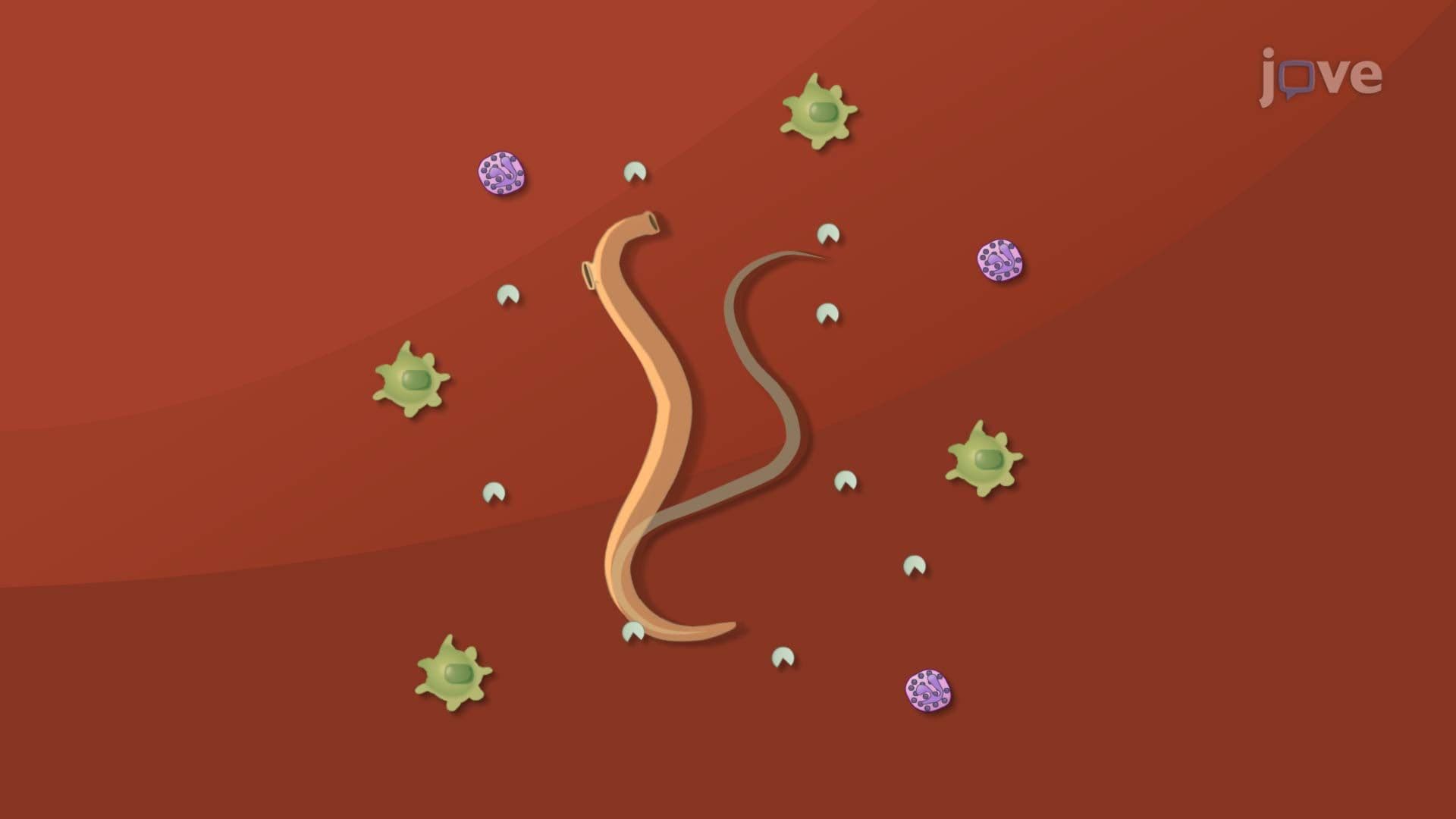
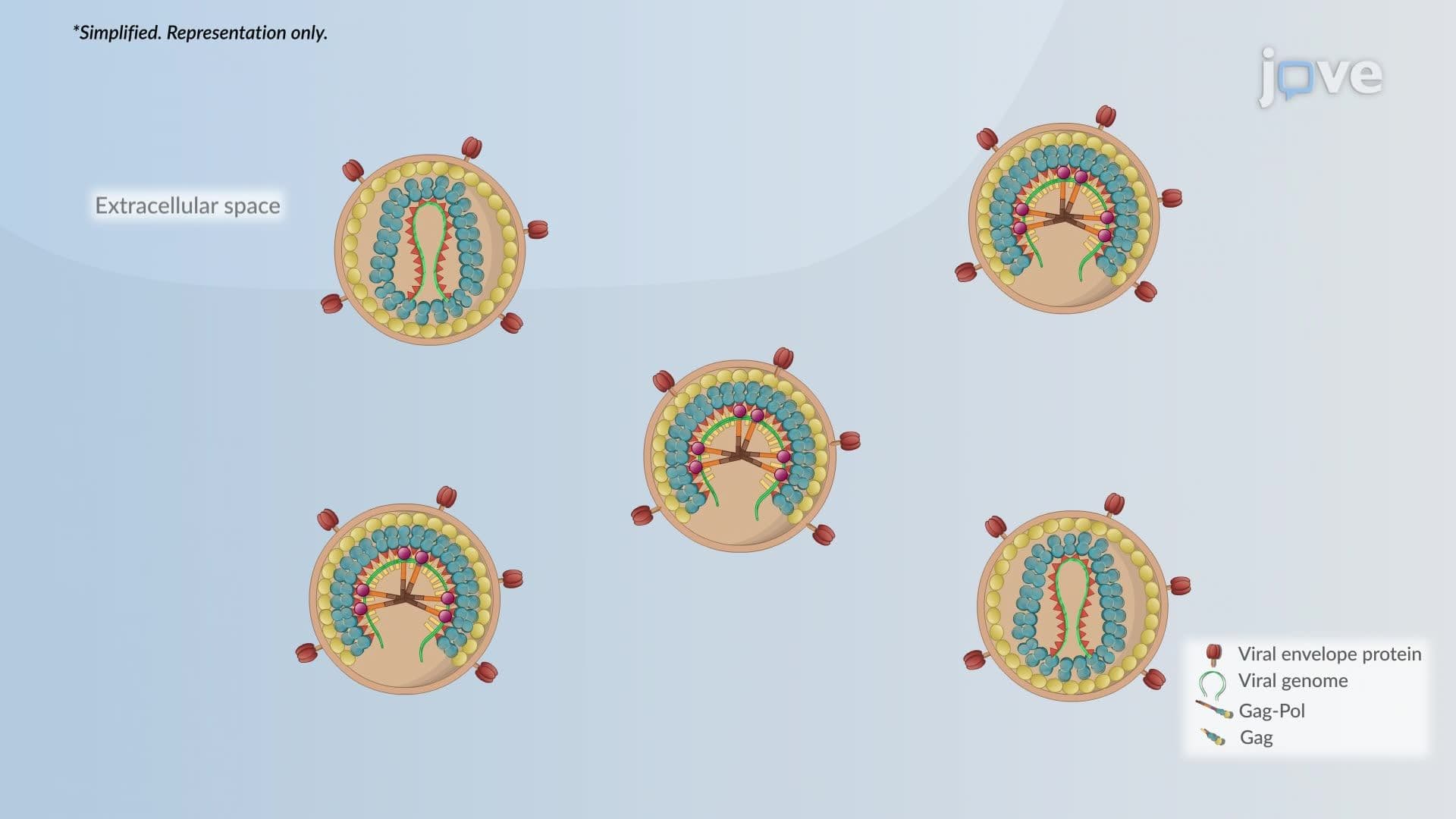
The difference between antibiotics and antimicrobials is also worth clarifying: antibiotics technically refer to compounds derived from or modeled after natural microbial products, while antimicrobials is the broader umbrella term that includes antiviral agents (targeting viruses like influenza or HIV) and antifungal agents (targeting fungi like *Candida*). Each class has distinct mechanisms of action tailored to the biology of its target organism.
Given the limitations of traditional antibiotics, researchers and clinicians are actively developing alternative approaches, many of which appear in college coursework, USMLE prep materials, and even AP Biology exam free-response questions:
These strategies underscore a critical principle: when conventional antimicrobials fail, the clinical and scientific communities must innovate. For students pursuing careers in medicine, pharmacy, or research, understanding these alternatives is increasingly essential, and increasingly tested.
Related Micro-courses