Loading video…

 12 Concepts
 2.3K views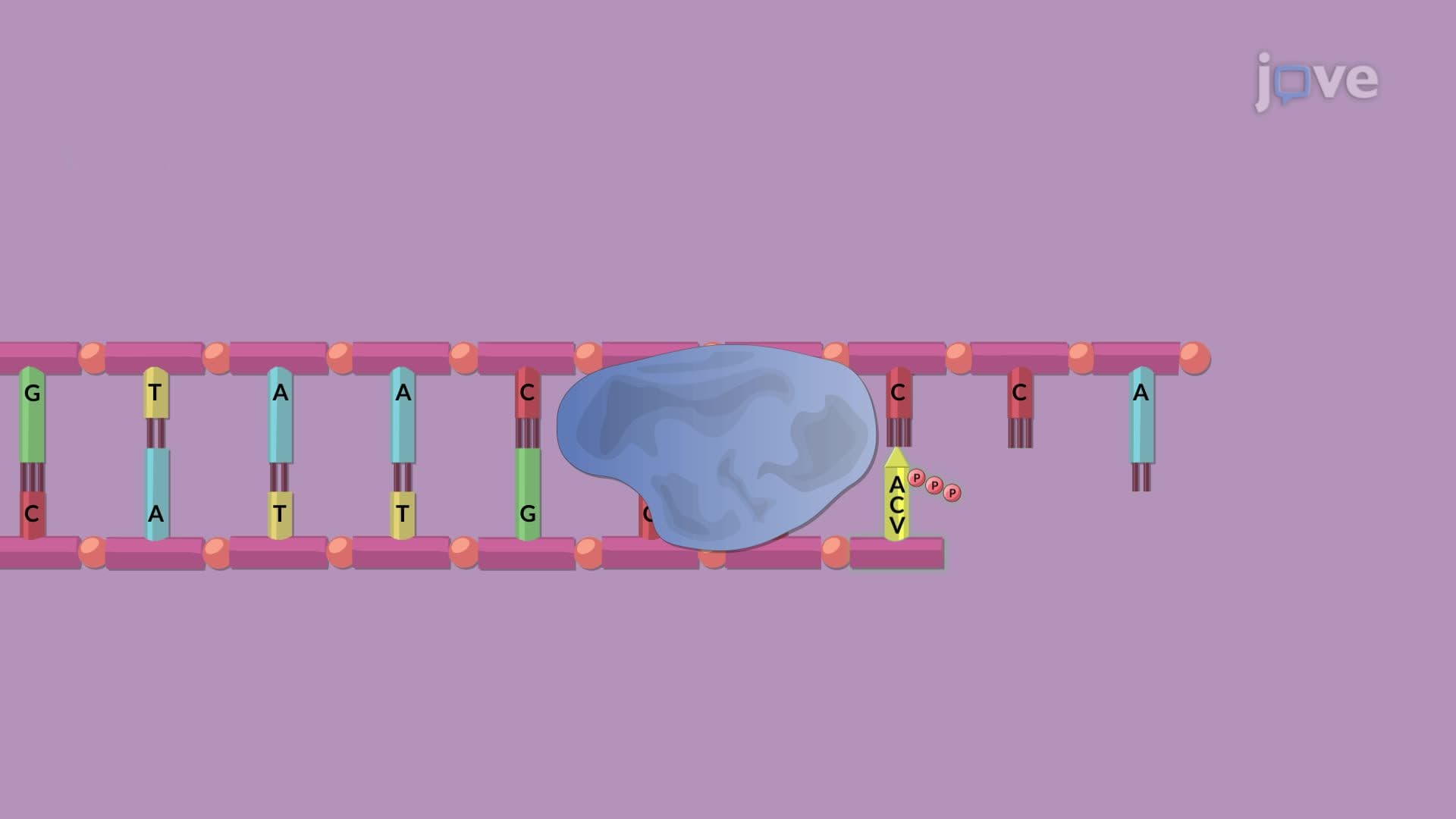

Video Summary: What are Antiviral Nucleoside Inhibitors
Did you know a common cold sore medication works by tricking a virus into destroying its own DNA? Antiviral nucleoside inhibitors are structural mimics of natural nucleosides that sabotage viral replication at the molecular level. In the US, drugs like acyclovir, widely prescribed for herpes simplex virus infections, are classic examples of this mechanism in action. Understanding what antiviral nucleoside inhibitors are reveals how modern medicine targets viruses with remarkable precision. Watch the full video on JoVE Coach to master this concept with expert-led visuals and step-by-step explanations.
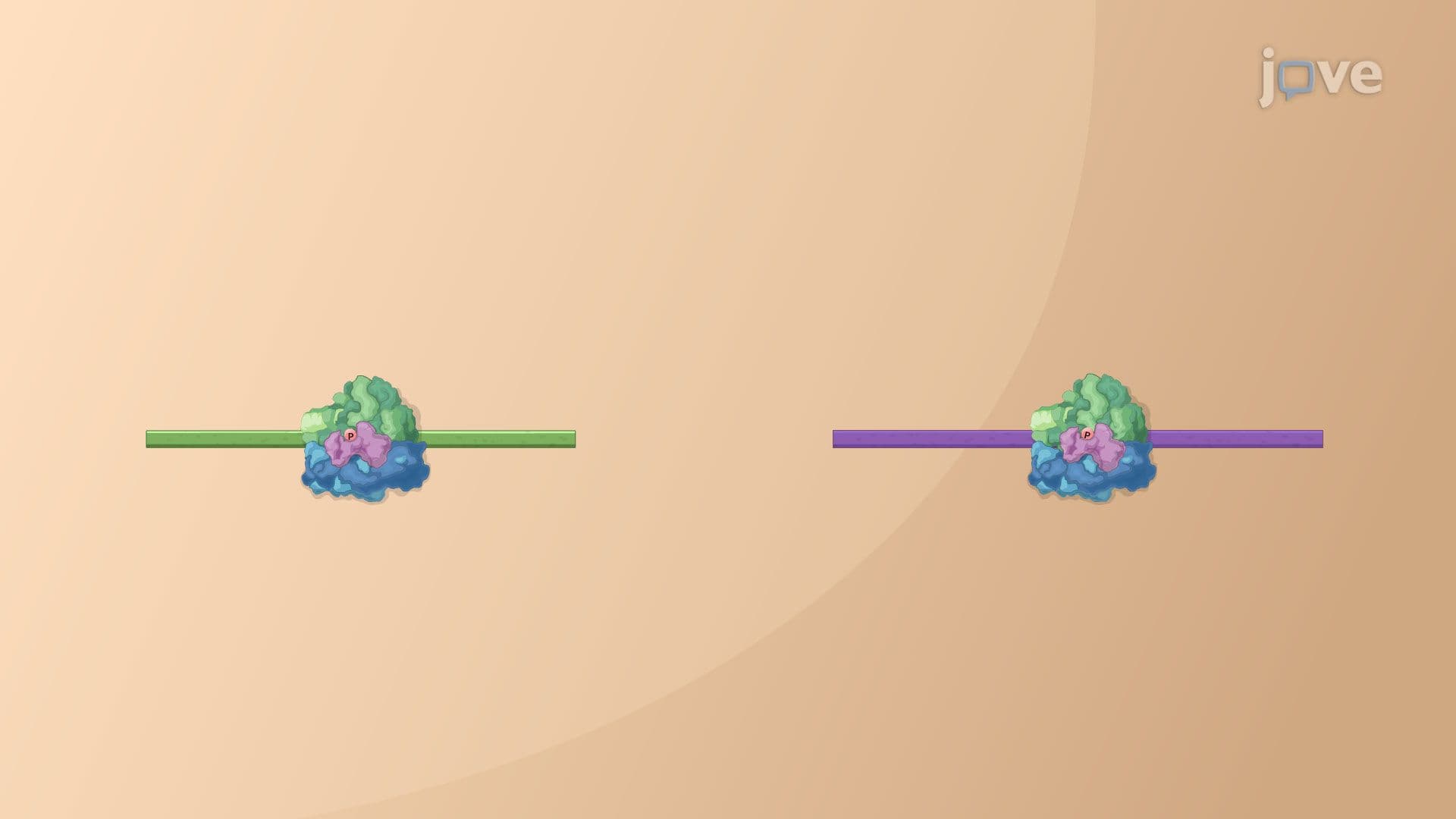
Antiviral nucleoside inhibitors are a class of antiviral agents designed to mimic the building blocks of DNA and RNA, called nucleosides, closely enough to fool a virus, but differently enough to shut down viral replication. Think of them as molecular decoys. Once incorporated into a growing viral DNA strand, they act like a dead-end road, halting the entire copying process. This mechanism is a cornerstone concept in pharmacology and microbiology courses from AP Biology through pre-med curricula.
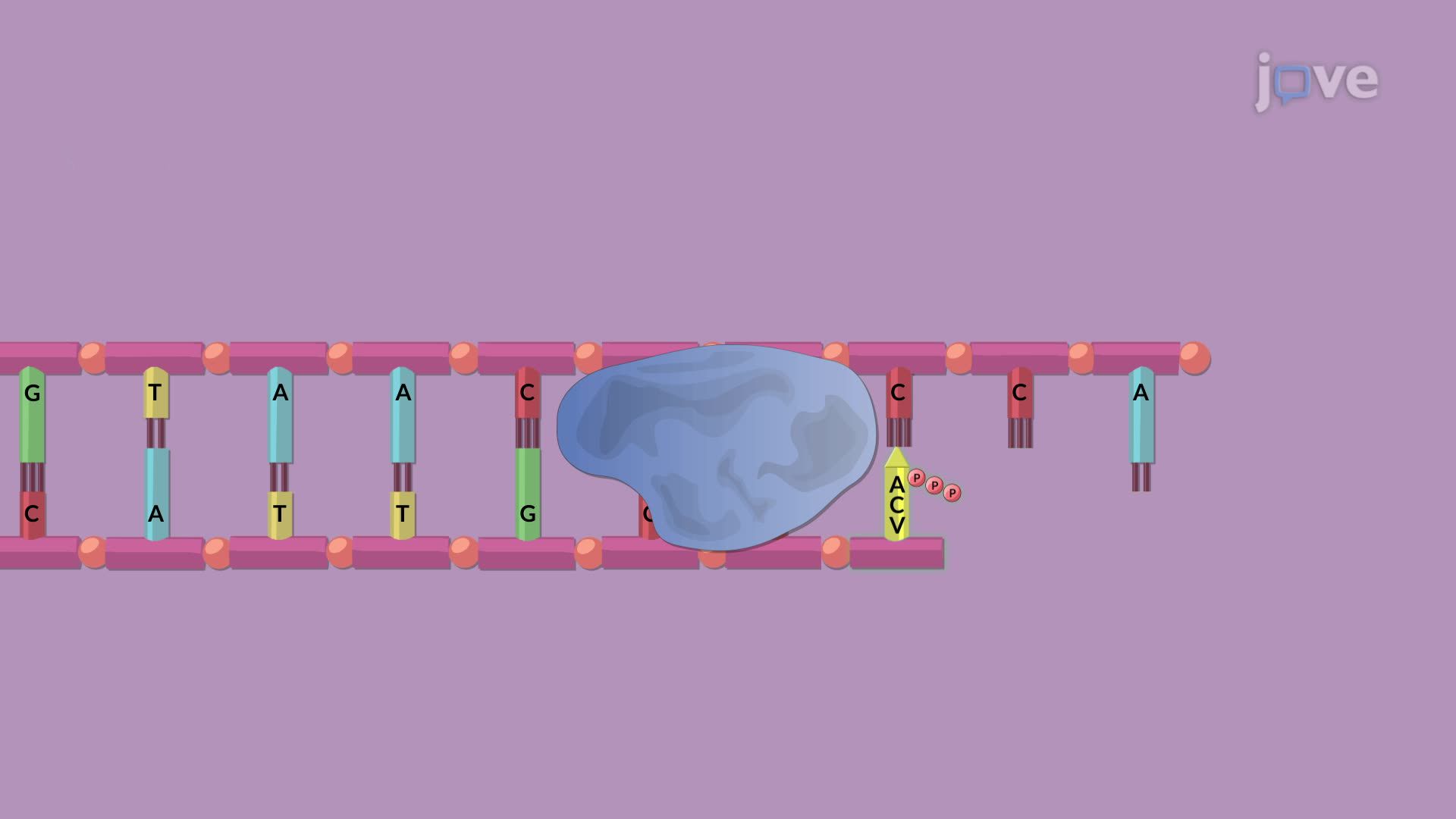
Natural nucleosides consist of a sugar (ribose or deoxyribose) attached to a nitrogenous base. Antiviral nucleoside inhibitors preserve the base but alter the sugar component. Acyclovir, for example, replaces the full ribose ring with a short, open-chain (acyclic) side chain. This subtle change has enormous consequences: the drug can still be recognized and incorporated by viral DNA polymerase, but once it is added to the growing DNA strand, the missing 3'-hydroxyl group means no additional nucleotide can be attached. DNA synthesis stops cold, a process called chain termination.
One of the most elegant features of antiviral nucleoside inhibitors is their selectivity. Acyclovir enters cells passively, but it only becomes pharmacologically active inside virus-infected cells. The first and rate-limiting phosphorylation step, converting acyclovir to acyclovir monophosphate, is carried out almost exclusively by a thymidine kinase encoded by the herpes virus itself. Healthy, uninfected cells lack this viral enzyme, so acyclovir remains largely inert in them. Host cell kinases then complete the activation by adding a second and third phosphate group, producing the active triphosphate form. This two-key activation system is why acyclovir has a favorable safety profile compared to many earlier antiviral drugs.
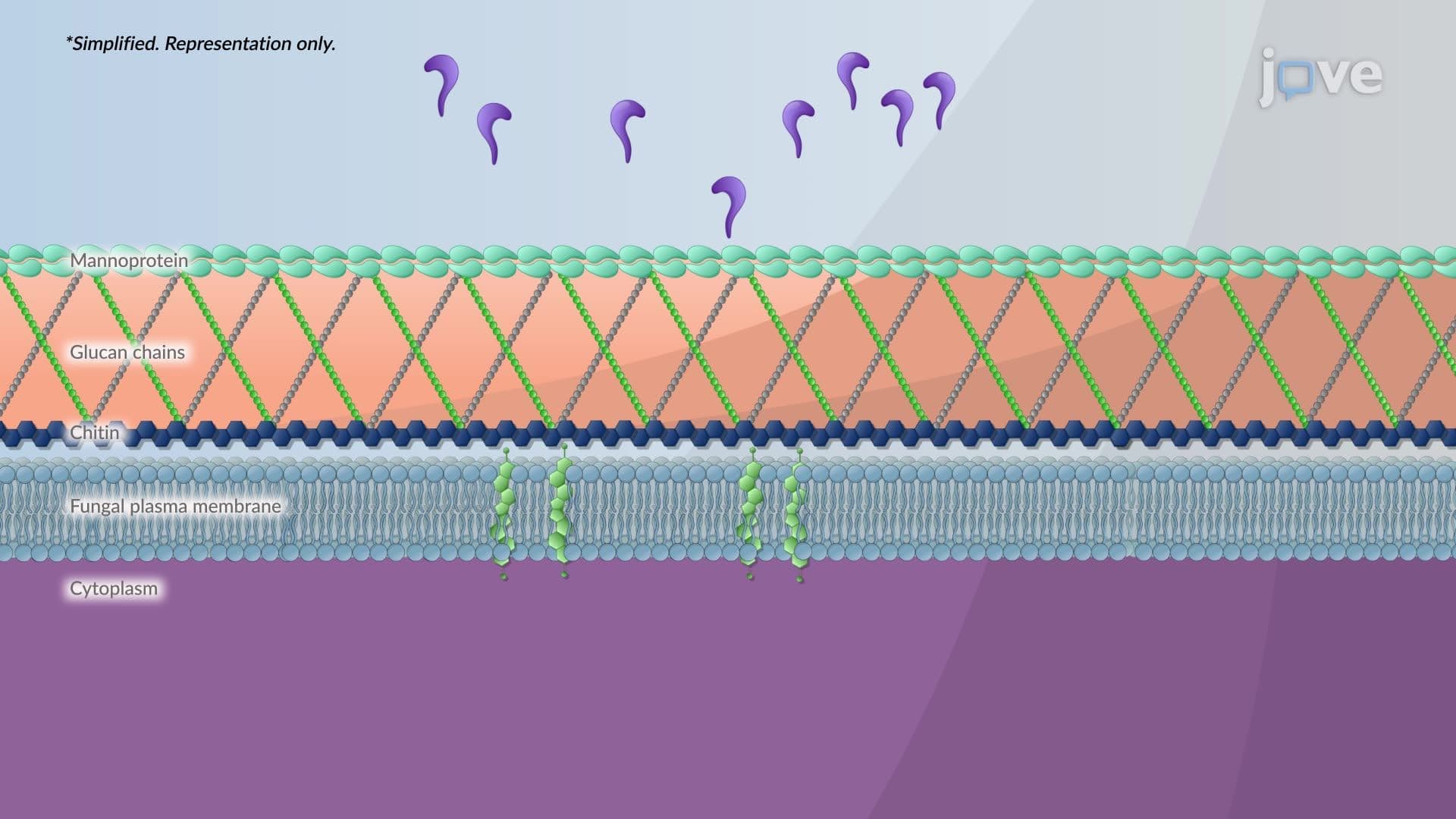
In the United States, acyclovir and its prodrug valacyclovir are among the most prescribed antivirals for herpes simplex virus (HSV-1, HSV-2) and varicella-zoster virus, the pathogen responsible for chickenpox and shingles. Understanding how antiviral nucleoside inhibitors work is directly tested on the MCAT (in the Biochemistry and Pharmacology sections), the USMLE Step 1 (Microbiology and Pharmacology), NCLEX-RN (drug mechanisms and patient safety), and AP Biology (gene expression and viral replication). Questions often ask students to predict what happens when a drug lacks a specific chemical group, or to distinguish between bactericidal vs. bacteriostatic mechanisms versus antiviral mechanisms of action. Connecting this topic to related concepts, such as how bacteria develop resistance to antibiotics, how narrow-spectrum versus broad-spectrum antibiotics differ, and how antifungal agents compare, strengthens overall antimicrobial pharmacology mastery.
The broader significance of antiviral nucleoside inhibitors extends into ongoing research on antimicrobial resistance. Just as bacteria can mutate to evade antibiotics, viruses can develop resistance by mutating their thymidine kinase or DNA polymerase genes, reducing drug efficacy. Studying these mechanisms together builds the analytical framework needed for both academic exams and real-world clinical reasoning.
Related Micro-courses