Loading video…


 12 Concepts
 2.3K views


Video Summary: Mechanism of Antibiotic Resistance in Mrsa Explained
Every year, nearly 80,000 Americans develop invasive MRSA infections, yet the bacterium causing them was once easily treated with common antibiotics. The mechanism of antibiotic resistance in MRSA basics centers on a single rogue gene that rewires how the bacteria builds its own cell wall. Understanding the mechanism of antibiotic resistance in MRSA reveals why standard beta-lactam drugs like penicillin completely fail against this superbug. Watch the full video on JoVE Coach to master this concept with expert-led visuals and step-by-step explanations.
*Staphylococcus aureus* is a common skin bacterium that turns dangerous the moment it enters the bloodstream, a surgical wound, or the lungs. Methicillin-resistant *Staphylococcus aureus*, MRSA, is notorious in US hospitals and community settings alike because it shrugs off the antibiotics that would kill nearly any other staph infection. To understand why, you need to understand how antibiotics normally work and what MRSA has done to circumvent them.
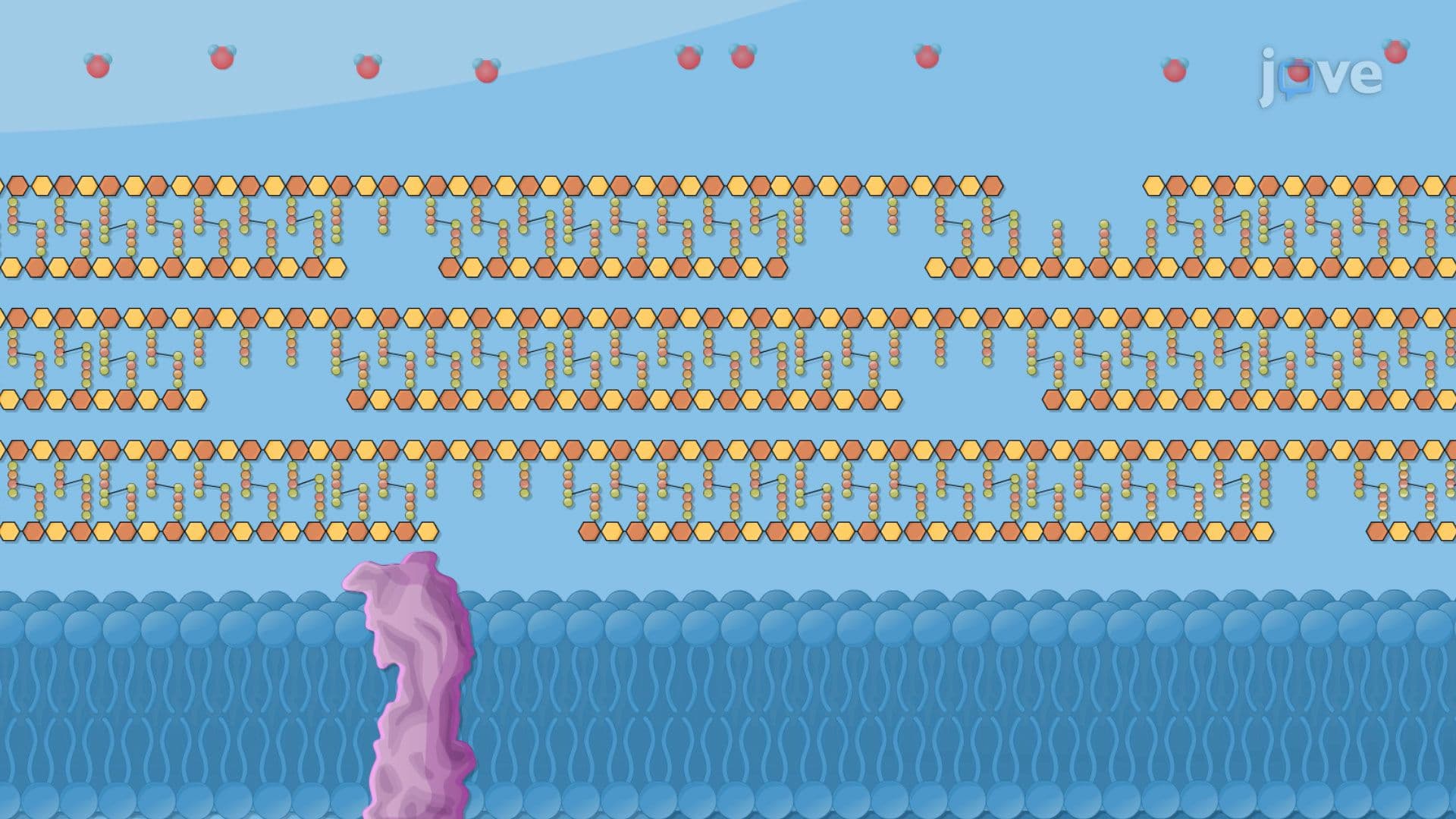
Beta-lactam antibiotics, including penicillin, methicillin, and amoxicillin, are among the most widely used drugs in medicine. Their mechanism of action involves binding to penicillin-binding proteins (PBPs), enzymes embedded in the bacterial cell membrane that are essential for cross-linking peptidoglycan strands in the cell wall. When beta-lactams lock onto PBPs, the bacteria can no longer complete cell wall synthesis. The structural integrity of the cell wall collapses, water rushes in by osmosis, and the bacterium lyses and dies. This makes beta-lactams bactericidal, they actively kill bacteria rather than simply slowing their growth (bacteriostatic). Most *S. aureus* strains are fully vulnerable to this mechanism.
MRSA carries the *mecA* gene, located on a mobile genetic element called the staphylococcal cassette chromosome *mec* (SCC*mec*). This gene encodes PBP2a, a structurally altered version of the normal PBP. PBP2a has an exceptionally low binding affinity for beta-lactam antibiotics, meaning the drug cannot effectively attach to it. Even when a patient is receiving a full therapeutic dose of a beta-lactam, MRSA's PBP2a continues catalyzing cell wall synthesis uninterrupted. The antibiotic essentially has no functional target, making the entire beta-lactam class, one of the broadest spectrum antibiotic groups in clinical medicine, useless against MRSA.
In most biological systems, gene expression is tightly regulated. Normally, the proteins MecI and MecR1 control *mecA* expression, MecI acts as a repressor, and MecR1 acts as a signal transducer that detects beta-lactams and triggers a response. In many MRSA strains, however, both *mecI* and *mecR1* are nonfunctional due to mutations or deletions. Without this regulatory switch, *mecA* is expressed constitutively, meaning PBP2a is produced continuously, regardless of whether antibiotics are present. This locks in stable, predictable resistance rather than an inducible response, which has major implications for treatment in US hospital settings like intensive care units (ICUs).
Not all MRSA strains behave identically. In heterogeneous resistance, only a fraction of the bacterial population expresses the resistance phenotype at any given time, which can make laboratory detection tricky because standard susceptibility tests may underestimate resistance. In homogeneous resistance, every cell in the population consistently expresses PBP2a, resulting in uniformly high minimum inhibitory concentrations (MICs). This distinction matters for exam prep: AP Biology and college microbiology courses often test population-level thinking, and the MCAT and USMLE both require students to connect genetic mechanisms to clinical outcomes. Recognizing MRSA resistance patterns also connects directly to understanding why narrow spectrum antibiotics like vancomycin or linezolid, drugs that work through entirely different mechanisms of action, are reserved as last-resort treatments for MRSA infections in US clinical guidelines.
Related Micro-courses