Loading subject page…

2,279 views

Video Summary: What are Antiprotozoal Agents
Did you know that a heavy metal can actually save lives by killing microscopic parasites hiding inside your own immune cells? Antiprotozoal agents are drugs designed to target and eliminate protozoan parasites, and understanding what antiprotozoal agents are helps explain how medicine fights infections like Leishmaniasis, a disease affecting thousands of Americans returning from tropical regions annually. Watch the full video on JoVE Coach to master this concept with expert-led visuals and step-by-step explanations.
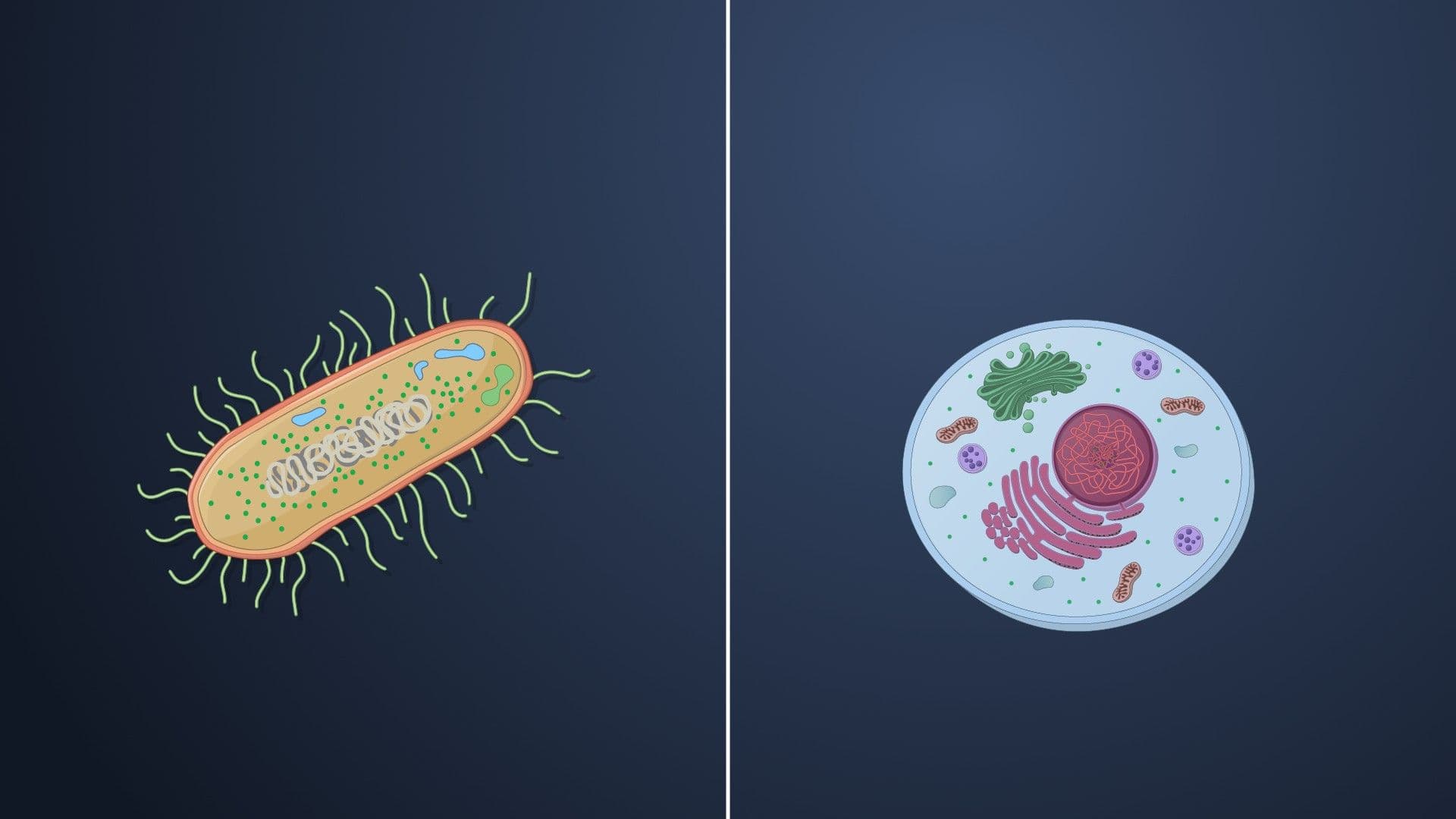
Antiprotozoal agents are a specialized category of antimicrobial drugs engineered to combat infections caused by protozoa, single-celled eukaryotic parasites that can invade and multiply within human host tissues. Unlike broad spectrum antibiotics that target bacteria across many species, antiprotozoal drugs must be carefully designed to attack pathways found in parasites but not in human cells. This selectivity is what makes understanding their mechanisms of action both fascinating and clinically critical.
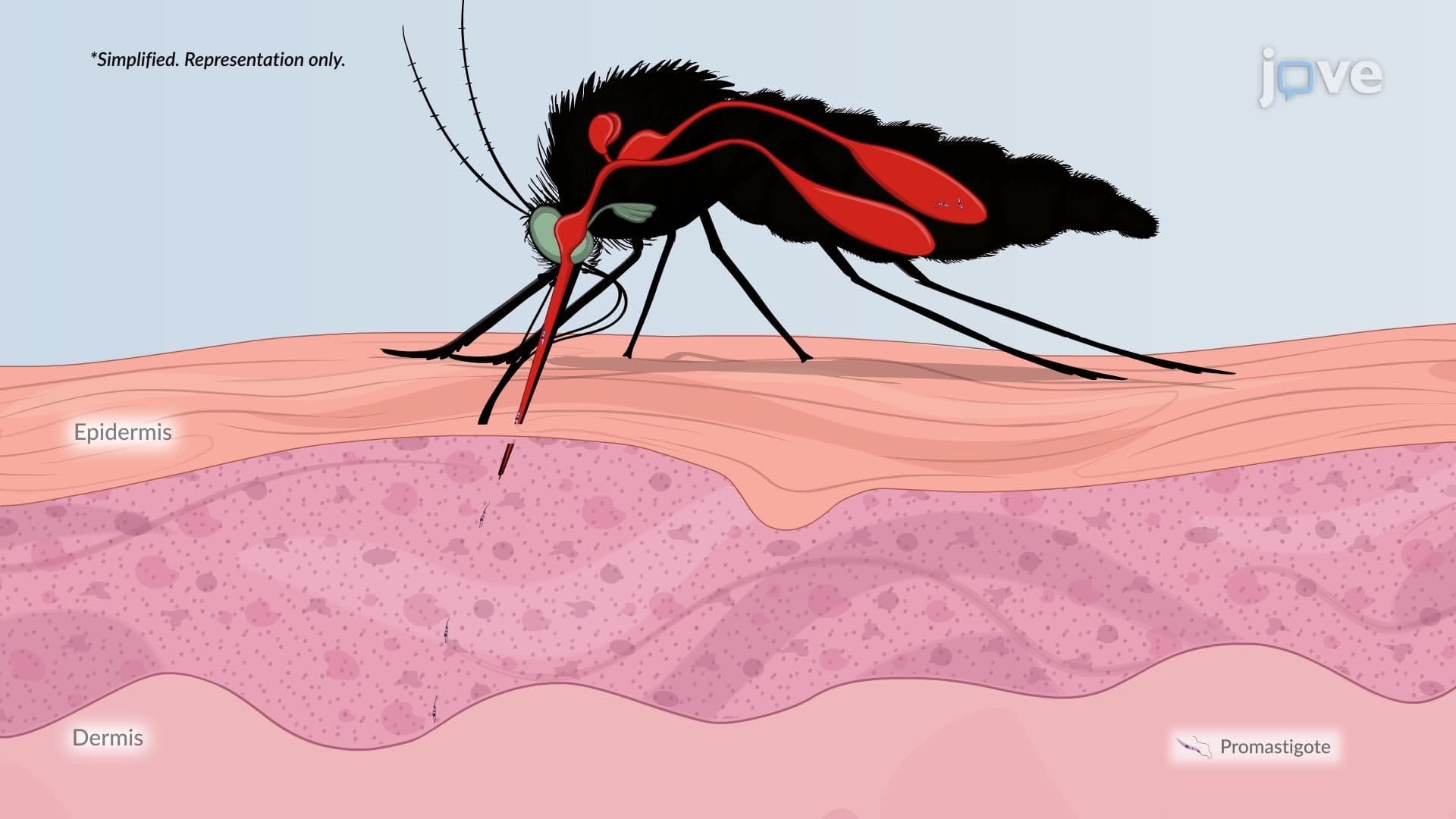
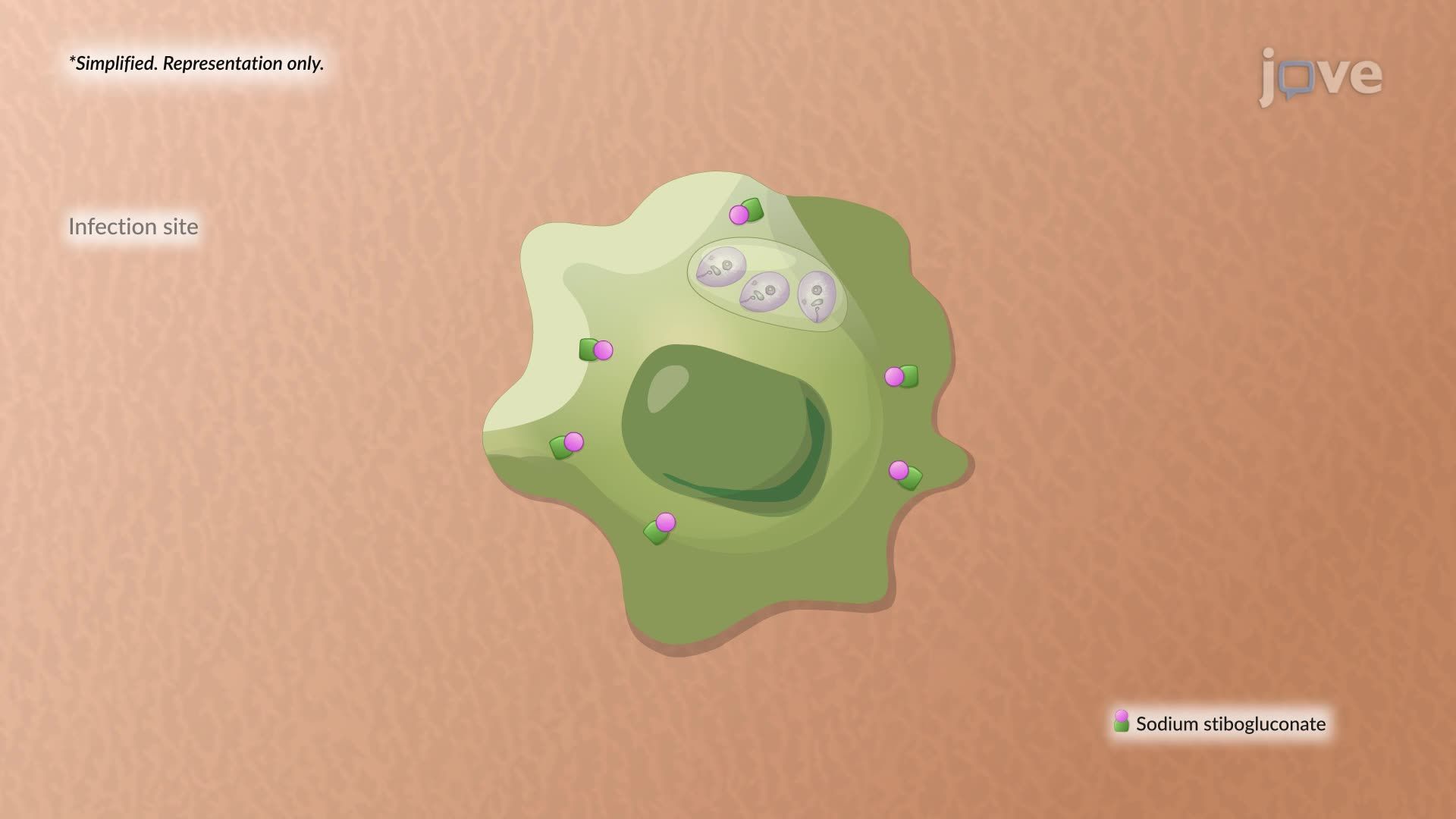
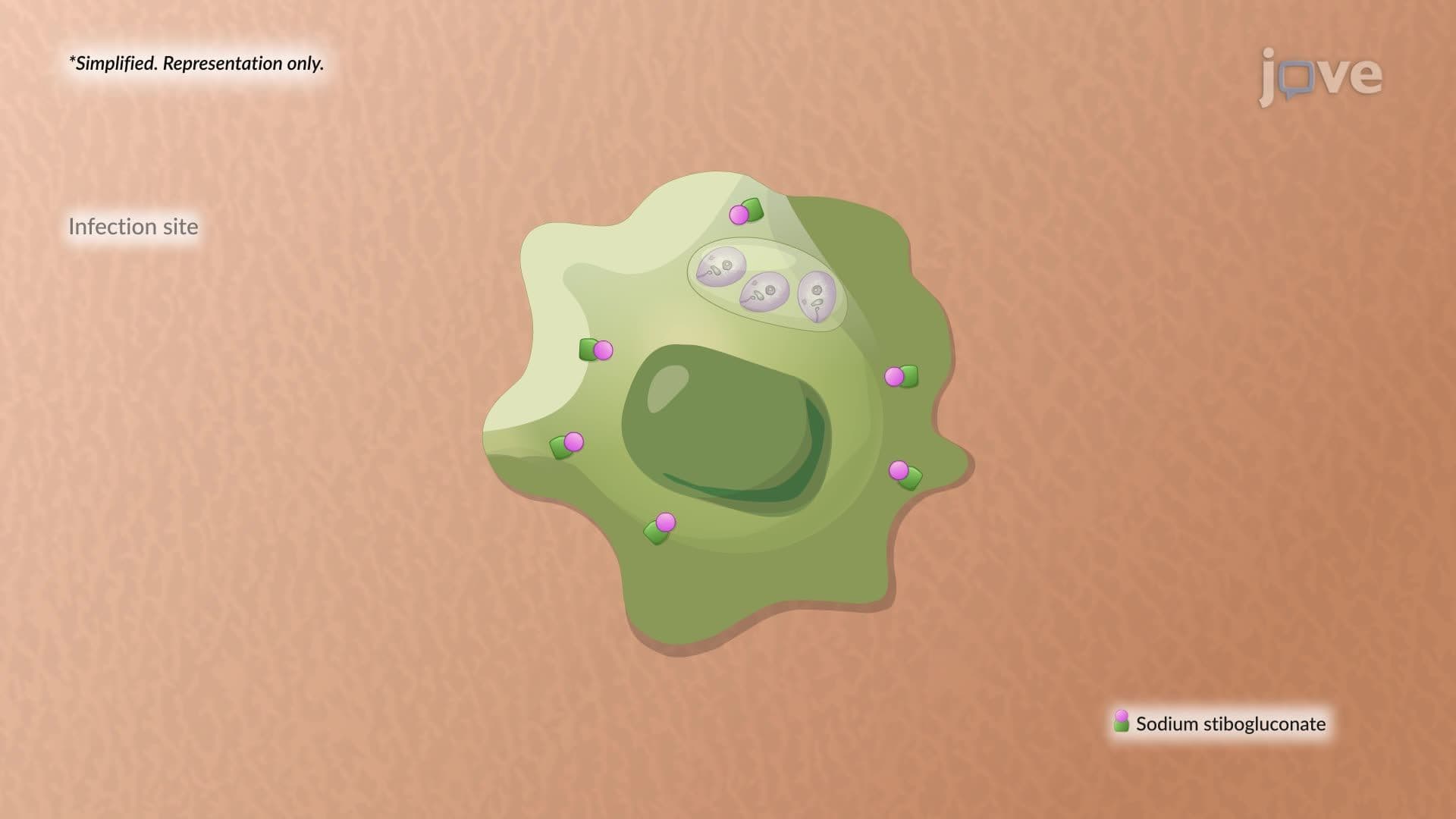
One of the most well-established antiprotozoal agents is sodium stibogluconate (SSG), which contains the heavy metal antimony. SSG is a frontline treatment for Leishmaniasis, a disease caused by *Leishmania* parasites transmitted through sandfly bites. According to the CDC, Leishmaniasis affects US military personnel and travelers returning from parts of South America, the Middle East, and South Asia. What makes SSG particularly clever is its prodrug design, it enters the body in a less active pentavalent form and is only converted into its potent trivalent form inside infected macrophages, reducing toxicity to the broader host system.
The key molecular target of active trivalent antimony is trypanothione reductase, an enzyme that is unique to trypanosomatid parasites like *Leishmania*. This enzyme manages the parasite's internal redox balance, essentially its defense against oxidative damage. Humans use a different molecule, glutathione, for this same protective function. By blocking trypanothione reductase, trivalent antimony cripples the parasite's antioxidant defenses. Simultaneously, the drug binds free thiols and interferes with iron-sulfur cluster enzymes and zinc-binding proteases, compounding the biochemical disruption. Reactive oxygen species (ROS) accumulate, damaging proteins and membrane lipids until the parasite can no longer survive, a concept directly tied to oxidative stress mechanisms commonly covered in AP Biology and college-level microbiology courses.
Understanding antiprotozoal agents explained within the larger antimicrobial landscape is essential for students preparing for the MCAT or USMLE Step 1. These drugs sit alongside antiviral agents and antifungal agents as targeted antimicrobials that exploit specific biological differences between pathogens and human cells. The bactericidal vs. bacteriostatic distinction familiar from antibiotic pharmacology has a parallel here, some antiprotozoal drugs kill parasites outright (protozoicidal), while others suppress their growth. Antimicrobial resistance is also a growing concern with antiprotozoals; SSG resistance has been documented in parts of India, making research into alternative agents increasingly urgent. For students in AP Biology, college microbiology, or pre-med tracks, mastering how do antimicrobial drugs work across different pathogen types builds a foundation for understanding drug design, resistance mechanisms, and global health challenges at the highest level.
Related Micro-courses