Loading subject page…

15,445 views

Video Summary: History of Microbiology Key Discoveries and Developments
Did you know that the CDC's ability to track disease outbreaks today traces back to a 17th-century fabric merchant peering through handmade lenses? The history microbiology: key discoveries reveals how simple observations of pond water led to revolutionary medical breakthroughs. From Robert Hooke's first cell observations to modern genome sequencing at the National Institutes of Health, the History of Microbiology: Key Discoveries and Developments spans three golden ages of scientific innovation. Watch the full video on JoVE Coach to master this concept with expert-led visuals and step-by-step explanations.
The systematic study of microscopic life began with curiosity-driven observations that fundamentally changed our understanding of the natural world. This scientific journey spans over 350 years of groundbreaking discoveries that continue to shape modern medicine, biotechnology, and public health policy.
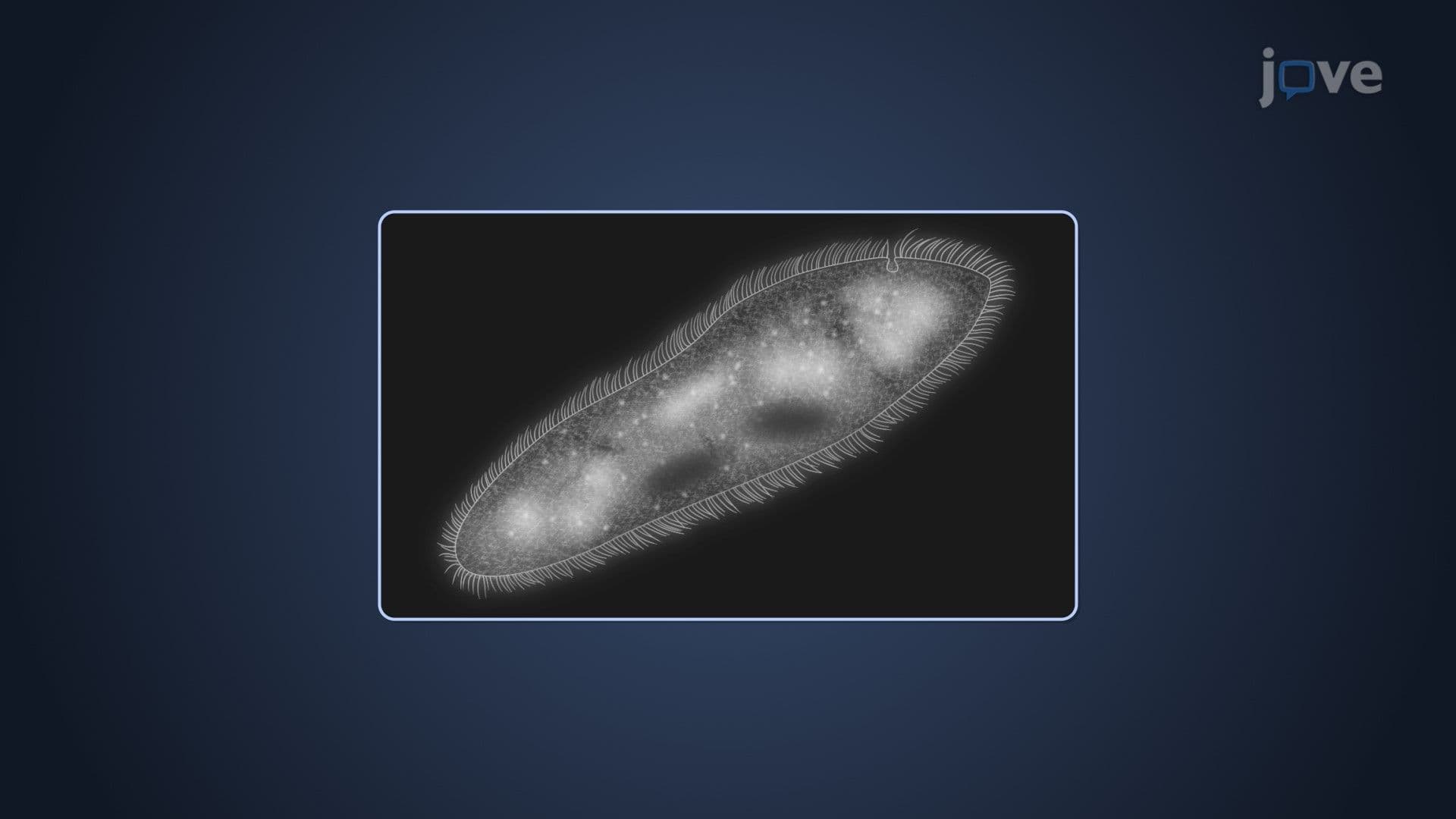
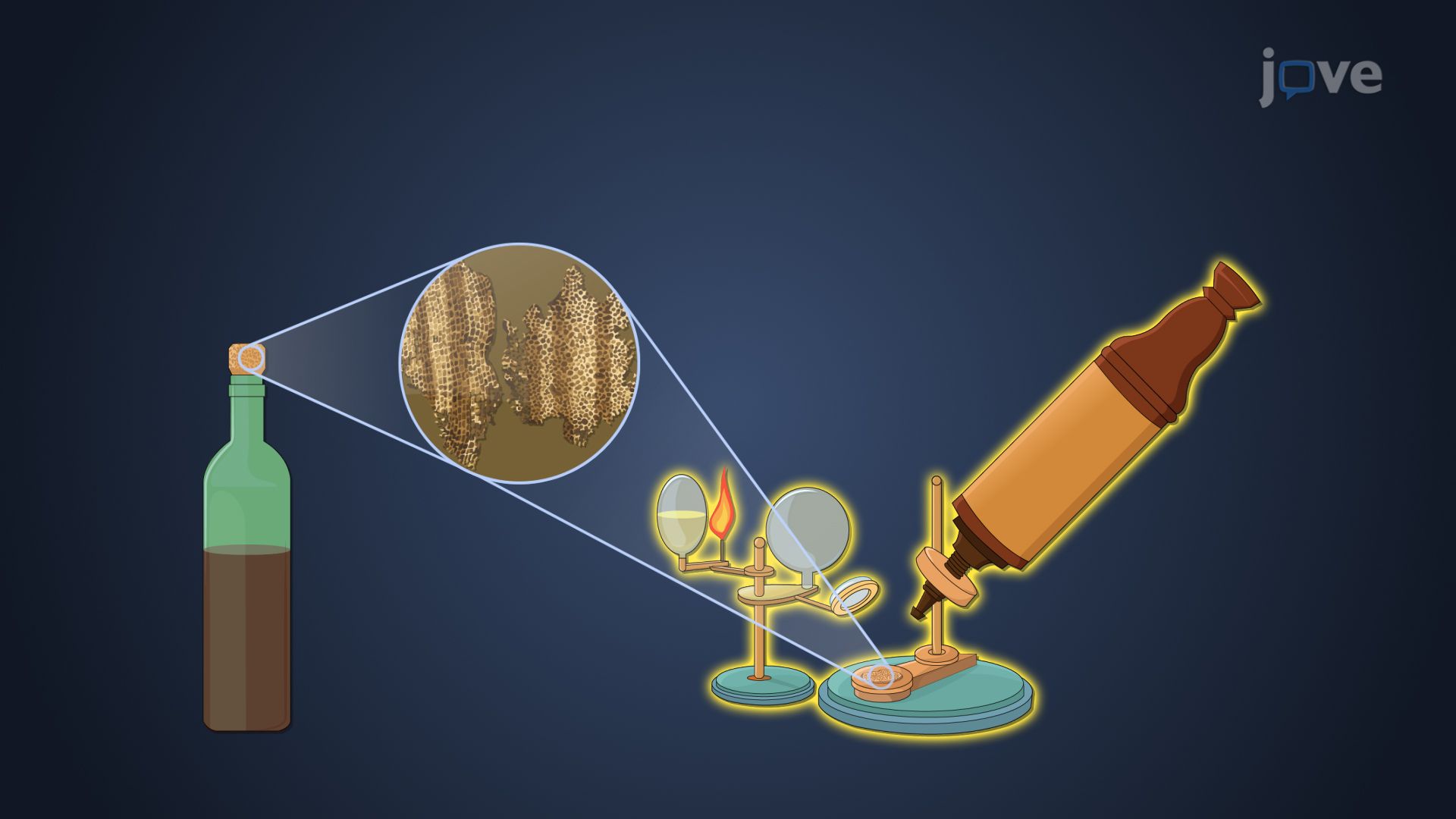
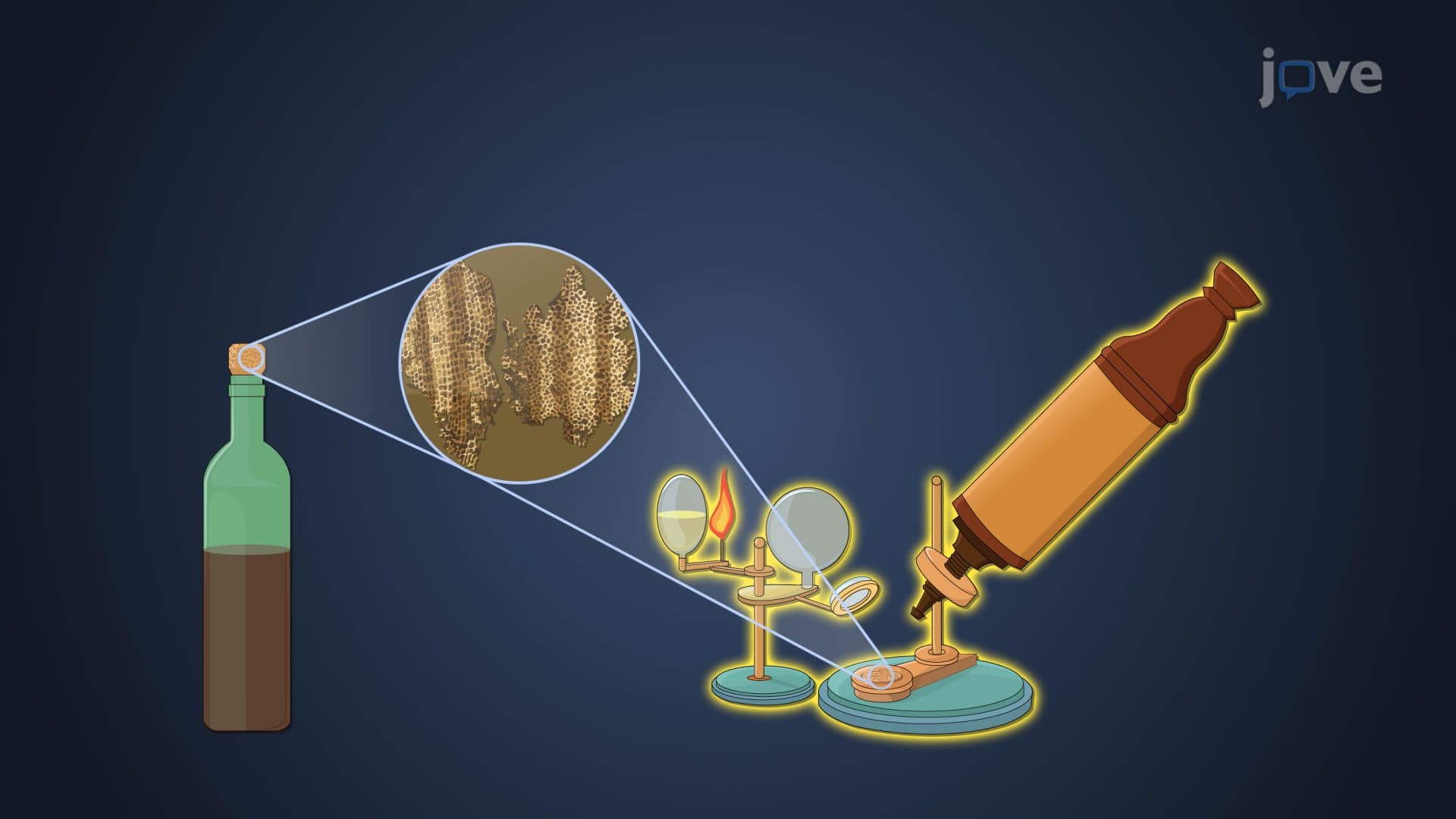
Robert Hooke's 1665 observations of cork cells marked humanity's first glimpse into the microscopic world. Using a compound microscope, Hooke coined the term "cell" because the structures reminded him of monastery cells. However, the true father of microbiology emerged in the Netherlands, where Antonie van Leeuwenhoek crafted superior single-lens microscopes achieving 300x magnification. His meticulous observations of "animalcules" in pond water, dental plaque, and other samples provided the first documented evidence of bacteria and protozoa. These discoveries challenged the prevailing belief that life required visible form, laying groundwork for germ theory.
This transformative period established microbiology as a rigorous science. Louis Pasteur's swan-neck flask experiments definitively disproved spontaneous generation, proving that microorganisms originated from airborne sources rather than arising spontaneously from organic matter. This work led to pasteurization, a process still used by the FDA to ensure milk and juice safety across America. Robert Koch developed his famous postulates, providing systematic criteria for linking specific pathogens to diseases-principles medical researchers at institutions like the Mayo Clinic and Johns Hopkins still follow today. The era also witnessed the first vaccines using attenuated pathogens, establishing immunology fundamentals that enabled the CDC's modern vaccination programs.
Alexander Fleming's 1928 penicillin discovery launched the antibiotic era, dramatically reducing mortality from bacterial infections. The Second Golden Age emphasized antimicrobial development and electron microscopy advances. The ongoing Third Golden Age, beginning in the 1990s, focuses on molecular techniques. The Human Microbiome Project, led by the NIH, exemplifies how historical microbiology principles now guide cutting-edge research into the trillions of microbes inhabiting our bodies.
These historical developments frequently appear in AP Biology exams, MCAT questions, and college microbiology courses, emphasizing their enduring relevance to scientific literacy and medical education.
Related Micro-courses