Loading subject page…

15,445 views

Video Summary: What are Environmental Applications of Microorganisms
Did you know that without microorganisms, Earth's atmosphere would contain virtually no oxygen and our soil would be sterile? Environmental applications of microorganisms represent some of nature's most powerful recycling systems, from nitrogen-fixing bacteria that help Iowa corn farmers reduce fertilizer costs to oil-eating microbes that cleaned up the Deepwater Horizon spill in the Gulf of Mexico. These microscopic workhorses drive essential processes in carbon cycling, waste treatment, and pollution cleanup that keep our planet habitable. Watch the full video on JoVE Coach to master this concept with expert-led visuals and step-by-step explanations.
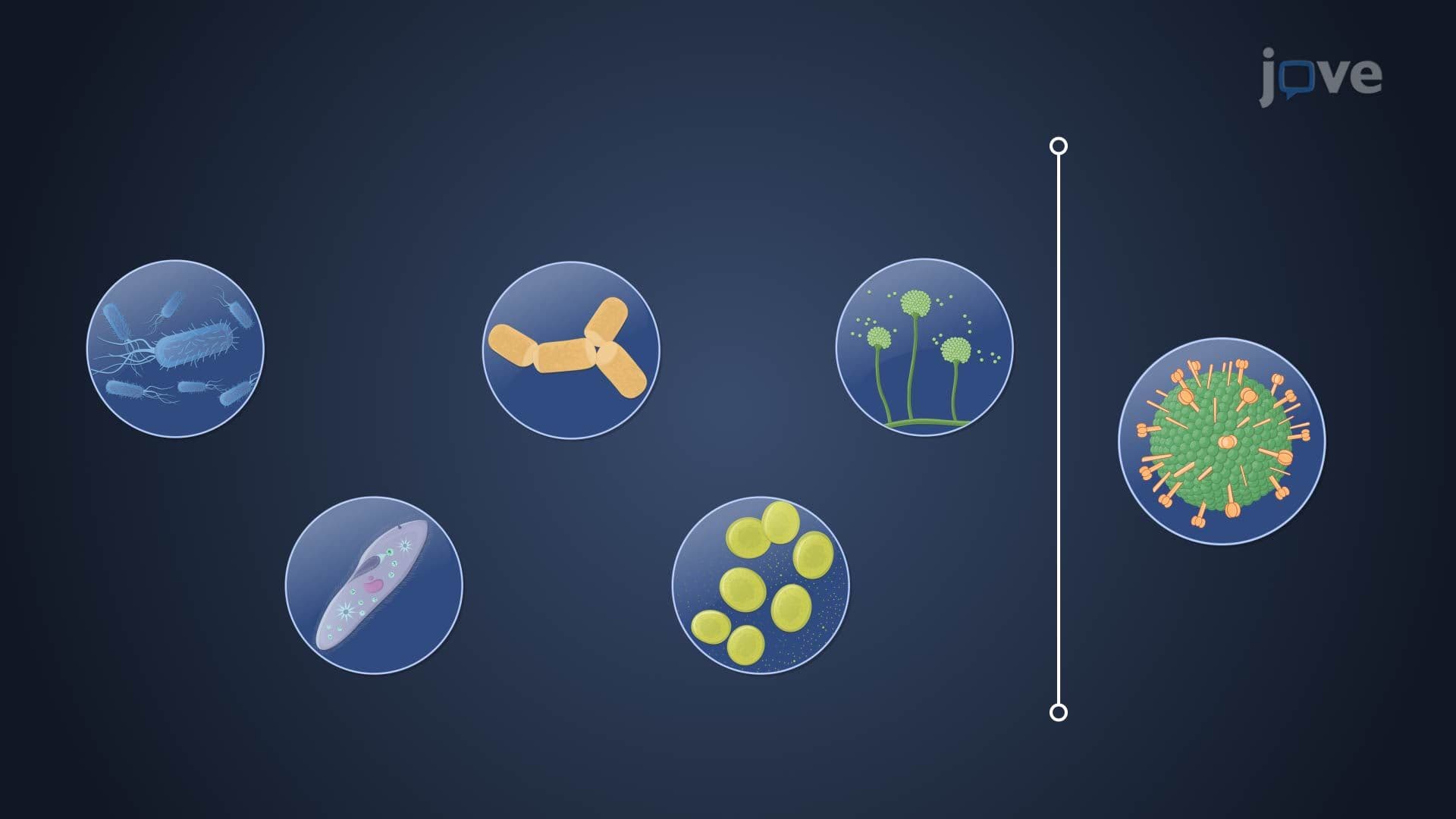
Environmental applications of microorganisms encompass the diverse ways these microscopic life forms interact with and benefit our environment. These applications span from natural biogeochemical cycles that have operated for billions of years to engineered systems that solve modern environmental challenges. For students preparing for AP Biology or college-level microbiology courses, understanding these applications provides crucial insight into how life sustains itself on Earth.
Microorganisms serve as the primary drivers of elemental cycling on Earth. In carbon cycling, decomposer microbes break down dead organic matter, releasing CO₂ that photosynthetic organisms then capture. This process is particularly evident in composting operations across the US, where controlled microbial decomposition converts organic waste into valuable soil amendments.
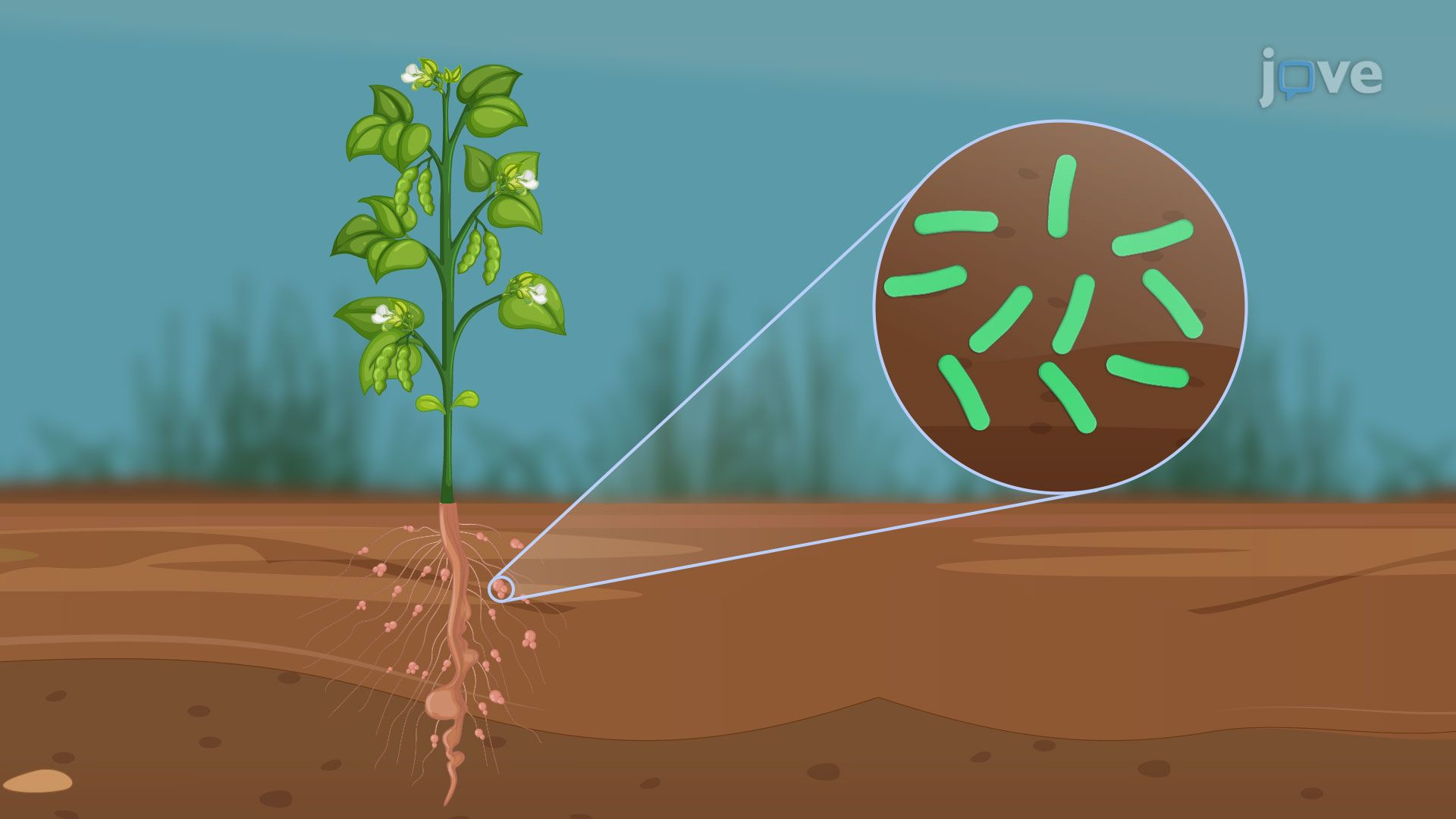
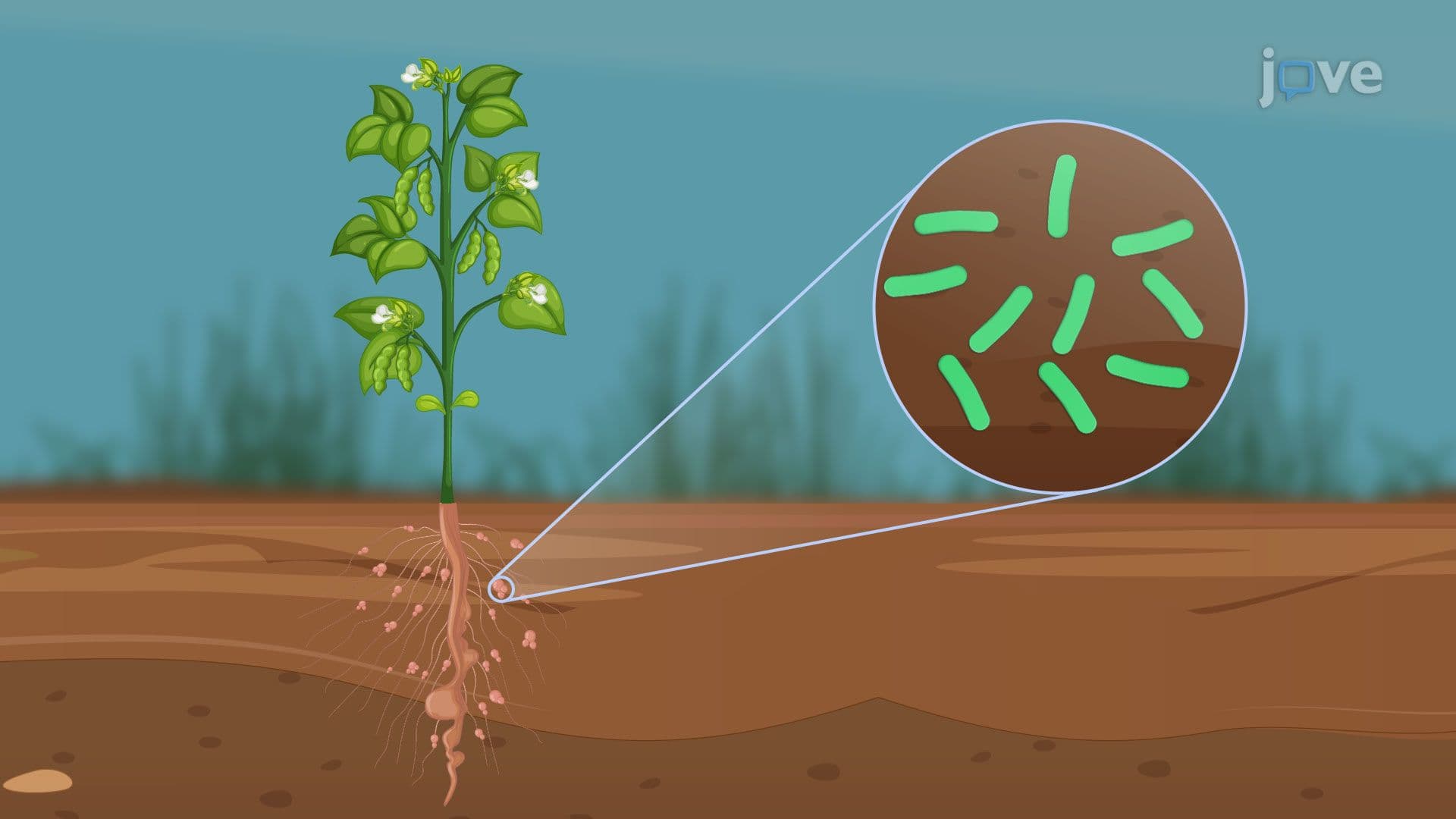
Nitrogen cycling showcases some of the most sophisticated microbial partnerships in nature. Rhizobium bacteria form root nodules on legumes like soybeans-a crop worth $40 billion annually to US agriculture. These bacteria convert atmospheric nitrogen into ammonia through nitrogen fixation, reducing farmers' fertilizer needs. Conversely, denitrifying bacteria like Pseudomonas complete the nitrogen cycle by converting nitrates back to atmospheric nitrogen, preventing toxic accumulation in soil and groundwater.
Municipal wastewater treatment represents one of the most visible applications of environmental microbiology. During secondary treatment at facilities like the Hyperion Water Reclamation Plant in Los Angeles, activated sludge processes use diverse microbial communities to reduce biological oxygen demand (BOD) by up to 95%. This microbial activity transforms potentially harmful organic pollutants into harmless byproducts.
Bioremediation extends microbial environmental applications to pollution cleanup. Pseudomonas putida demonstrates remarkable ability to degrade petroleum hydrocarbons, making it valuable for cleaning up oil spills and contaminated soil at former gas stations. Similarly, fungi like Aspergillus niger can bioaccumulate heavy metals, effectively removing lead, mercury, and cadmium from contaminated sites.
Microorganisms also contribute to renewable energy through biofuel production. Ethanol fermentation by Saccharomyces cerevisiae supports the US corn ethanol industry, which produces over 15 billion gallons annually. Anaerobic digestion processes at facilities like those operated by Waste Management Inc. use methanogenic bacteria to convert organic waste into biogas, providing both waste disposal and renewable energy generation.
These environmental applications frequently appear on standardized tests like the MCAT and AP Biology exam, particularly in ecology and cellular processes sections. Understanding these concepts provides essential background for careers in environmental science, biotechnology, and sustainable agriculture.
Related Micro-courses