Loading video…

 11 Concepts
 15.5K views

Video Summary: What are Types of Microorganisms
Did you know that the human body contains roughly the same number of microbial cells as human cells? Understanding types microorganisms reveals the incredible diversity of life forms that surround and inhabit us daily. From the E. coli bacteria in your intestines helping digest food to the fungi decomposing leaves in Central Park, what are types of microorganisms becomes essential knowledge for anyone studying biology. Watch the full video on JoVE Coach to master this concept with expert-led visuals and step-by-step explanations.
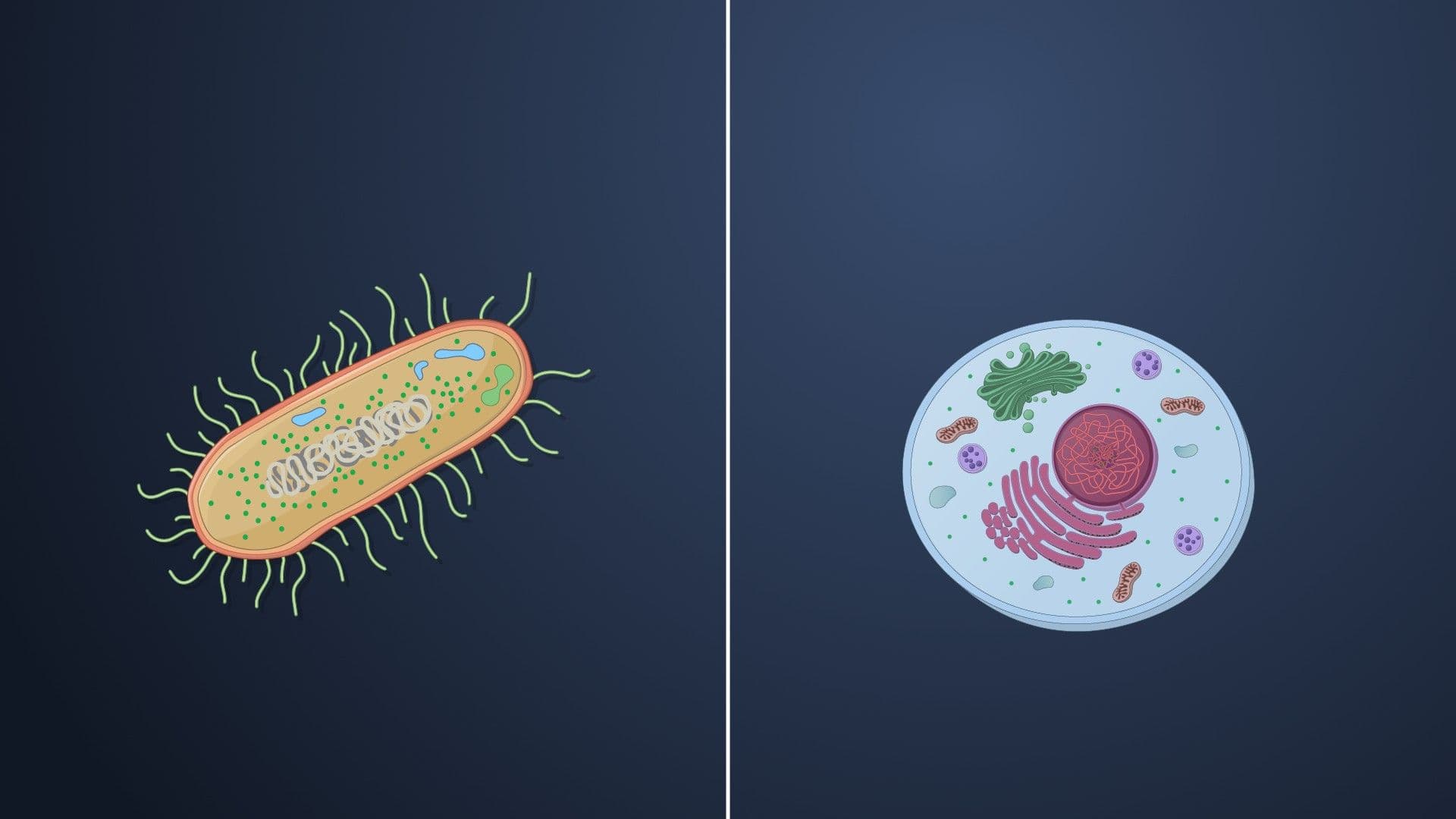
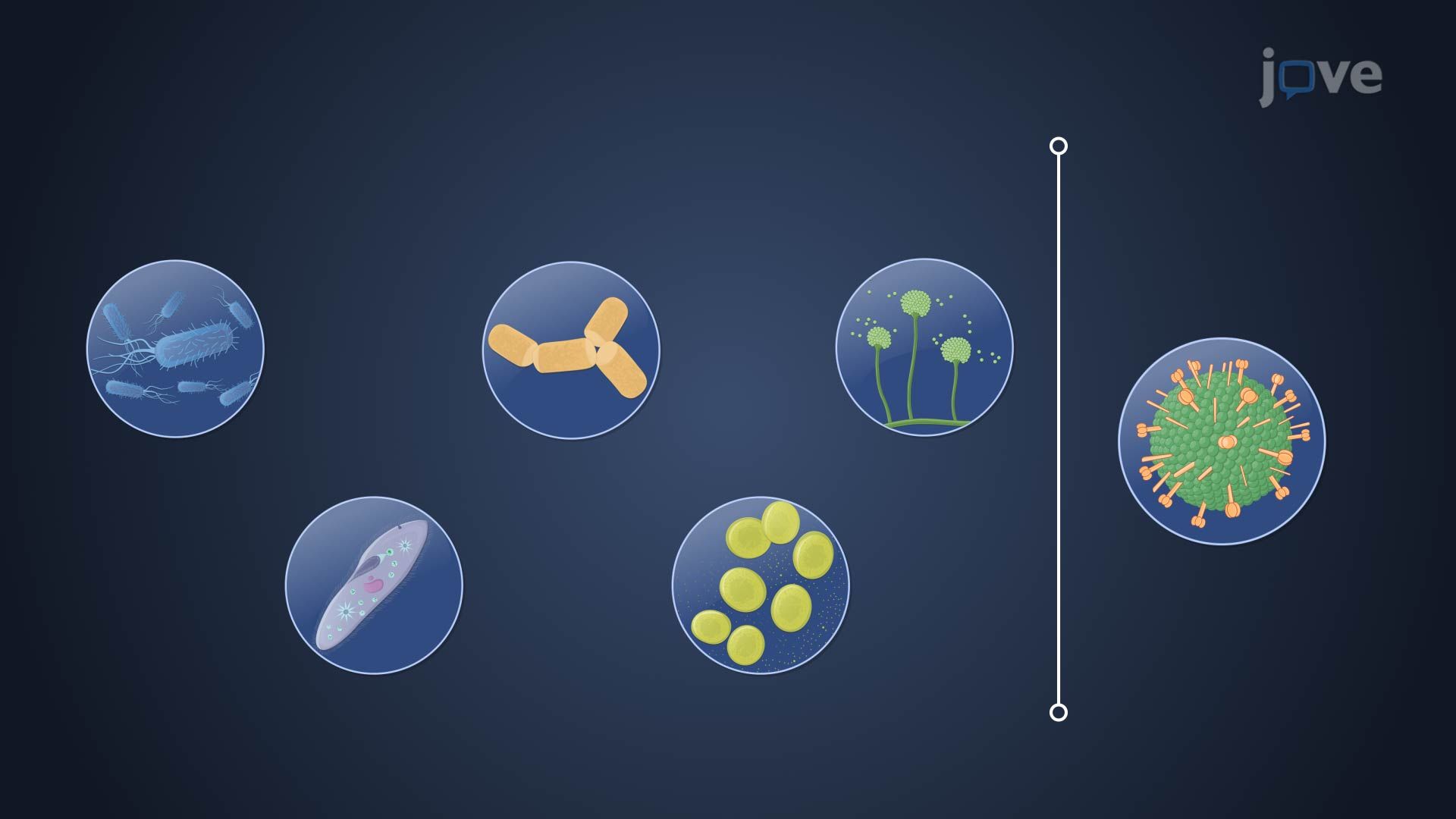
The microscopic world contains an astounding variety of life forms that fundamentally shape our planet's ecosystems and human health. Types of microorganisms fall into two primary categories: cellular organisms that possess complete cell structures, and acellular entities that lack traditional cell organization. This classification system helps students organize their understanding of microbial diversity and prepares them for advanced study in microbiology, immunology, and related fields.
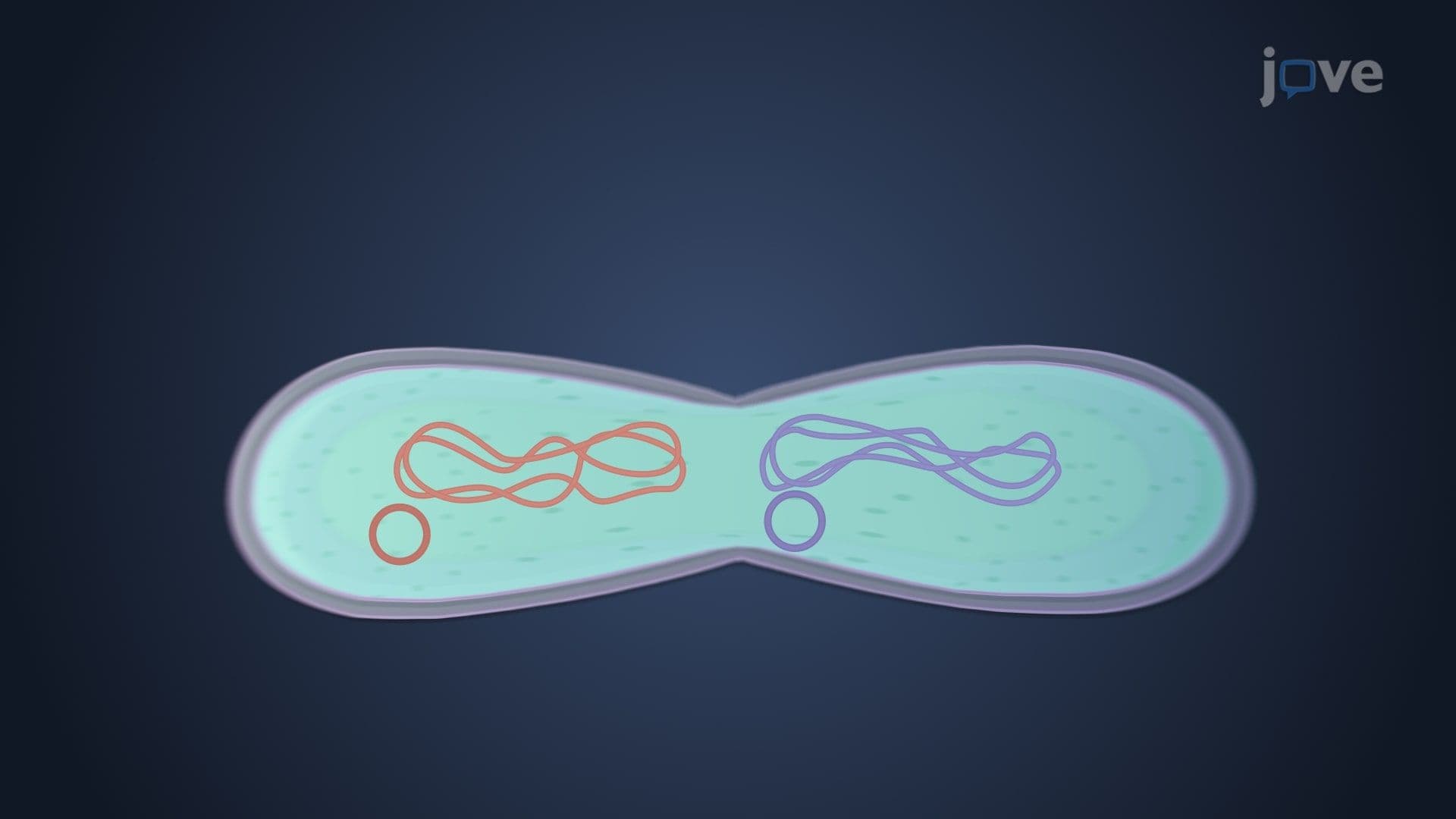
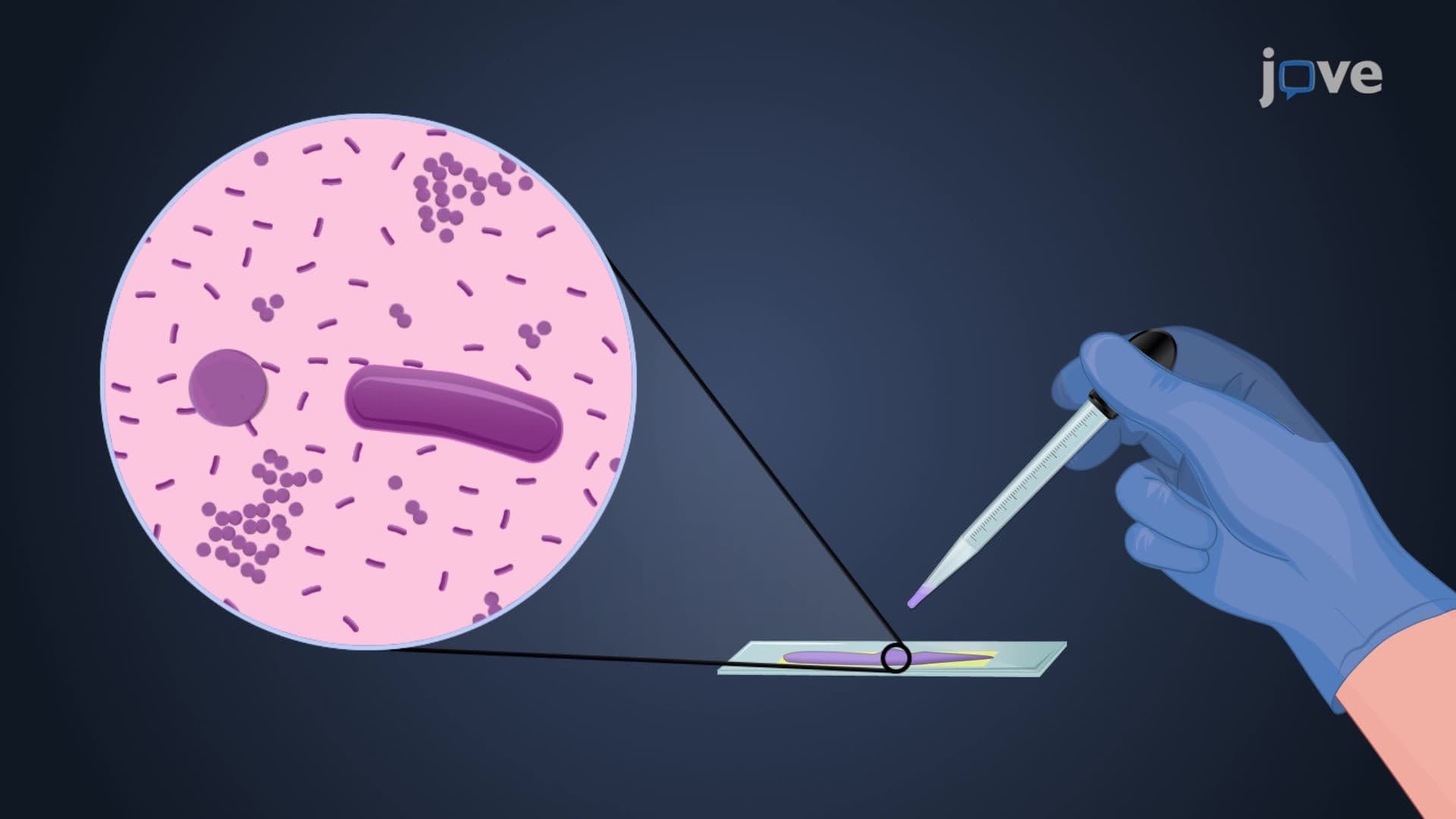
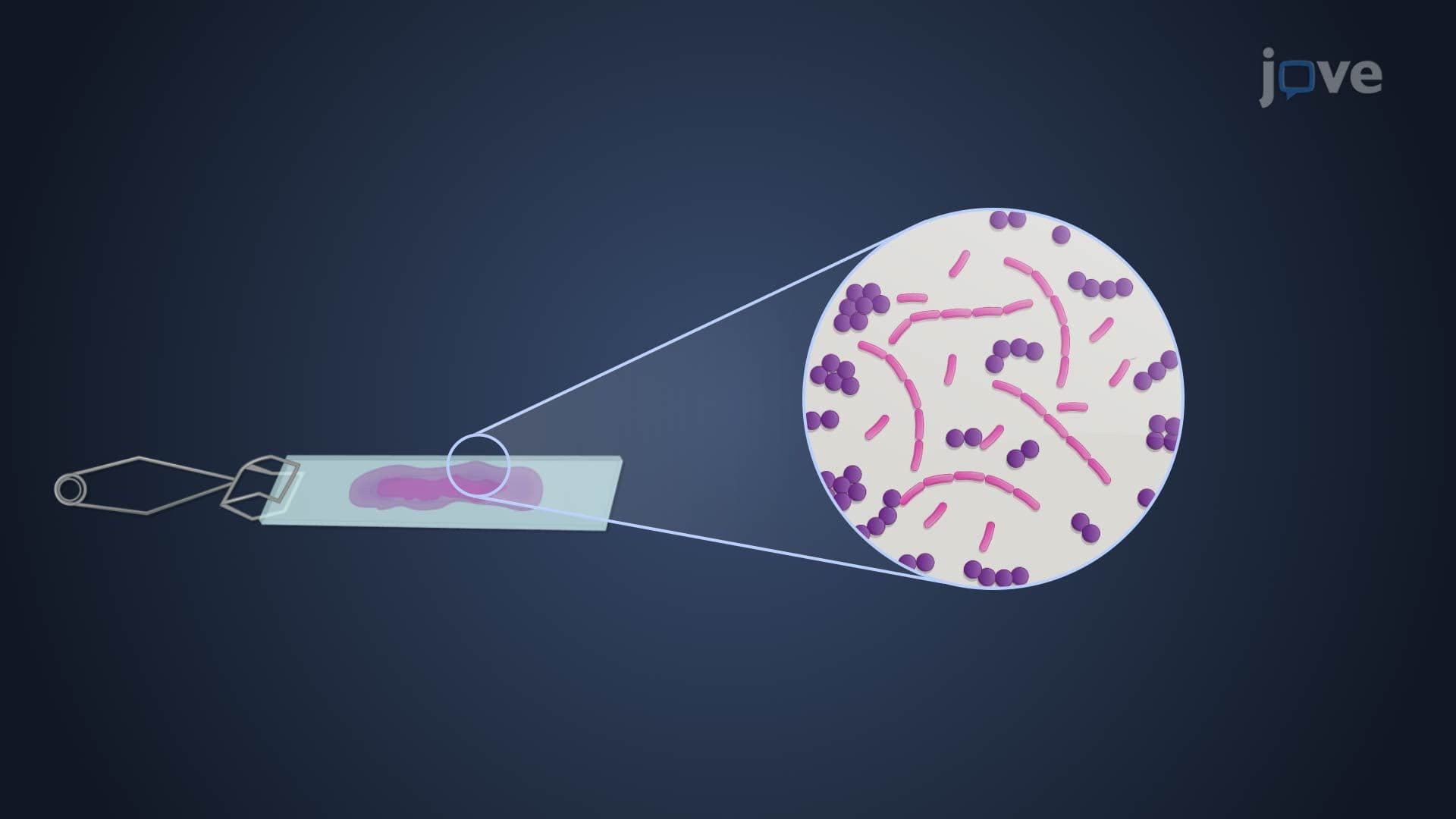
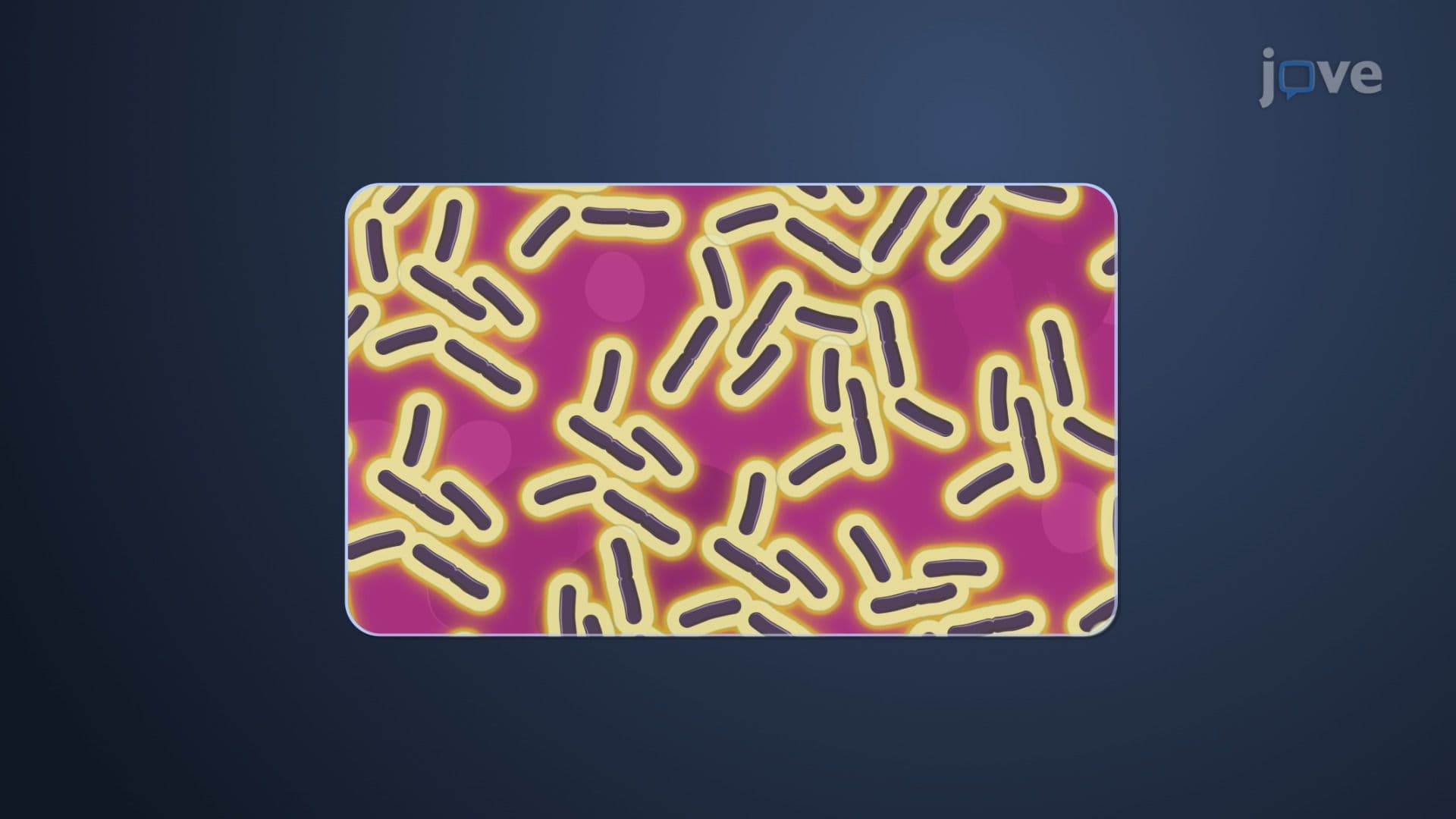
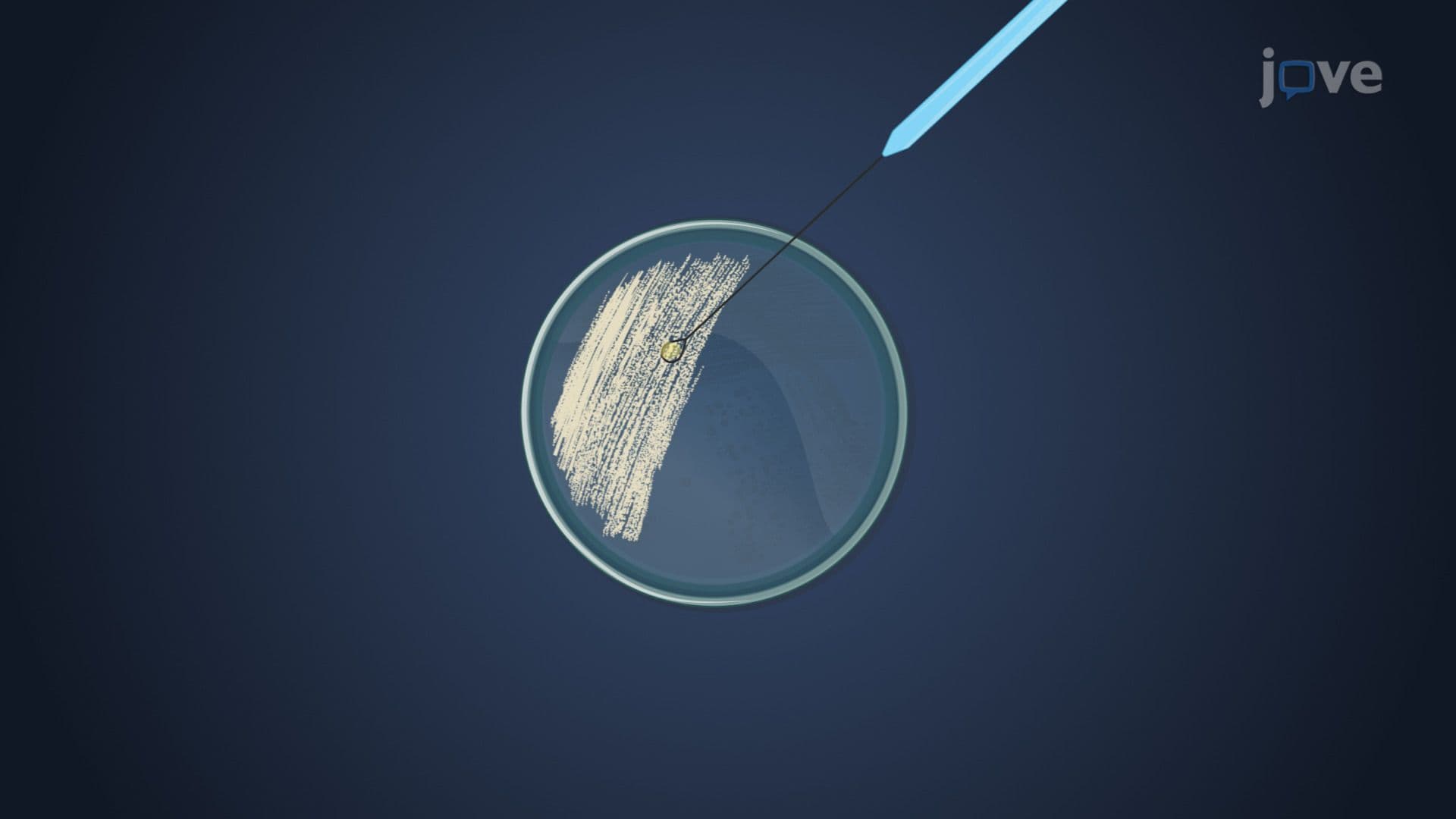
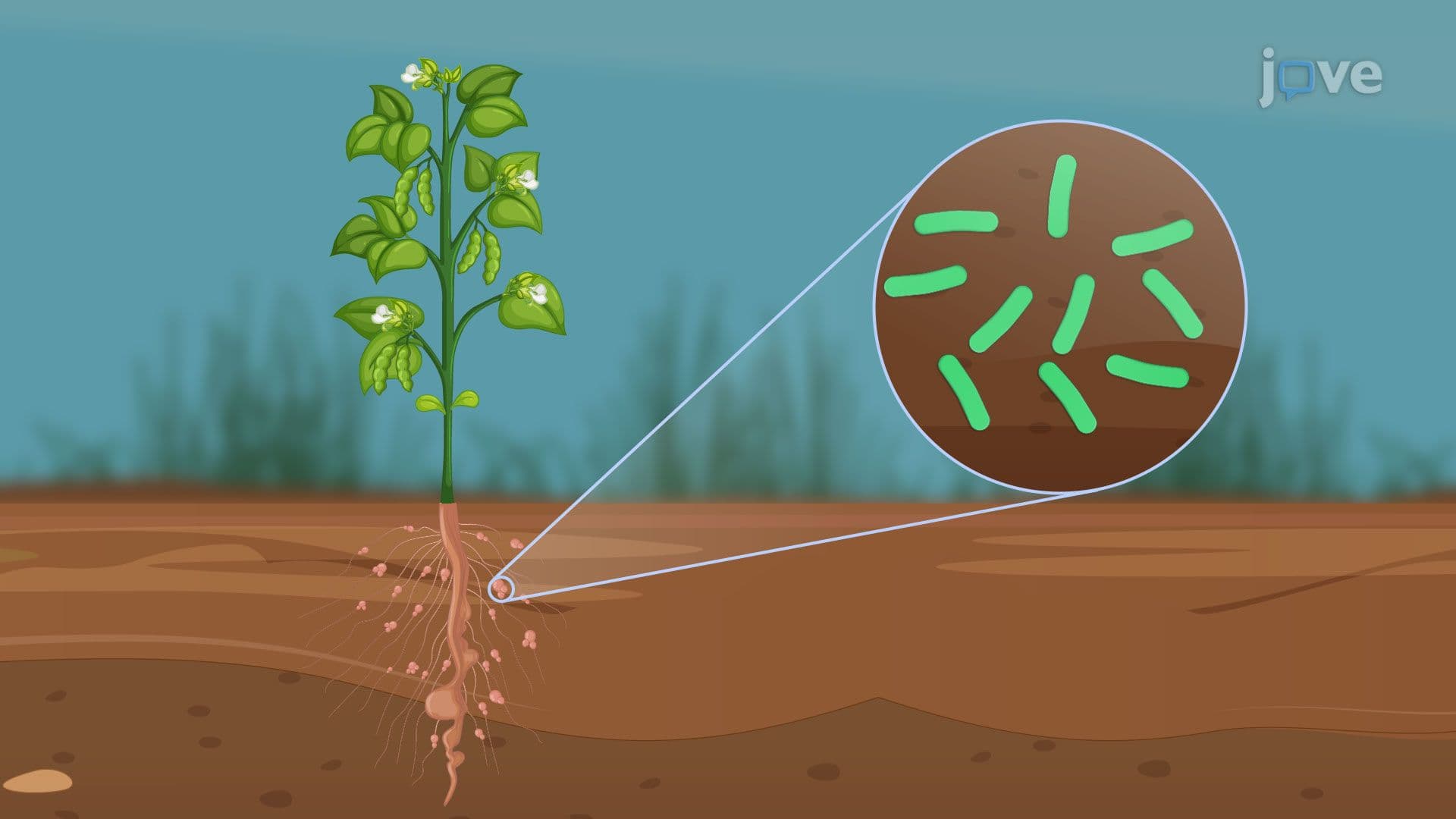
Cellular microorganisms encompass five major groups, each with distinct characteristics that AP Biology and college microbiology courses emphasize. Bacteria represent the most abundant prokaryotic life forms on Earth, with species like *Escherichia coli* serving dual roles as beneficial gut bacteria and potential pathogens. These single-celled organisms lack membrane-bound nuclei but demonstrate remarkable metabolic diversity, from the nitrogen-fixing *Rhizobium* species supporting American agriculture to the antibiotic-producing *Streptomyces* discovered in soil samples.
Archaea, while also prokaryotic, occupy environments previously thought uninhabitable. Beyond the famous thermophiles thriving in Yellowstone's hot springs, these organisms colonize everyday environments including human skin and the depths of the Pacific Ocean. Their unique biochemistry makes them essential study subjects for astrobiology and biotechnology applications.
Fungi showcase eukaryotic complexity through forms ranging from single-celled yeasts used in American brewing industries to massive mycorrhizal networks supporting forest ecosystems in places like the Pacific Northwest. Students often encounter fungi in contexts from bread-making (*Saccharomyces cerevisiae*) to medical mycology, where species like *Candida albicans* cause opportunistic infections.
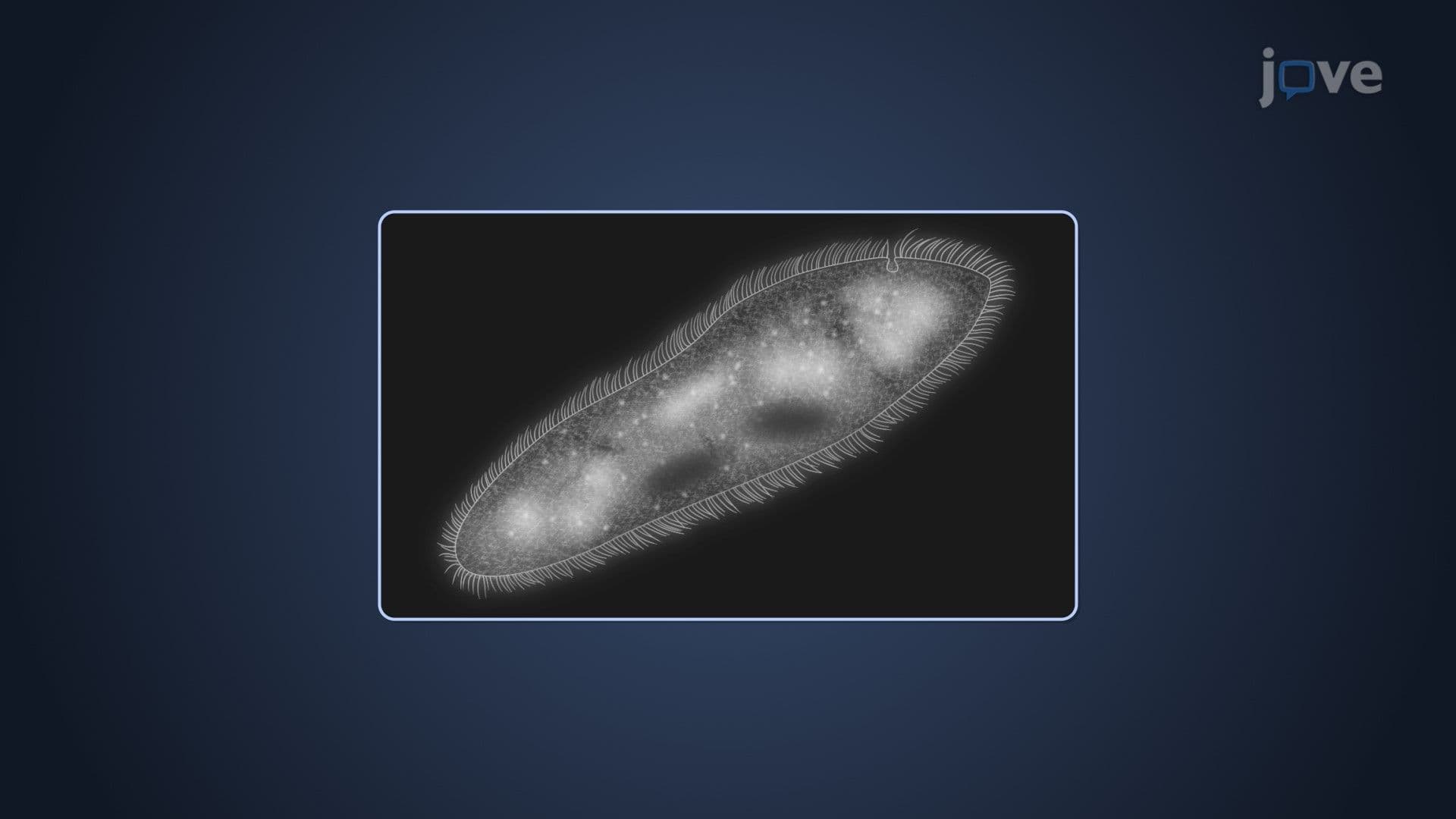
Protozoa demonstrate remarkable diversity among single-celled eukaryotes. While *Amoeba* species provide classic examples for cell biology labs, parasitic forms like *Plasmodium* (malaria) and *Giardia* represent significant public health concerns in the United States, particularly affecting travelers and immunocompromised populations.
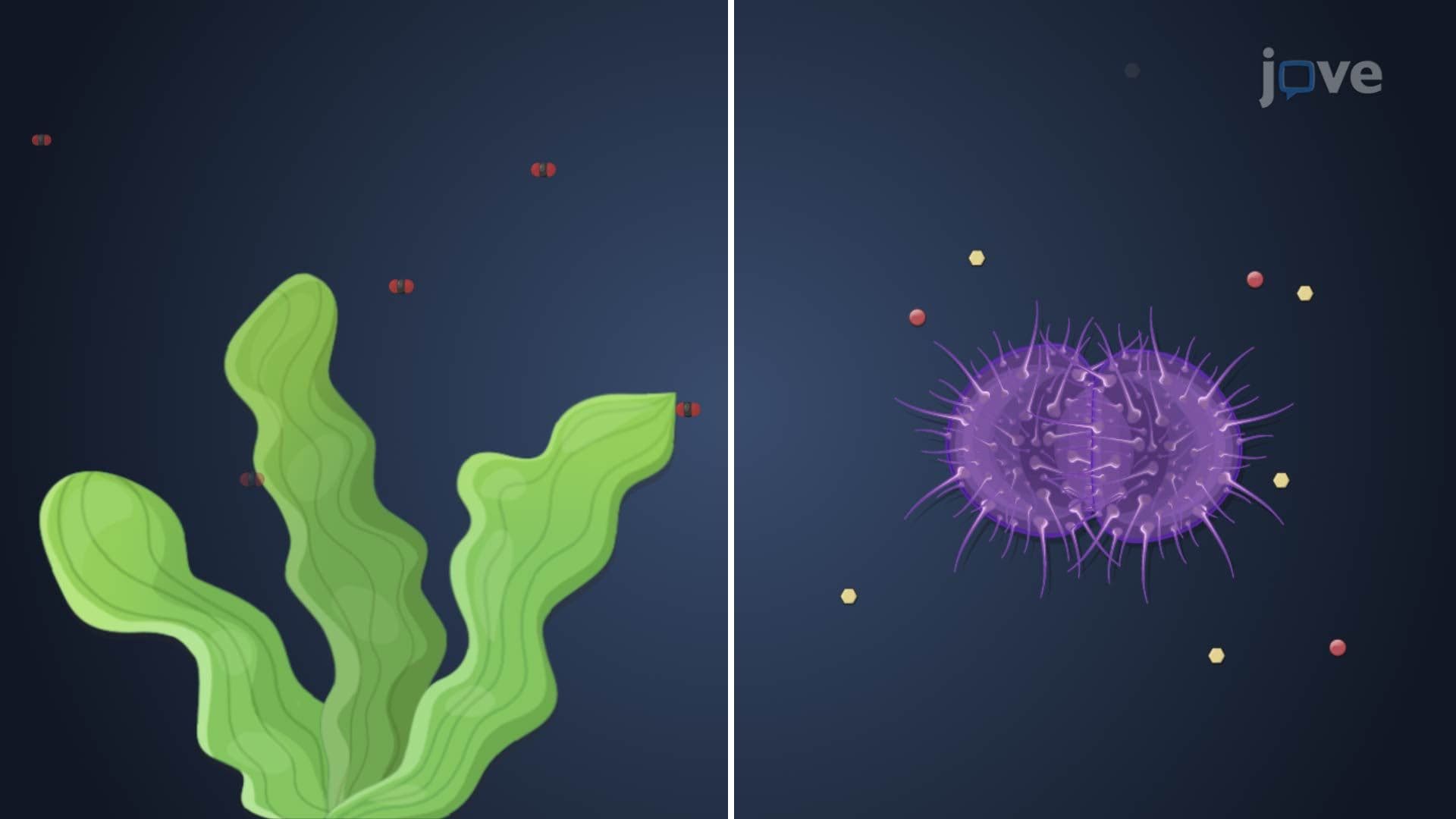
Algae serve as primary producers in aquatic ecosystems, from the microscopic diatoms supporting California's coastal food webs to the massive kelp forests off the Pacific coast. These photosynthetic organisms contribute approximately 50% of Earth's oxygen production.
Viruses occupy a unique position as acellular entities, challenging traditional definitions of life. From seasonal influenza strains tracked by the CDC to bacteriophages being developed as antibiotic alternatives, viruses demonstrate the importance of understanding non-cellular reproductive strategies. MCAT students particularly benefit from understanding viral replication mechanisms and their applications in gene therapy and vaccine development.
Related Micro-courses