Loading concepts…


11 Concepts
13 Concepts
26 Concepts
13 Concepts
6 Concepts
31 Concepts
37 Concepts
10 Concepts
7 Concepts
22 Concepts
11 Concepts
11 Concepts
22 Concepts
16 Concepts
11 Concepts
15 Concepts
14 Concepts
12 Concepts
9 Concepts
 26 Concepts
 13.3K Views
 Popular topics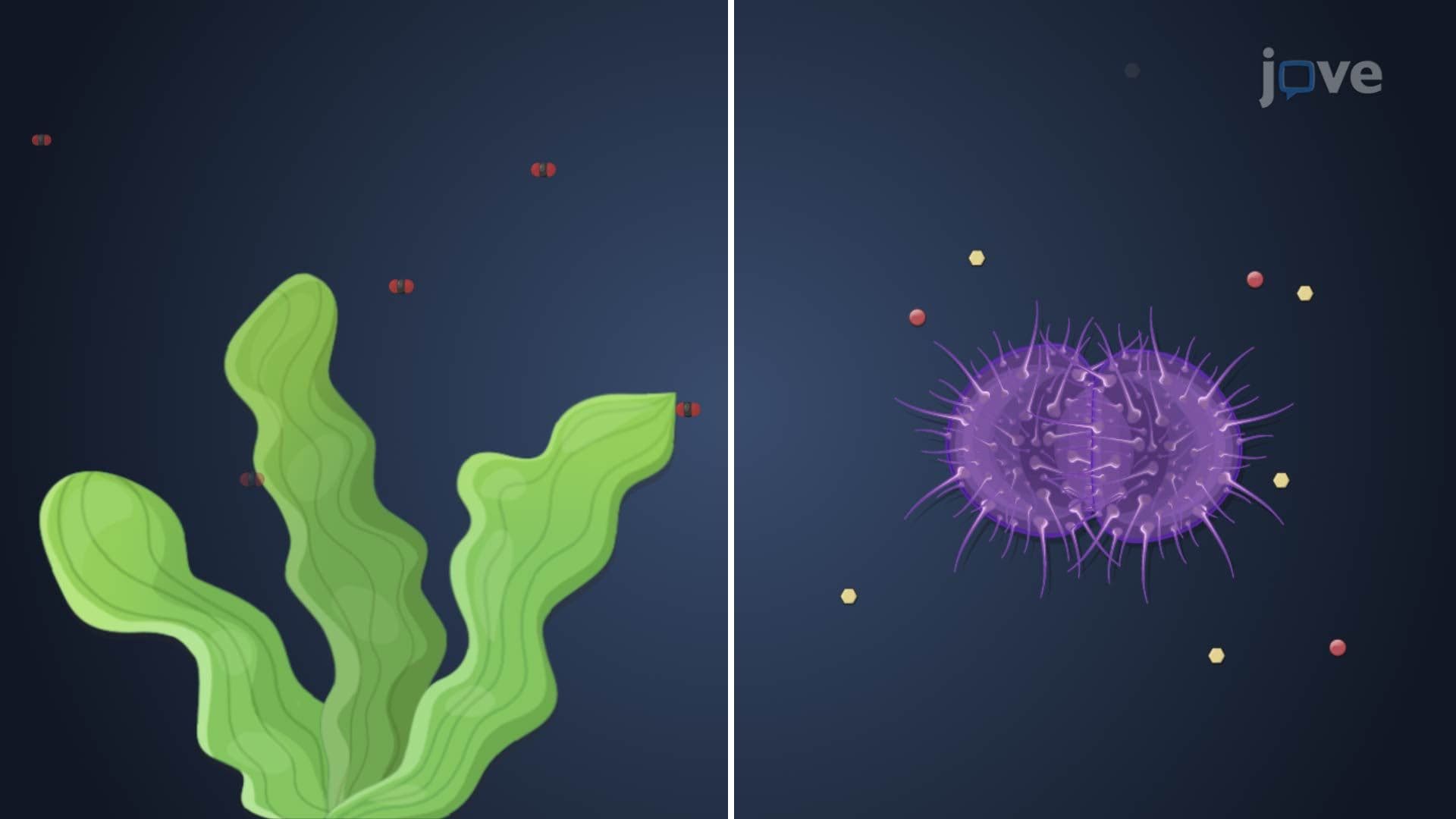

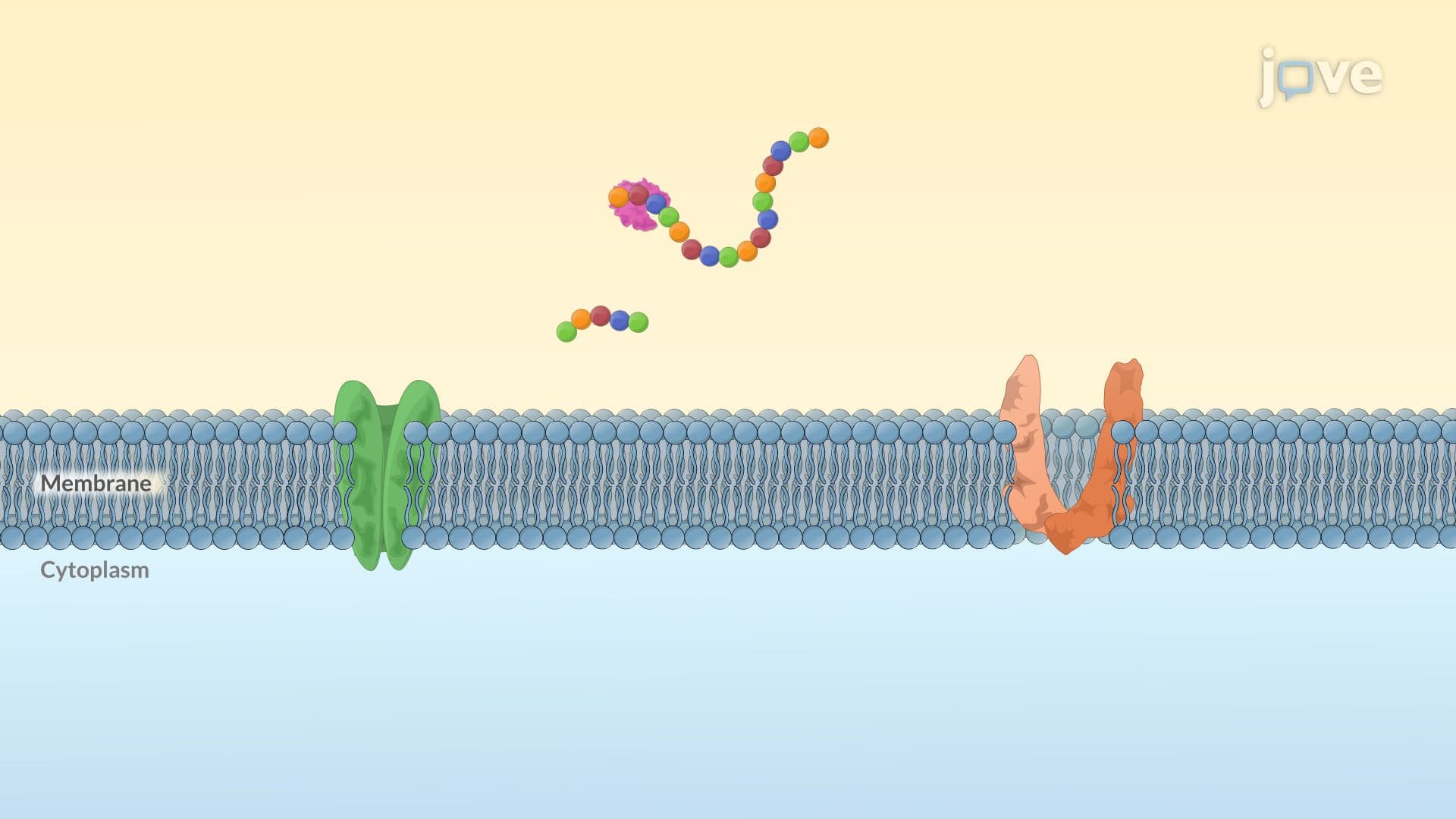
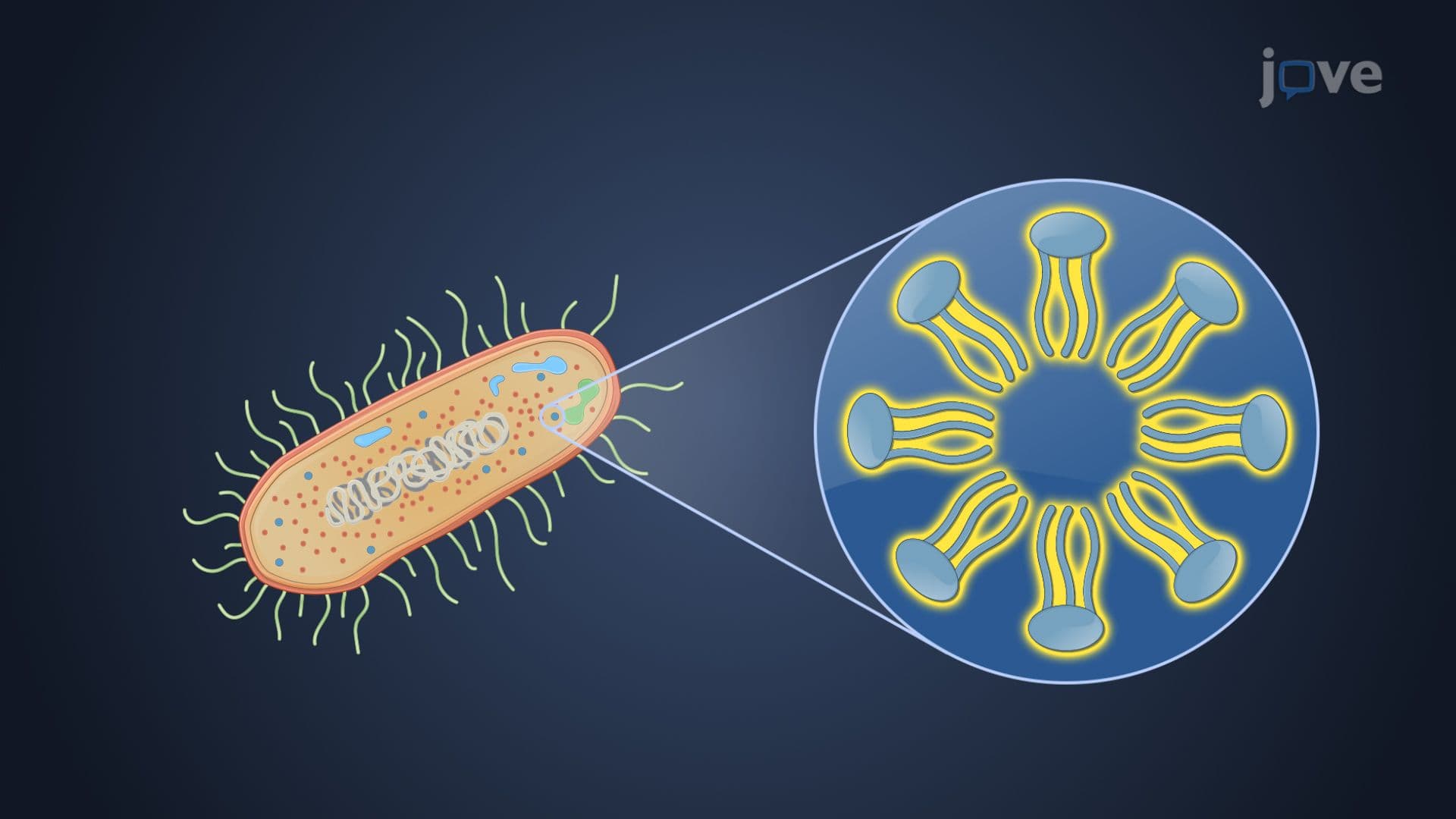


Microbial metabolism encompasses the diverse ways bacteria and other microorganisms obtain energy and build essential cellular components. From fermentation processes used in American food production to nitrogen-fixing bacteria that enrich agricultural soils, understanding bacterial metabolism pathways reveals how microorganisms fuel their growth and survival. This comprehensive course, supported by JoVE Coach, explores energy production mechanisms and biosynthetic processes fundamental to microbiology education.
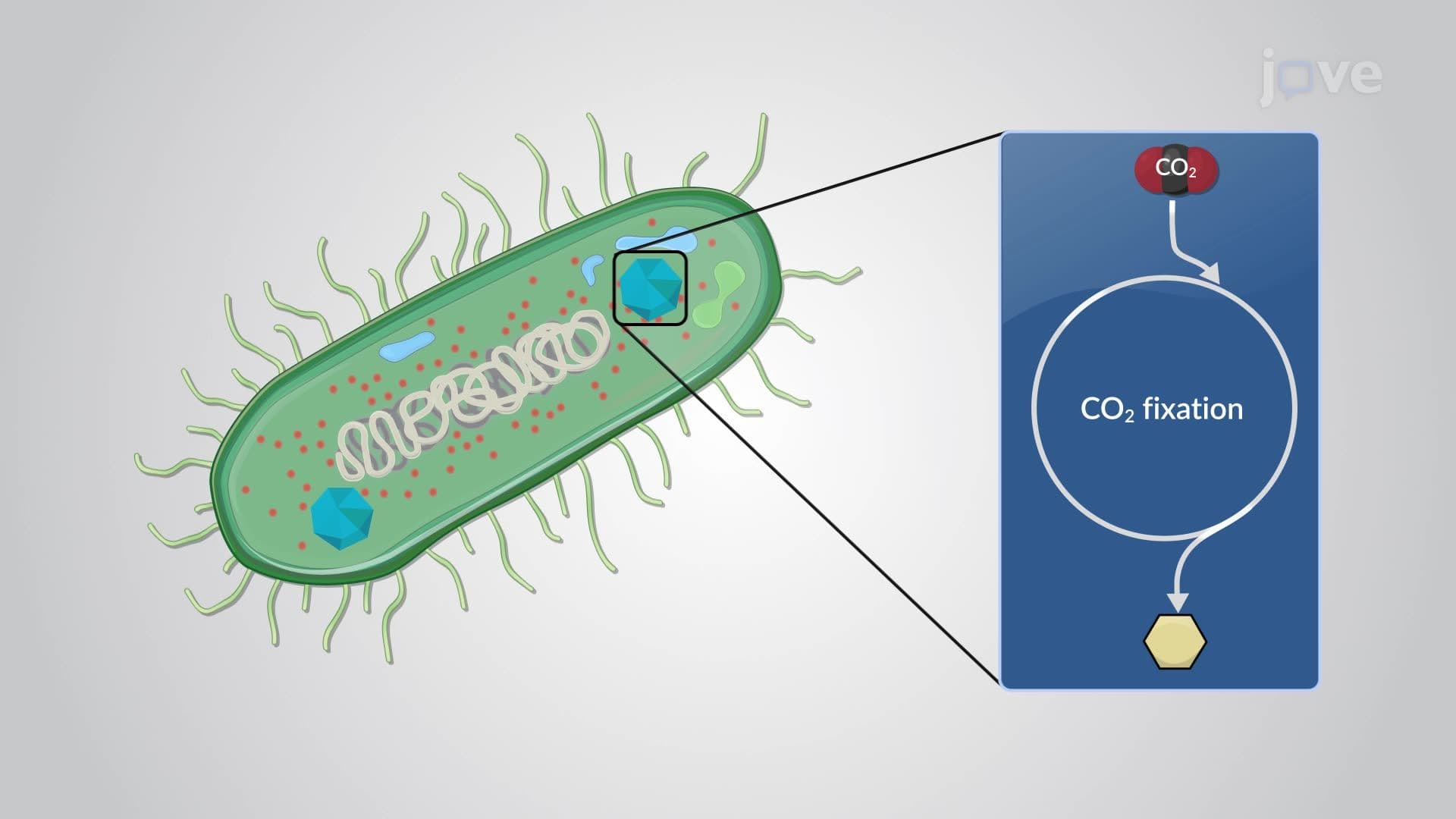
1. Metabolic Classification of Microorganisms: Bacteria exhibit remarkable diversity in how they obtain energy and carbon sources. Photoautotrophs like cyanobacteria use sunlight and CO₂, playing crucial roles in oxygen production and primary productivity in American freshwater ecosystems. Chemoautotrophs oxidize inorganic compounds such as ammonia or sulfur, supporting deep-sea ecosystems near hydrothermal vents off the California coast. Chemoheterotrophs, including most human pathogens like E. coli and Staphylococcus, obtain both energy and carbon from organic molecules. Understanding these classifications helps explain bacterial roles in everything from wastewater treatment plants to agricultural soil health across the United States.
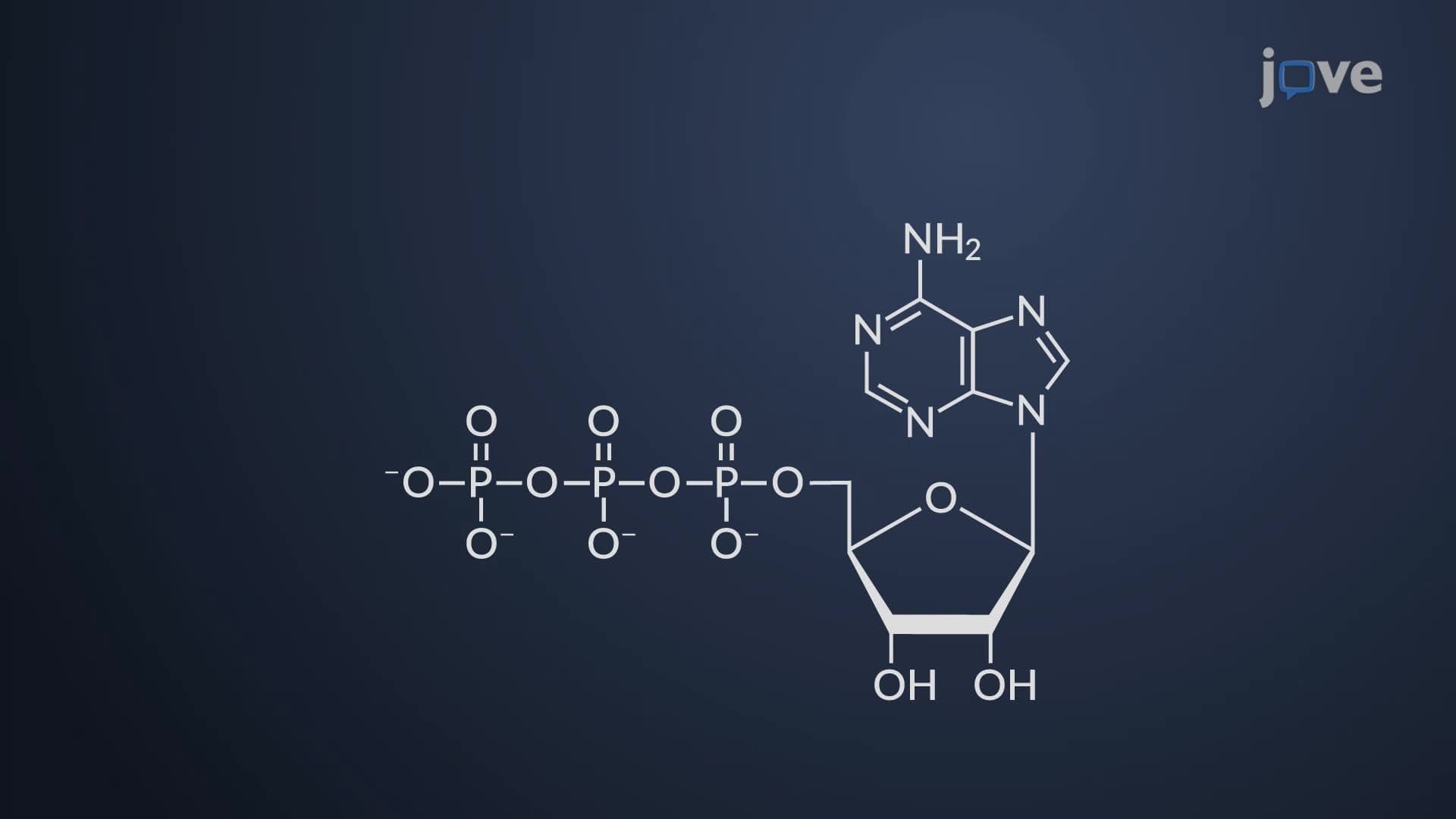
2. ATP and Cellular Energy Systems: Adenosine triphosphate (ATP) functions as the universal energy currency in all living cells. Three distinct mechanisms produce ATP: substrate-level phosphorylation directly transfers phosphate groups to ADP, oxidative phosphorylation uses electron transport chains to create proton gradients, and photophosphorylation harnesses light energy in photosynthetic bacteria. The high-energy phosphate bonds in ATP store approximately 7.3 kcal/mol of energy, which powers biosynthesis, active transport, and cellular movement. This energy coupling system operates continuously, with ATP being hydrolyzed during energy-requiring processes and regenerated during energy-releasing reactions, maintaining cellular energy homeostasis essential for all microbial life.
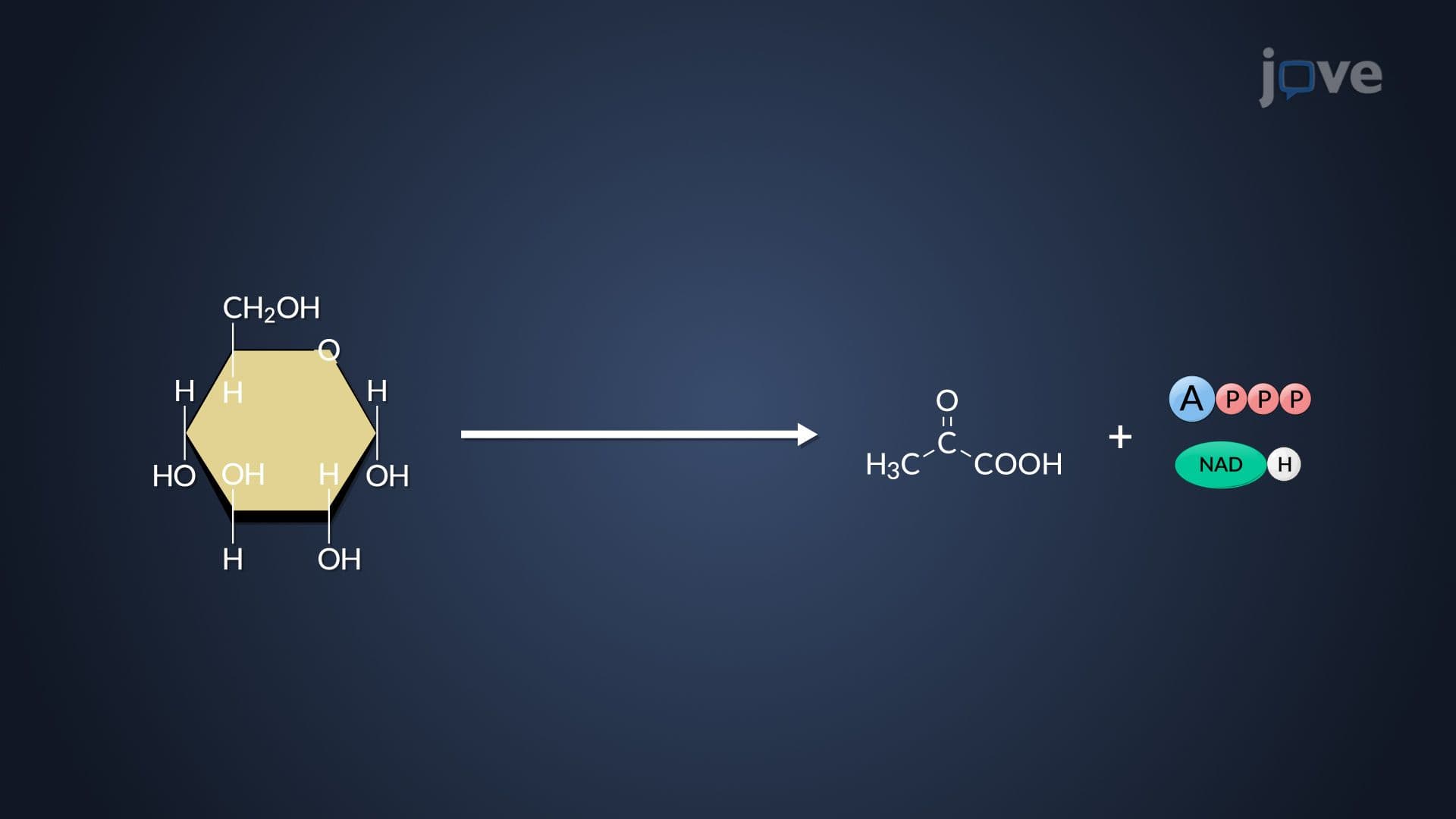
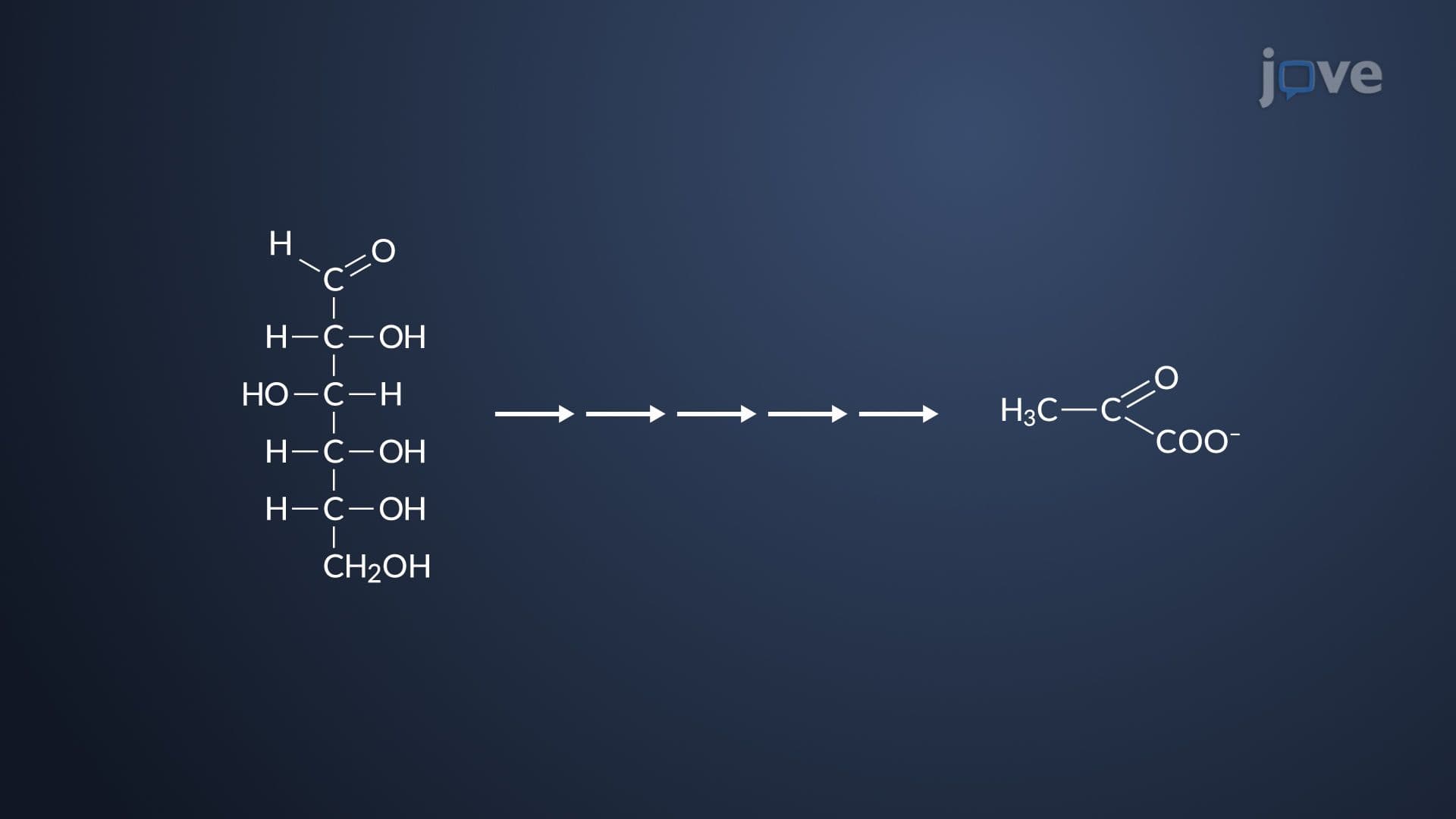
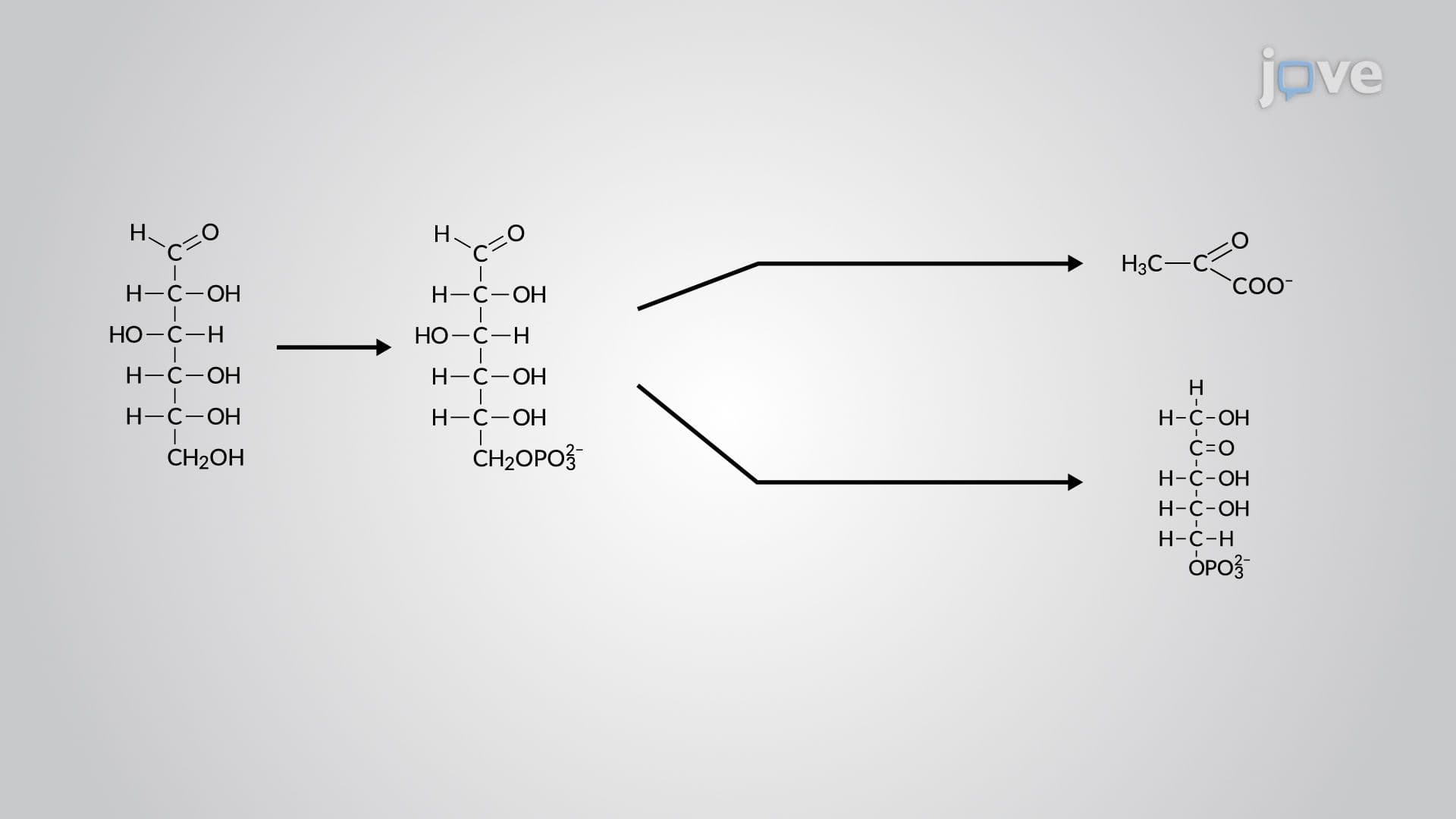
3. Glycolysis and Alternative Sugar Pathways: Glycolysis, also called the Embden-Meyerhof pathway, represents the most common glucose catabolism pathway, converting one glucose molecule into two pyruvate molecules while producing 2 ATP and 2 NADH. This ancient metabolic pathway occurs in the cytoplasm and requires no oxygen, making it universal among bacteria. Alternative pathways include the pentose phosphate pathway, which generates NADPH for biosynthetic reactions and ribose-5-phosphate for nucleotide synthesis. The Entner-Doudoroff pathway, found in certain gram-negative bacteria like Pseudomonas species common in American hospital settings, provides an alternative glucose breakdown route that produces less ATP but generates valuable NADPH for cellular biosynthesis.
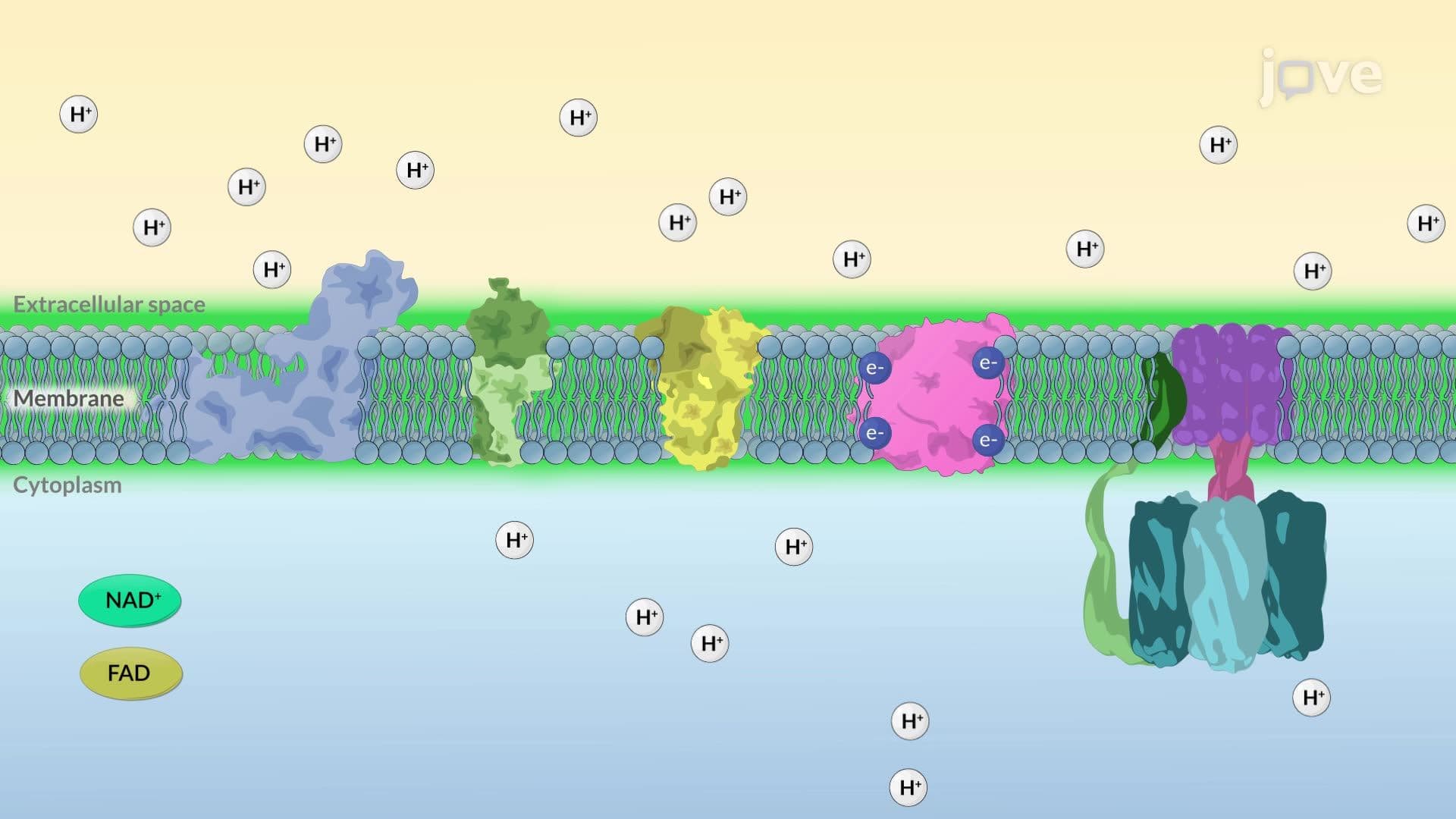
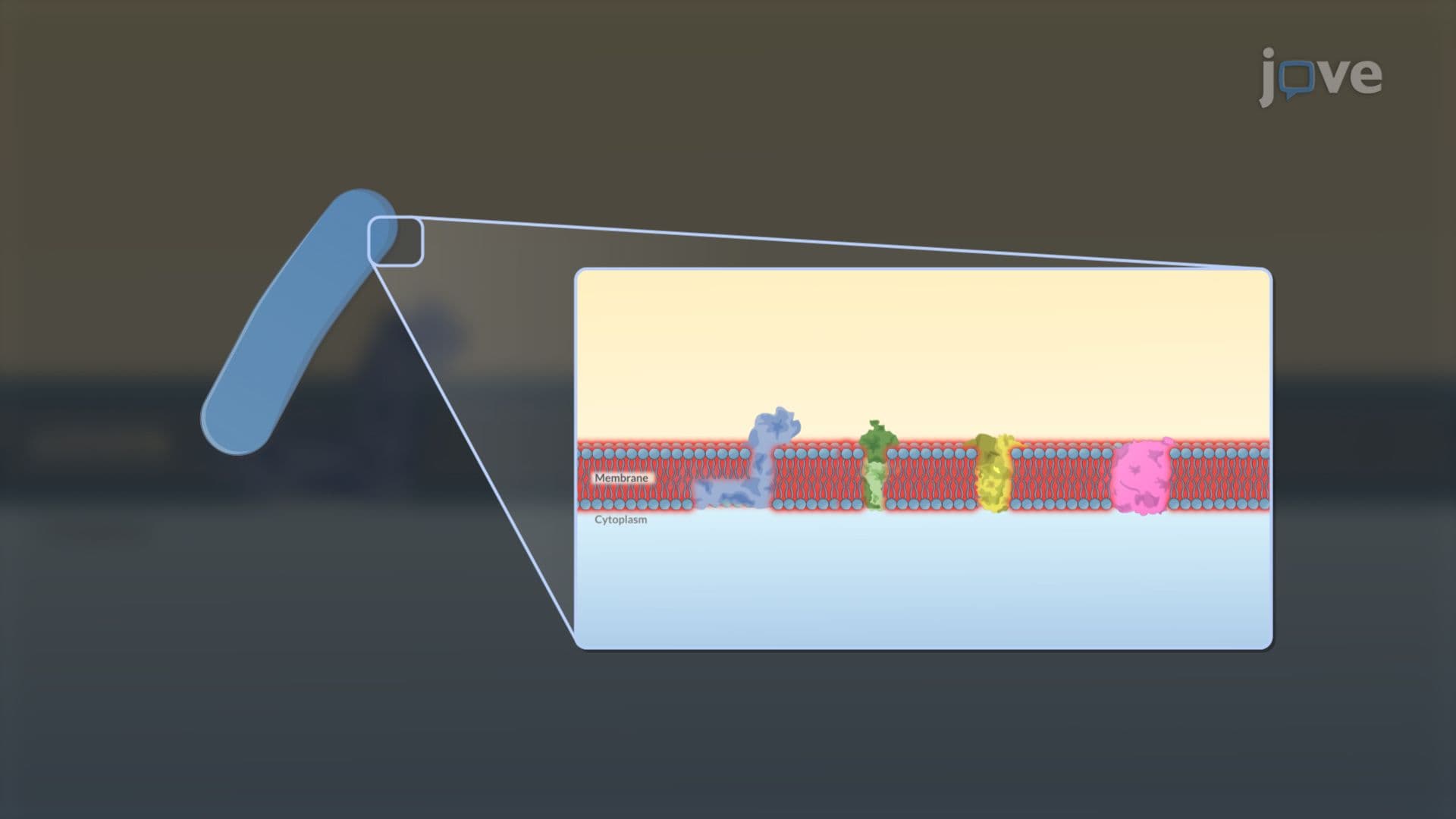
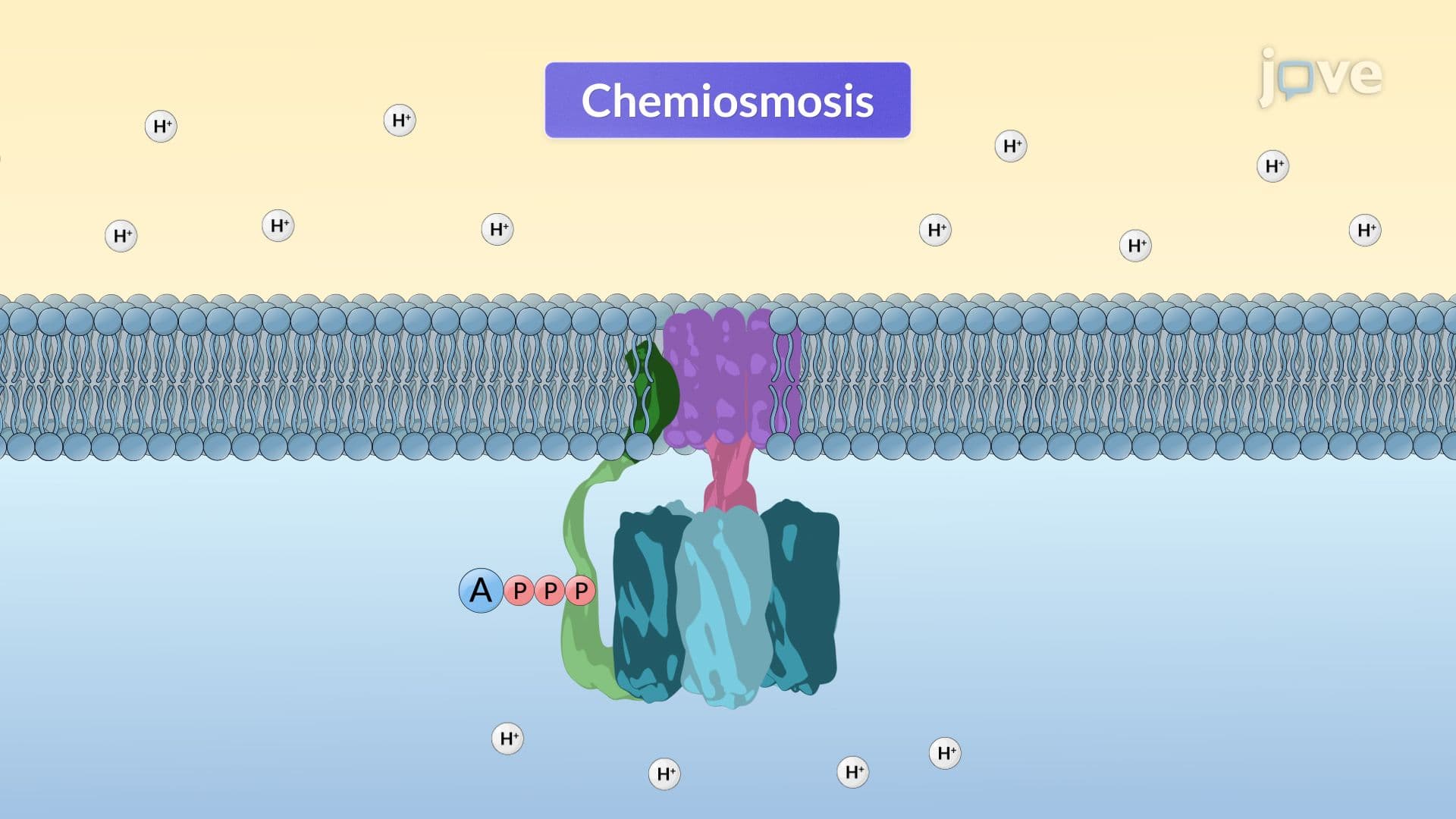
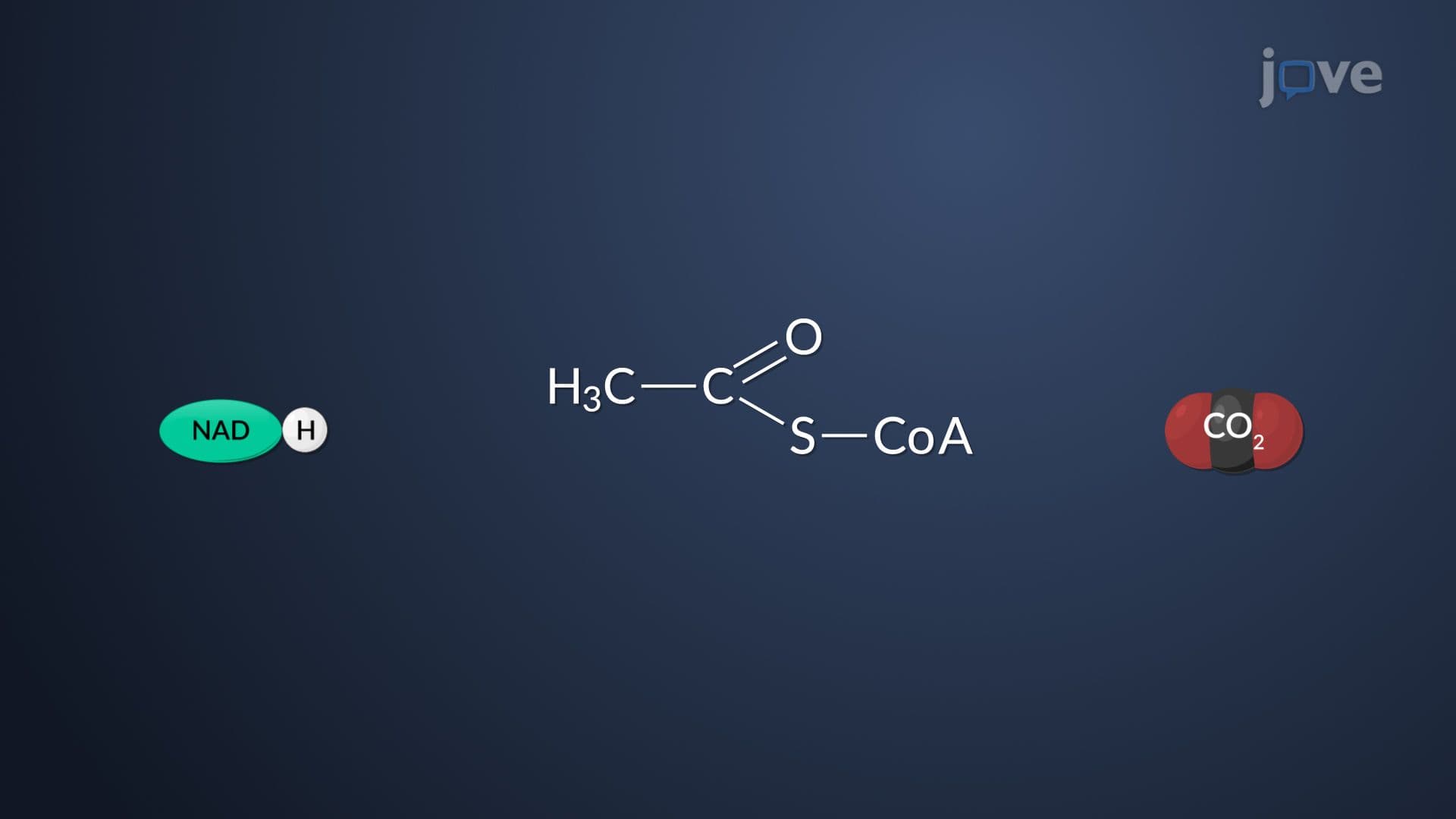
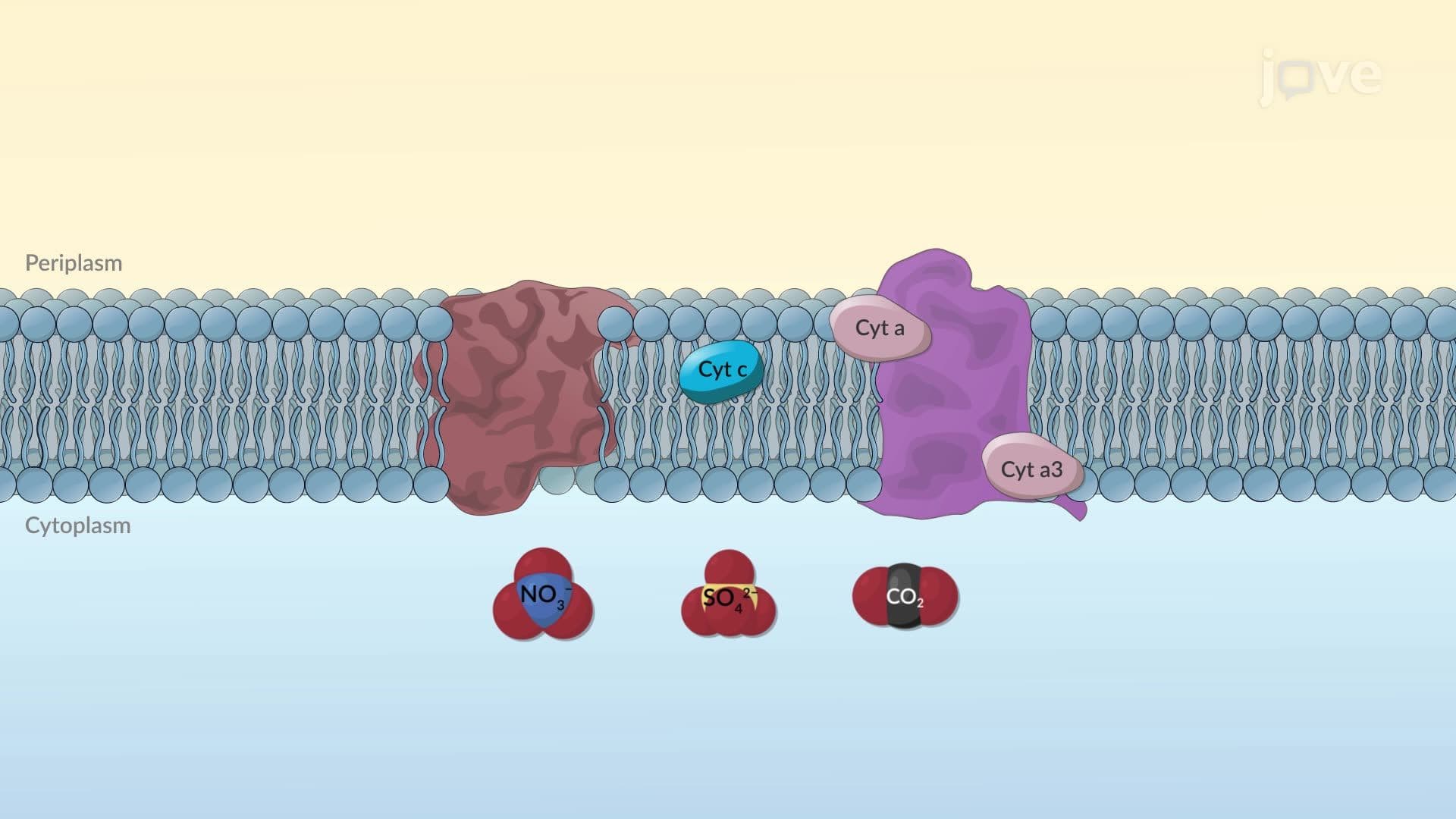
4. Cellular Respiration and Energy Extraction: Aerobic respiration represents the most efficient energy extraction method, potentially yielding 36-38 ATP molecules per glucose in prokaryotes. The process begins with glycolysis, followed by the citric acid cycle (Krebs cycle) that oxidizes acetyl-CoA completely to CO₂. The electron transport chain, located in the bacterial plasma membrane, creates a proton gradient through chemiosmosis, driving ATP synthase to produce most of the ATP. Anaerobic respiration uses alternative electron acceptors like nitrate or sulfate, producing less energy but allowing bacteria to thrive in oxygen-depleted environments such as waterlogged agricultural soils or sewage treatment facilities commonly found throughout the United States.
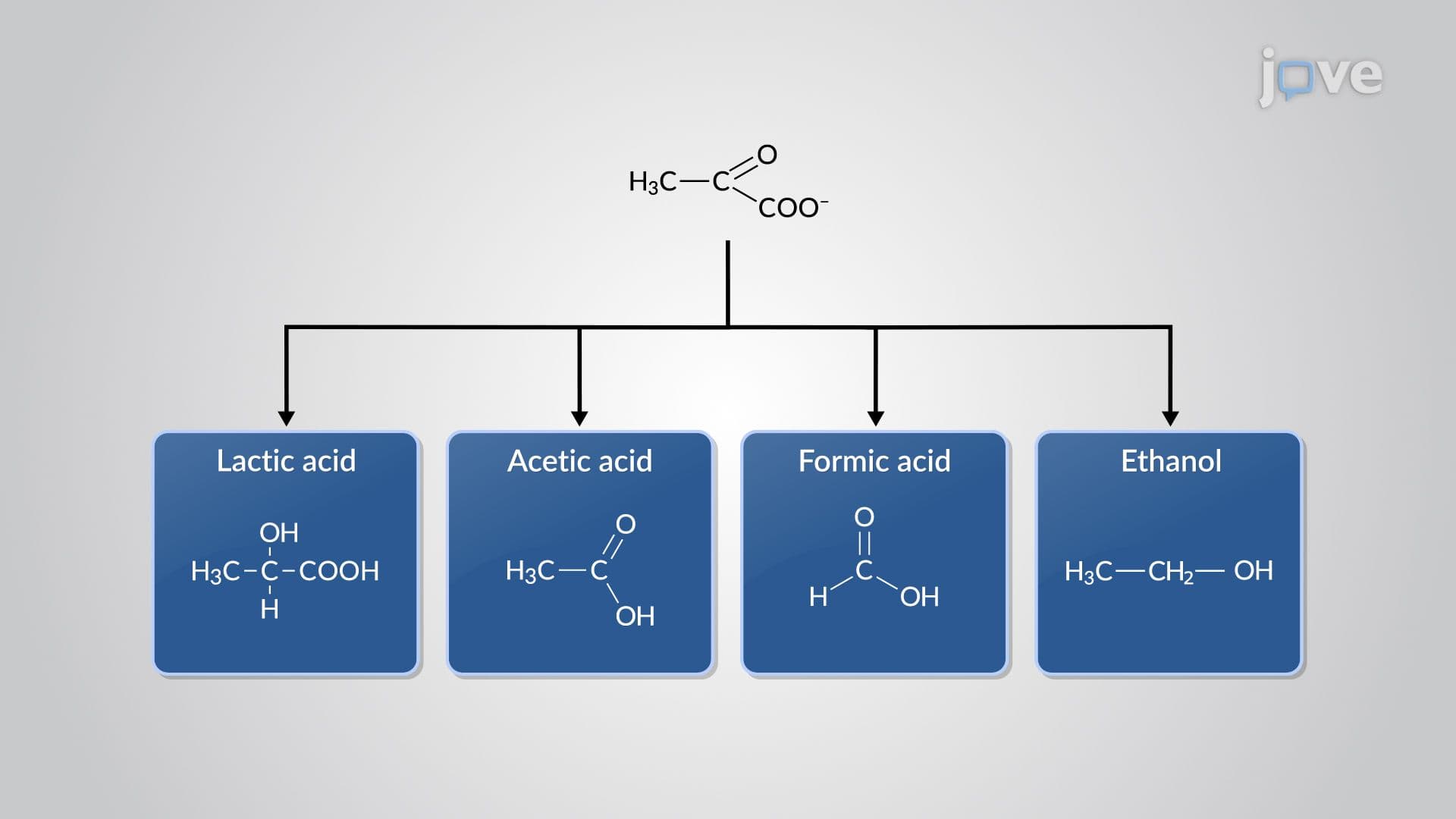
5. Fermentation Processes and Industrial Applications: Fermentation allows bacteria to generate energy without oxygen by using organic molecules as electron acceptors. Lactic acid fermentation by Lactobacillus species produces yogurt, cheese, and sauerkraut in American food industries. Alcoholic fermentation by Saccharomyces cerevisiae supports brewing and baking industries, converting sugars to ethanol and CO₂. Mixed acid fermentation, characteristic of Enterobacteriaceae family members, produces various organic acids used in industrial applications. These fermentation processes, while less efficient than respiration (producing only 2 ATP per glucose), enable bacteria to survive in anaerobic conditions and provide economically important products valued at billions of dollars annually in US food and beverage industries.
6. Chemolithotrophy and Inorganic Energy Sources: Chemolithotrophic bacteria obtain energy by oxidizing inorganic compounds such as ammonia, hydrogen sulfide, ferrous iron, or elemental sulfur. These specialized bacteria play crucial roles in biogeochemical cycles, particularly nitrogen cycling in agricultural soils across the American Midwest. Nitrifying bacteria like Nitrosomonas oxidize ammonia to nitrite, while Nitrobacter oxidizes nitrite to nitrate, processes essential for soil fertility. Iron-oxidizing bacteria contribute to acid mine drainage problems in former mining regions of Appalachia, while sulfur-oxidizing bacteria help remediate contaminated sites. Though chemolithotrophy yields less energy than organic compound oxidation, it enables bacteria to colonize extreme environments and perform essential ecological functions.
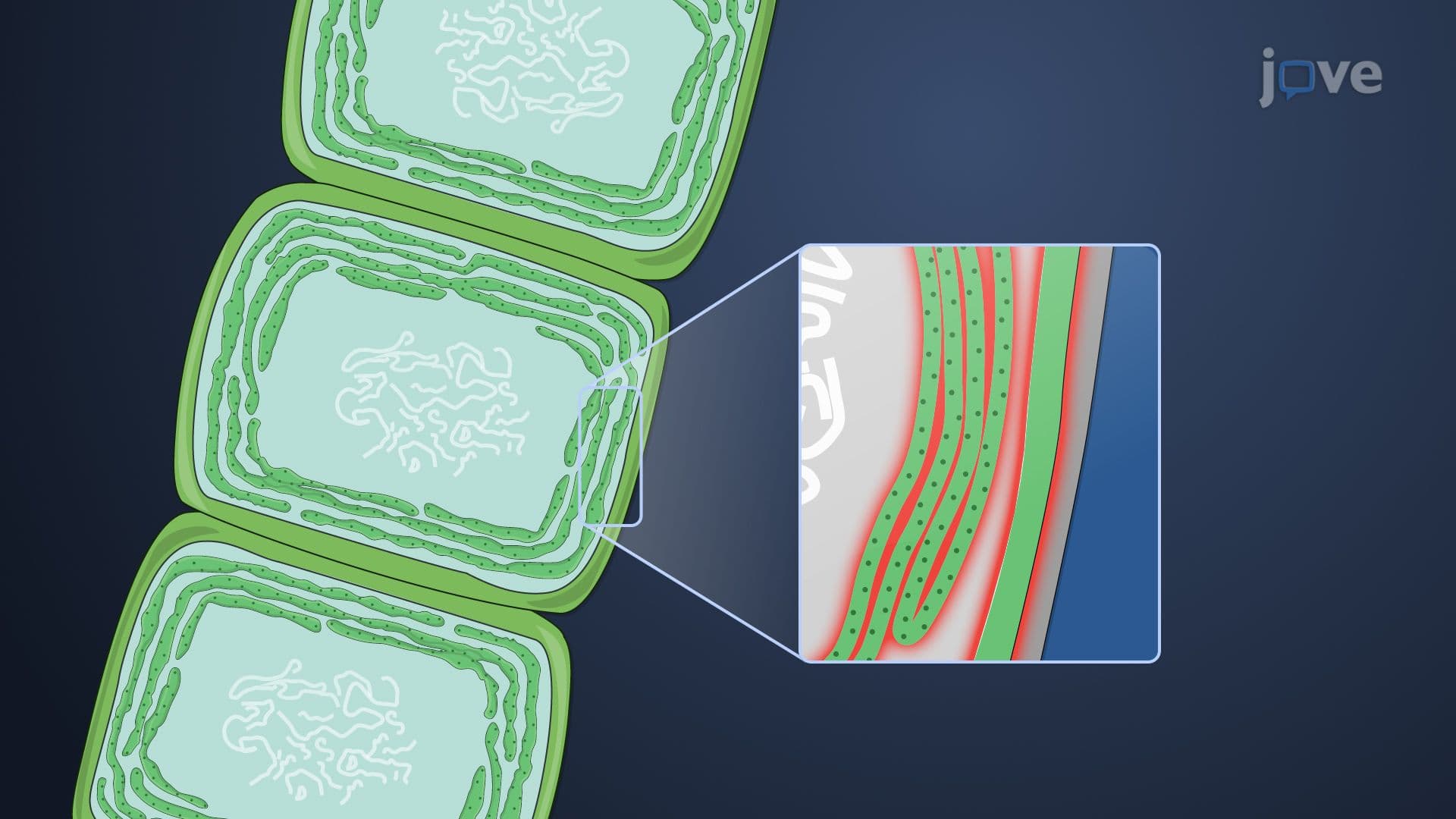
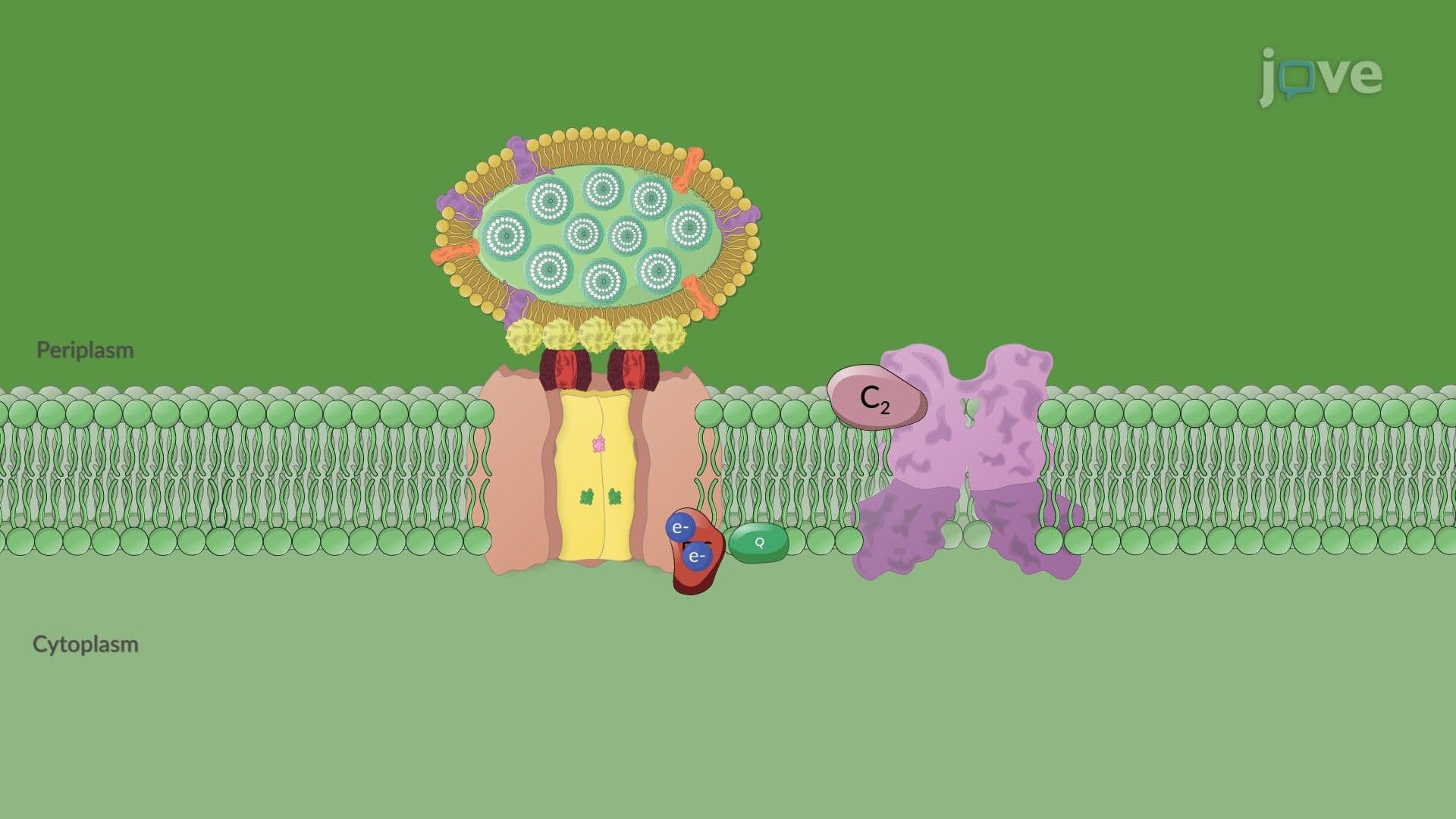
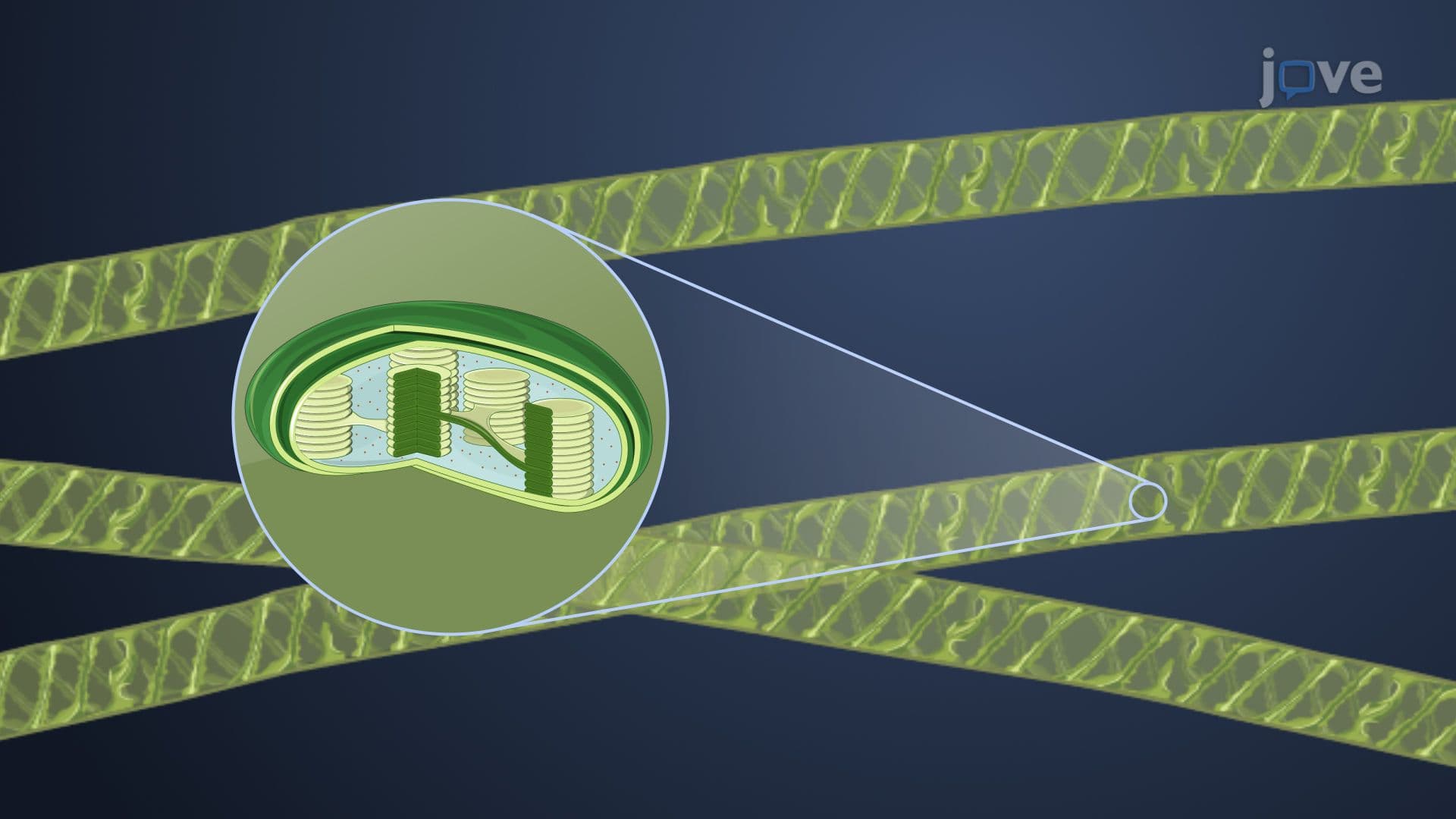
7. Photosynthesis in Bacterial Systems: Bacterial photosynthesis occurs in two main forms: oxygenic and anoxygenic. Oxygenic photosynthesis in cyanobacteria resembles plant photosynthesis, using water as an electron donor and producing oxygen as a byproduct. These bacteria are responsible for much of the oxygen in Earth's atmosphere and form harmful algal blooms in nutrient-rich American lakes during summer months. Anoxygenic photosynthesis in purple and green sulfur bacteria uses hydrogen sulfide or other reduced compounds instead of water, producing no oxygen. These bacteria inhabit anaerobic environments like hot springs in Yellowstone National Park, where they create colorful bacterial mats. Both photosynthetic types convert light energy into chemical energy, supporting primary production in diverse ecosystems.
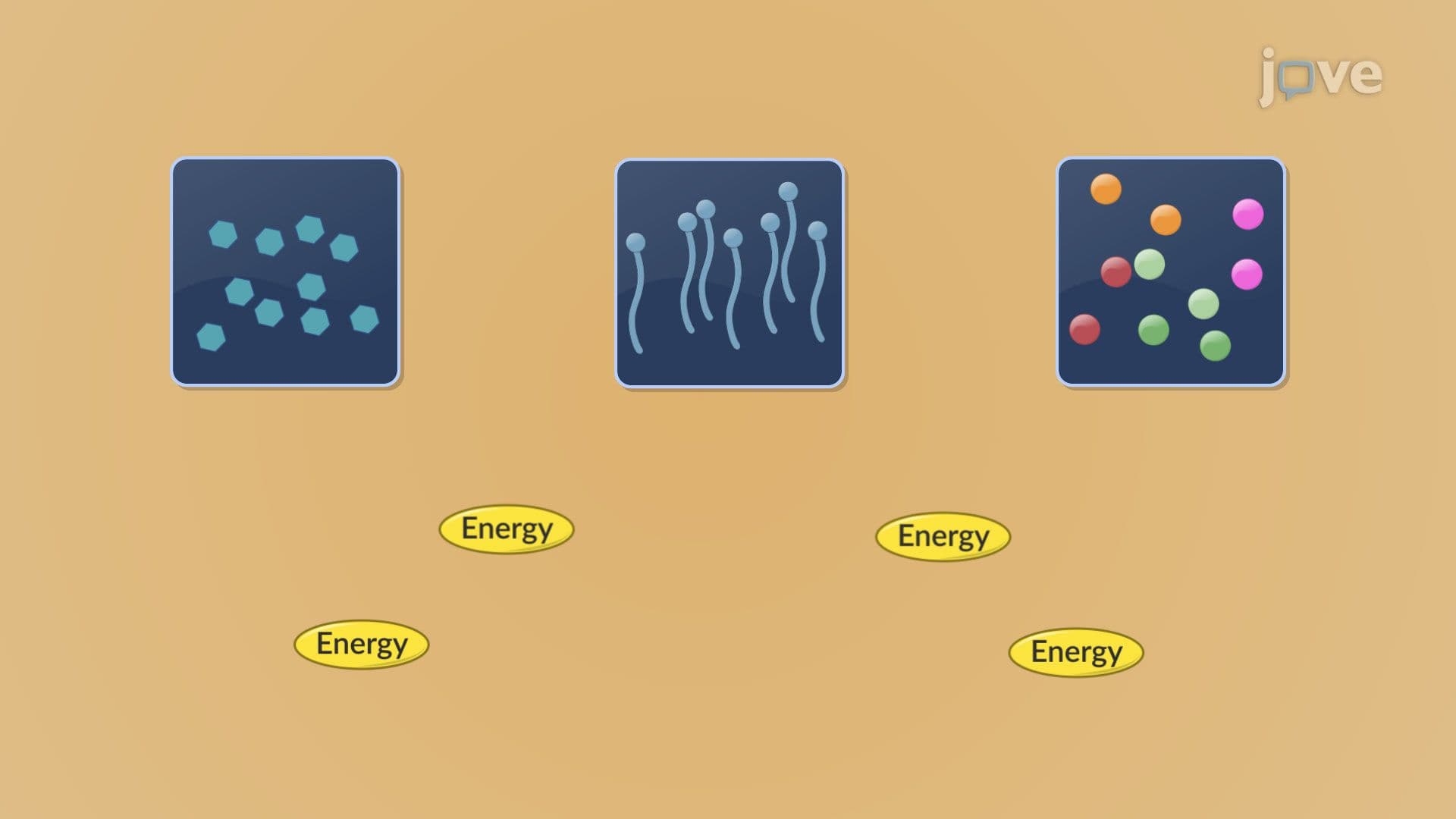
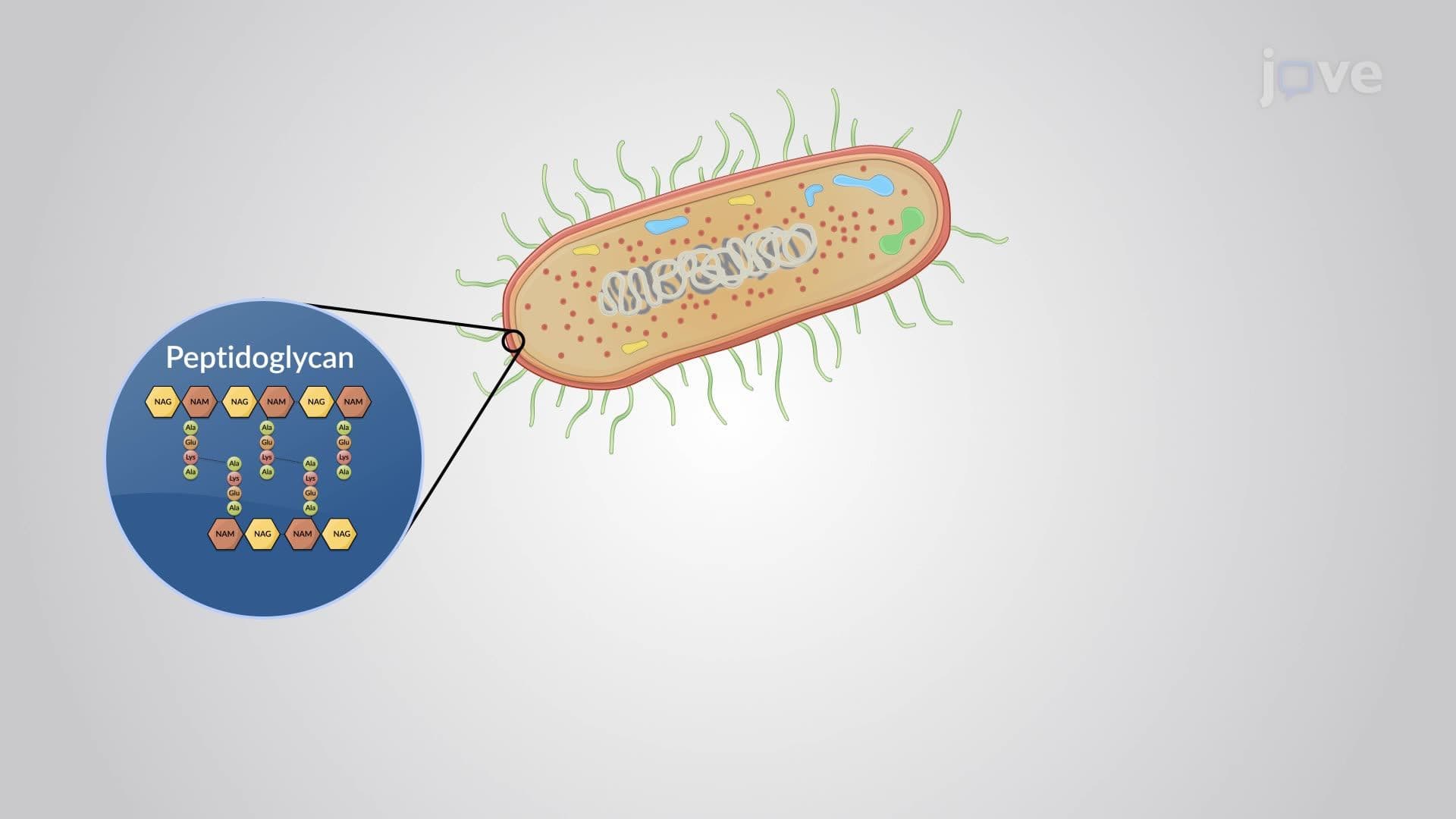
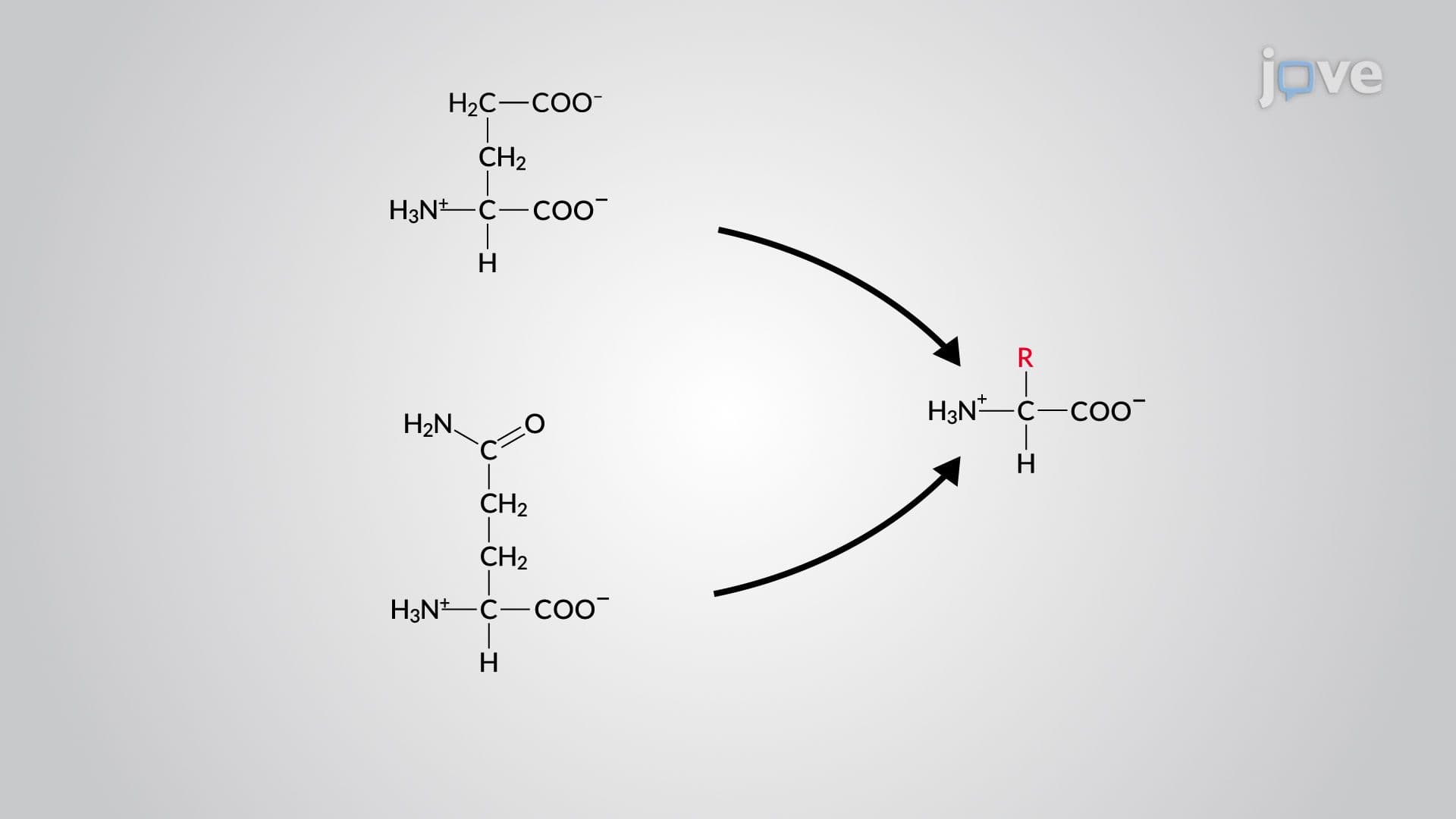
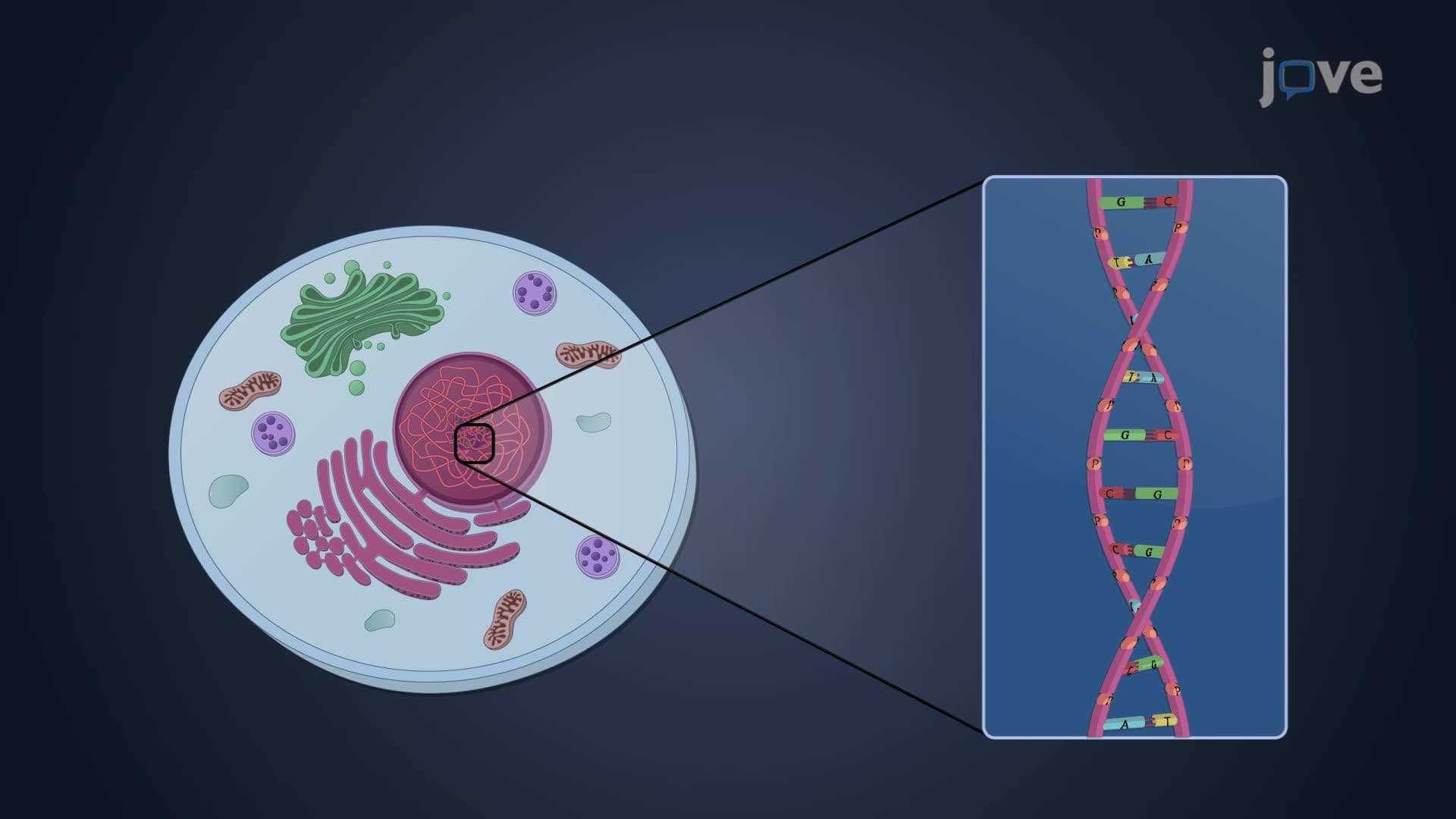
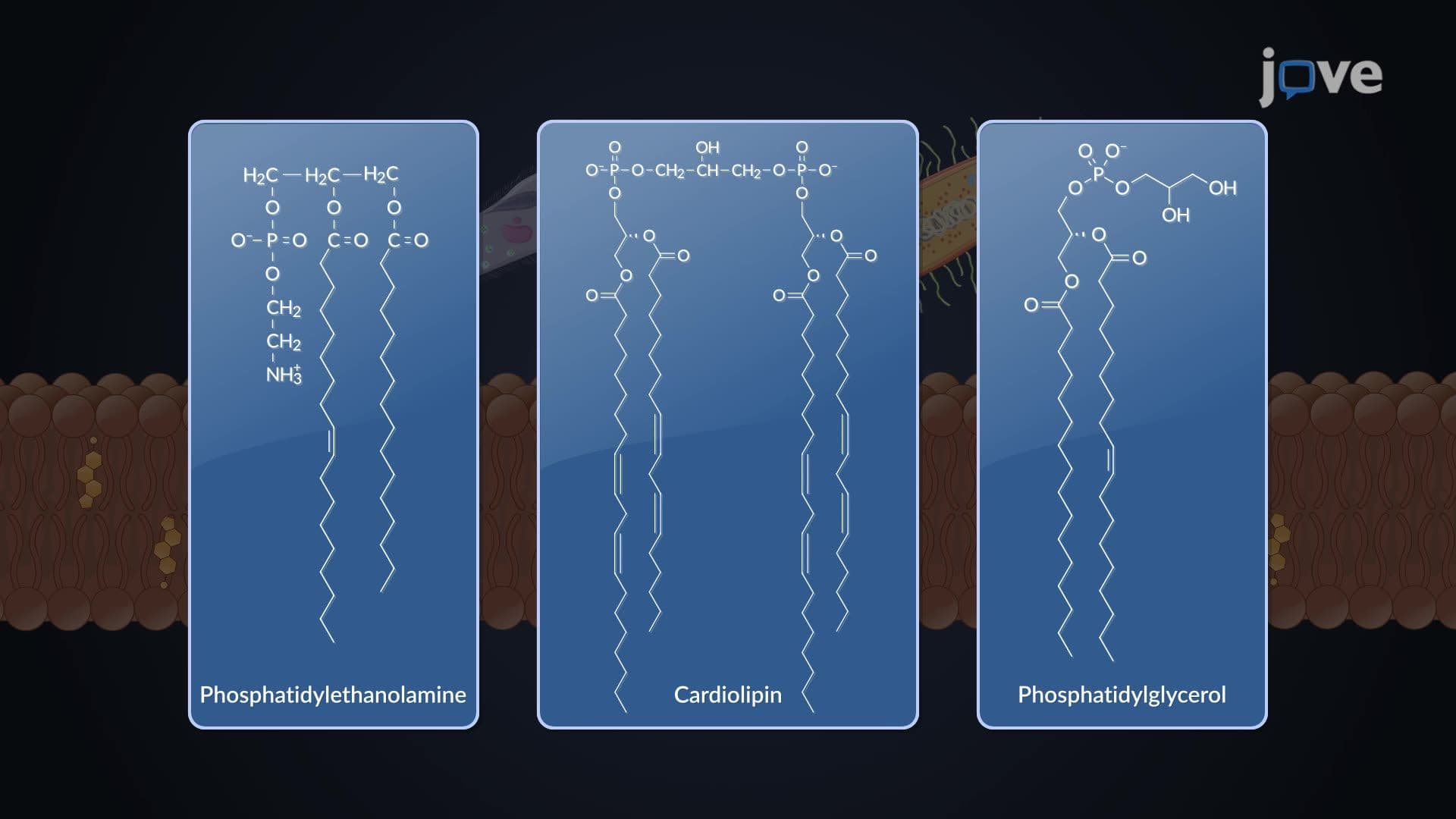
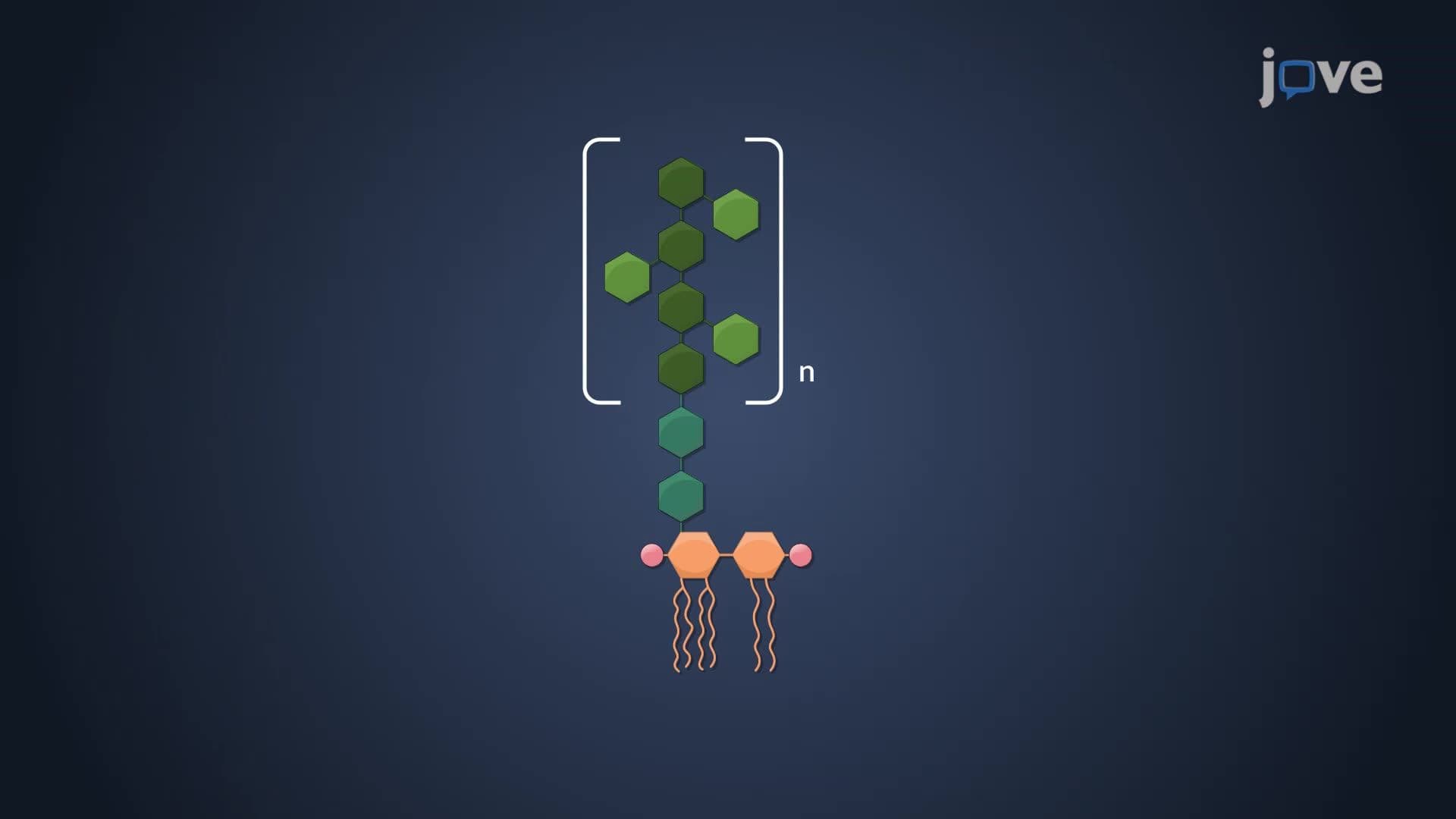
8. Biosynthetic Pathways and Cellular Construction: Bacterial biosynthesis converts simple precursor molecules into complex macromolecules essential for growth and reproduction. Amino acid synthesis pathways use carbon skeletons from glycolysis and citric acid cycle intermediates, incorporating nitrogen from glutamate or glutamine through transamination reactions. Nucleotide biosynthesis produces DNA and RNA building blocks through distinct purine and pyrimidine pathways, requiring significant energy investment. Fatty acid synthesis creates membrane lipids and energy storage molecules, while polysaccharide synthesis forms structural components and energy reserves. These anabolic processes consume ATP and NADPH generated during catabolism, demonstrating the intimate connection between energy production and cellular construction in bacterial metabolism.