Loading video…

 26 Concepts
 13.3K views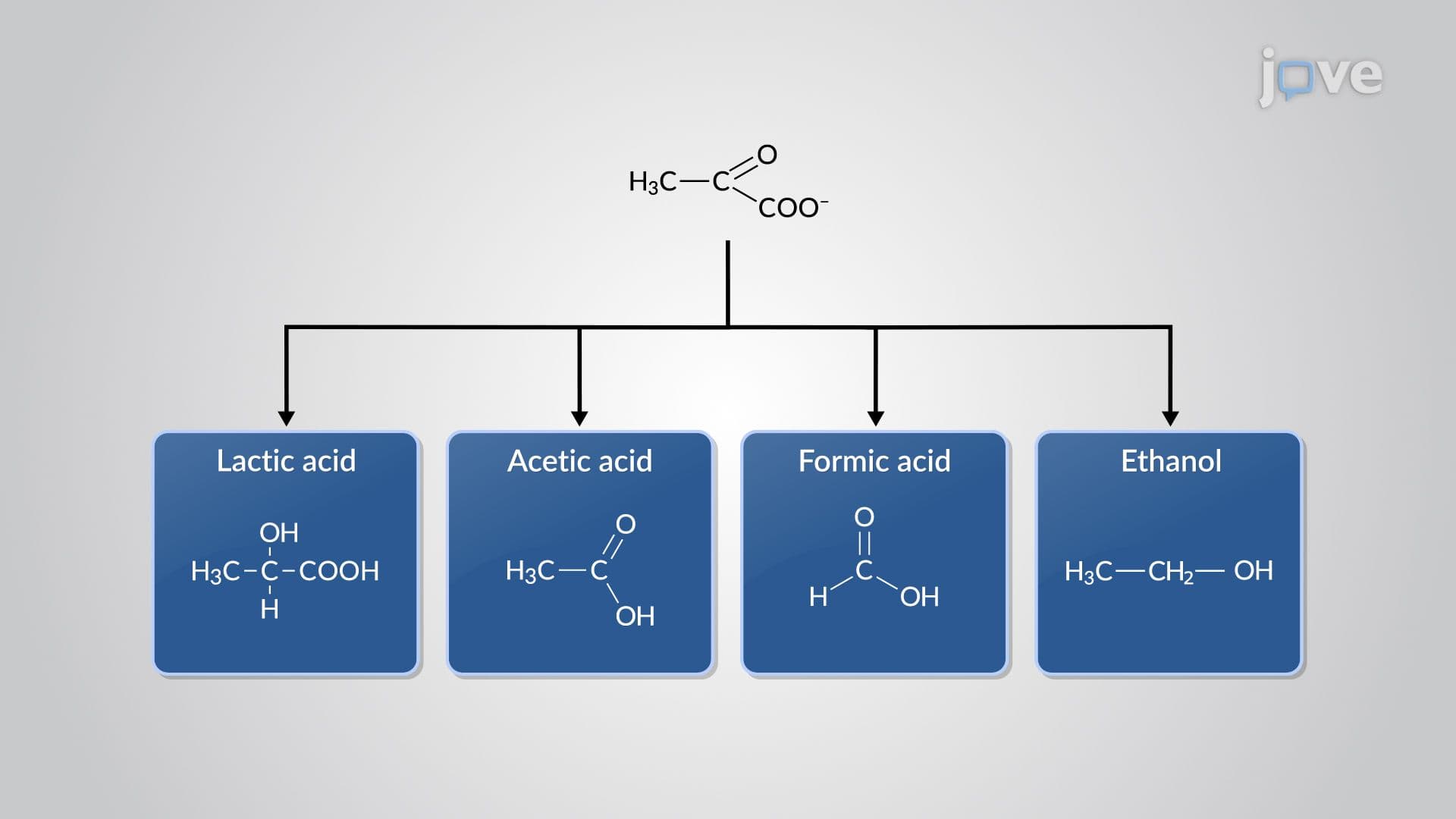

Video Summary: What Is Microbial Fermentation
Ever wondered how microorganisms create the tangy flavor in your favorite yogurt or the alcohol in beer? Microbial fermentation is the fascinating metabolic process where microbes break down sugars to generate energy without oxygen, using pyruvate as an electron acceptor instead of relying on cellular respiration. From the Lactobacillus bacteria transforming milk into Greek yogurt in US dairy facilities to Saccharomyces yeast producing craft beer in American breweries, what is microbial fermentation becomes clear through these everyday applications. Watch the full video on JoVE Coach to master this concept with expert-led visuals and step-by-step explanations.
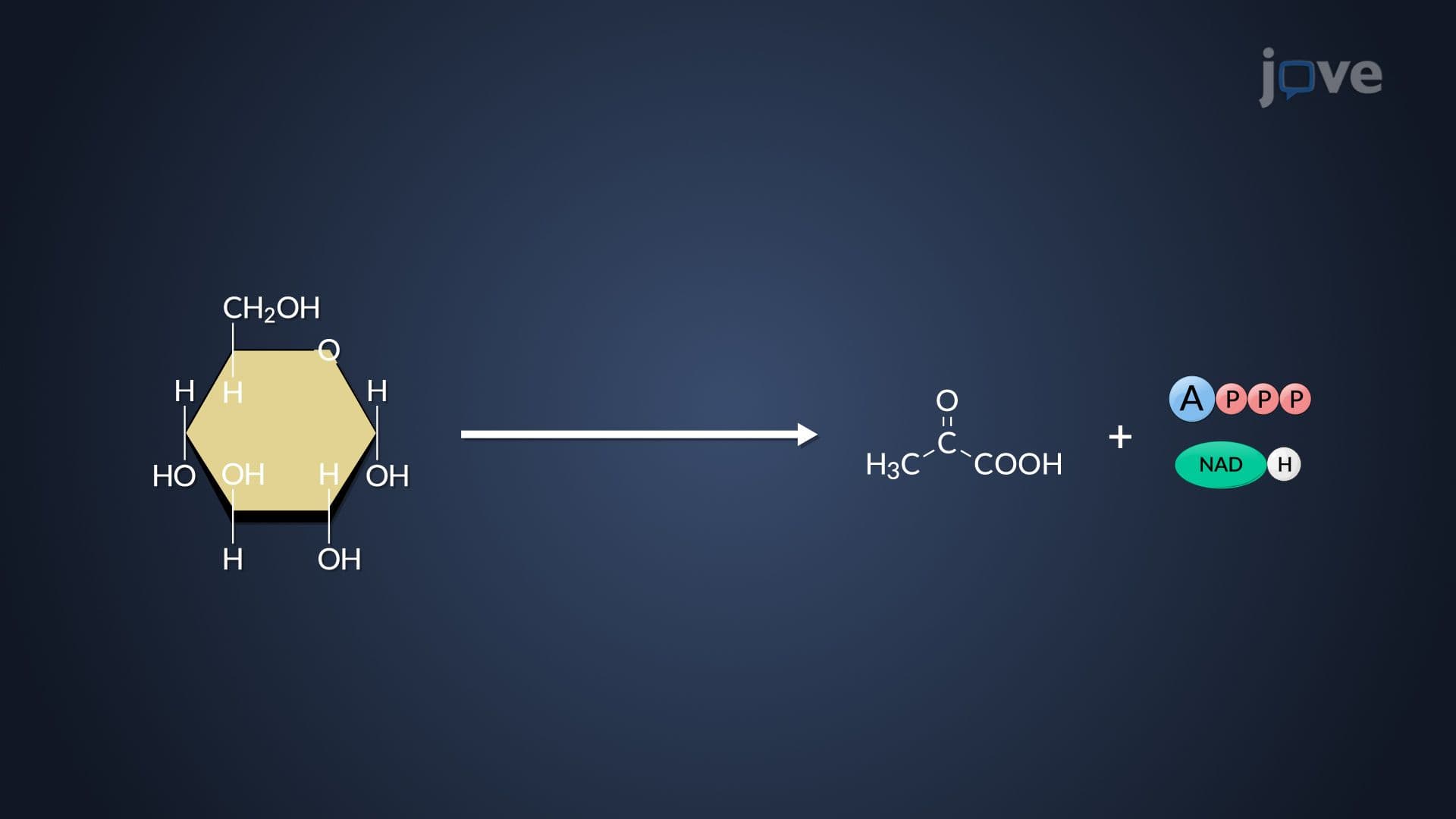
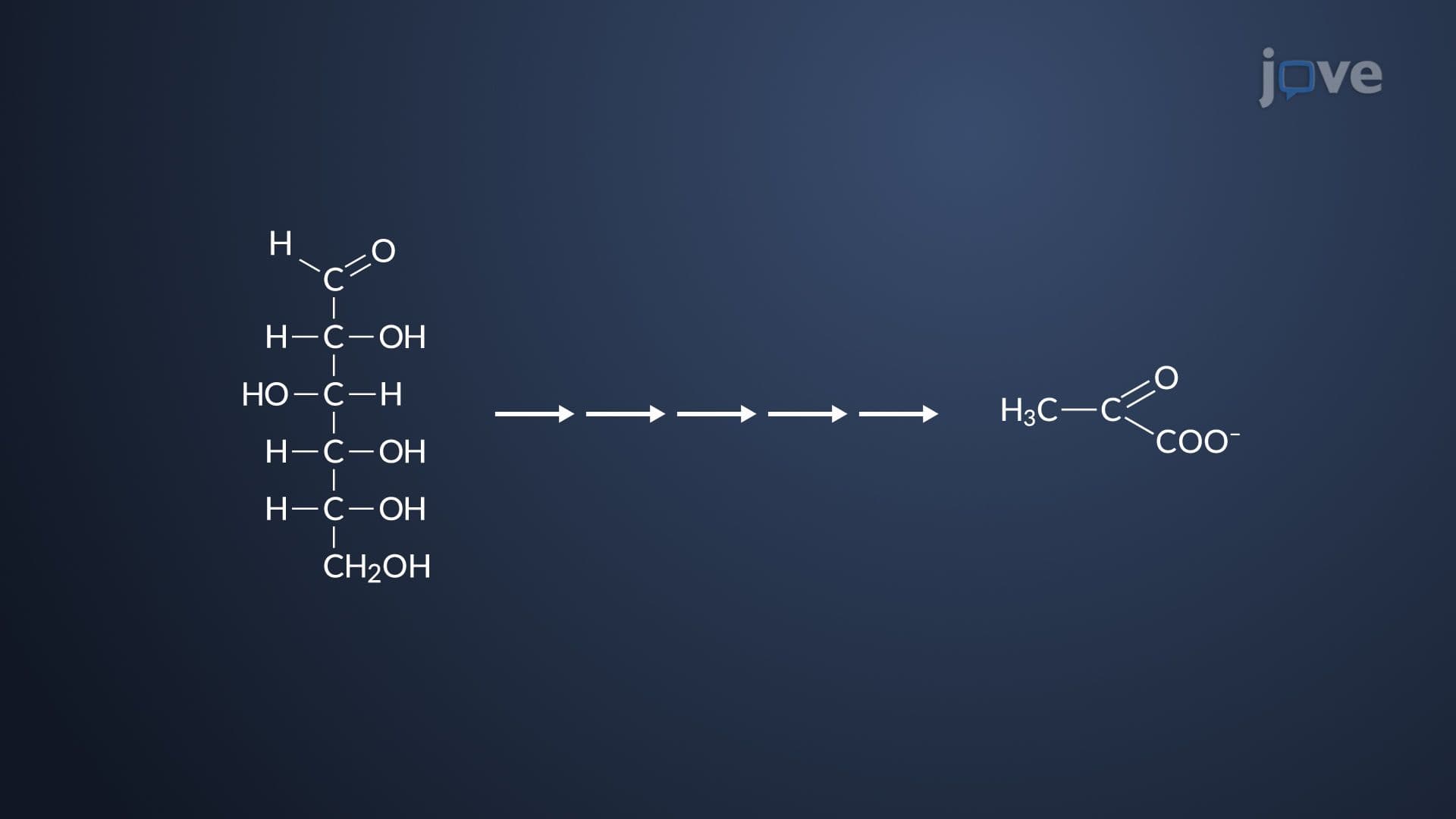
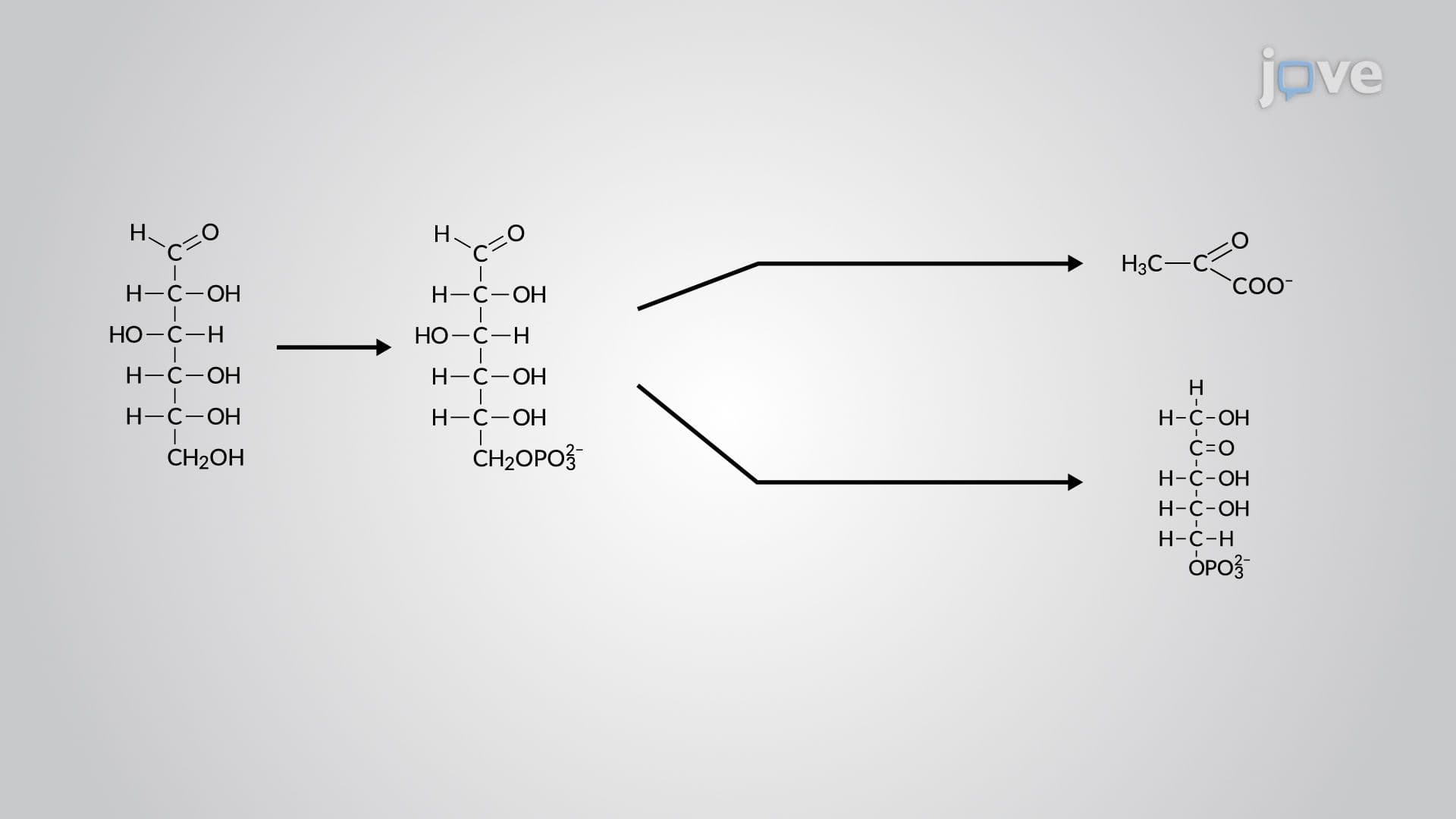
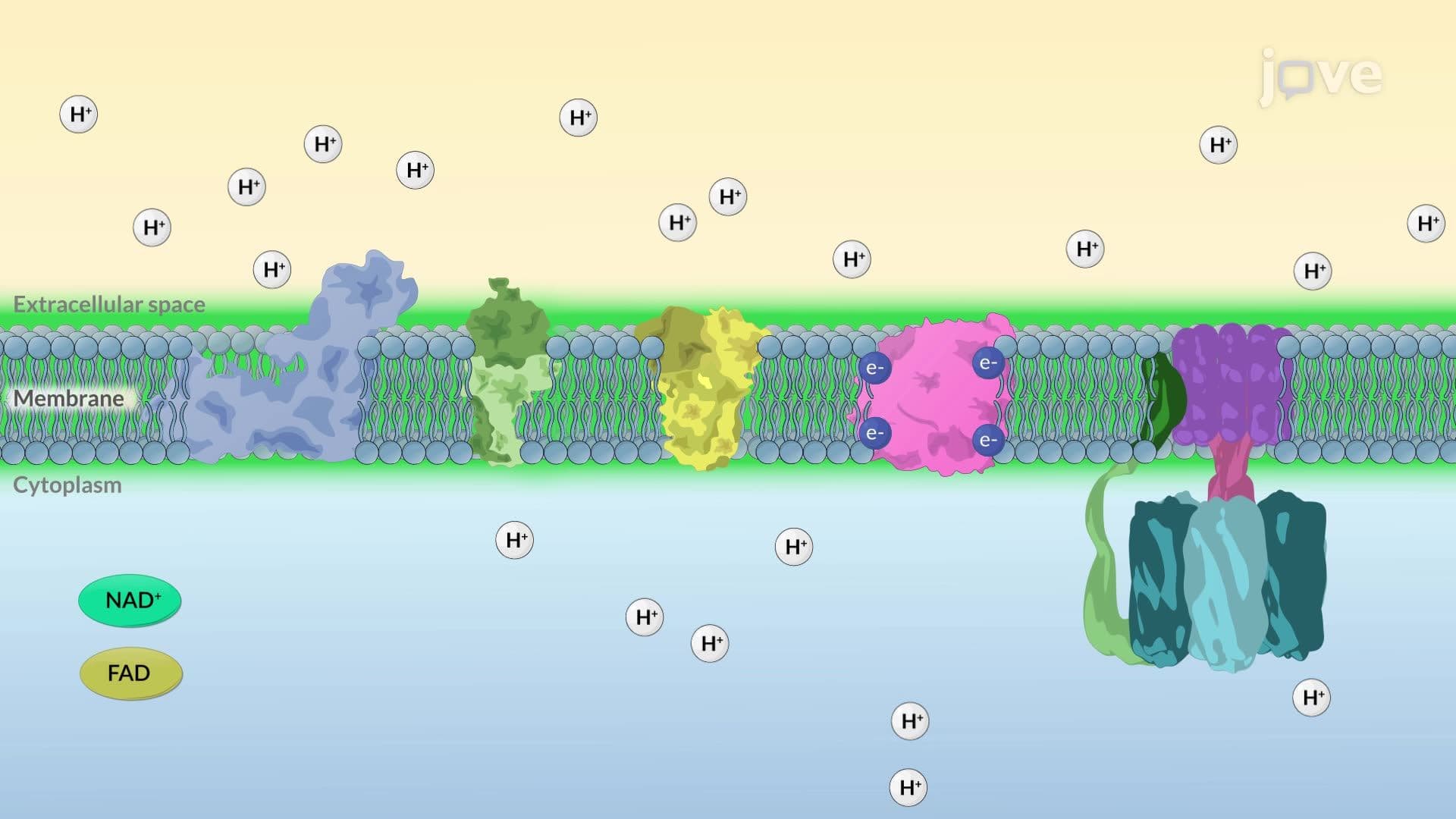
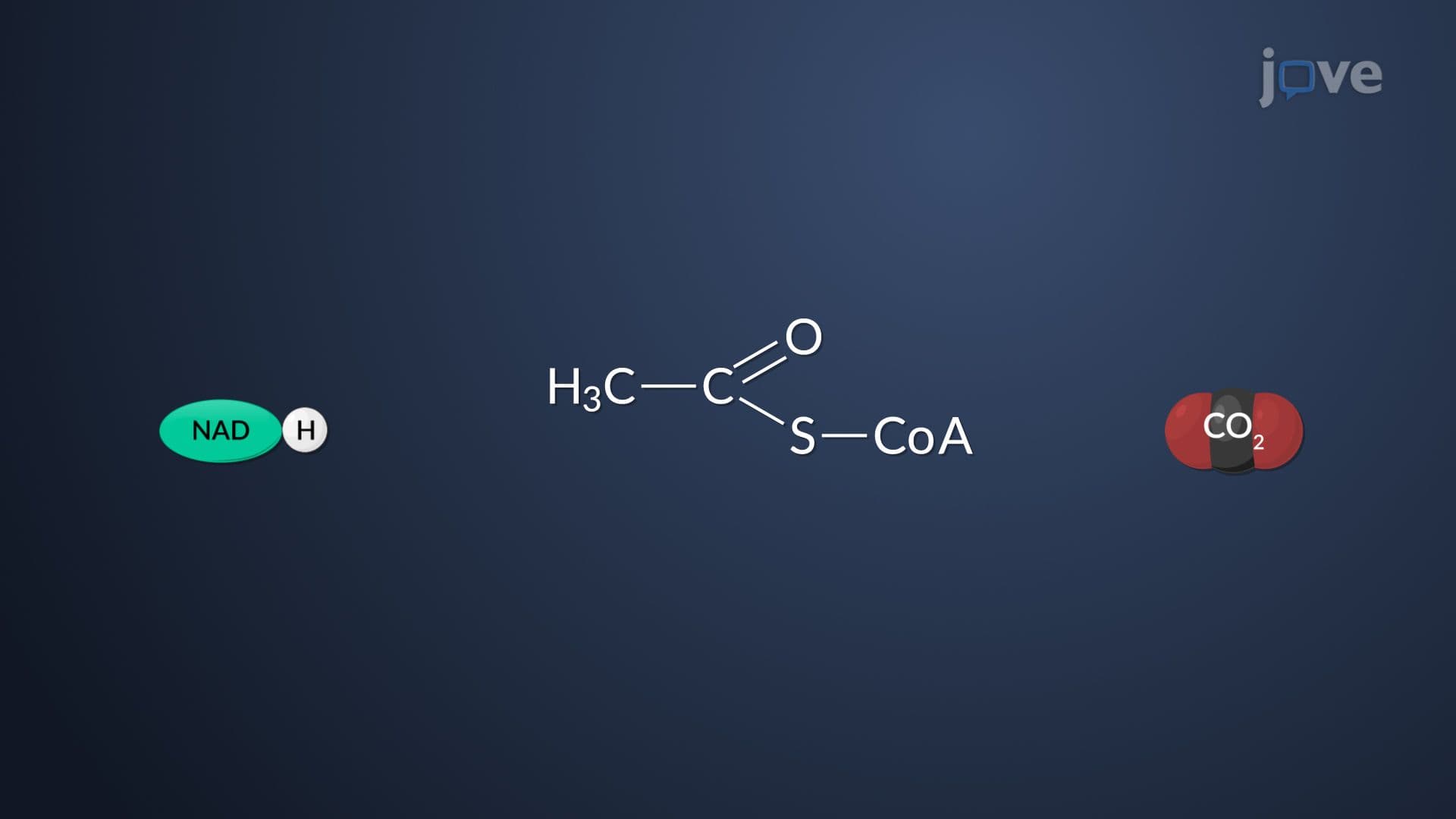
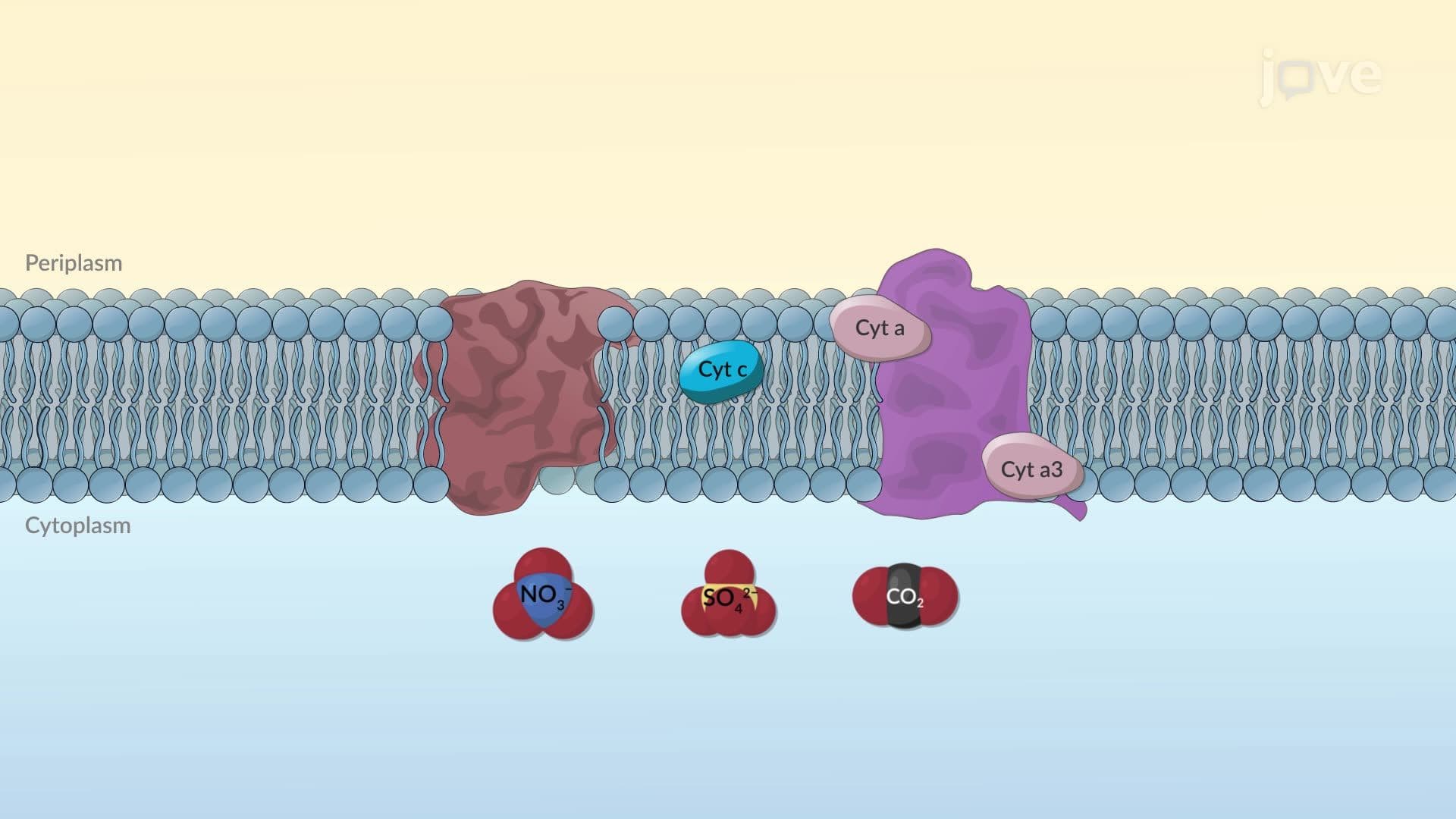
What is microbial fermentation represents one of the most essential metabolic processes in microbiology, enabling countless microorganisms to survive and thrive in oxygen-limited environments. Unlike aerobic respiration, which uses oxygen as the final electron acceptor, fermentation relies on organic compounds-typically pyruvate or its derivatives-to accept electrons and regenerate the NAD+ necessary for glycolysis continuation. This process allows microbes to extract energy from glucose even when oxygen is unavailable, making fermentation crucial for life in anaerobic conditions.
The diversity of fermentation pathways reflects the metabolic versatility of microorganisms. Homolactic fermentation, performed by Lactobacillus and Streptococcus species, converts pyruvate directly into lactate without producing CO2. This pathway is essential for producing American dairy products like Greek yogurt, cottage cheese, and artisanal cheeses. The single end product makes this fermentation type highly efficient for industrial applications requiring consistent acidity levels.
Heterolactic fermentation involves organisms like Leuconostoc that produce multiple end products: lactate, ethanol, and carbon dioxide. This complexity creates the characteristic flavors and textures in fermented foods like sourdough bread and certain aged cheeses. The CO2 production particularly benefits baking applications, contributing to dough rising in traditional bread-making processes.
Alcoholic fermentation by Saccharomyces cerevisiae stands as perhaps the most economically significant fermentation process in the United States. This pathway converts pyruvate to acetaldehyde and then to ethanol while releasing CO2. American brewing industries from craft beer producers to major distilleries rely on controlled alcoholic fermentation, with precise temperature and pH management ensuring consistent product quality.
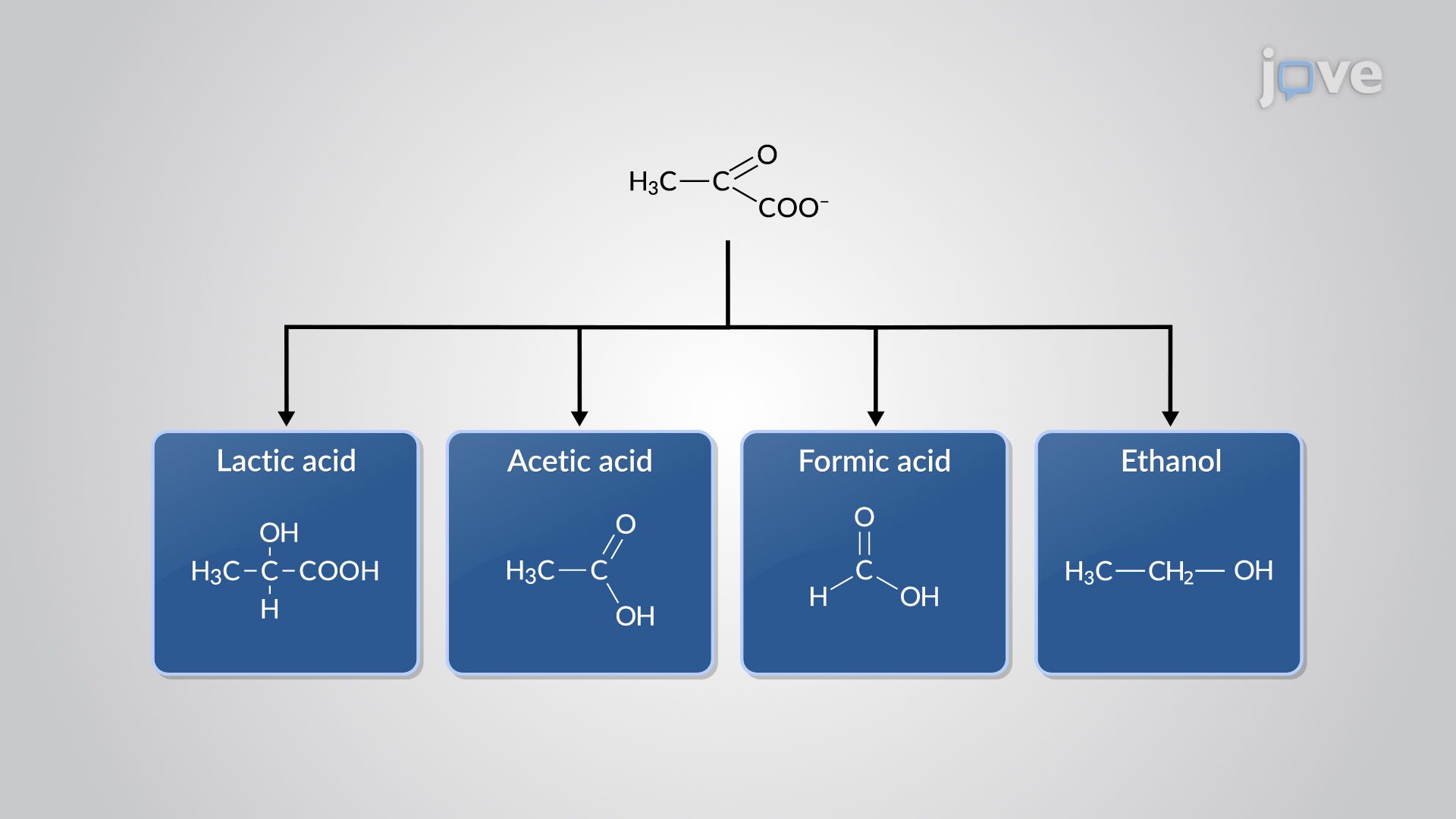
Mixed acid fermentation, common in Enterobacteriaceae family members, produces diverse organic acids including lactic, acetic, and formic acids alongside ethanol. This pathway finds applications in industrial chemical production and plays crucial roles in environmental microbiology, particularly in wastewater treatment facilities across the US.
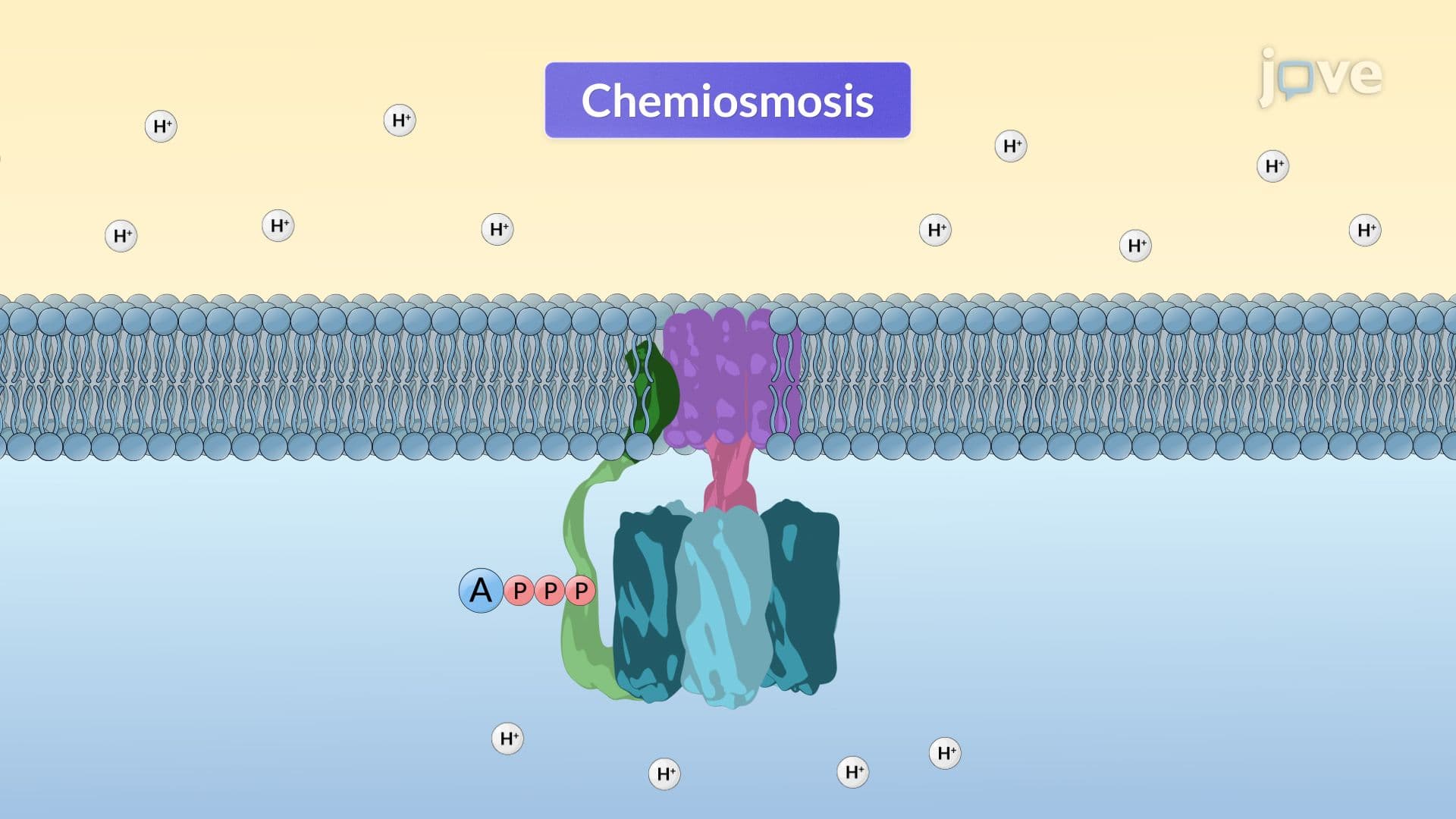
Students preparing for AP Biology exams frequently encounter fermentation questions comparing energy yields between fermentation and cellular respiration. MCAT test-takers must understand fermentation's role in anaerobic metabolism, while nursing students studying for NCLEX examinations learn about fermentation in the context of gut microbiome function and antibiotic effects on beneficial fermenting bacteria. Understanding these pathways proves essential for careers in biotechnology, food science, and clinical microbiology throughout American healthcare and industry sectors.
Related Micro-courses