Loading video…

 26 Concepts
 13.3K views

Video Summary: What Is Electron Transport Chain Components
Ever wonder how your cells extract energy from a single glucose molecule to power everything from muscle contractions to brain function? Electron transport chain components work like a cellular power plant, with specialized protein complexes and electron carriers orchestrating energy production in every mitochondrion. Just like how the Hoover Dam uses water flow to generate electricity for Las Vegas, these molecular machines harness electron flow to create ATP. Watch the full video on JoVE Coach to master this concept with expert-led visuals and step-by-step explanations.
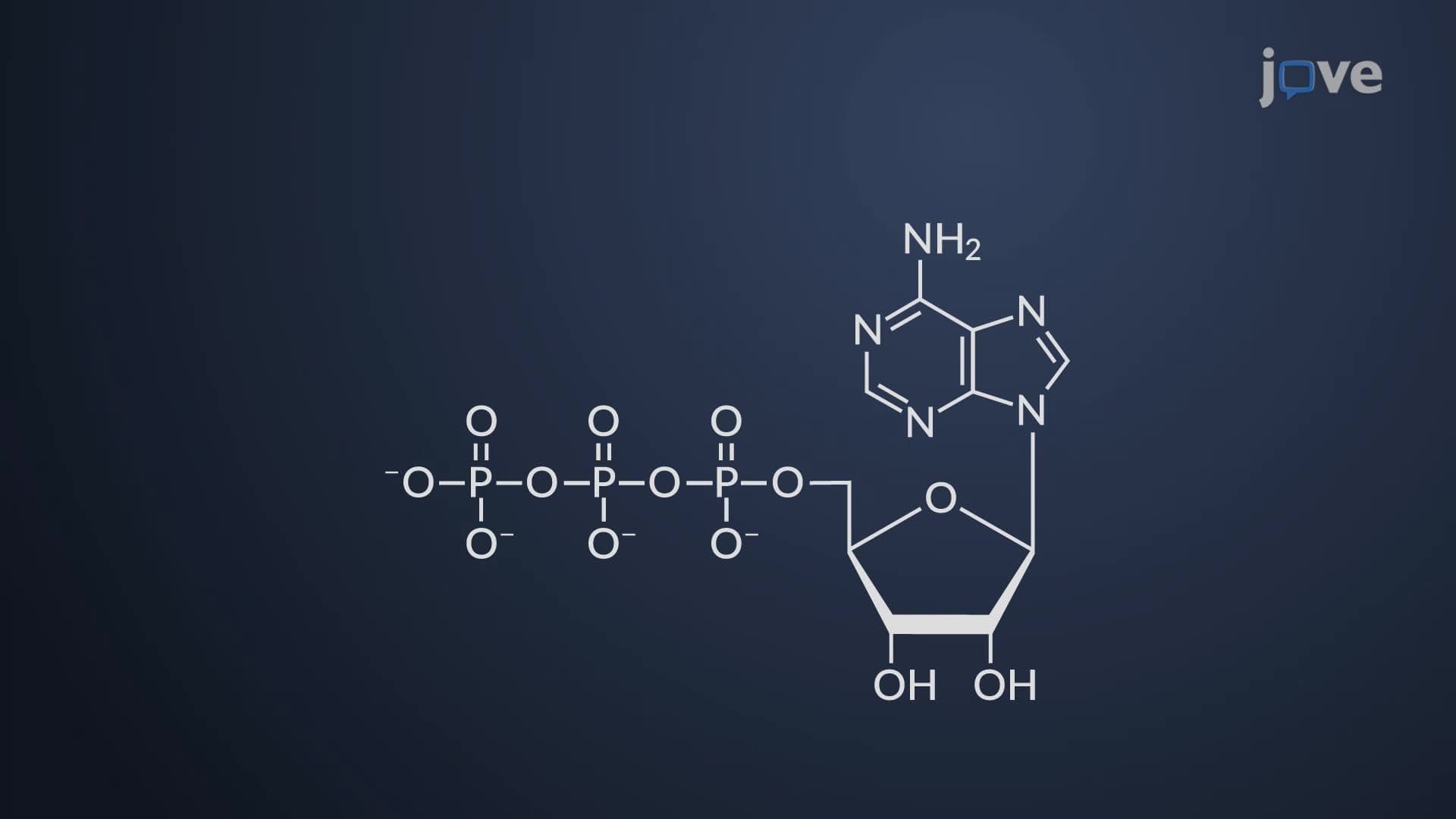
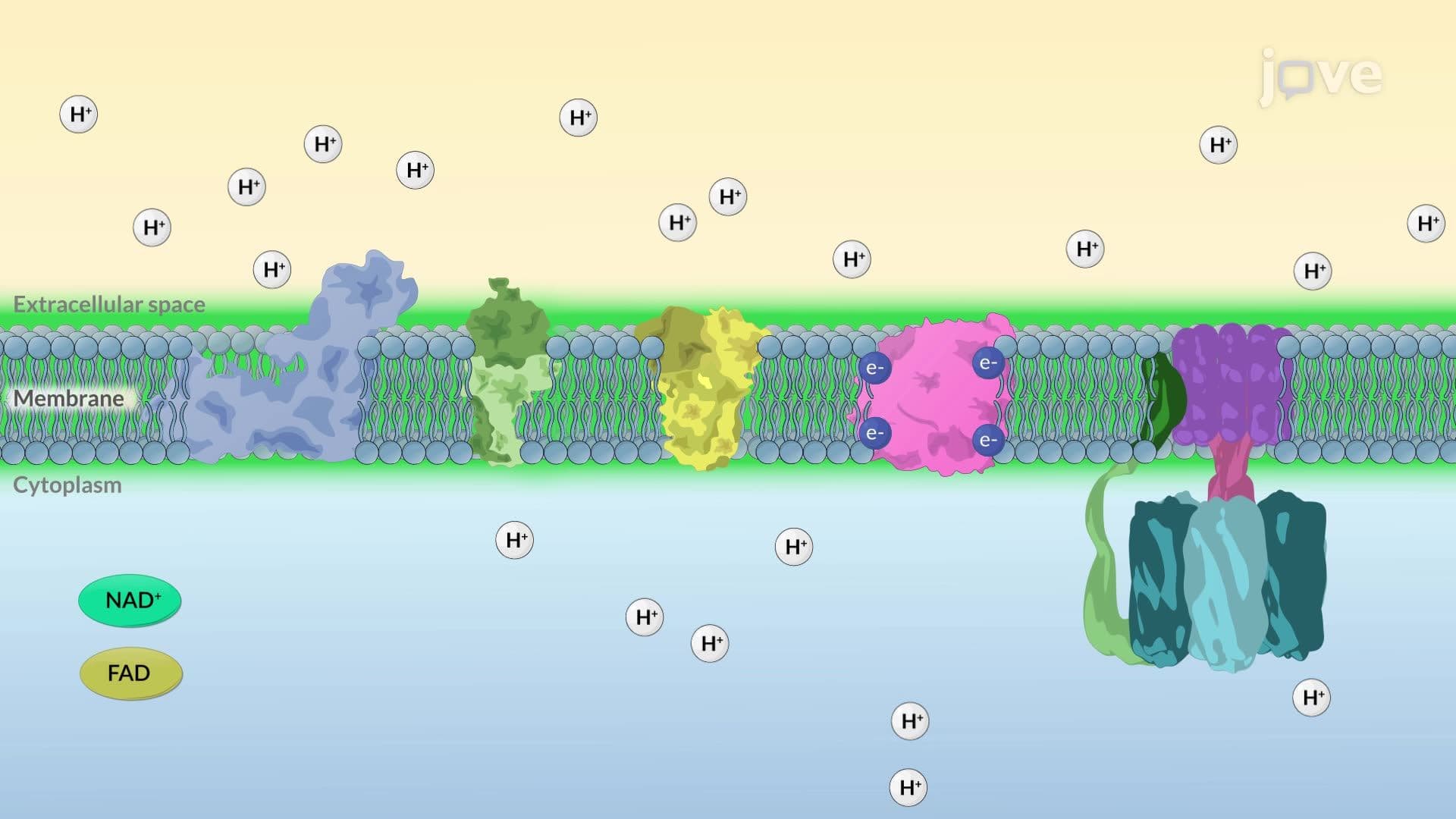
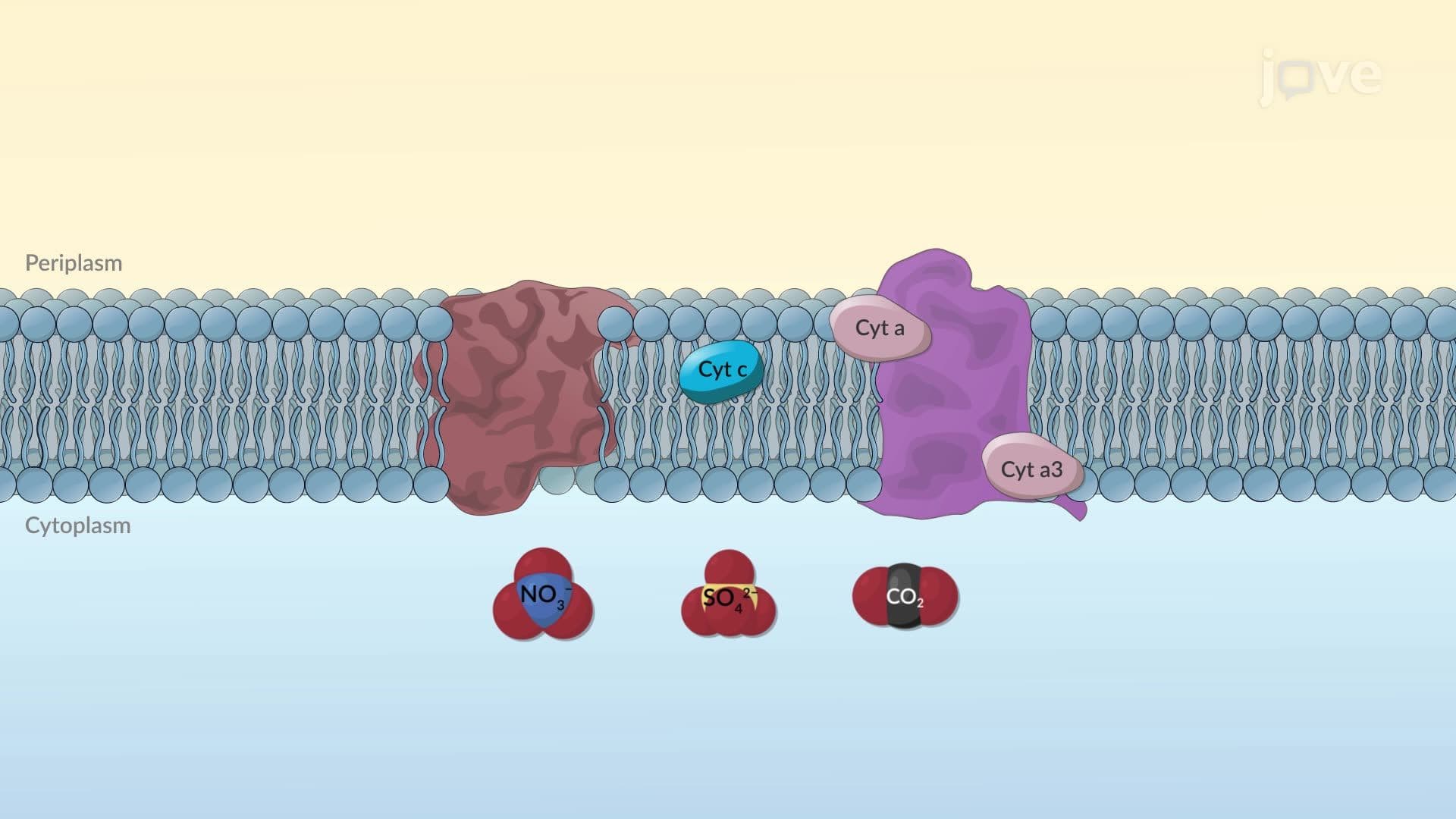
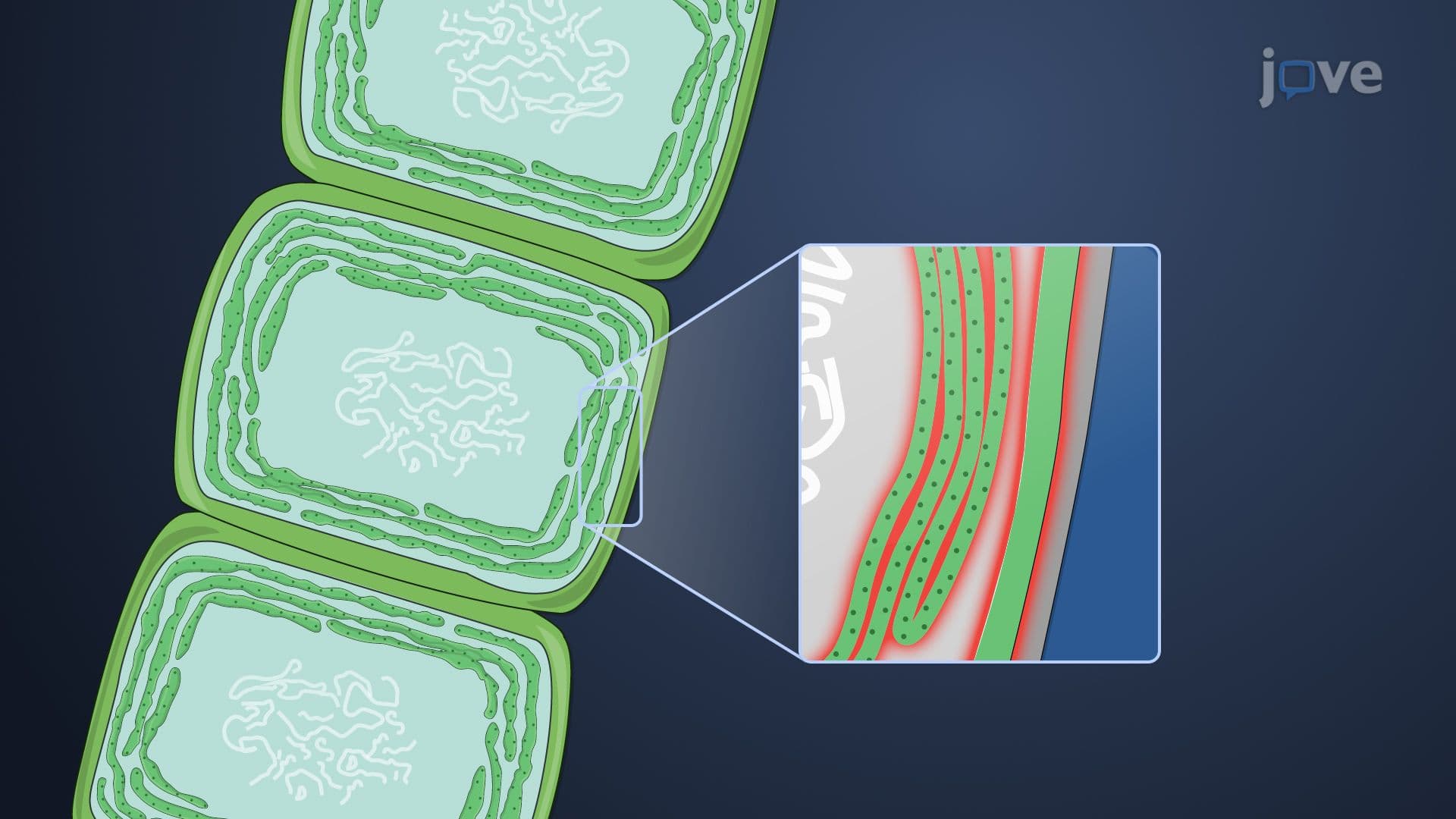
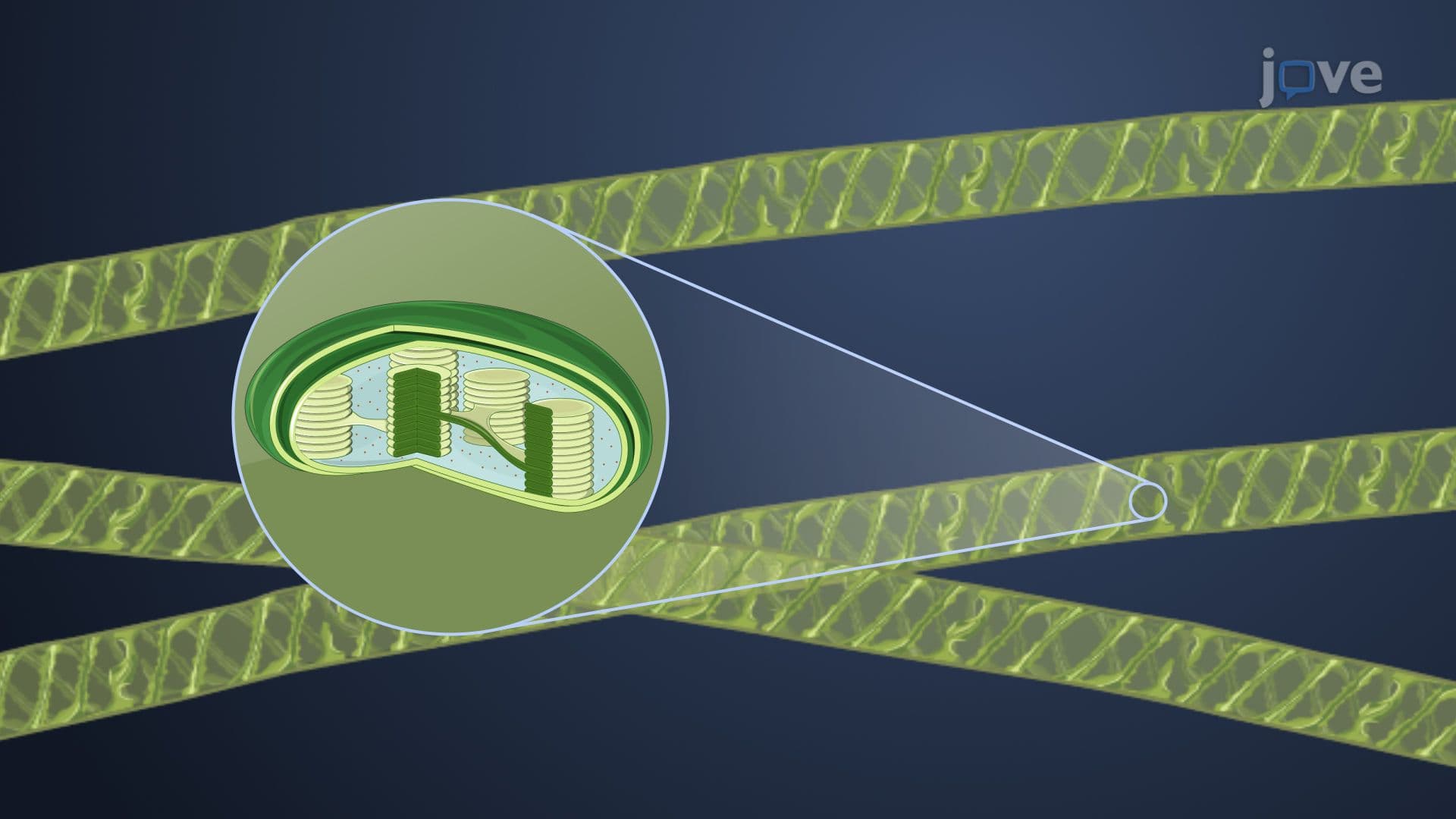
The electron transport chain components represent one of biochemistry's most elegant energy conversion systems. These molecular machines transform the chemical energy stored in NADH and FADH2 into the universal cellular currency: ATP. Located in the inner mitochondrial membrane of eukaryotes and the plasma membrane of prokaryotes, these components work together like an assembly line to extract maximum energy from electrons.
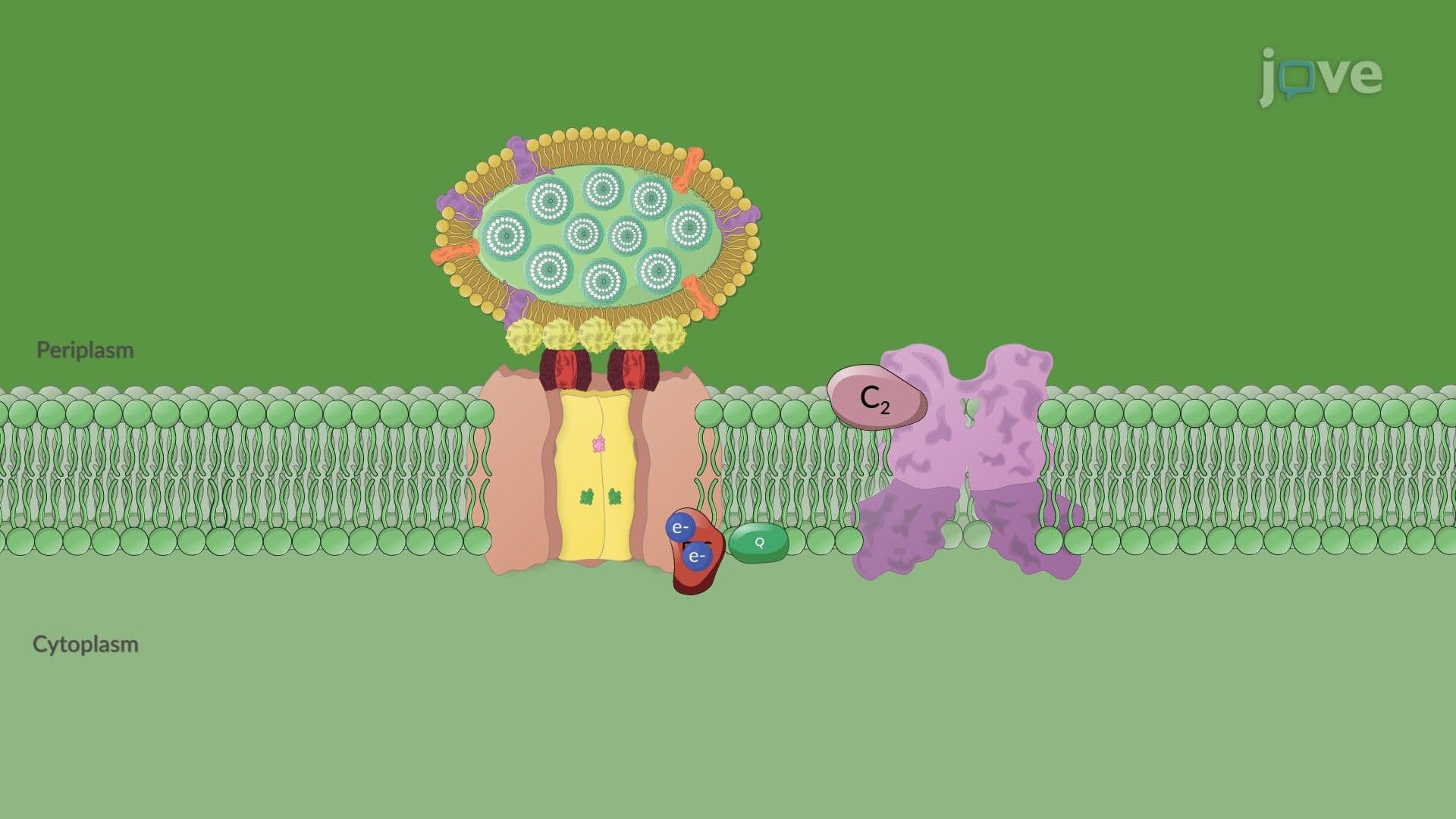
The electron transport system consists of four distinct membrane-embedded protein complexes, each with specialized roles. Complex I (NADH dehydrogenase) initiates the process by accepting electrons from NADH, while Complex II (succinate dehydrogenase) receives electrons from FADH2. Complex III (cytochrome bc1 complex) and Complex IV (cytochrome c oxidase) continue the electron relay, ultimately transferring electrons to oxygen, the final electron acceptor.
These complexes don't work in isolation-they're connected by mobile electron carriers that shuttle between them. Understanding this organization helps students excel on AP Biology exams and MCAT questions that test cellular respiration pathways.
The diversity of electron transport chain components includes several types of electron carriers, each optimized for specific functions. Flavoproteins containing FMN (flavin mononucleotide) and FAD (flavin adenine dinucleotide) serve as the initial electron acceptors. These yellow-colored proteins can accept both electrons and protons, making them versatile intermediates.
Iron-sulfur proteins represent another crucial category, containing iron atoms coordinated with sulfur atoms in cluster formations. Unlike cytochromes, these proteins lack heme groups but excel at single-electron transfers. Cytochromes, distinguished by their heme-containing structure, include cytochromes b, c1, c, a, and a3, each with unique redox potentials that ensure unidirectional electron flow.
Coenzyme Q (ubiquinone) deserves special mention as a lipid-soluble carrier that can freely diffuse within the membrane bilayer. This mobility allows it to collect electrons from Complexes I and II and deliver them to Complex III, serving as a crucial bottleneck in the electron transport process.
Understanding these components proves essential for healthcare careers. Medical students preparing for the USMLE encounter questions about electron transport dysfunction in diseases like Parkinson's disease, where Complex I deficiency contributes to neurodegeneration. Nursing students taking the NCLEX may see scenarios involving cyanide poisoning, which specifically inhibits Complex IV, preventing cellular respiration and causing rapid death.
For college students taking biochemistry, recognizing how different inhibitors affect specific complexes-such as rotenone blocking Complex I or antimycin A inhibiting Complex III-frequently appears on midterm exams and helps explain the mechanisms of certain pesticides and medications used in US agriculture and medicine.
Related Micro-courses