Loading video…

 26 Concepts
 13.3K views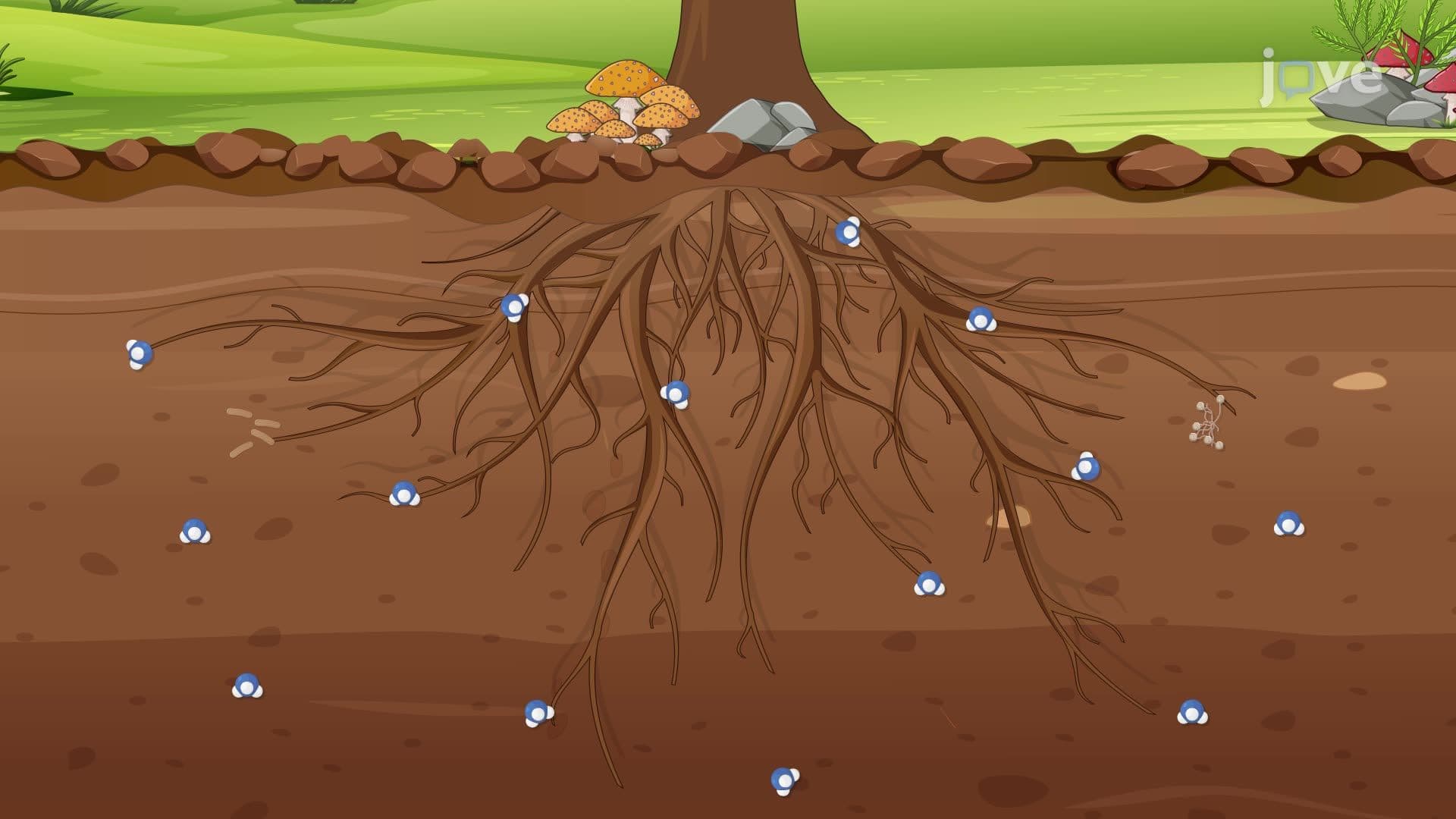

Video Summary: What Is Inorganic Nitrogen Assimilation
Did you know that every protein in your body depends on bacteria's ability to process nitrogen from the environment? Inorganic nitrogen assimilation is the fundamental process by which microorganisms convert nitrate and ammonia into essential biomolecules like proteins and DNA. From the nitrogen cycle in Yellowstone's hot springs to industrial wastewater treatment plants across the US, this process drives life on Earth. Understanding what is inorganic nitrogen assimilation reveals how organisms transform simple inorganic compounds into the building blocks of life. Watch the full video on JoVE Coach to master this concept with expert-led visuals and step-by-step explanations.
Inorganic nitrogen assimilation represents one of biology's most critical metabolic processes, enabling organisms to convert simple nitrogen compounds into complex biomolecules. Unlike organic nitrogen sources (like amino acids), inorganic nitrogen comes primarily as nitrate (NO3-) and ammonia (NH3), requiring specialized enzymatic machinery for cellular incorporation.
This process differs fundamentally from nitrogen fixation. While nitrogen fixation converts atmospheric N2 into ammonia using nitrogenase enzymes, inorganic nitrogen assimilation works with already-available nitrogen compounds in the environment. Think of it as the difference between mining raw materials versus processing refined materials in manufacturing.
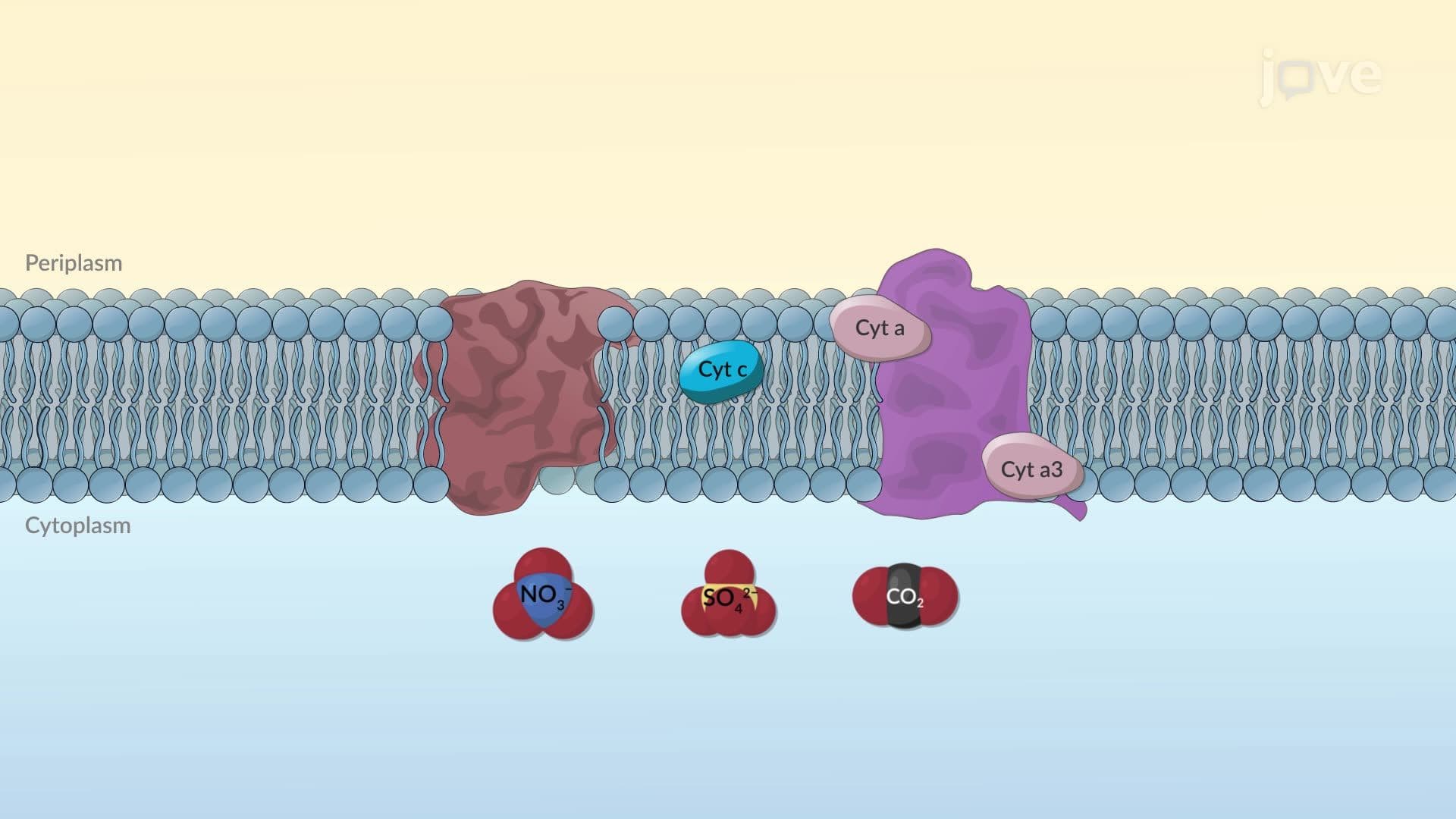
The journey from nitrate to cellular components follows a precise two-step reduction sequence. Nitrate reductase first converts nitrate (NO3-) to nitrite (NO2-), then nitrite reductase reduces nitrite to ammonia (NH3). This process requires significant cellular energy investment, with each reduction step consuming electrons from cellular metabolism.
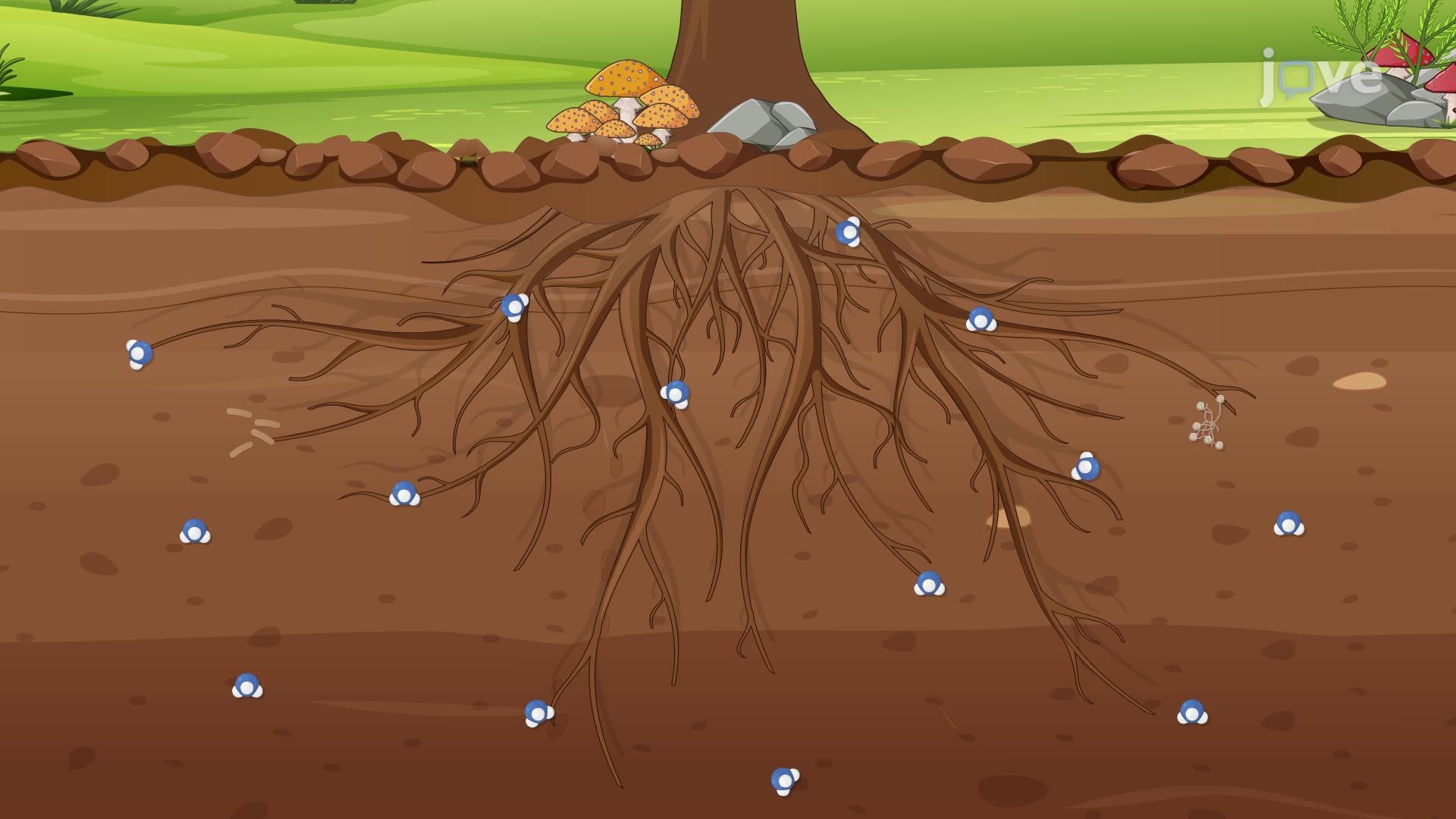
In US agricultural systems, this pathway becomes crucial for understanding soil microbiology. Bacteria in fertilized farmlands across the Midwest actively perform assimilatory nitrate reduction, directly impacting crop nutrient availability and agricultural productivity.
Once ammonia becomes available, cells choose between two assimilation strategies based on environmental ammonia concentrations. This metabolic flexibility demonstrates evolutionary adaptation to varying nitrogen availability.
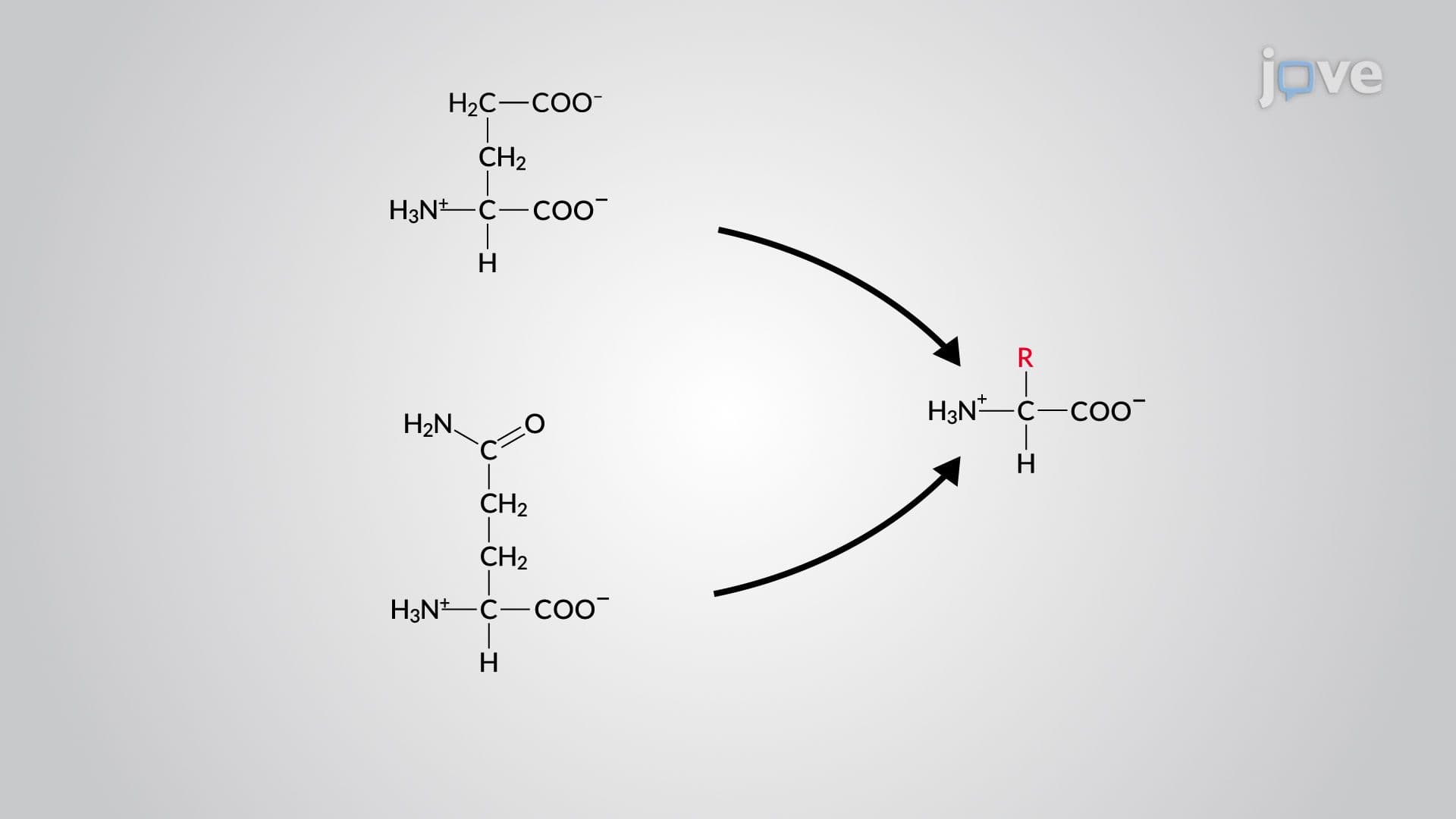
At high ammonia levels, the reductive amination pathway activates. Glutamate dehydrogenase directly converts alpha-ketoglutarate plus ammonia into glutamate, providing an energy-efficient route when nitrogen is abundant. This pathway commonly operates in nutrient-rich environments like wastewater treatment facilities.
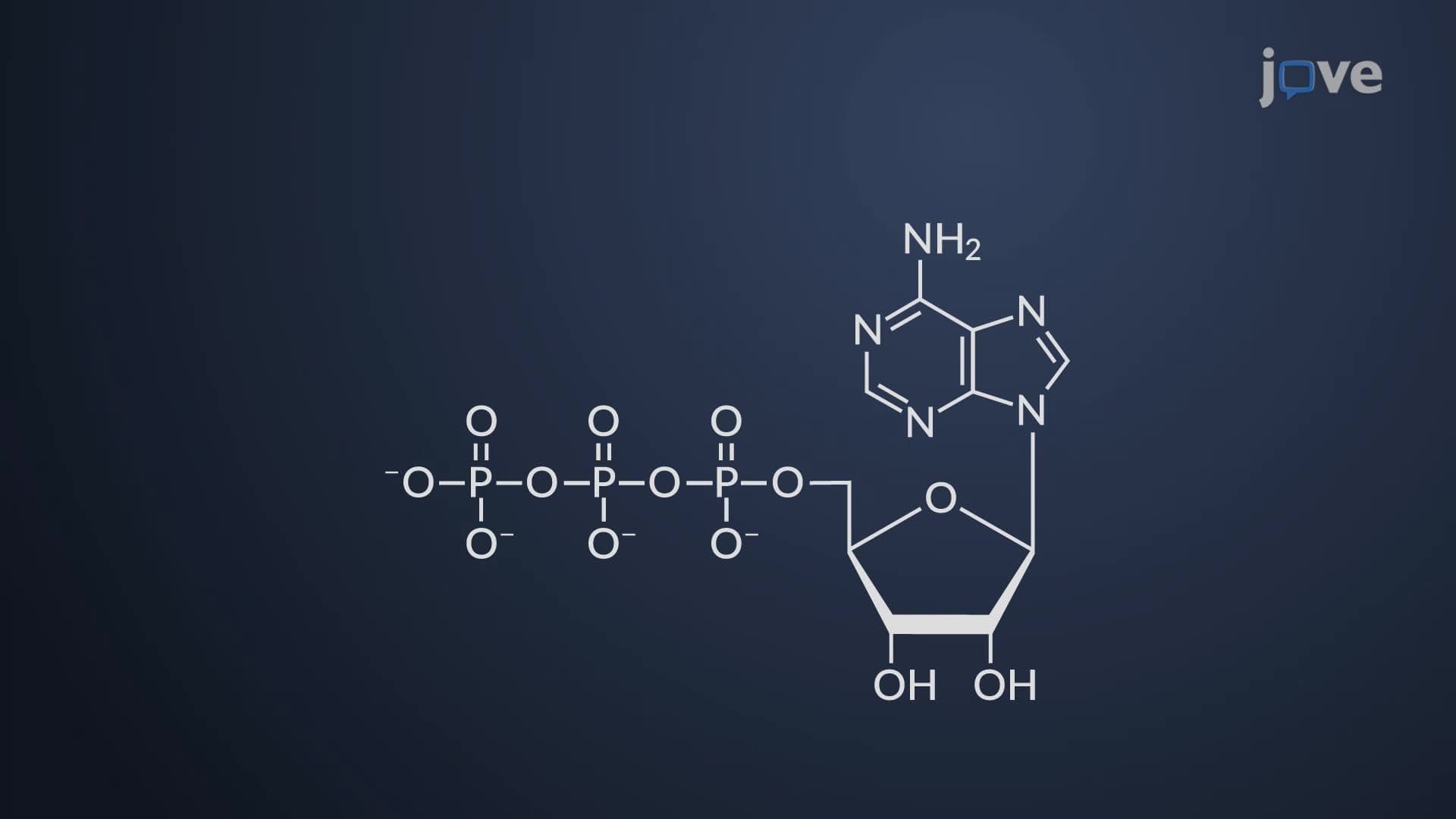
Conversely, low ammonia conditions trigger the GS-GOGAT system. Glutamine synthetase (GS) first combines ammonia with glutamate to form glutamine, requiring ATP investment. Glutamate synthase (GOGAT) then processes glutamine with alpha-ketoglutarate, yielding two glutamate molecules. This pathway's higher energy cost reflects its precision in nitrogen-limited environments.
For AP Biology and college microbiology courses, understanding these pathways helps explain bacterial growth patterns and environmental adaptation. MCAT biochemistry sections frequently test the distinction between assimilation and fixation, while college microbiology exams emphasize enzymatic mechanisms and metabolic regulation.
Environmental science applications include bioremediation projects, where engineered bacteria use inorganic nitrogen assimilation to clean contaminated groundwater across US Superfund sites.
Related Micro-courses