Loading video…

 26 Concepts
 13.3K views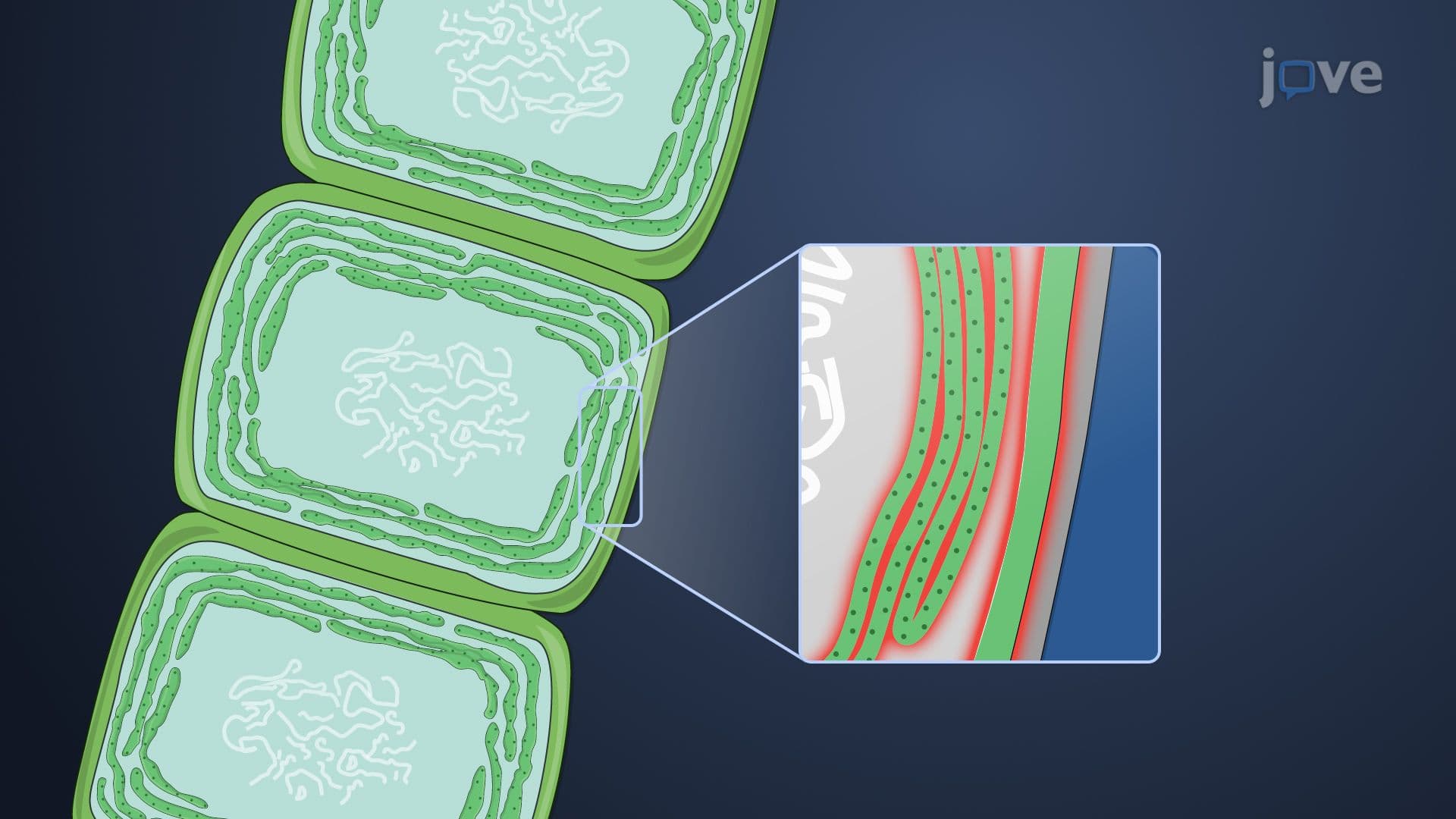

Video Summary: What Is Oxygenic Photosynthesis
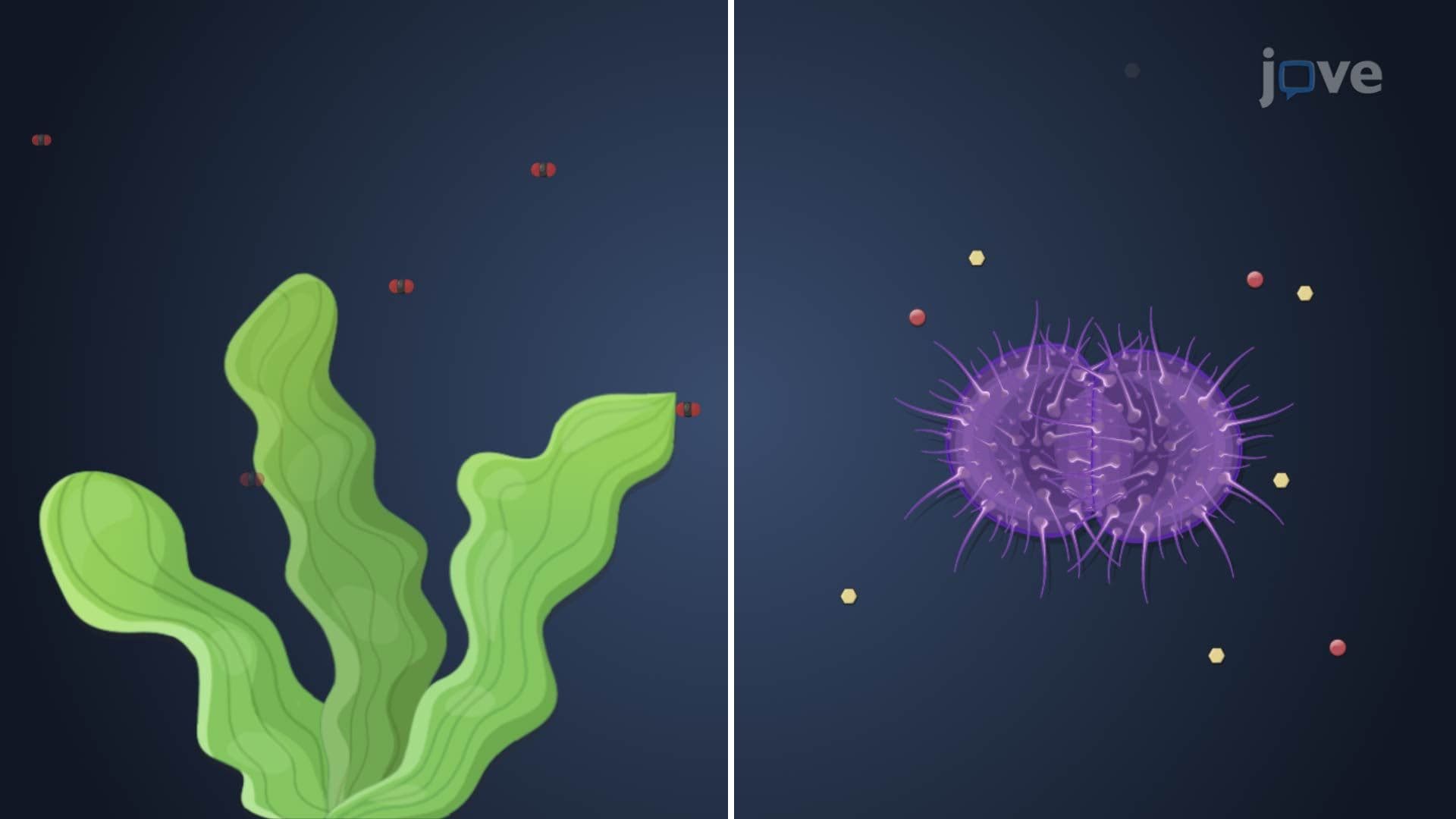
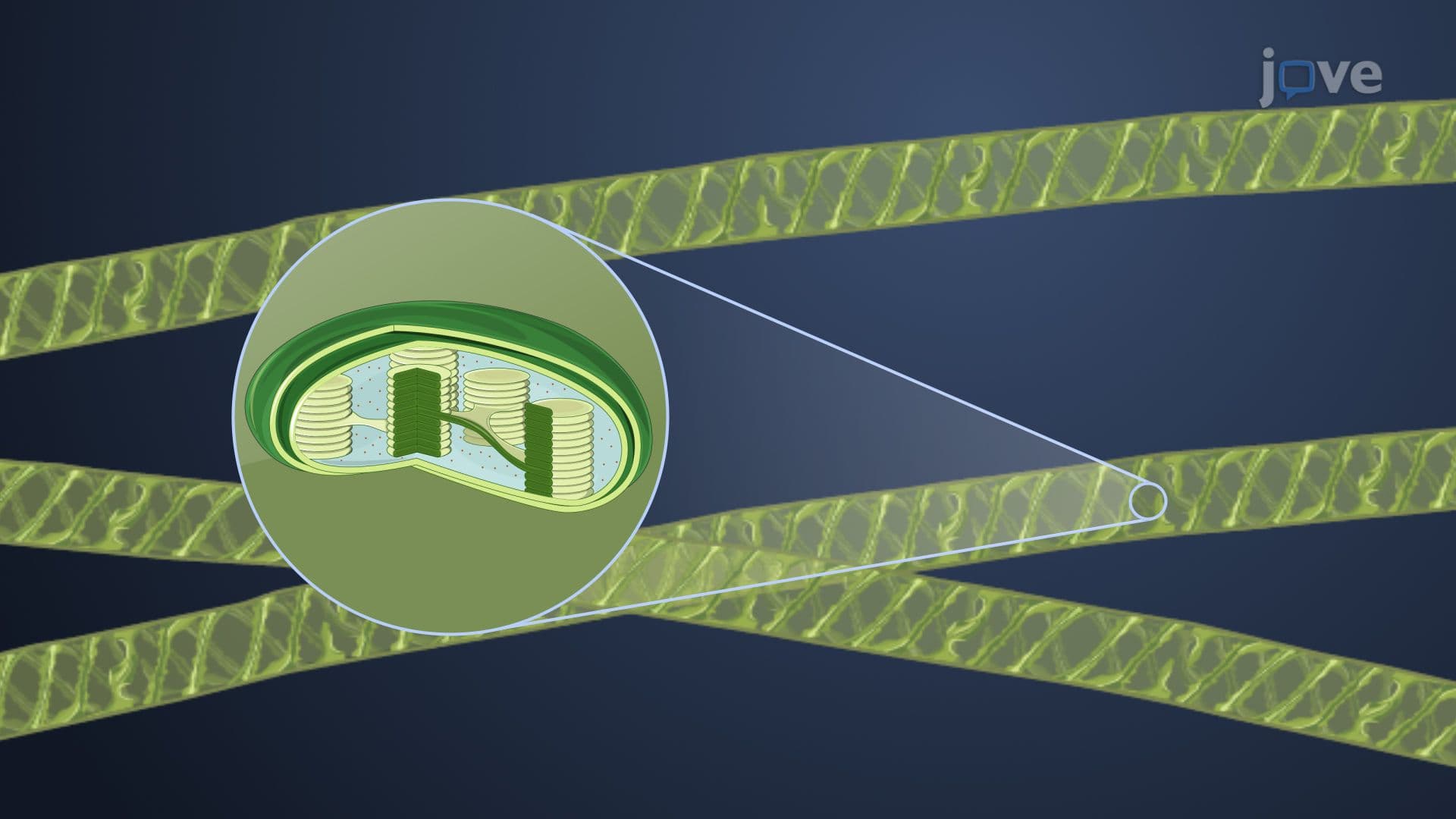
Every breath you take contains oxygen produced by oxygenic photosynthesis, the remarkable process that literally keeps our planet alive. This complex biological mechanism allows organisms like the massive kelp forests off California's coast to convert sunlight, water, and carbon dioxide into life-sustaining glucose and oxygen. What is oxygenic photosynthesis, and how do cyanobacteria and algae accomplish this vital transformation using sophisticated molecular machinery? Watch the full video on JoVE Coach to master this concept with expert-led visuals and step-by-step explanations.
Oxygenic photosynthesis represents one of Earth's most crucial biological processes, fundamentally different from other photosynthetic pathways because it produces molecular oxygen as a byproduct. This process occurs in cyanobacteria, algae, and plants, utilizing sophisticated molecular machinery to harvest light energy and convert simple inorganic compounds into complex organic molecules. Students preparing for AP Biology or college-level biochemistry courses must grasp how this process sustains virtually all life on Earth.
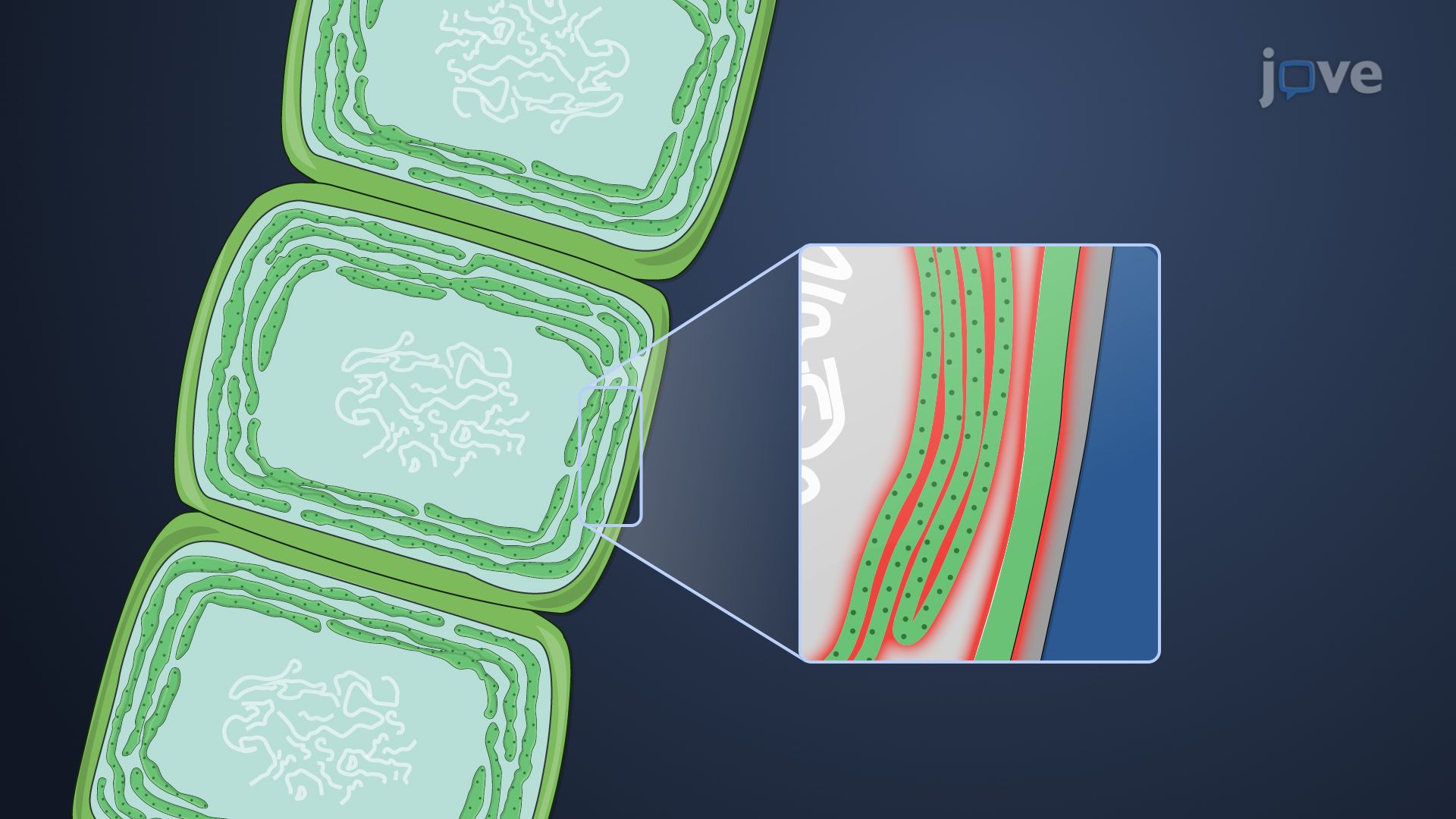
The heart of oxygenic photosynthesis lies in two interconnected photosystems embedded within thylakoid membranes. Photosystem II (P680) initiates the process by capturing light energy and using it to oxidize water molecules, simultaneously releasing oxygen gas that we breathe. This water-splitting reaction occurs at the oxygen-evolving complex, where four water molecules yield one oxygen molecule, four protons, and four electrons. Meanwhile, Photosystem I (P700) operates at a different wavelength, re-energizing electrons that have traveled through the electron transport chain.
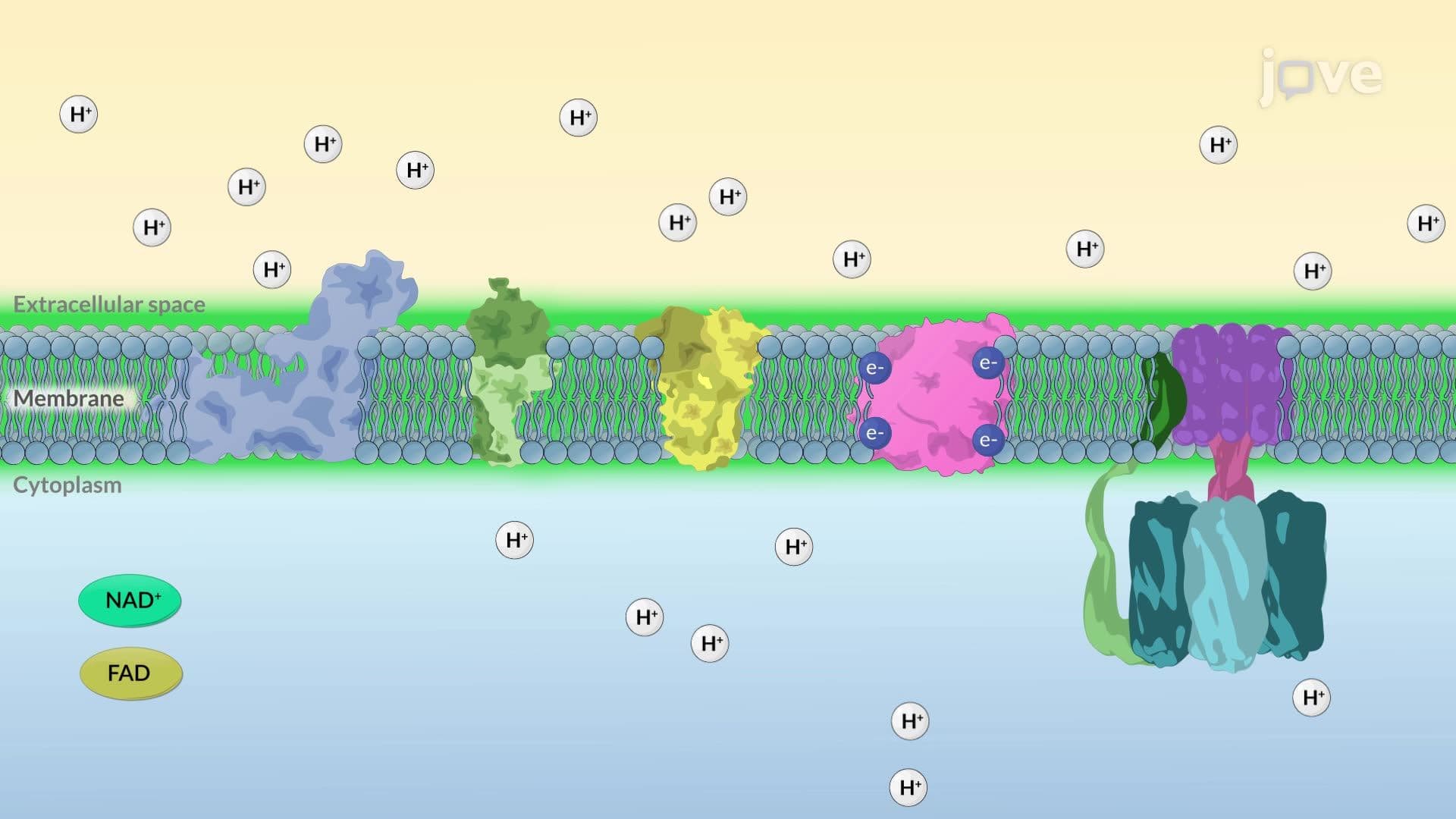
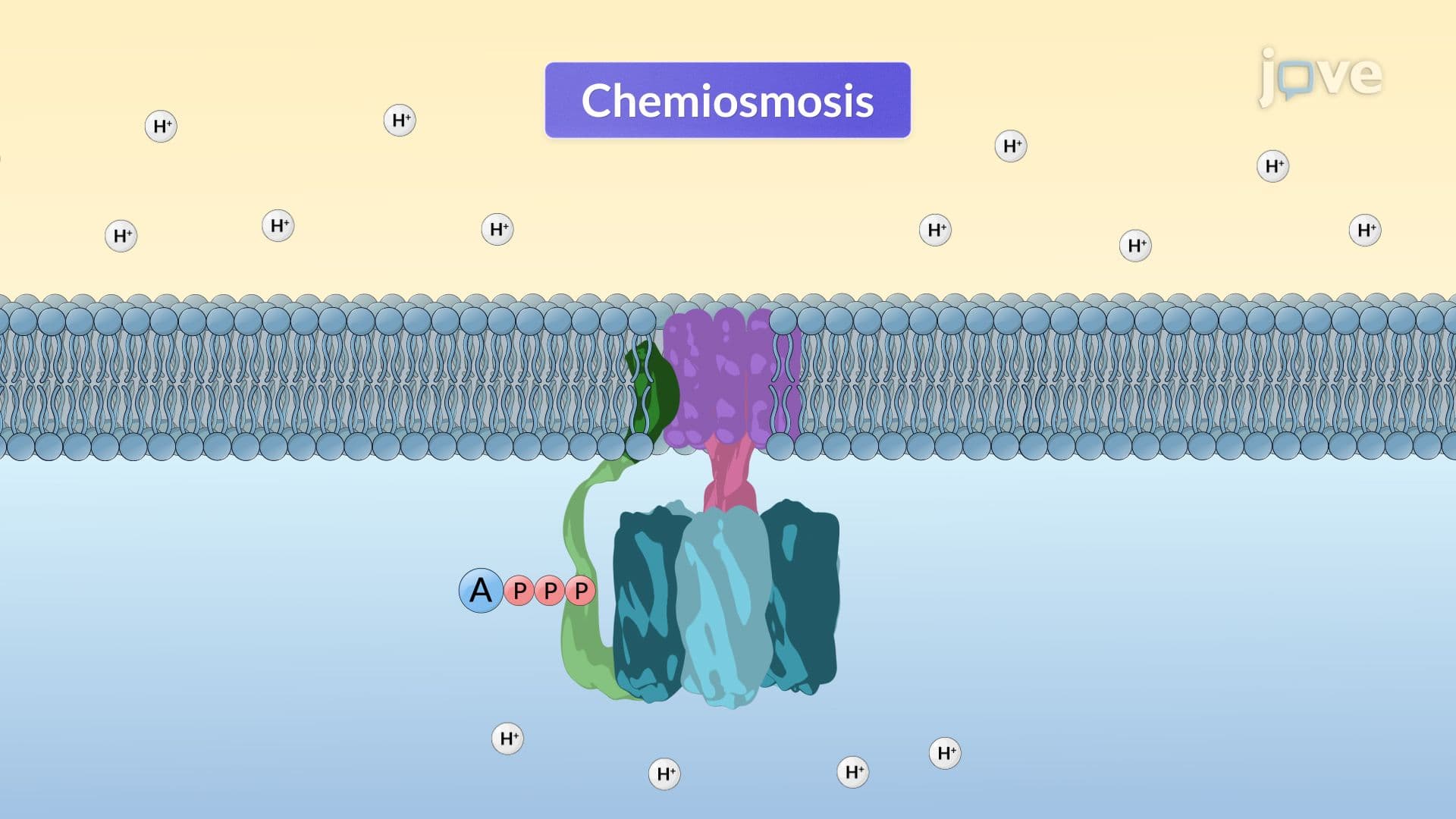
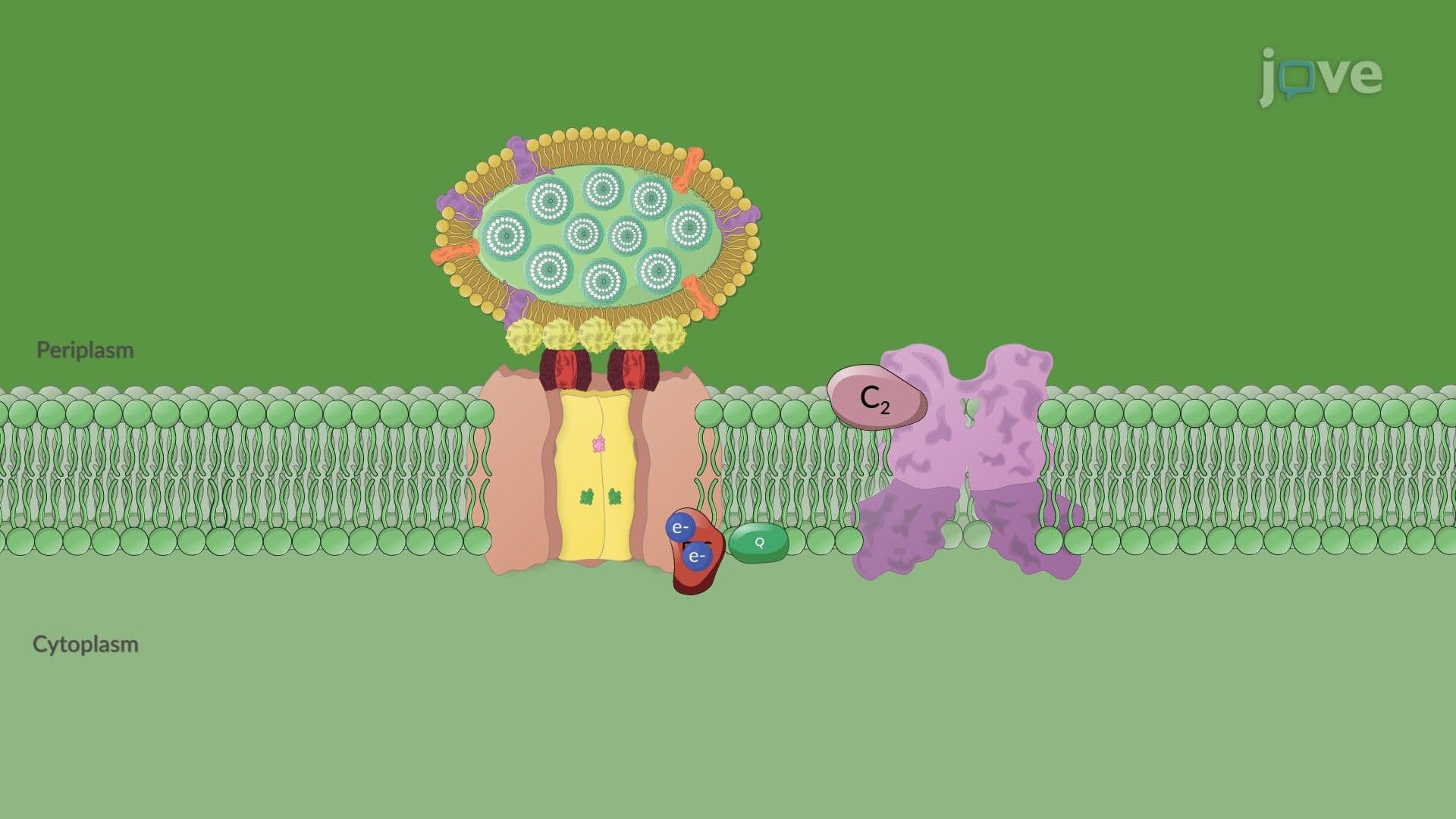
The electron transport chain connecting these photosystems creates a sophisticated energy conversion system. Electrons flow from Photosystem II through pheophytin, plastoquinone, the cytochrome b6f complex, and plastocyanin before reaching Photosystem I. This electron flow drives proton pumping across the thylakoid membrane, establishing the electrochemical gradient essential for ATP synthesis. Students studying for the MCAT should particularly focus on how this chemiosmotic mechanism mirrors similar processes in cellular respiration.
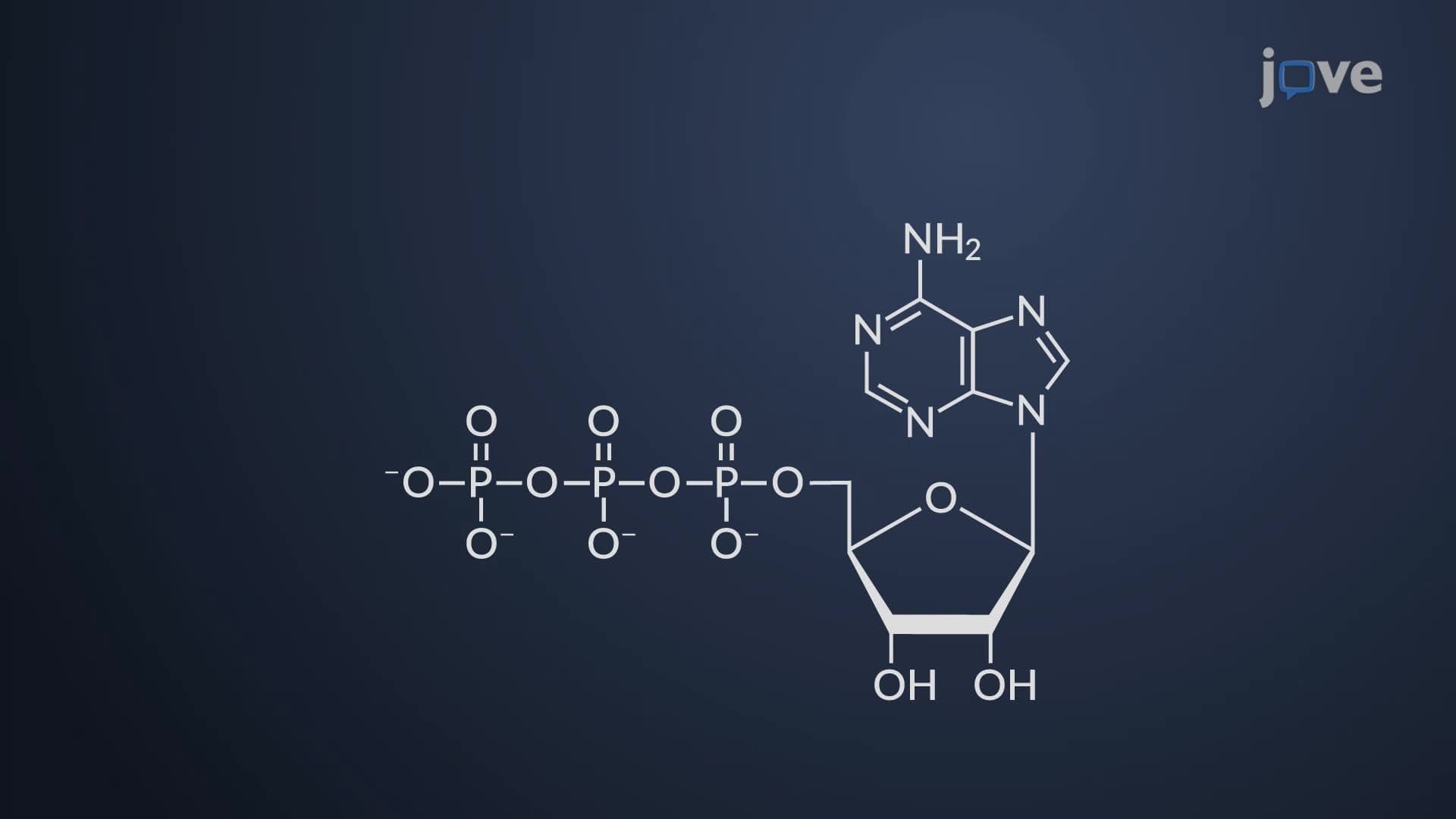
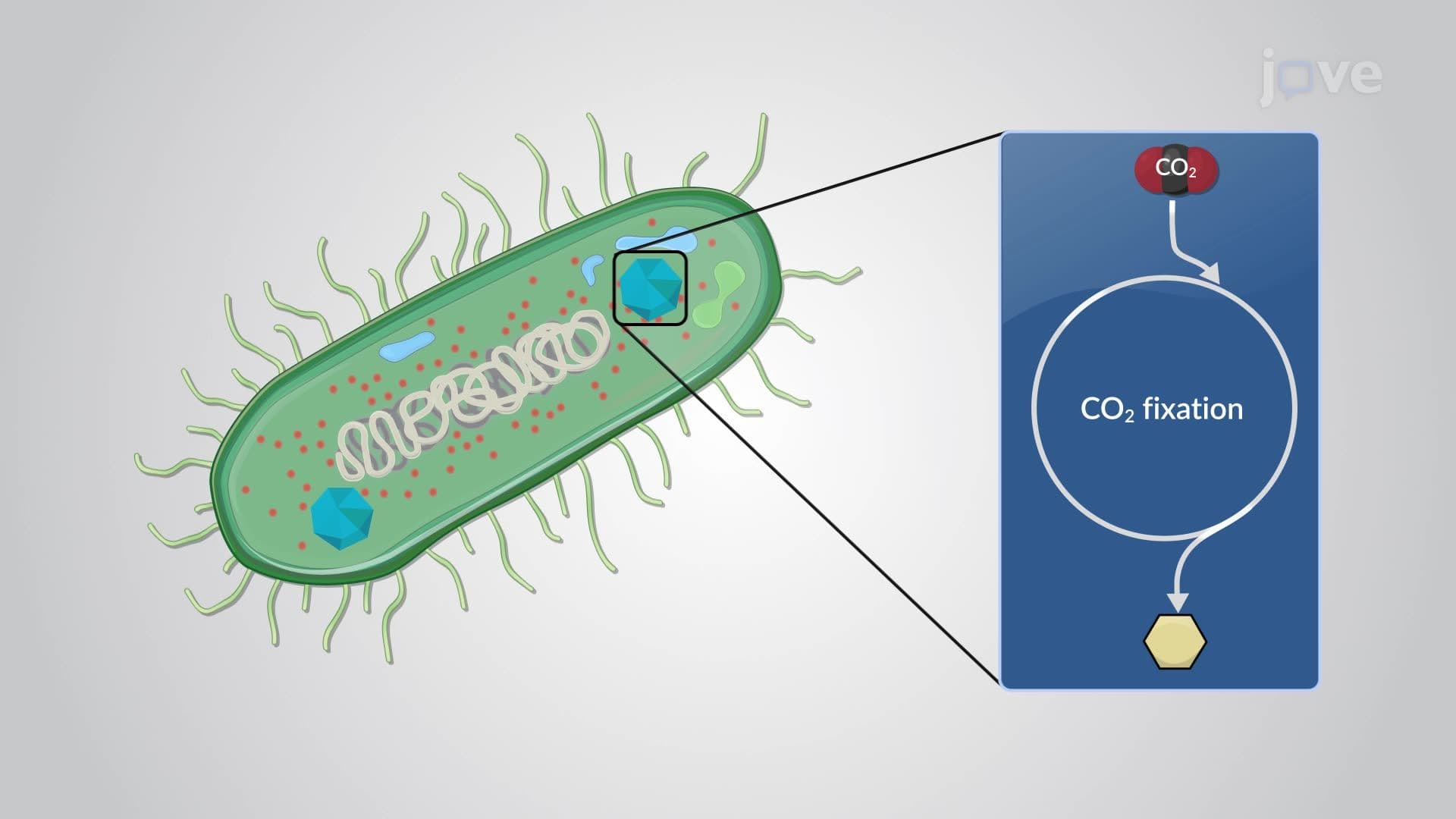
The linear electron flow produces both NADPH and ATP, the two energy currencies essential for carbon fixation reactions. However, organisms can also utilize cyclic electron flow around Photosystem I when additional ATP is needed without corresponding NADPH production. This flexibility allows photosynthetic organisms to adjust their energy production based on metabolic demands, a concept frequently tested in college biochemistry courses and professional exams like the USMLE.
Related Micro-courses