Loading concepts…


11 Concepts
13 Concepts
26 Concepts
13 Concepts
6 Concepts
31 Concepts
37 Concepts
10 Concepts
7 Concepts
22 Concepts
11 Concepts
11 Concepts
22 Concepts
16 Concepts
11 Concepts
15 Concepts
14 Concepts
12 Concepts
9 Concepts
 22 Concepts
 3.7K Views
 Popular topics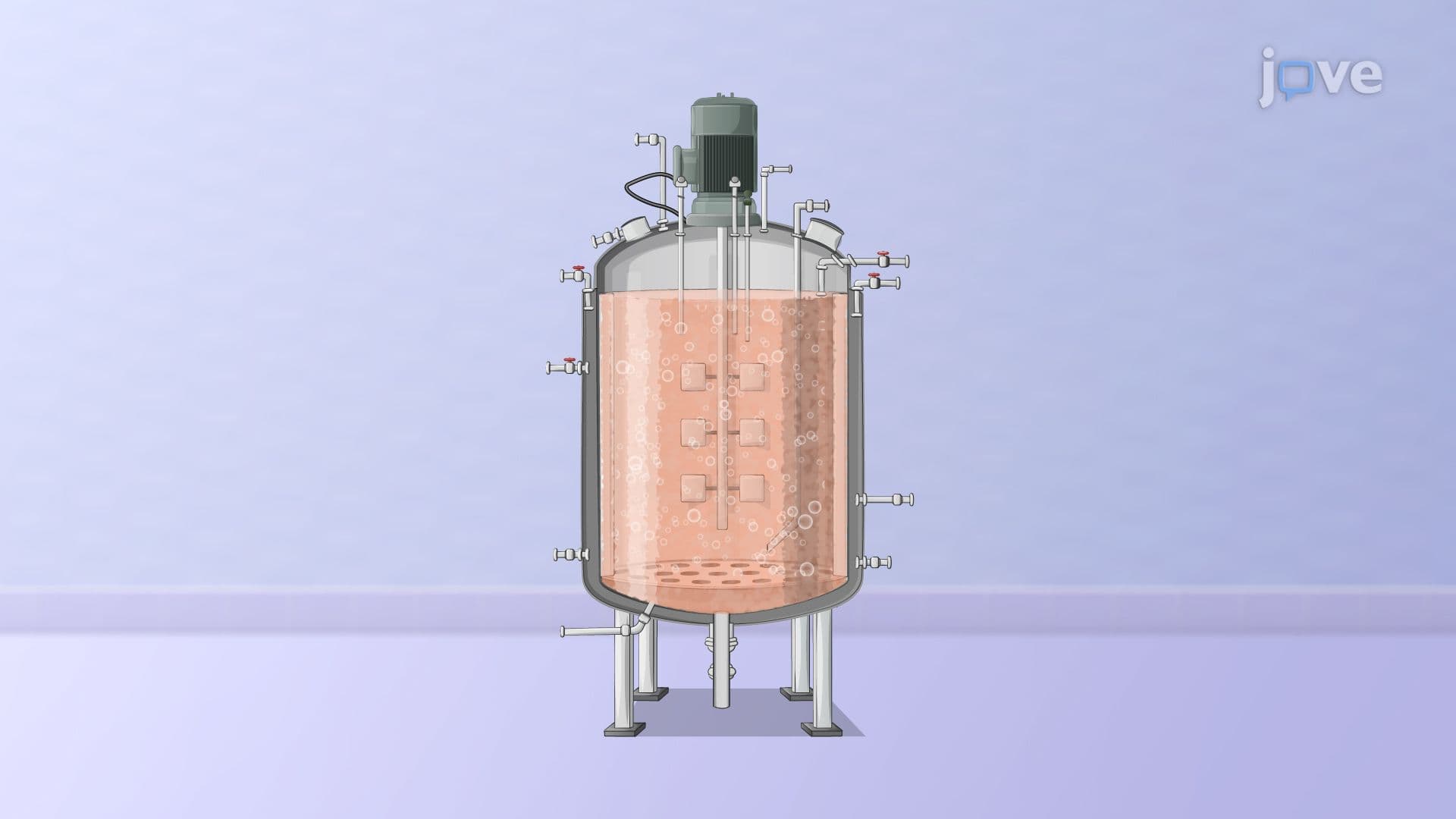

Industrial Microbiology Fundamentals explores how microorganisms are harnessed at scale to manufacture life-changing products, from antibiotics and insulin to biofuels and bioplastics. This micro-course covers bioreactor engineering, fermentation strategies, upstream and downstream processing, and real-world applications including wastewater treatment and vaccine production. Guided by JoVE Coach, students gain a comprehensive, process-oriented understanding of microbial biotechnology across pharmaceutical, agricultural, and environmental industries.
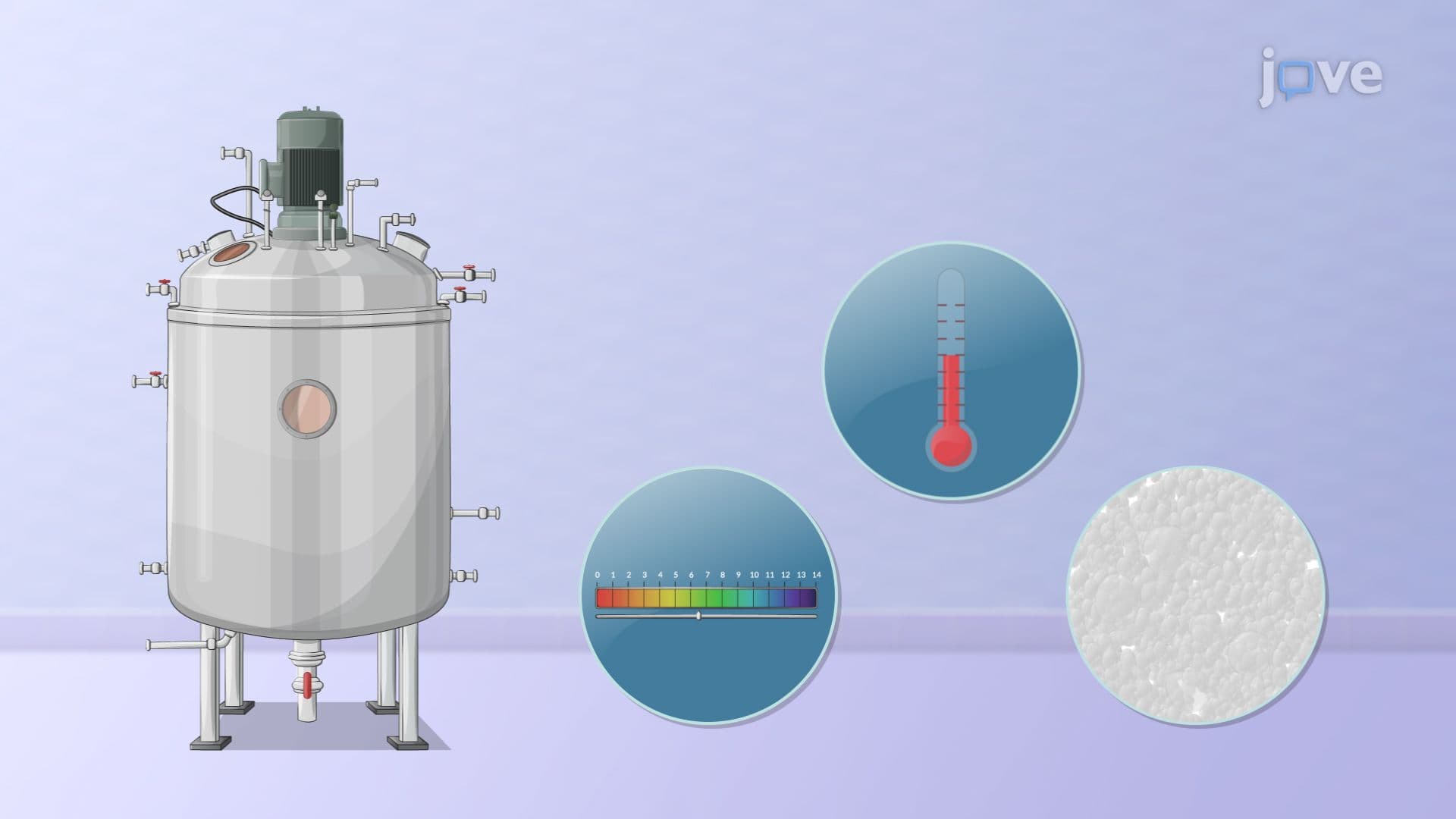
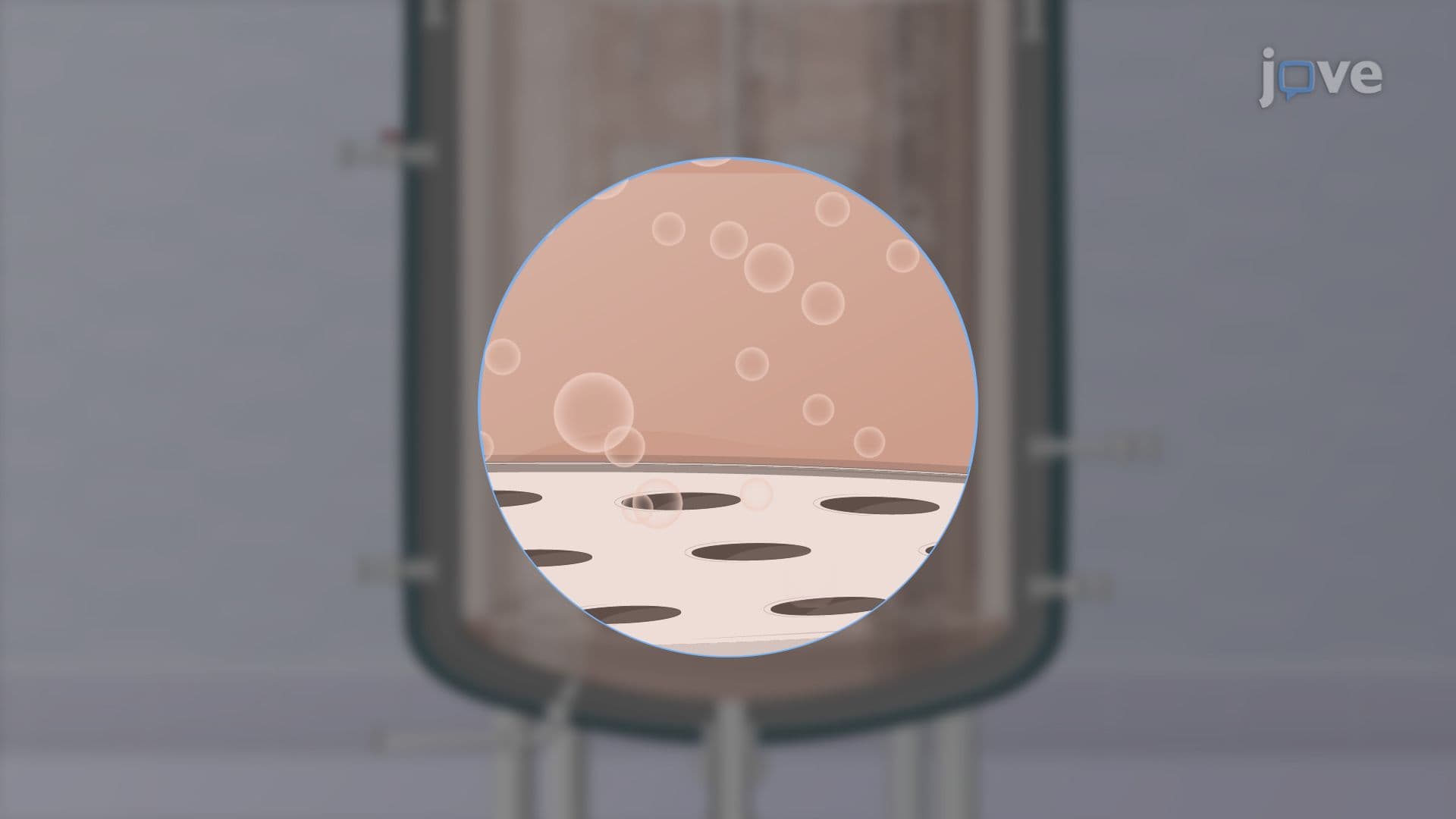
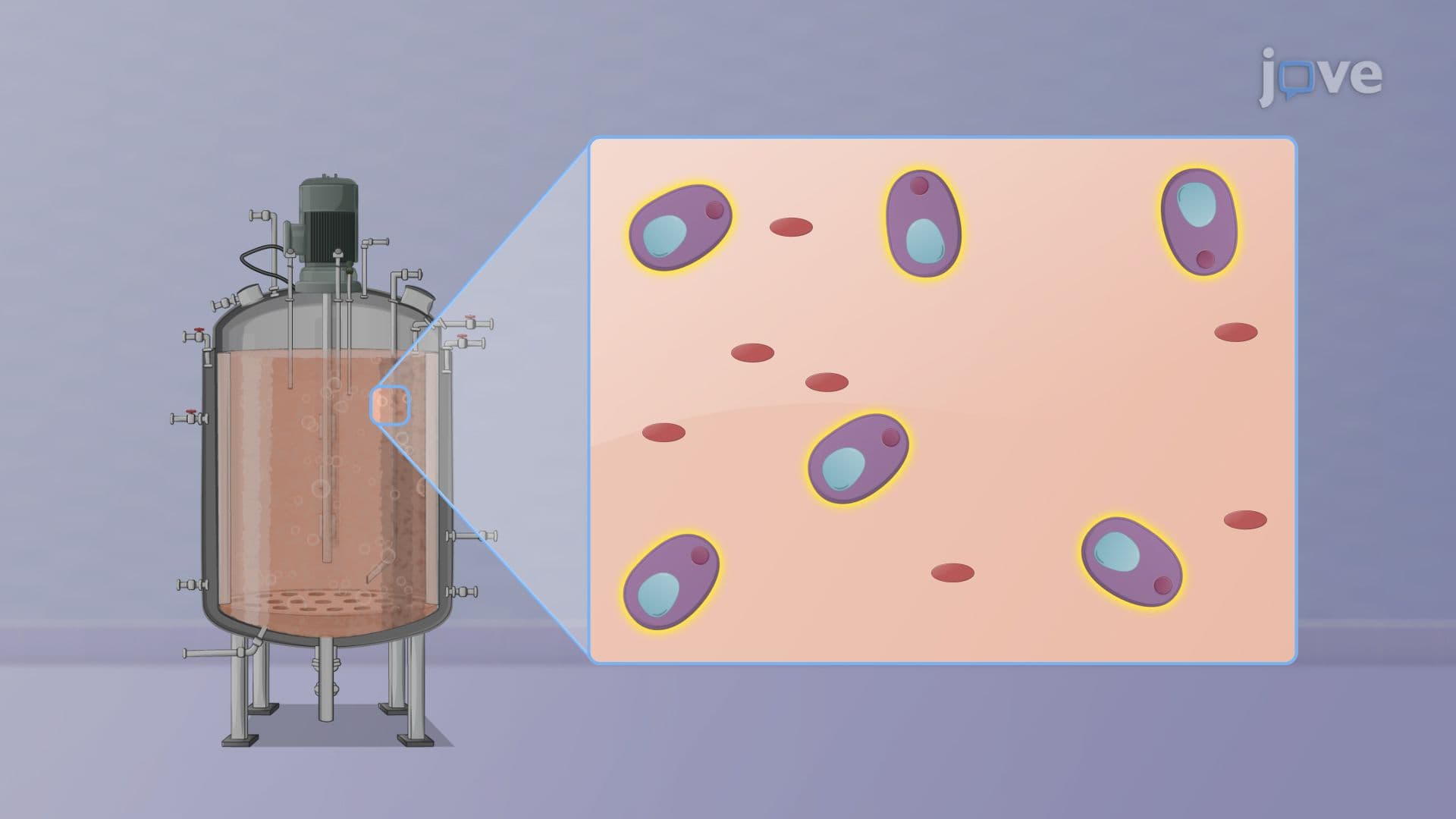
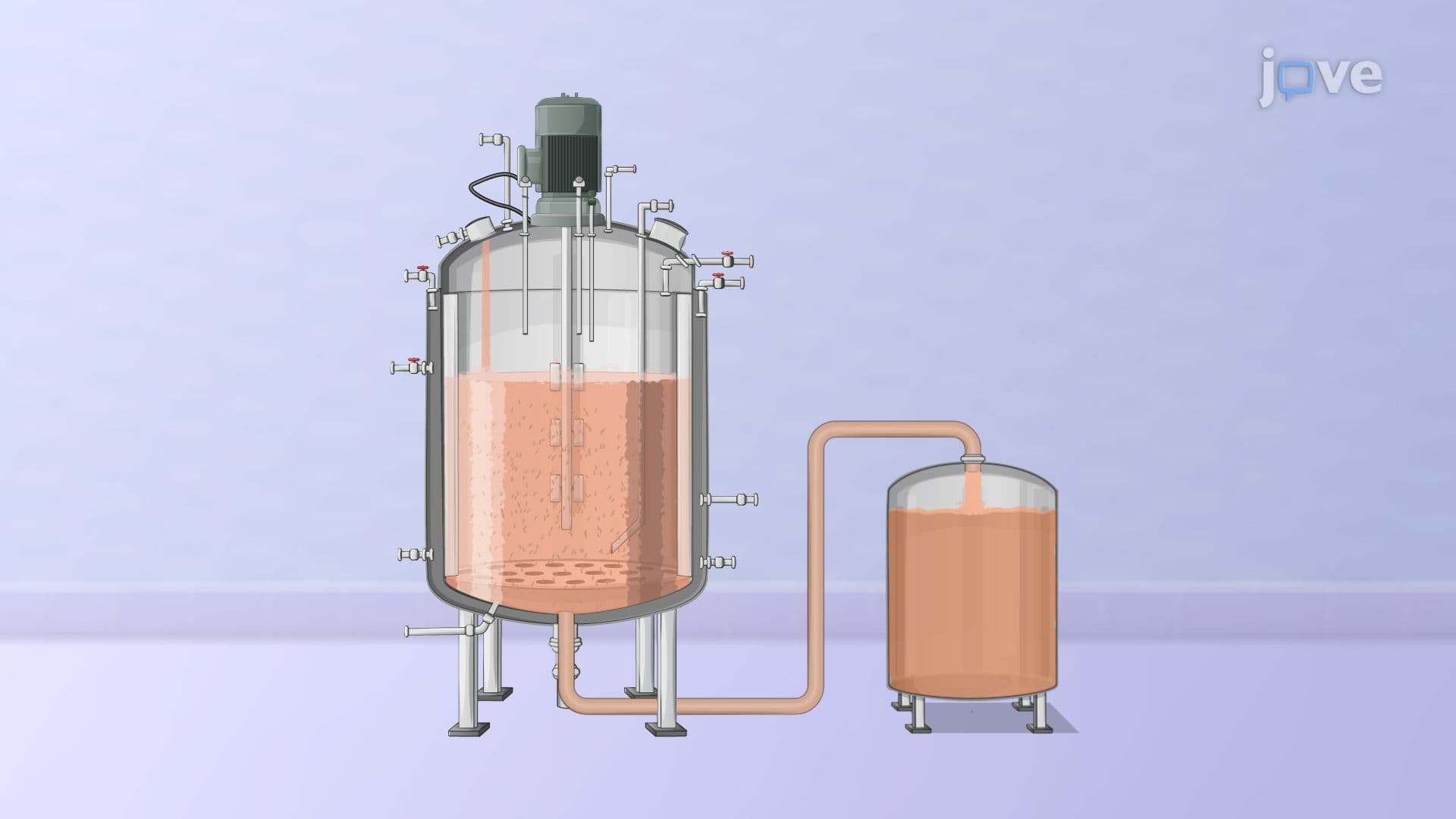
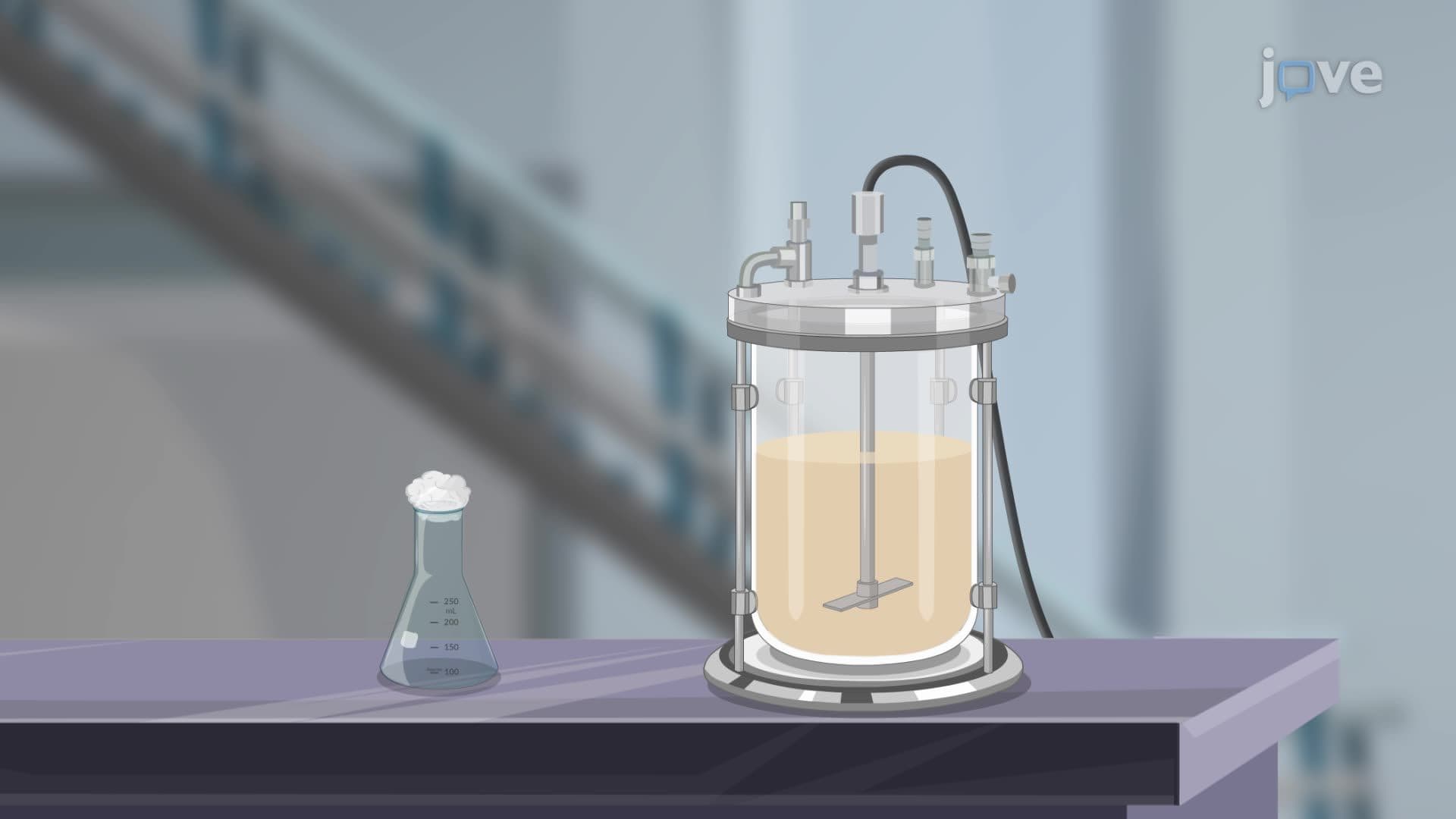
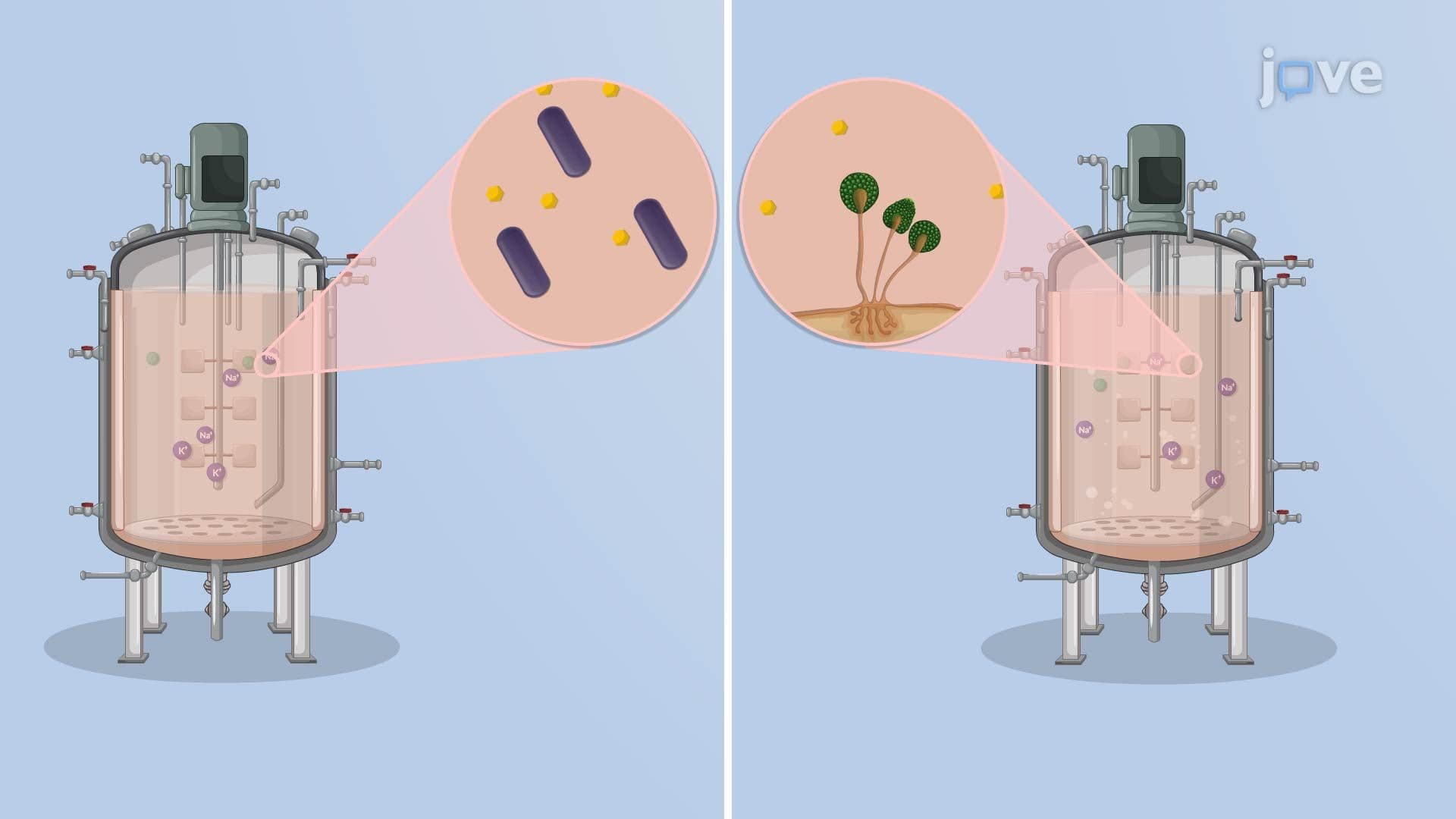
1. Bioreactor Design and Control Systems A bioreactor is a precisely engineered vessel that supports microbial growth under tightly regulated conditions. Industrial bioreactors, typically stainless steel stirred-tank designs, include impellers for mixing, spargers for aeration, baffles to prevent vortex formation, and sensors to monitor pH, temperature, and dissolved oxygen. Control systems manage temperature through cooling jackets or internal coils, regulate pH by automatically dosing acid or base, and suppress foam using mechanical breakers or chemical antifoams. Oxygen delivery is optimized through sparger design and agitation speed, which breaks large bubbles into finer ones, increasing the gas-liquid surface area where oxygen transfer occurs. These engineering controls are critical to achieving consistent, high-yield fermentation at industrial scale.
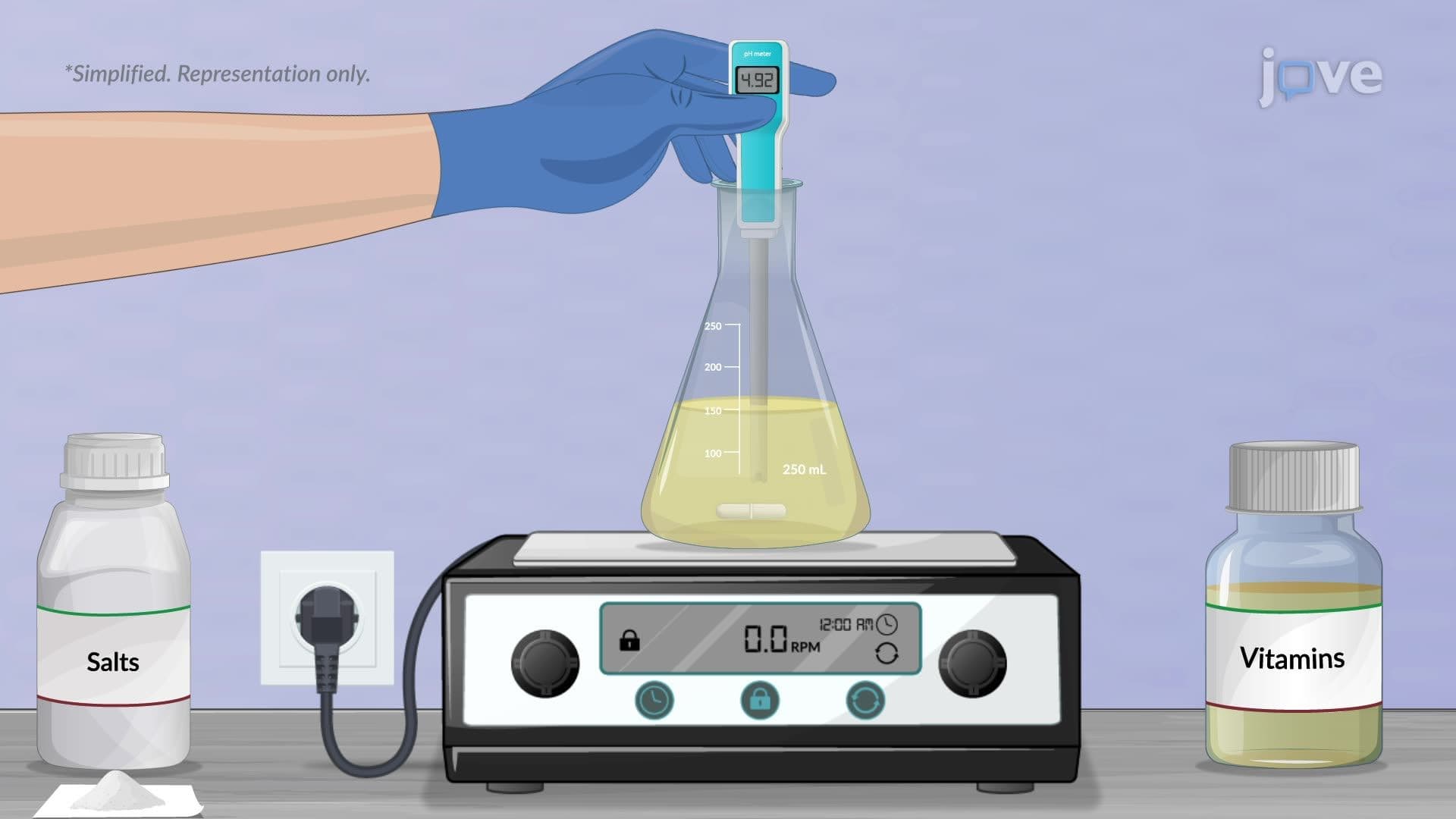
2. Growth Media Design and Optimization Microbial productivity depends heavily on the composition of the growth medium. A well-balanced medium supplies macronutrients, carbon sources such as glucose or glycerol for energy, and nitrogen sources such as ammonium salts for protein synthesis, along with phosphate salts, vitamins, and trace elements like iron and copper. Designing effective media requires preventing both nutrient limitation and toxic excess. Optimization typically begins with One-Factor-at-a-Time (OFAT) experiments but progresses to more efficient statistical approaches like Plackett-Burman screening designs, which simultaneously test multiple variables at high and low levels. This statistical approach identifies the most influential factors, such as pH or carbon concentration, that drive product yield, saving significant time and resources.
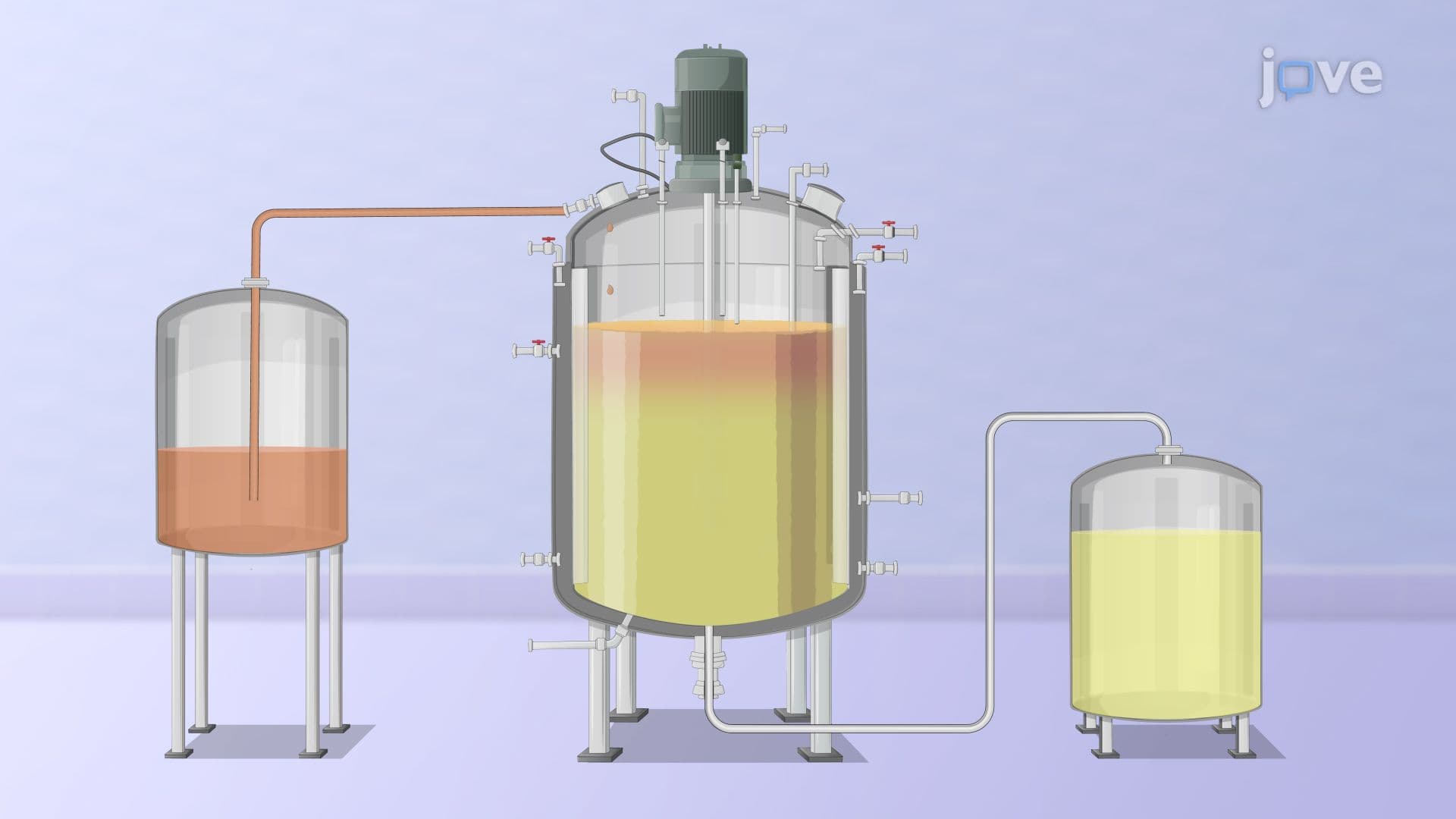
3. Fermentation Strategies: Batch, Fed-Batch, and Continuous Culture Choosing the right fermentation strategy directly affects productivity and cost. In batch culture, all nutrients are loaded at the start, and microbes progress through lag, exponential, stationary, and death phases before the product is harvested. Continuous culture, performed in a chemostat, maintains steady-state growth by simultaneously adding fresh medium and removing spent culture, keeping organisms in the exponential phase for extended periods. Fed-batch culture occupies a middle ground: substrates are added incrementally during fermentation to control cell density and avoid toxic substrate buildup. Variants include variable-volume and fixed-volume fed-batch modes. Each strategy offers trade-offs between simplicity, productivity, contamination risk, and operational flexibility, making selection a critical early bioprocess decision.
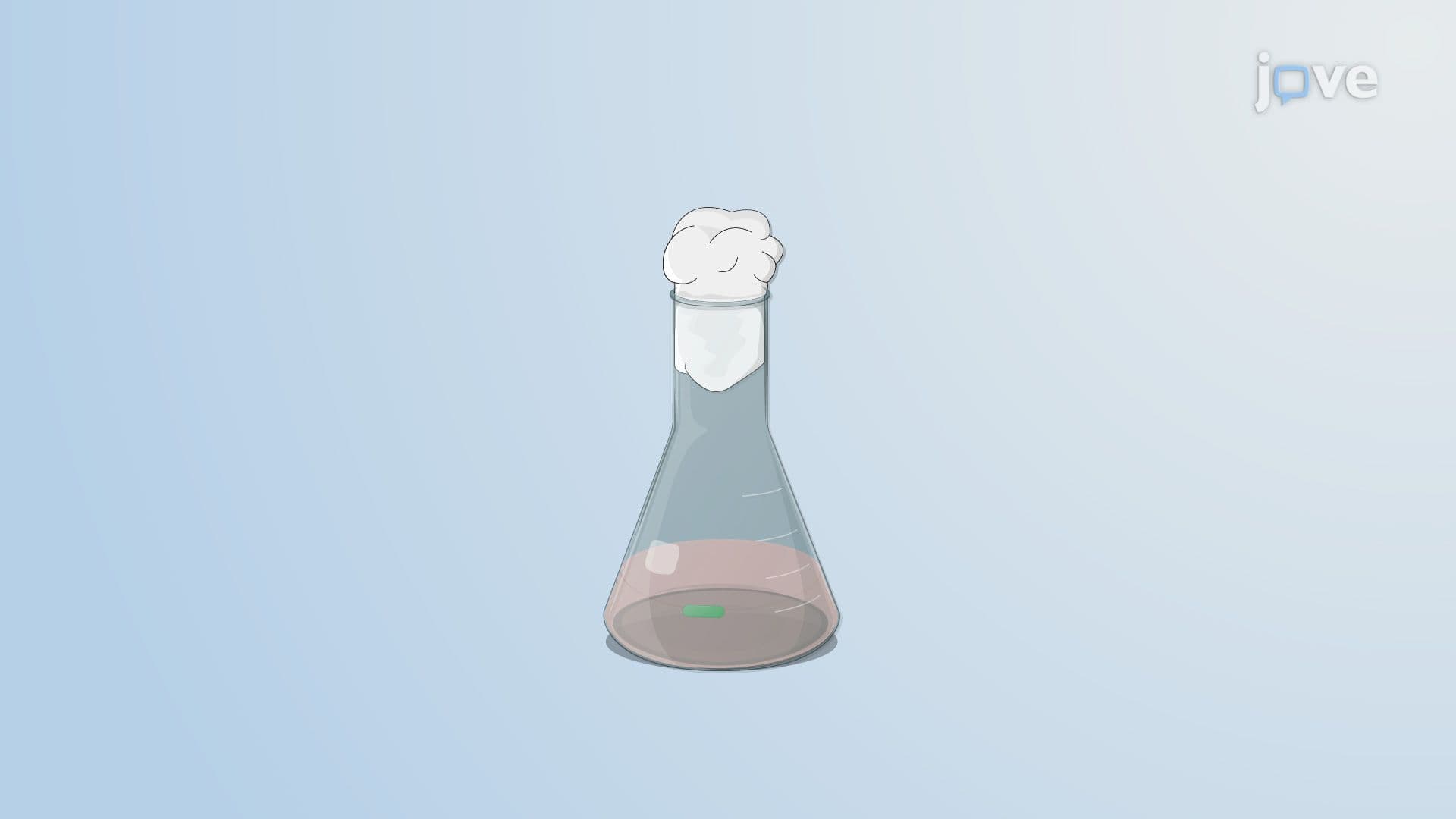
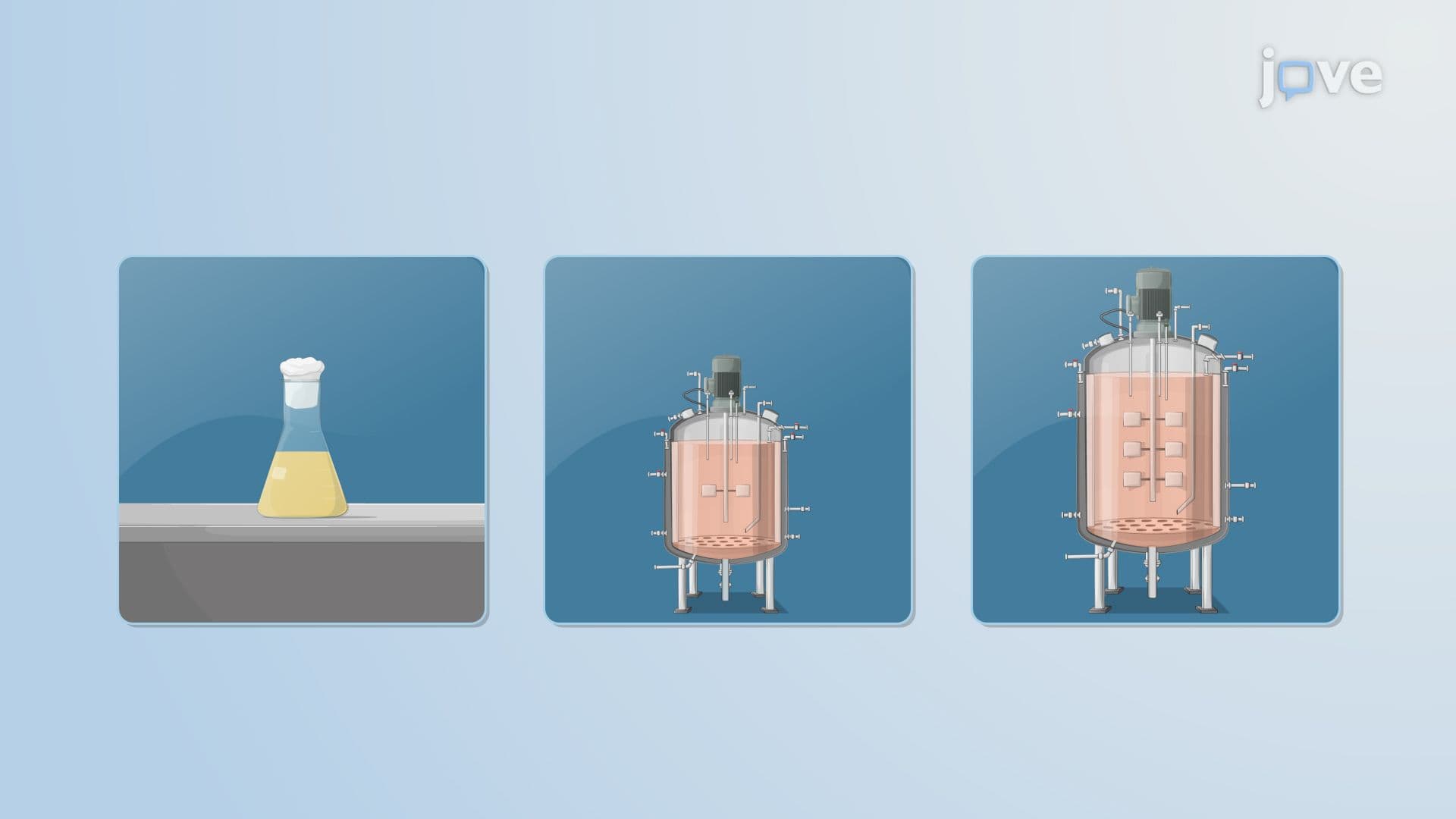
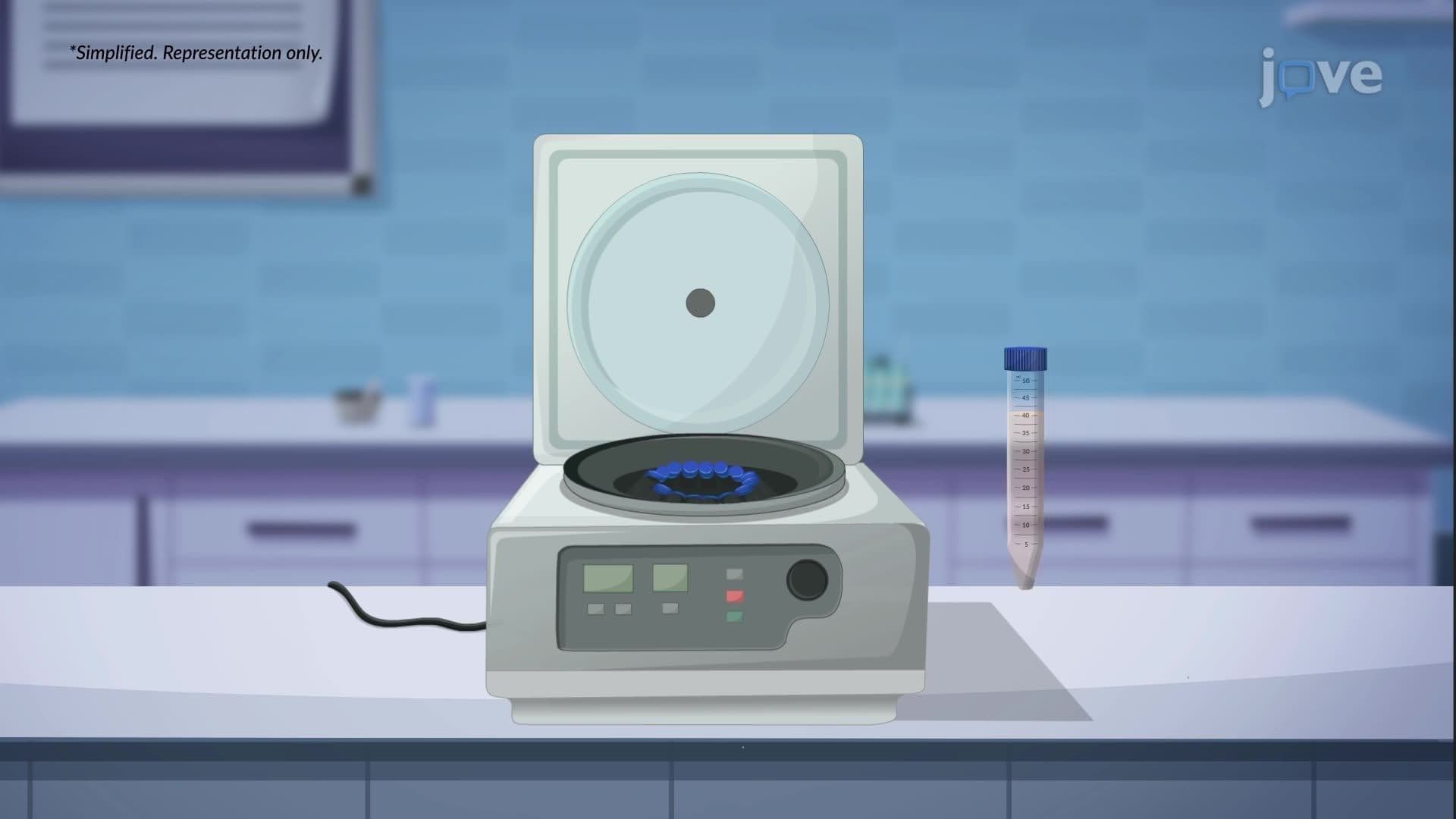
4. Scale-Up, Upstream, and Downstream Processing Bioprocess development follows a structured progression from laboratory bench (up to 2 L) to pilot scale (10-1,000 L) and finally industrial scale (above 10,000 L). At each stage, engineers identify and resolve challenges such as heat buildup, oxygen gradients, and nutrient imbalance. Upstream processing encompasses everything needed to grow the organism and achieve target biomass or product concentration, including media optimization, inoculum development, and bioreactor operation. Once fermentation is complete, downstream processing recovers and purifies the product through centrifugation, cell disruption, filtration, precipitation, ultrafiltration, and affinity chromatography. The purified product is then formulated, adjusted for pH, stabilized, or lyophilized, for storage and distribution.
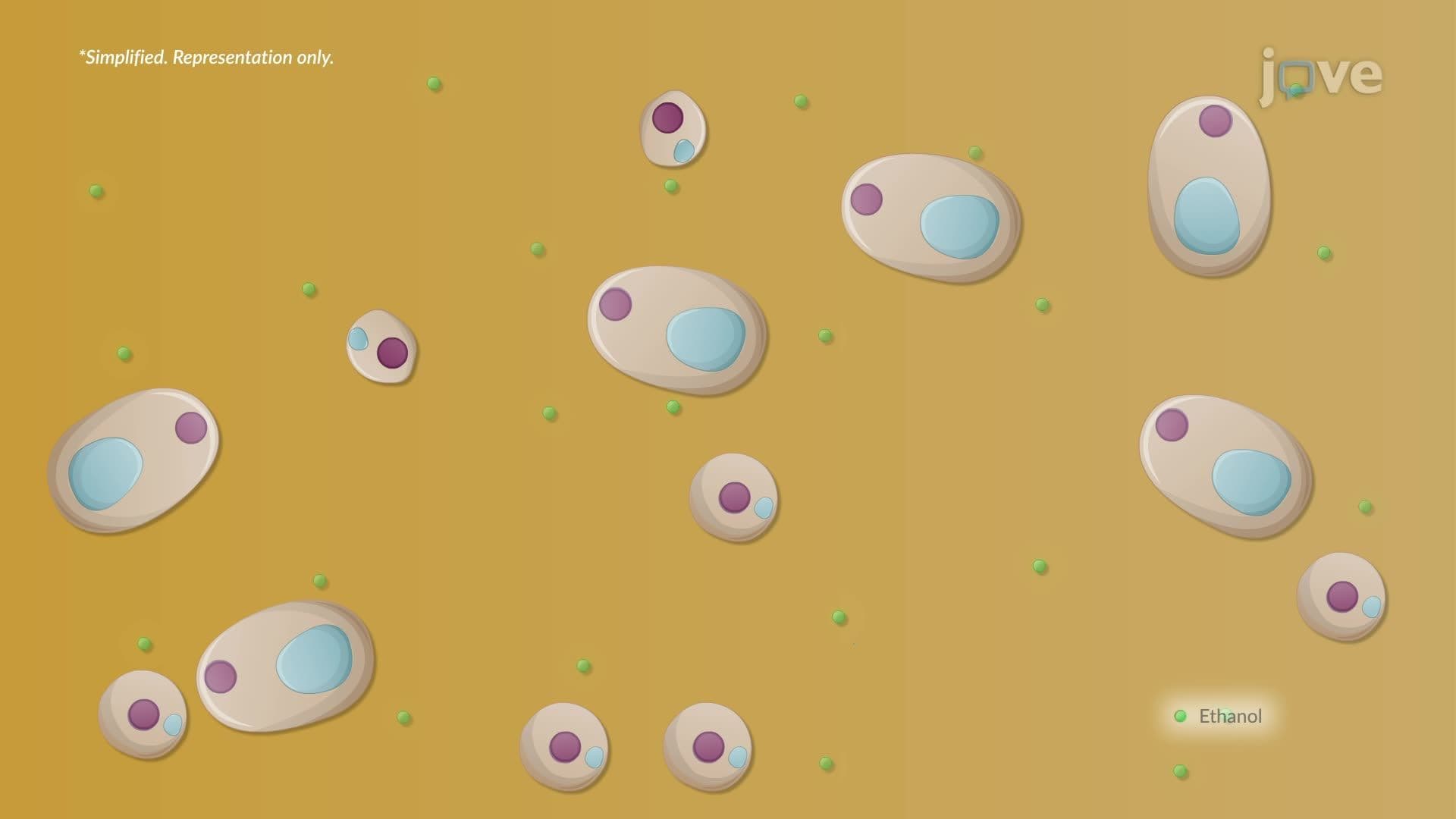
5. Industrial Production of Ethanol and Organic Acids Ethanol production from corn starch is a major US industry. Amylases hydrolyze starch into fermentable sugars, which are fed into fermenters containing optimized strains of *Saccharomyces cerevisiae*. These yeast strains are engineered or selected to tolerate high ethanol concentrations and overexpress key glycolytic enzymes. The fermentation broth is then distilled to recover and purify ethanol. Organic acids such as lactic acid are similarly produced from starch hydrolysates. Bacteria like *Lactobacillus delbrueckii* ferment sugars anaerobically into lactic acid within one to two days. As lactic acid accumulates, calcium hydroxide neutralizes it to maintain pH and form soluble calcium lactate, which is later recovered through downstream processing for use in food, medicine, and biodegradable plastics.
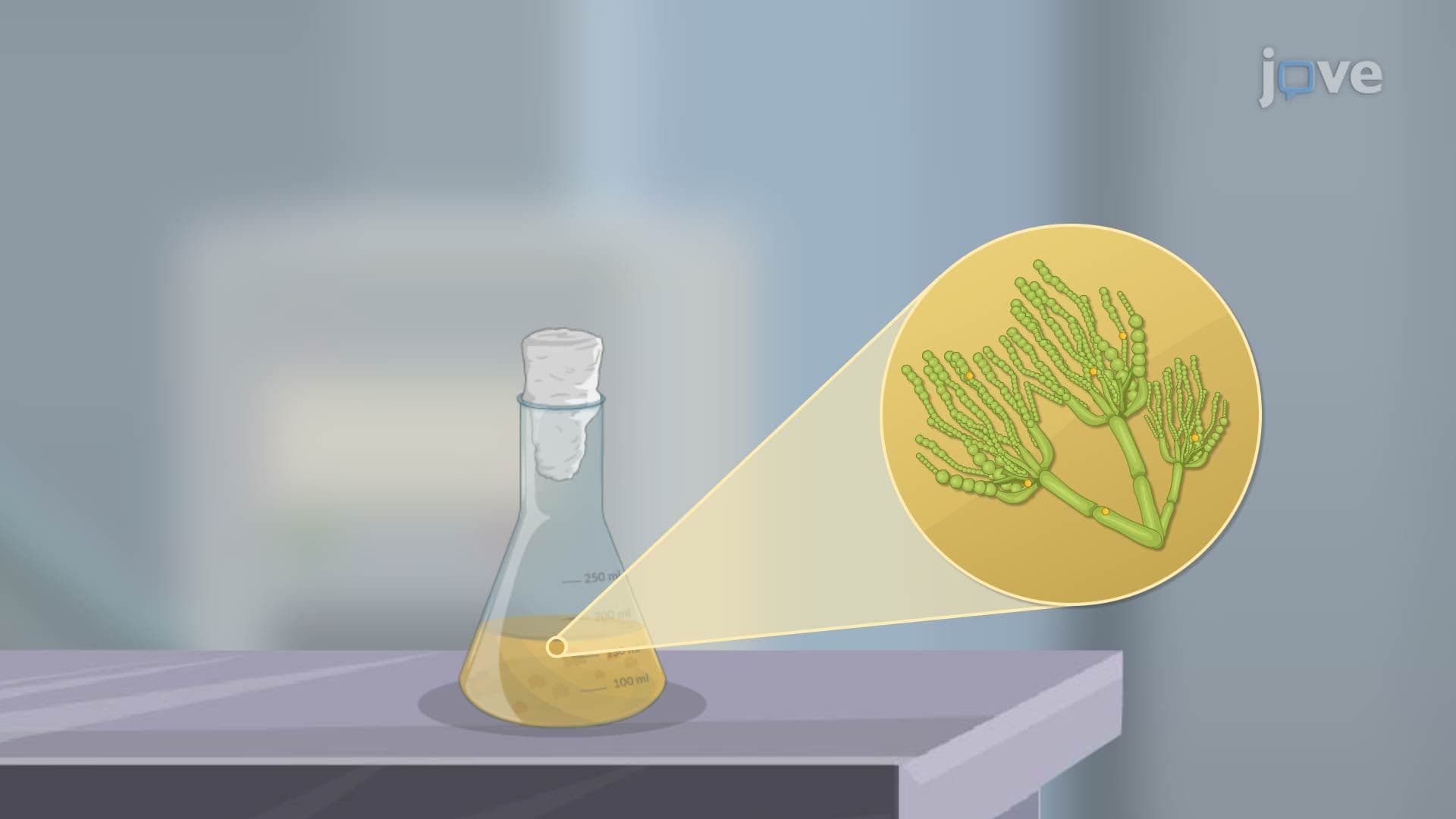
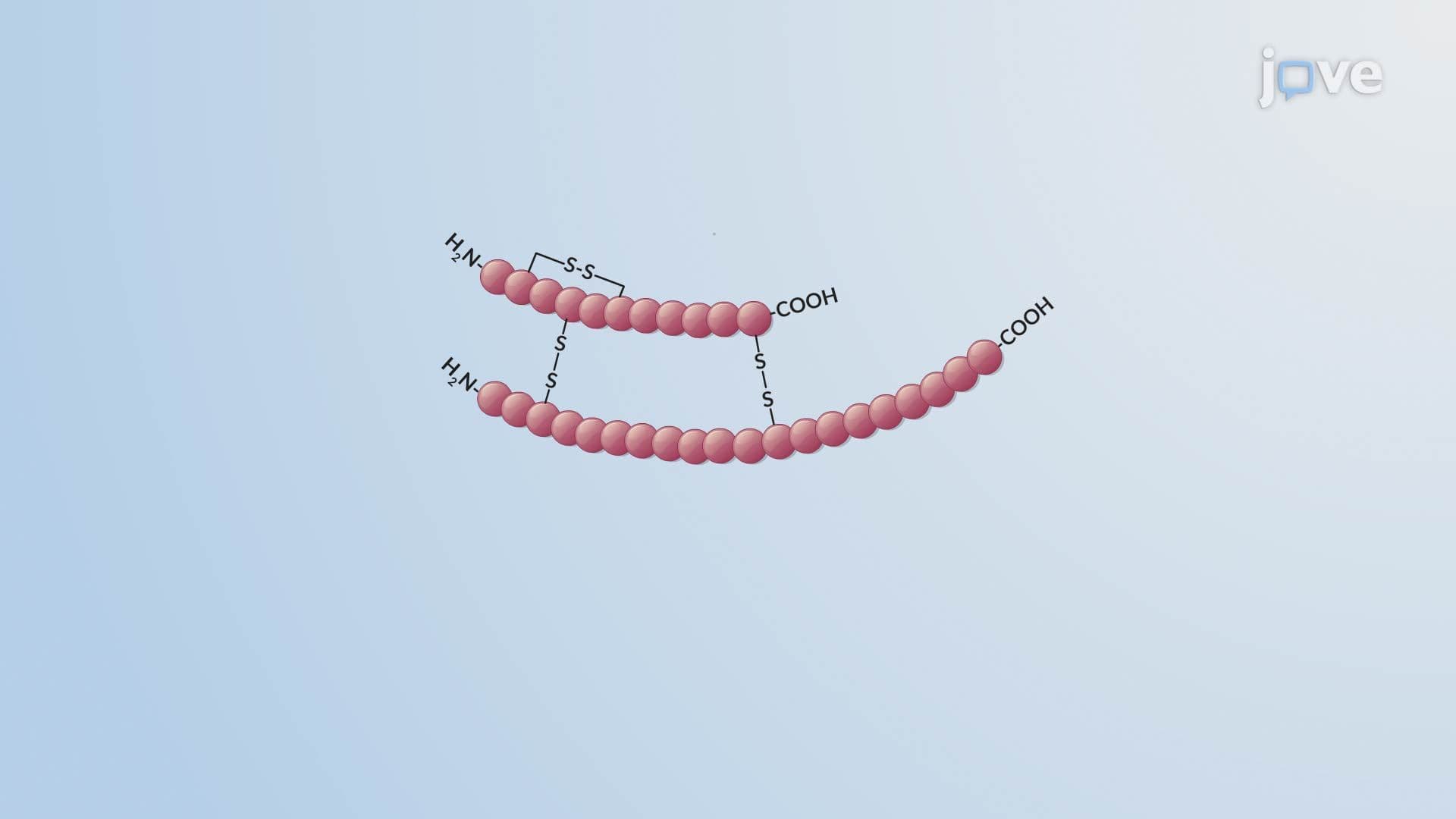
6. Antibiotic and Pharmaceutical Protein Production Penicillin, produced by *Penicillium chrysogenum*, exemplifies antibiotic manufacturing. Industrial fermentation uses lactose as the carbon source because glucose suppresses penicillin synthesis through carbon catabolite repression. The fungal culture is maintained at 25-27°C and pH 6.8-7.4, with phenylacetic acid added as a precursor to direct synthesis of penicillin G. Pharmaceutical proteins like human insulin illustrate recombinant DNA technology in industry. Engineered *E. coli* express human proinsulin, which accumulates as inclusion bodies. After cell lysis, the proinsulin is solubilized, its cysteine residues are chemically protected, and then it is refolded under controlled conditions to restore correct disulfide bonds. Enzymatic cleavage of the C-peptide then yields mature, functional insulin.
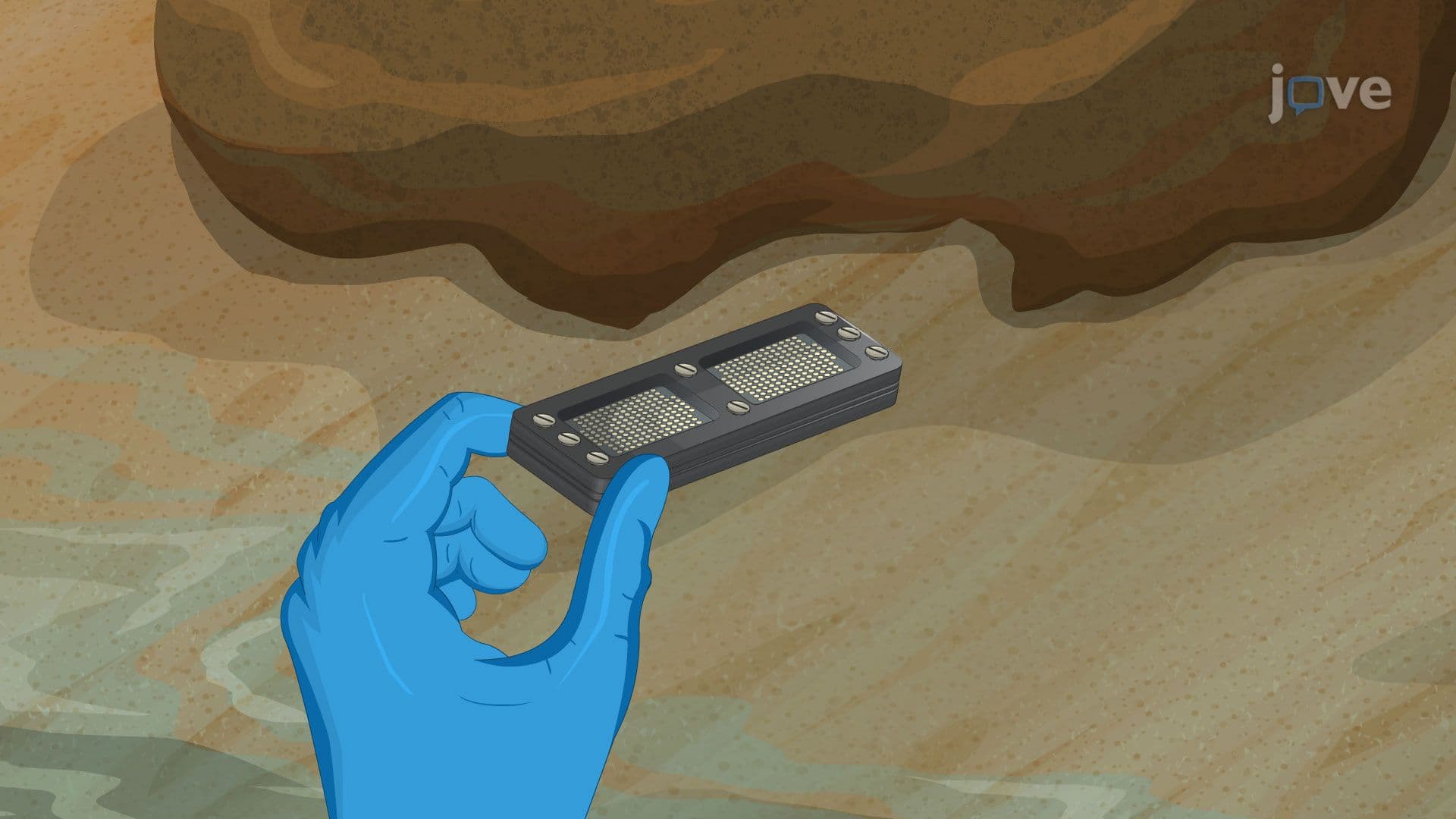
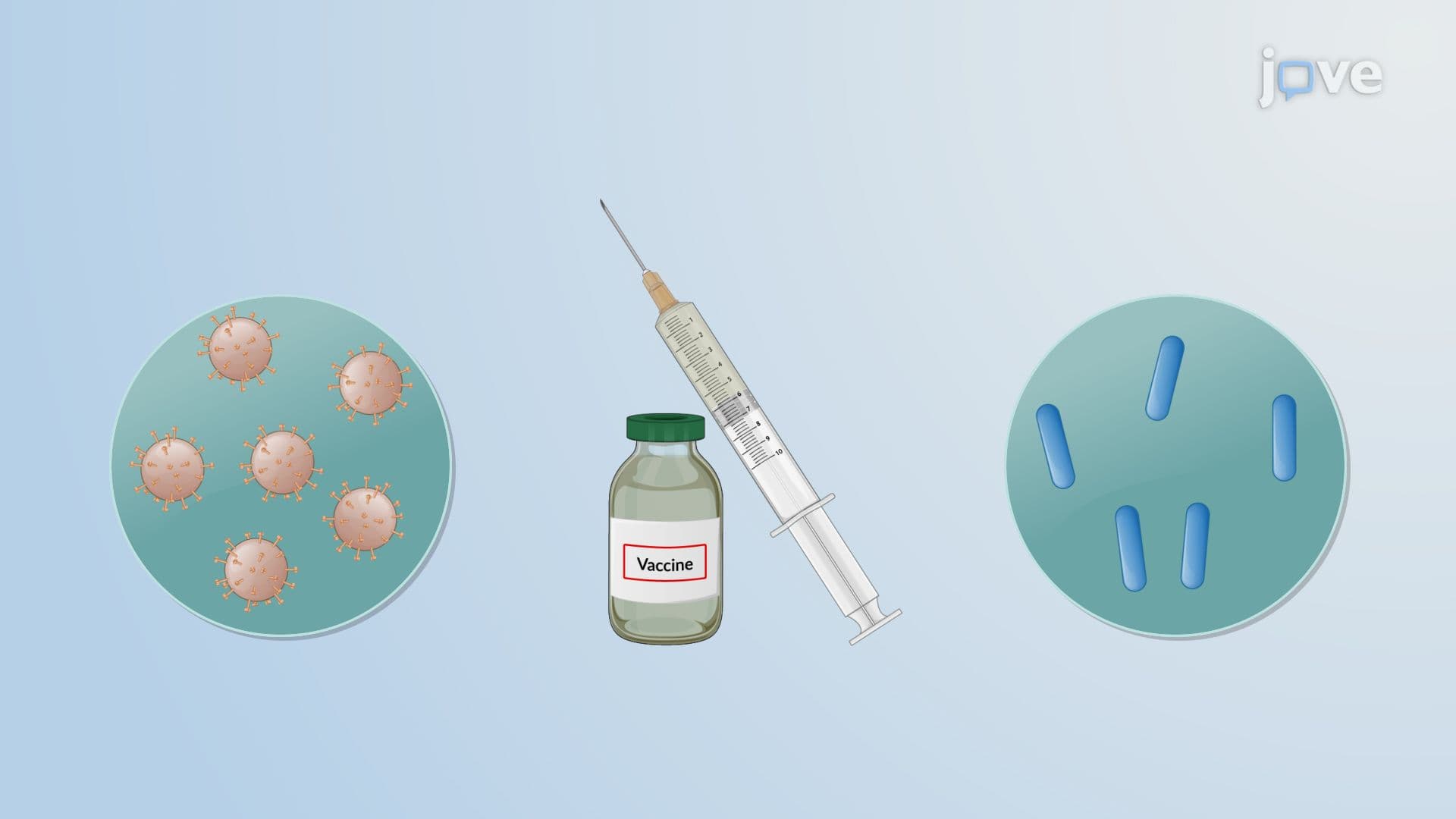
7. Vaccines, Biopesticides, and the iChip Vaccine production begins by cultivating pathogens or host cells in bioreactors. Viral particles are harvested by lysing infected host cells, purified, and then either attenuated or inactivated using heat, formaldehyde, or radiation. Bacterial vaccines may be whole-cell or toxoid based. Biopesticides use *Bacillus thuringiensis* (Bt), which produces insecticidal Cry proteins during sporulation in solid-state fermentation on substrates like rice bran. These crystals are formulated into field-applicable products. The iChip, an isolation chip with hundreds of tiny diffusion chambers, enables cultivation of previously uncultivable environmental microorganisms by incubating samples in situ. This tool has been pivotal in discovering novel antibiotics, including teixobactin, from previously inaccessible soil microbes.
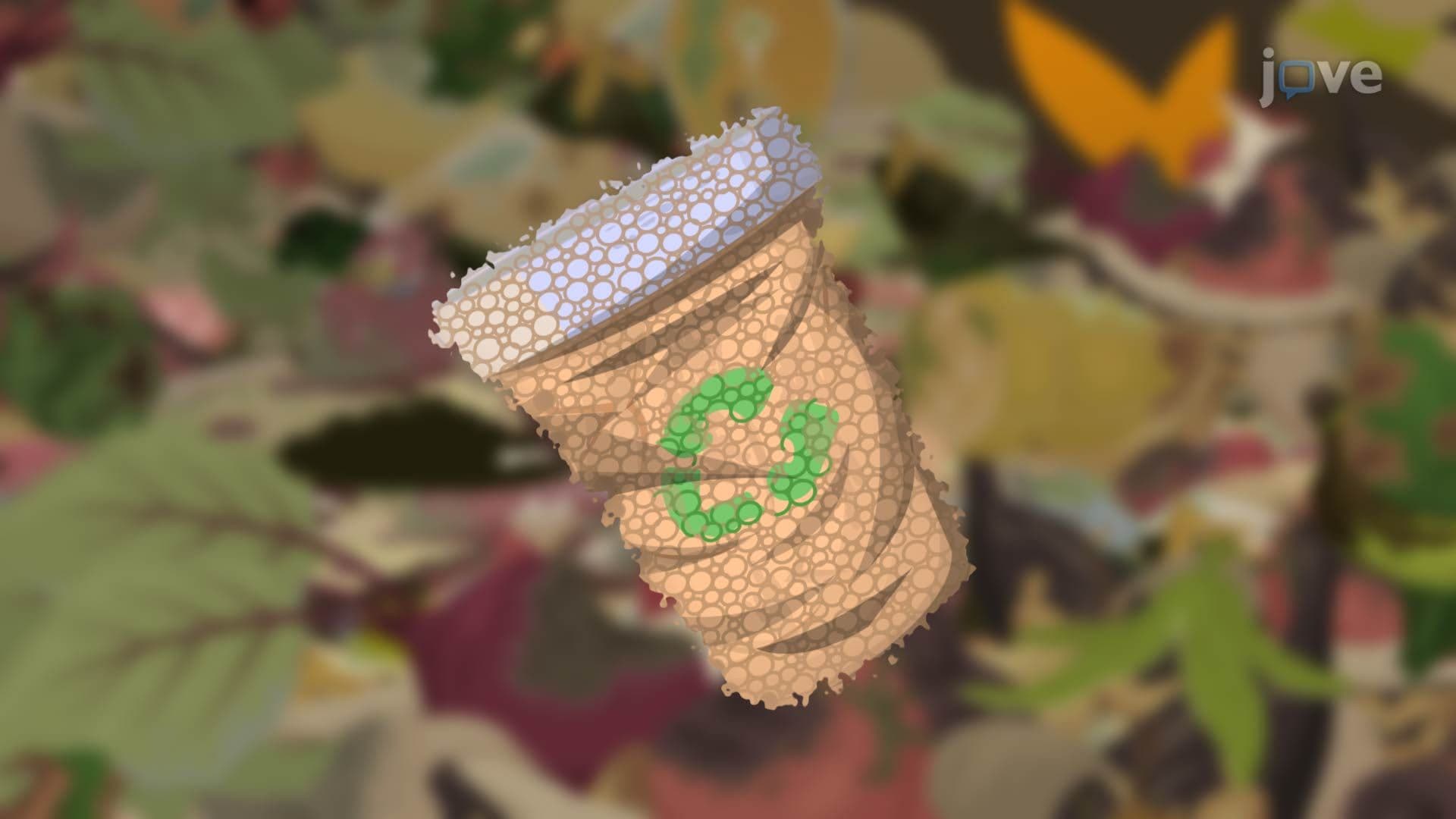
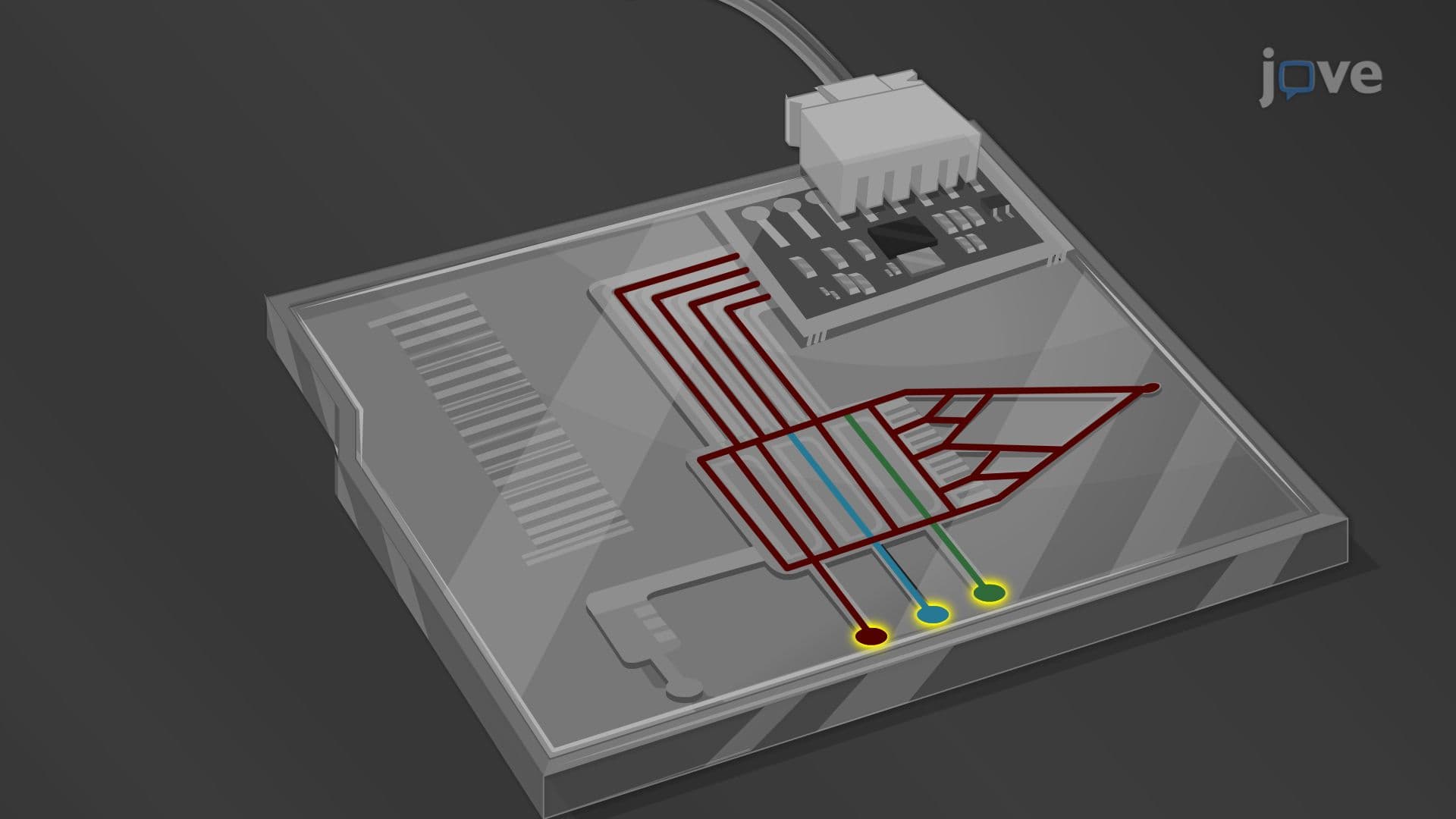
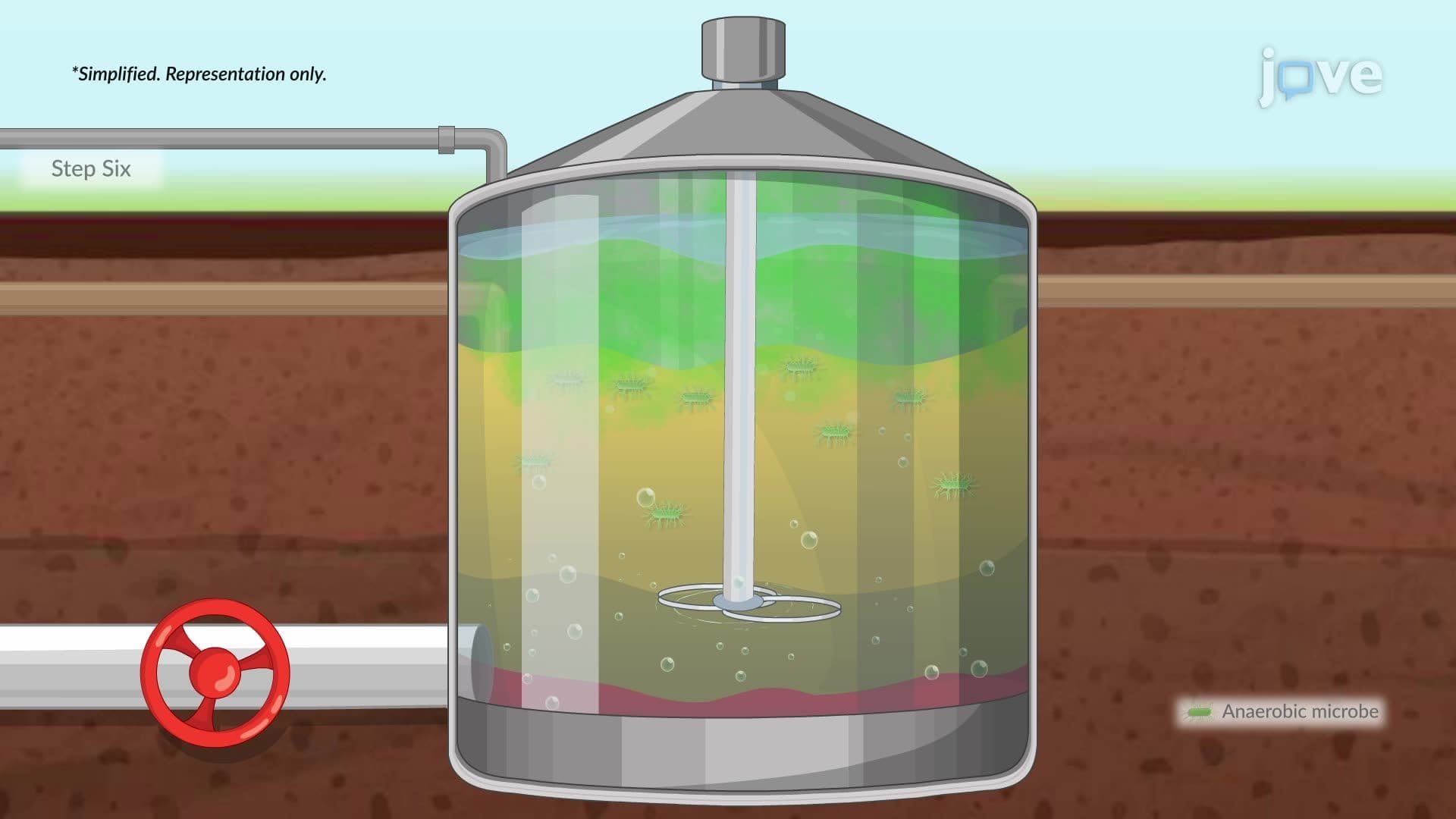
8. Bioplastics, Biosensors, Wastewater Treatment, and Biofuels Industrial microbiology offers powerful environmental and sustainability applications. Bacteria such as *Cupriavidus necator* accumulate polyhydroxyalkanoates (PHAs), biodegradable bioplastics, under carbon-rich but nitrogen-limited conditions. These polymers are extracted using bead milling and solvent treatment. Microbial biosensors pair genetically engineered organisms with transducers to detect analytes like pollutants or metabolites in real time. Biological wastewater treatment uses trickling filters and activated sludge processes to oxidize organic waste, followed by UV disinfection and anaerobic digestion for biogas production. Microalgae, cultivated under nitrogen-limited conditions, accumulate lipid droplets that undergo transesterification to produce biodiesel, offering a renewable, US-compatible fuel alternative to fossil fuels.