Loading subject page…


3,720 views


Video Summary: What are Biofuels
Did you know that pond scum could power your car? Biofuels basics starts with a surprising truth: certain microorganisms naturally convert organic matter into energy-rich compounds we can use as fuel. Microalgae, for instance, are being explored by US research institutions as a renewable source of biodiesel, a cleaner alternative to petroleum. Watch the full video on JoVE Coach to master this concept with expert-led visuals and step-by-step explanations.
Biofuels are energy sources derived from biological organisms, plants, algae, or microbes, that convert organic matter into combustible compounds. Unlike fossil fuels, which took millions of years to form and release ancient carbon into the atmosphere, biofuels are considered renewable because the organisms that produce them grow on human timescales. This distinction is central to why biofuels explained in the context of climate science receive so much attention in US energy policy and STEM curricula alike.
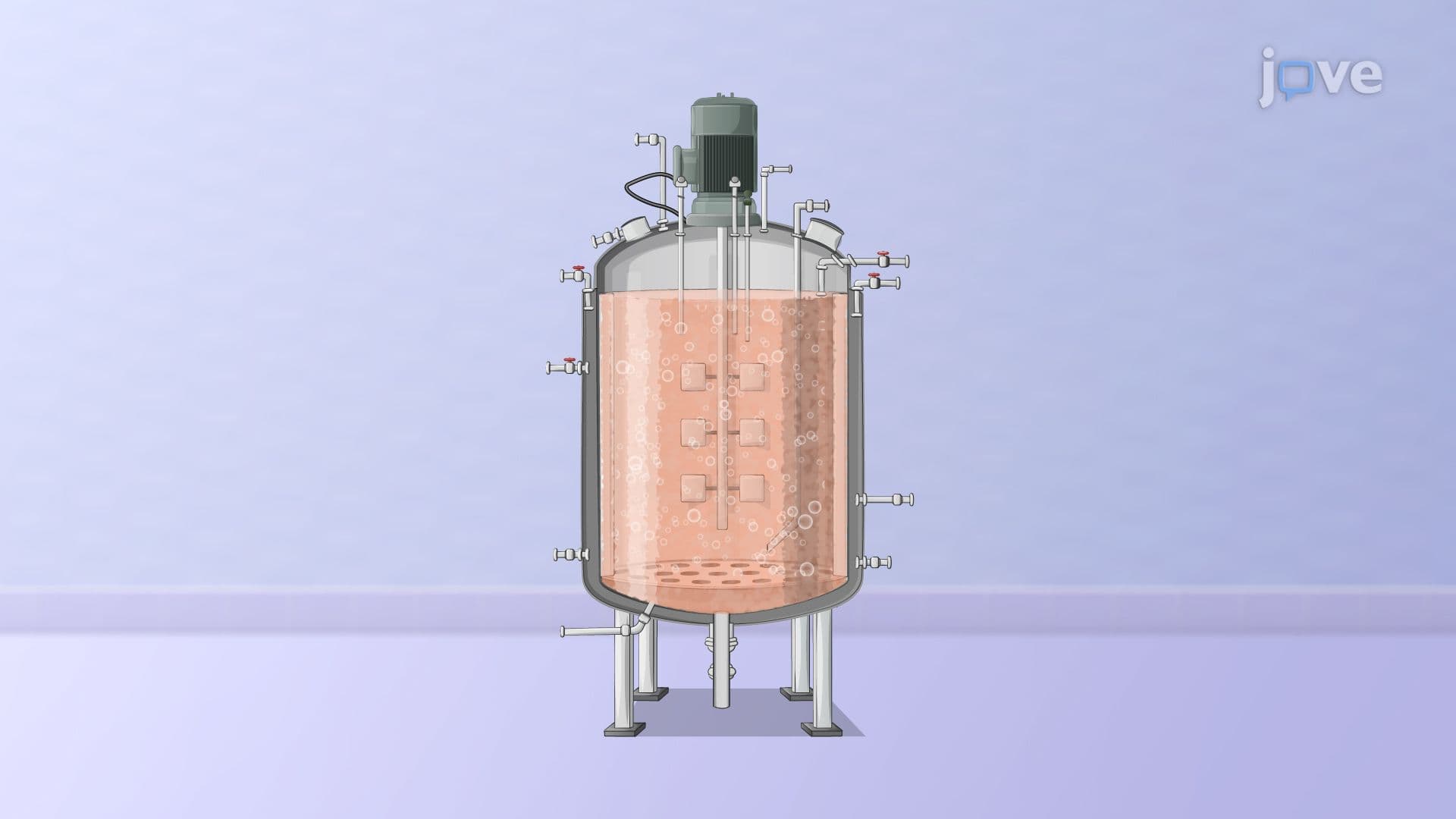
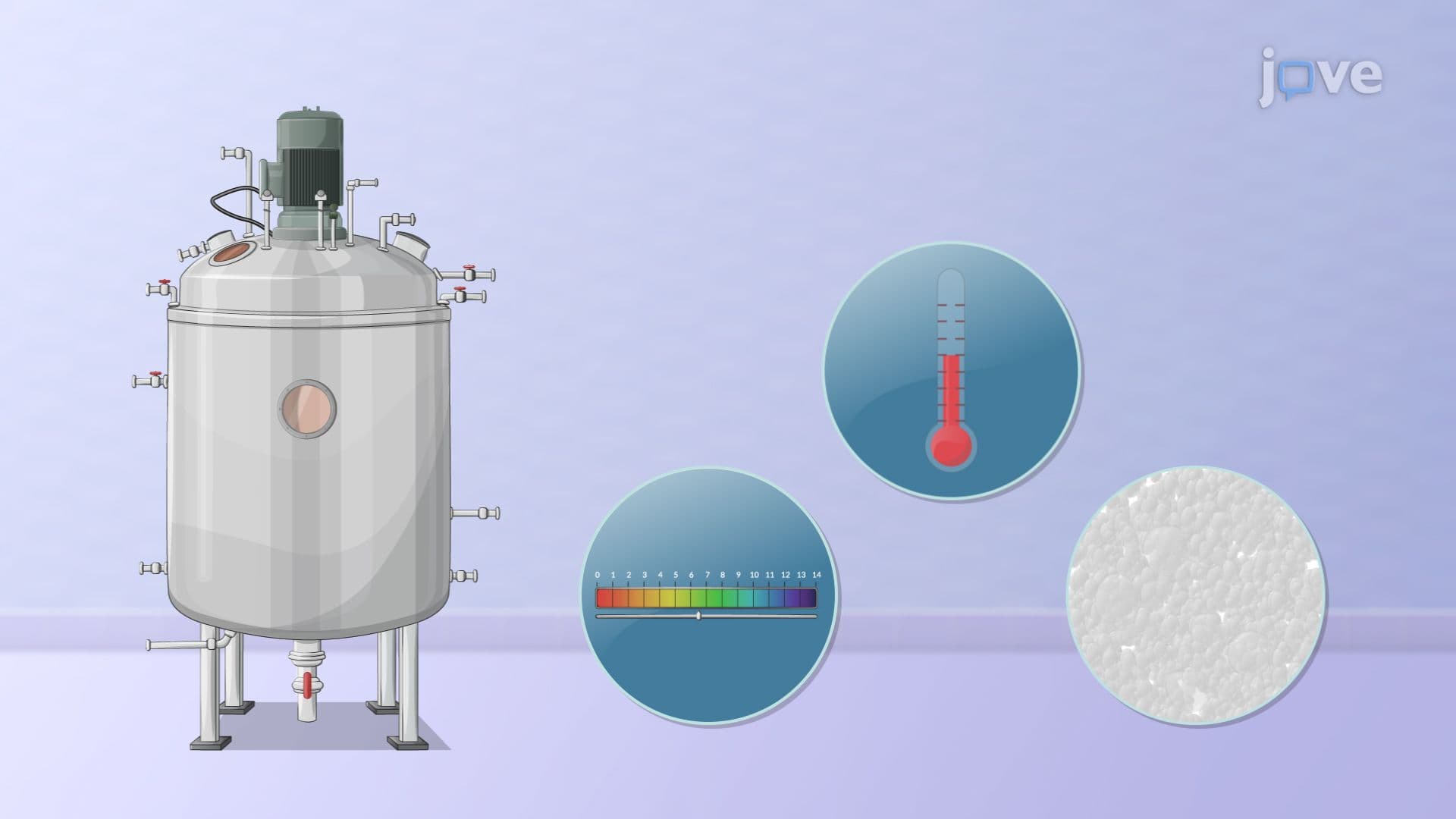
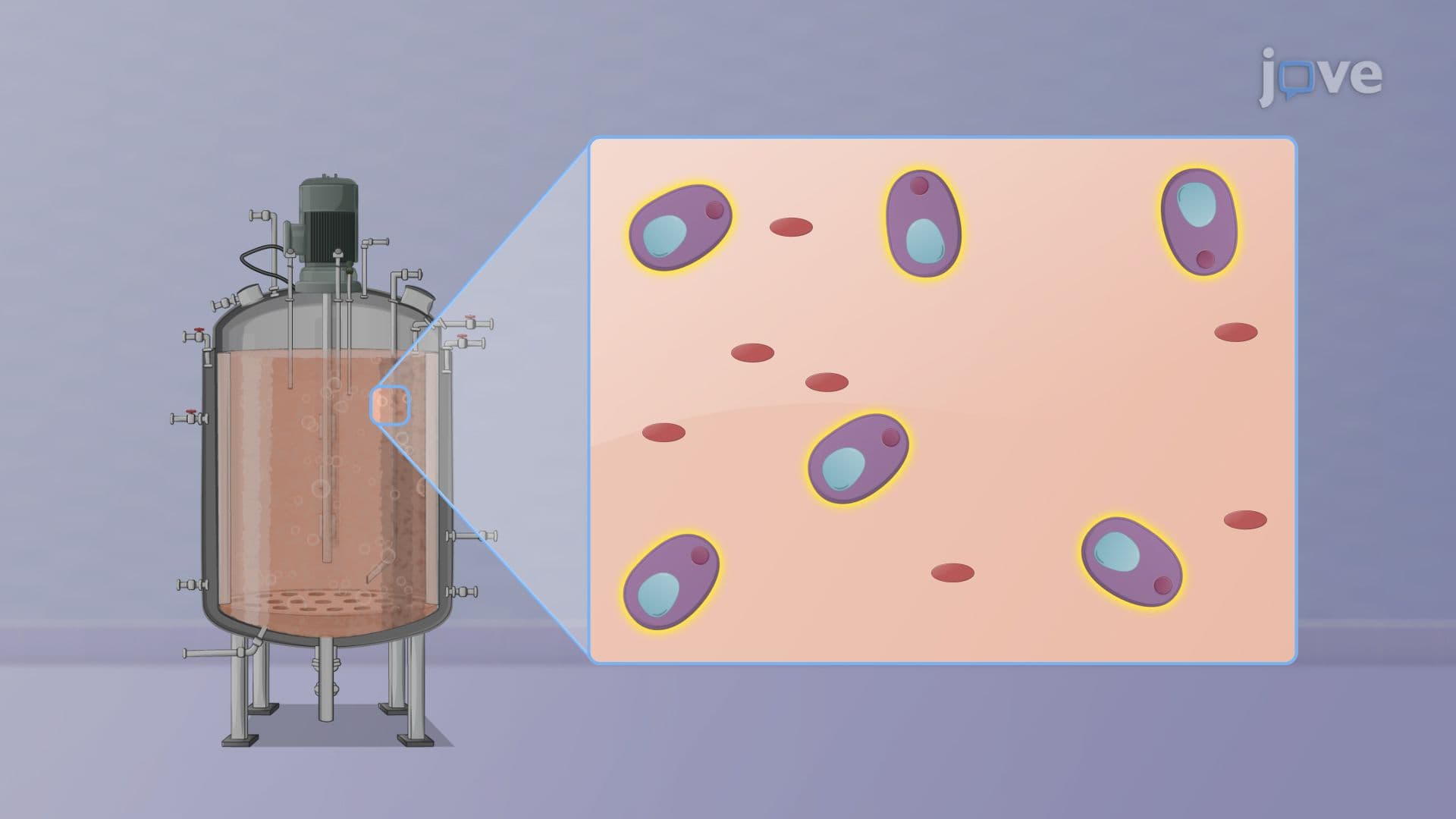
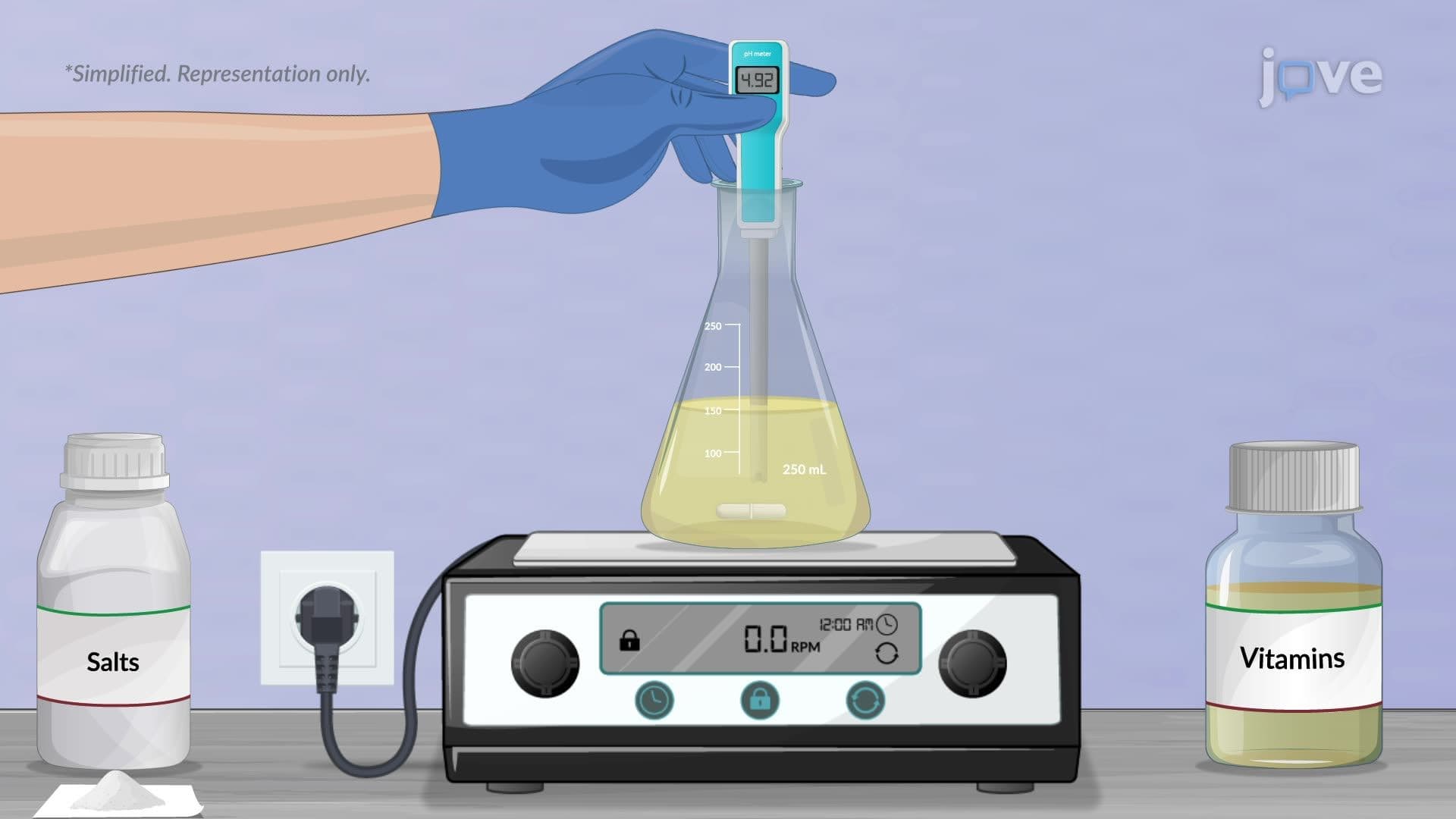
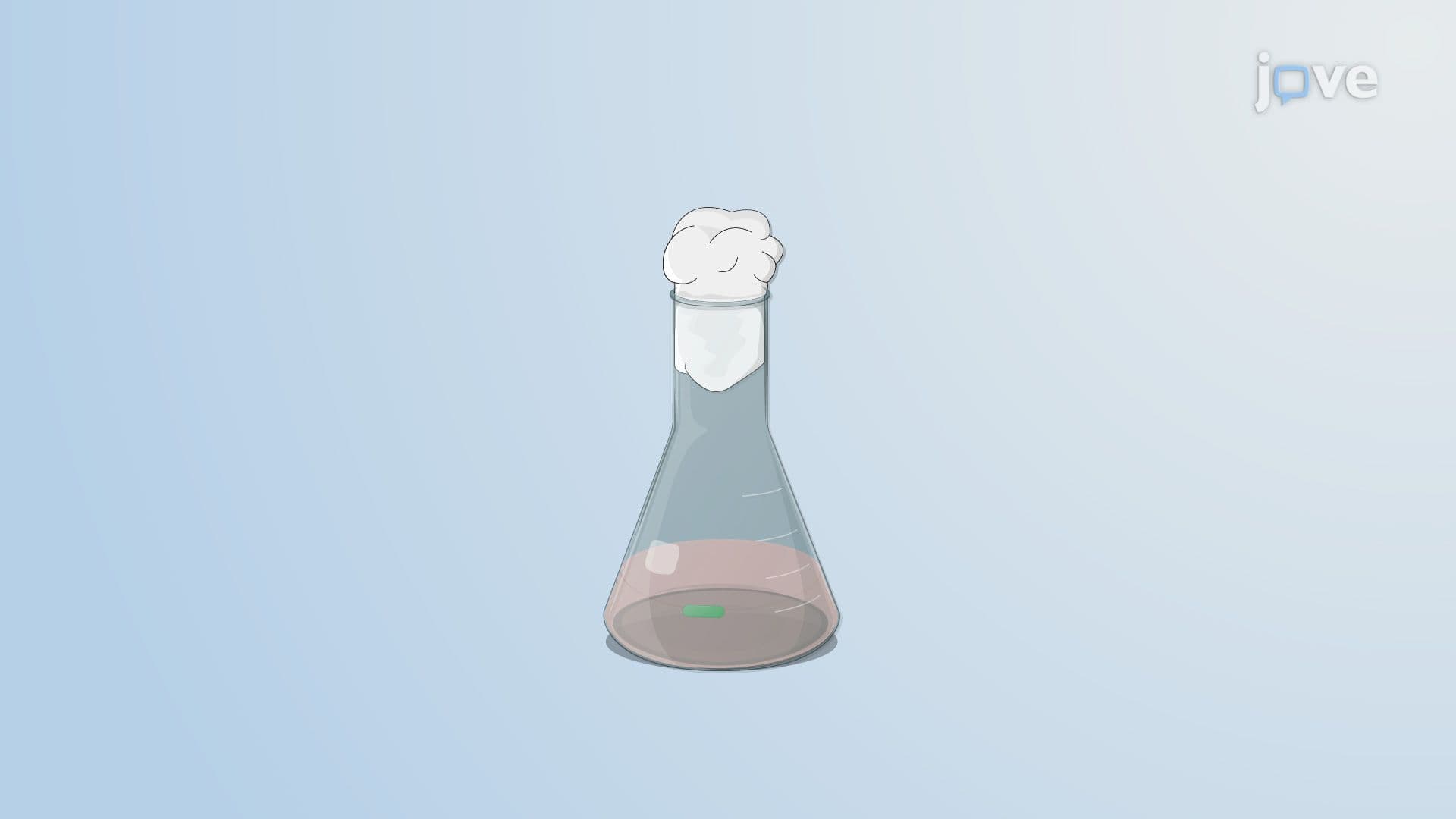
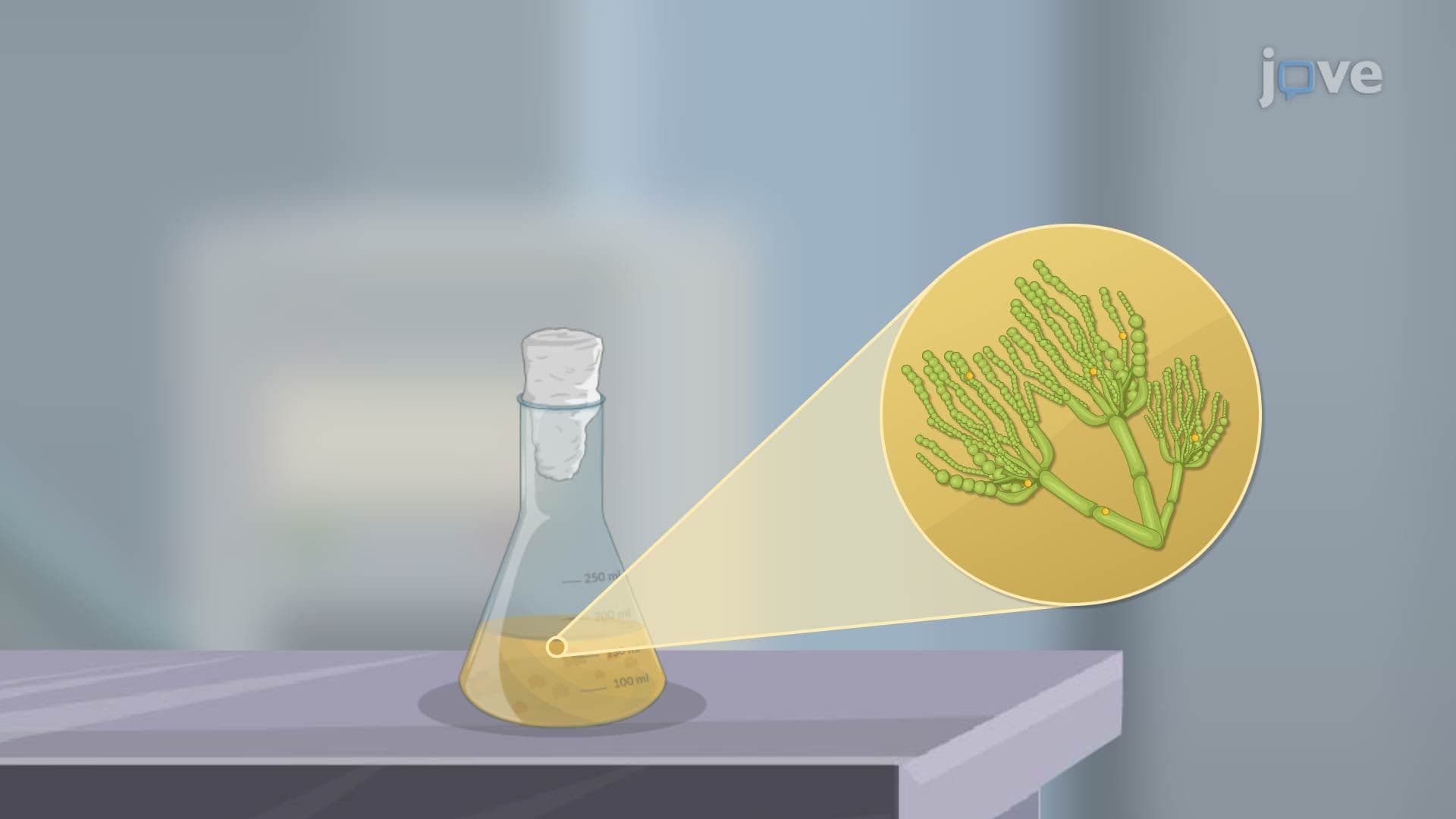
Microalgae are among the most promising feedstocks in modern biofuel production. These photosynthetic microorganisms thrive in diverse aquatic environments, freshwater ponds, coastal seawater, and even municipal wastewater treatment facilities. What makes them especially valuable is their ability to accumulate large quantities of lipids, particularly triglycerides, when placed under nutrient stress. When nitrogen in the growth medium runs low, algae shift their metabolism away from protein synthesis and toward lipid storage. This biological "stress response" is essentially the organism banking energy in fat form, and that fat is exactly what engineers need.
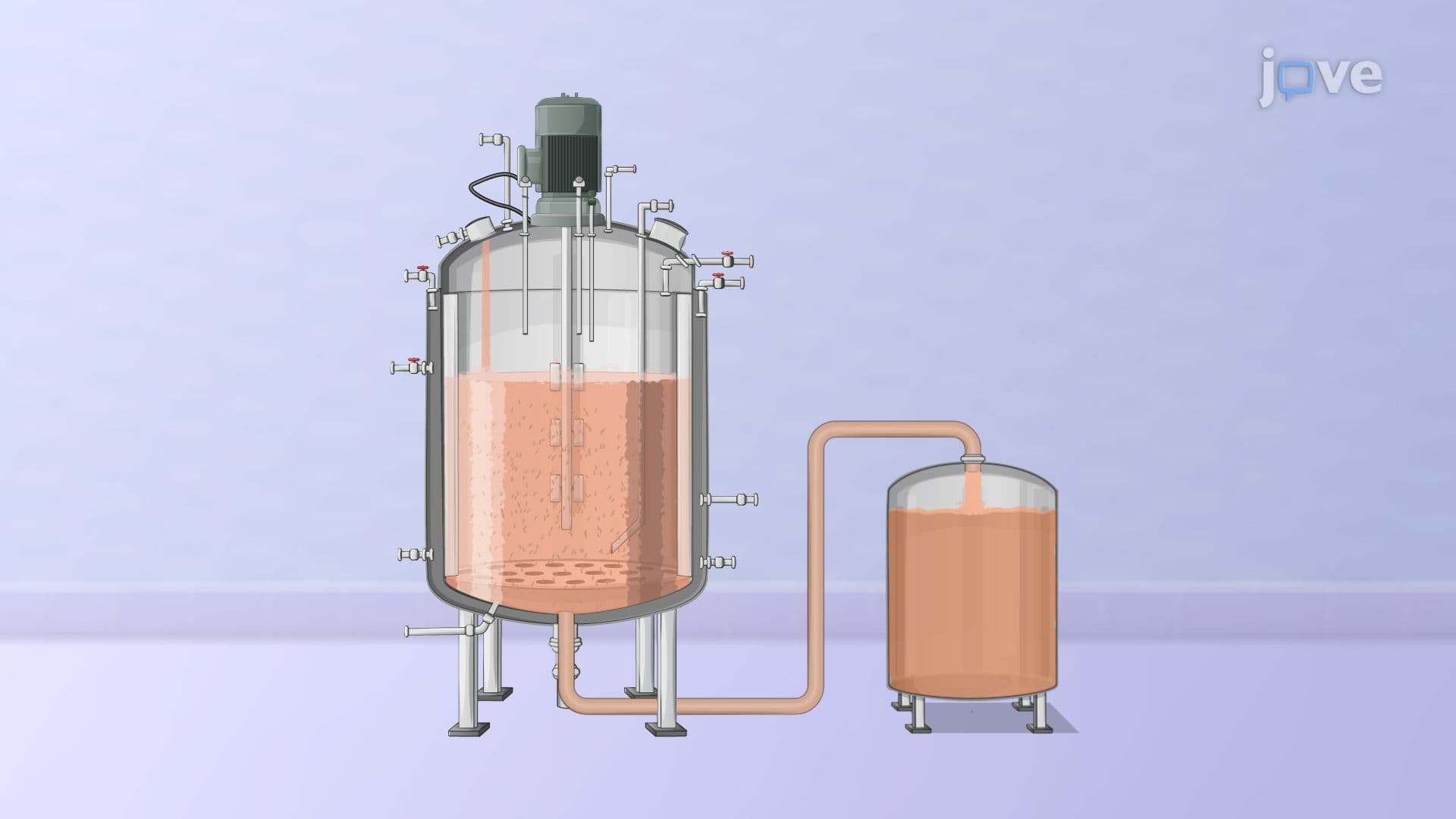
Once algae have accumulated sufficient lipids, those fats must be extracted from inside the cells. Because algal cell walls are tough, mechanical methods are often required. Bead milling, a process where tiny beads physically shatter cell walls at high speed, is one of the most efficient industrial techniques. This releases the intracellular contents, including lipid droplets, into a slurry that can then be separated and purified. Understanding this step is critical for students studying microbial biotechnology or asking, "How are microorganisms used in industrial processes?", a question that appears frequently in AP Biology and college-level introductory biology courses.
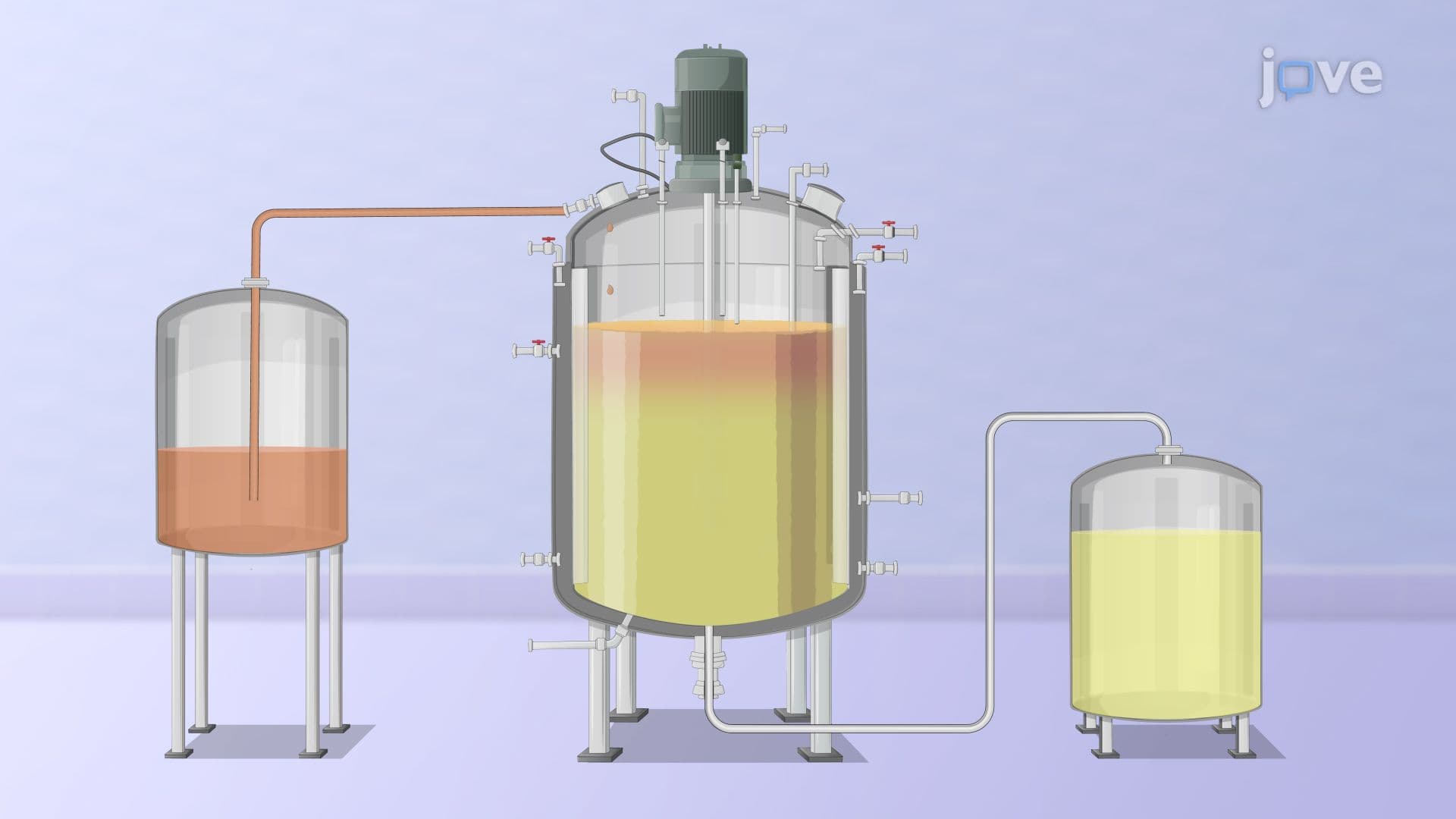
The extracted lipids don't become biodiesel automatically. They must undergo a chemical reaction called transesterification, in which triglycerides react with an alcohol, typically methanol, in the presence of a base catalyst such as sodium hydroxide. This breaks apart the triglyceride molecules and reforms them as fatty-acid methyl esters (FAMEs), the technical name for biodiesel. Glycerol is released as a byproduct and can itself be repurposed in pharmaceutical or cosmetic manufacturing, adding economic value to the process.
The resulting biodiesel is purified and can be blended with conventional petroleum diesel in ratios designated by codes like B20 (20% biodiesel) or B100 (pure biodiesel). Companies like Renewable Energy Group (REG), headquartered in Iowa, produce commercial-scale biodiesel using similar chemistry. This real-world application bridges classroom chemistry to industrial microbiology and is a concept that appears on AP Environmental Science exams, college midterms in general chemistry, and even MCAT passages covering biochemical energy systems.
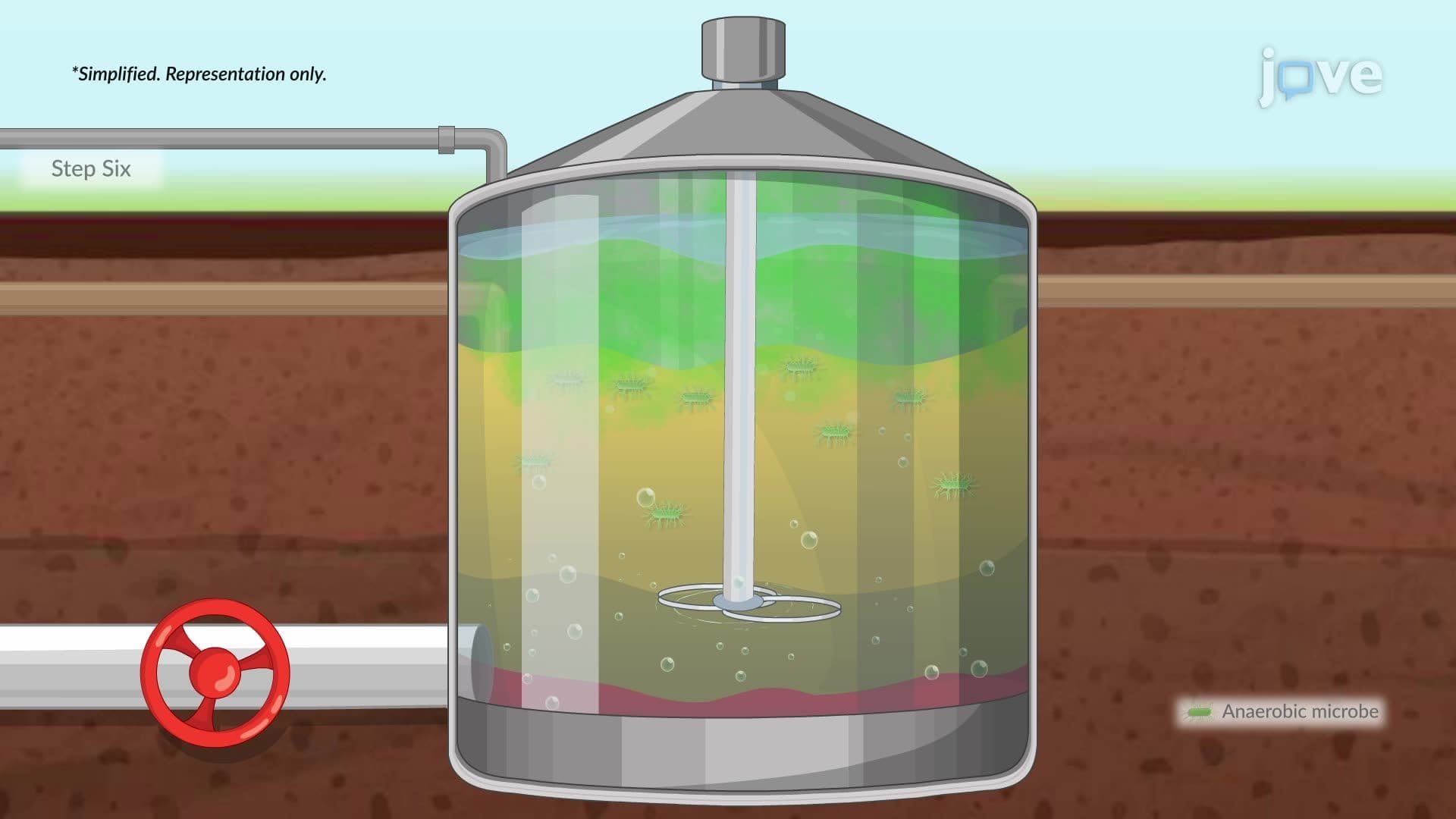
Understanding biofuels basics also lays the groundwork for deeper topics in microbial biotechnology, including large-scale fermentation, enzyme production, and recombinant DNA technology in industry, all areas where biological systems are engineered to produce high-value compounds efficiently.
Related Micro-courses