Loading video…

 22 Concepts
 3.7K views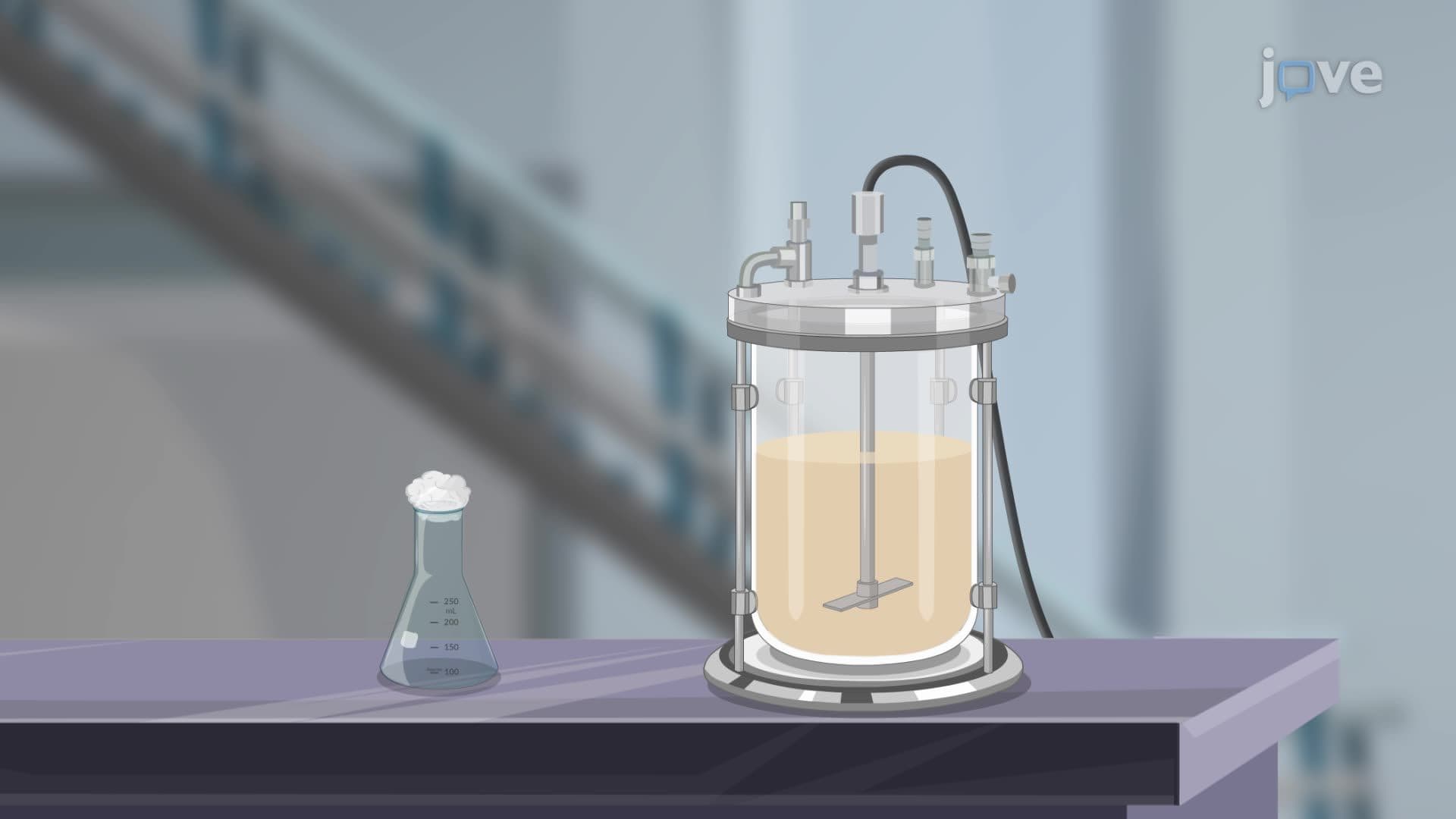

Video Summary: What Is Upstream Processing
Before a single dose of insulin reaches a pharmacy shelf, billions of engineered cells must be carefully grown, and that's exactly what upstream processing controls. Upstream processing is the foundational stage of biomanufacturing where living cells are cultivated to produce valuable biological products. US biotech companies like Amgen rely on these precise fermentation techniques to manufacture life-saving drugs at scale. Watch the full video on JoVE Coach to master this concept with expert-led visuals and step-by-step explanations.
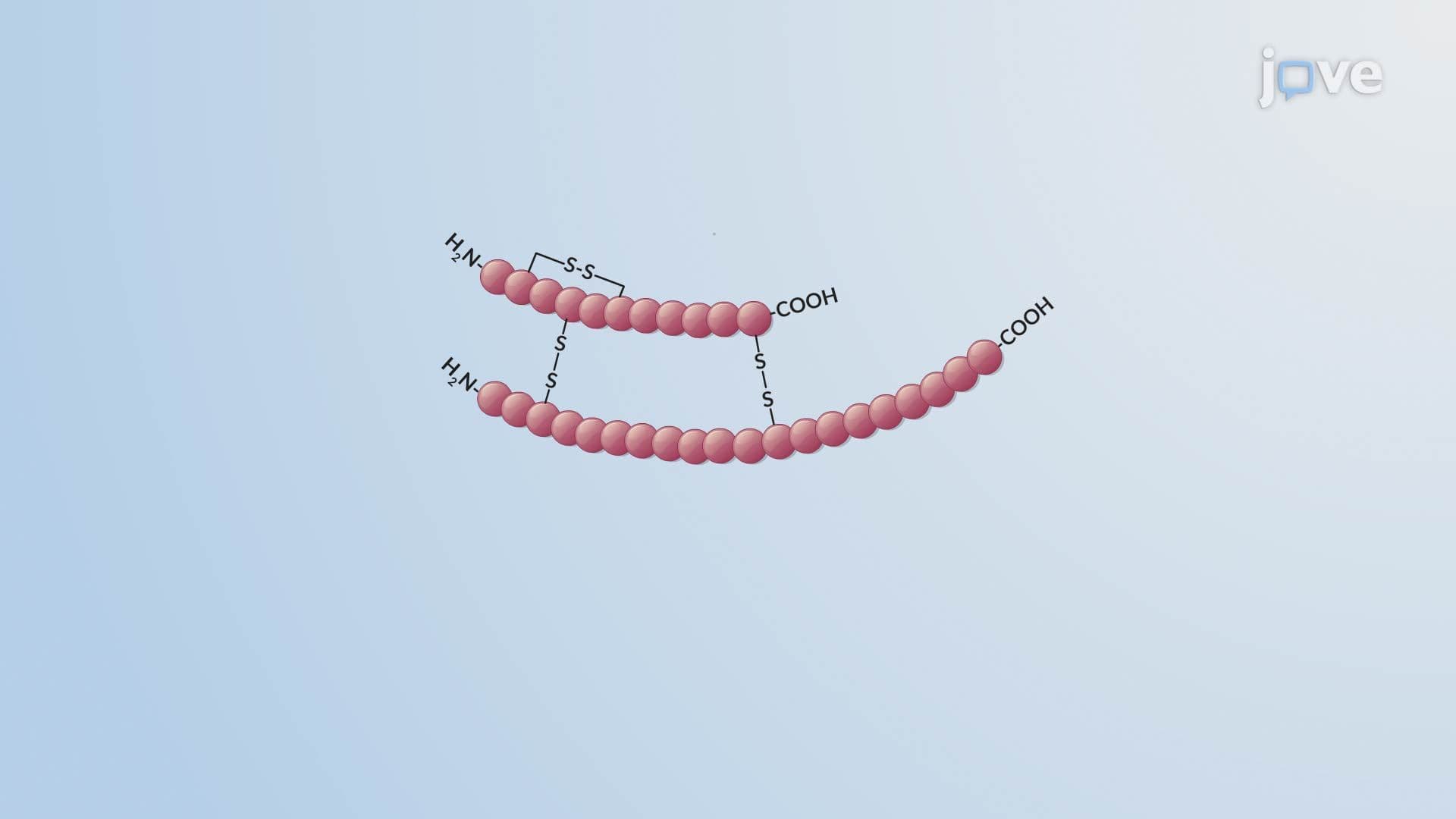
Upstream processing is the first major phase of biomanufacturing, the carefully orchestrated set of steps that takes a living microorganism from a frozen vial to a thriving, product-generating culture ready for harvest. Before a pharmaceutical company like Genentech can purify a therapeutic protein, or before a company like Novozymes can collect industrial enzymes, the biology must first be set in motion through upstream processing. For students in AP Biology, college Microbiology, or anyone preparing for the MCAT, understanding this process builds essential literacy in how modern biotechnology actually works.
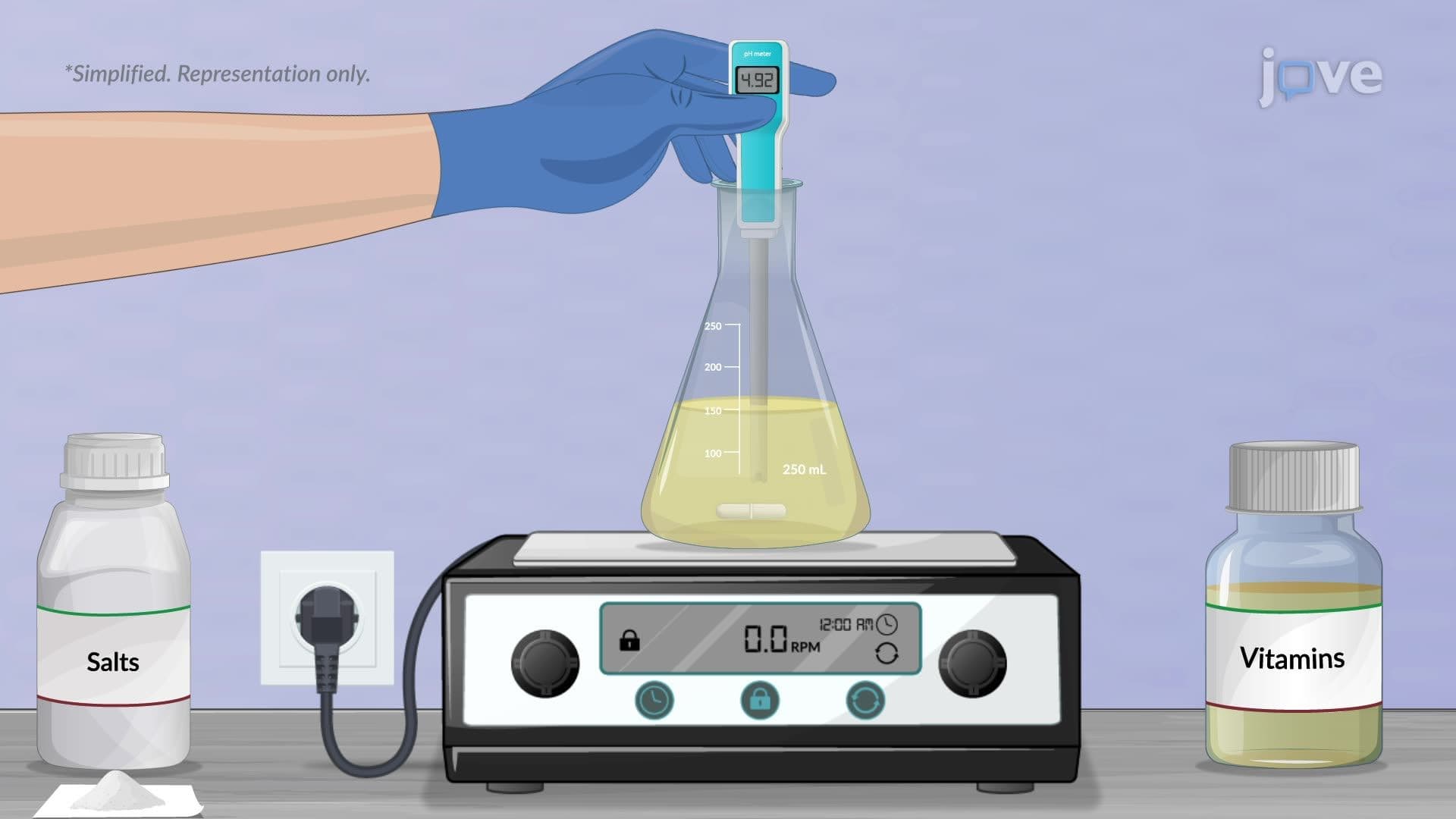
Every upstream process begins with designing the perfect nutritional environment for the target organism. Growth media must be precisely balanced with carbon sources (typically glucose or sucrose), nitrogen sources (such as ammonium salts or amino acids), vitamins, and trace elements like iron and zinc. Too little of any component can bottleneck cell growth; too much can generate toxic byproducts or waste expensive resources. This is why formulation scientists in US biotech labs spend considerable effort developing and validating media compositions before scaling any process.
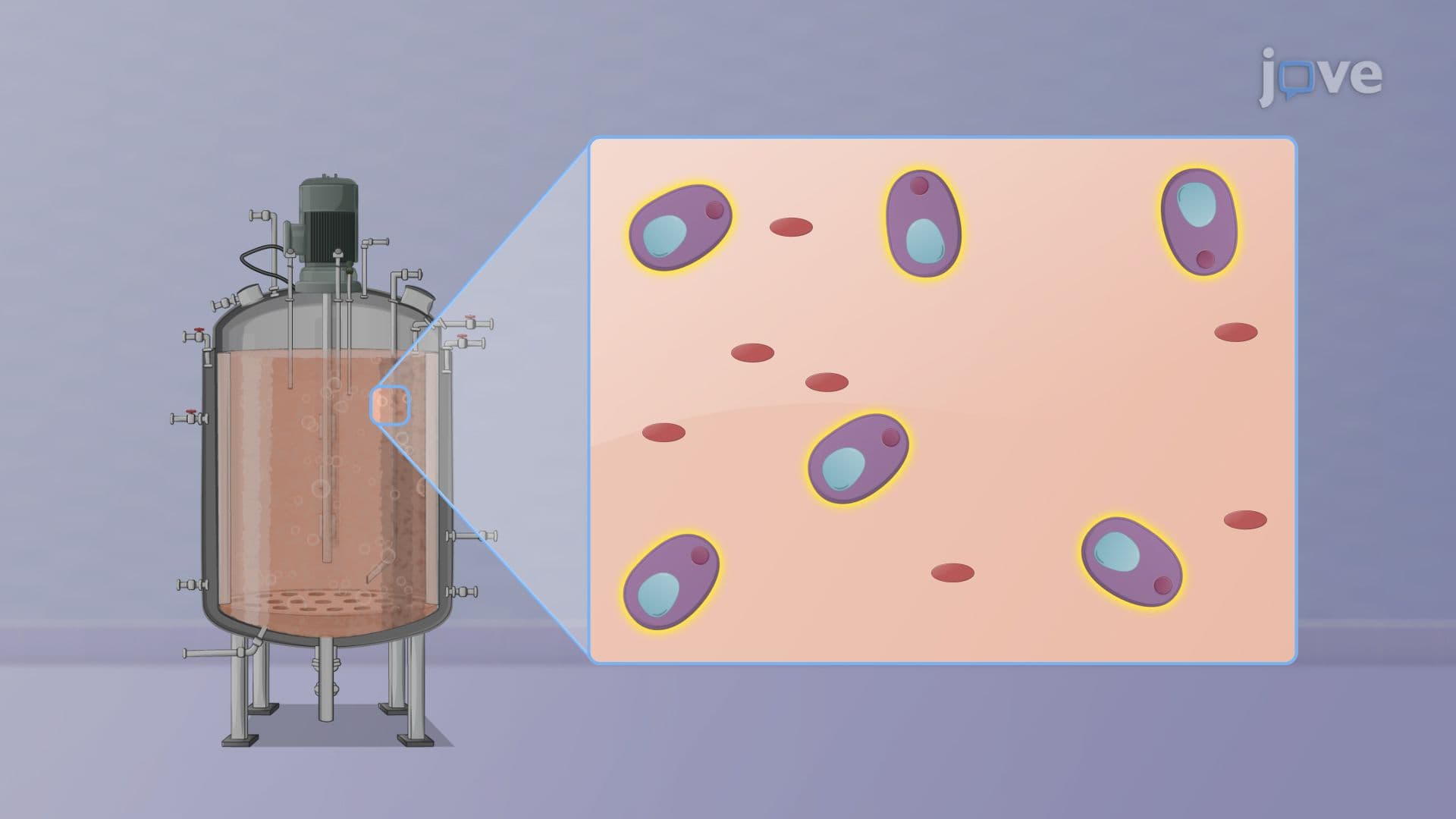
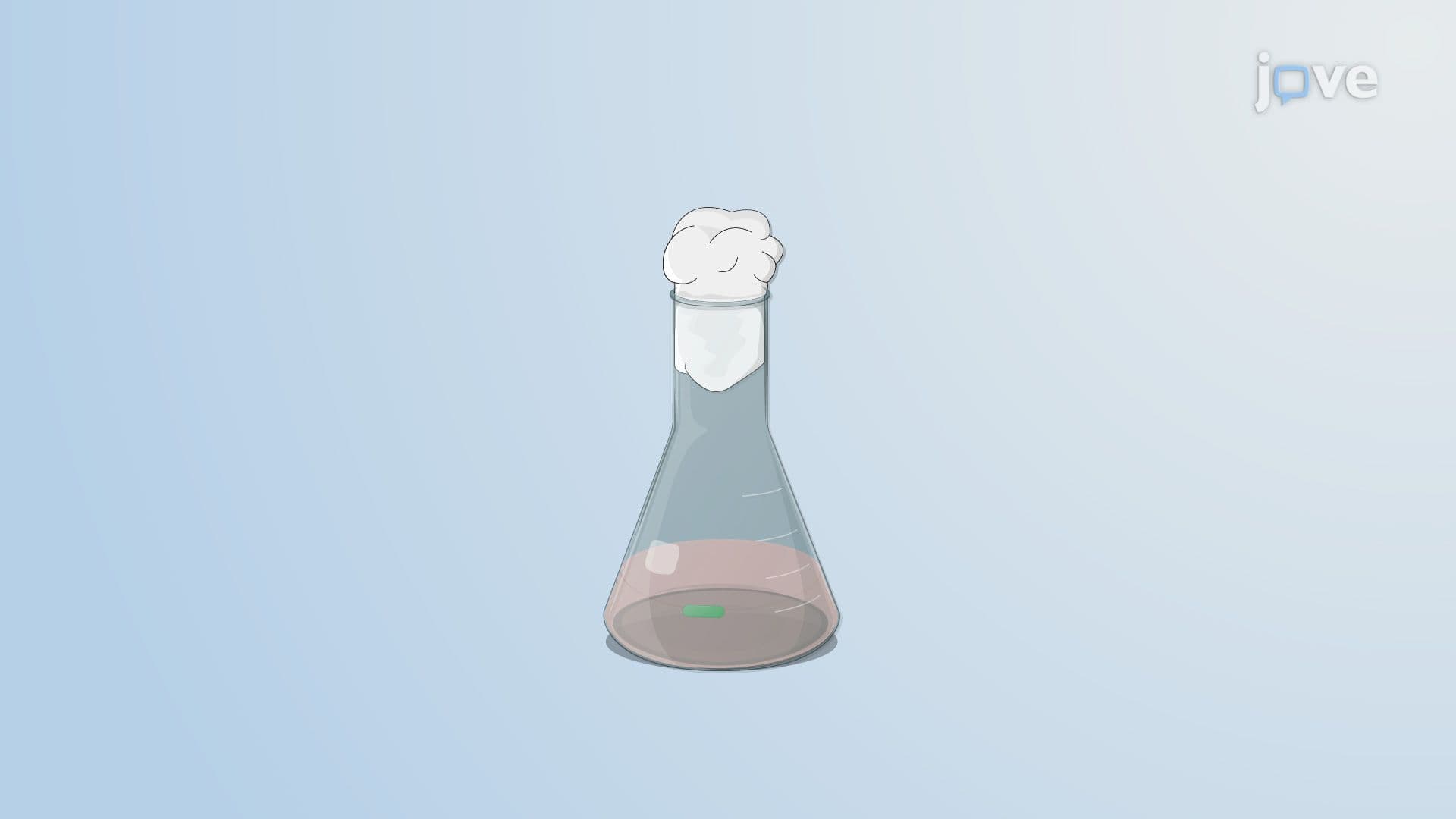
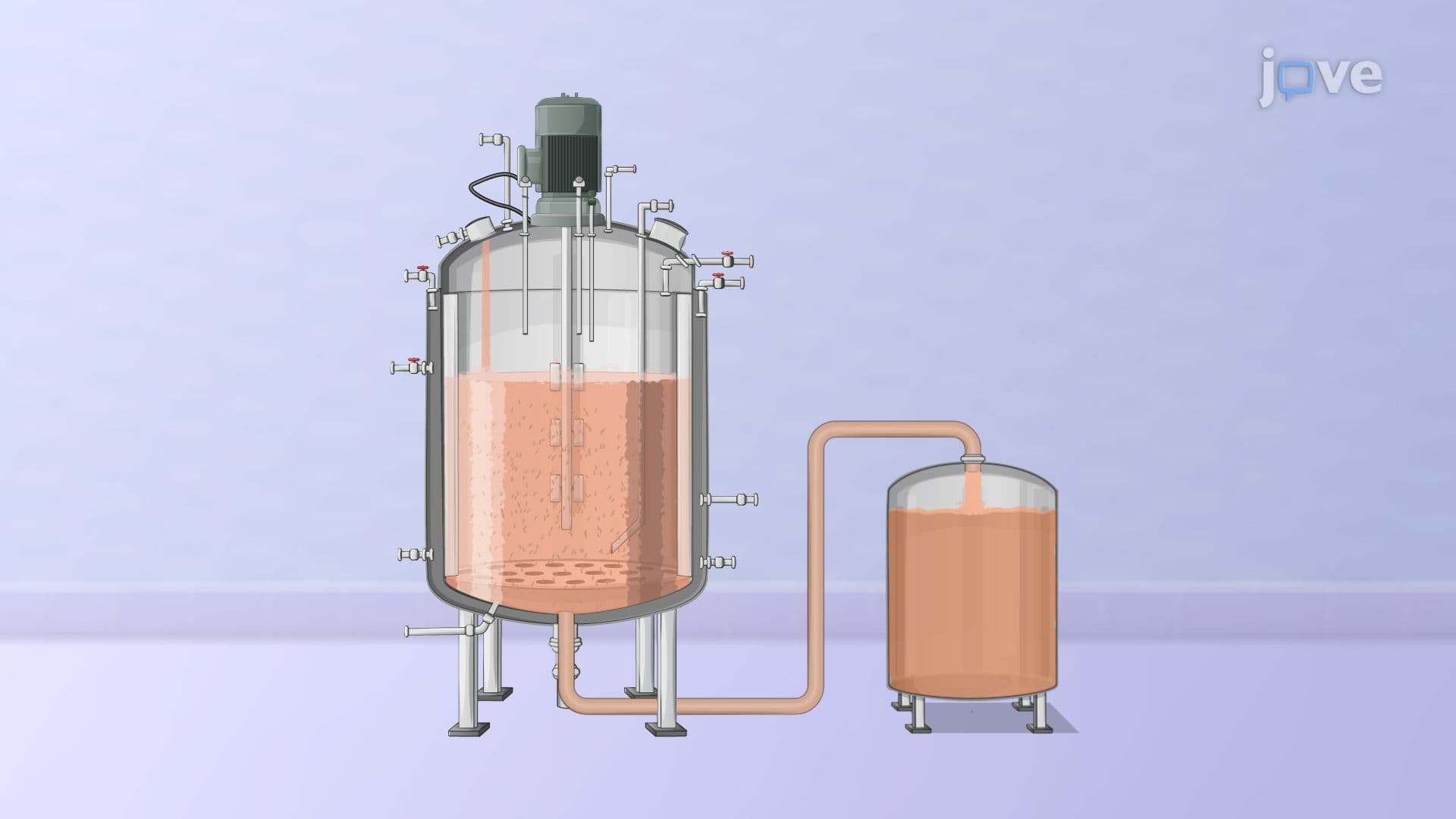
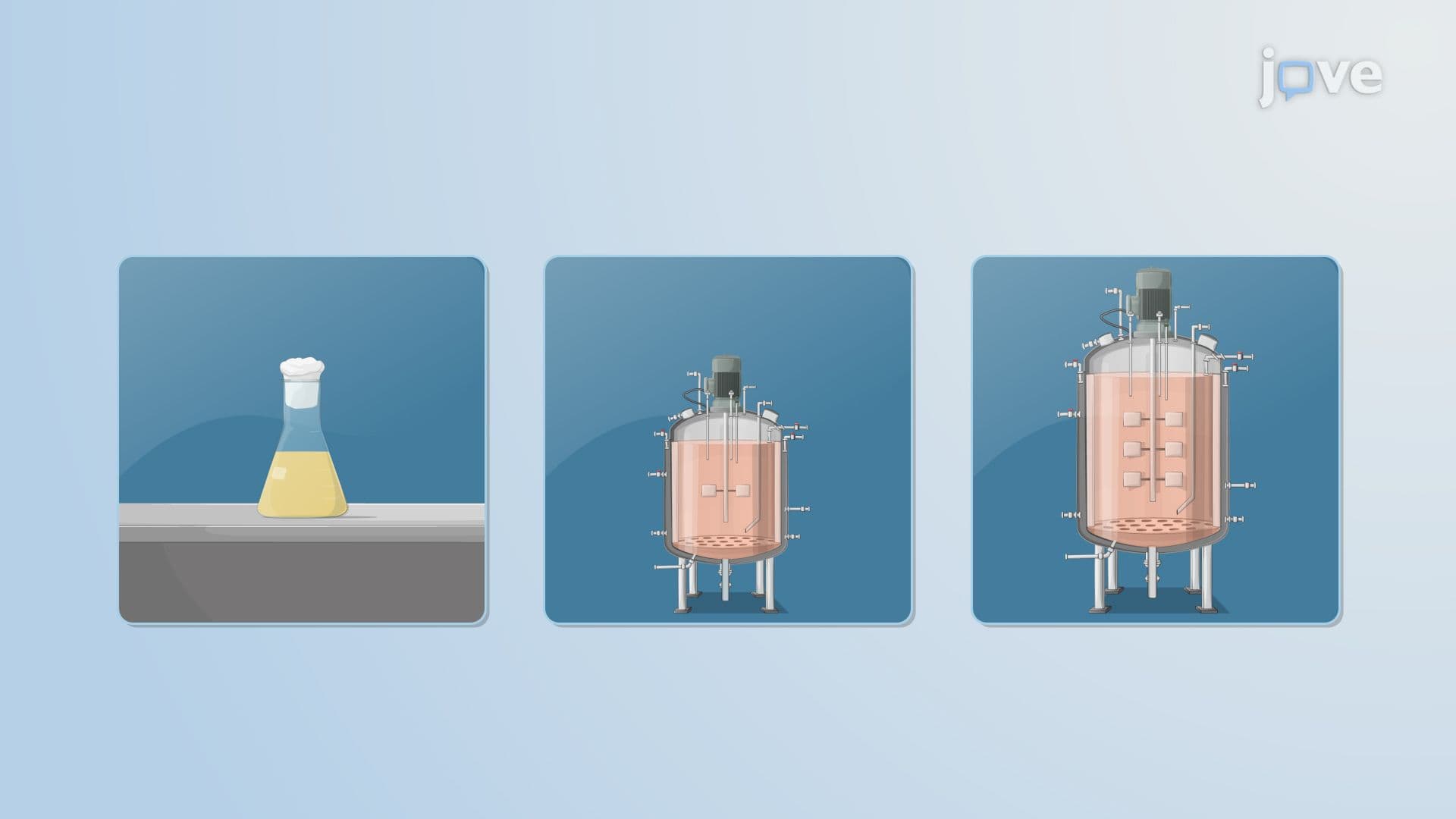
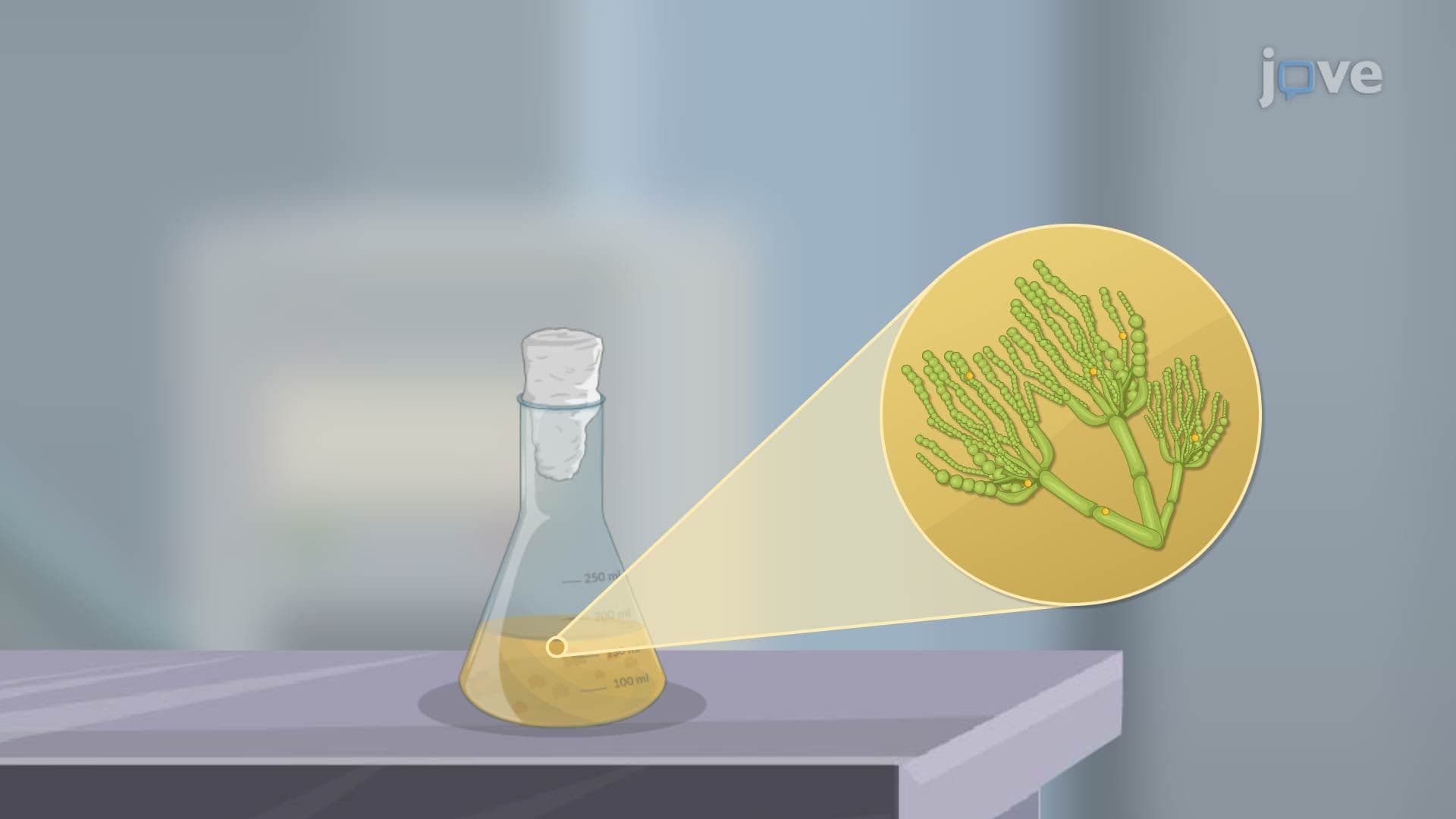
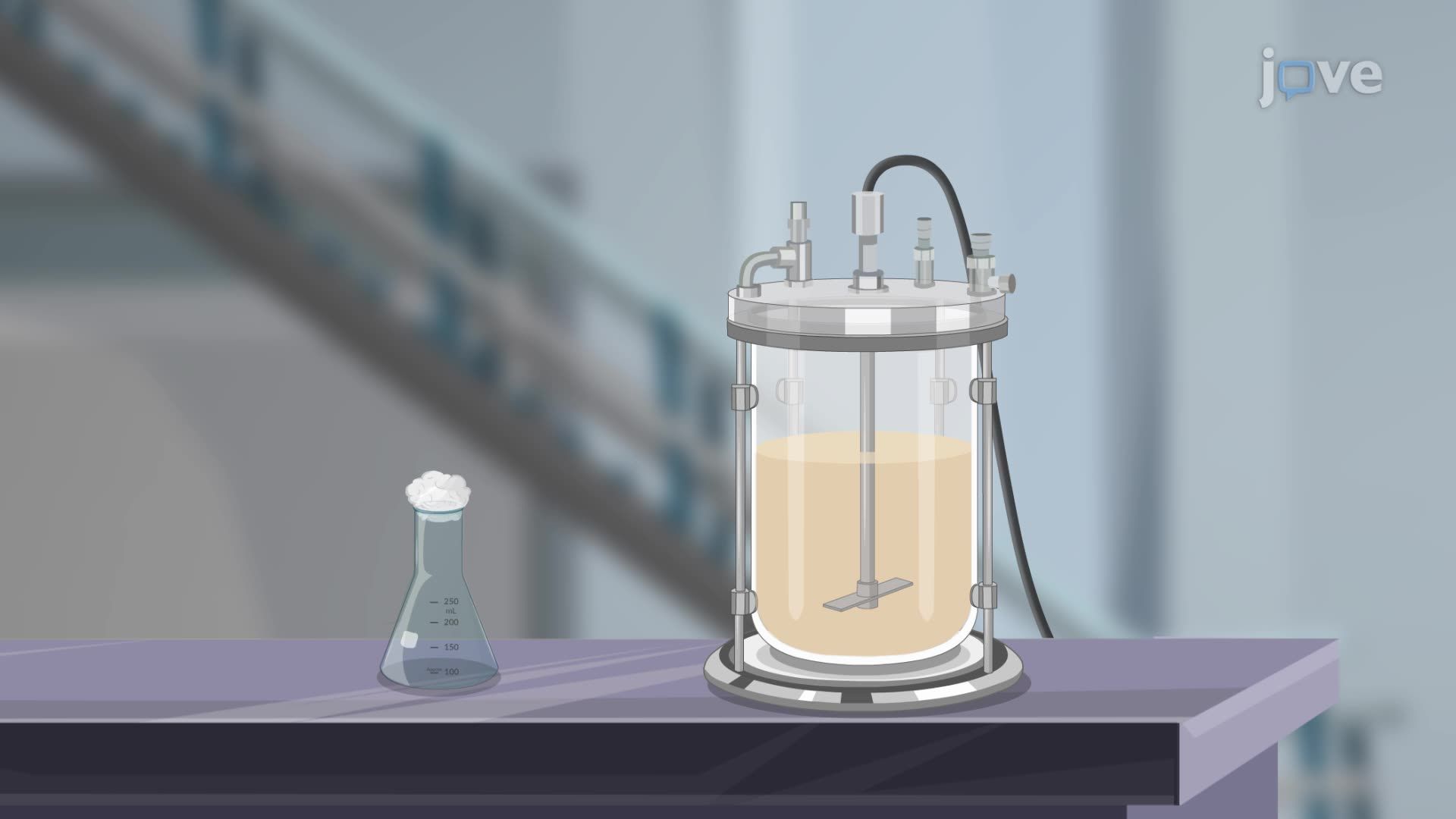
Not all microbes are created equal for industrial purposes. In recombinant DNA technology in industry, host organisms, such as *Escherichia coli* for bacterial expression or *Saccharomyces cerevisiae* for yeast-based systems, are genetically engineered to carry the gene of interest and produce the target product at high yield. These engineered strains are stored in cryopreserved master cell banks, a practice mandated by the FDA for regulated biological manufacturing. Before large-scale use, cells are thawed and progressively cultured in small flasks, then transferred into seed bioreactors to build a robust, healthy inoculum. This scale-up sequence ensures that only high-performing, contamination-free cultures advance to production.
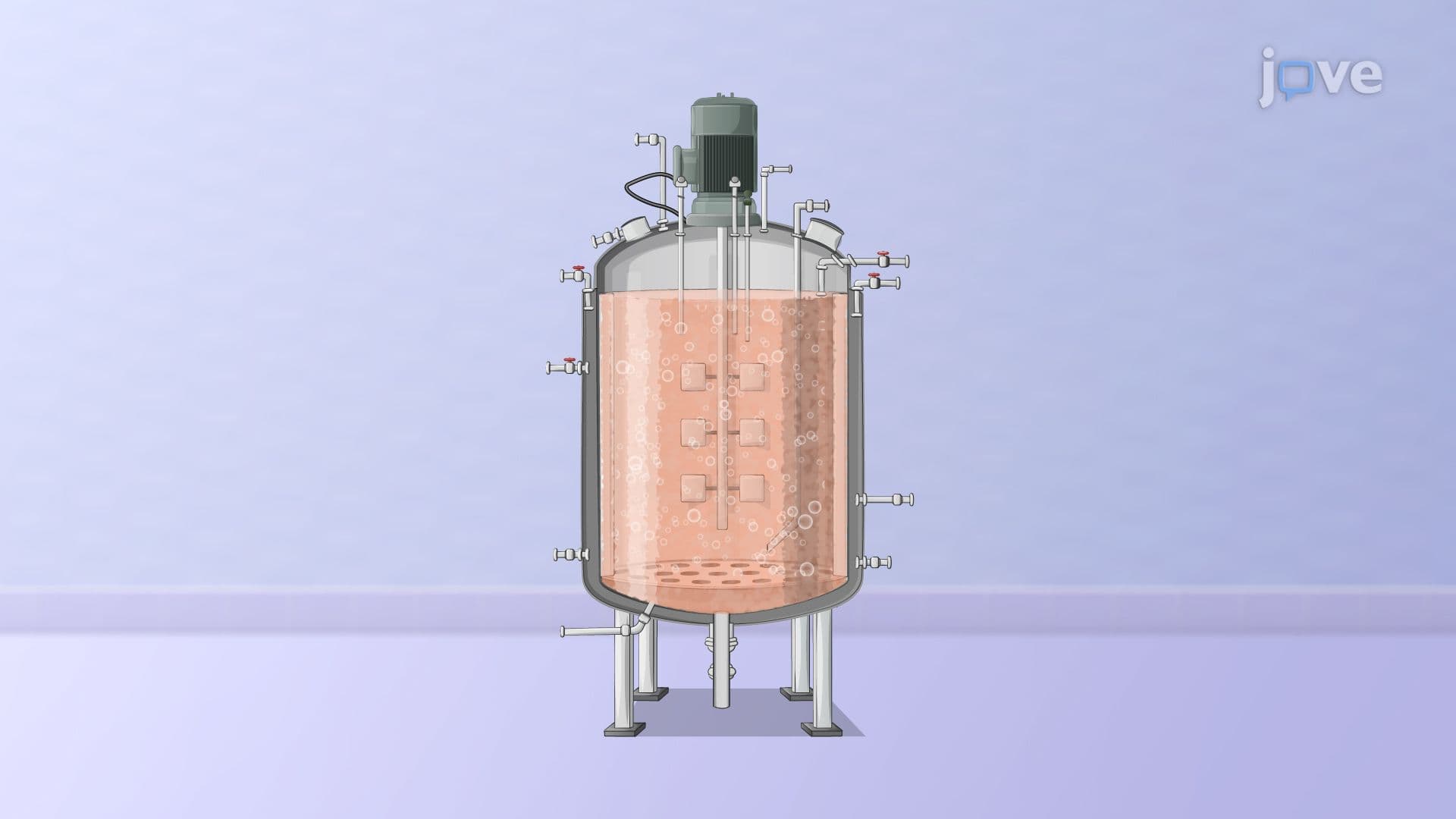
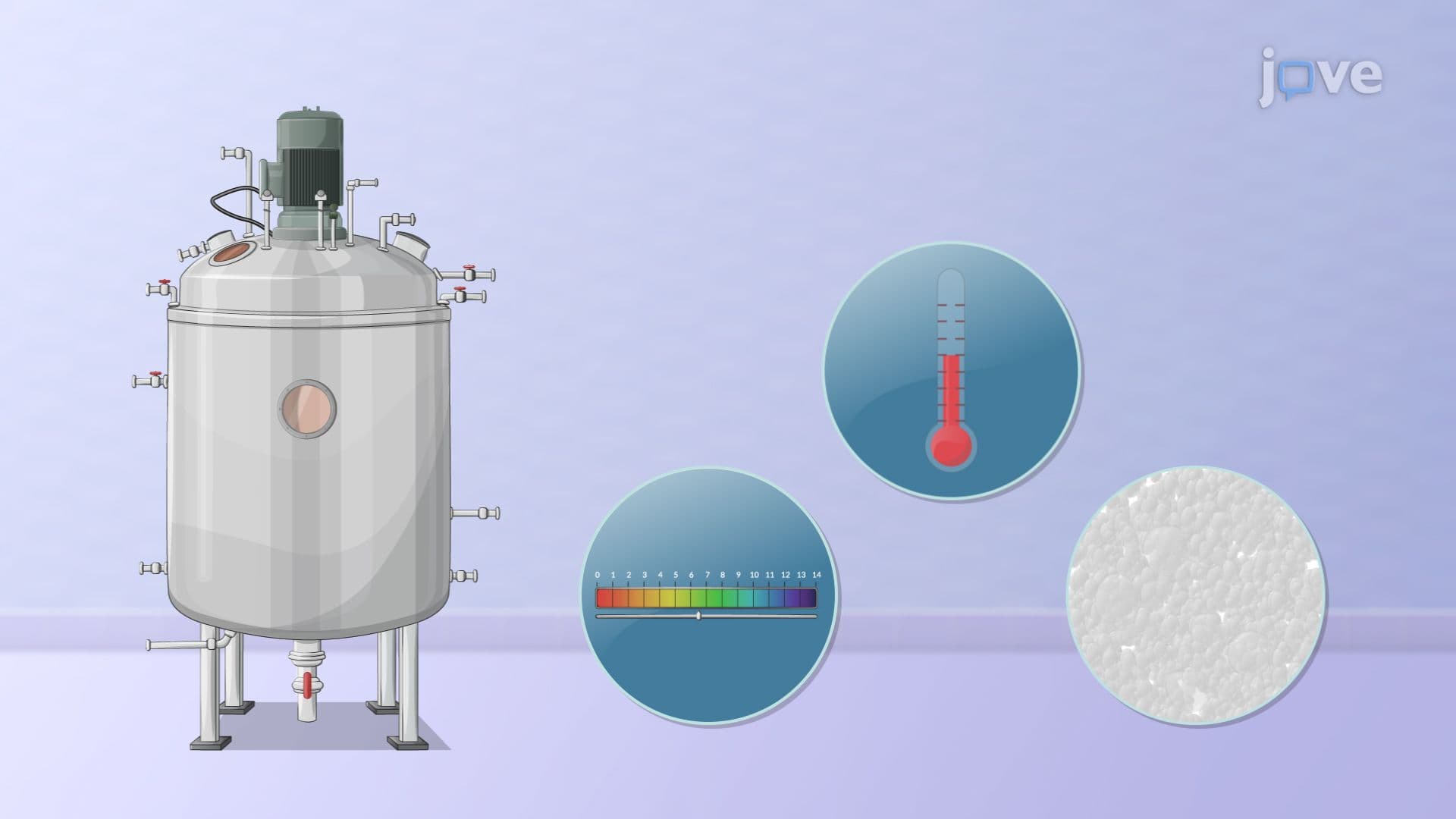
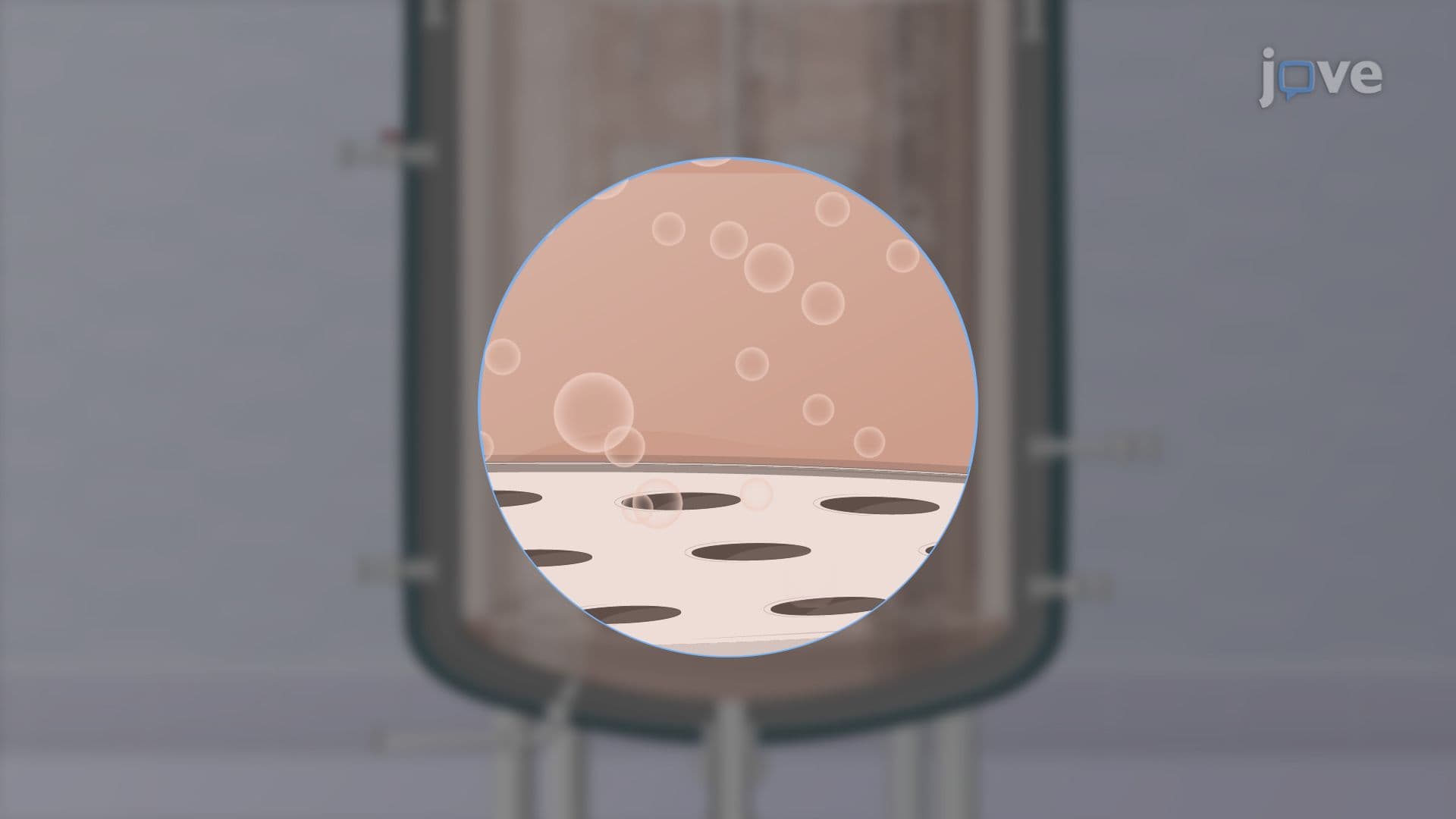
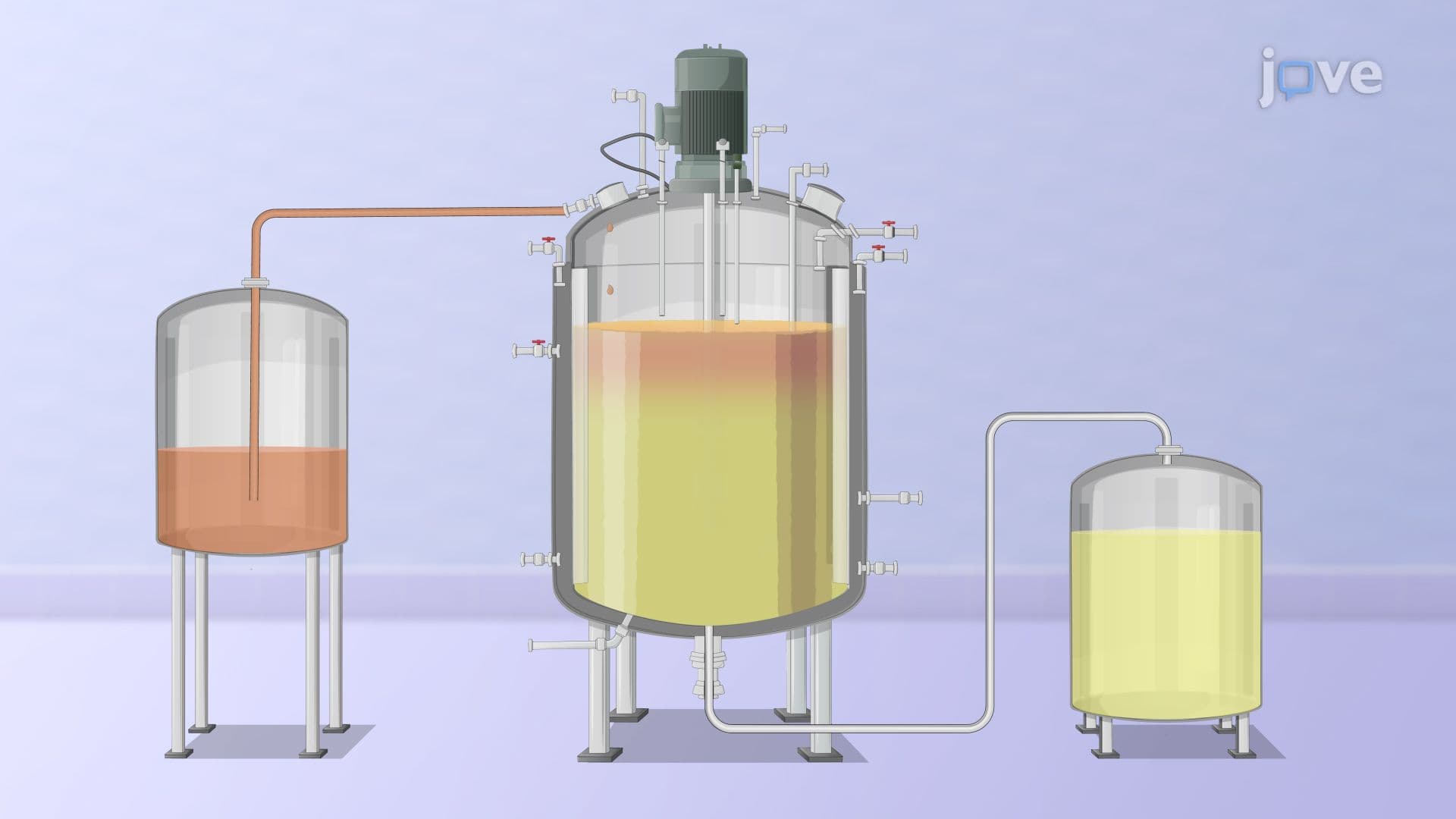
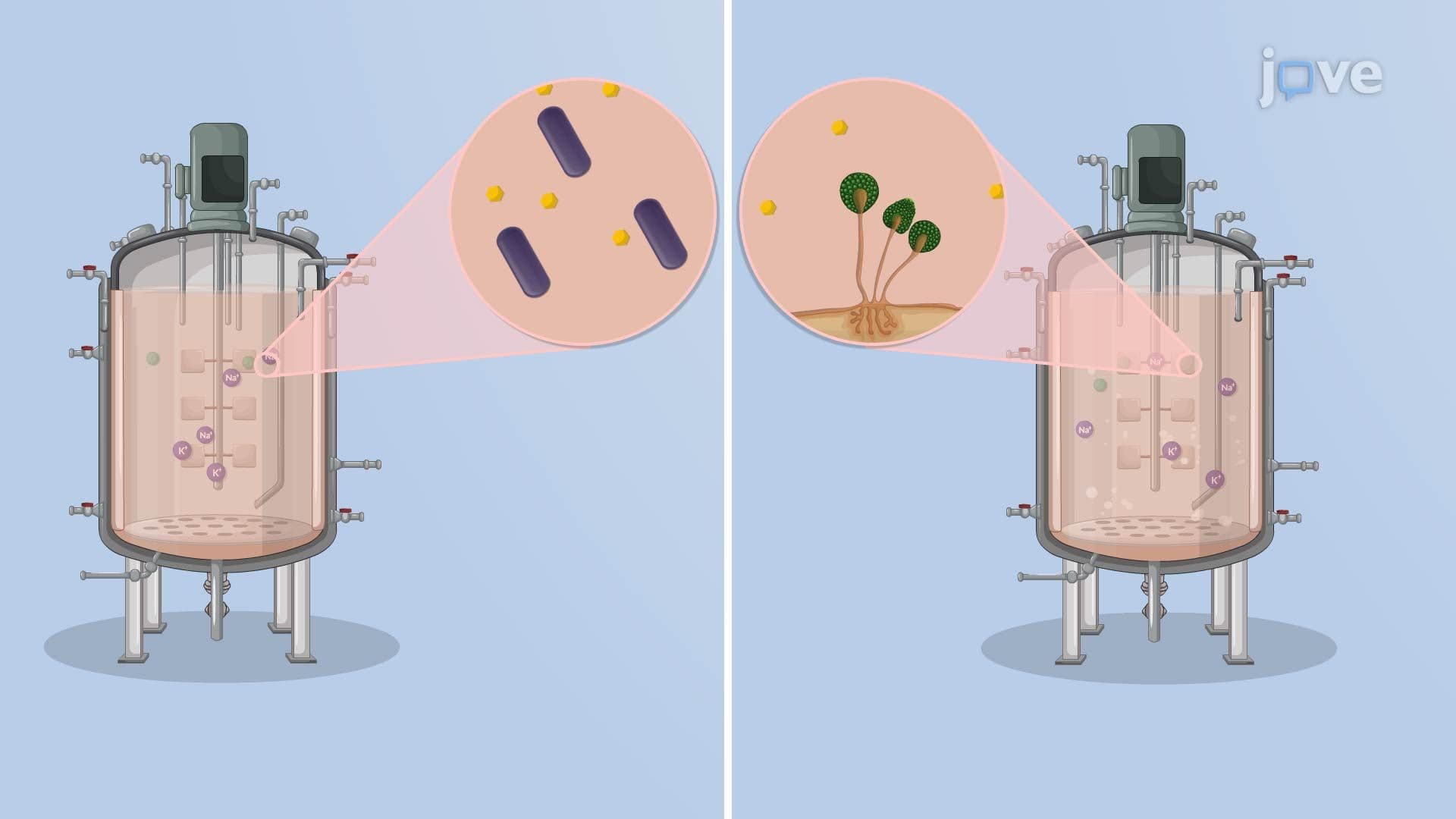
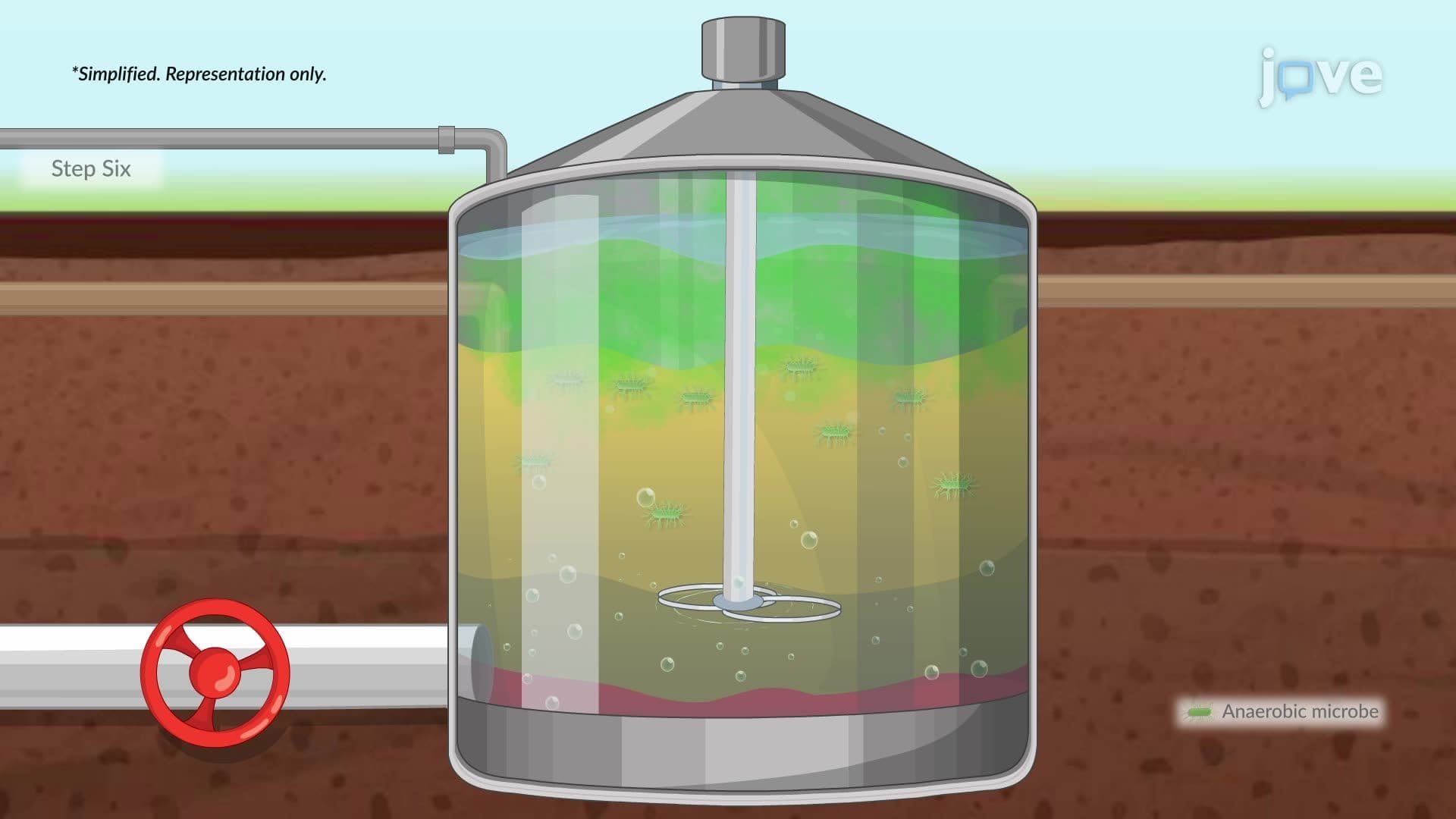
Once the inoculum is ready, it is transferred into large production bioreactors, vessels that can range from hundreds to tens of thousands of liters in commercial facilities. Inside these bioreactors, large-scale fermentation takes place under tightly controlled conditions. Automated sensors continuously track pH (to prevent metabolic acid accumulation), temperature (which directly affects enzyme activity and growth rate), dissolved oxygen (critical for aerobic organisms), and agitation speed (to ensure uniform nutrient distribution). This level of control is what separates industrial microbial biotechnology from a simple lab culture. Real-time feedback loops allow the system to self-correct, maintaining ideal conditions around the clock without constant manual intervention.
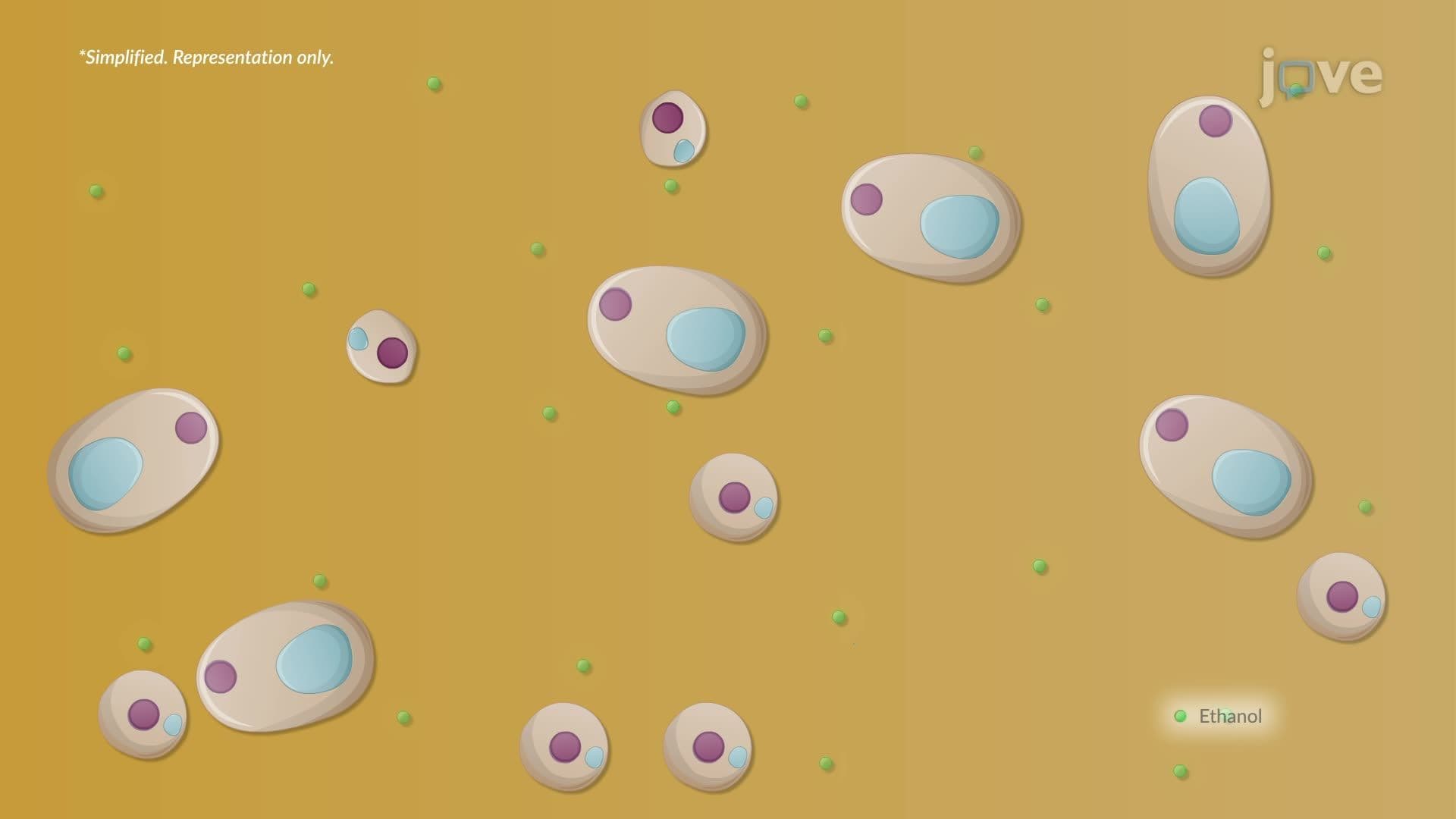
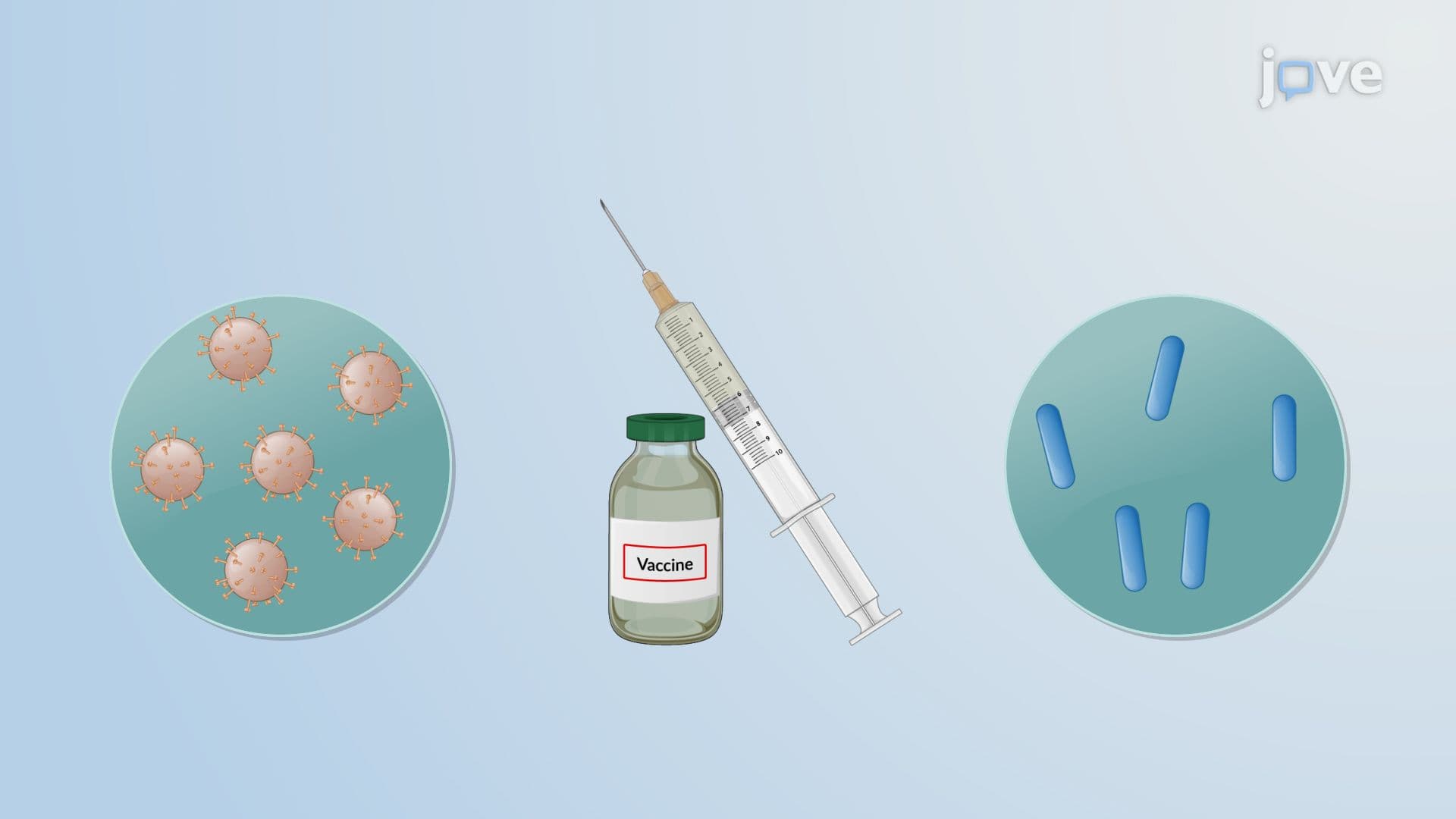
The applications of industrial microbiology are staggering. Upstream processing is the backbone of antibiotic production (like penicillin fermentation), enzyme production for food and textile industries, and emerging biofuel production from engineered algae and yeast strains. It also underpins vaccine manufacturing, a fact that became especially visible during the rapid scale-up of biological production during the COVID-19 pandemic in the US. For students wondering what industrial microbiology is used for, the answer runs through nearly every sector of modern life. On AP Biology exams and college midterms, questions about fermentation, cell culture, and recombinant protein expression frequently draw on these upstream concepts, so building a clear mental model now pays dividends later.
Related Micro-courses