Loading video…

 22 Concepts
 3.7K views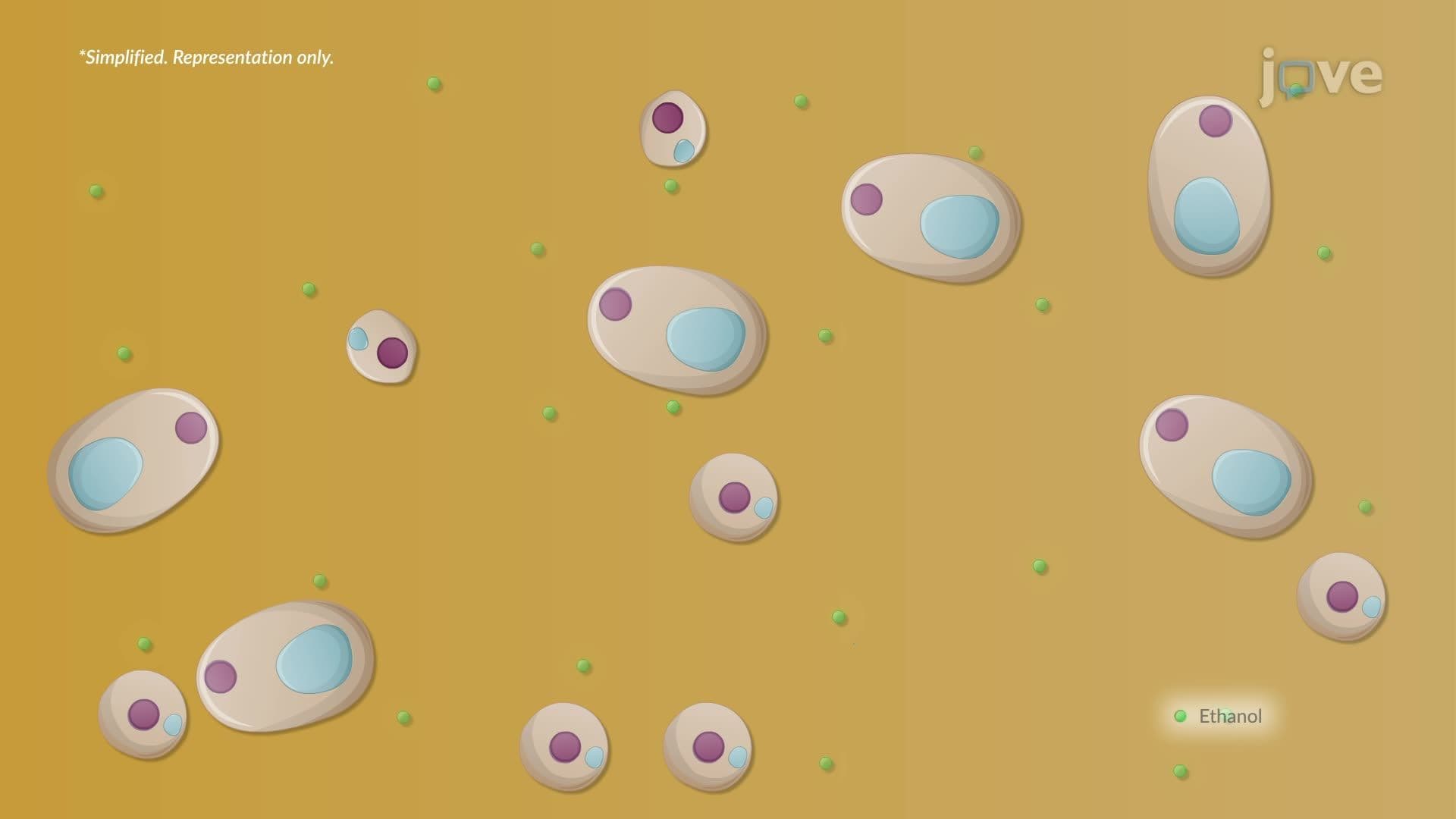

Video Summary: What Is Production of Alcohol
Did you know that the ethanol in hand sanitizers and biofuels starts inside a fermentation tank filled with yeast and corn starch? The production of alcohol, specifically industrial ethanol, is a cornerstone of modern biotechnology. US corn ethanol facilities, like those across Iowa, produce billions of gallons annually using microbial fermentation. Watch the full video on JoVE Coach to master this concept with expert-led visuals and step-by-step explanations.
The production of alcohol, specifically ethanol, is one of the oldest yet most technologically advanced applications of microbial biotechnology. While fermentation has existed for centuries, modern industrial processes have transformed it into a precise, large-scale operation. Understanding how microorganisms are used in industrial processes like this one is central to courses in AP Biology, college-level microbiology, and even MCAT preparation.
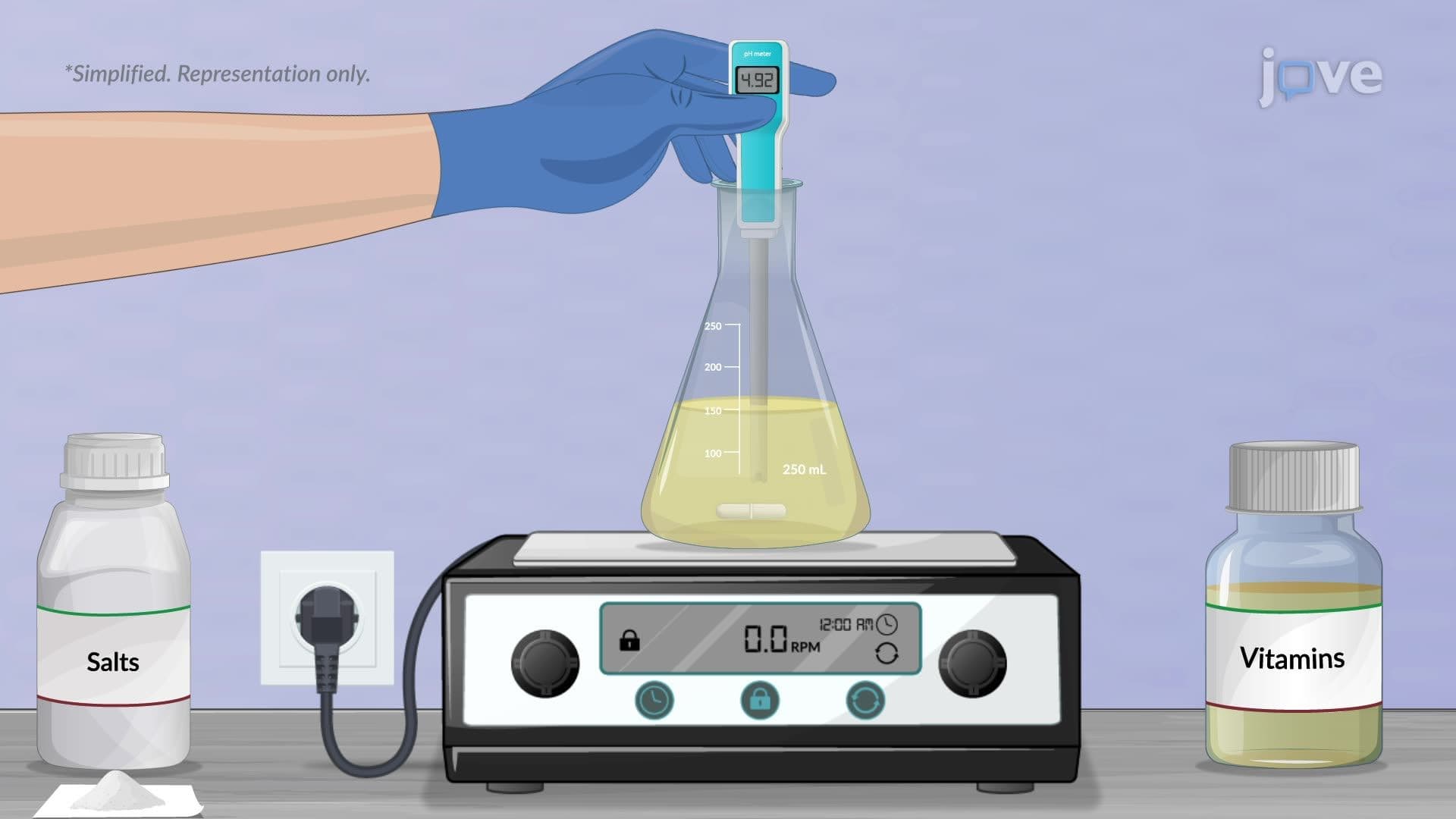
Industrial ethanol production in the United States most commonly uses corn starch as the primary feedstock, a reflection of the country's abundant corn supply, particularly from Midwest states like Iowa and Illinois. However, corn starch cannot be directly fermented. It must first be broken down into simple sugars through enzymatic hydrolysis. Two enzymes drive this process: amylase, which cleaves long starch chains into shorter oligosaccharides, and glucoamylase, which further breaks these fragments into glucose. The resulting sugar-rich mash is then enriched with nitrogen and phosphate to support robust yeast growth, a step that directly influences final ethanol concentration.
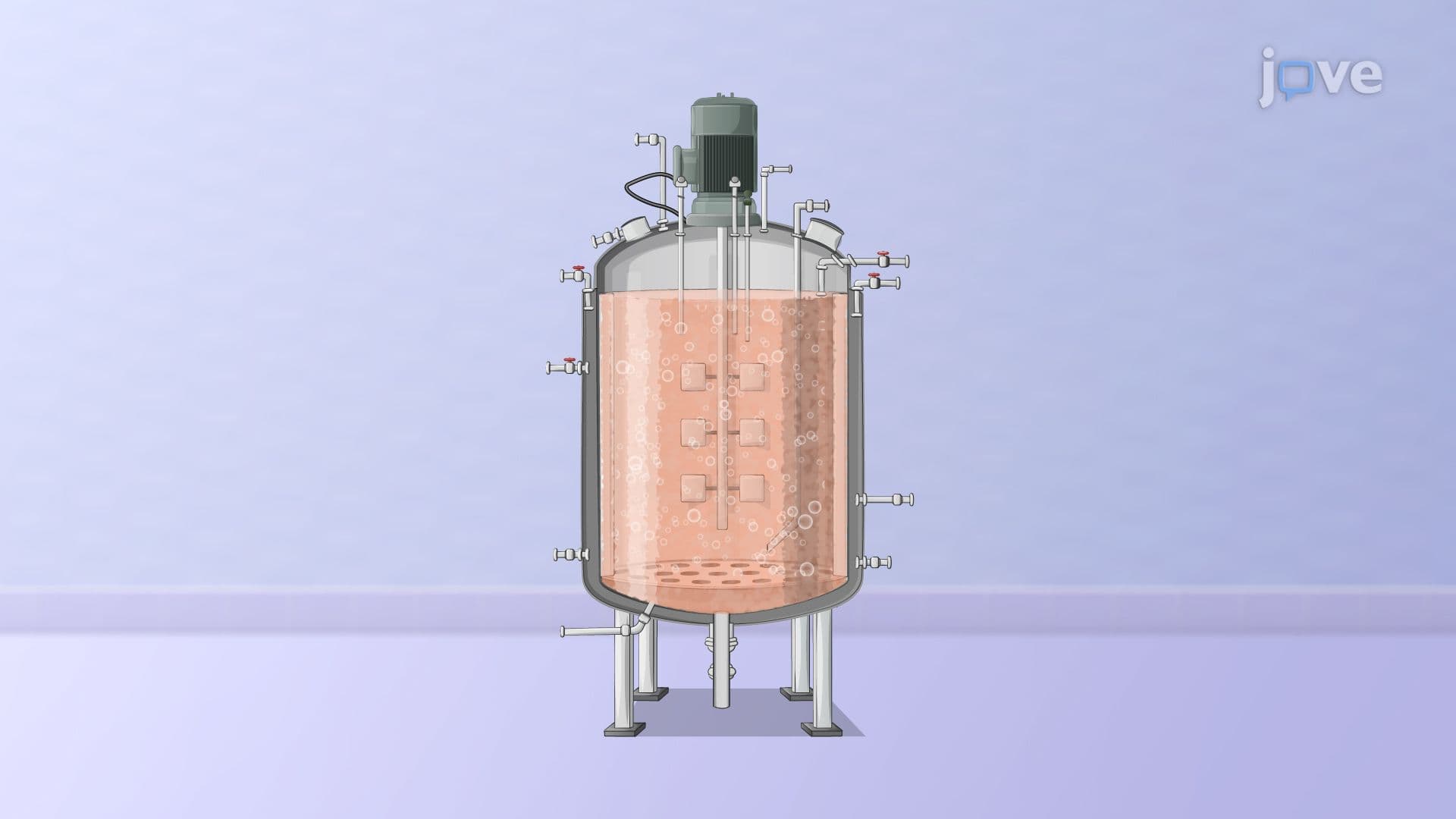
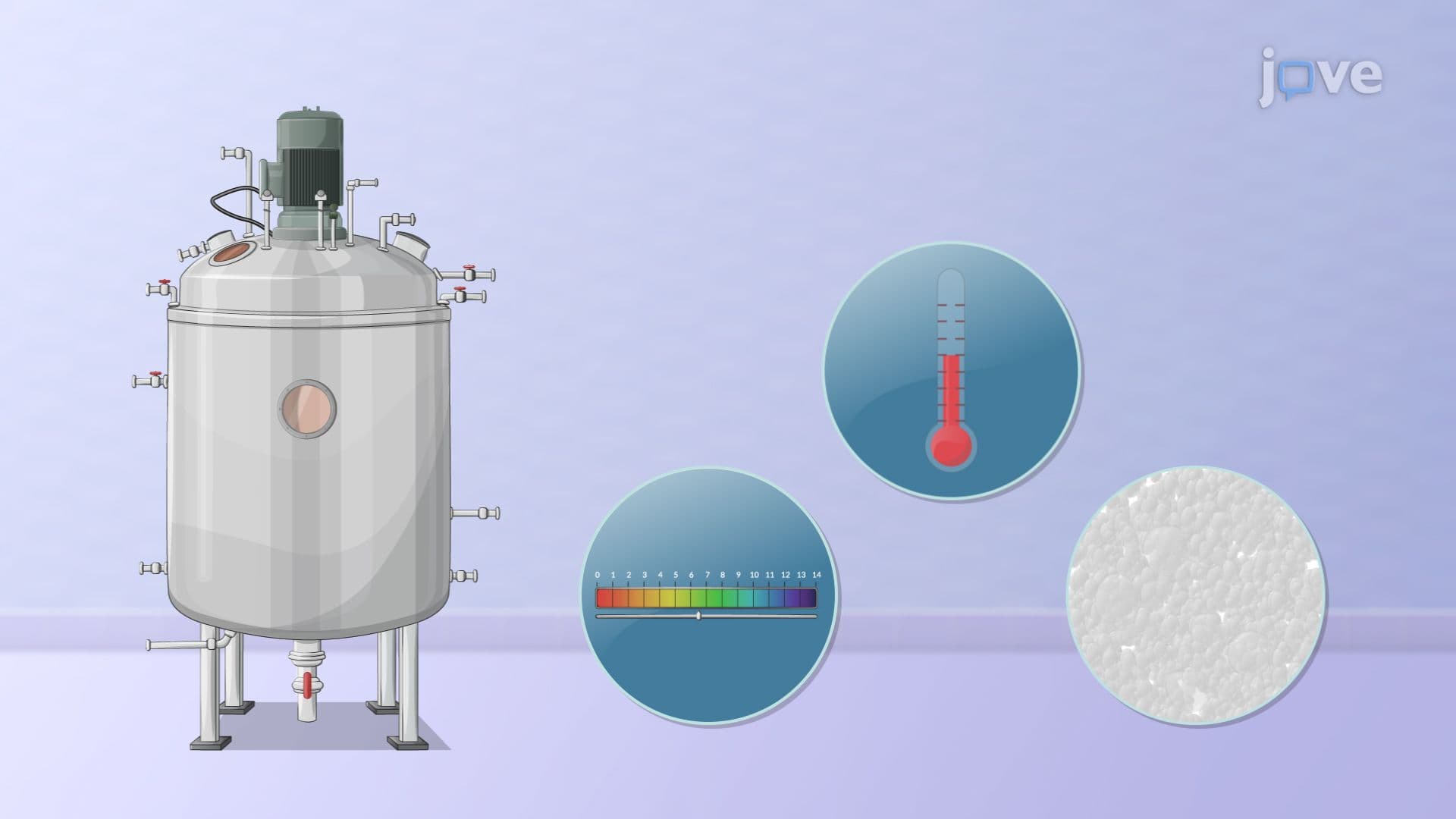
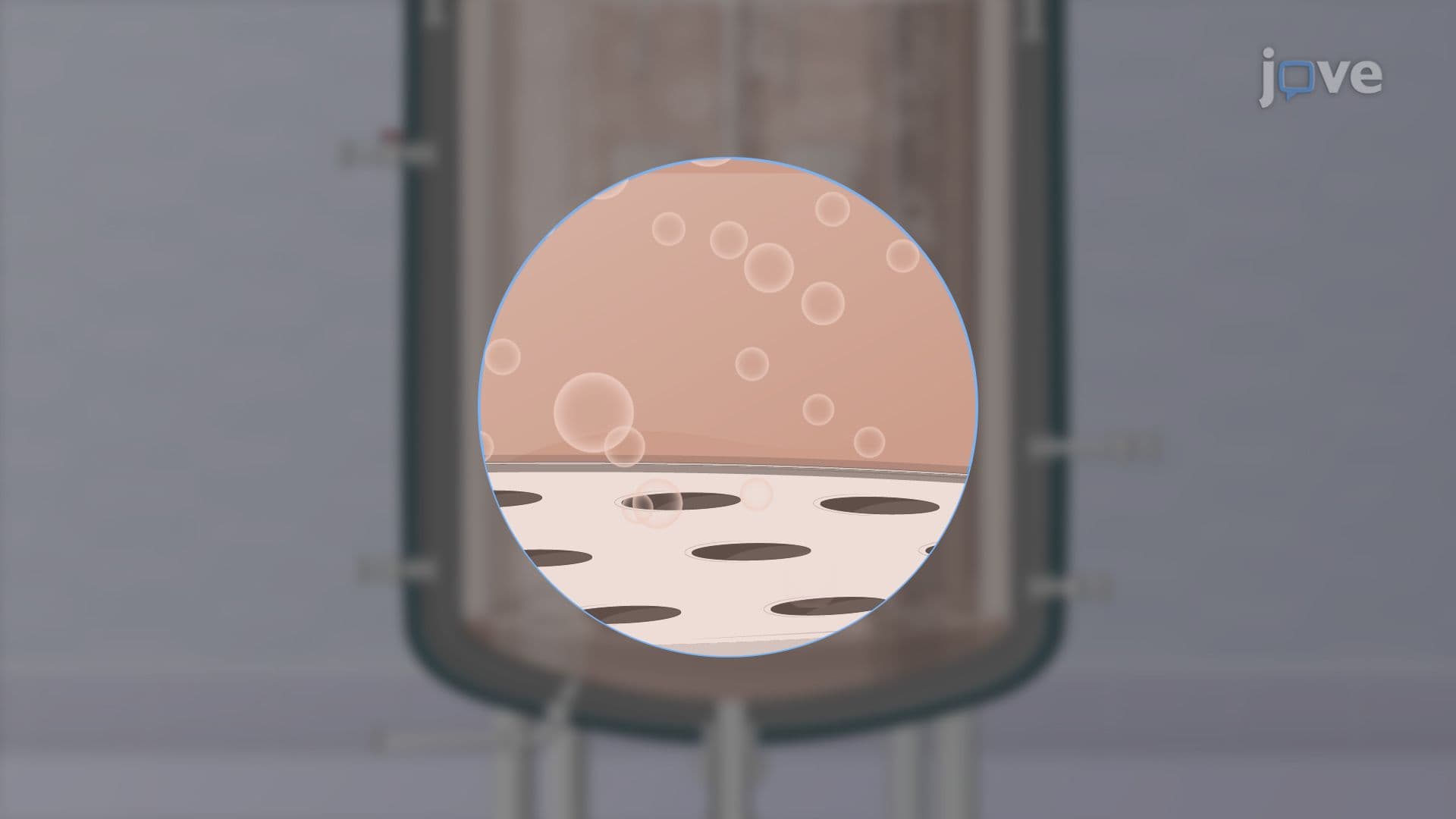
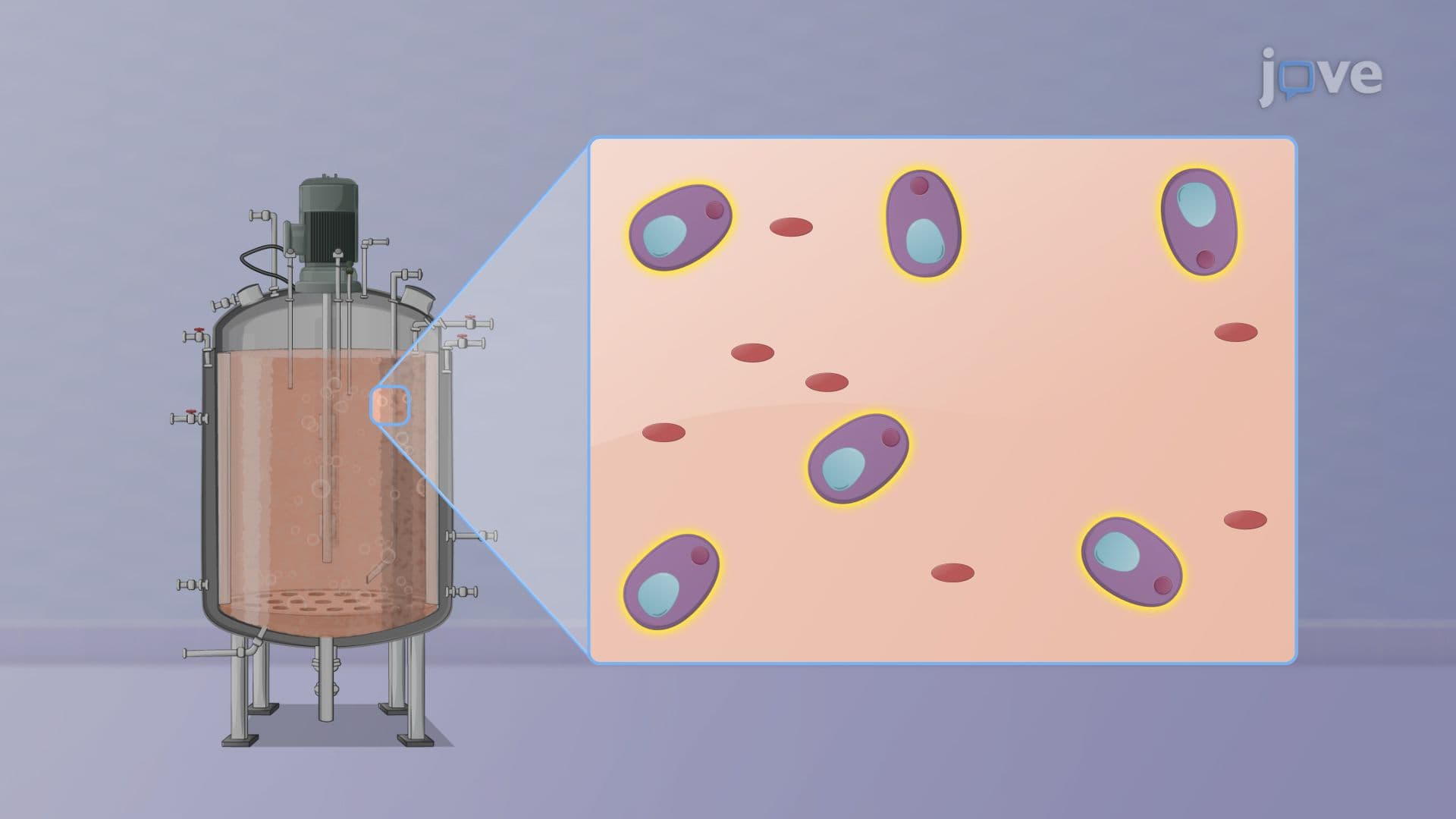
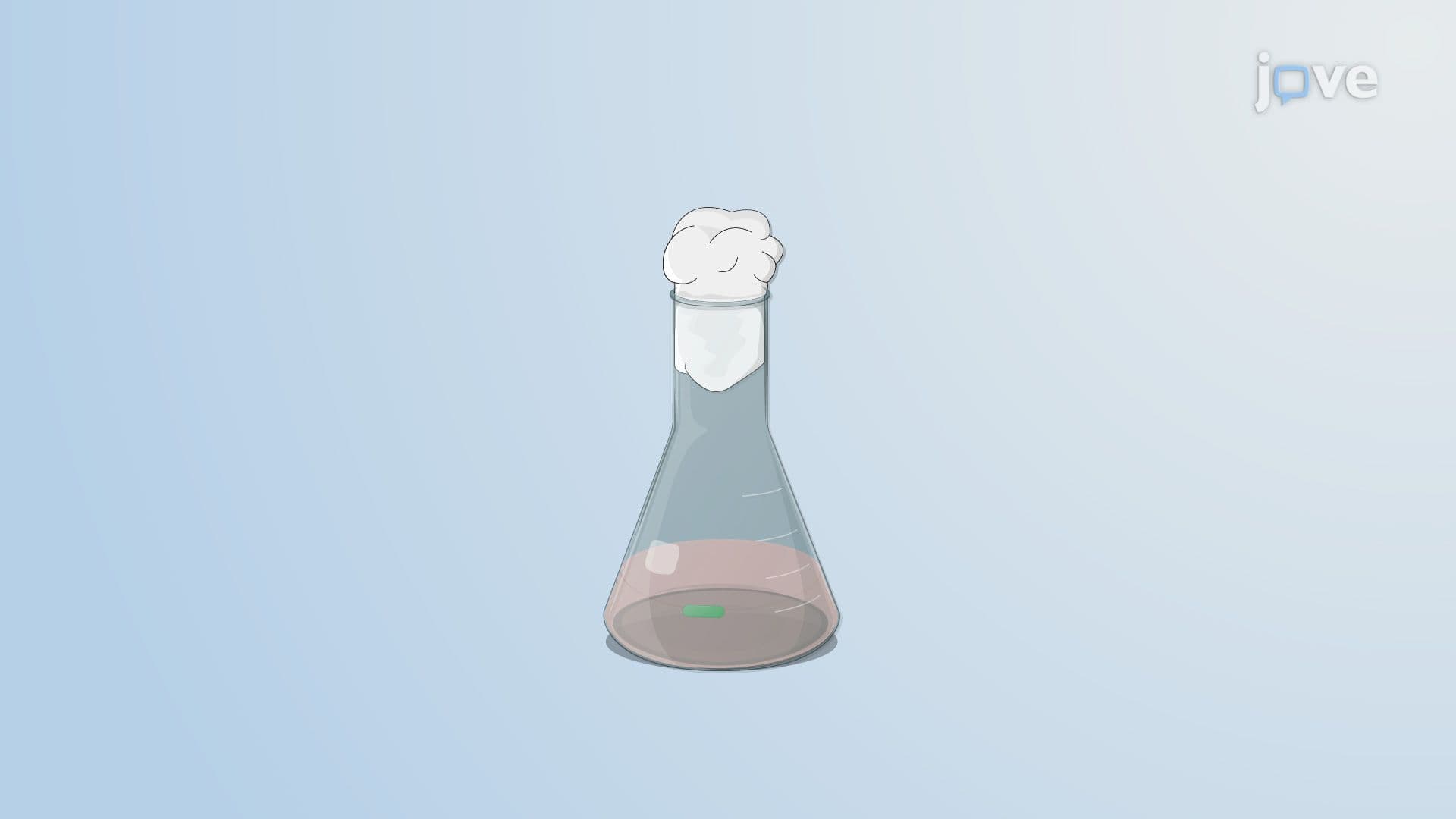
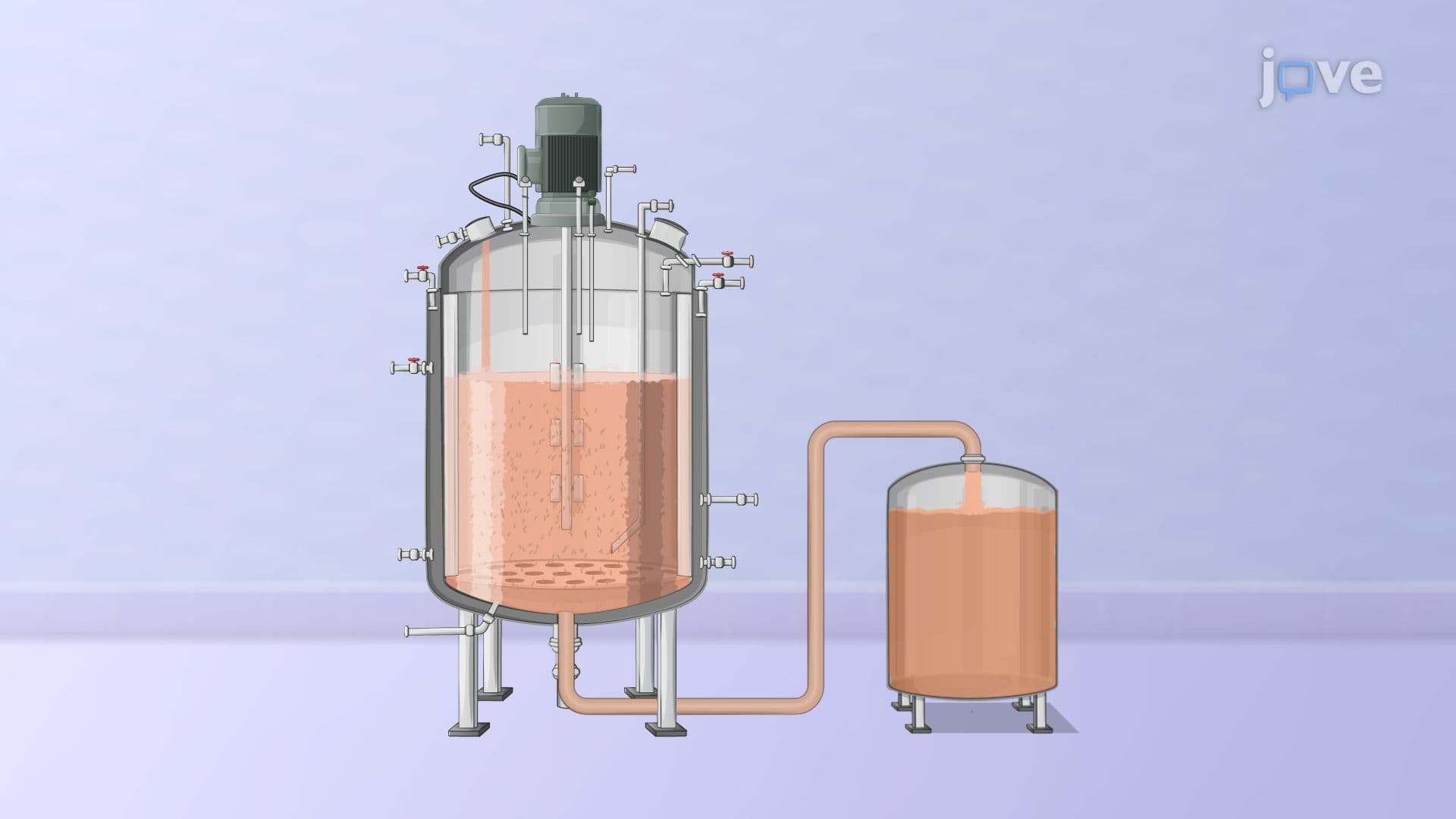
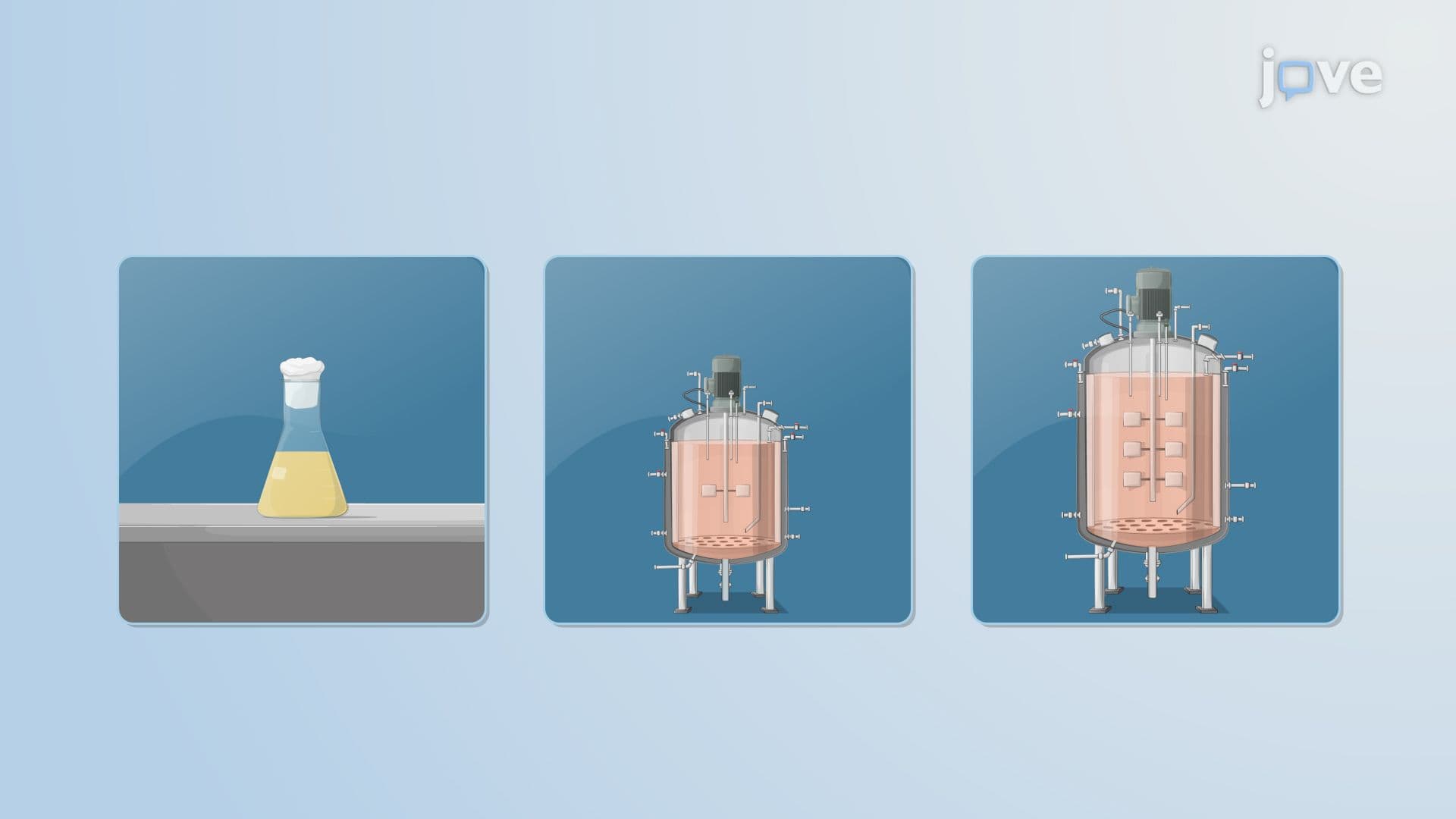
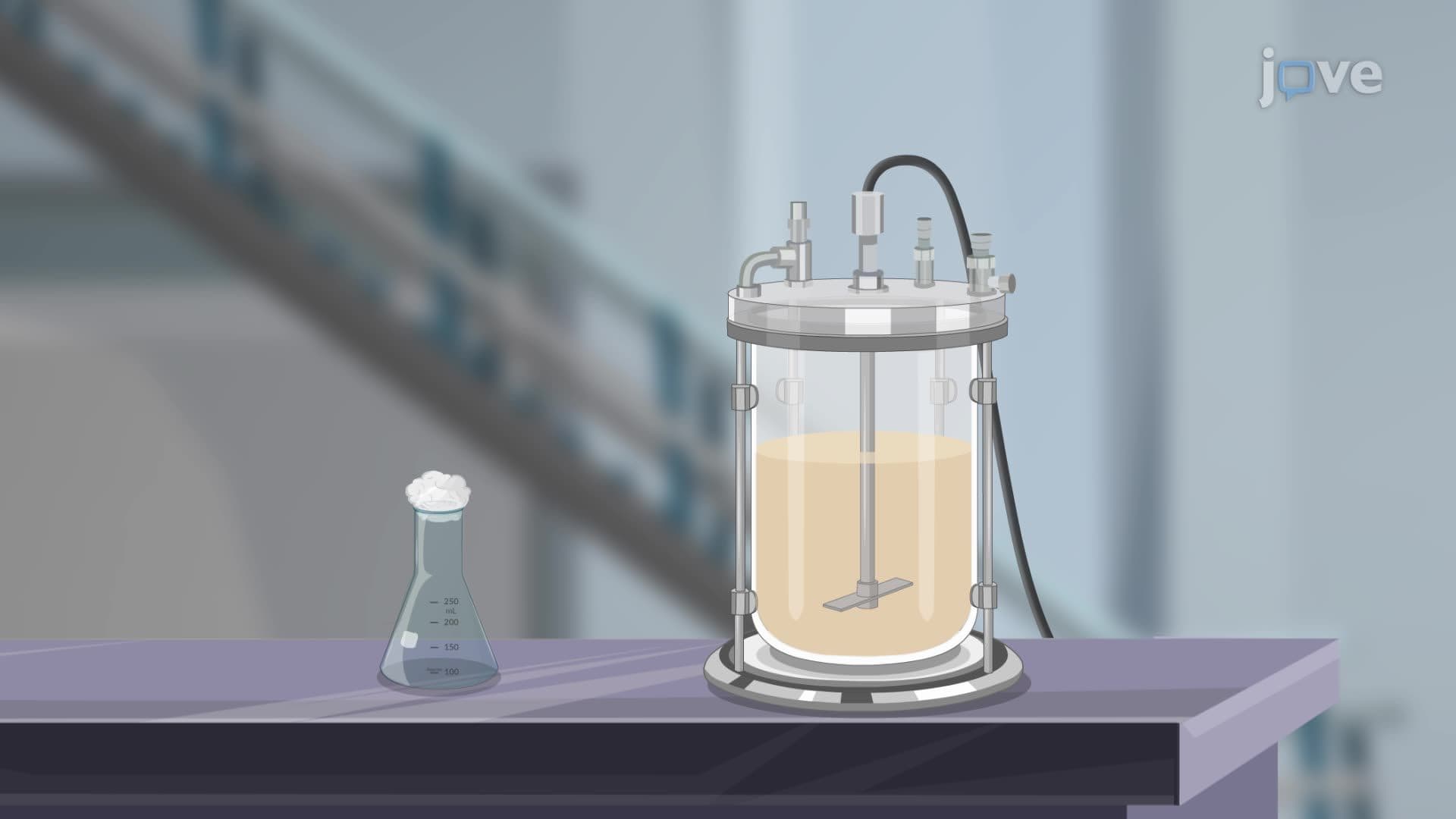
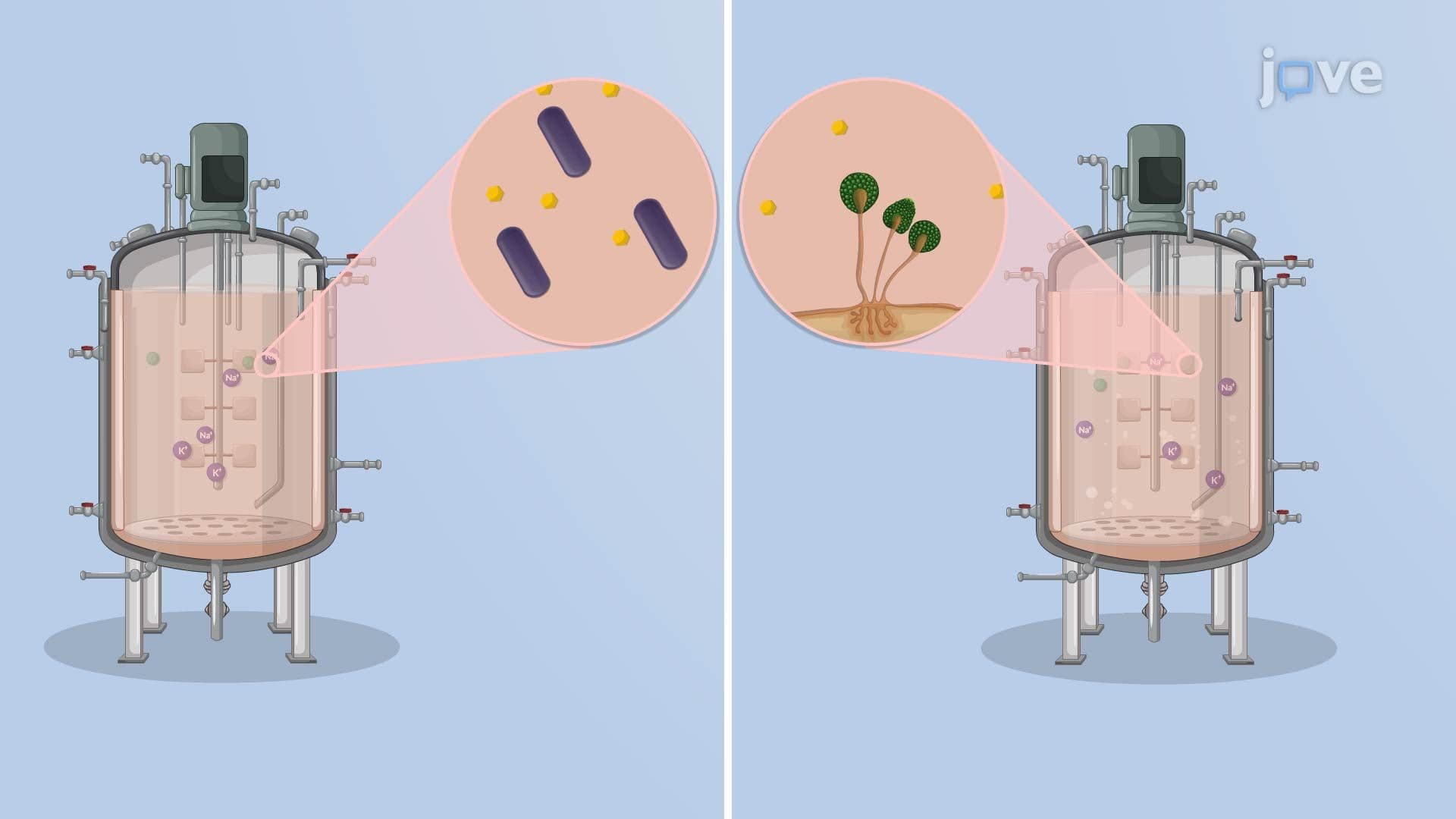
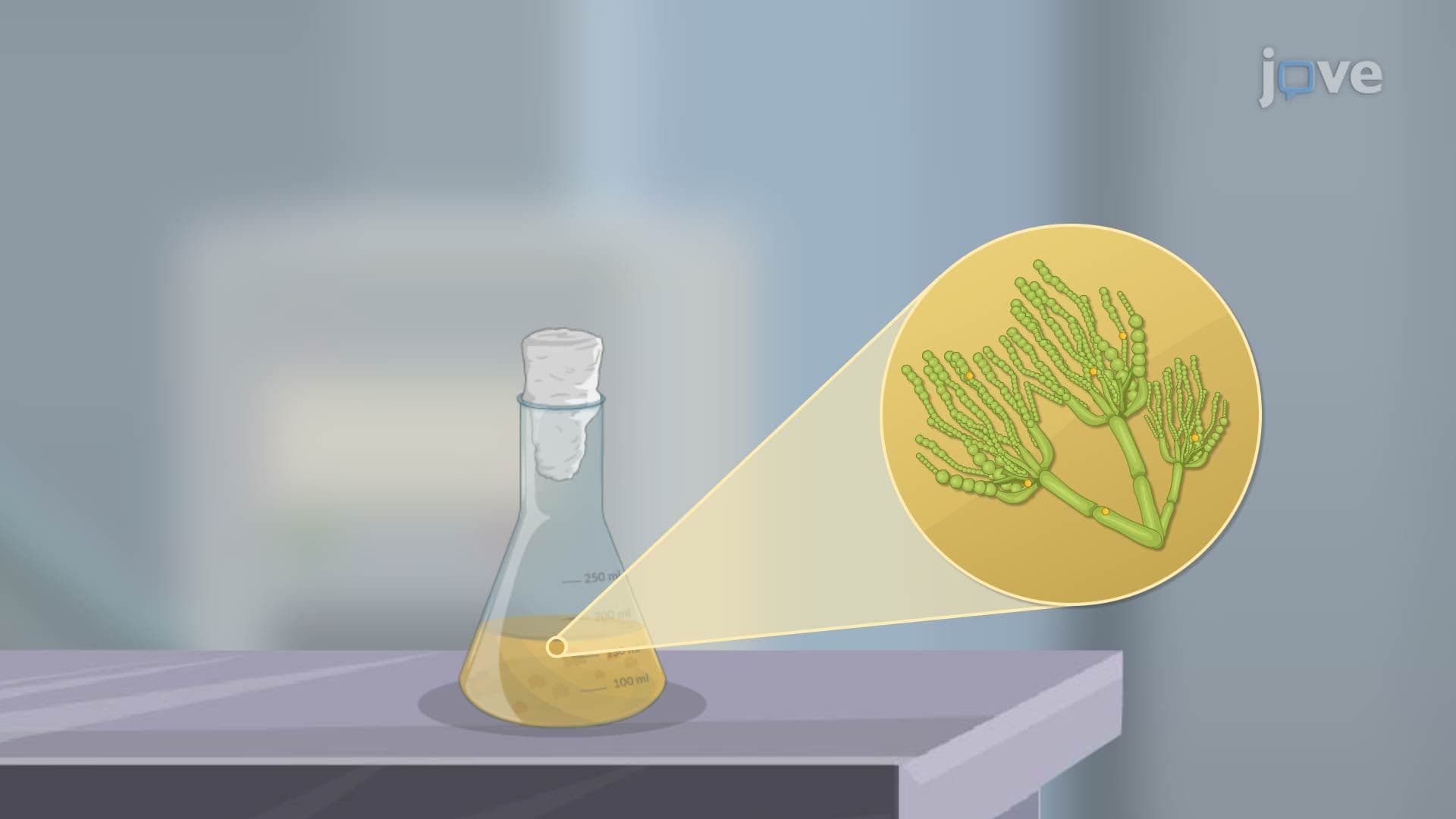
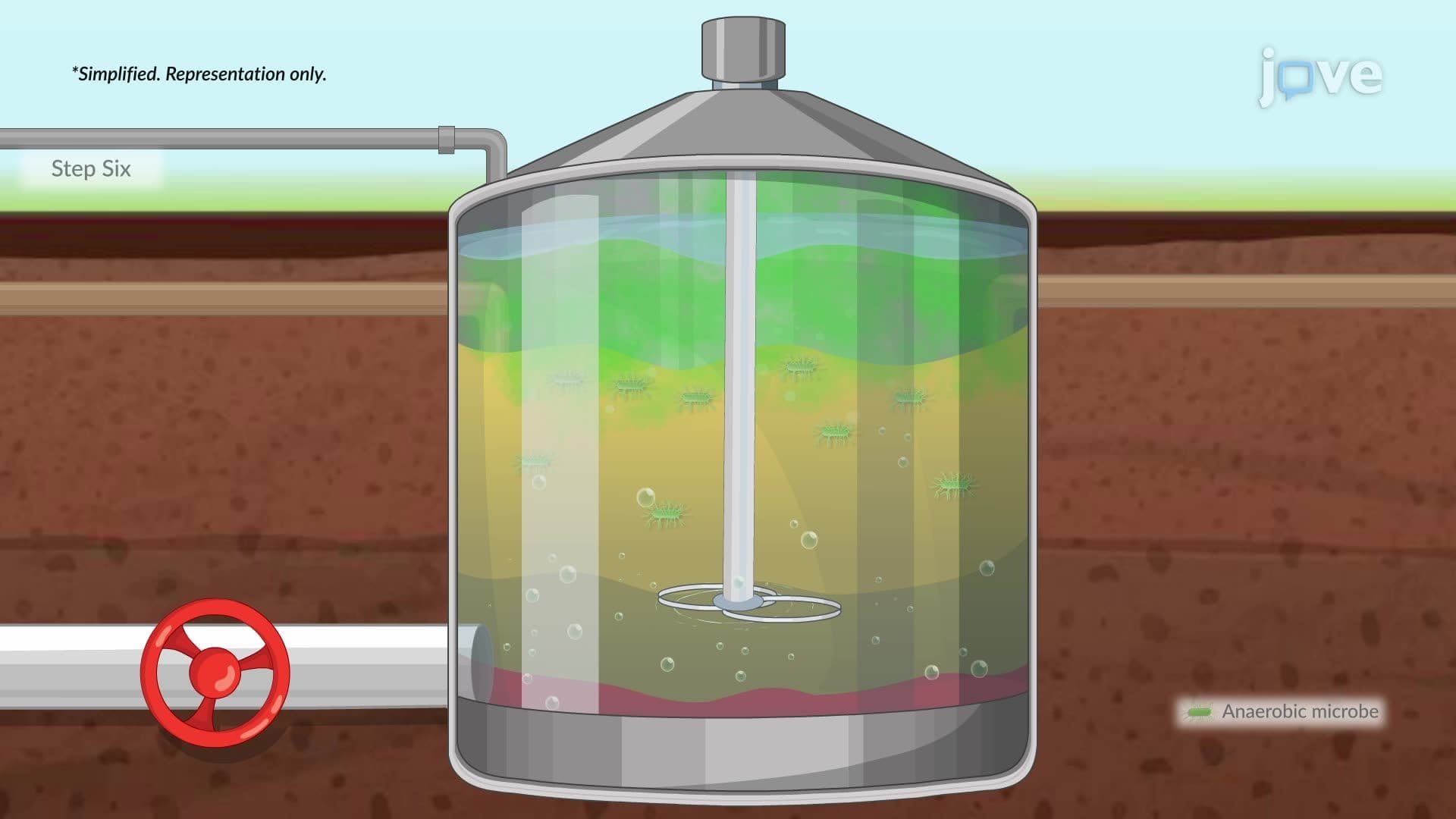
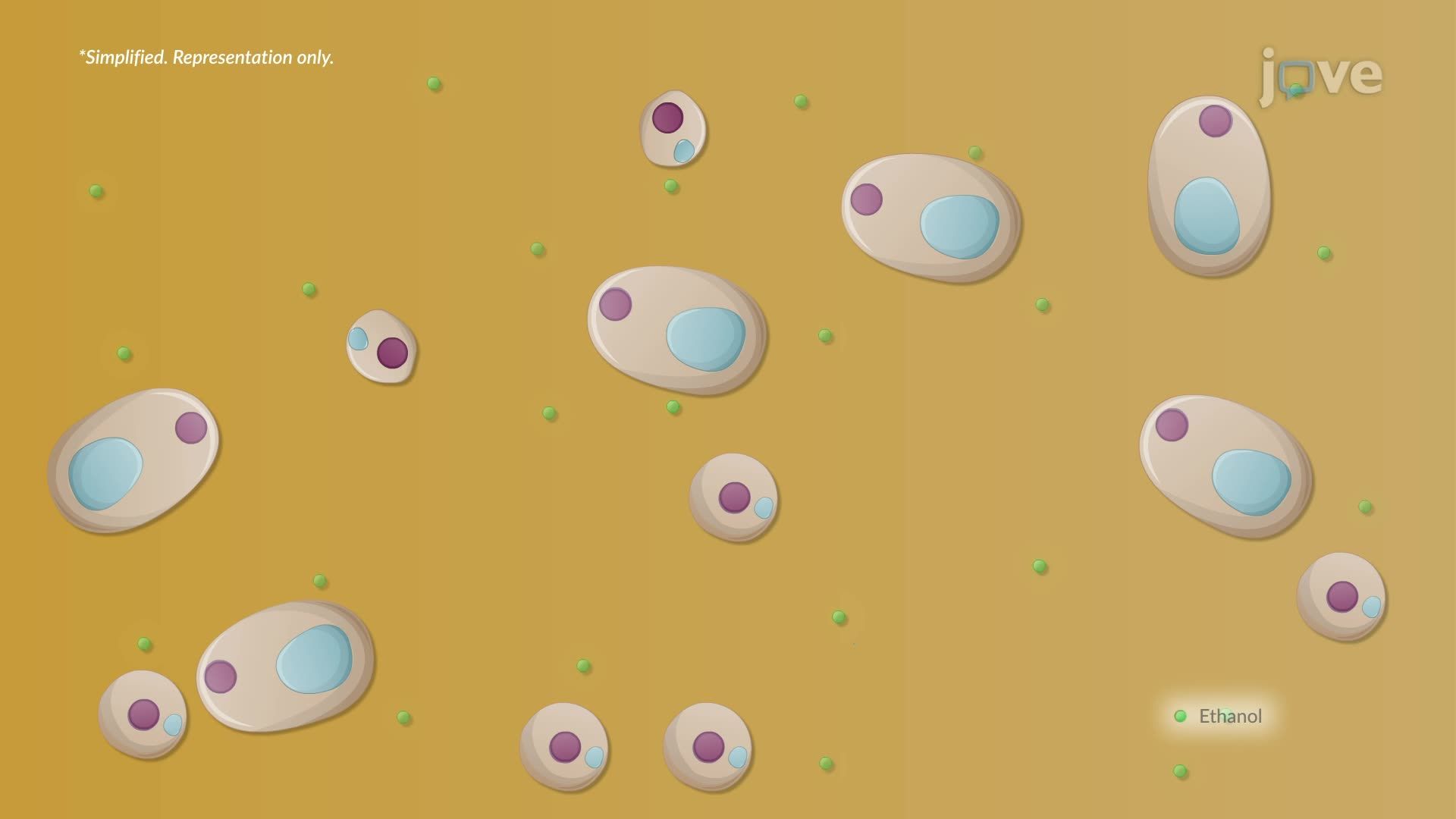
Industrial alcohol production can employ batch, fed-batch, or continuous fermentation systems. In a continuous system, fresh sugar mash is fed into the fermenter at a steady rate while fermentation products are simultaneously withdrawn. This maximizes productivity and reduces downtime compared to batch systems. The yeast strain most commonly used is *Saccharomyces cerevisiae* PE2, selected for its high ethanol tolerance and fermentation efficiency. Maintaining strict aseptic conditions throughout this process is non-negotiable, bacterial contamination introduces competing organisms that consume sugars without producing ethanol, dramatically cutting yields. This trade-off between contamination control and output efficiency is a concept frequently tested in AP Biology and college biochemistry courses.
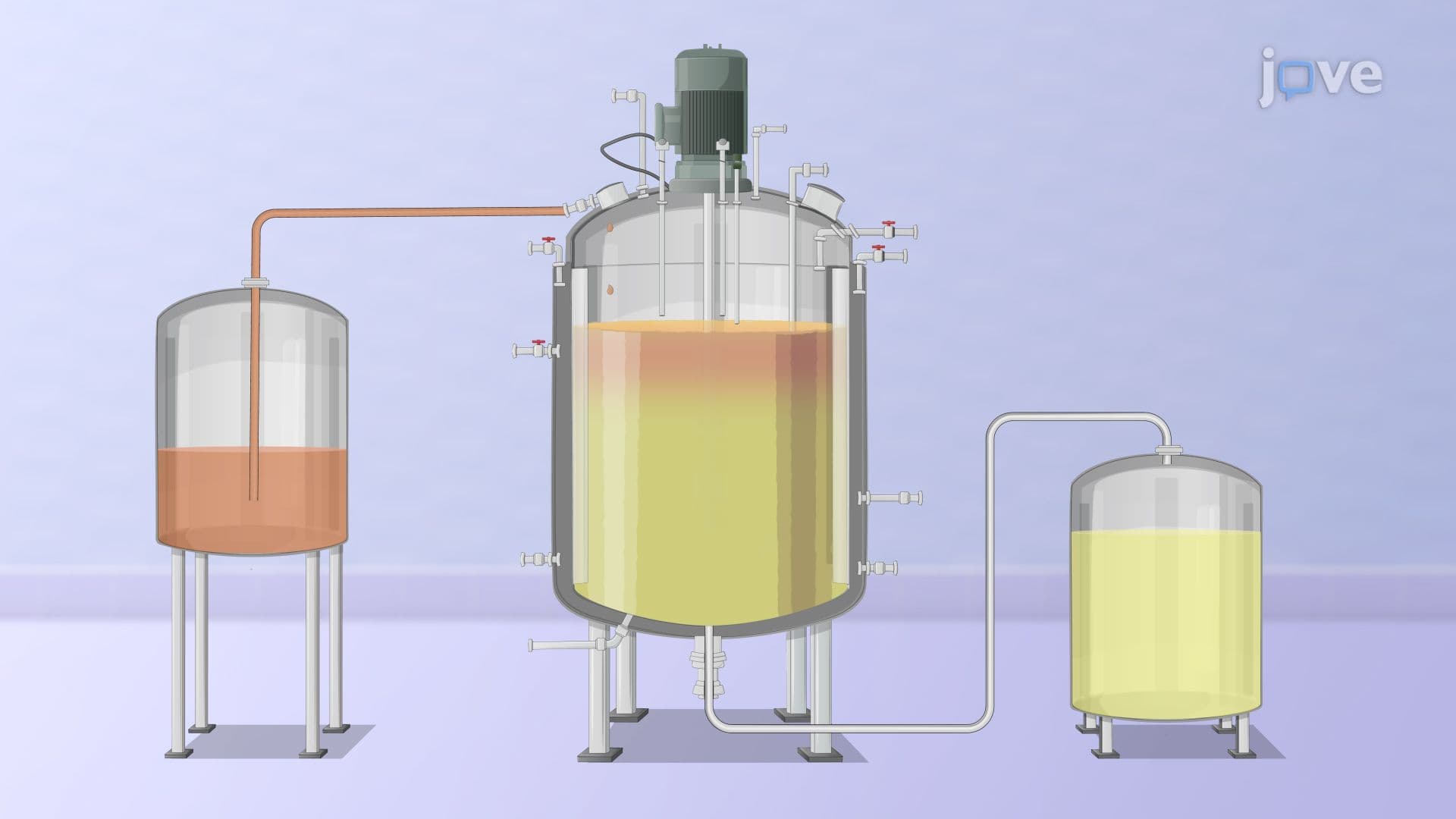
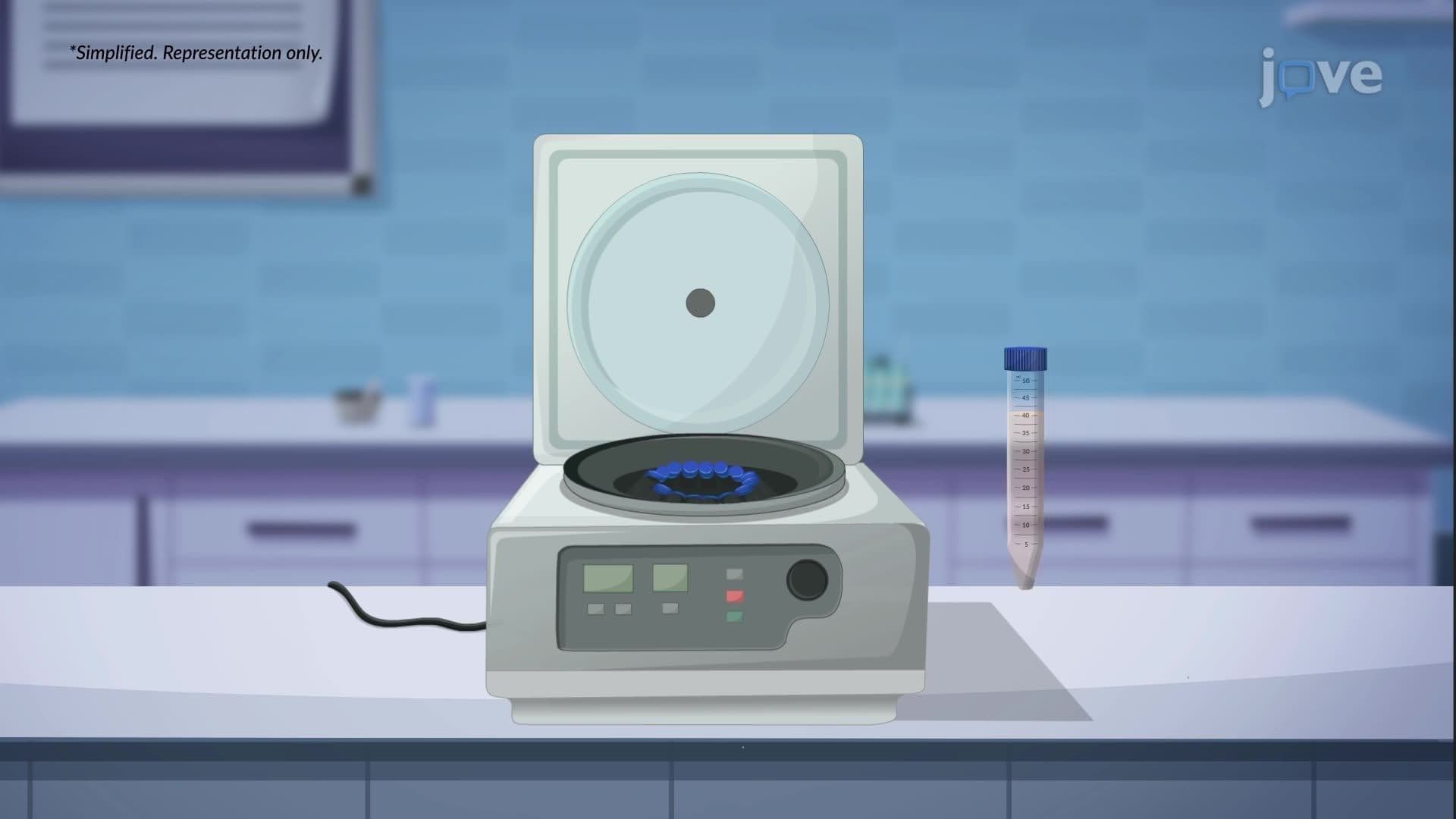
One of the key innovations in modern large-scale fermentation is the cell-retention system. Centrifuges separate yeast biomass from the fermentation broth and recycle it back into the fermenter, keeping cell density high without the need to continuously cultivate new cultures. This reduces lag time and operating costs significantly. The clarified broth, now containing dissolved ethanol, moves to a distillation column, where heating causes ethanol to vaporize before a condenser converts it back to liquid form. Because distillation alone cannot achieve the anhydrous (water-free) ethanol required for fuel blending, a final dehydration step is applied. In the US, this dehydrated ethanol is then blended with gasoline to produce E10 or E85 fuel, directly linking classroom biology to national energy infrastructure.
The production of alcohol is a model system for understanding what industrial microbiology is used for more broadly. The same principles, microbial strain selection, aseptic technique, fermentation optimization, and downstream processing, apply directly to antibiotic production, enzyme production, and even recombinant DNA technology in industry. For example, the fermentation logic behind ethanol synthesis mirrors processes used to manufacture penicillin or insulin. Students preparing for the MCAT or college midterms in microbiology should recognize these shared frameworks, as exam questions frequently ask students to transfer knowledge across these related industrial applications.
Related Micro-courses