Loading video…

 22 Concepts
 3.7K views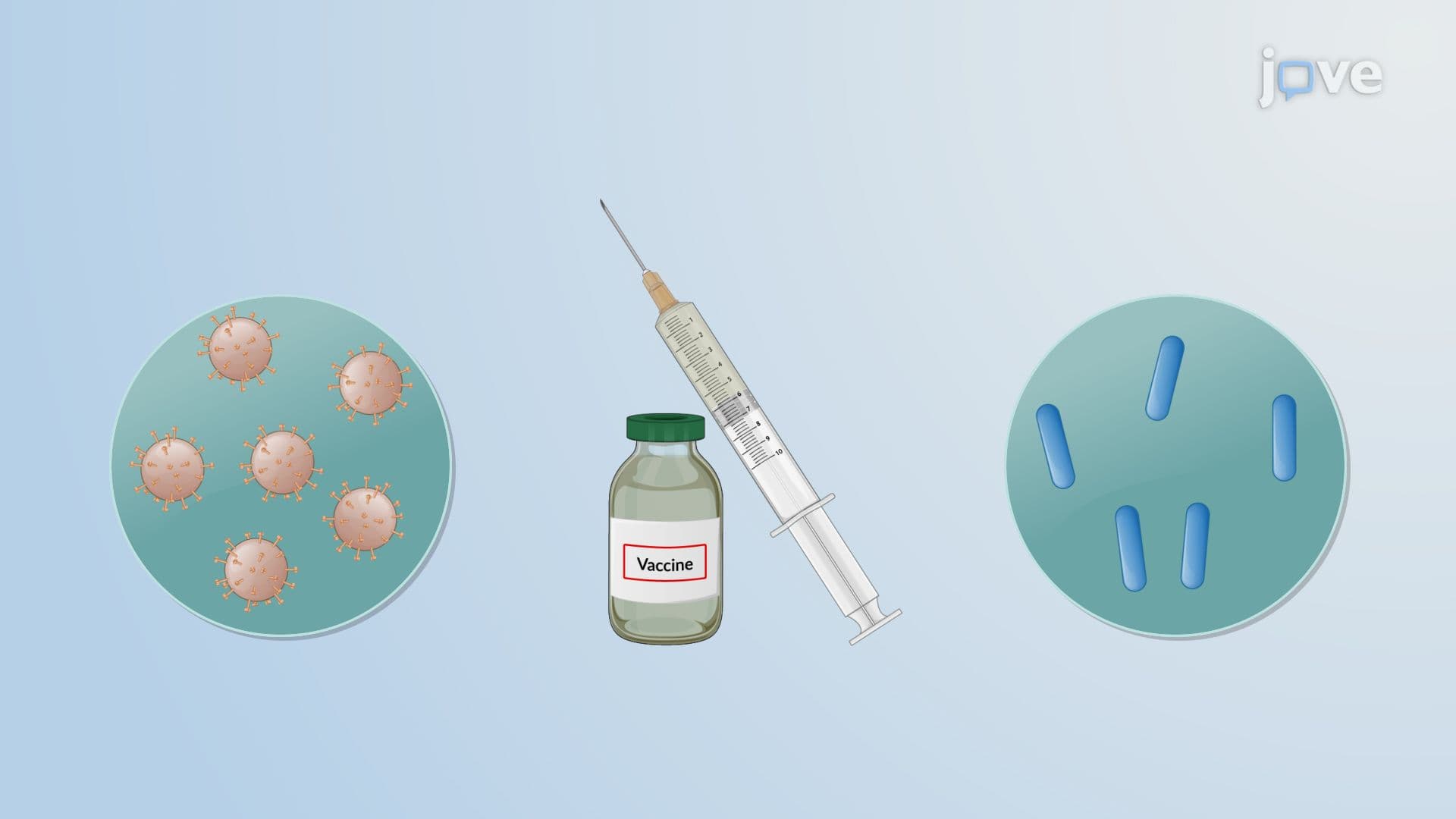

Video Summary: What Is Vaccine Production
Ever wondered how the flu shot in your arm was actually made? Vaccine production is the multi-step biological manufacturing process that transforms pathogens into life-saving immunizations, used by companies like Pfizer and Moderna across the US. Viral vaccines are grown in bioreactors, while bacterial vaccines rely on fermentation and inactivation techniques. Watch the full video on JoVE Coach to master this concept with expert-led visuals and step-by-step explanations.
Vaccine production is the scientifically controlled process of generating, purifying, and formulating antigens, the molecular signals that teach your immune system to recognize a threat without causing disease. Far from a simple process, it integrates microbiology, biochemistry, and bioengineering across multiple production stages. Understanding this process is essential for students in AP Biology, college Microbiology, and anyone preparing for the MCAT or USMLE.
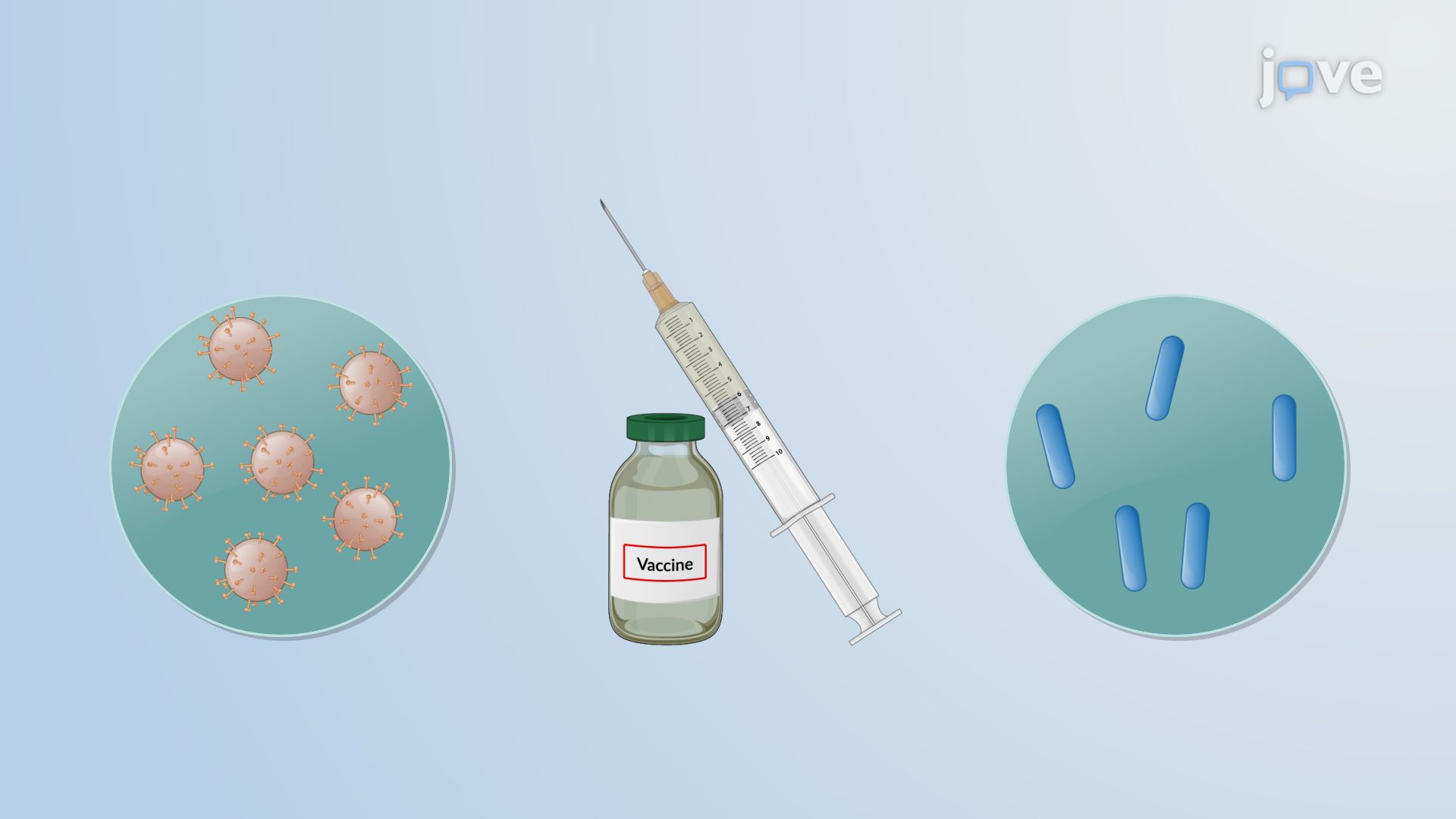
The first major distinction in vaccine production is whether the antigen source is a virus or a bacterium, because each requires a fundamentally different cultivation strategy.
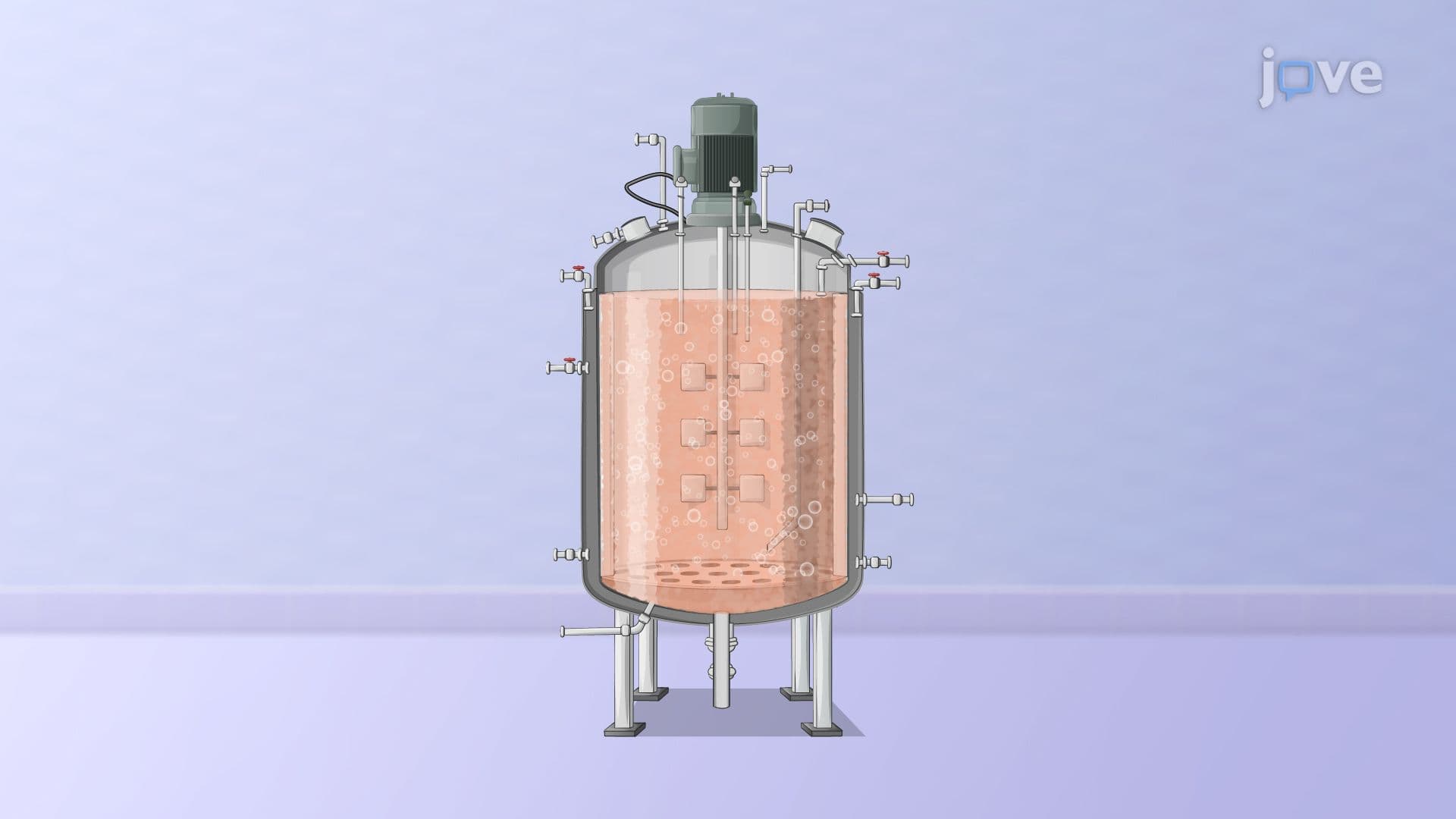
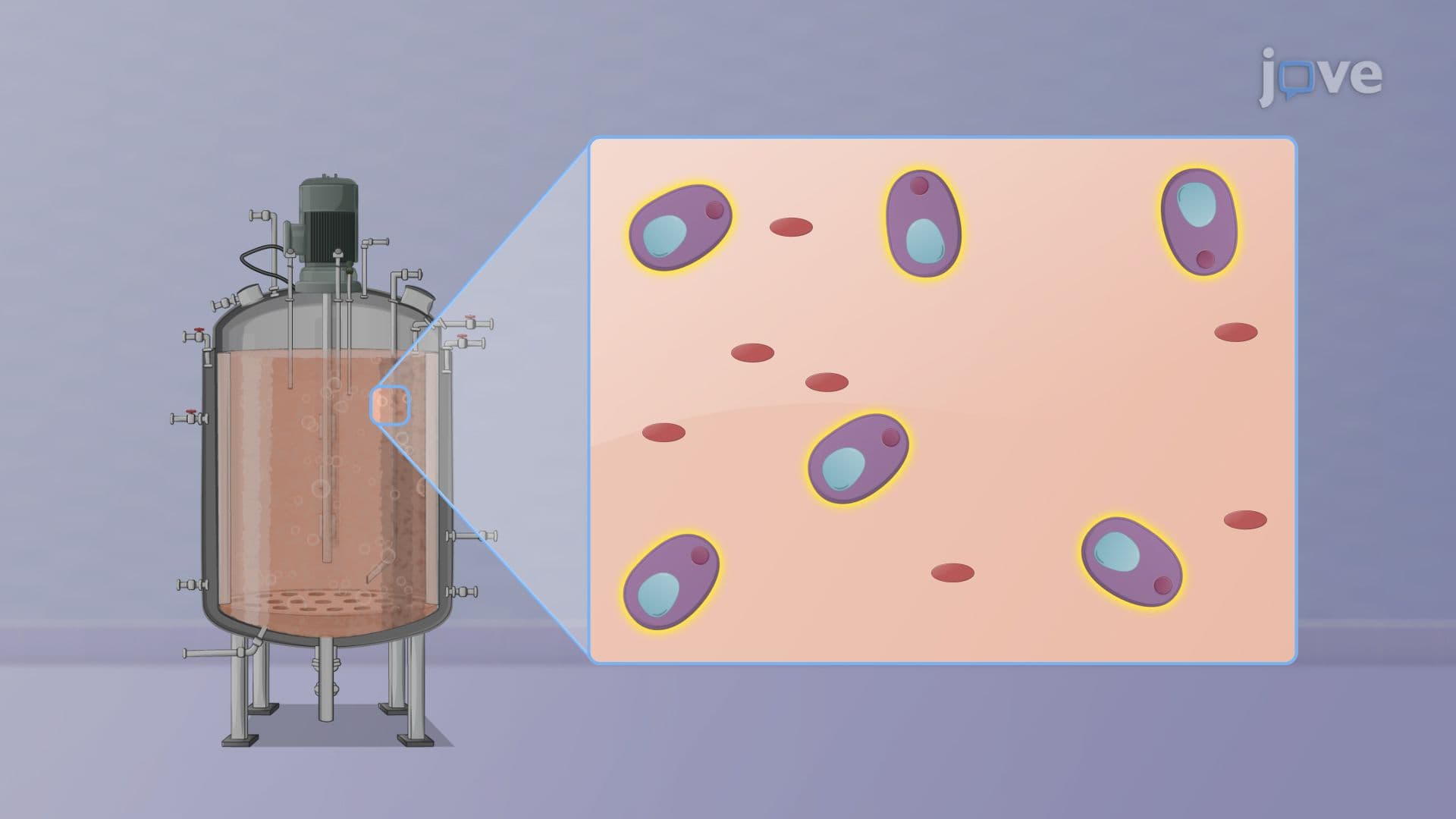
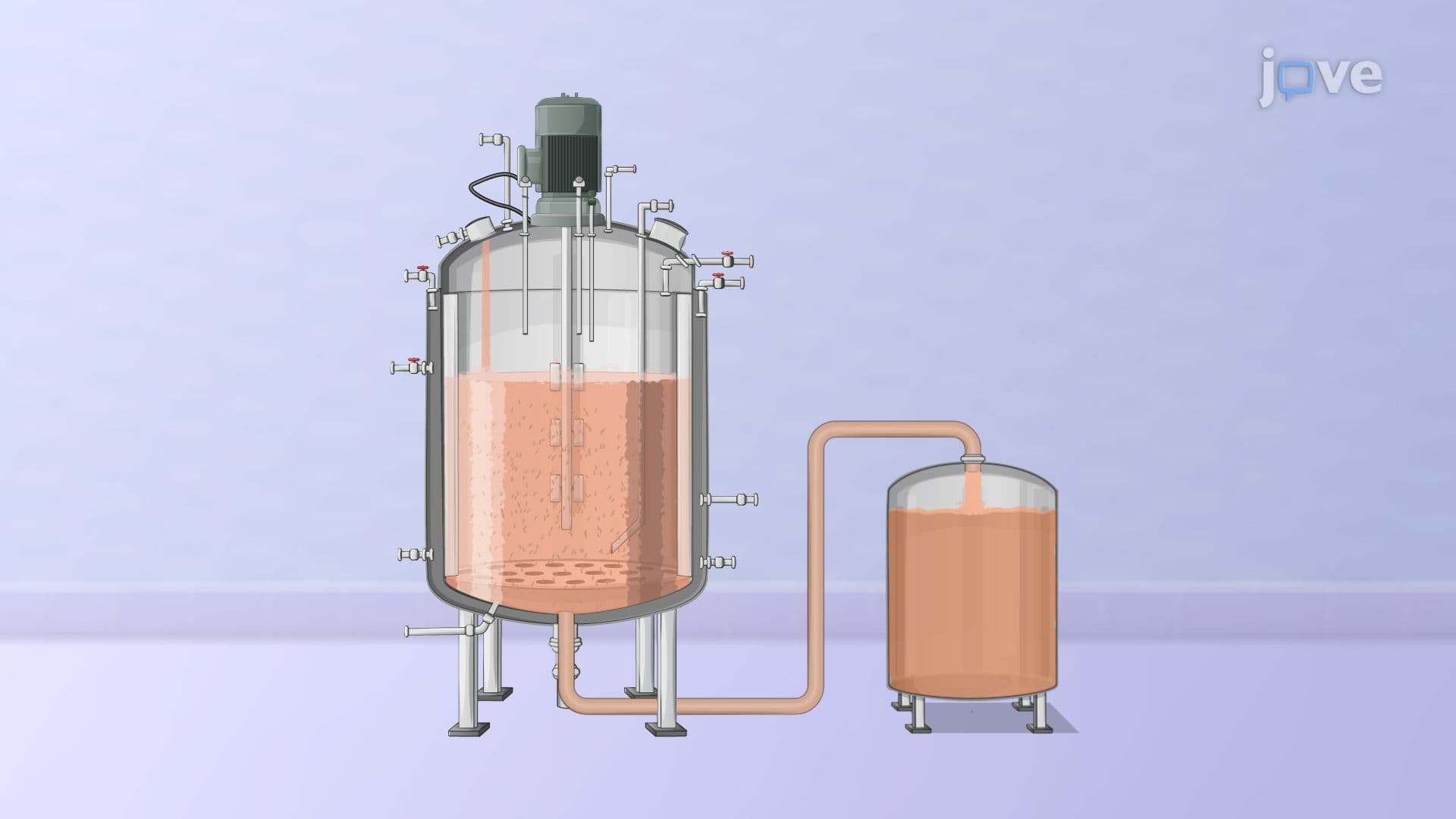
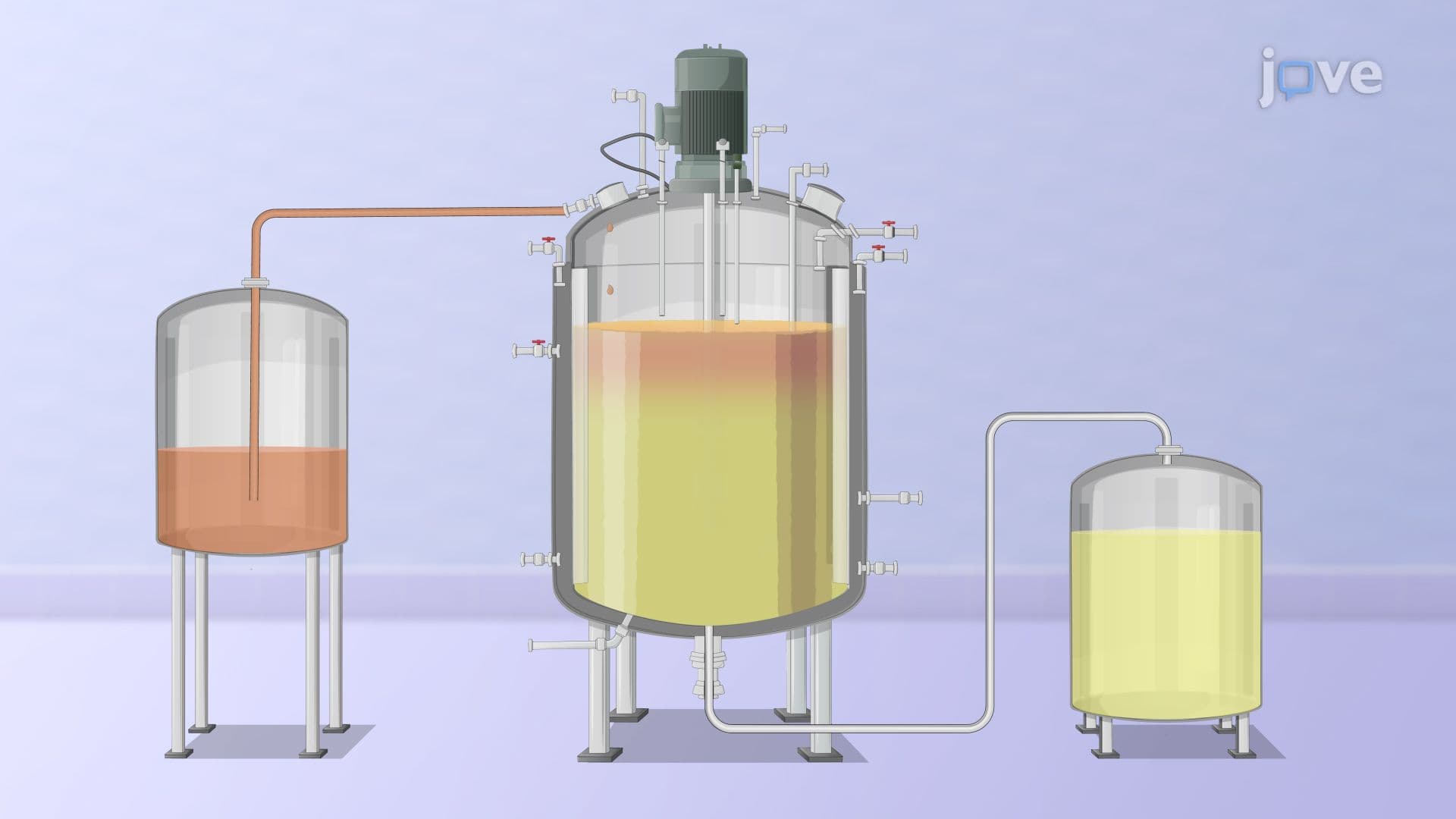
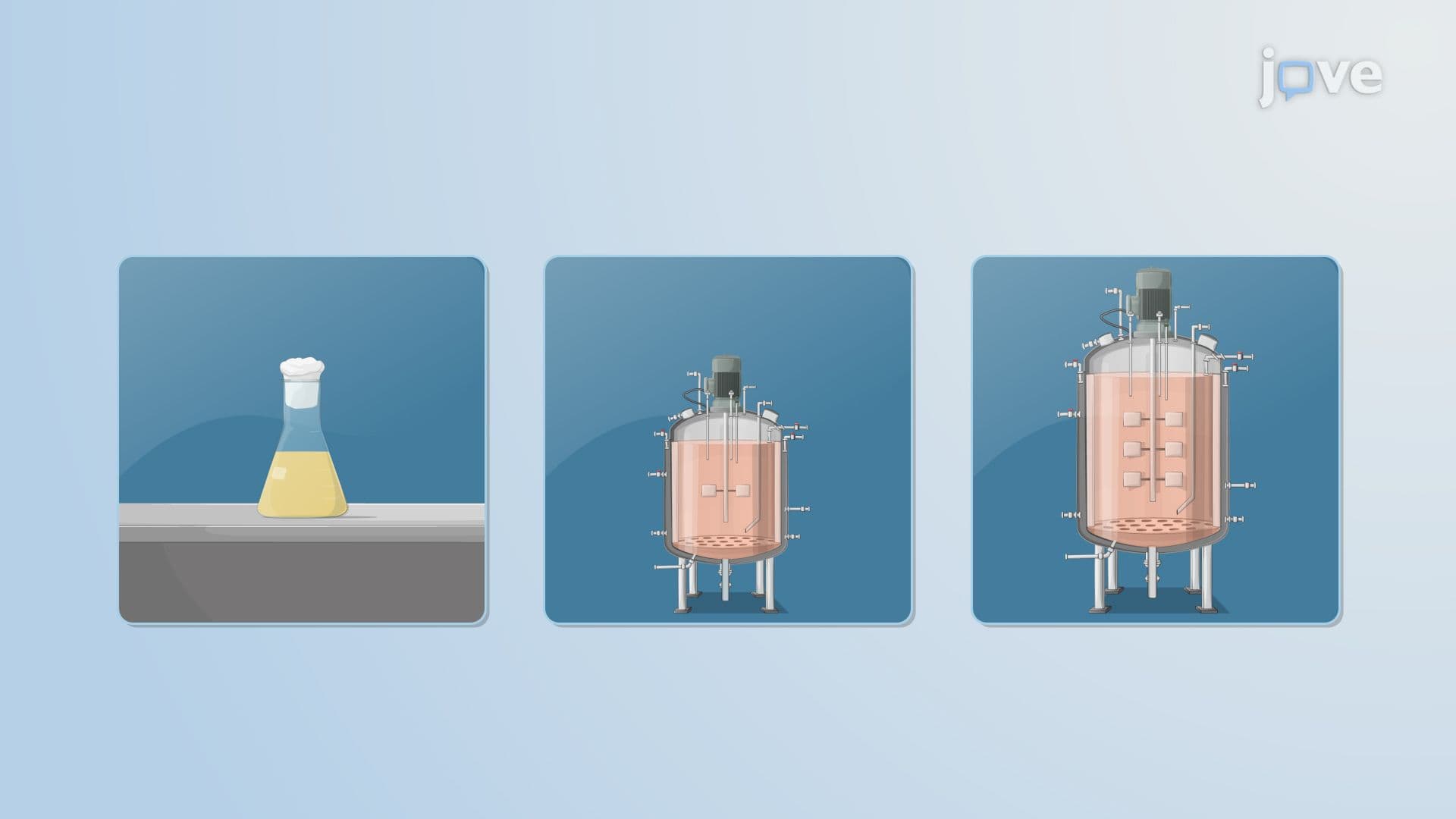
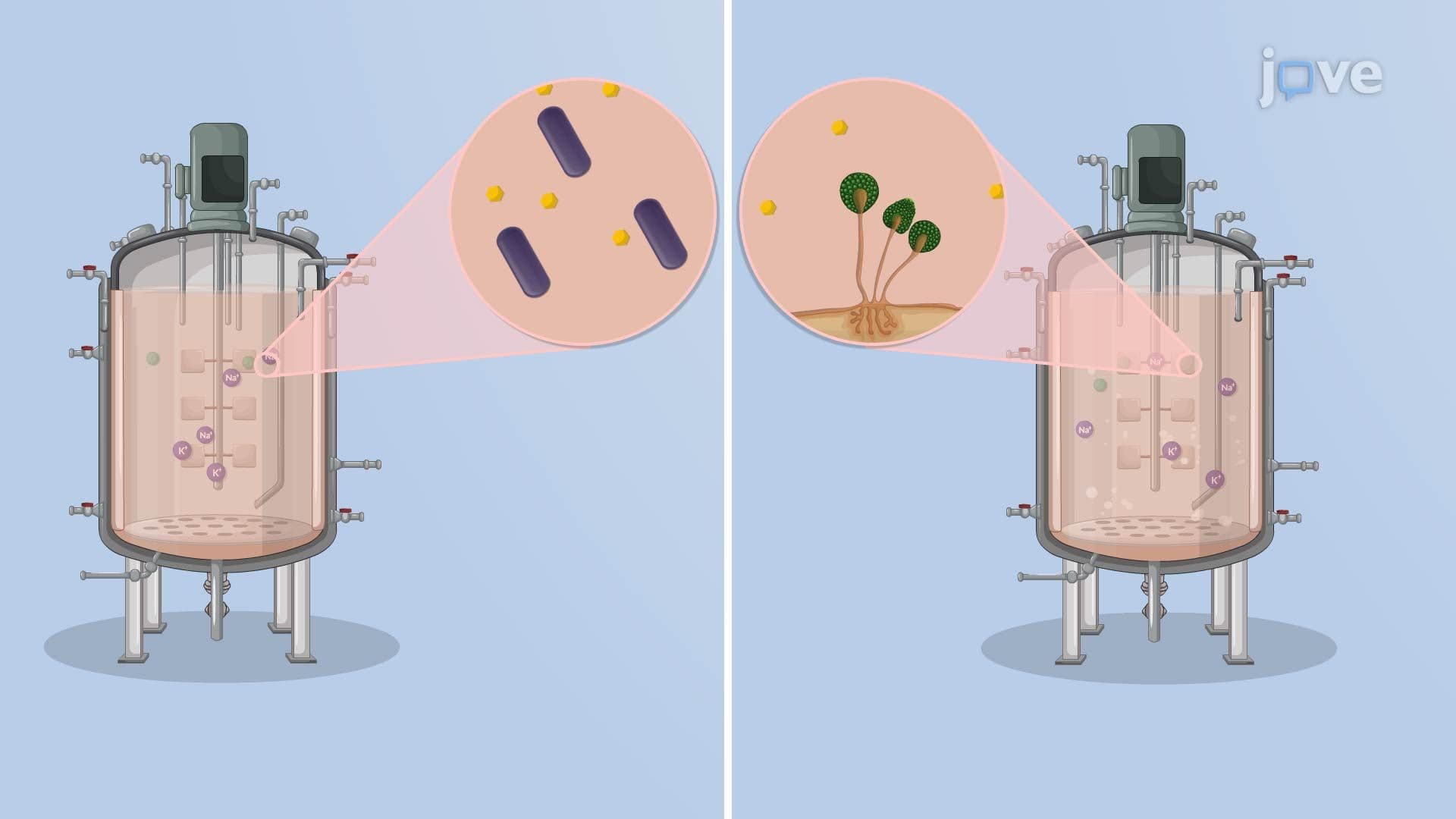
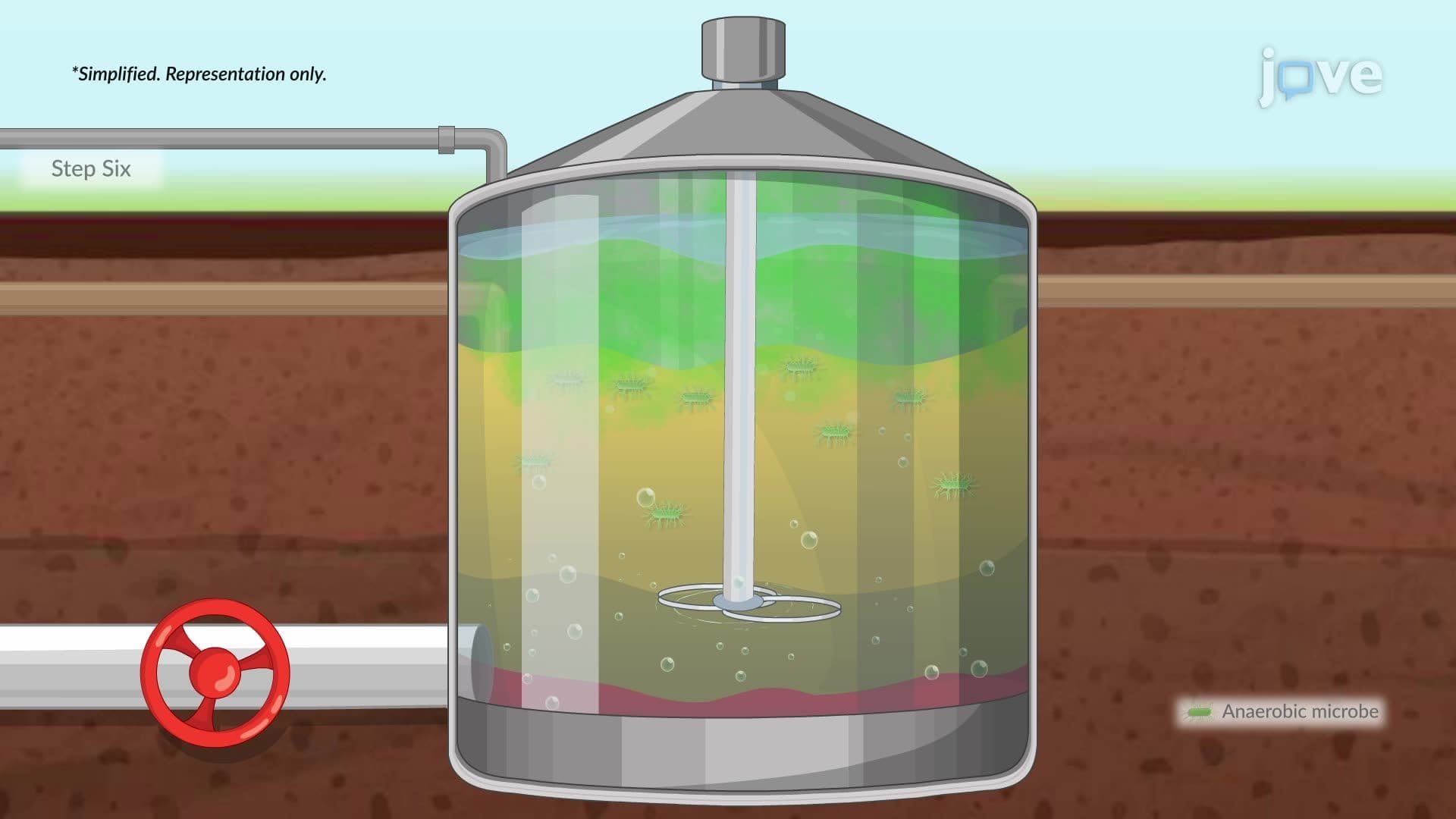
For viral vaccines, viruses cannot reproduce on their own, they need living host cells. In industrial settings, mammalian cells are grown in large bioreactors and deliberately infected with the target virus. As the virus hijacks host cell machinery to replicate, it produces millions of viral copies. The host cells are then lysed, intentionally broken open, to release the accumulated viral particles into a mixture that undergoes clarification to remove cellular debris. This bioreactor-based approach is used in producing influenza vaccines at US facilities operated by manufacturers like Sanofi Pasteur.
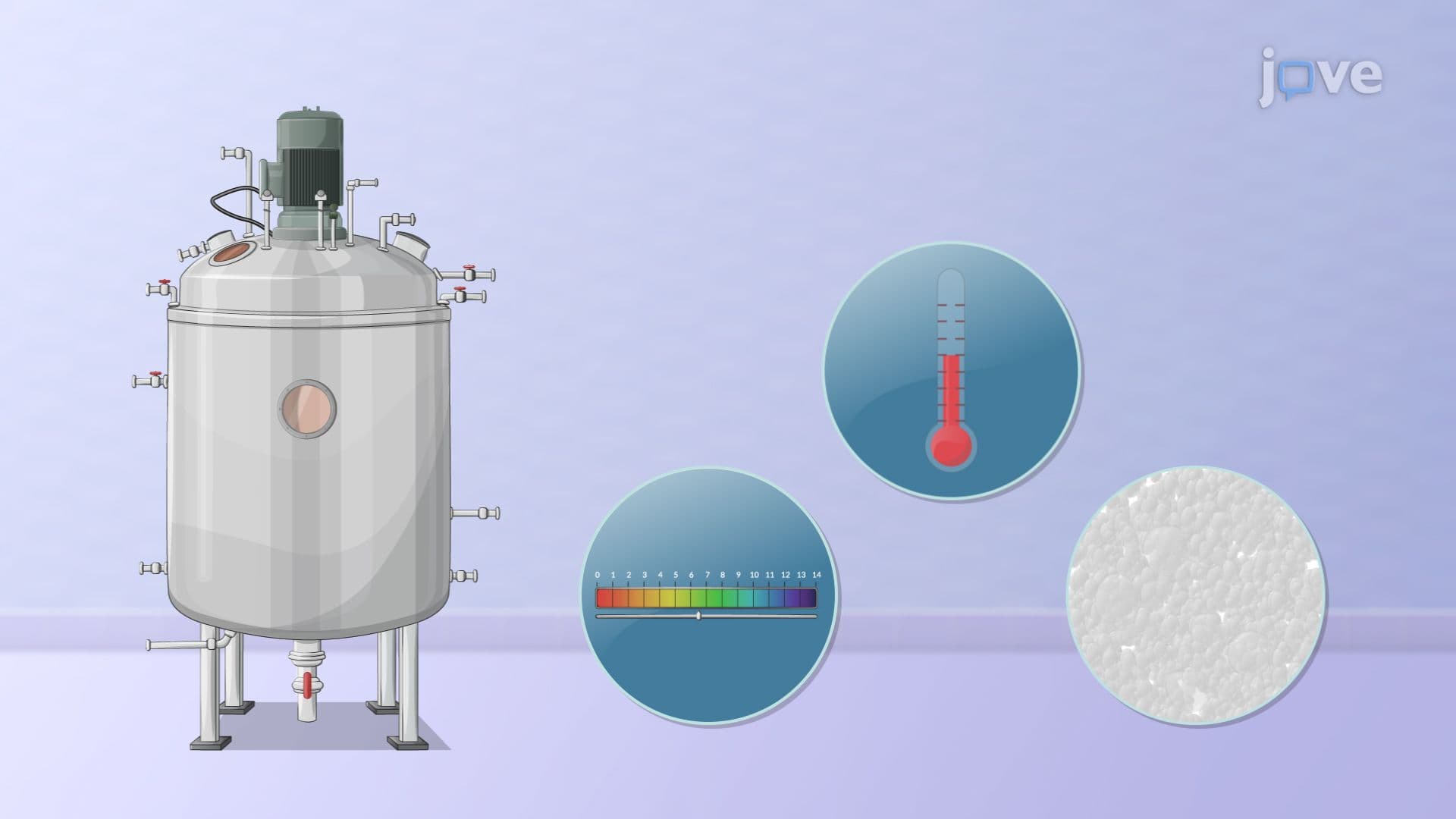
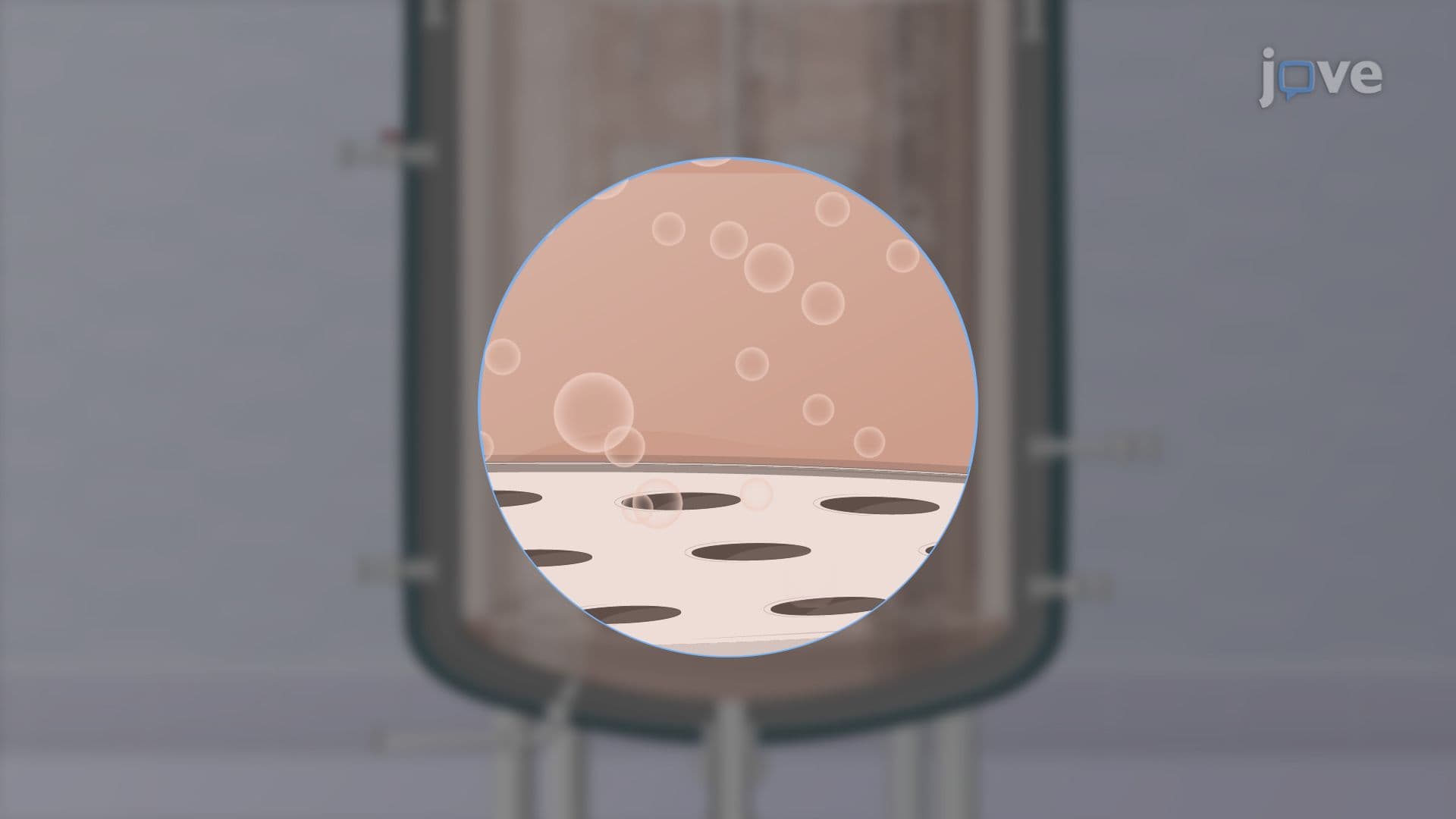
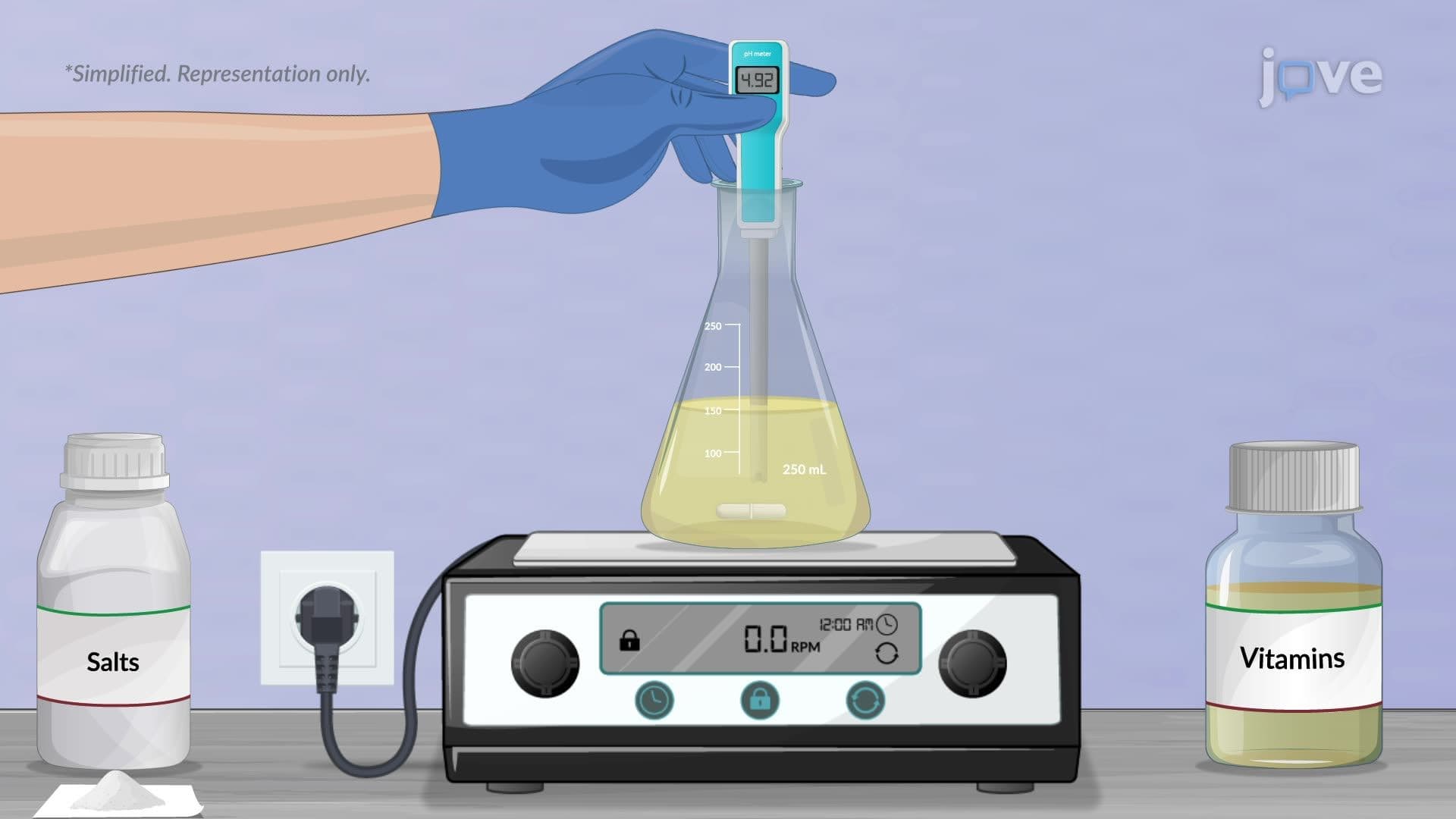
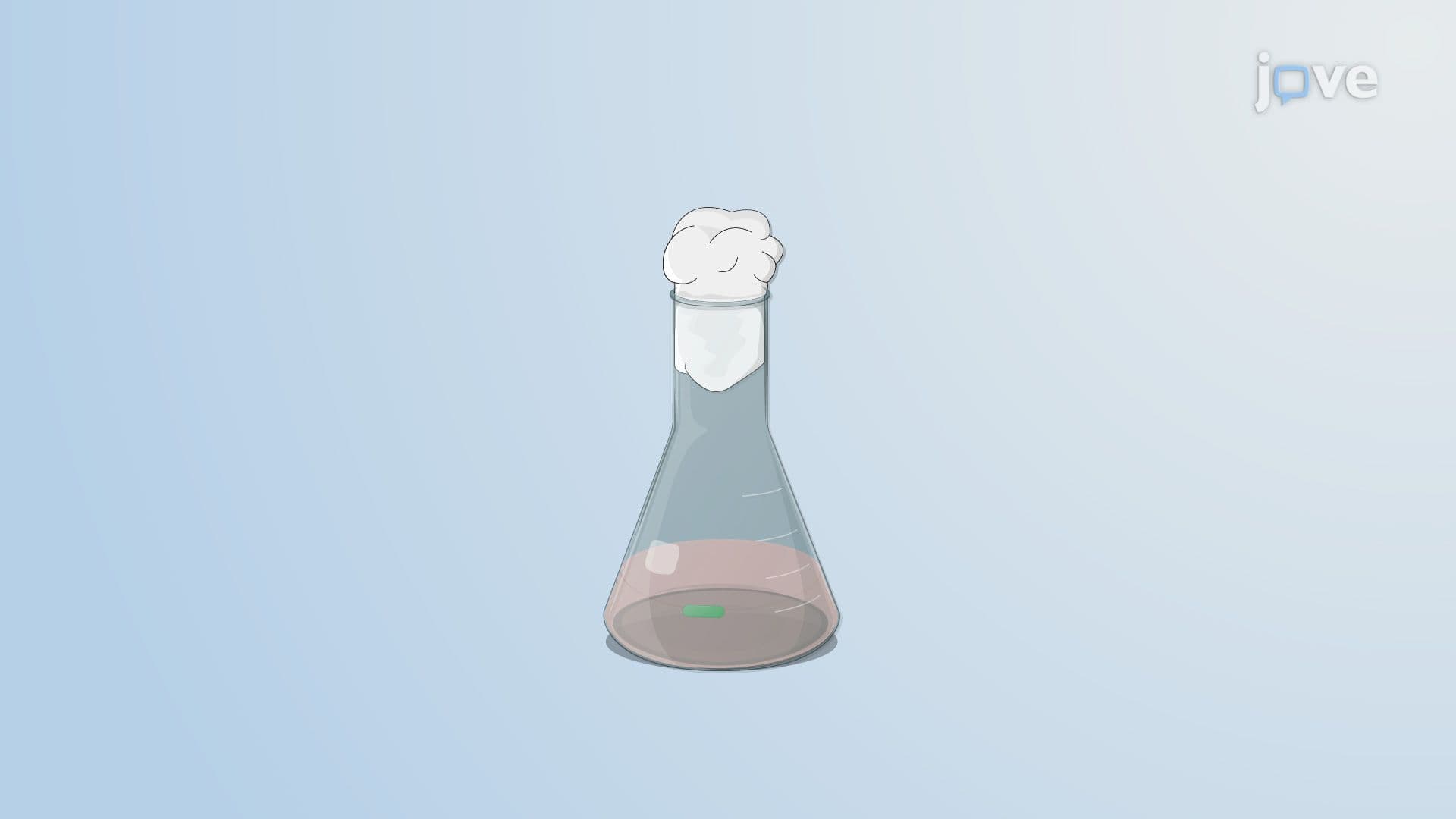
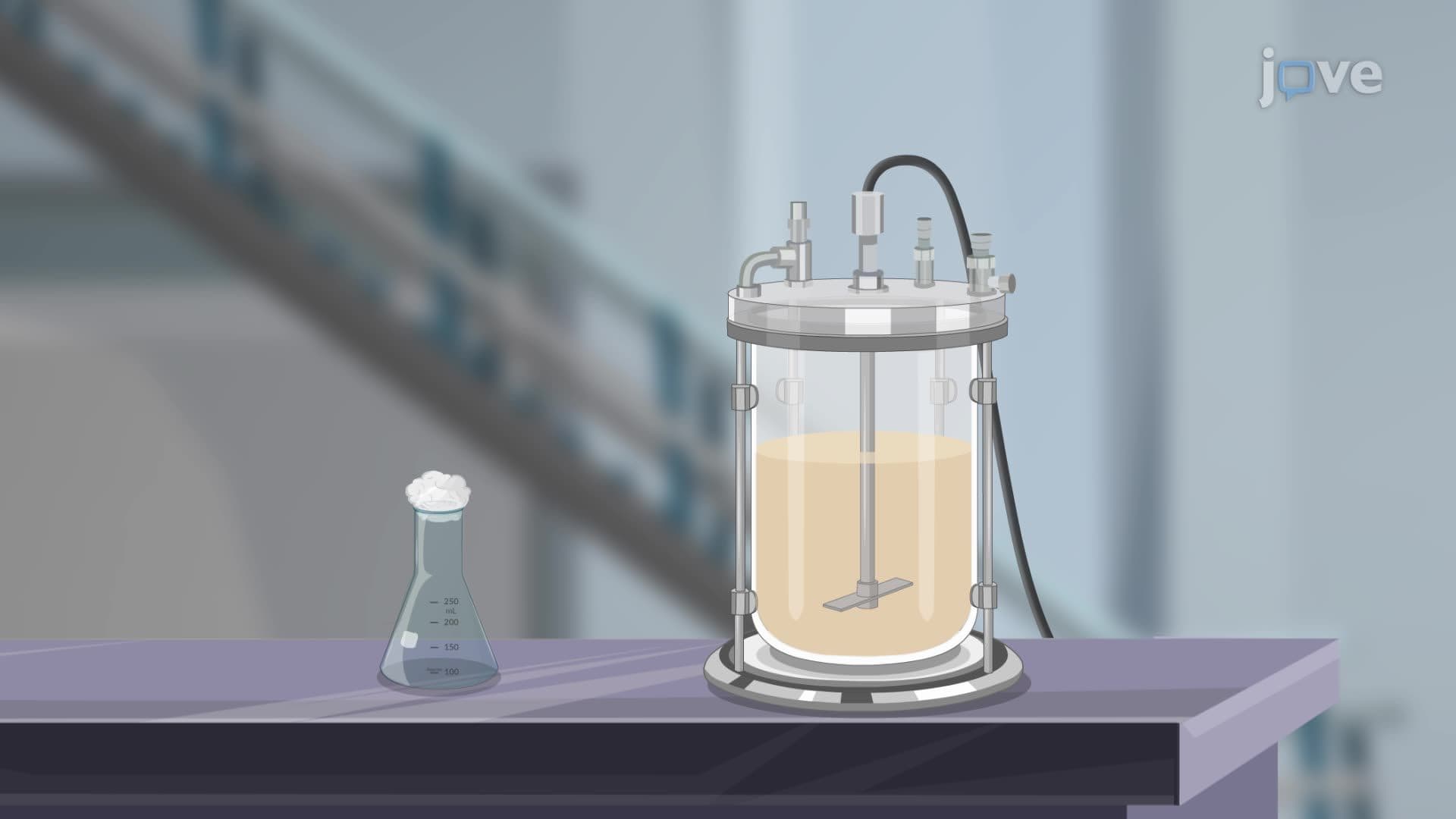
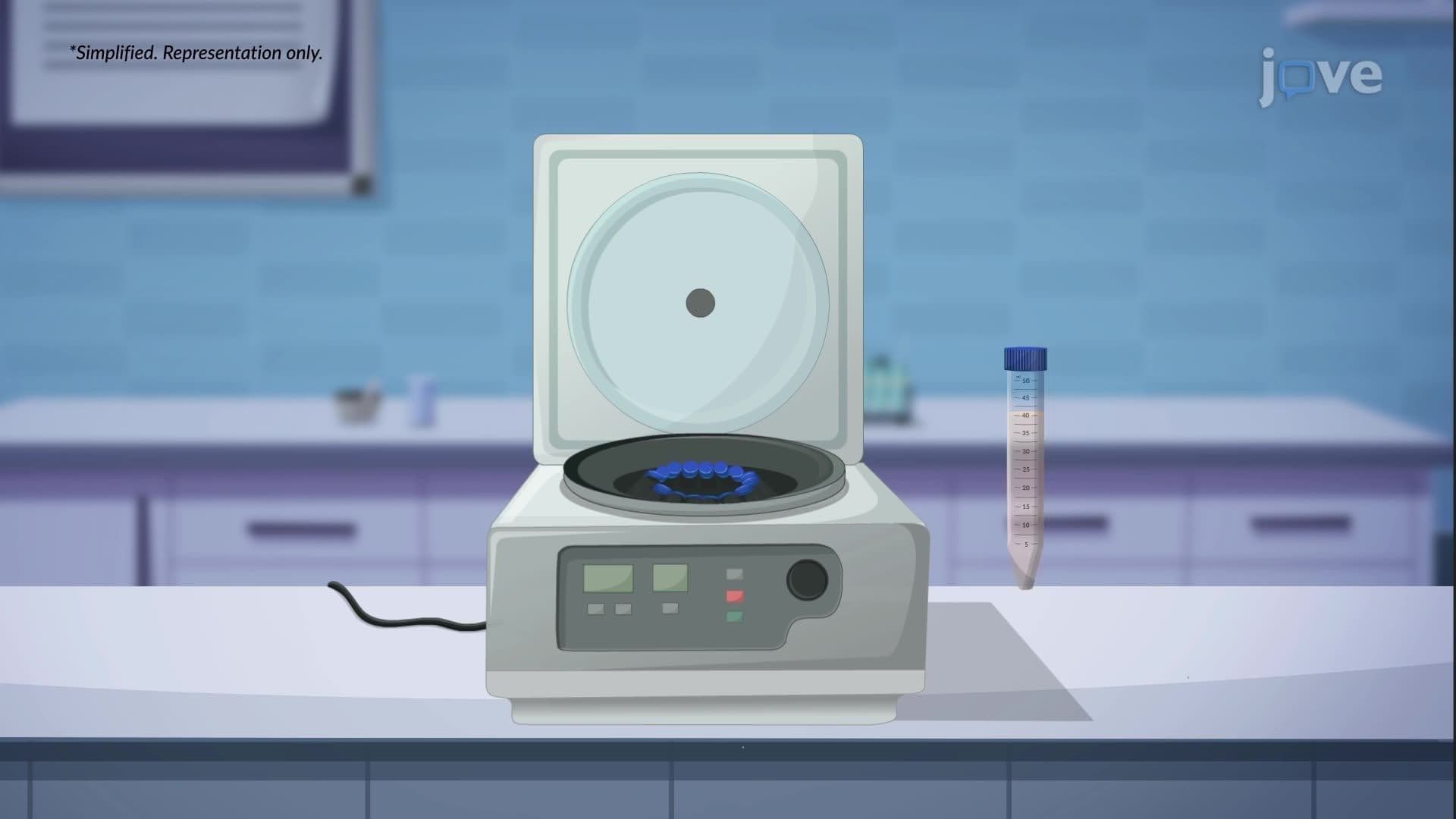
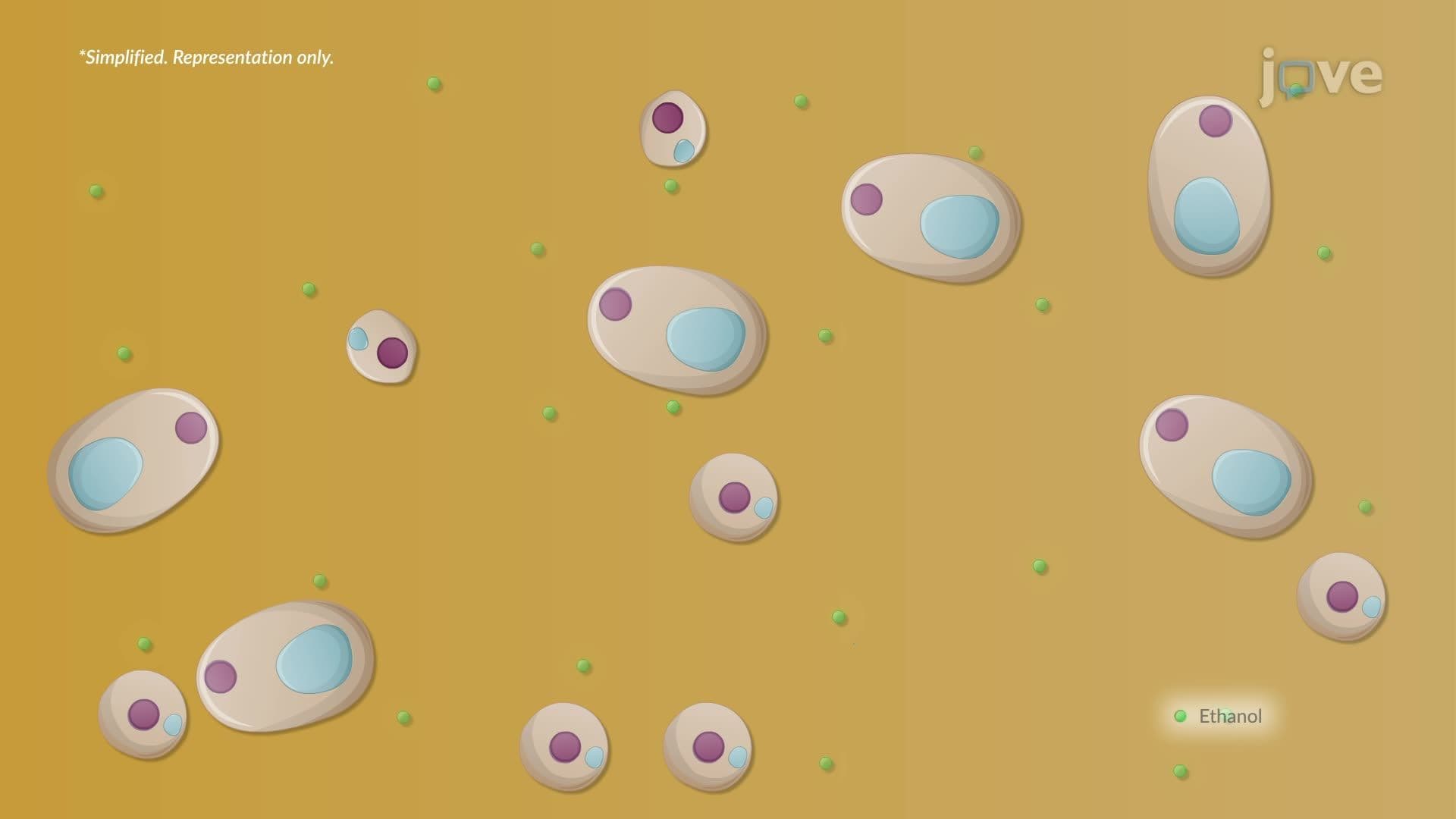
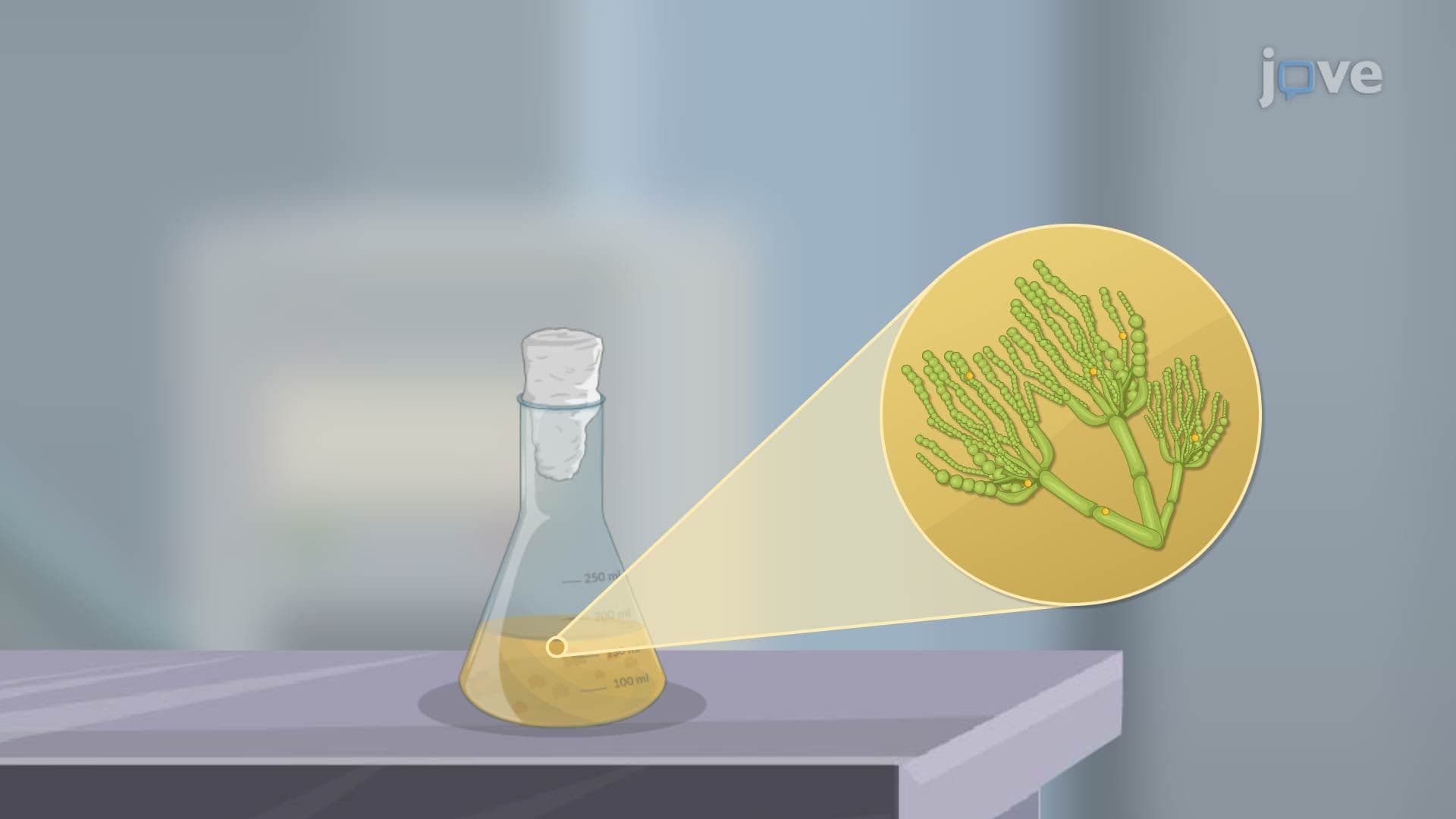
For bacterial vaccines, bacteria are far more self-sufficient. They are cultured in nutrient-rich liquid media under carefully controlled conditions of temperature, pH, and oxygen. Once sufficient bacterial density is achieved, a process analogous to large-scale fermentation used across industrial microbiology, the cells are harvested and separated using centrifugation.
Once the pathogen or its products are collected, they must be rendered non-infectious. The key challenge is inactivating the pathogen thoroughly without destroying the antigen structures the immune system needs to recognize.
The choice of inactivation method directly affects vaccine stability, storage requirements, and immune response strength, topics frequently tested on the MCAT and in college immunology exams.
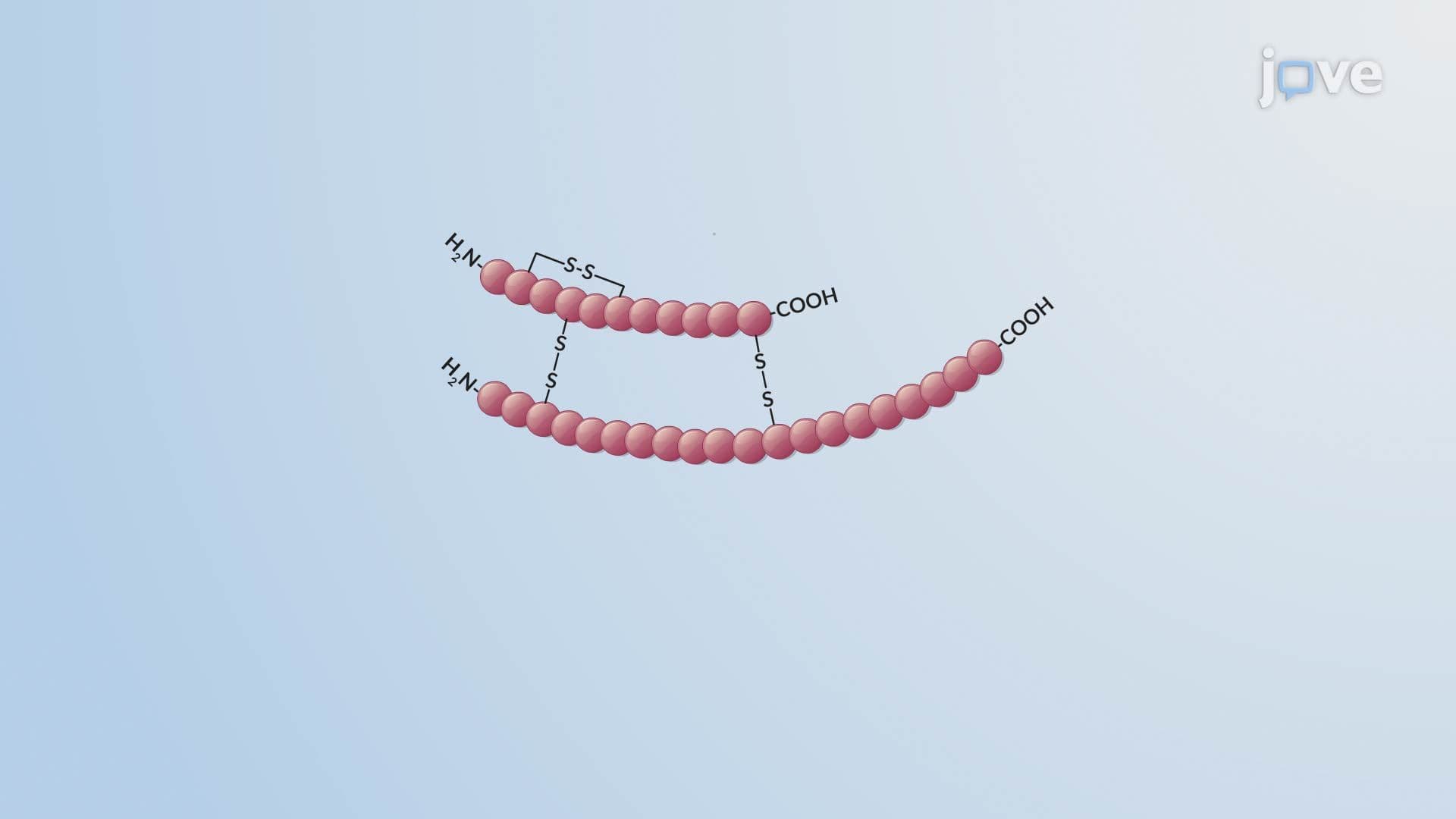
Purified antigens alone are rarely sufficient for a finished vaccine. The final formulation stage involves combining antigens with adjuvants, compounds like aluminum salts that amplify the immune response, and stabilizers that preserve potency during storage and transport. This is where the biology meets pharmaceutical engineering, and it's why vaccine cold-chain logistics are so critical across the US healthcare system. Students studying microbial biotechnology or recombinant DNA technology in industry will recognize this stage as analogous to downstream processing in enzyme production or biopharmaceutical manufacturing.
Vaccine production concepts appear across AP Biology (Unit 6: Gene Expression and Regulation; immunity topics), college-level Microbiology and Immunology courses, and standardized exams including the MCAT (Biochemistry/Biology section) and USMLE Step 1 (Microbiology). Being able to trace the journey from pathogen to finished vaccine, and explain *why* each step exists, demonstrates the kind of applied biological reasoning these exams reward.
Related Micro-courses