Loading subject page…

3,720 views

Video Summary: What are Microbial Biosensors
Can a living bacterium act as a pollution detector or a food safety alarm? Microbial biosensors make that possible. These remarkable devices use microorganisms, often genetically engineered *E. coli*, to detect specific substances and convert biological responses into measurable signals. US food manufacturers already explore similar tools for rapid contaminant screening. Watch the full video on JoVE Coach to master this concept with expert-led visuals and step-by-step explanations.
Microbial biosensors sit at the intersection of microbiology, engineering, and data science. At their core, they are analytical devices that use living microorganisms as the sensing element. When a target substance, called an analyte, interacts with the microbial cells, it triggers a measurable biological response. That response is then captured by a transducer and converted into a signal scientists can read and interpret. Understanding microbial biosensors is increasingly relevant for AP Biology students, college biochemistry courses, and anyone exploring careers in biotechnology or environmental science.
Every microbial biosensor relies on two essential parts working in tandem. The first is the biosensing organism, typically a bacterium like *Escherichia coli* that has been genetically modified using recombinant DNA technology to respond selectively to a specific substance. The second is the transducer, a device that translates the biological reaction into a quantifiable output. This output can take several forms: optical signals such as bioluminescence or fluorescence, or electrochemical signals measured as changes in voltage or current. The precision of this two-component system is what makes microbial biosensors so powerful compared to many traditional chemical detection methods.
The type of signal a microbial biosensor produces depends on how the microorganism is engineered and what analyte is being detected. Some microbes are programmed to emit light, a process called luminescence, when they encounter a specific molecule. Others alter their metabolic activity in ways that produce electrochemical changes detectable by sensors embedded in the device. Detection platforms capture these signals using optical readers, similar to equipment found in US university research labs and commercial diagnostic facilities, or through electrochemical readouts that measure shifts in current or voltage. Multiwell plate formats, common in high-throughput laboratory workflows, allow researchers to run many tests simultaneously with high accuracy.
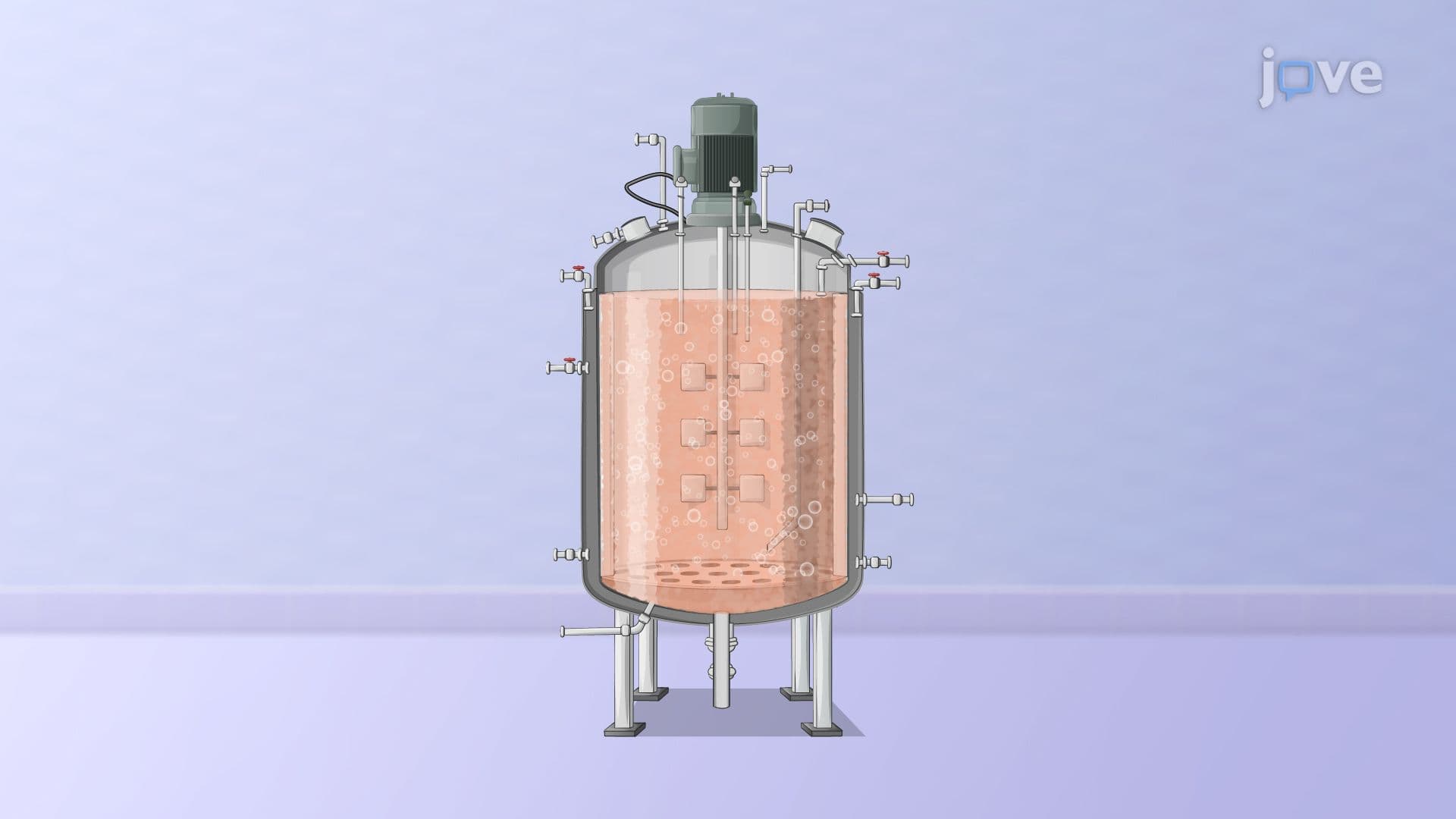
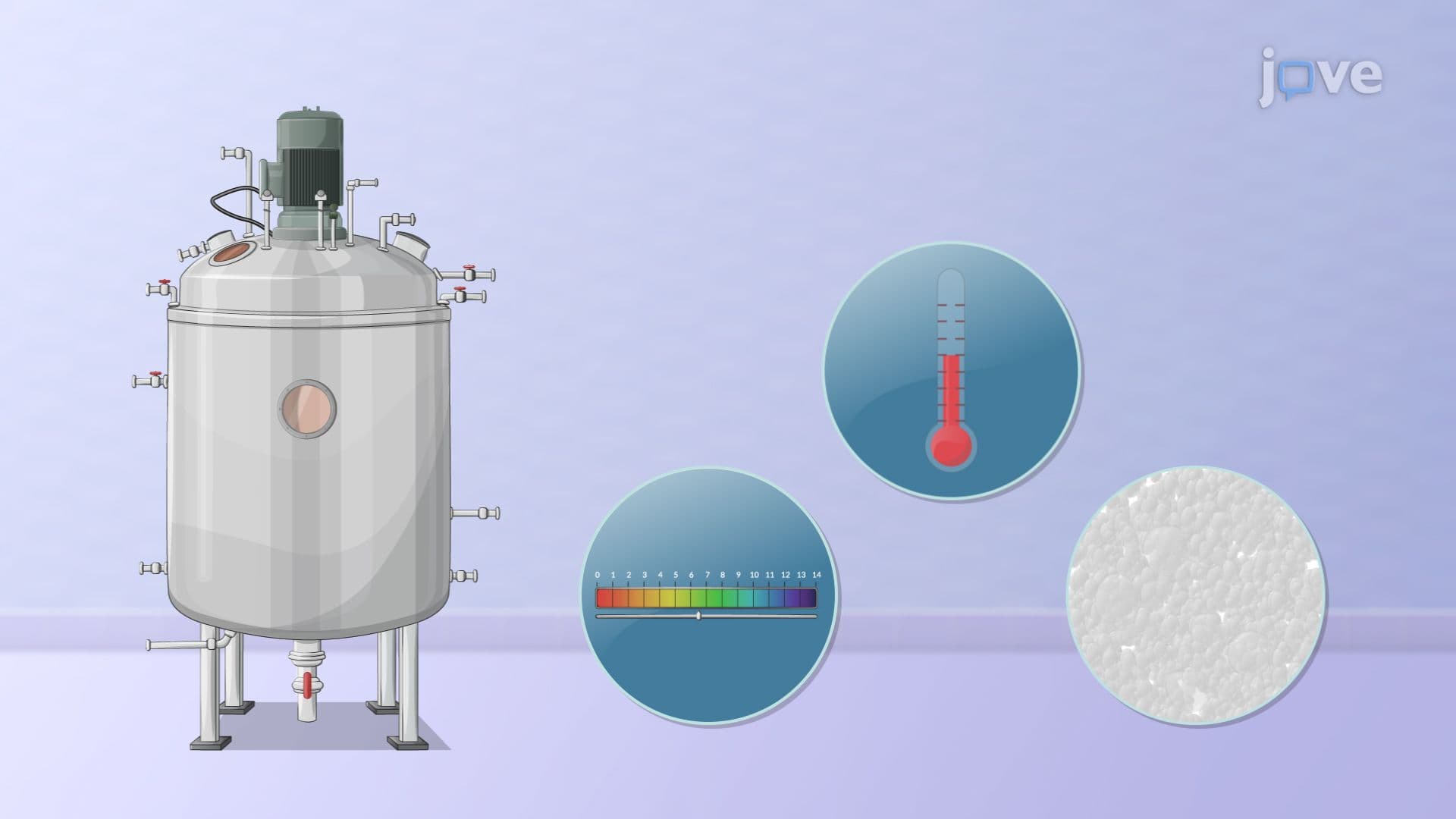
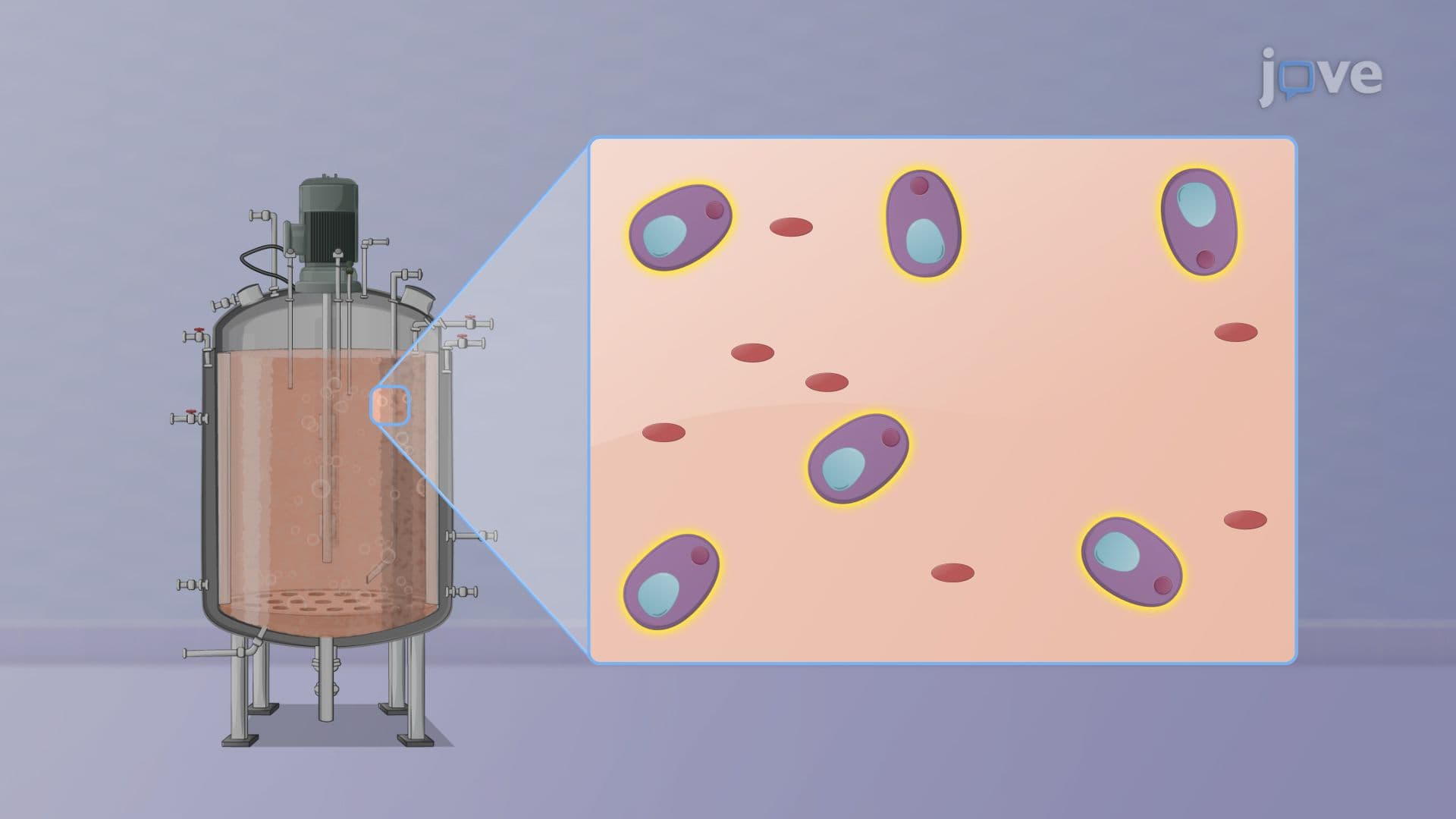
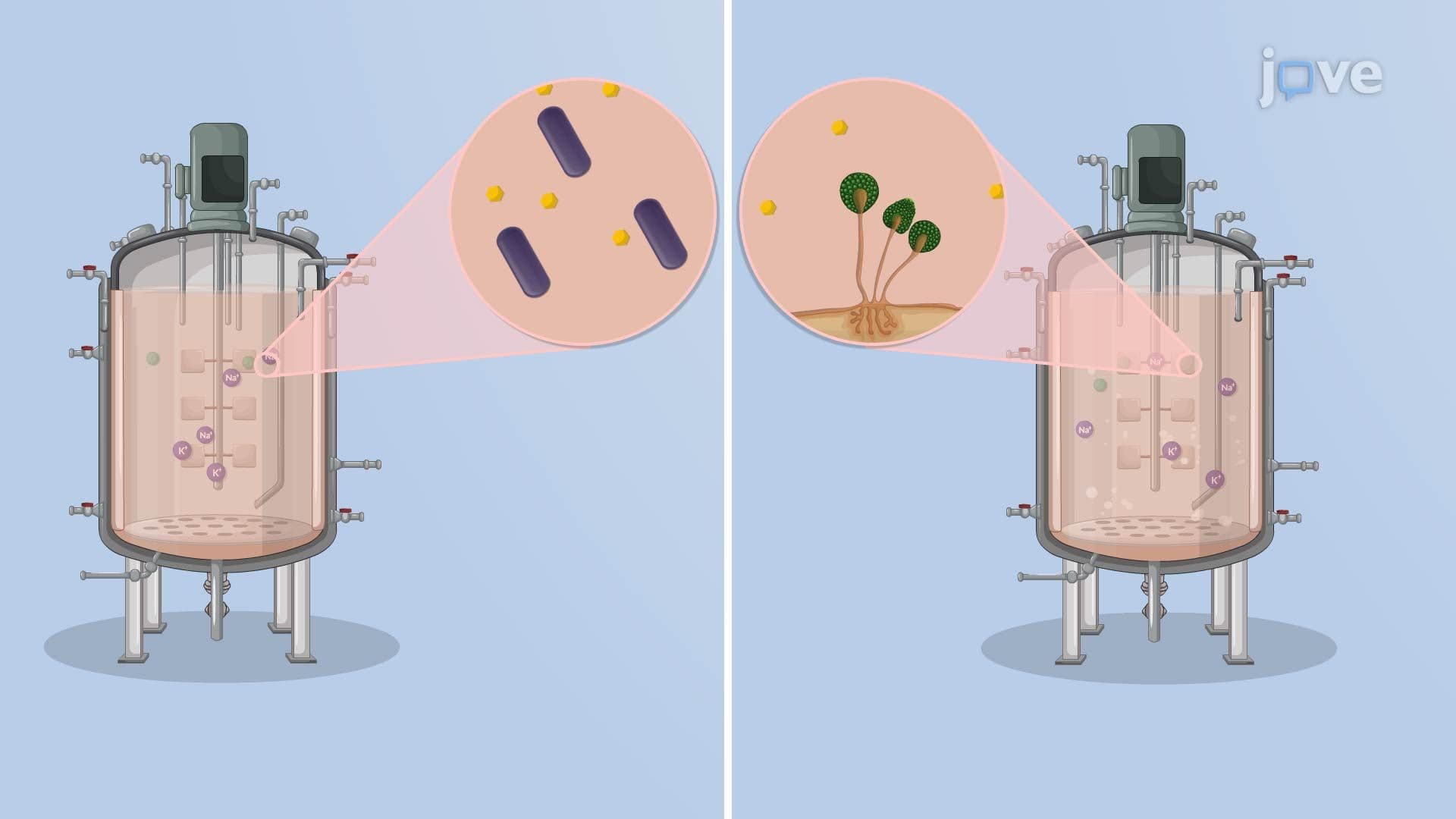
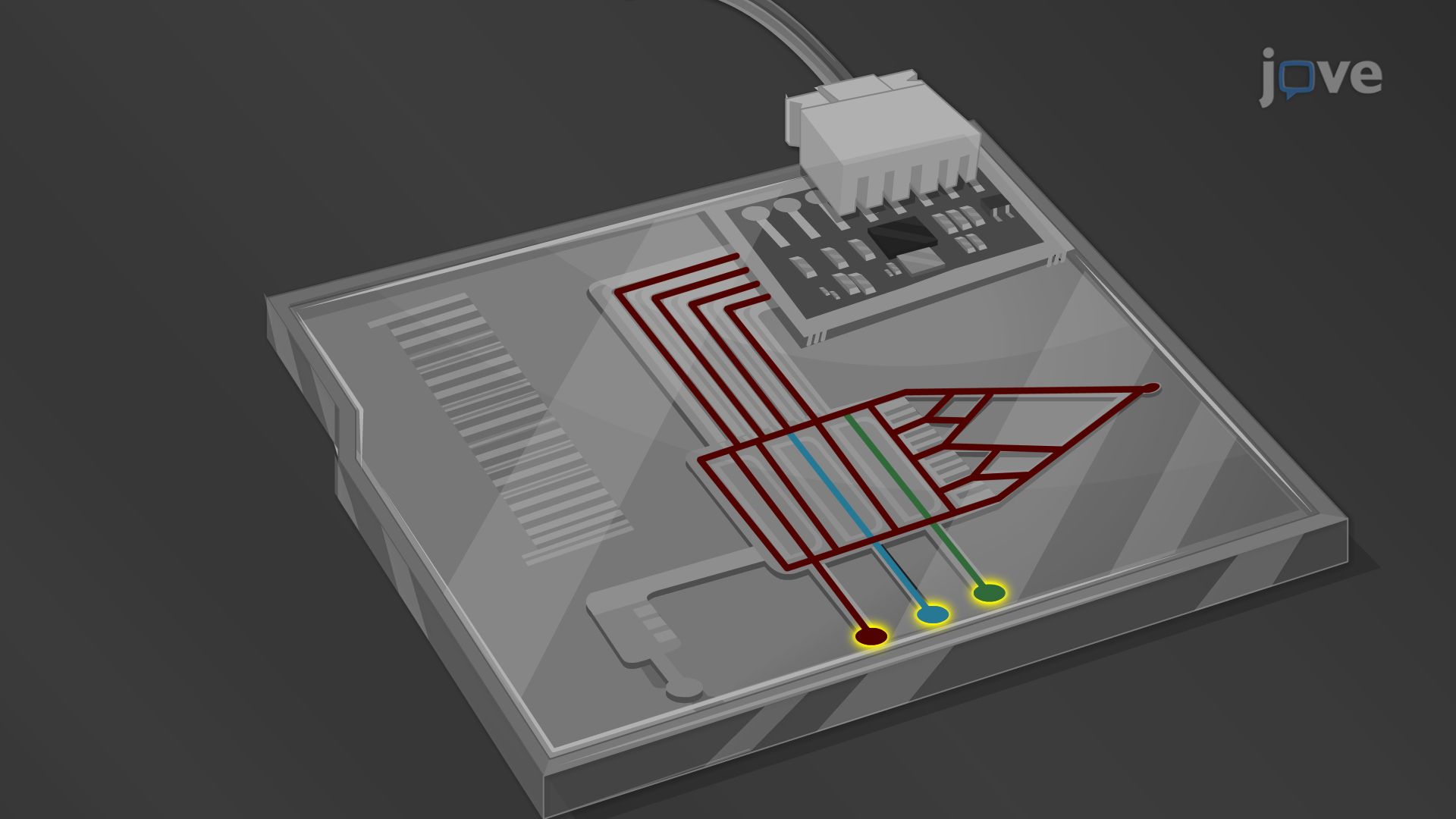
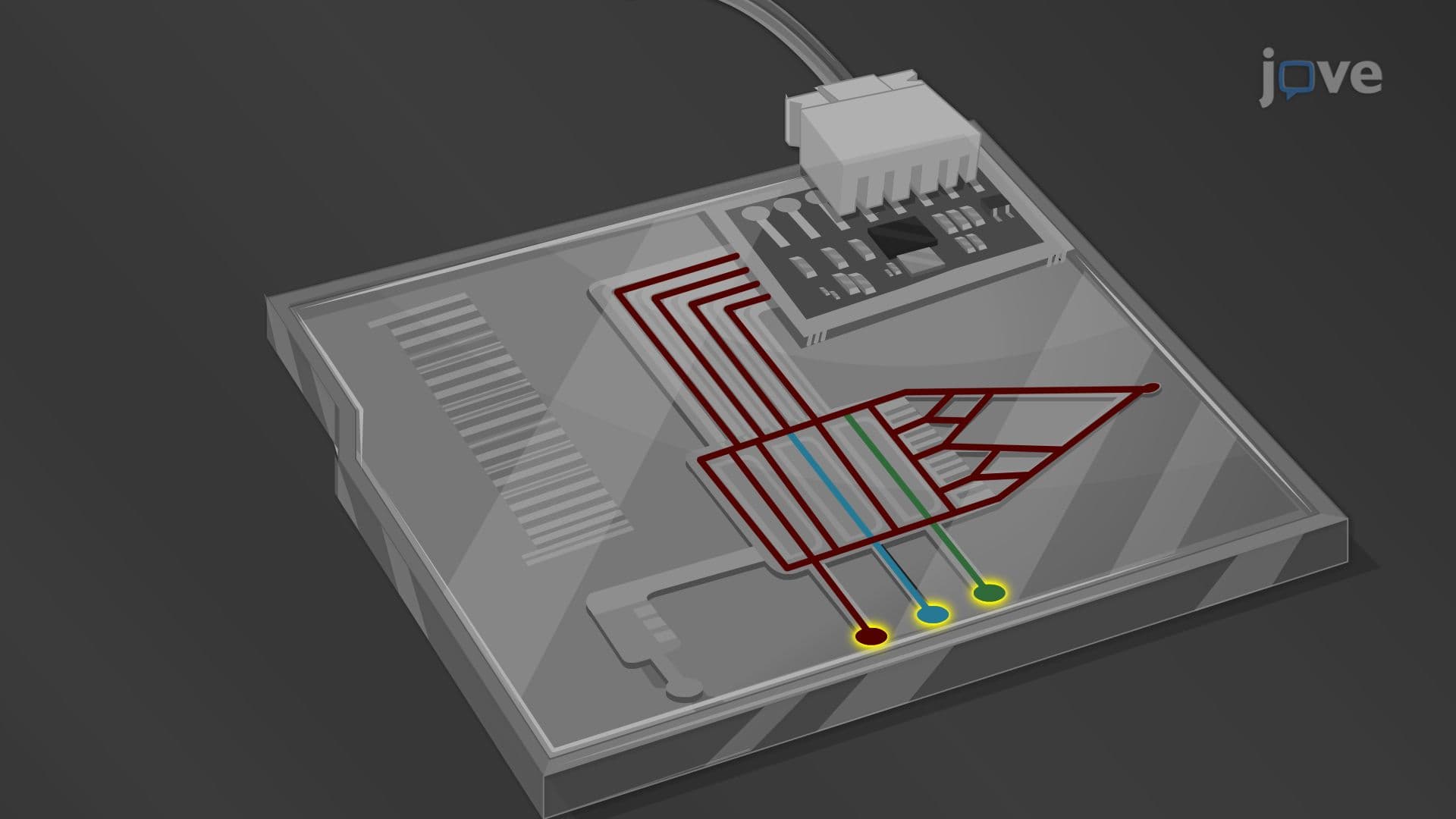
One of the most exciting developments in this field involves miniaturizing biosensor systems using micro- and nanotechnology. Microfluidic chips, sometimes called "lab-on-a-chip" devices, can channel tiny fluid volumes through microscopic pathways, allowing multiple analytes to be tested at once using a fraction of the sample required by conventional methods. US-based companies and research universities, including institutions affiliated with the NIH and NSF, are actively developing these platforms for applications ranging from detecting heavy metal pollutants in water supplies to monitoring metabolites in fermentation tanks during large-scale antibiotic or enzyme production.
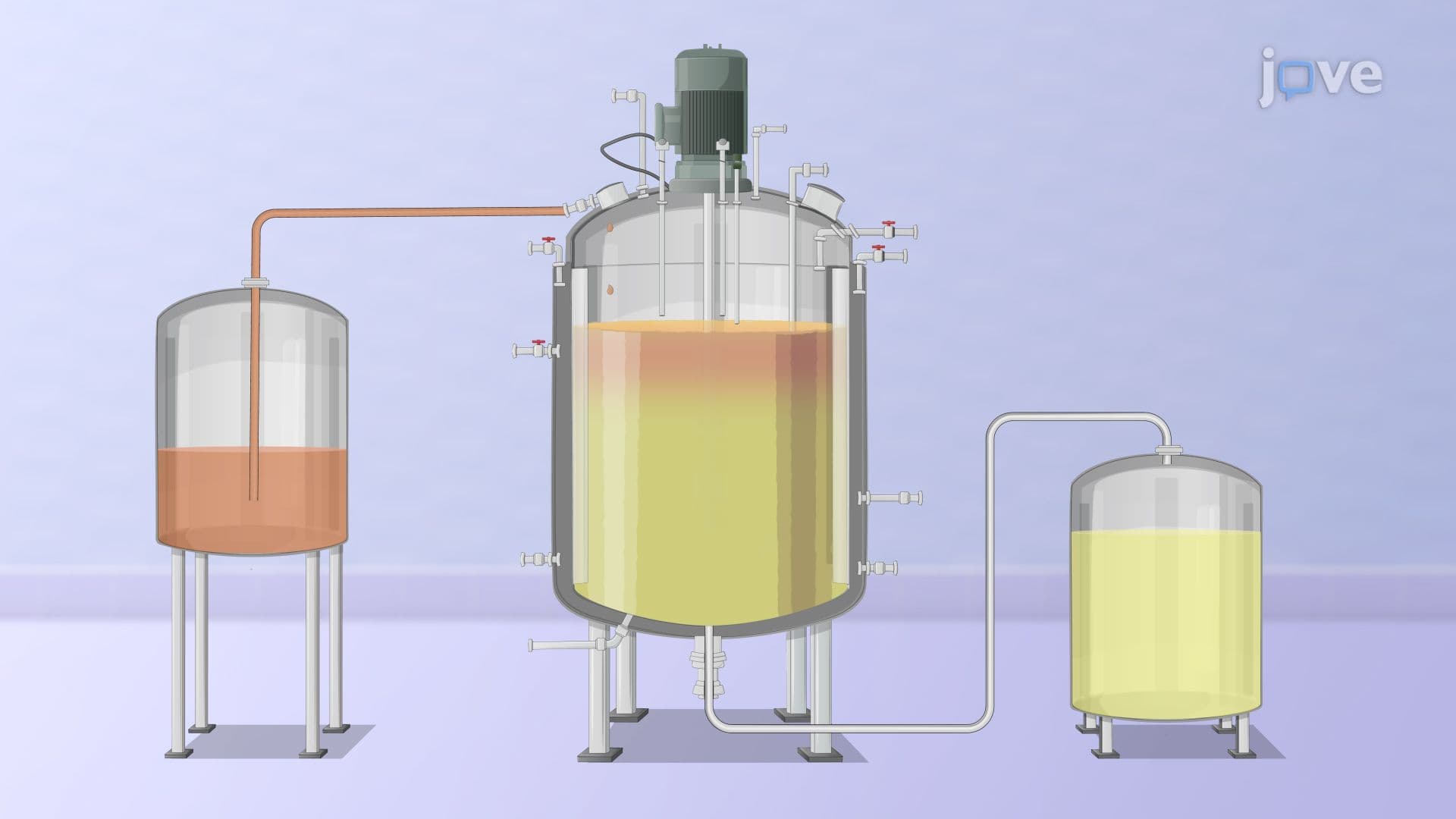
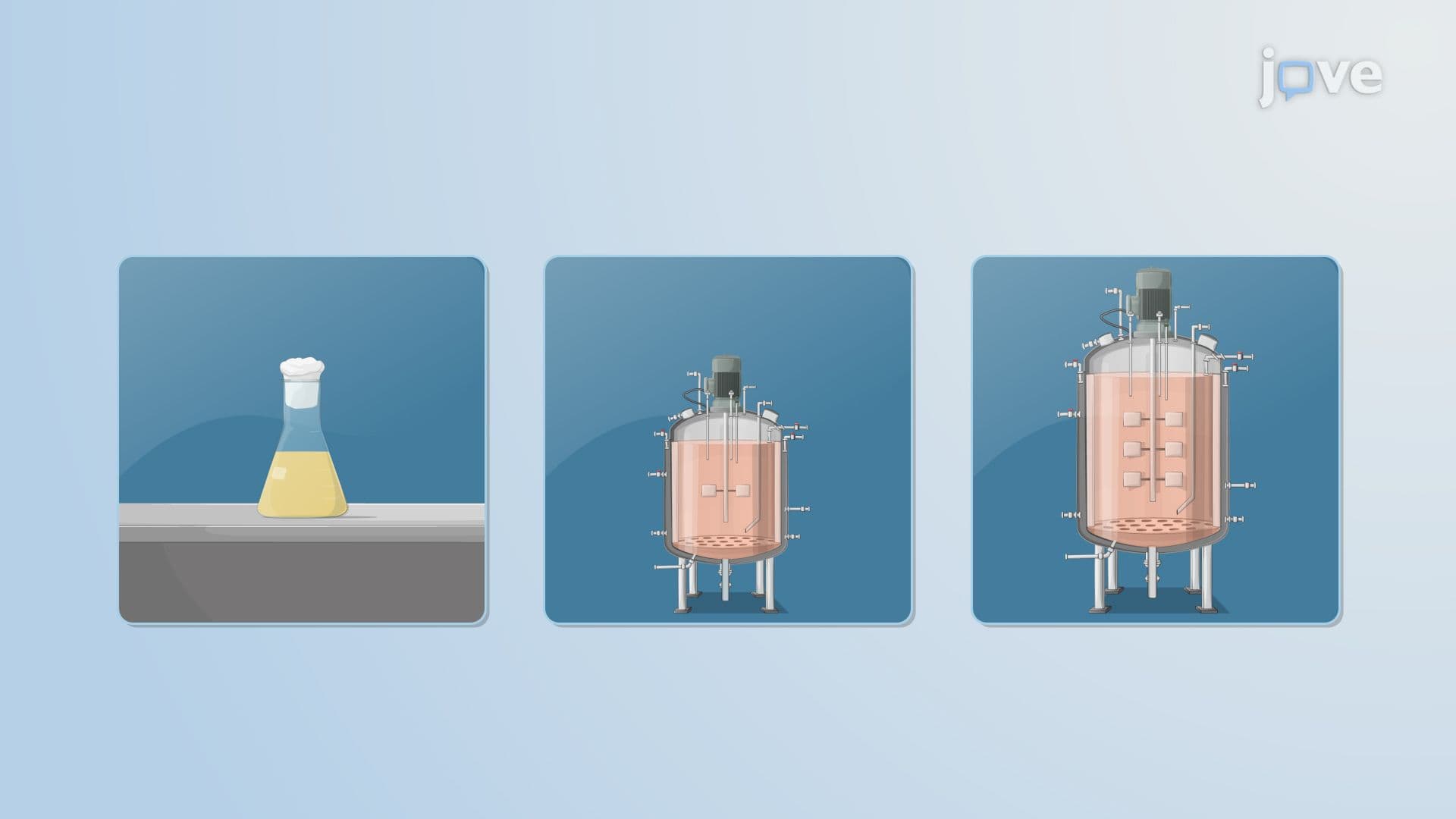
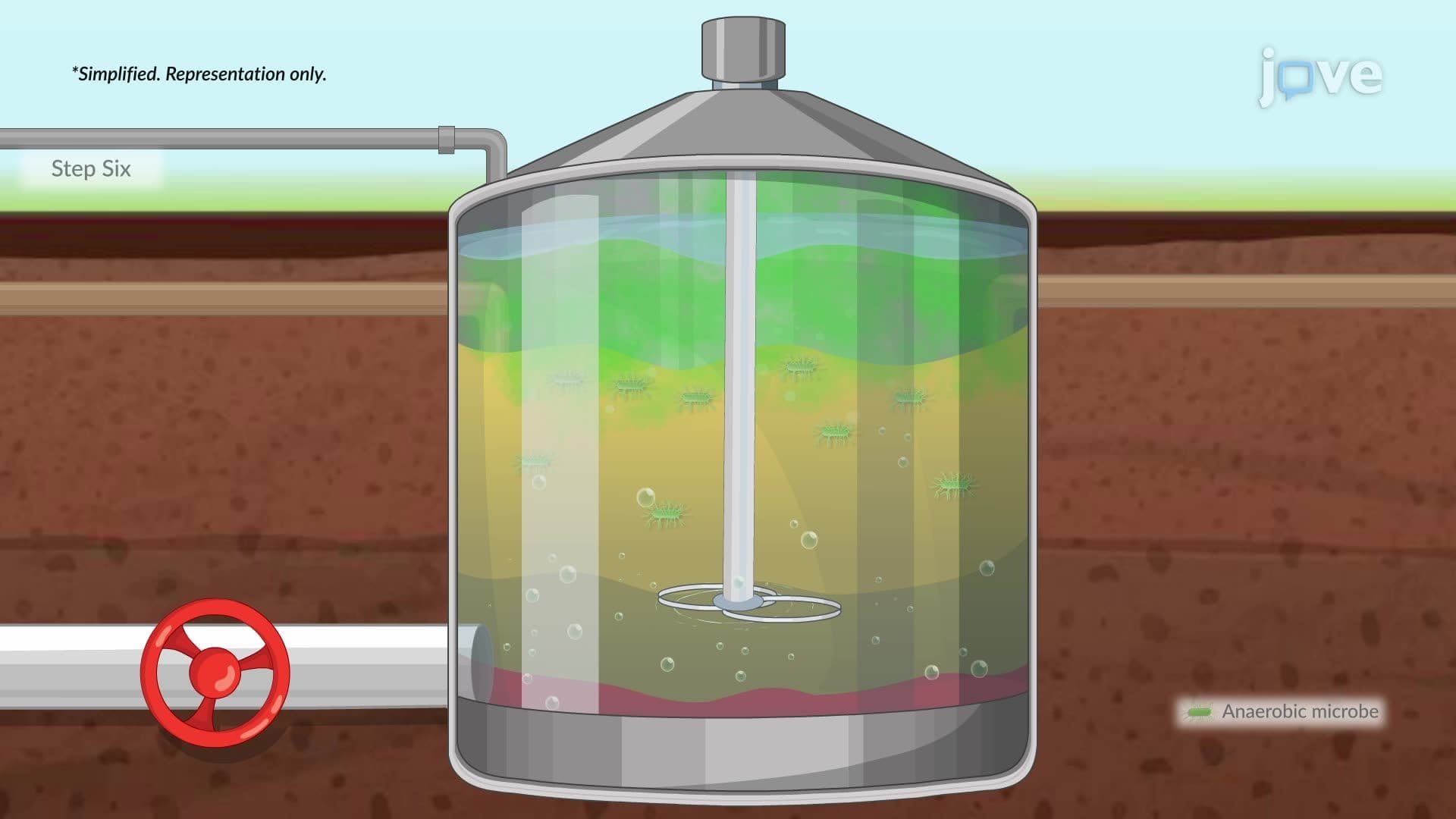
Microbial biosensors are directly relevant to what is industrial microbiology used for, a common exam question in college-level courses. In industrial settings, they support quality control during biofuel production, help monitor conditions in large-scale fermentation, and assist in detecting contamination during recombinant protein or antibiotic manufacturing. Environmental agencies explore their use for field-deployable pollutant detection. For students preparing for the MCAT or AP Biology exams, understanding how microorganisms are used in industrial processes, and how biosensors fit into that picture, provides a strong conceptual bridge between cellular biology, biotechnology, and real-world problem-solving.
Related Micro-courses