Loading video…

 22 Concepts
 3.7K views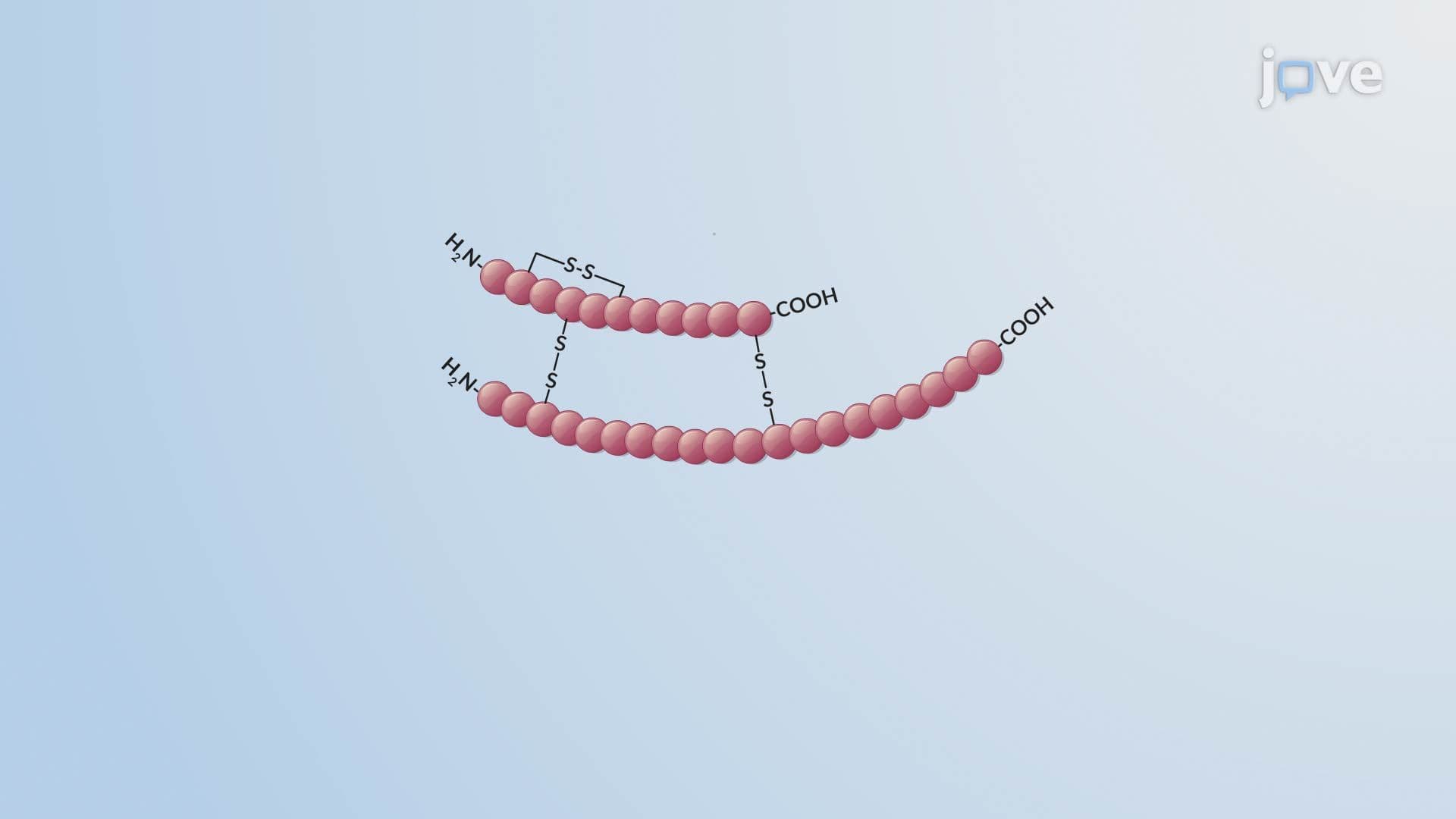

Video Summary: What Is Production of Pharmaceuticals
Ever wondered how the insulin keeping millions of Americans alive is actually made in a lab? The production of pharmaceuticals relies on cutting-edge biotechnology, and insulin is one of the most powerful examples. Genetically engineered *E. coli* bacteria are programmed to produce human proinsulin, which is then carefully processed, refolded, and cleaved into life-saving medicine. Watch the full video on JoVE Coach to master this concept with expert-led visuals and step-by-step explanations.
The production of pharmaceuticals using microorganisms is one of the most transformative achievements in modern science. Rather than extracting proteins from animal tissue, the way insulin was once harvested from pig and cow pancreases, scientists now use recombinant DNA technology to engineer microbes like *Escherichia coli* into precise protein factories. This shift dramatically increased supply, improved consistency, and made treatments safer for patients across the United States.
At its core, pharmaceutical production combines the principles of industrial microbiology, genetic engineering, and biochemical processing. Understanding this workflow is essential for students in AP Biology, college-level microbiology, and anyone preparing for the MCAT.
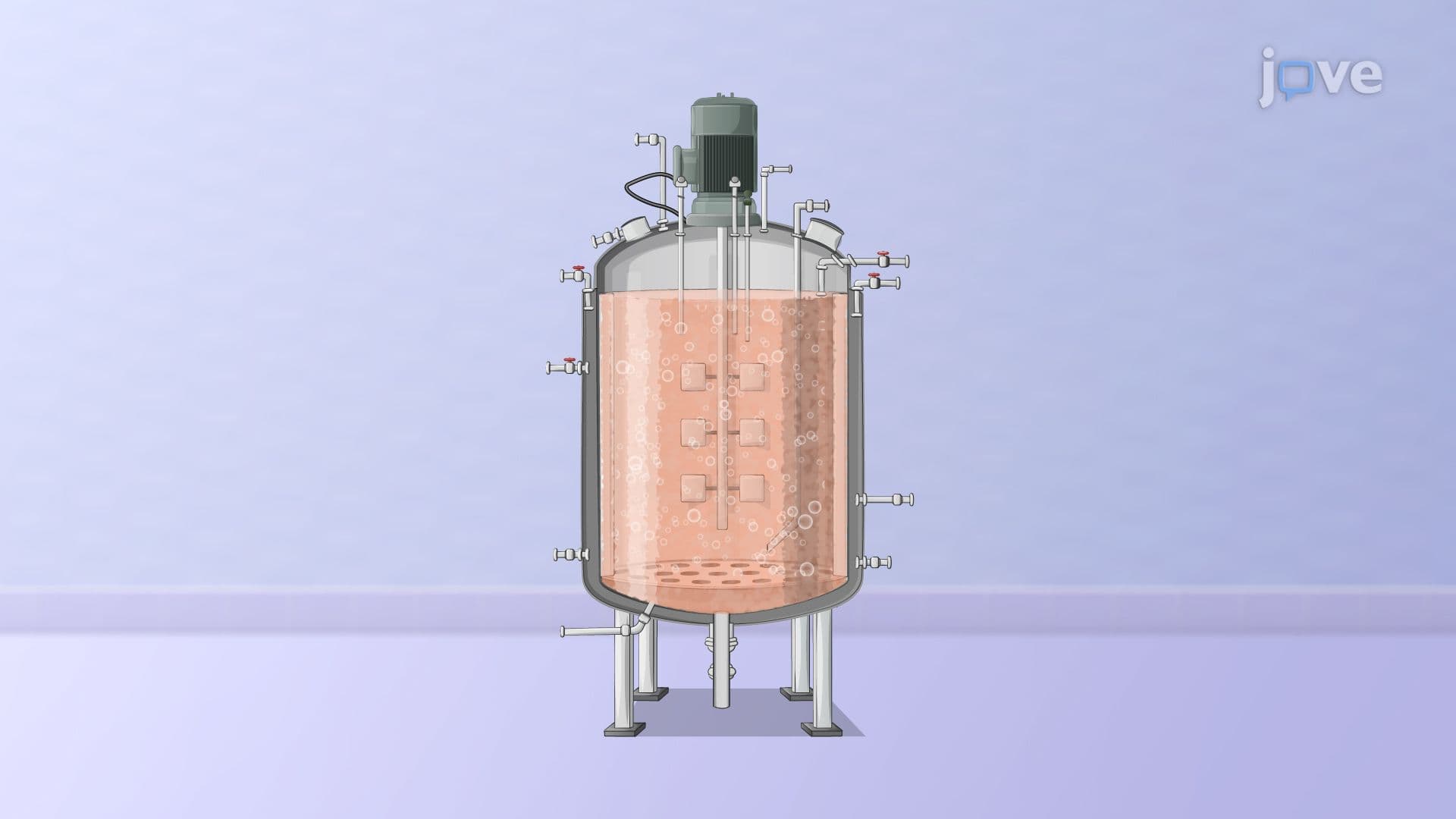
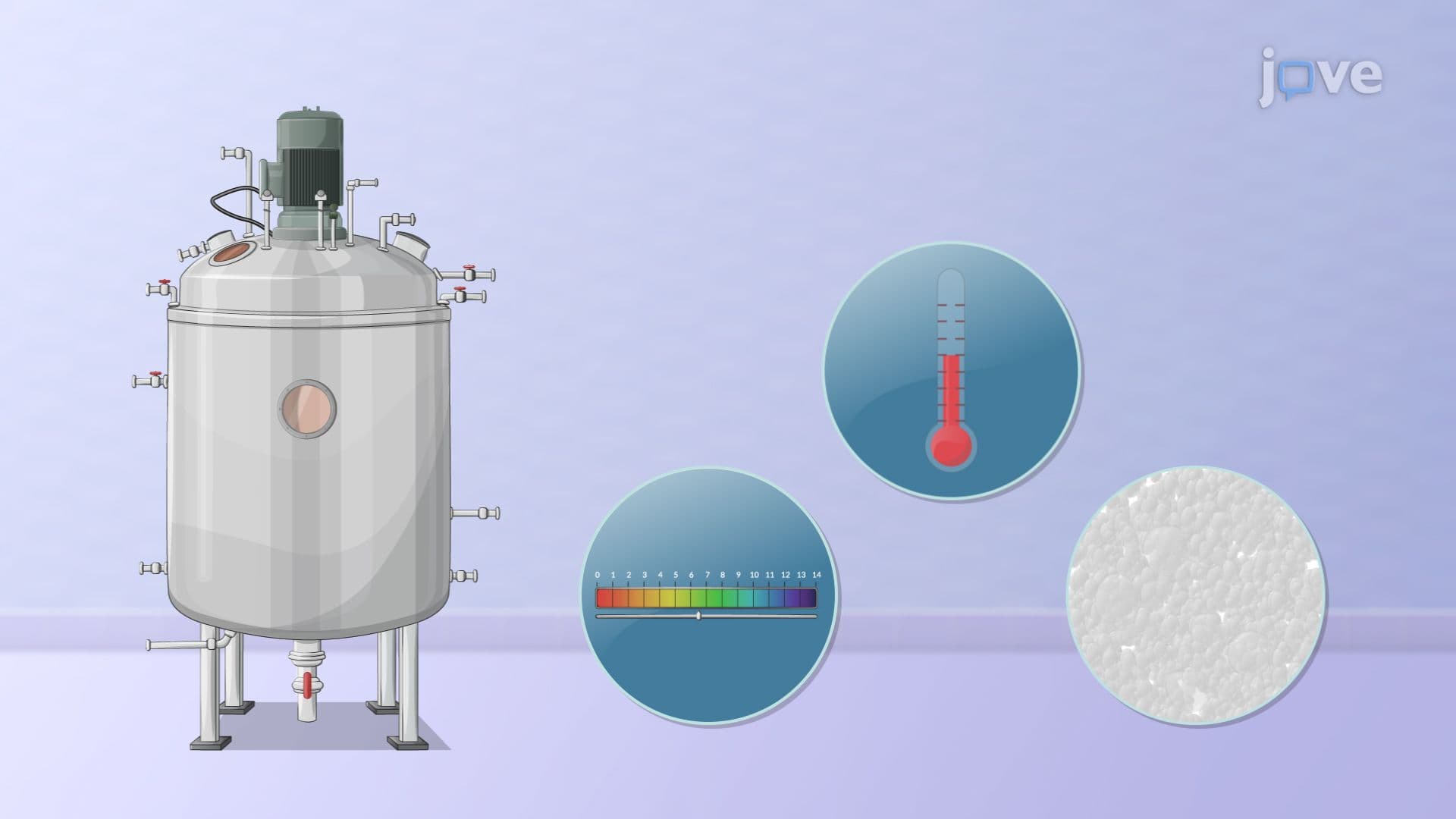
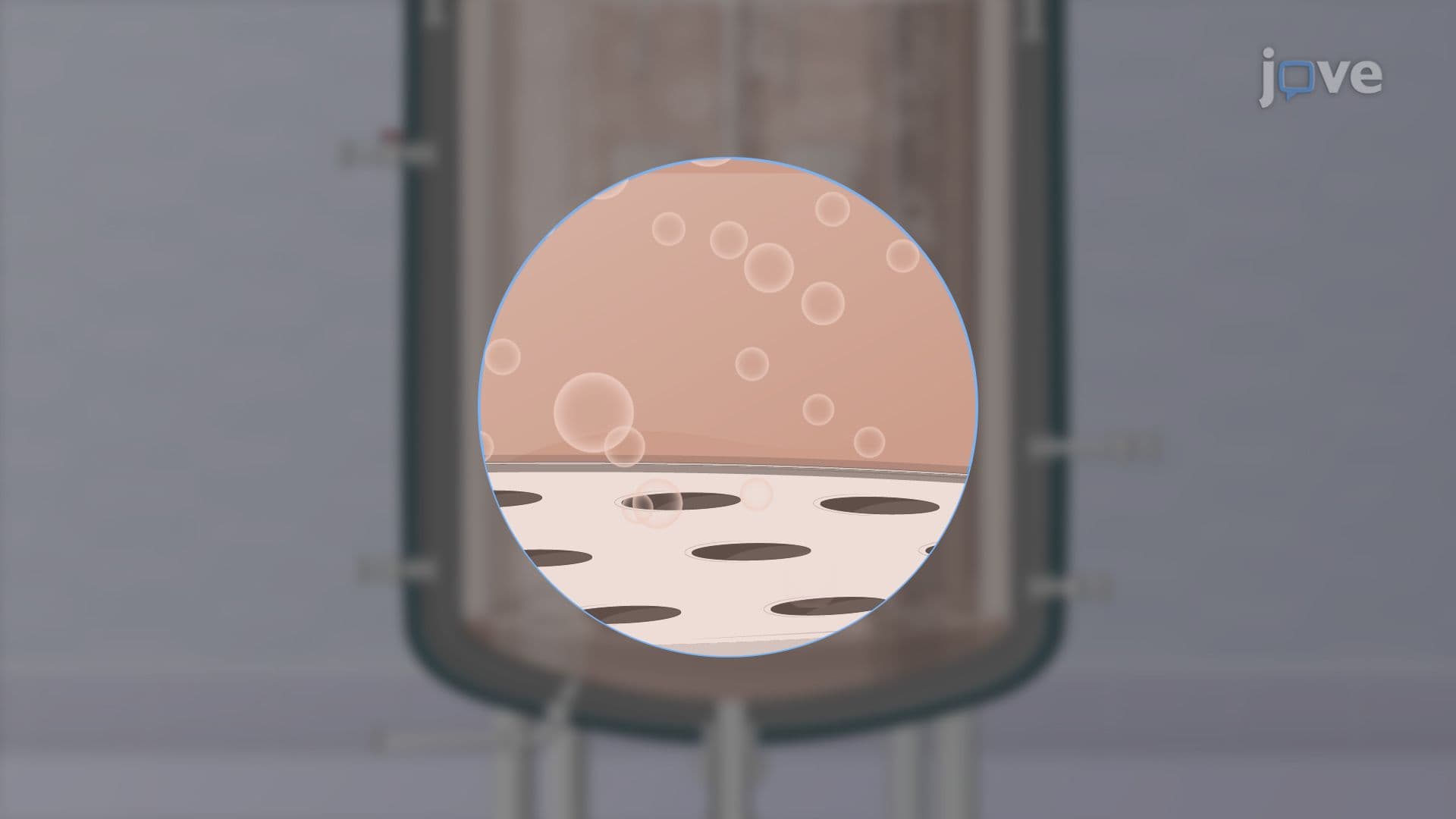
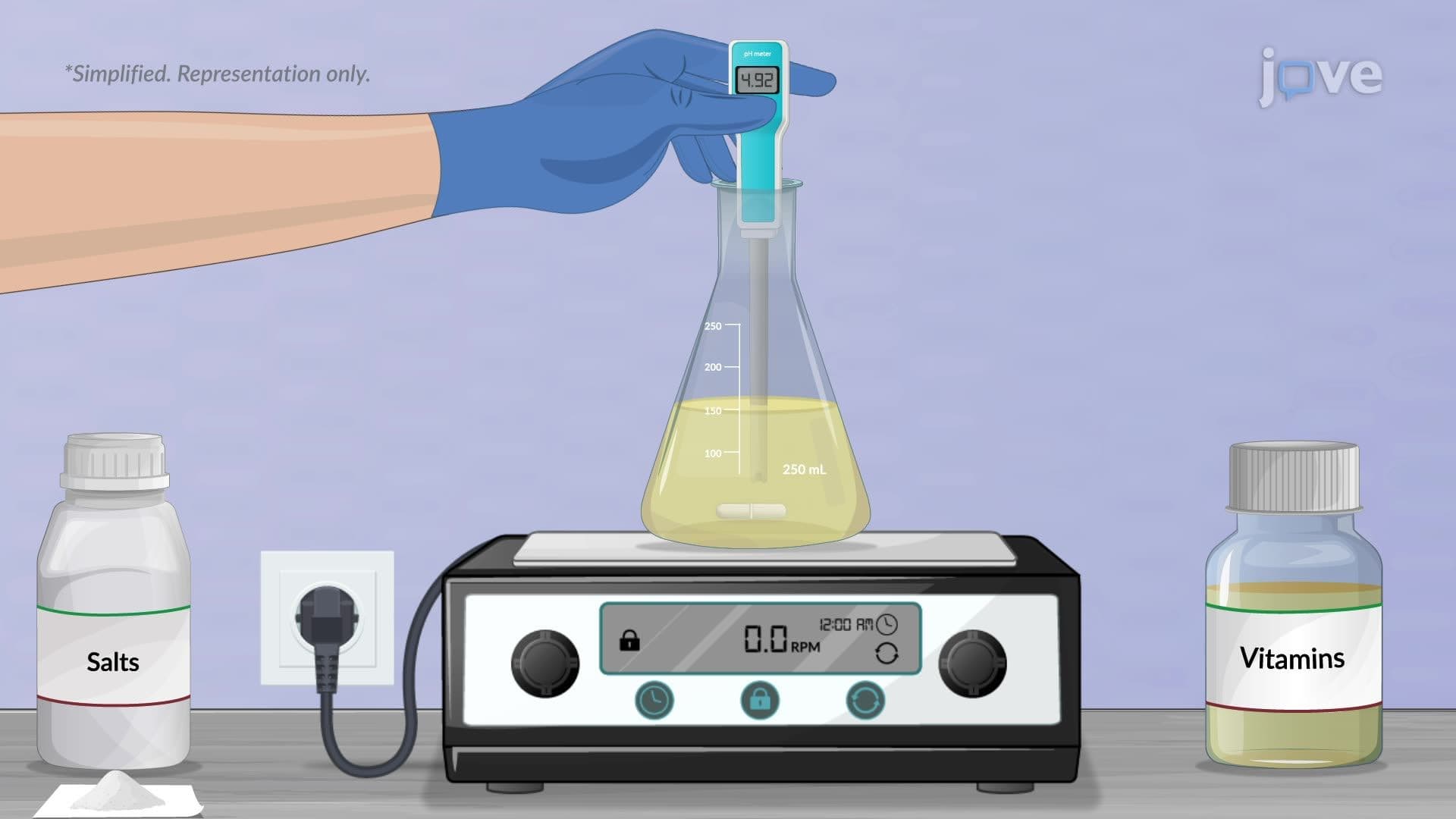
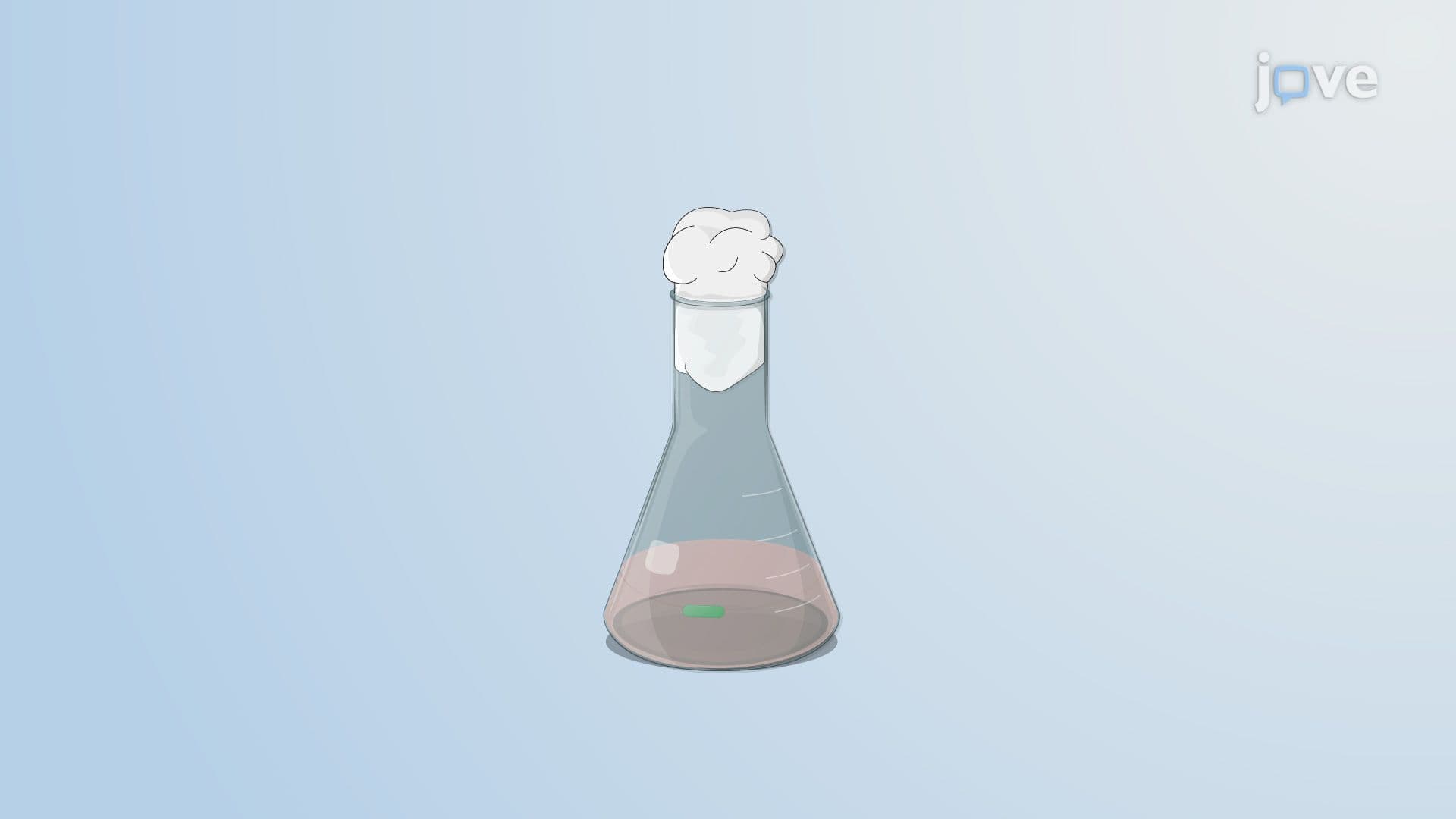
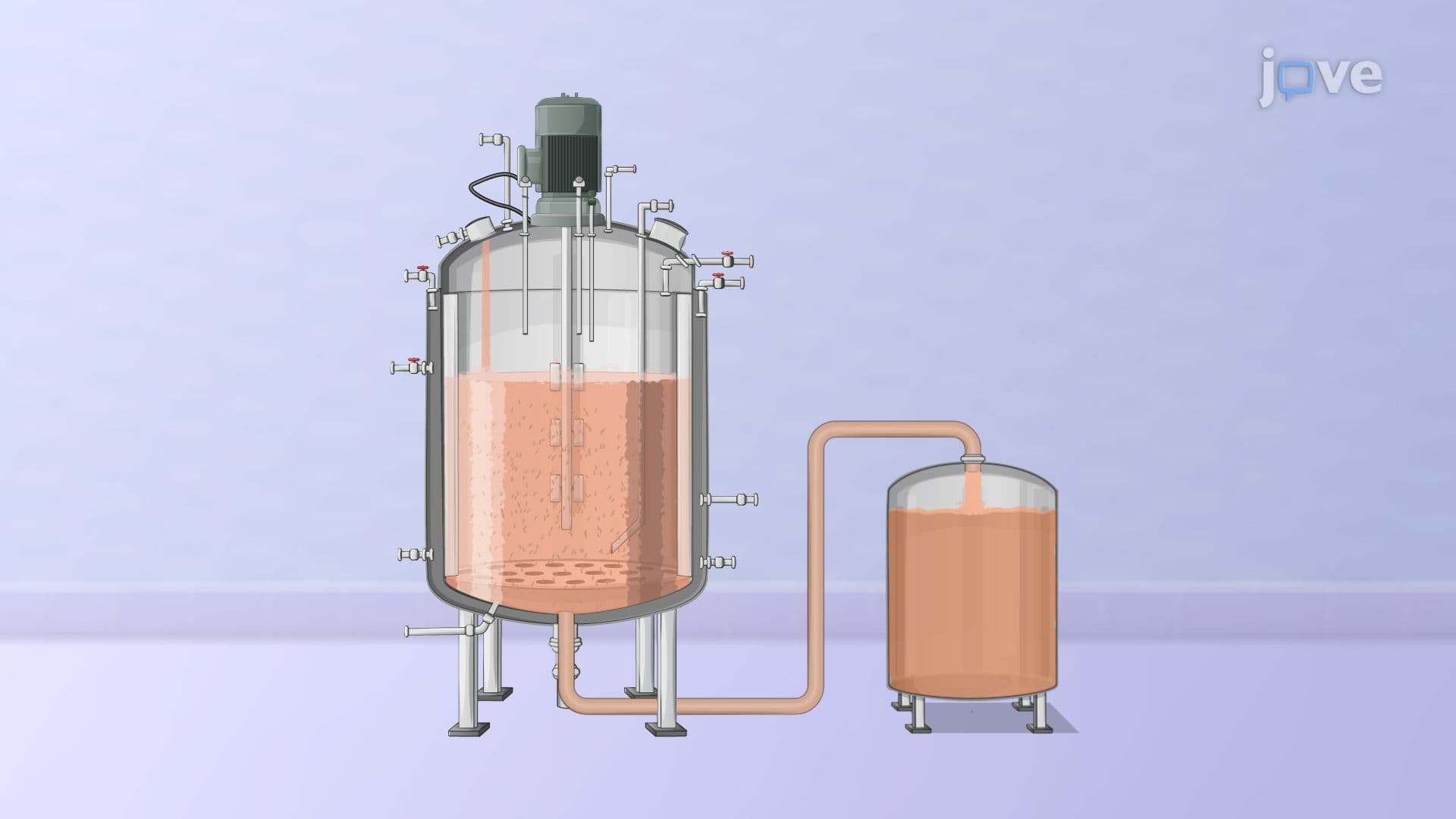
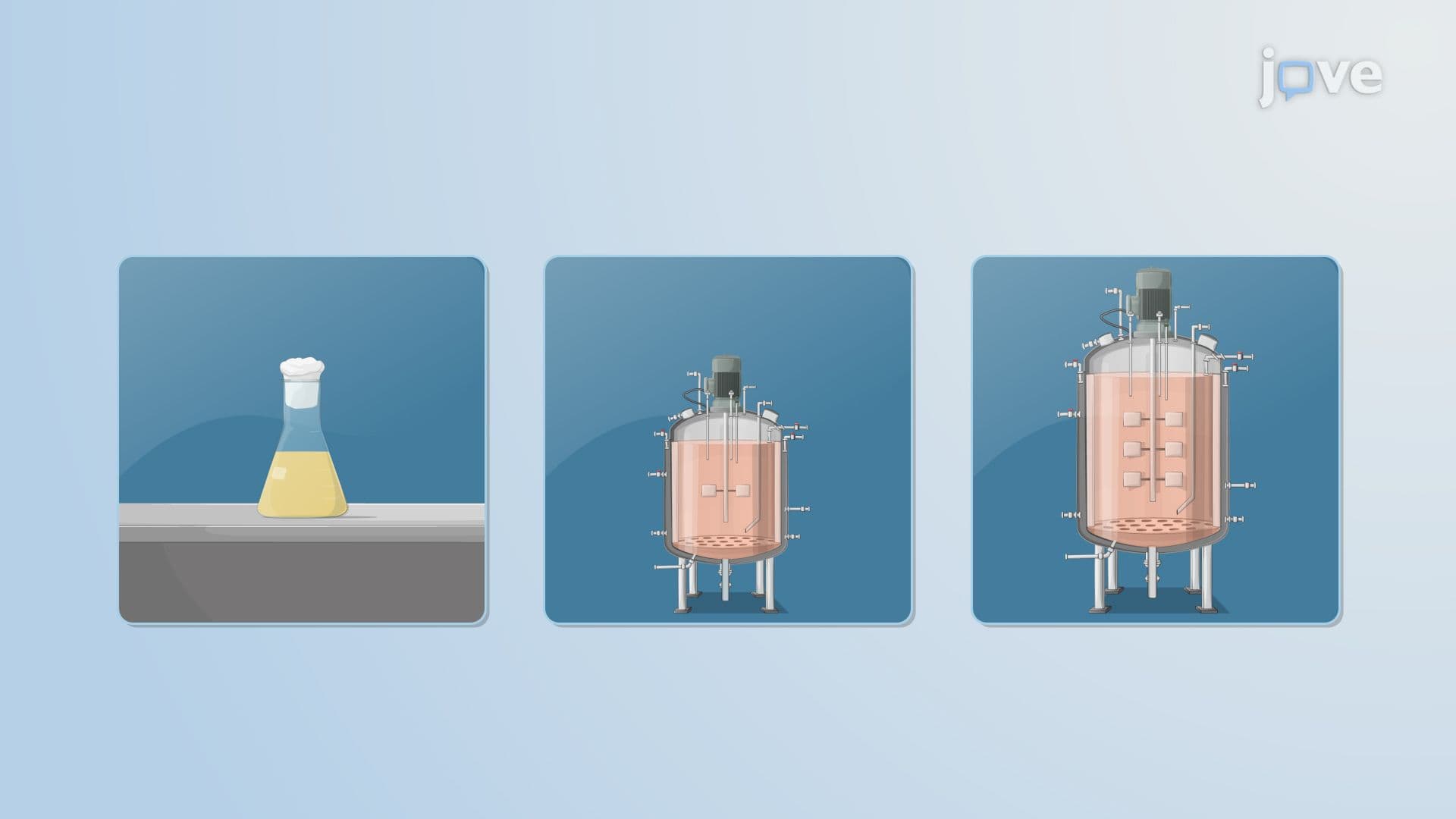
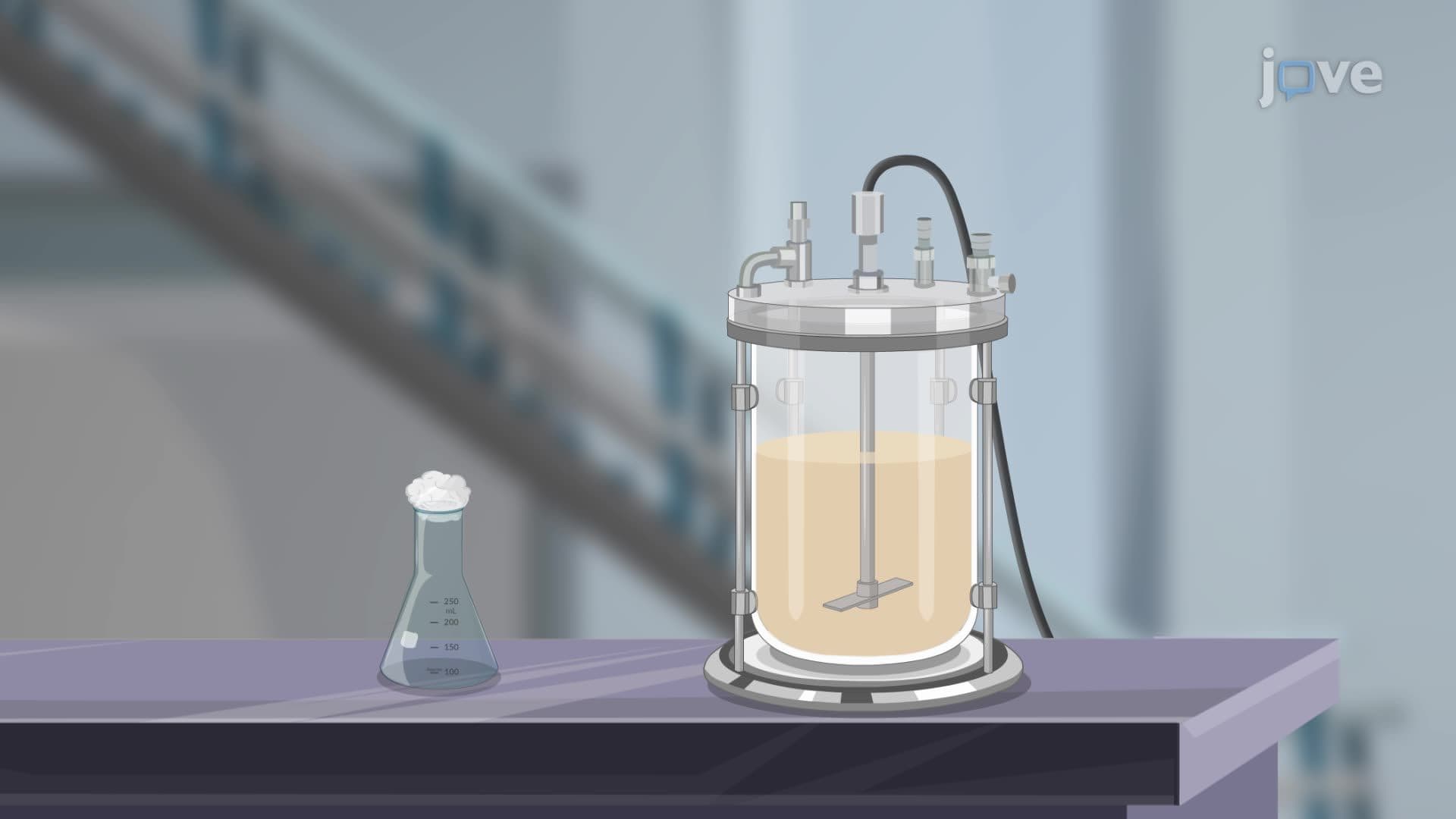
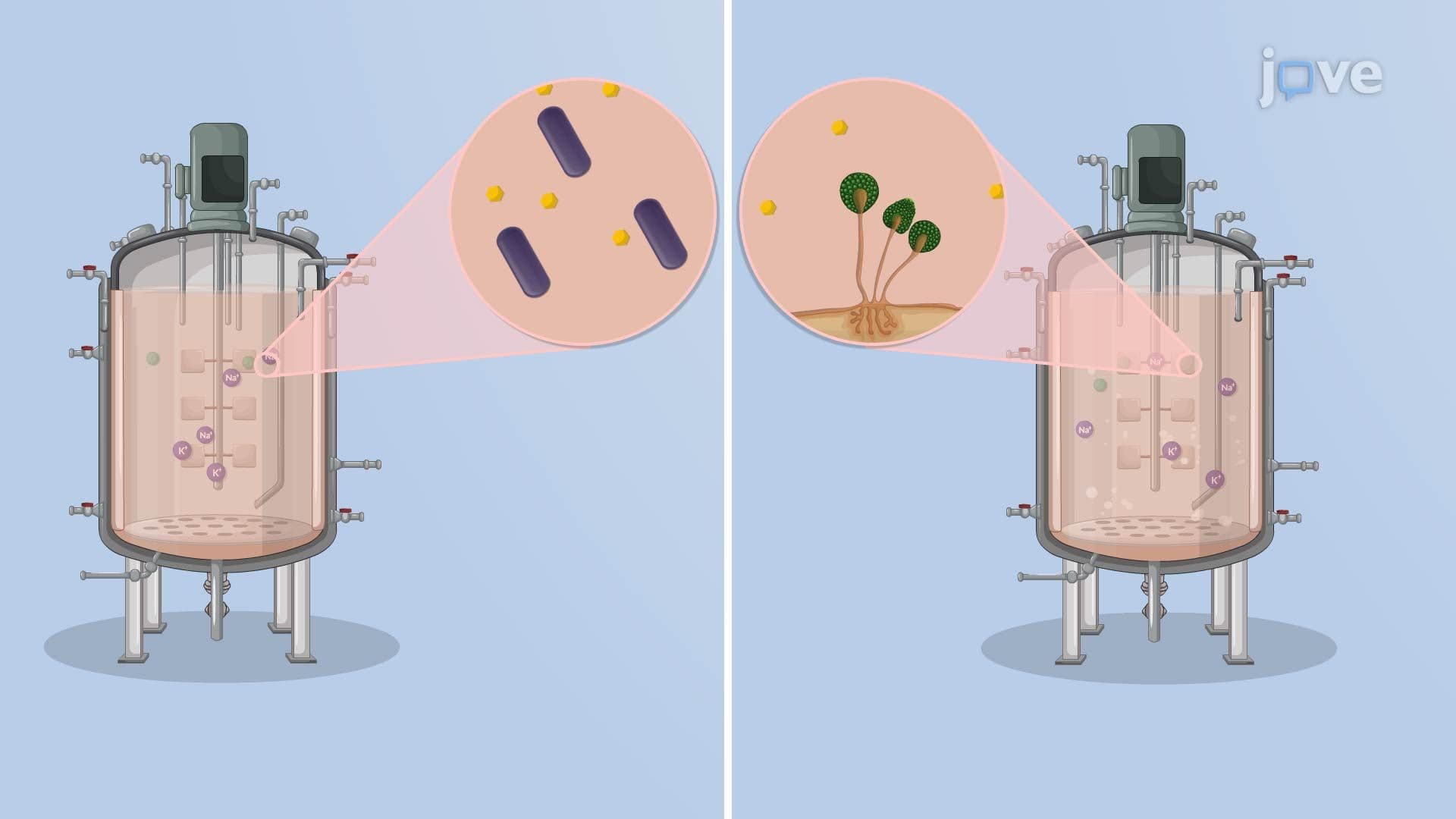
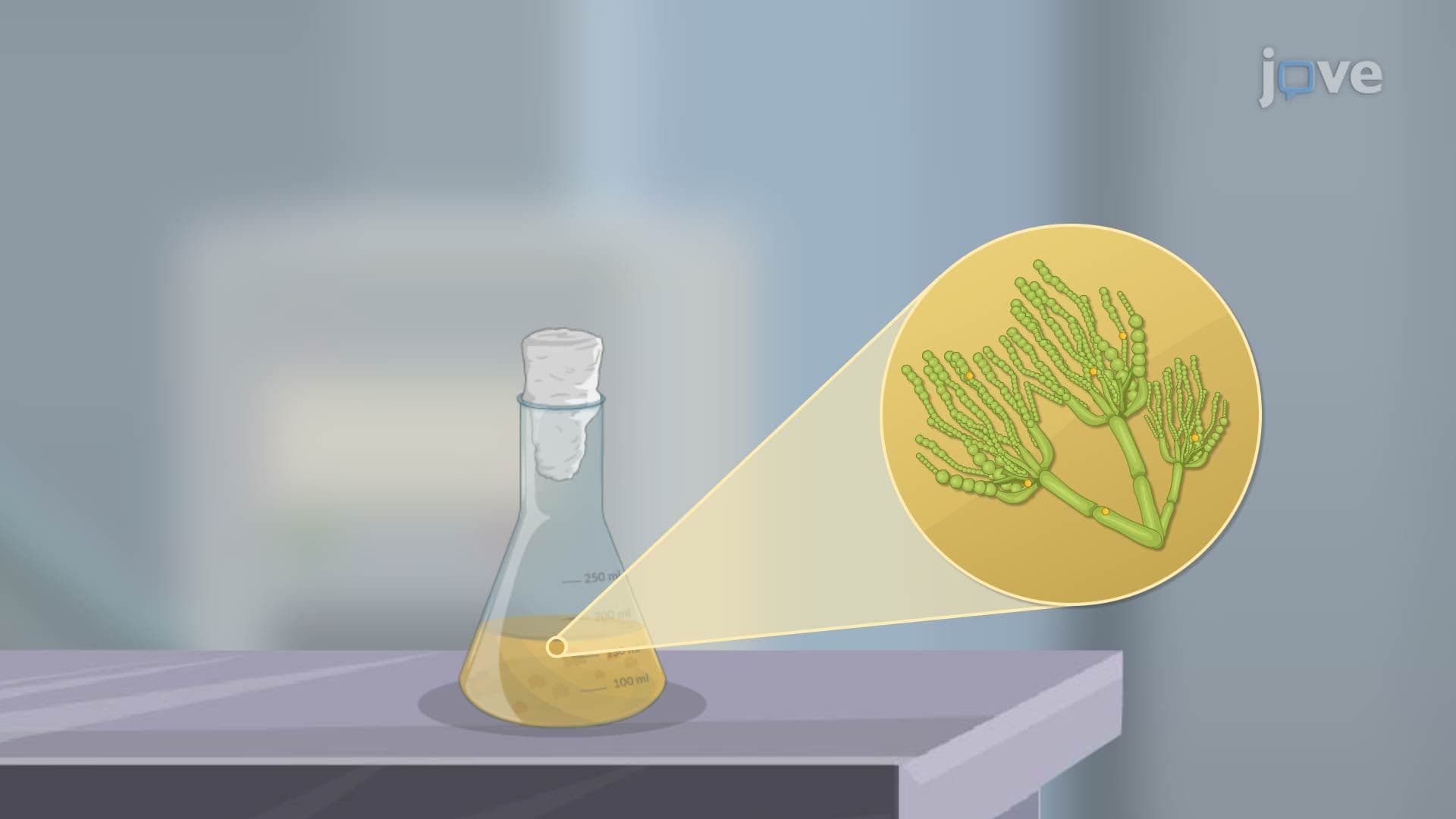
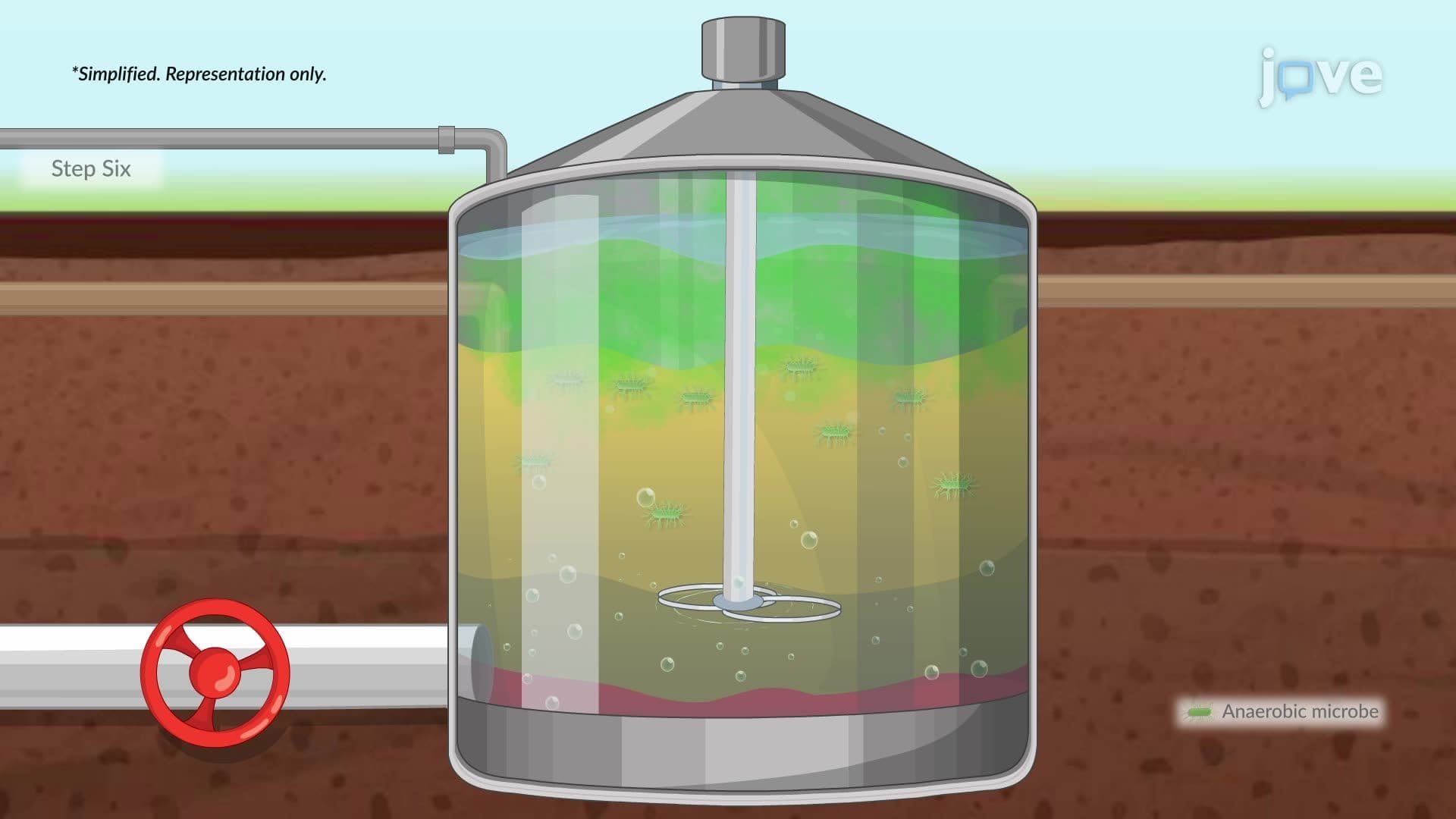
The process begins small. A starter flask inoculated with a laboratory *E. coli* seed culture allows scientists to confirm that the bacteria are healthy and growing normally. Once confirmed, the culture is transferred into a fed-batch bioreactor, a large, controlled vessel that continuously supplies nutrients to support rapid microbial growth. This is the backbone of large-scale fermentation, the same principle used in antibiotic production (think penicillin manufacturing at facilities like those operated by Pfizer) and enzyme production for the food industry.
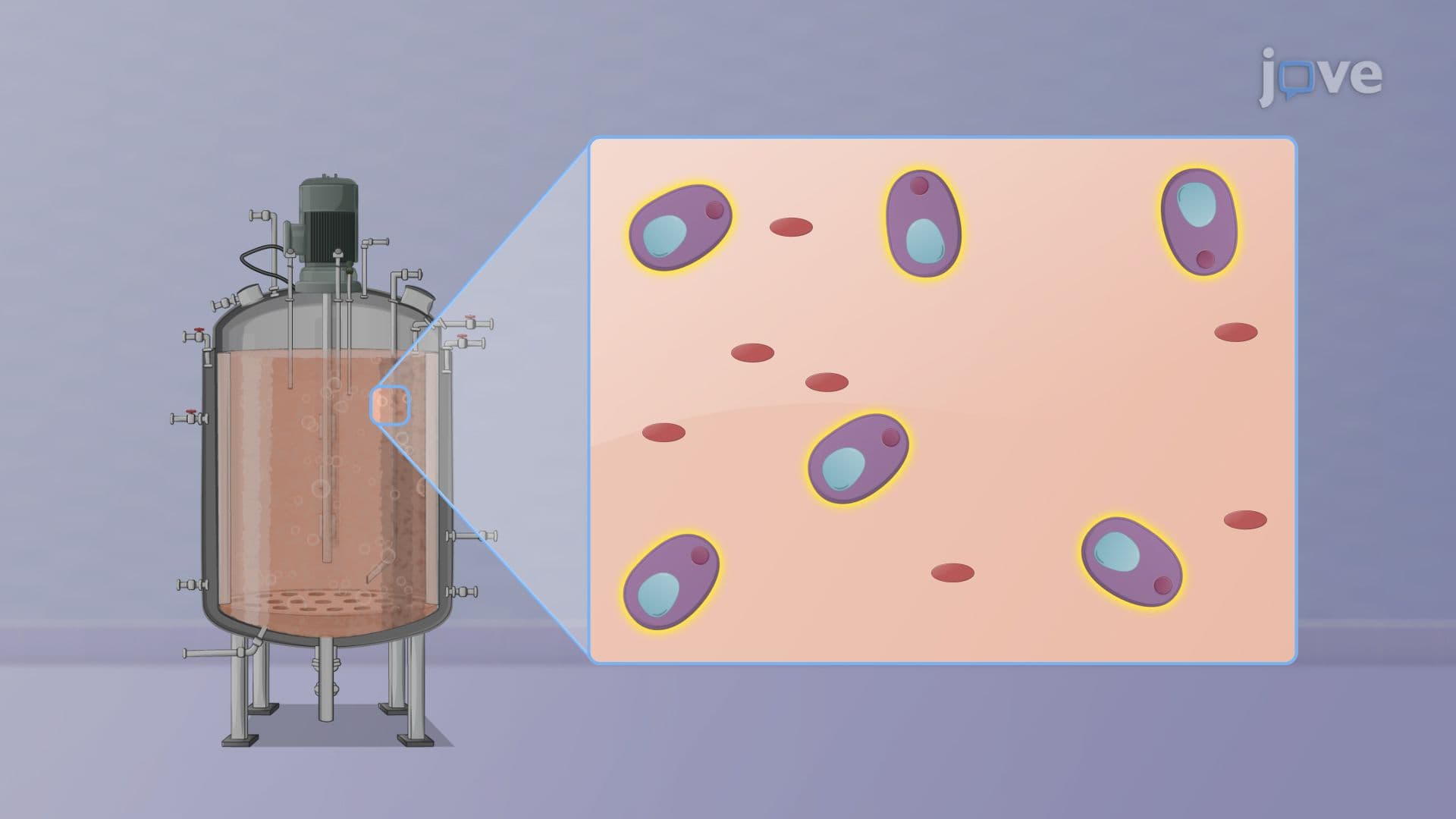
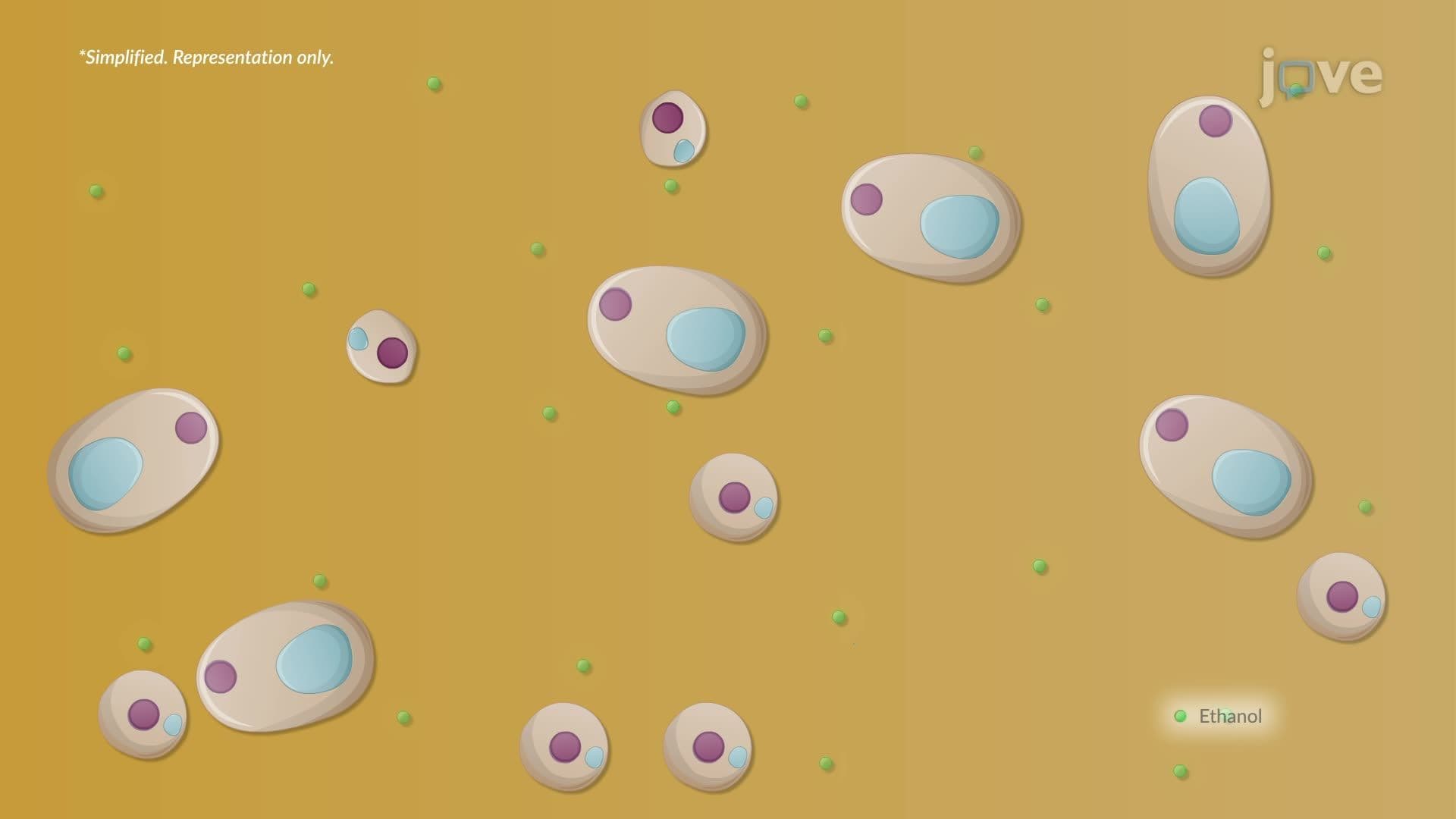
During the growth phase, the gene responsible for producing proinsulin is deliberately kept "switched off." Scientists wait until the bacterial population reaches a high, optimal density, maximizing the number of cellular protein factories before flipping the switch.
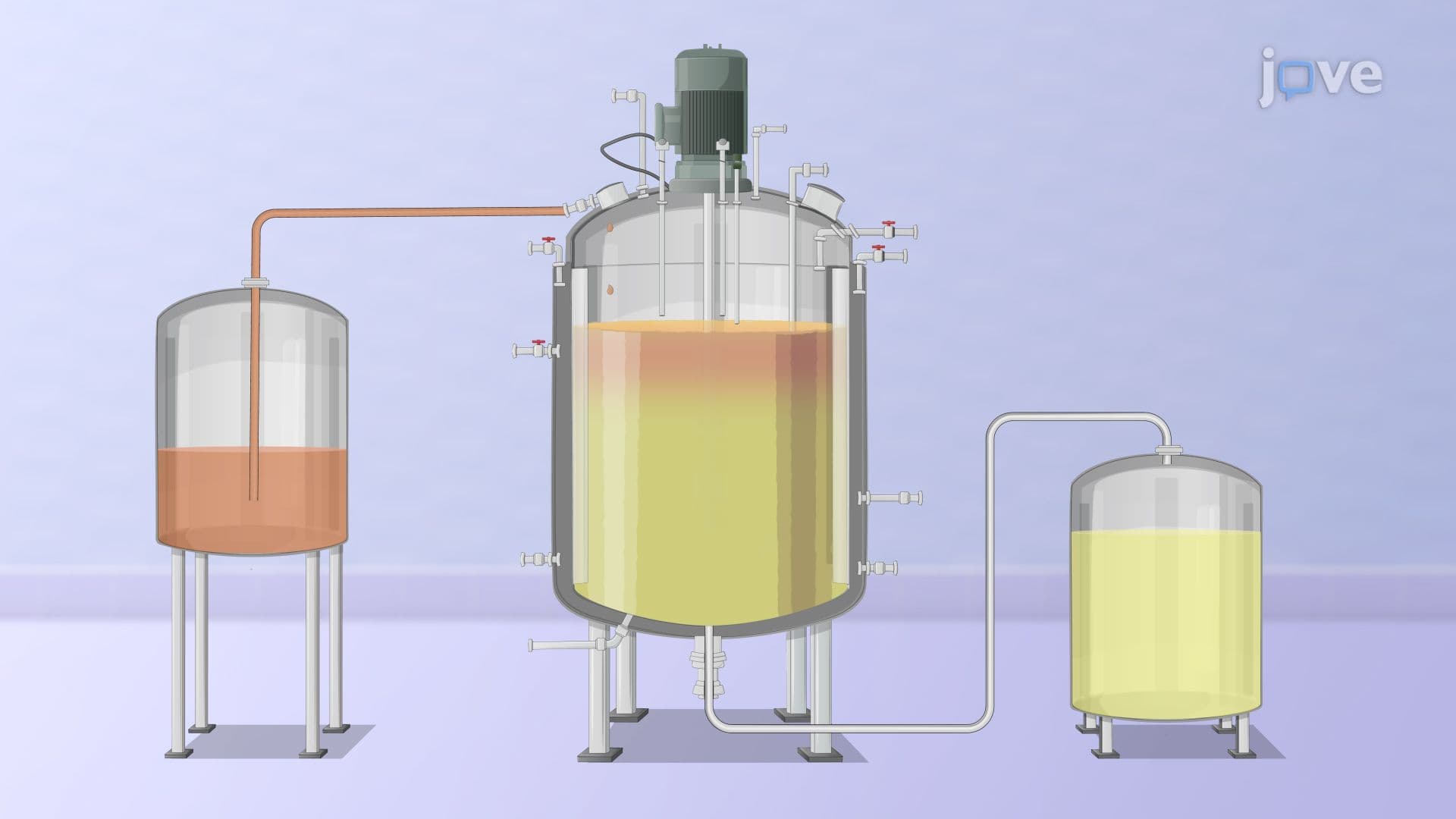
Once the target cell density is reached, a chemical inducer is added to the bioreactor. This triggers the bacteria to begin expressing the proinsulin gene at high levels. However, because *E. coli* is not a human cell, the massive output of proinsulin overwhelms the cell's folding machinery. The protein aggregates into dense, insoluble clumps called inclusion bodies.
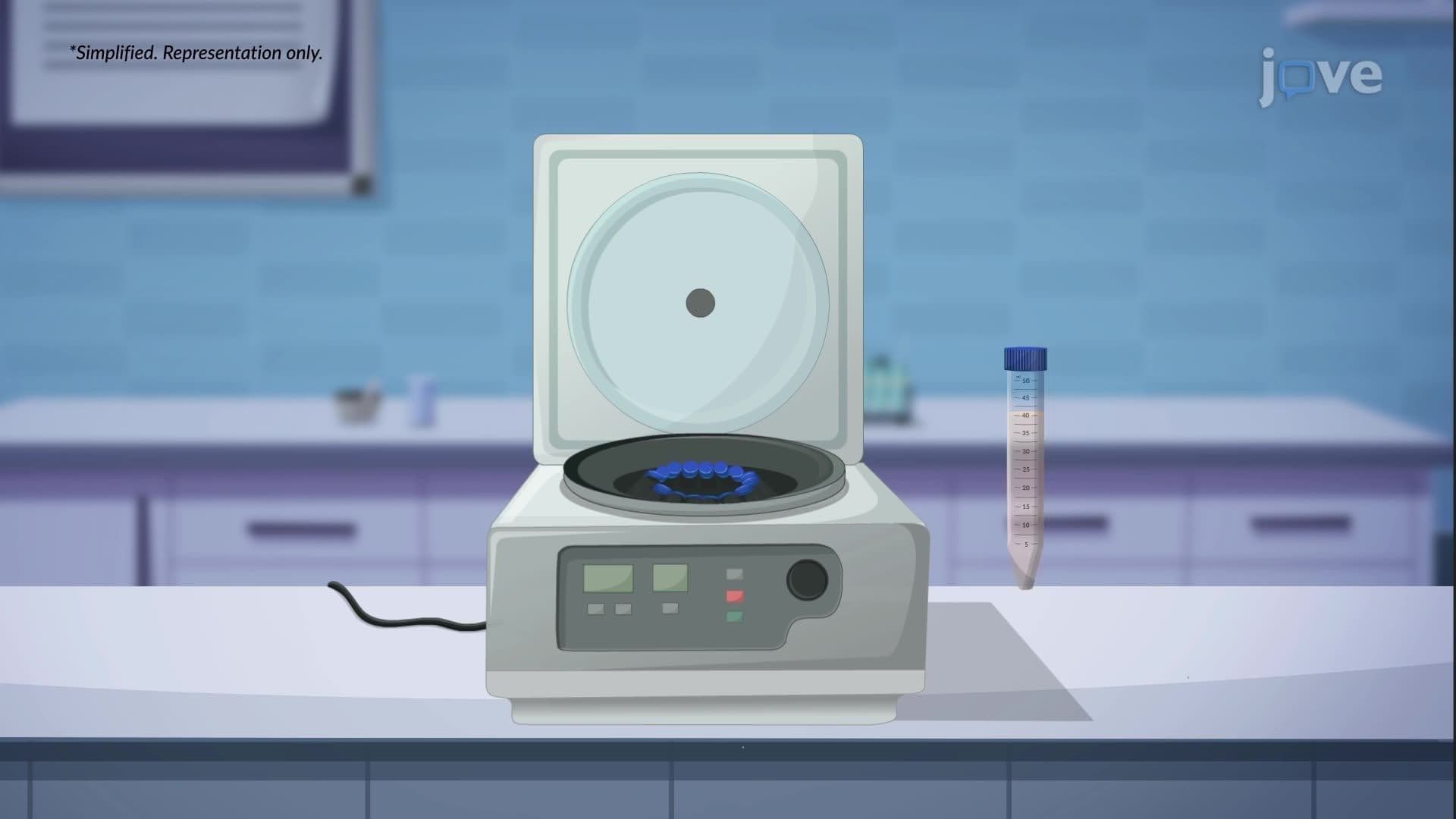
While inclusion bodies might seem like a problem, they actually protect the protein from degradation inside the cell. After harvesting and lysing (breaking open) the bacterial cells, scientists solubilize the inclusion bodies using denaturing agents to release unfolded proinsulin into solution.
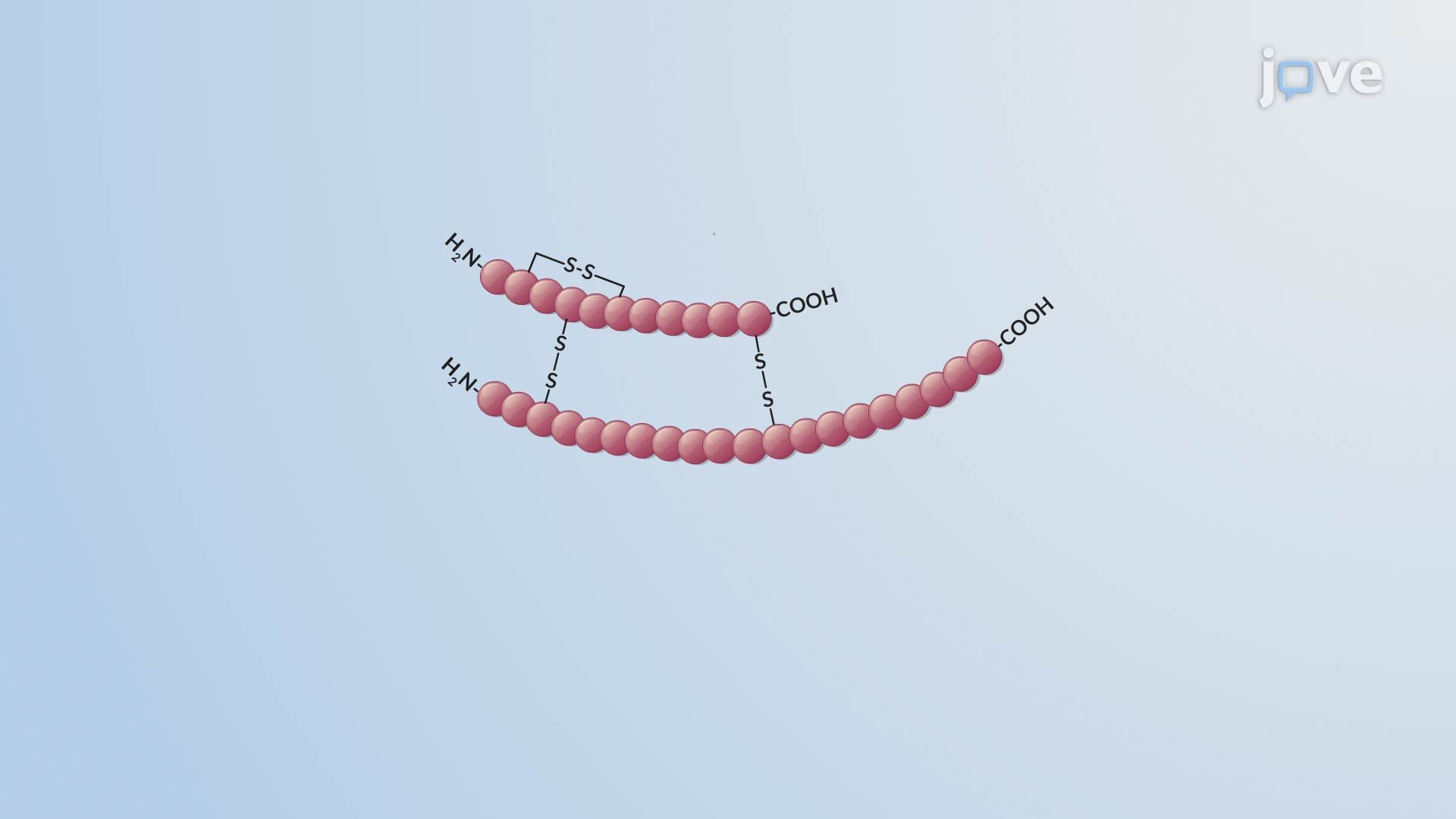
This is where the chemistry gets precise. Proinsulin contains cysteine residues that form disulfide bonds, chemical bridges critical to the protein's three-dimensional structure. To prevent incorrect bonds from forming during refolding, sodium sulfite and tetrathionate temporarily block these reactive sites. Once removed under controlled conditions, the proinsulin is guided into its correct native conformation, with properly paired disulfide bonds restoring full biological function.
The final step is enzymatic cleavage: specific enzymes snip the connecting peptide region from proinsulin, yielding mature insulin, the same molecule now used by over 8 million insulin-dependent Americans daily. This elegant process illustrates how microbial biotechnology bridges molecular biology and real-world medicine, and it appears frequently on college midterms, AP Biology free-response questions, and MCAT biochemistry sections.
Related Micro-courses