Loading video…

 22 Concepts
 3.7K views

Video Summary: Biological Treatment of Effluent and Waste Water Explained
Did you know that billions of gallons of wastewater are treated every day across the US using living microorganisms? The biological treatment of effluent and waste water is the backbone of modern sewage management, transforming harmful waste into safe, discharge-ready water. Cities like Chicago rely on these multi-stage systems to protect waterways. Watch the full video on JoVE Coach to master this concept with expert-led visuals and step-by-step explanations.
Biological treatment of effluent and waste water is one of the most powerful real-world applications of microbiology. Rather than relying solely on chemicals or physical filters, this process harnesses microorganisms, bacteria, fungi, and other microbes, to actively degrade the organic pollutants in sewage. Understanding this process is essential not only for environmental science but also for AP Biology, introductory college microbiology, and MCAT preparation, where ecological and biotechnological applications are frequently tested.
Before microorganisms ever get involved, wastewater goes through primary treatment. This stage uses mechanical screening to capture large solids, things like rags, plastics, and debris, followed by sedimentation, where suspended particles settle to the bottom of large tanks as primary sludge. Think of it as clearing the stage before the microbial performers take over. While not biological in nature, this step is critical because it reduces the load on subsequent stages, improving overall treatment efficiency. Facilities like the Deer Island Wastewater Treatment Plant in Boston, Massachusetts, process hundreds of millions of gallons daily, relying on precisely this kind of staged approach.
Secondary treatment is the core biological stage, and it operates under aerobic conditions. Two dominant methods are used in the US:
Trickling Filters pass wastewater over crushed stone or synthetic media colonized by biofilms, dense communities of aerobic bacteria. As the wastewater flows over these surfaces, dissolved organic compounds diffuse into the biofilm, where bacteria oxidize them into simpler, less harmful metabolites like carbon dioxide and water. This is a passive but effective system.
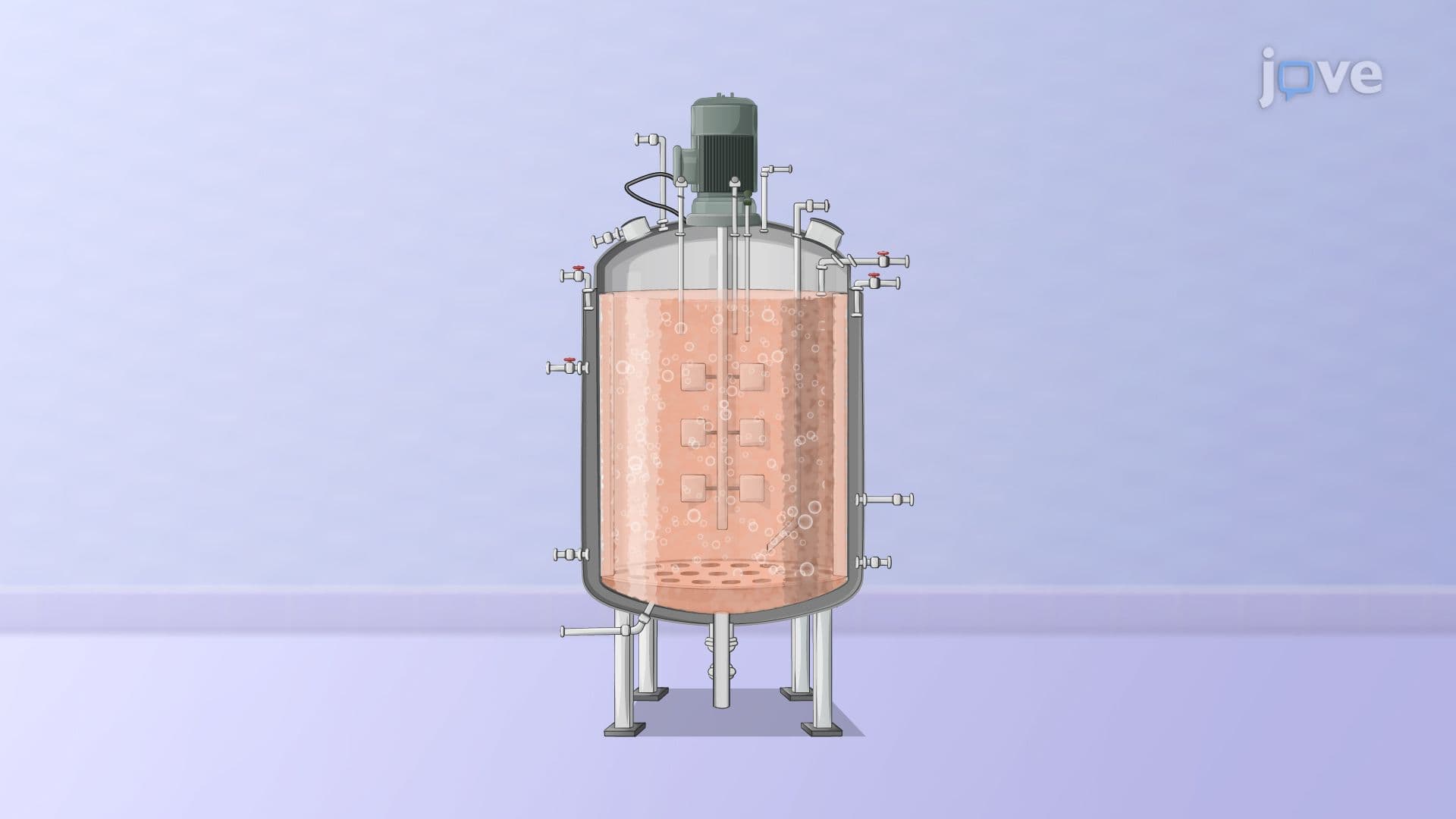
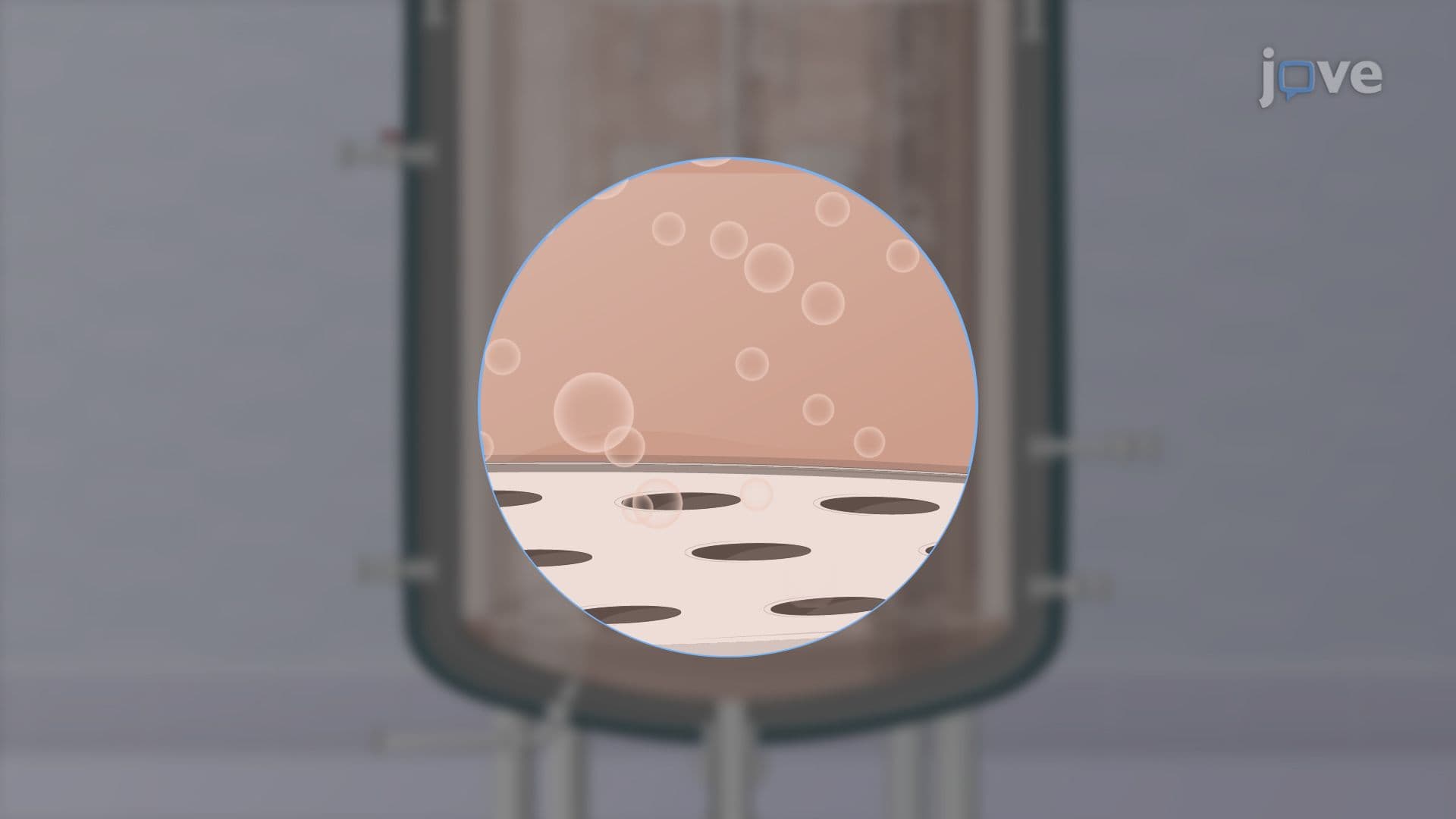
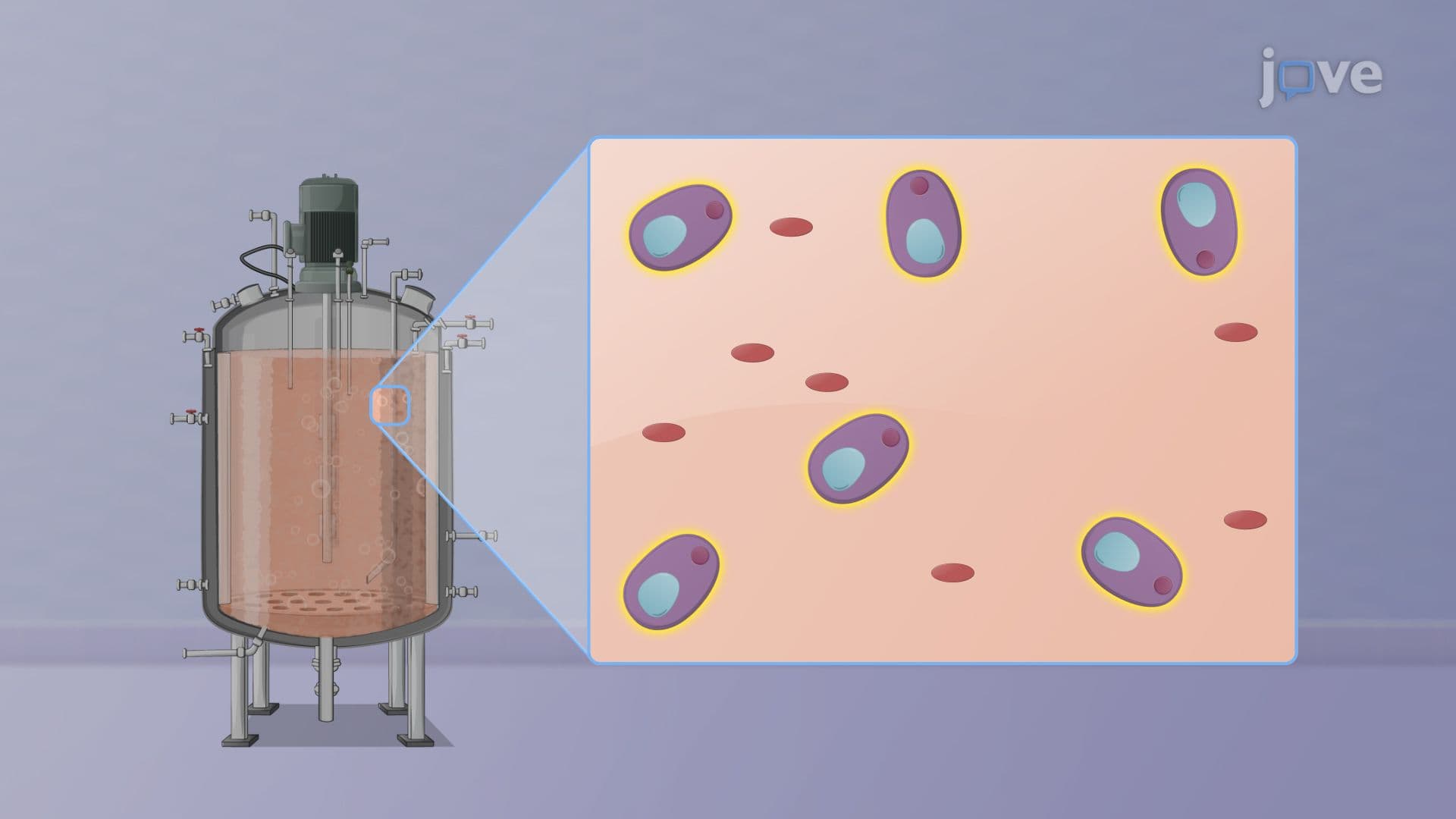
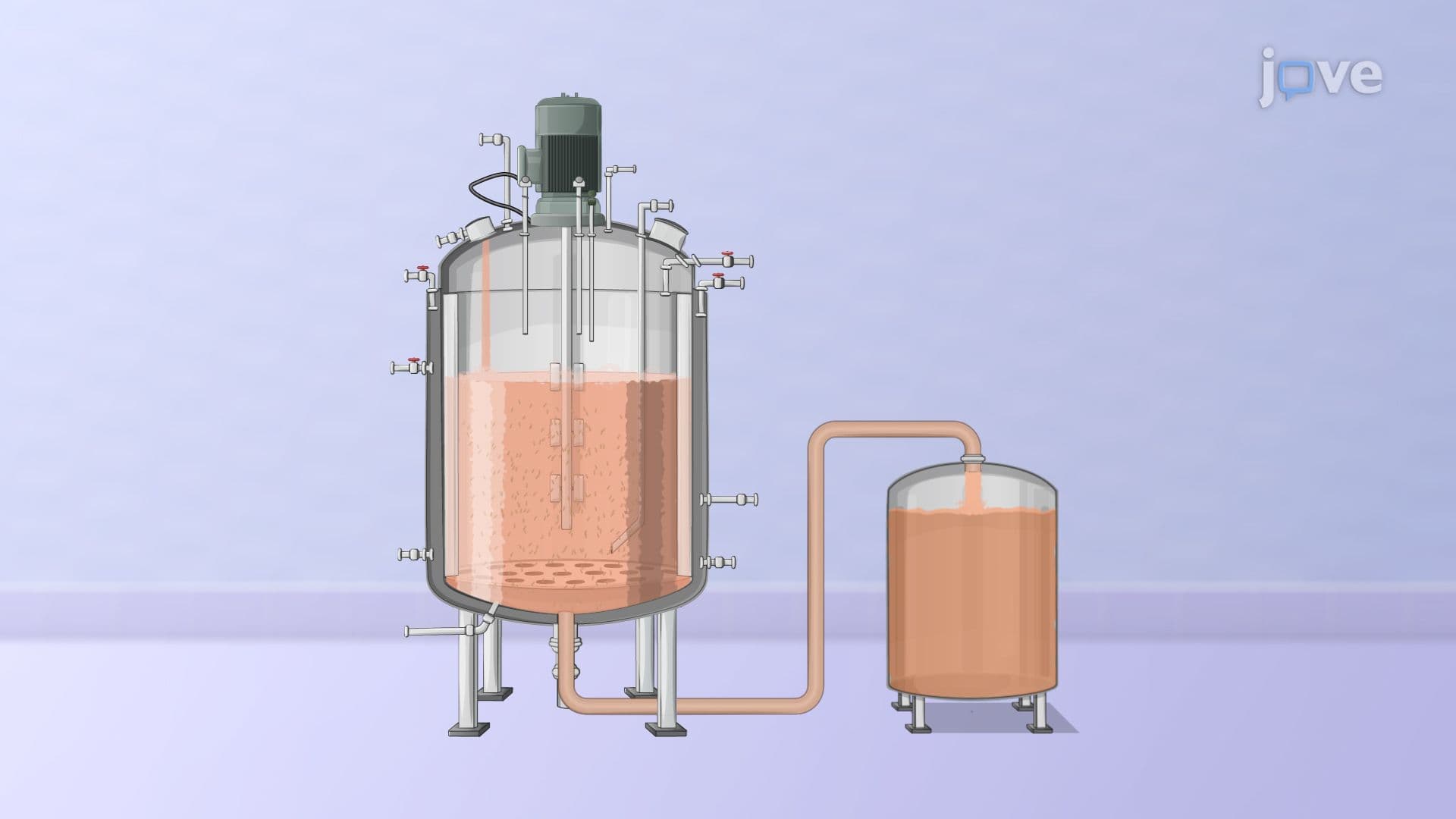
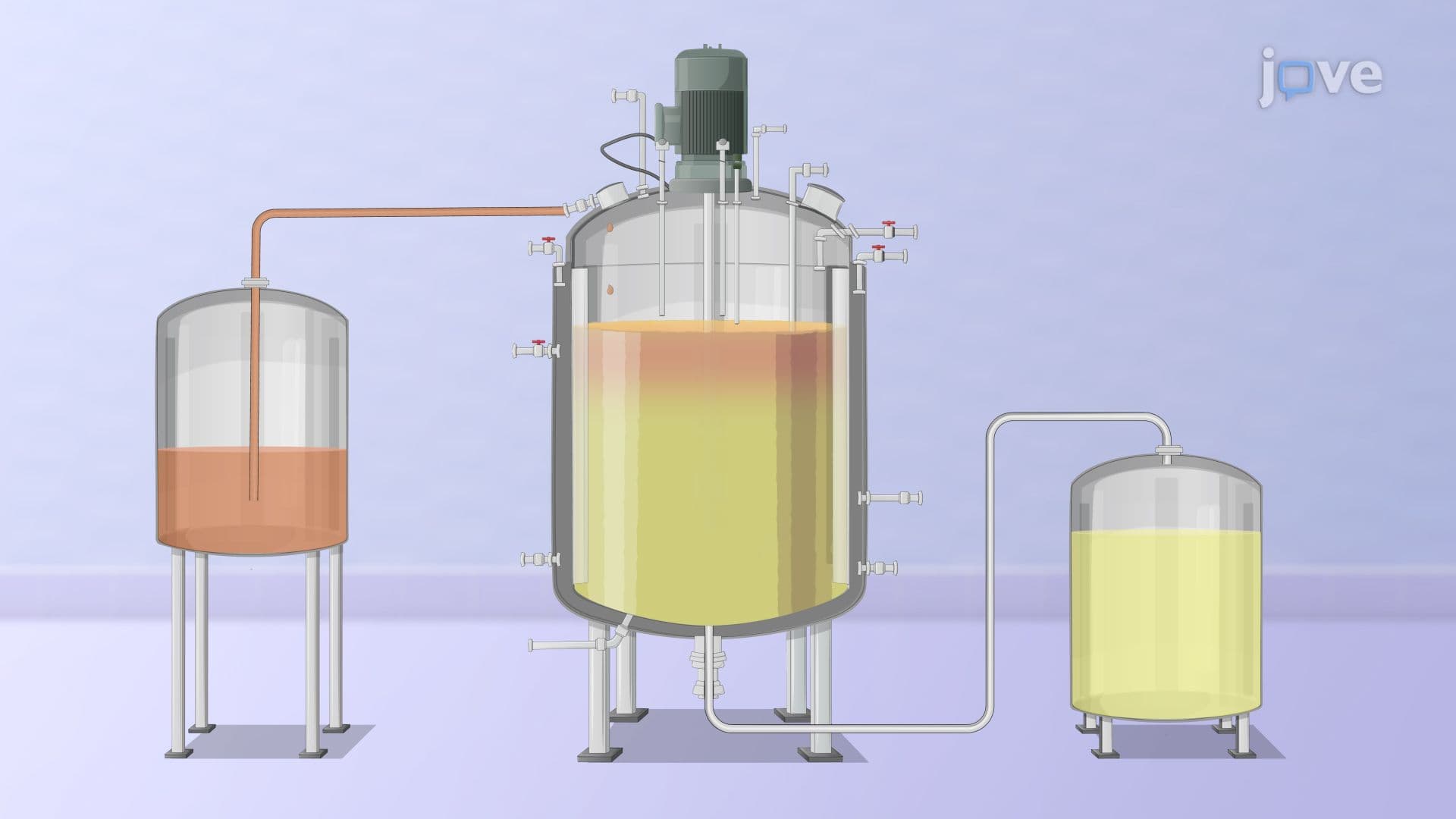
The Activated Sludge Process is more dynamic. Bacteria like *Zoogloea ramigera* aggregate with other microorganisms to form flocs, clumps of microbial biomass suspended in aerated tanks. These flocs dramatically increase contact between microbes and organic waste, which slashes biochemical oxygen demand (BOD), a key measure of water pollution. After oxidation, the sludge flows into a settling tank: some is recycled back into the aeration tank to maintain active microbial populations, and excess is removed for further processing. This recycling loop is a hallmark of large-scale fermentation-adjacent engineering in environmental systems.
After secondary treatment, the clarified effluent still contains pathogens and trace pollutants. Tertiary treatment addresses this using UV disinfection, which destroys microbial DNA without adding chemicals like chlorine. The result is water clean enough for discharge into rivers, lakes, or coastal waters, or even for reuse in irrigation and industrial cooling. In water-stressed states like California and Arizona, tertiary-treated water is increasingly recycled for agricultural use, reflecting the growing importance of sustainable water management.
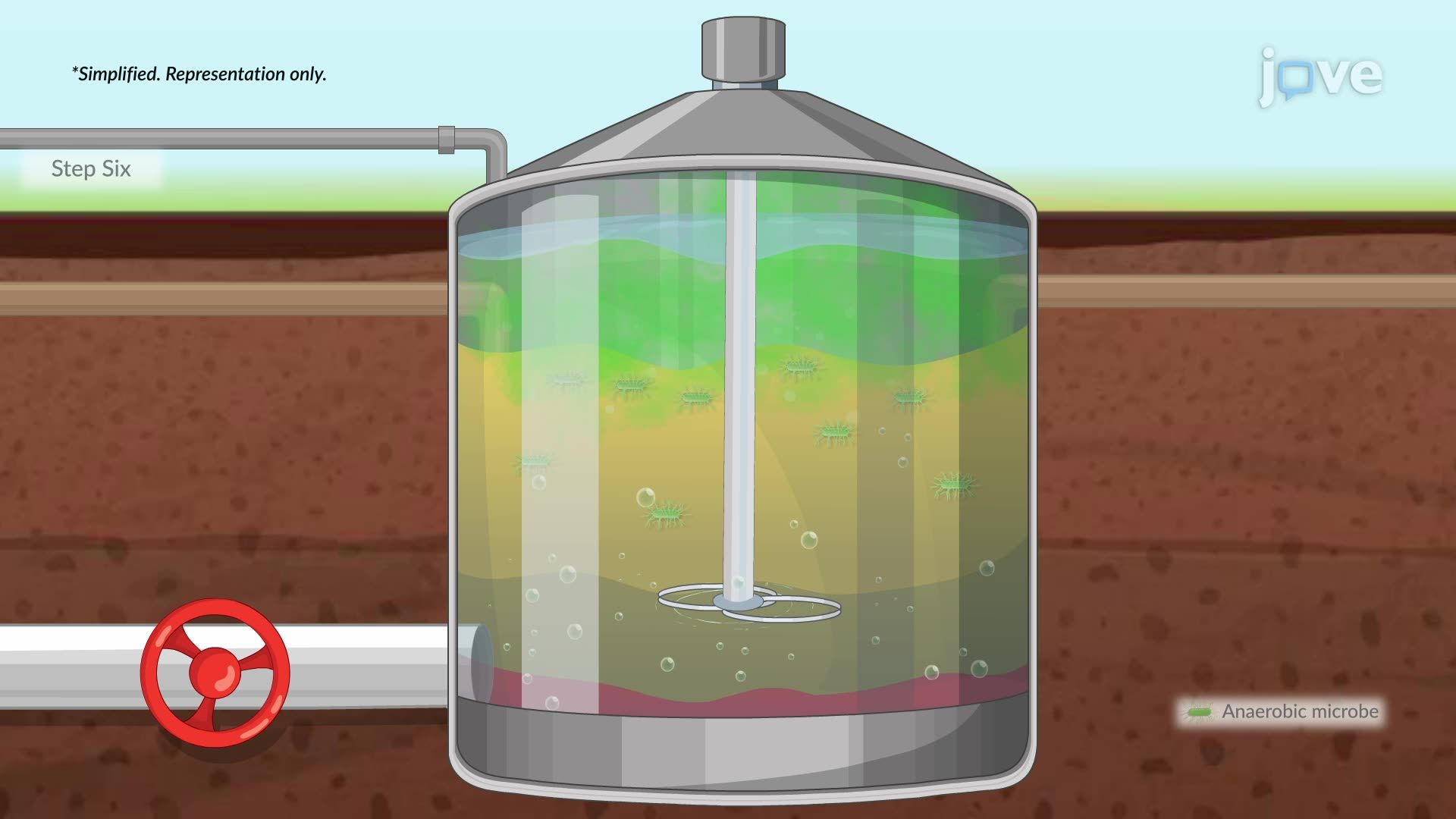
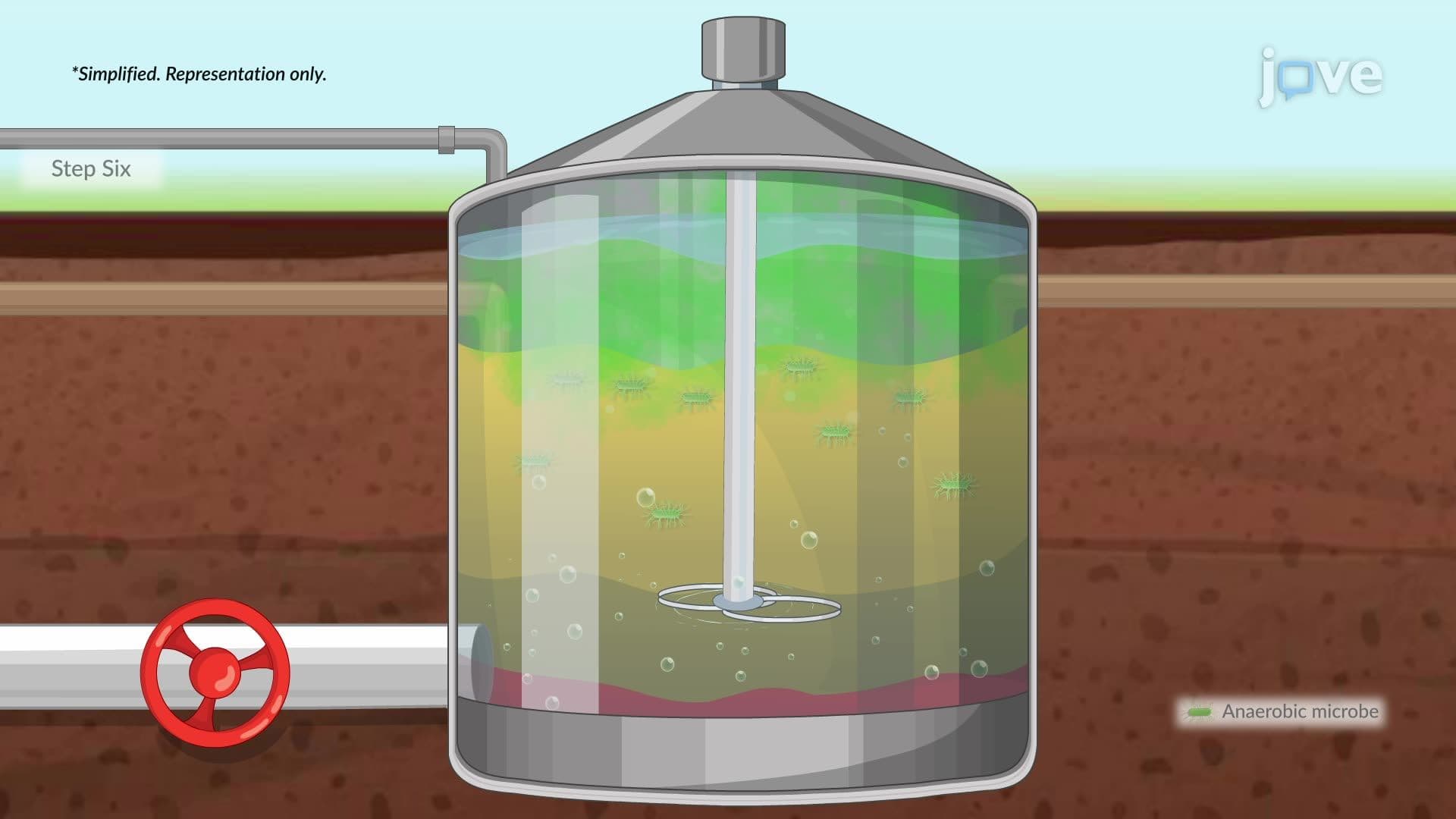
The sludge removed during secondary and tertiary treatment doesn't simply disappear. Anaerobic digestion breaks it down further using microorganisms operating without oxygen. This process yields methane-rich biogas, which many US treatment facilities, including those in the New York City metropolitan area, capture and burn to generate electricity, offsetting operational costs. Simultaneously, sludge volume is significantly reduced, minimizing disposal challenges. This stage elegantly bridges biological treatment with biofuel production, demonstrating how industrial microbiology can serve both environmental and energy goals.
Related Micro-courses