Loading subject page…

3,720 views

Video Summary: What Is Bioreactor Controls Ii
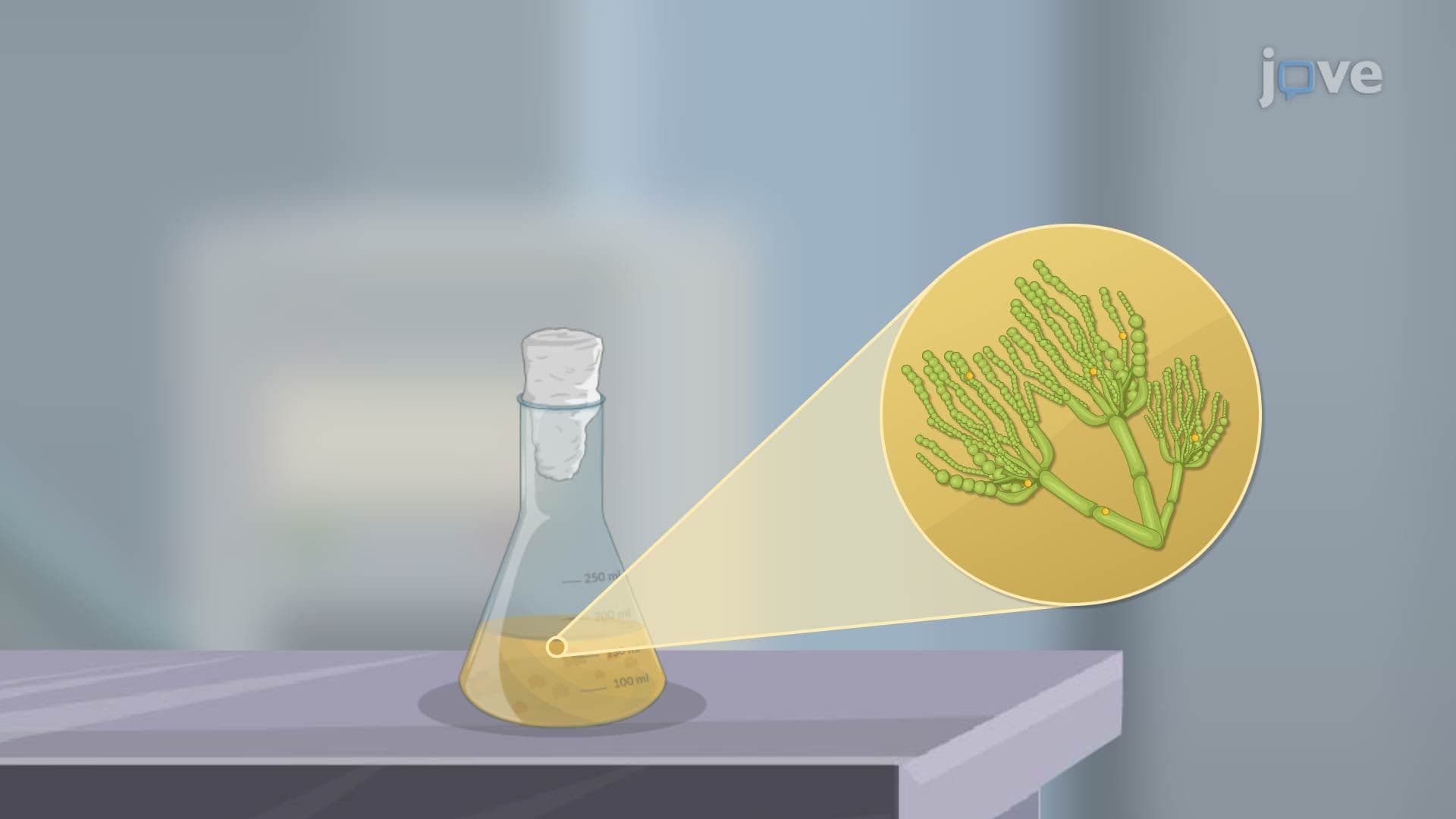
Did you know a single industrial fermentor can produce thousands of liters of life-saving antibiotics in one batch? Bioreactor Controls-II explains the physical systems, spargers, agitators, impellers, and baffles, that keep oxygen flowing and cultures healthy during large-scale fermentation. US pharmaceutical companies like Pfizer rely on these exact mechanisms for enzyme and antibiotic production. Watch the full video on JoVE Coach to master this concept with expert-led visuals and step-by-step explanations.
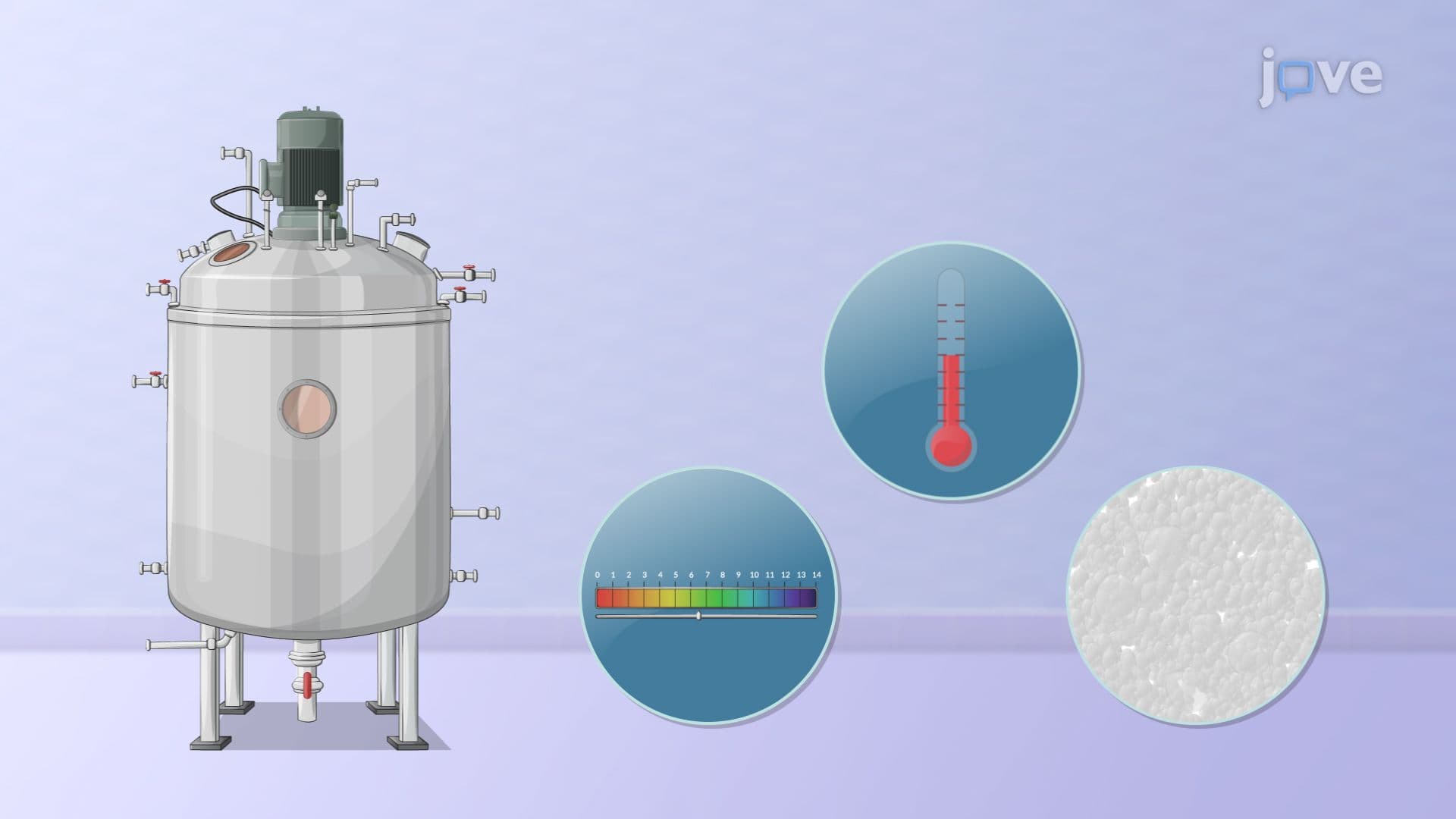
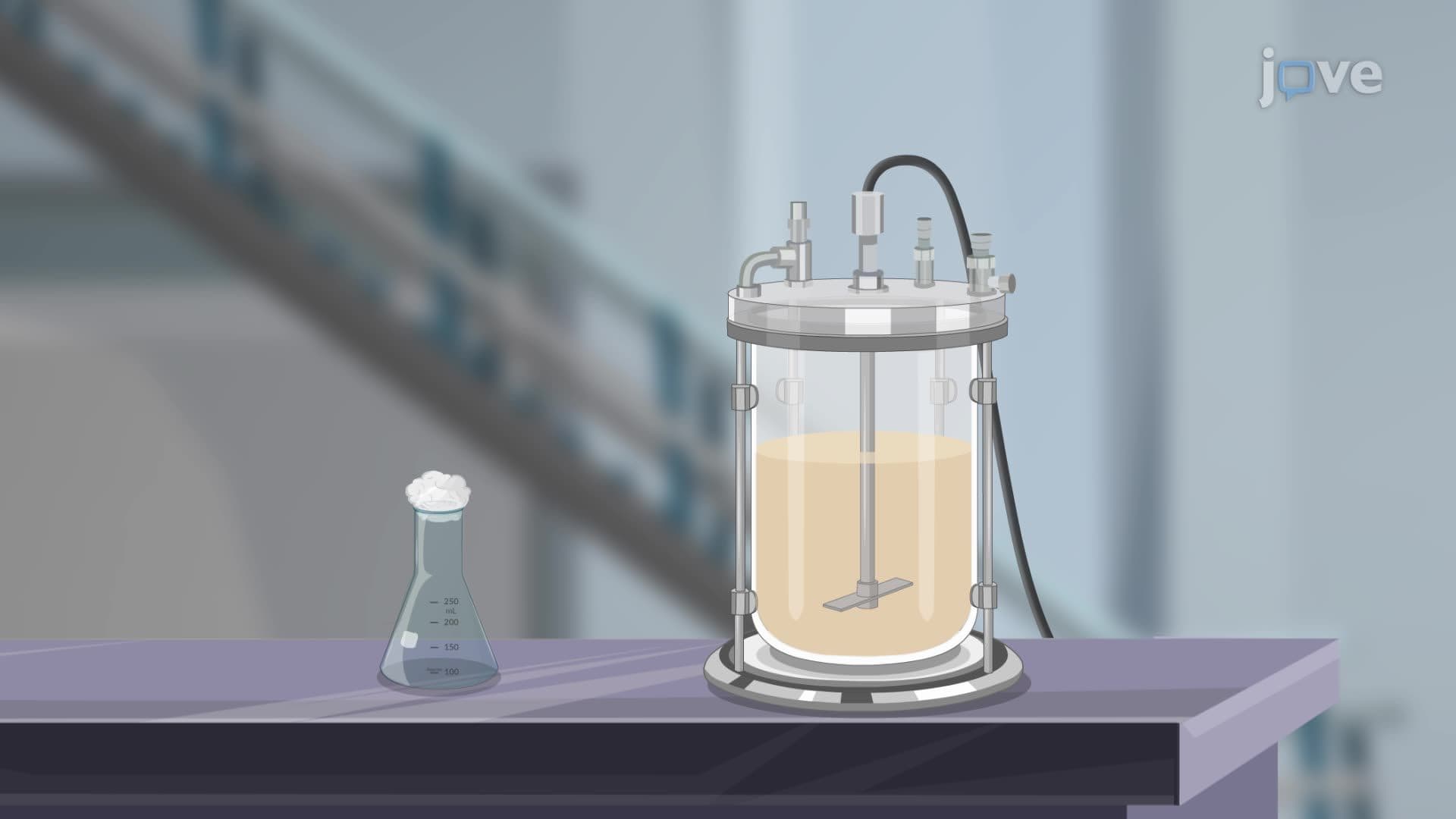
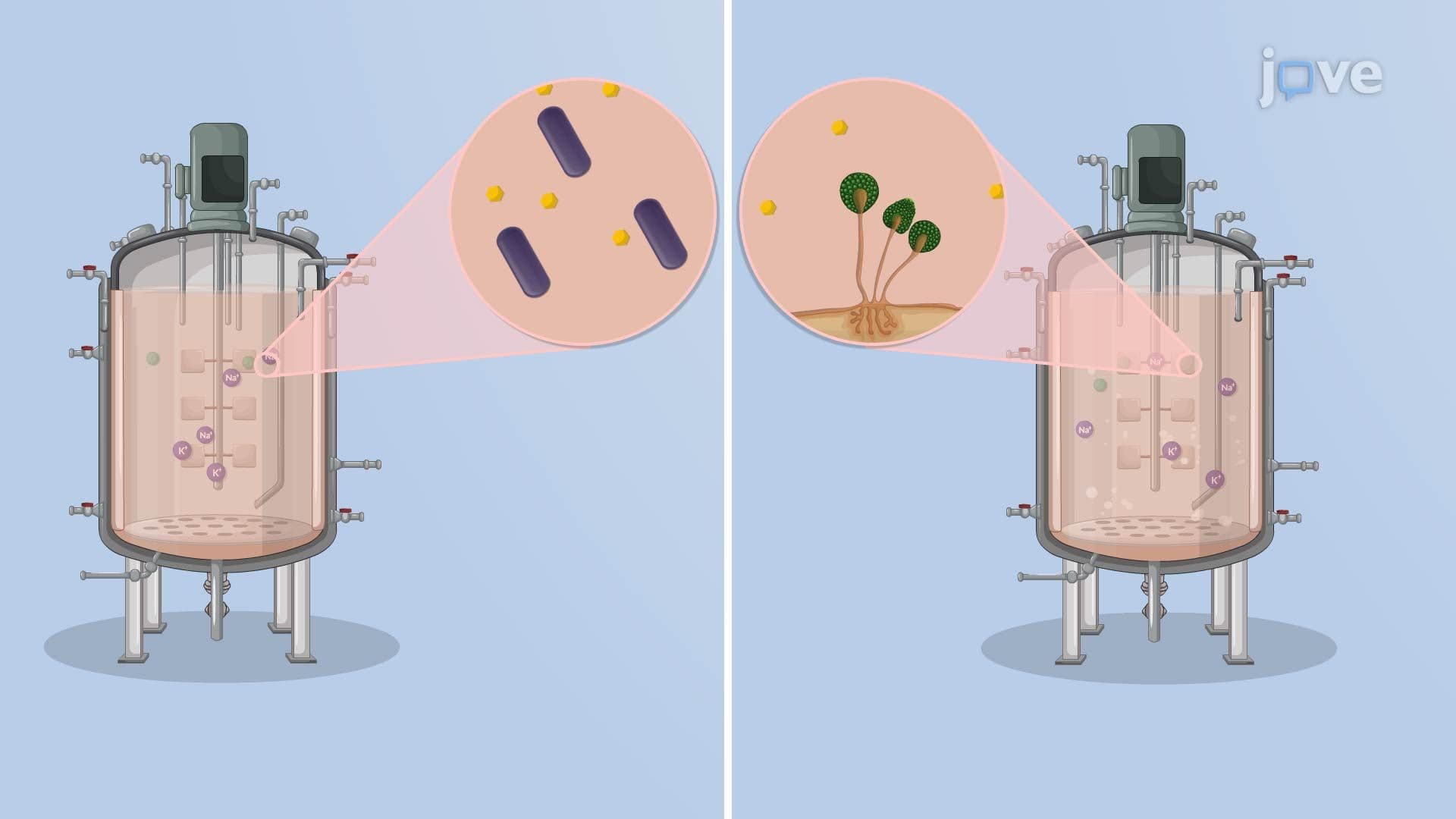
Bioreactor Controls-II refers to the mechanical and physical control systems inside industrial fermentors that regulate oxygen availability, mixing efficiency, and culture uniformity. While basic bioreactor principles introduce parameters like pH and temperature monitoring, this layer of control focuses on the hardware, spargers, agitators, impellers, and baffles, that physically manipulate the fermentation environment. Understanding these components is essential in microbial biotechnology, large-scale fermentation, and any industrial process that relies on living microorganisms as production factories.
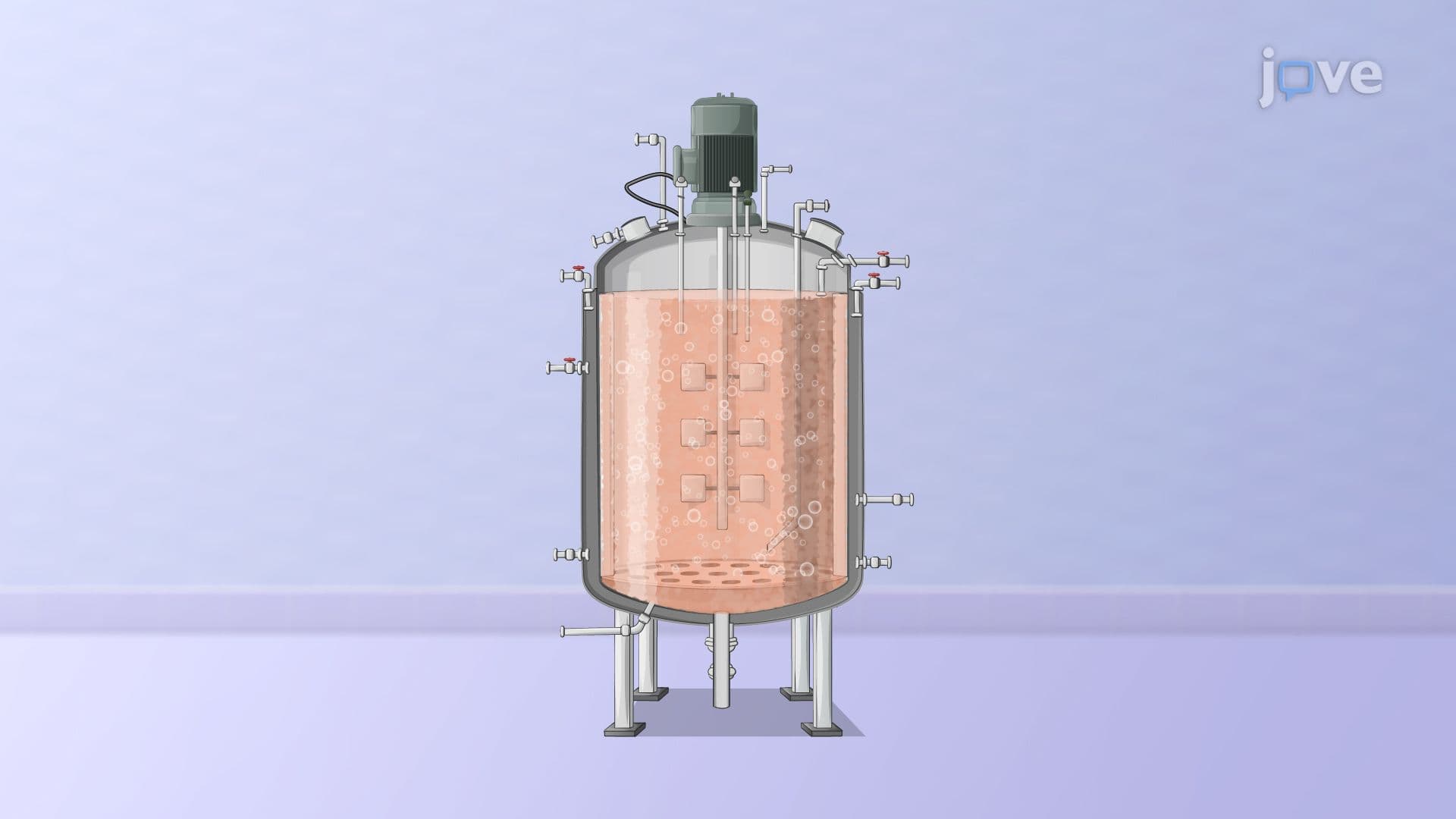
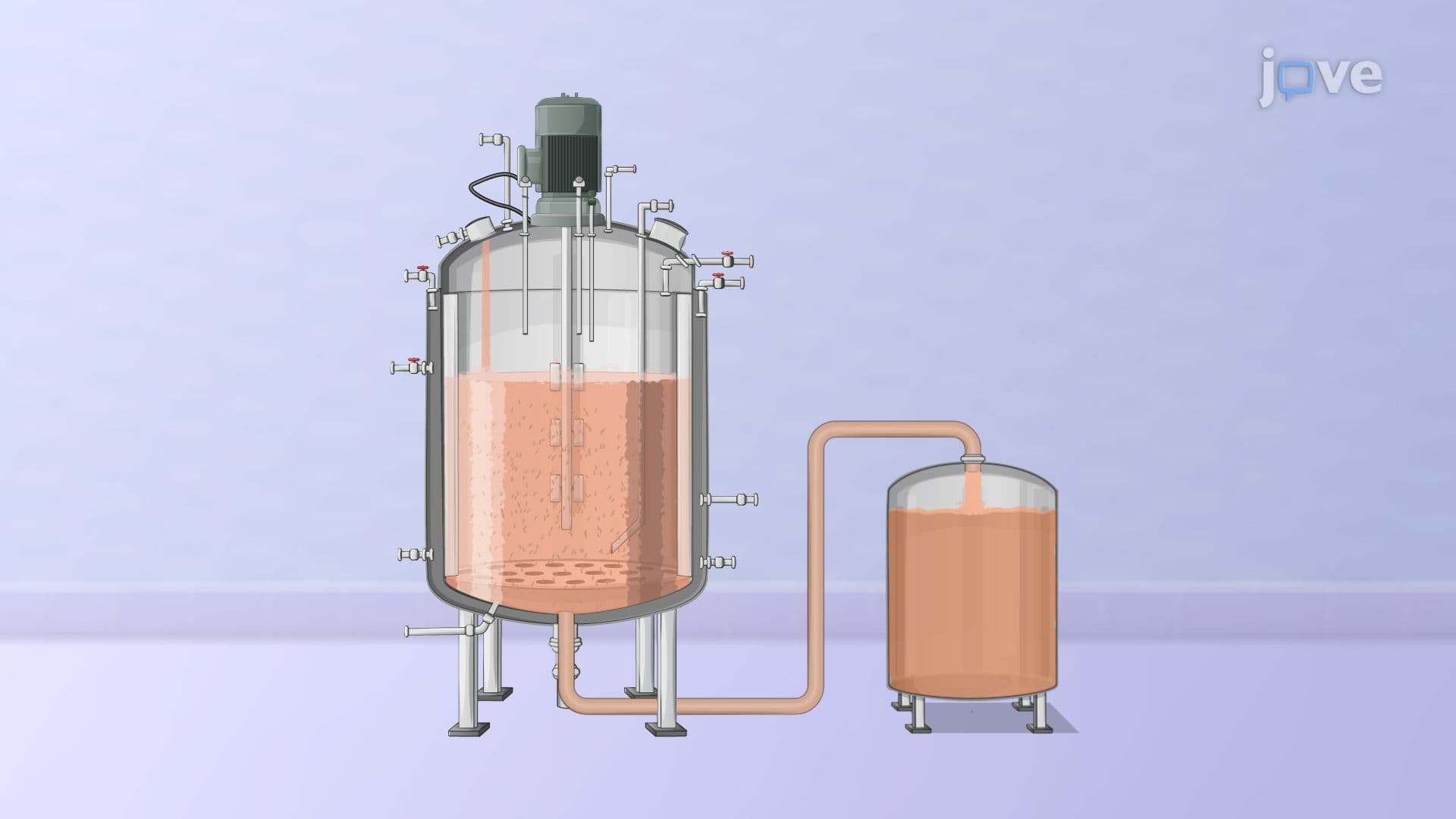
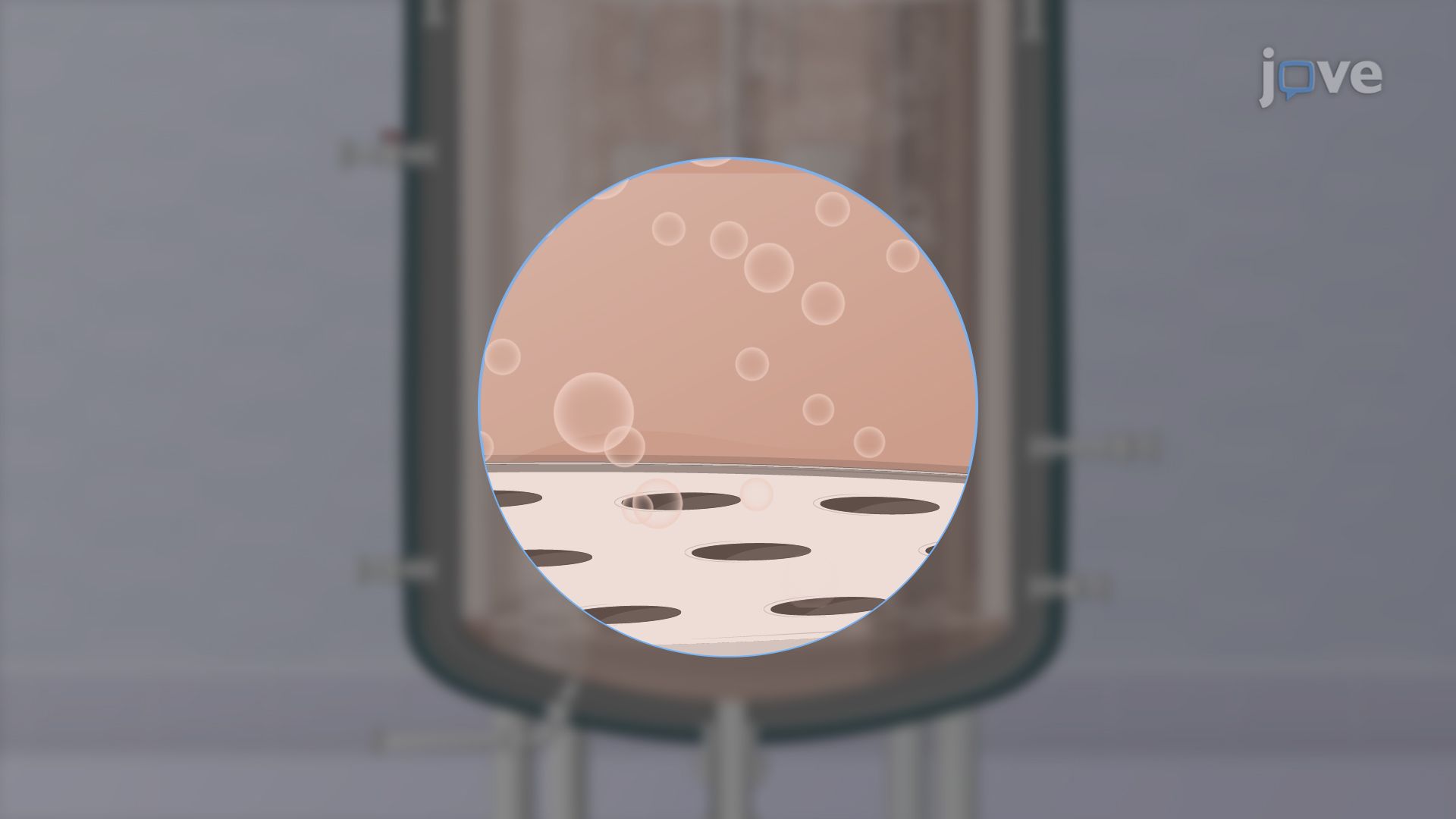
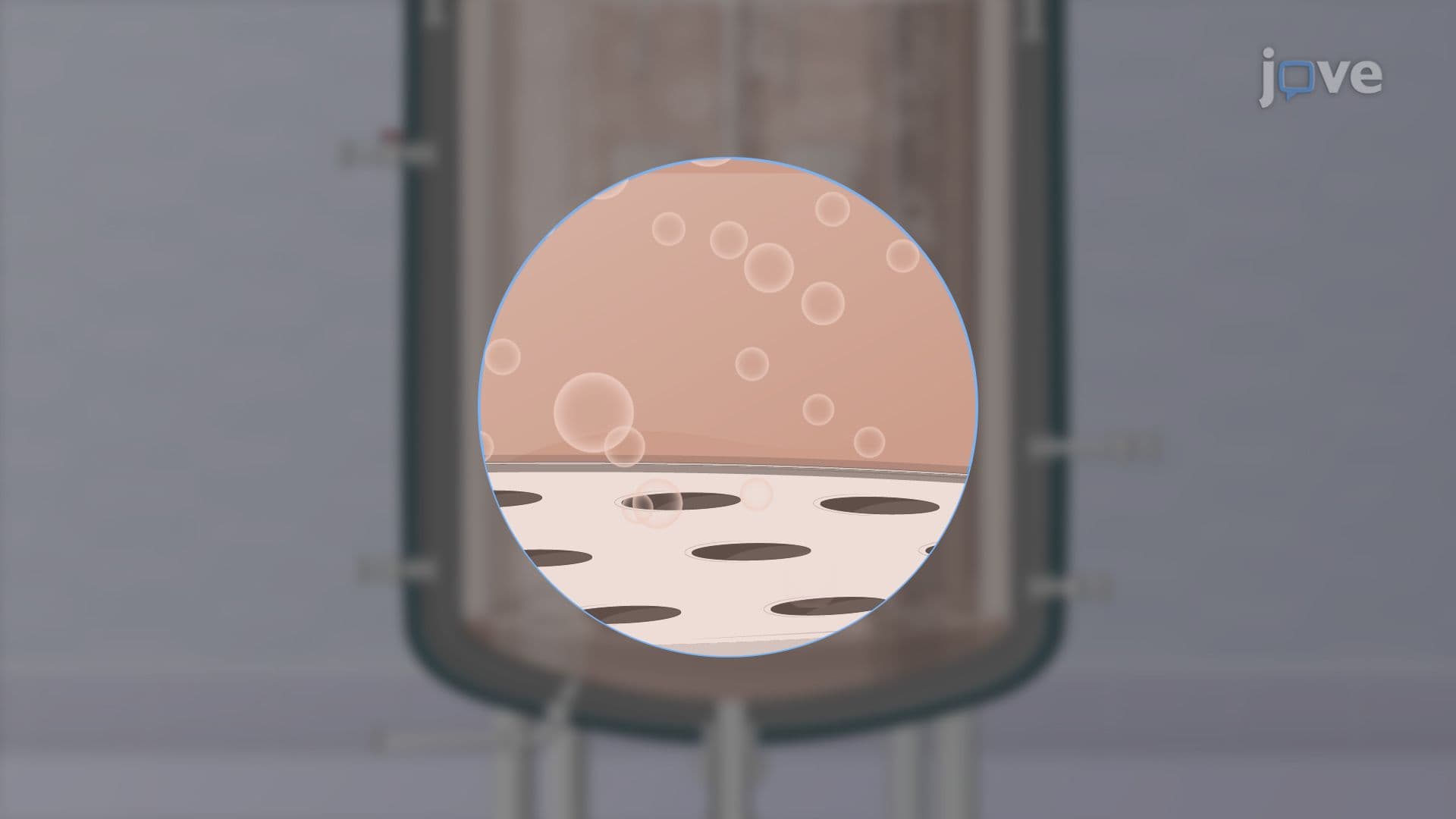
Oxygen is sparingly soluble in water, roughly 8-9 mg/L at room temperature under normal atmospheric pressure. For aerobic microorganisms performing rapid metabolism, the dissolved oxygen in a static broth would be depleted within seconds. This is why passive oxygen diffusion simply cannot support industrial-scale aerobic fermentation. In US facilities producing antibiotics like penicillin or enzymes for the food industry, compressed sterile air is continuously injected through spargers, porous or perforated devices positioned beneath the lowest impeller. The design of sparger holes involves a precise trade-off: holes small enough to generate fine, high-surface-area bubbles that dissolve oxygen quickly, but not so small that they become clogged by cell debris or media solids.
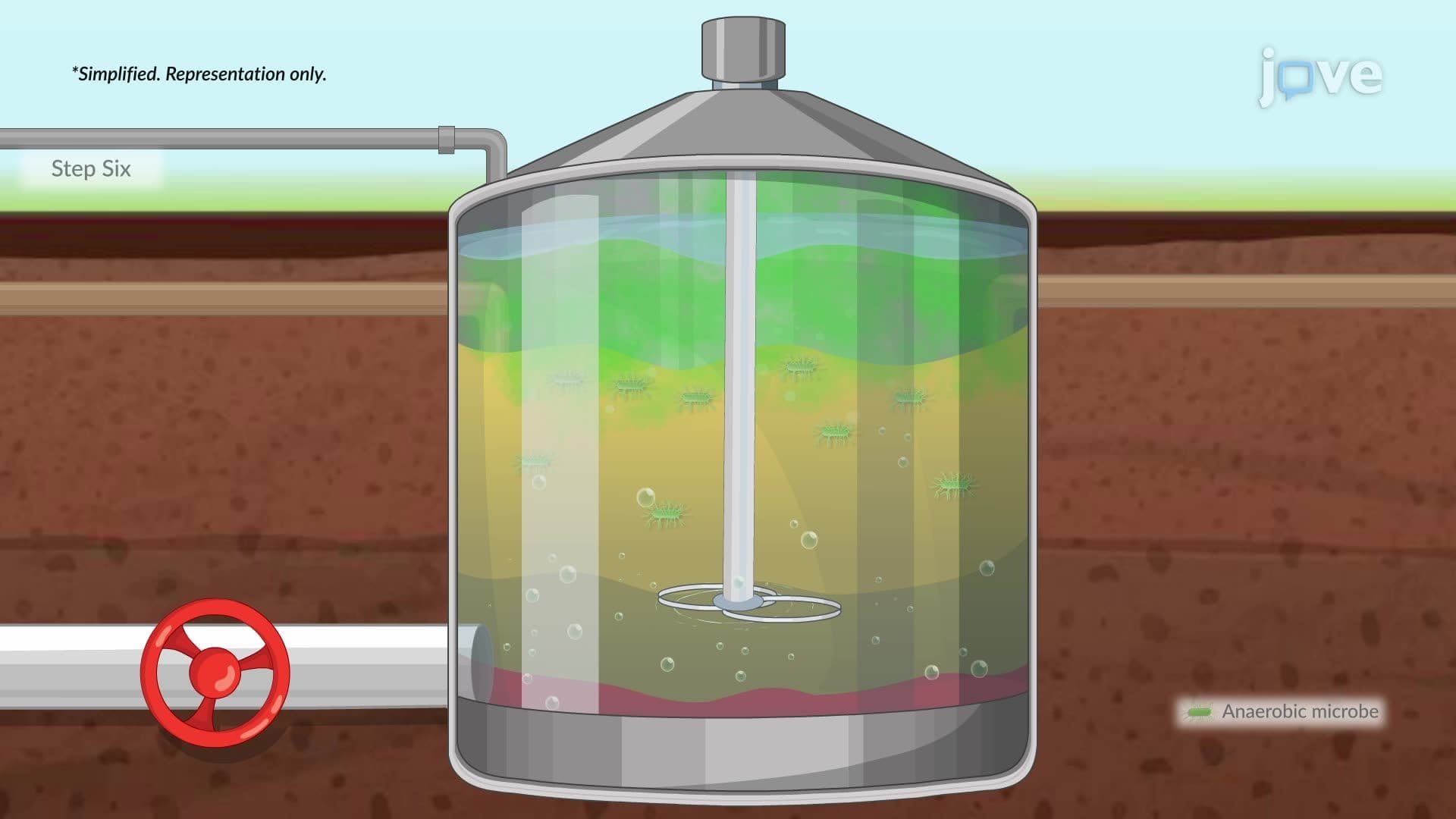
Agitators are motor-driven shafts fitted with impeller blades that rotate at controlled speeds inside the fermentor vessel. Their function goes far beyond simple stirring. By shearing large air bubbles into much smaller ones, impellers dramatically increase the total gas-liquid interfacial area, which is where oxygen transfer actually occurs. The greater this surface area, the faster oxygen dissolves into the broth, a relationship directly tied to the oxygen transfer rate (OTR), a parameter students encounter in college-level bioprocess engineering and AP Biology discussions of cellular respiration and metabolism. Agitation also prevents the formation of stagnant zones where temperature or nutrient gradients could develop, ensuring that the entire culture experiences consistent conditions.
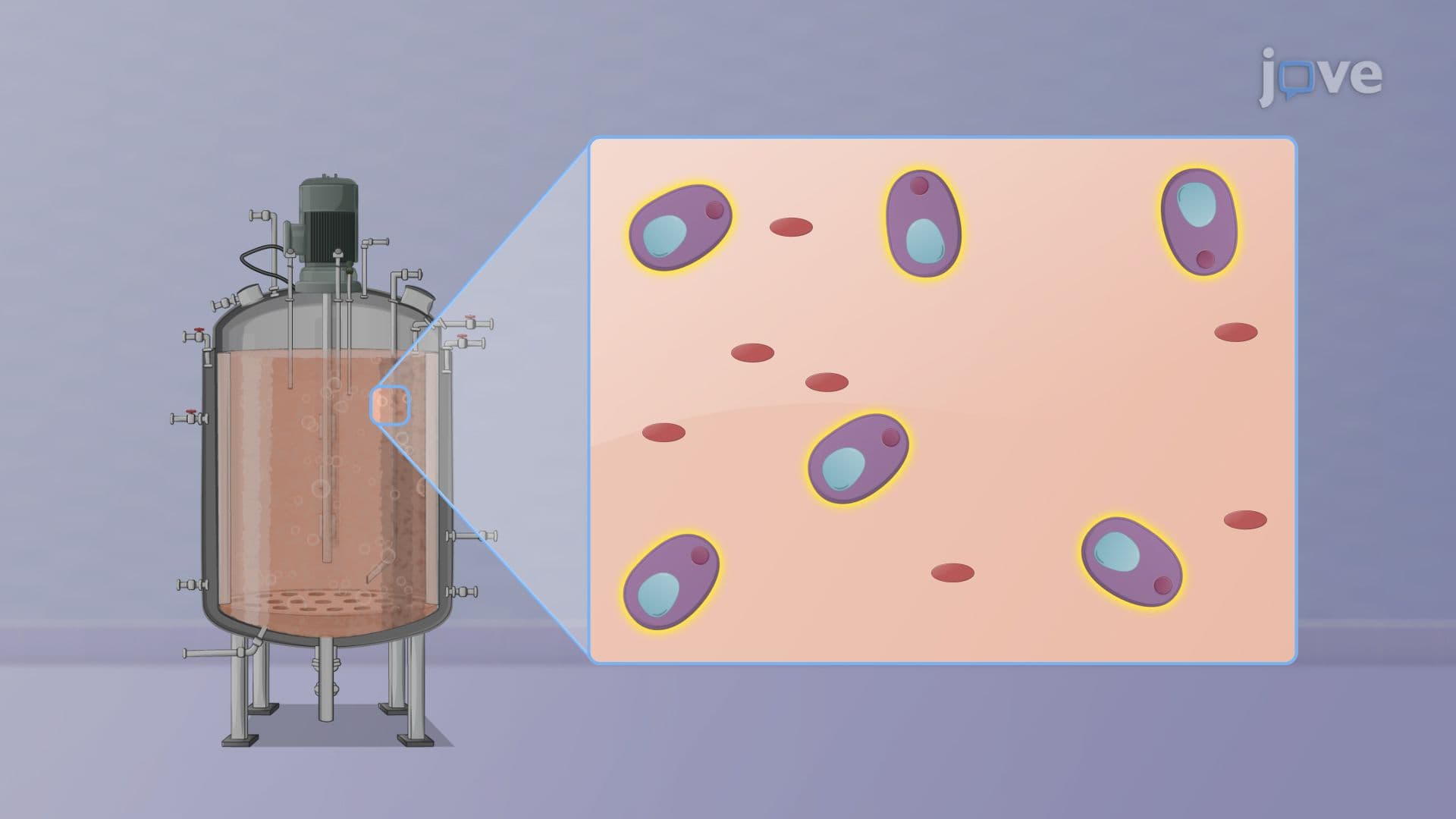
Without baffles, flat, vertical plates mounted along the inner wall of the fermentor, rapid agitation would cause the entire liquid mass to spin as a single rotating cylinder, creating a central vortex. This vortex dramatically reduces actual mixing efficiency because the relative motion between the fluid and the impeller drops to near zero. Baffles interrupt this circular flow pattern, forcing the liquid into turbulent radial and axial currents that genuinely homogenize the broth. This turbulence is also critical for organisms like *Streptomyces*, the bacteria responsible for producing many US-approved antibiotics, which have a strong tendency to form pellets or clumps. Adequate agitation breaks up these aggregates and ensures every cell has access to nutrients and oxygen.
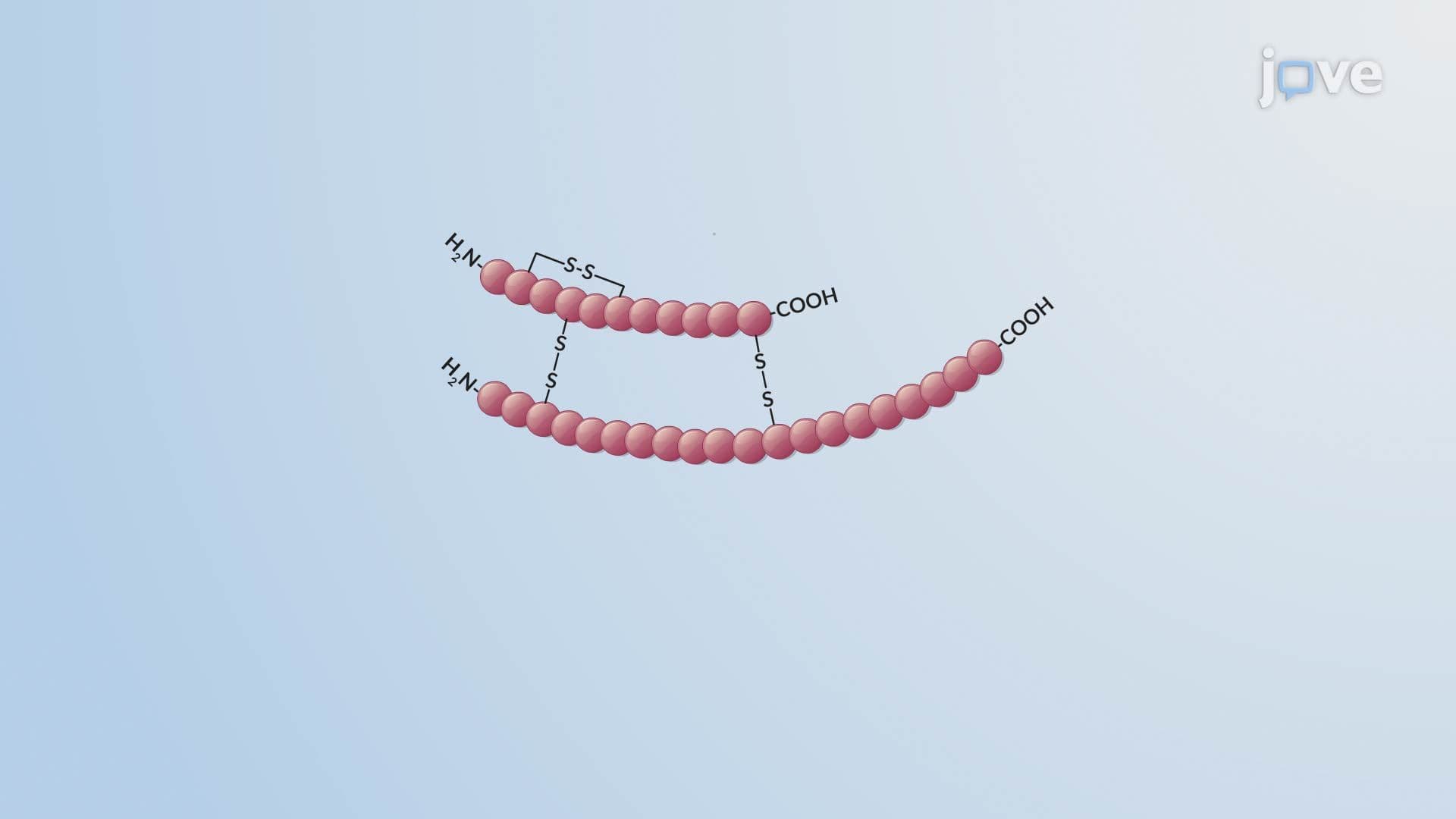
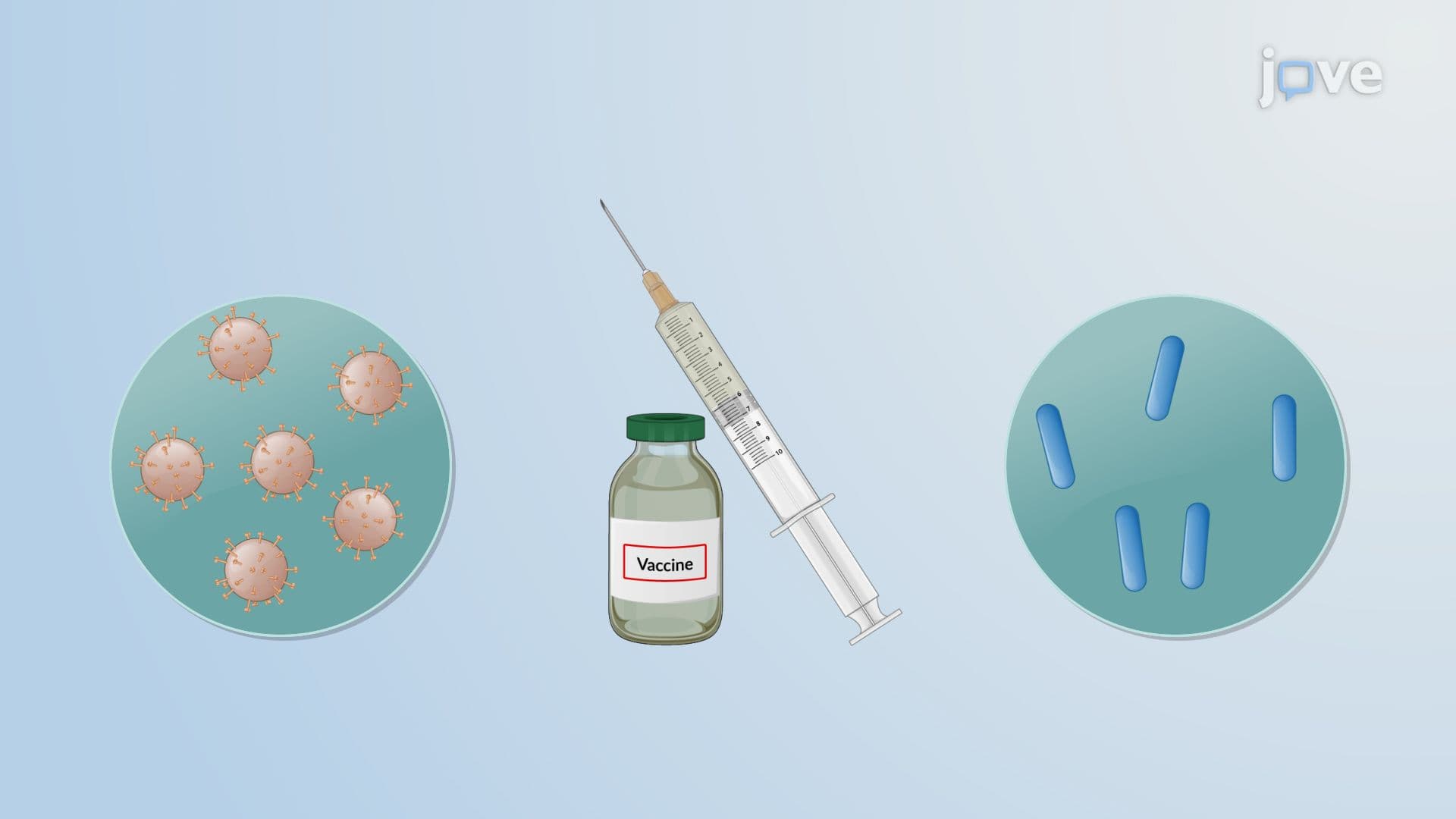
On the MCAT, questions about bioreactor function often appear in the context of enzyme kinetics, microbial growth, or biotechnology applications. AP Biology students encounter oxygen transfer concepts when studying cellular respiration and fermentation pathways. In college biochemistry and bioprocess engineering courses, midterm exams frequently ask students to predict how changing impeller speed or sparger design would affect dissolved oxygen levels and culture productivity. Practically, these principles underpin applications as varied as recombinant DNA technology in industry, such as producing insulin in *E. coli*, biofuel production from yeast, and large-scale vaccine manufacturing at US biotech firms.
Related Micro-courses