Loading subject page…


3,720 views

Video Summary: What Is Ichip
Most antibiotics discovered today come from soil bacteria that scientists couldn't even grow in a lab, until the iChip changed everything. The iChip, or isolation chip, is a revolutionary microbiology tool that traps individual microbial cells and incubates them directly in their natural environment, mimicking conditions no lab dish could replicate. Researchers at Northeastern University used this technique to discover teixobactin, a promising new antibiotic candidate. Watch the full video on JoVE Coach to master this concept with expert-led visuals and step-by-step explanations.
The iChip, short for isolation chip, is a high-throughput cultivation device that solves one of microbiology's longest-standing problems: the vast majority of microorganisms found in nature, estimated at over 99%, simply refuse to grow on standard laboratory media. Traditional methods, like plating environmental samples on nutrient agar, only capture a tiny fraction of microbial diversity. The iChip was developed to bridge that gap, and it has already reshaped how scientists search for new antibiotics and industrial enzymes.
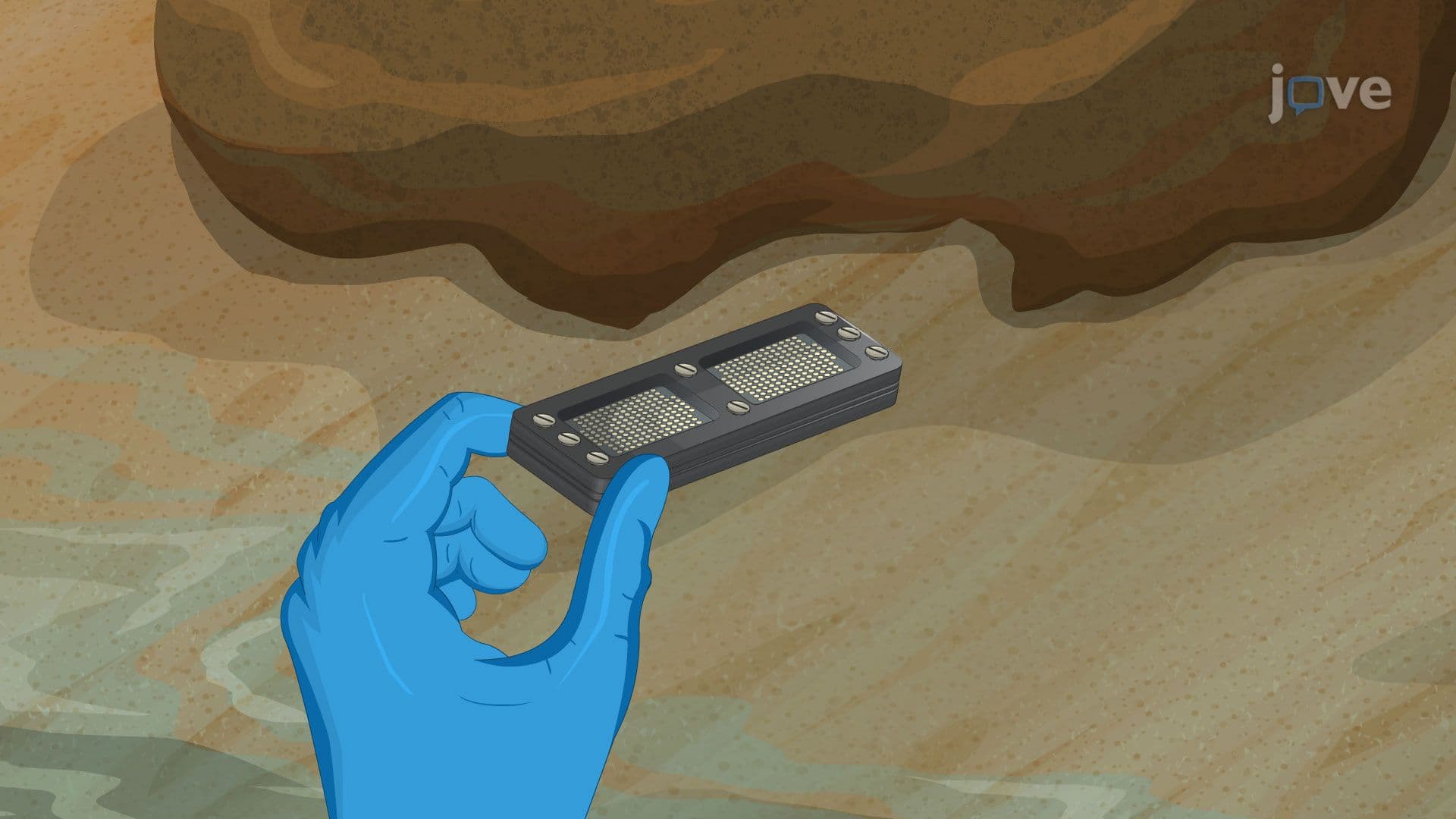
The device consists of a central plate drilled with hundreds of miniature diffusion chambers. A diluted environmental sample, typically collected from soil, is distributed so that ideally one microbial cell lands in each chamber, embedded in a thin layer of agar. The plate is then sandwiched between two outer support plates and sealed on both sides with semi-permeable membranes. These membranes are critical: they allow water, oxygen, and dissolved nutrients from the surrounding environment to flow freely into each chamber while physically containing the growing cells. This setup mimics the chemical complexity of the organism's native habitat far more accurately than any synthetic laboratory medium.
Once assembled, the iChip is returned to the original environment, buried back in soil, for example, and left to incubate in situ. This step is what makes the iChip fundamentally different from conventional cultivation. Rather than forcing a microorganism to adapt immediately to artificial lab conditions, the iChip lets it grow on its own terms first. Incubation periods range from days to several months depending on the species, after which the chip is retrieved and screened for visible colony formation inside the chambers.
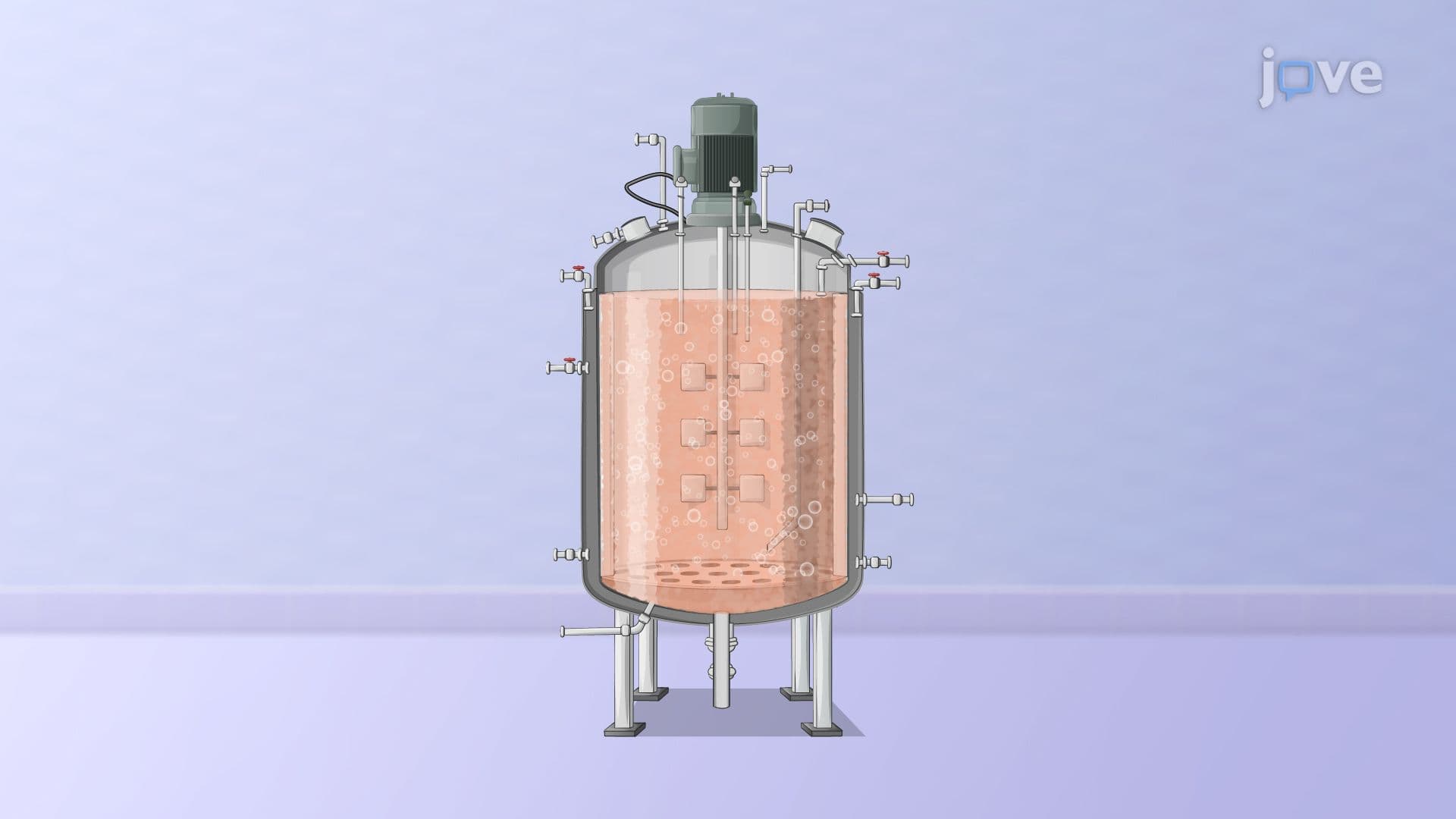
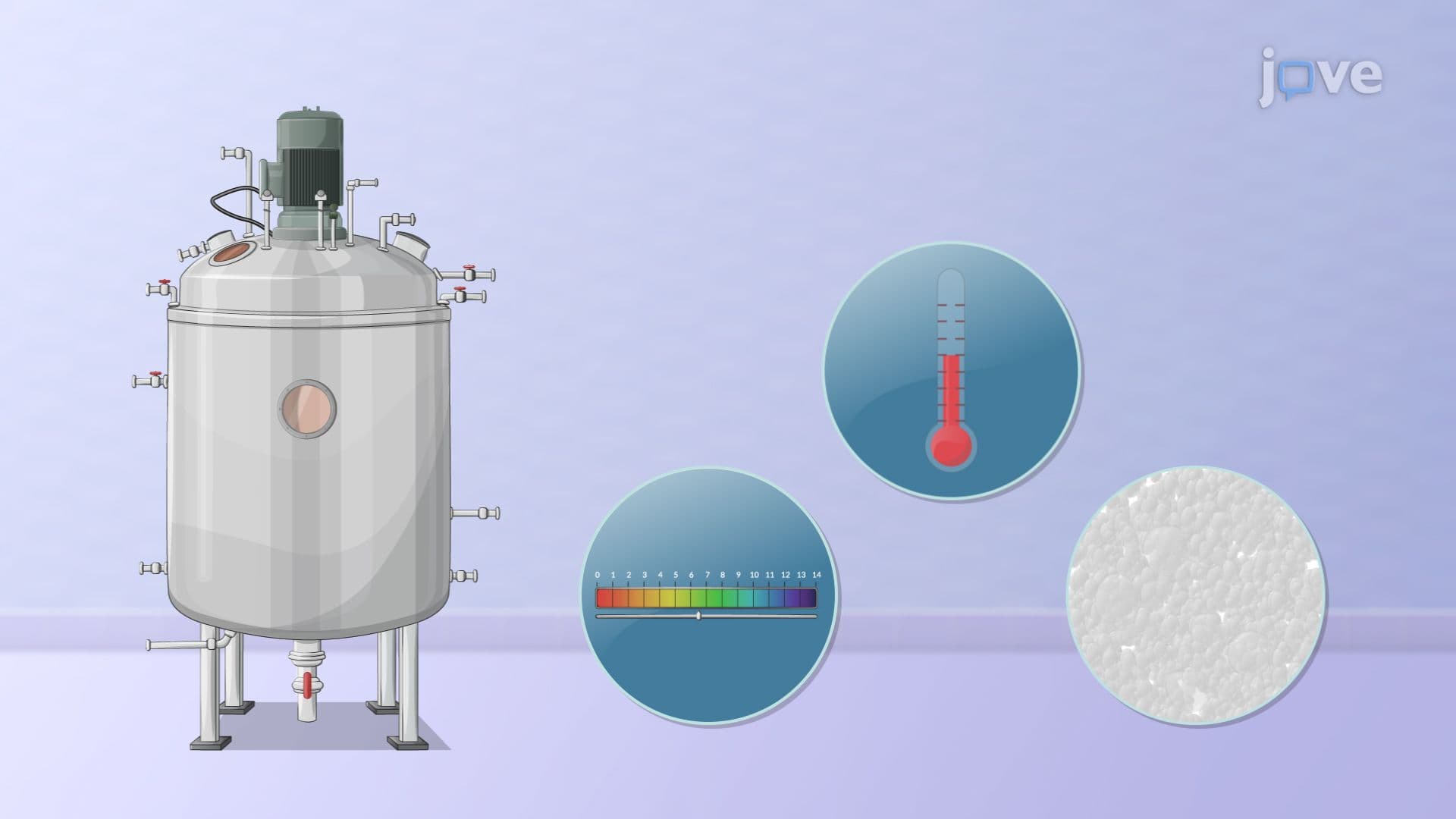
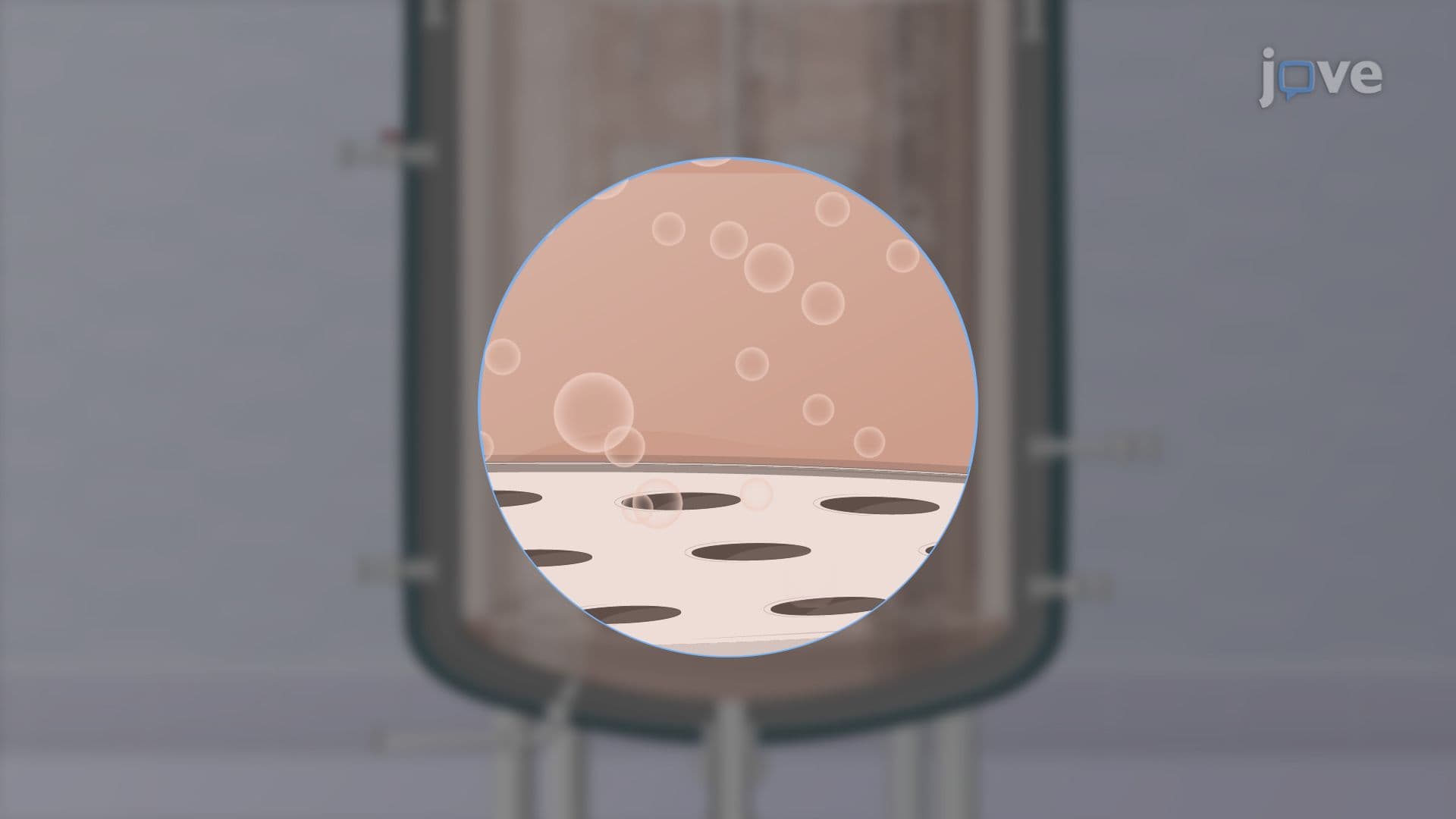
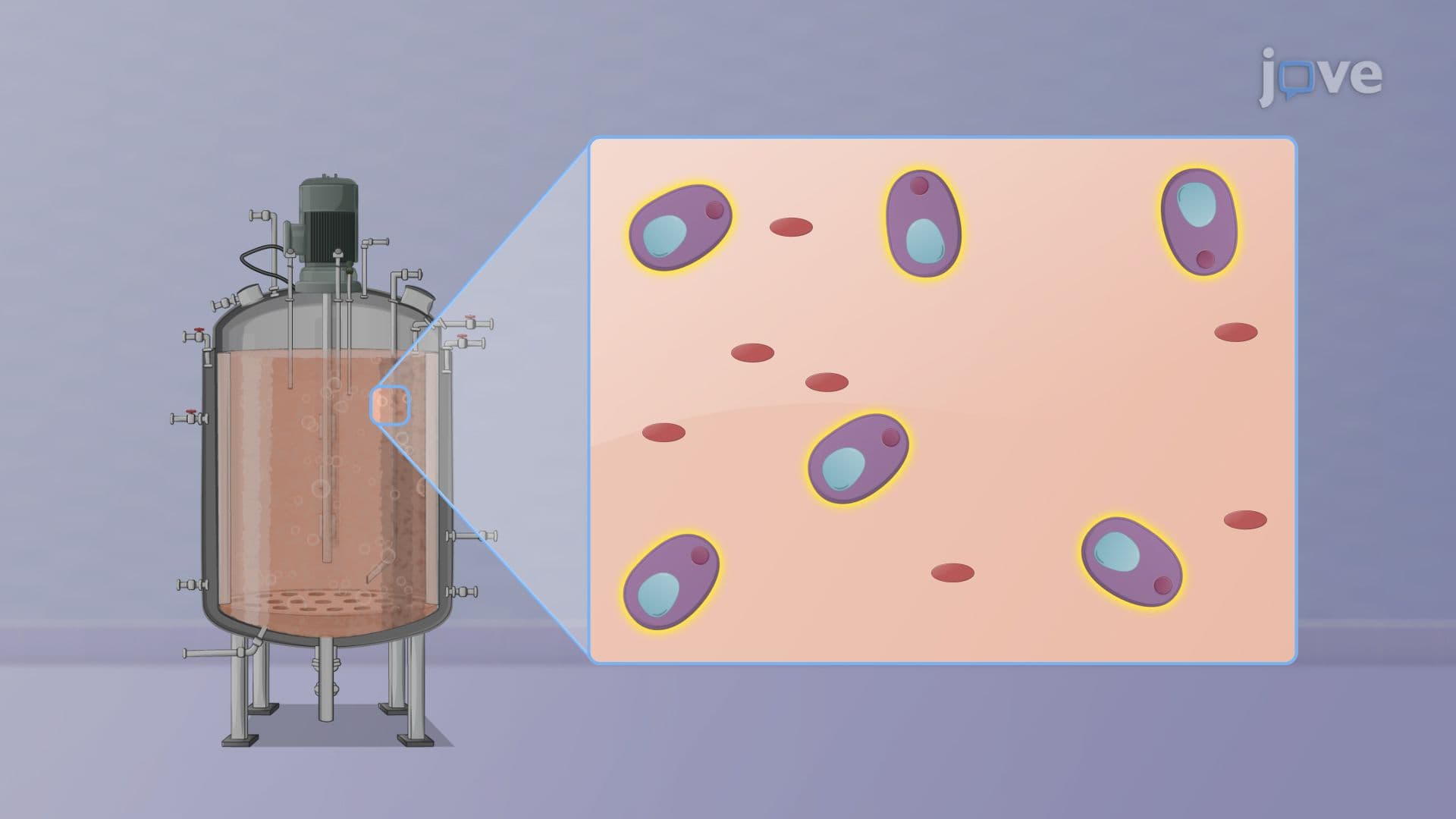
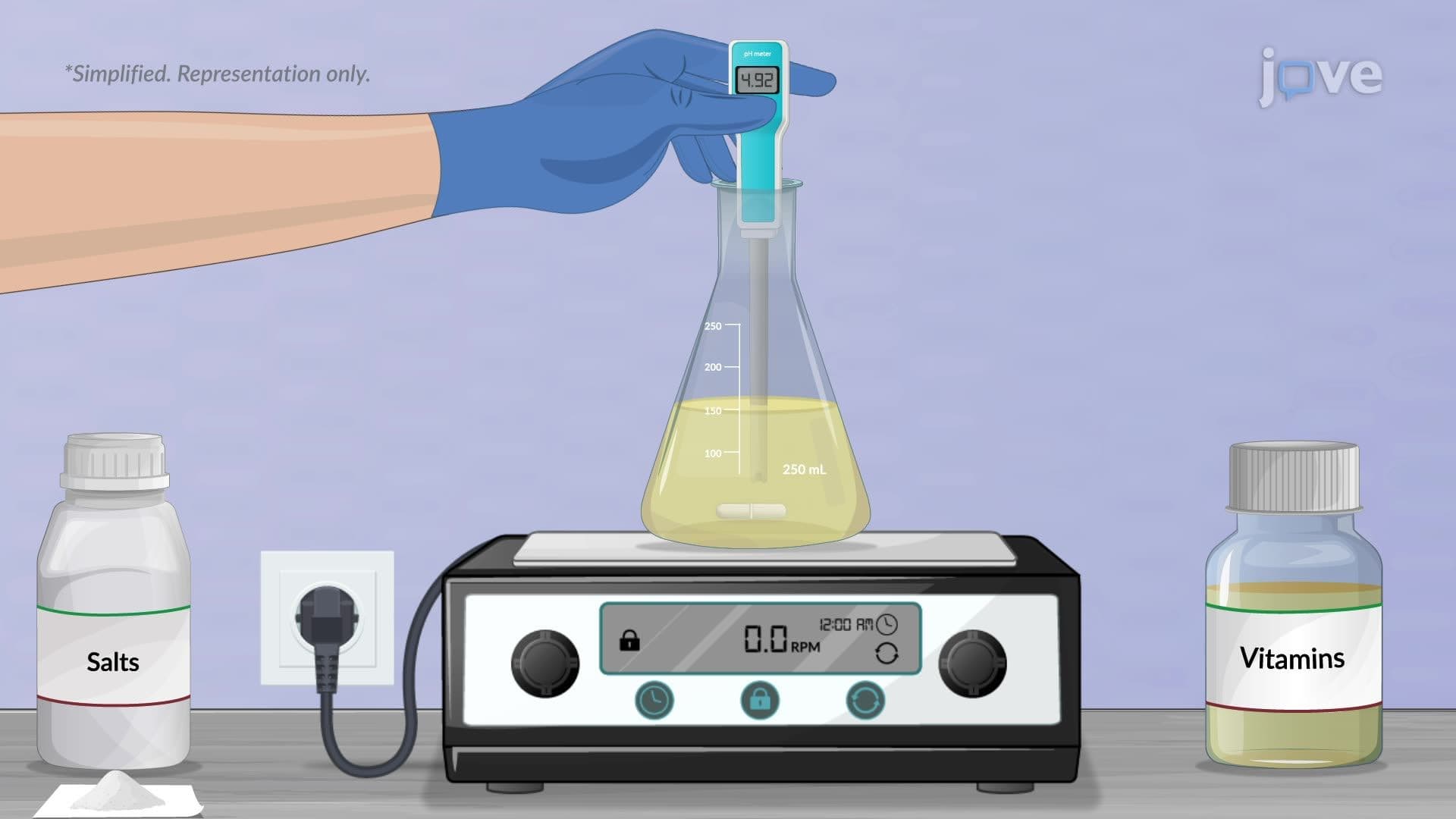
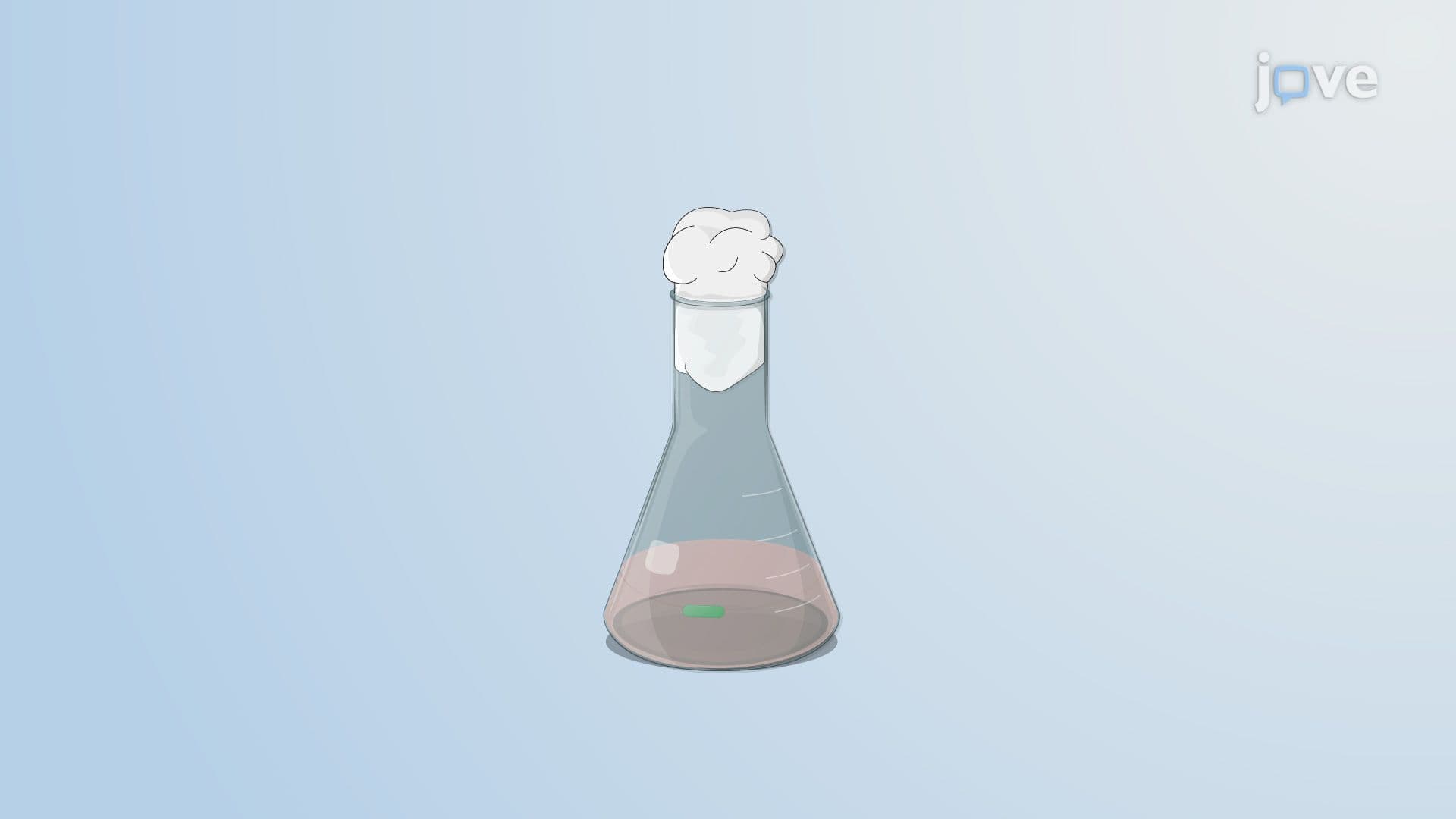
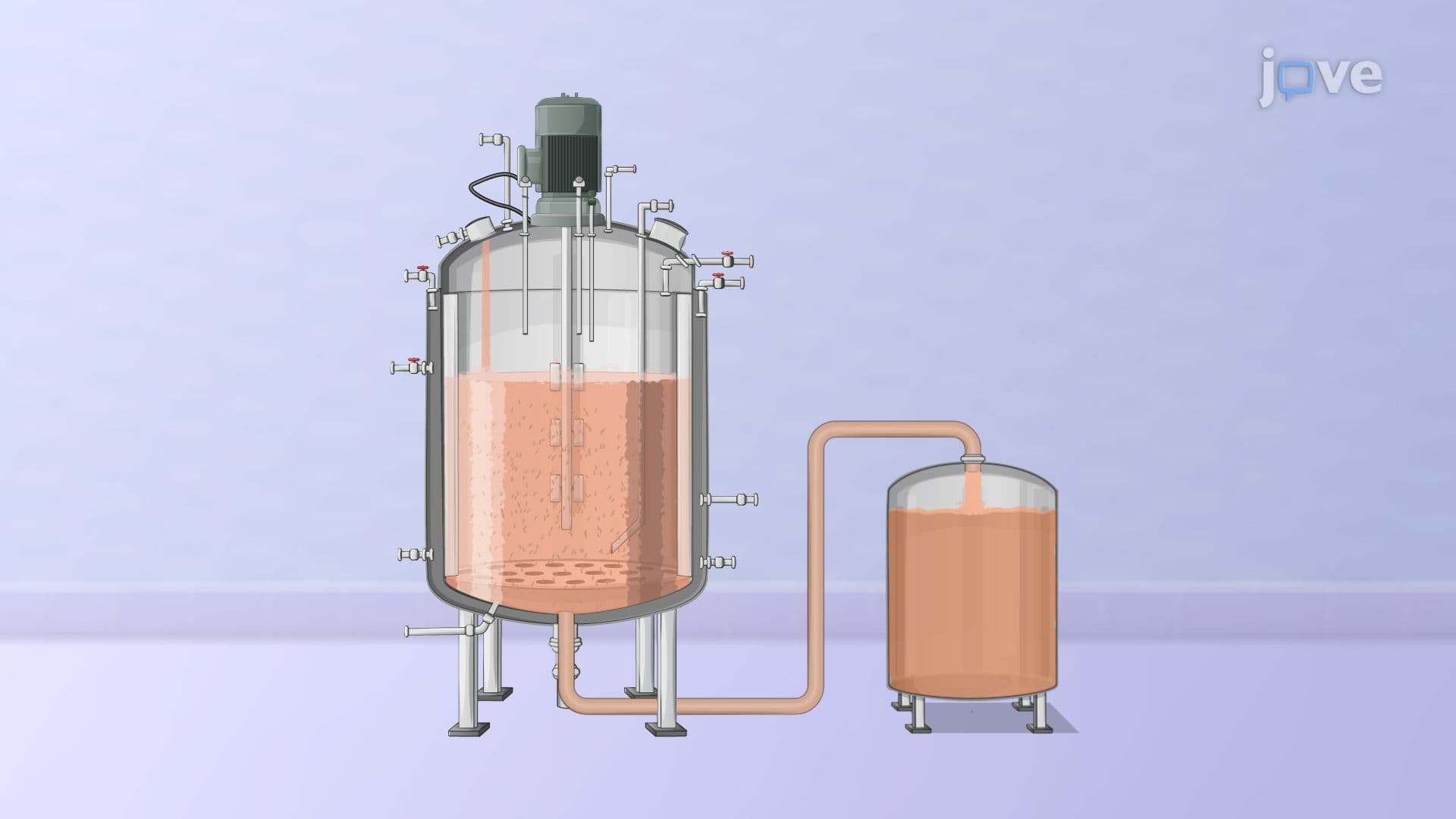
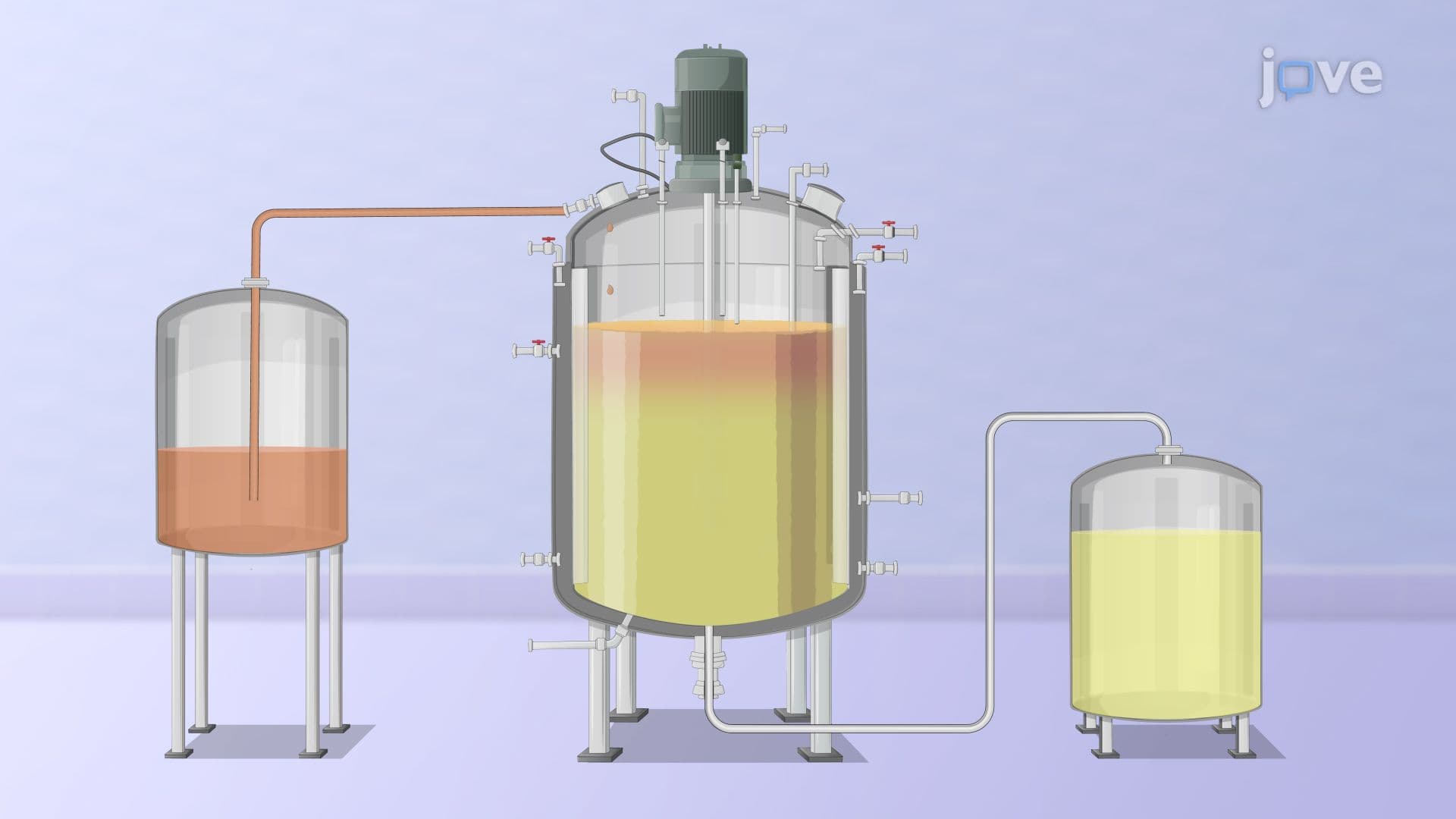
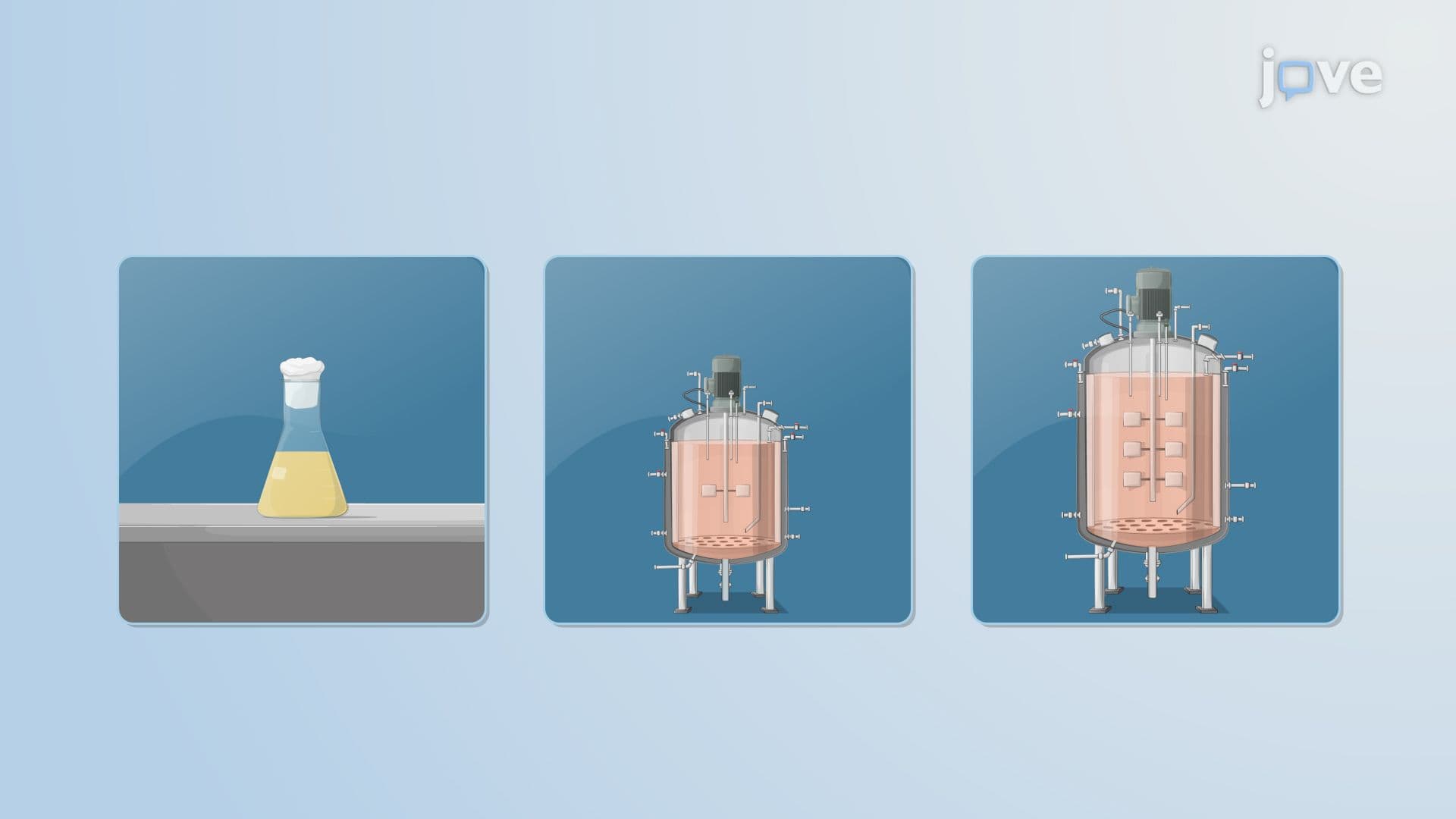
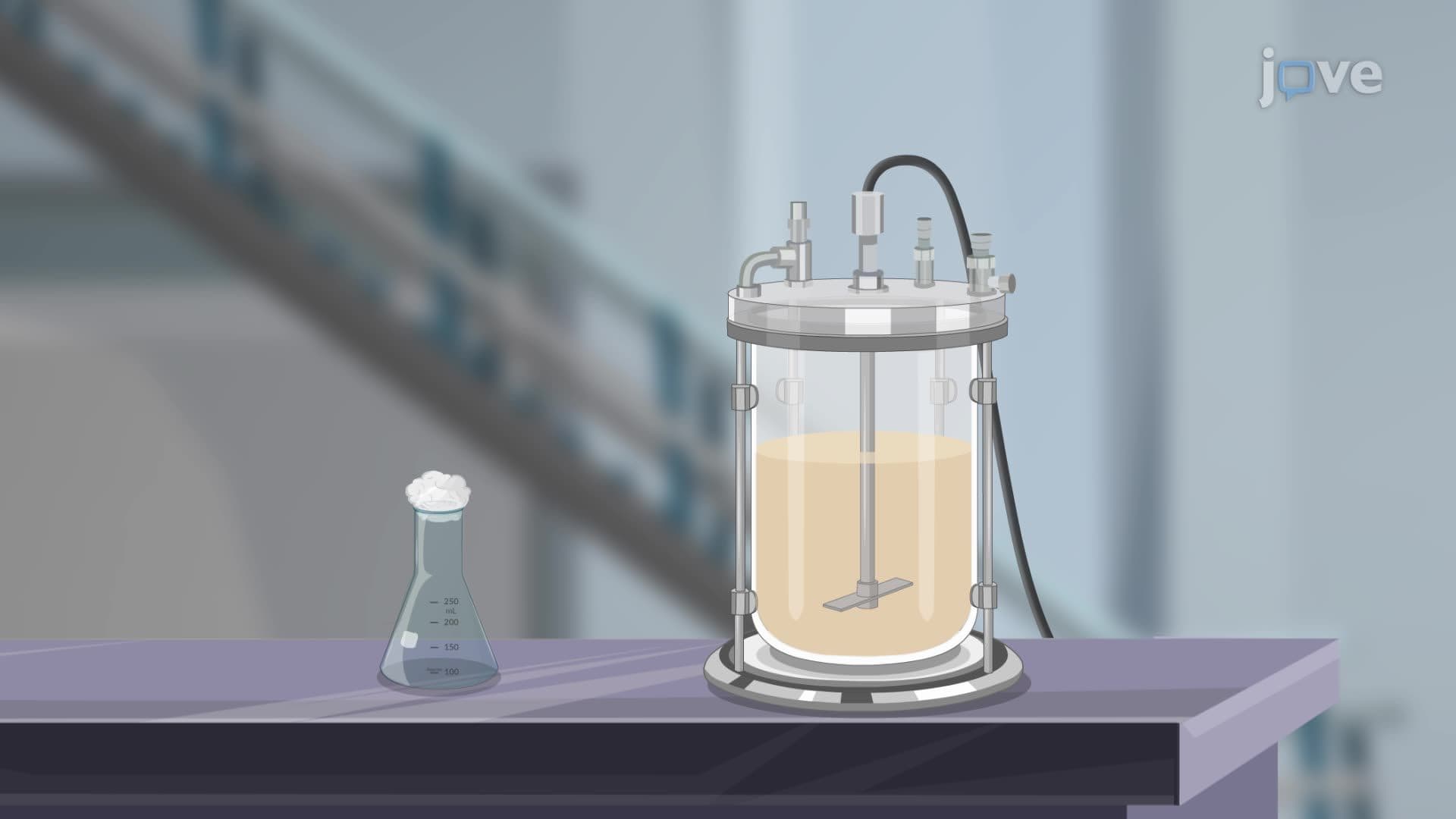
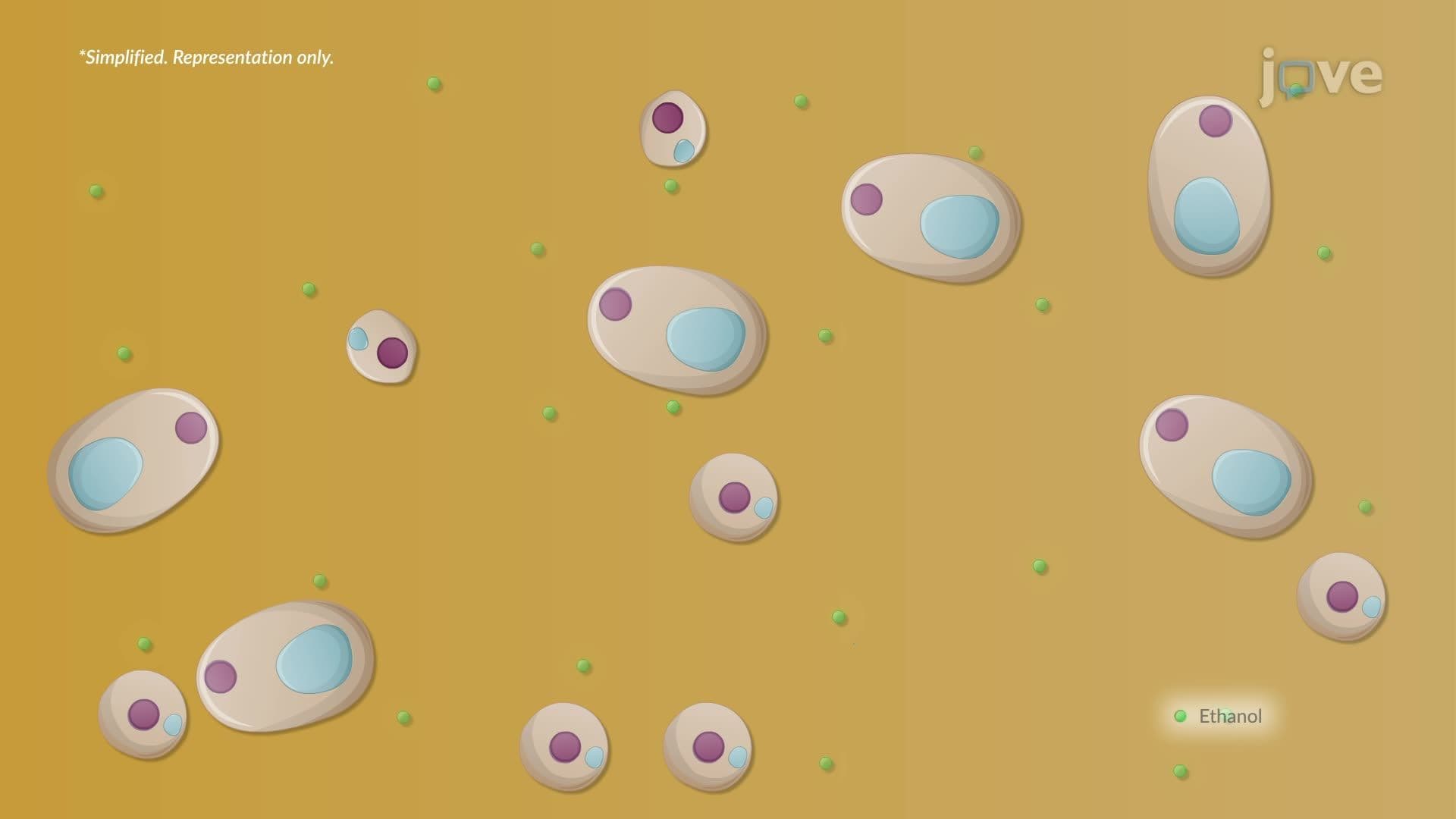
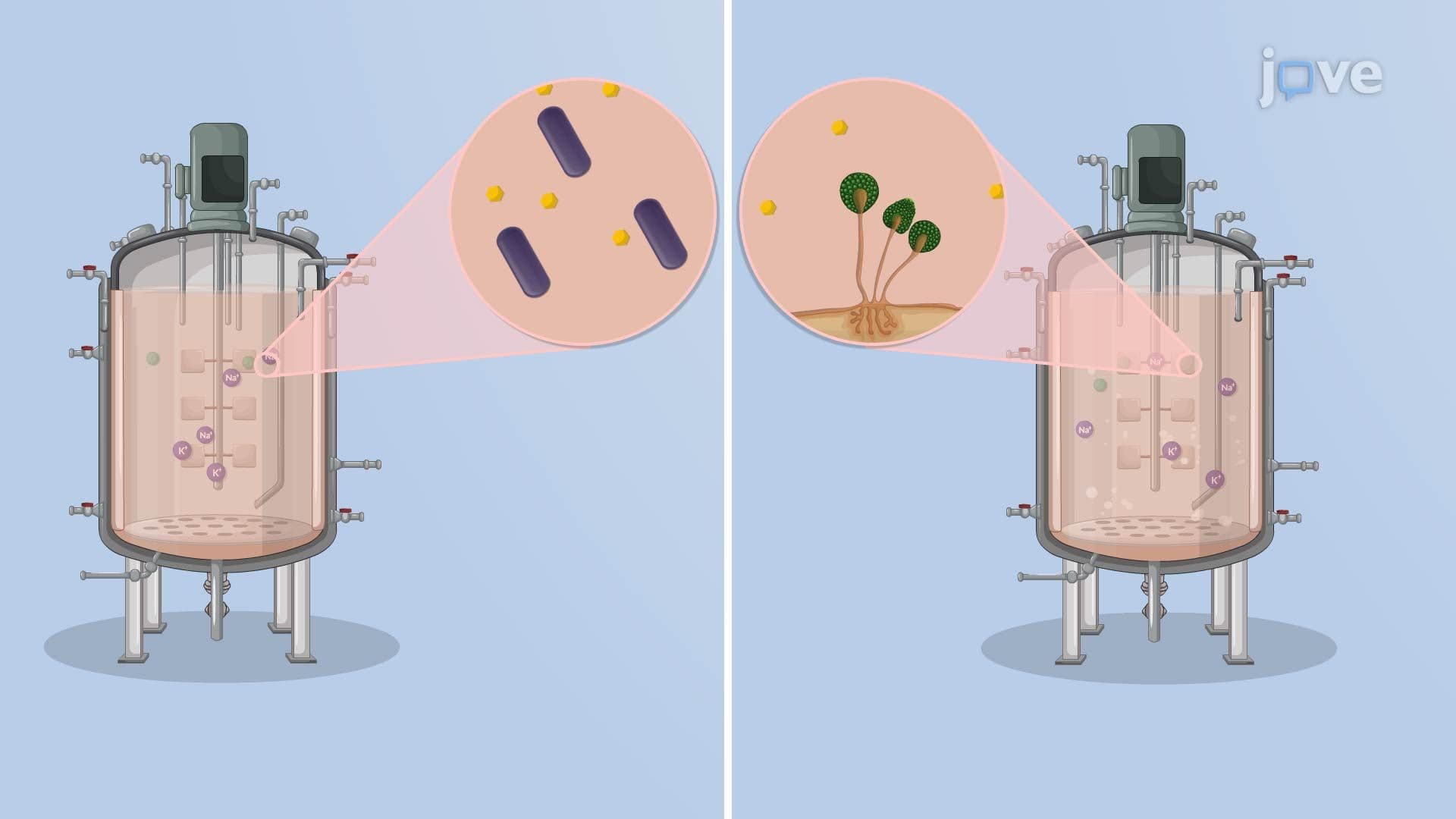
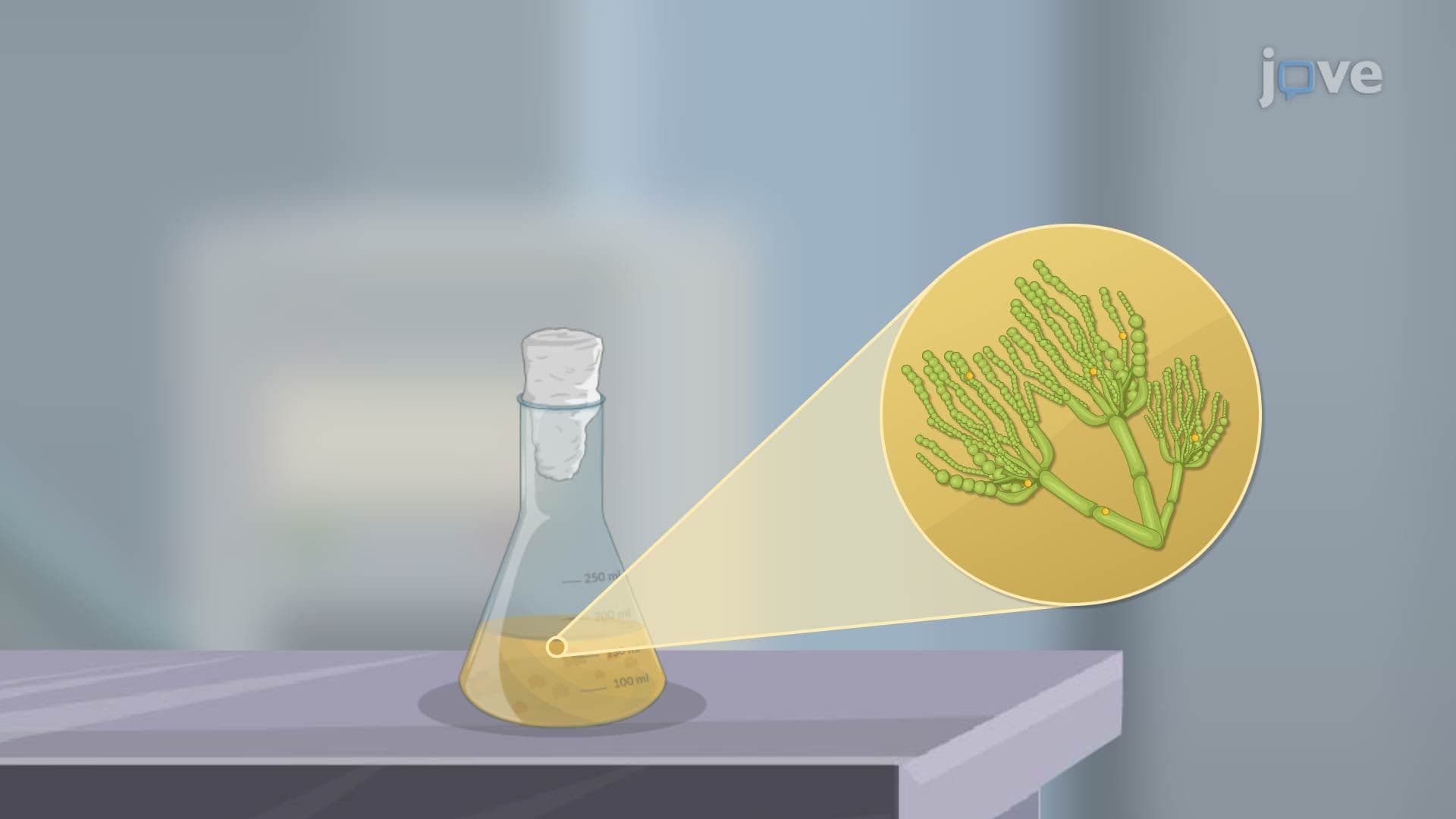
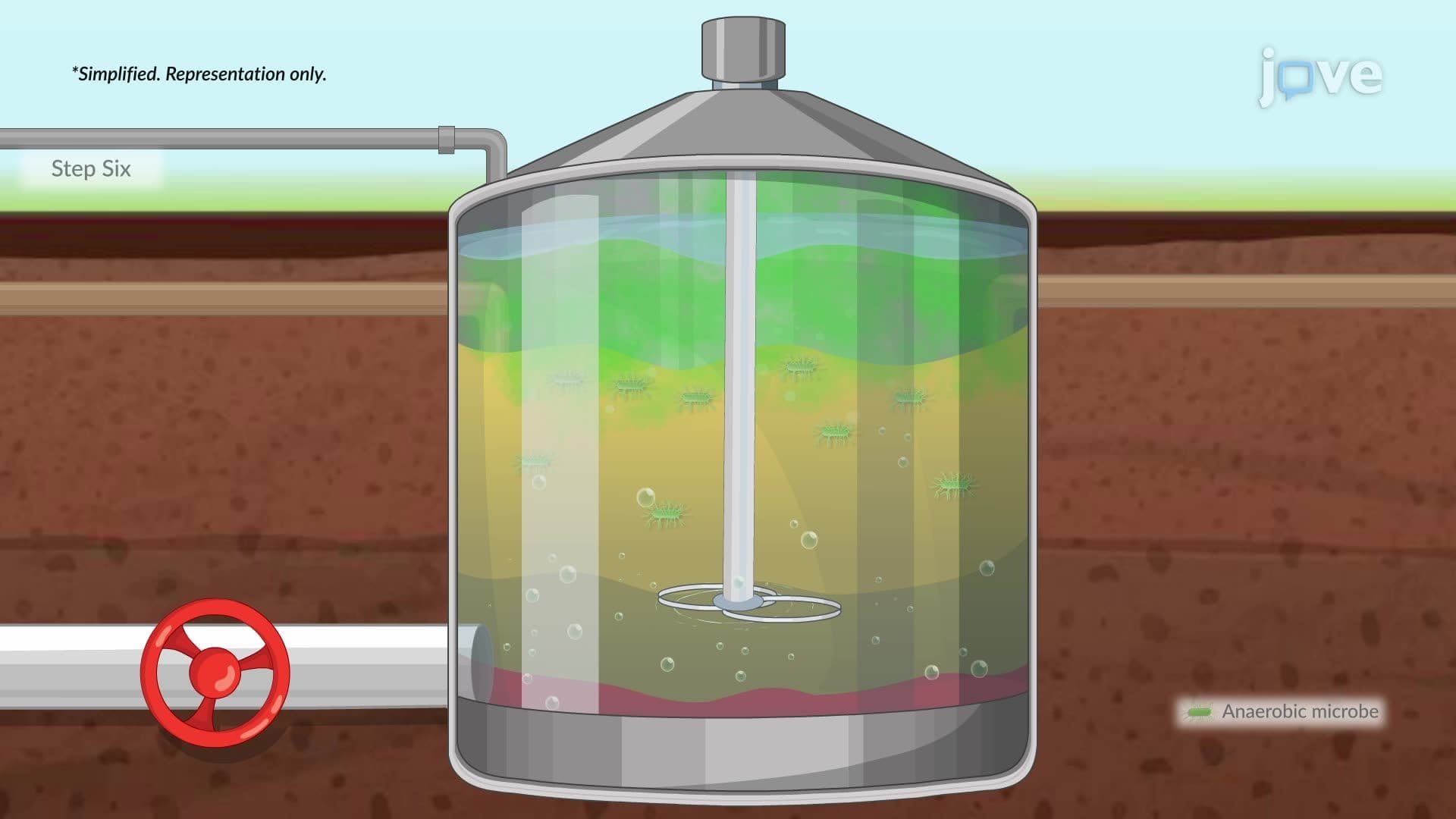
Colonies that successfully form are carefully transferred to laboratory growth media and placed in shaker incubators, devices that control temperature and aeration, to begin adapting the organism to in vitro conditions. This step-wise adaptation is essential for long-term viability. Strains that make the transition can then be cultivated at industrial scale in bioreactors, where large-scale fermentation supports the production of commercially valuable compounds such as enzymes, metabolites, and antibiotics.
This pipeline is directly relevant to understanding industrial microbiology and microbial biotechnology. For example, researchers at Northeastern University used iChip-based cultivation to isolate *Eleftheria terrae*, the soil bacterium that produces teixobactin, a novel antibiotic active against drug-resistant pathogens like MRSA. This discovery made international headlines and illustrated the iChip's real-world impact on US pharmaceutical research.
The iChip appears in contexts spanning AP Biology (microbial growth and biotechnology units), introductory college microbiology, and MCAT preparation (particularly Biochemistry and Biology sections covering gene expression, microbial metabolism, and experimental design). Students are expected to understand not just what the iChip is, but why its design works, connecting concepts like osmosis and membrane permeability to microbial growth conditions. Understanding the iChip also reinforces broader themes such as recombinant DNA technology in industry, enzyme production, and the applications of industrial microbiology, all of which are high-yield topics across multiple US exams and college curricula.
Related Micro-courses