Loading video…


 22 Concepts
 3.7K views

Video Summary: What are Methods of Medium Optimization
Did you know that tweaking a single nutrient in a bacterial culture can double protein output in a lab? Understanding the methods of medium optimization is essential for maximizing microbial growth and product yield in biotechnology. US biotech companies like Genentech rely on these techniques for enzyme and antibiotic production. What are methods of medium optimization? They're systematic approaches, from One-Factor-at-a-Time to Plackett-Burman designs, that pinpoint the ideal growth conditions. Watch the full video on JoVE Coach to master this concept with expert-led visuals and step-by-step explanations.
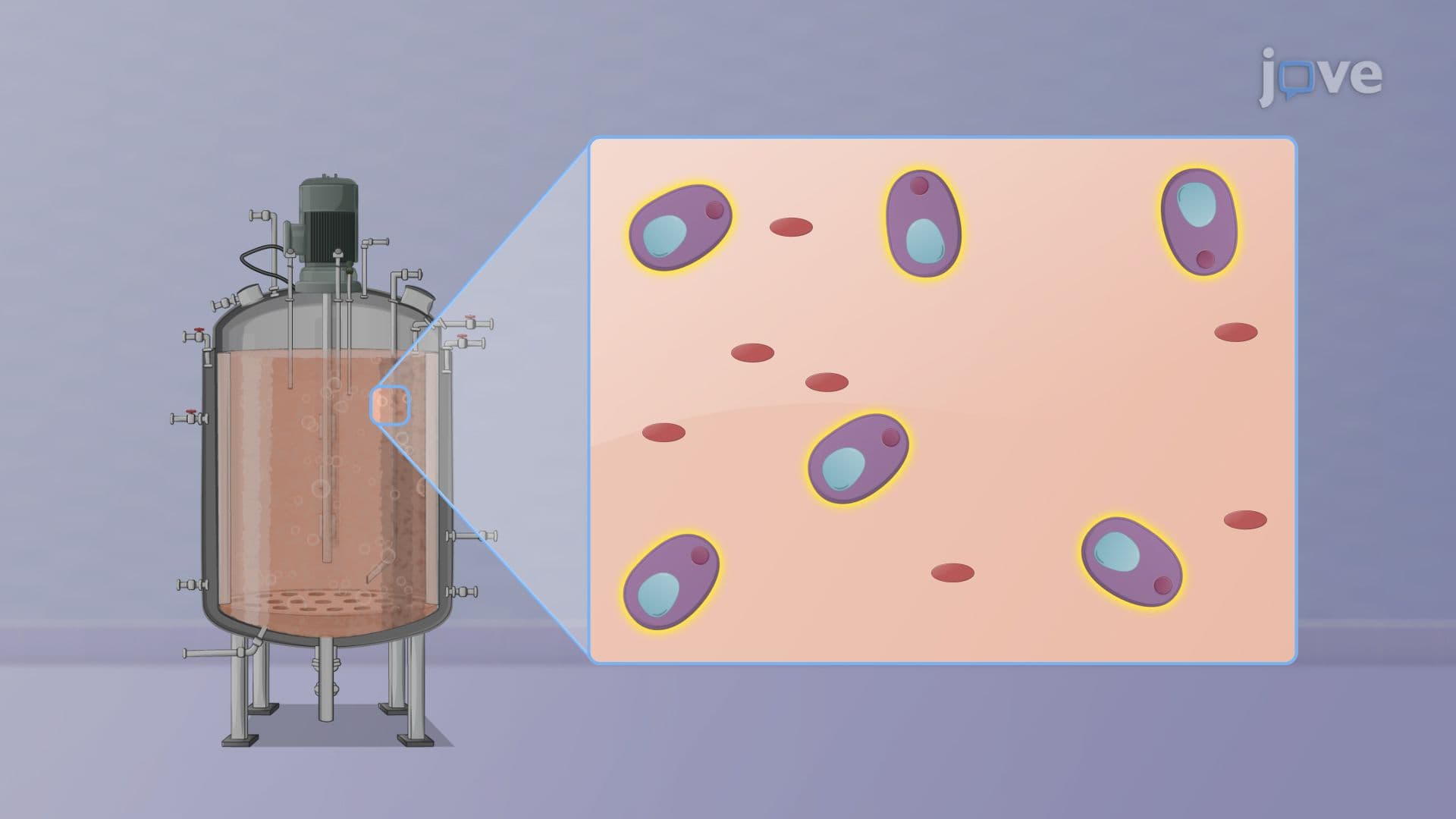
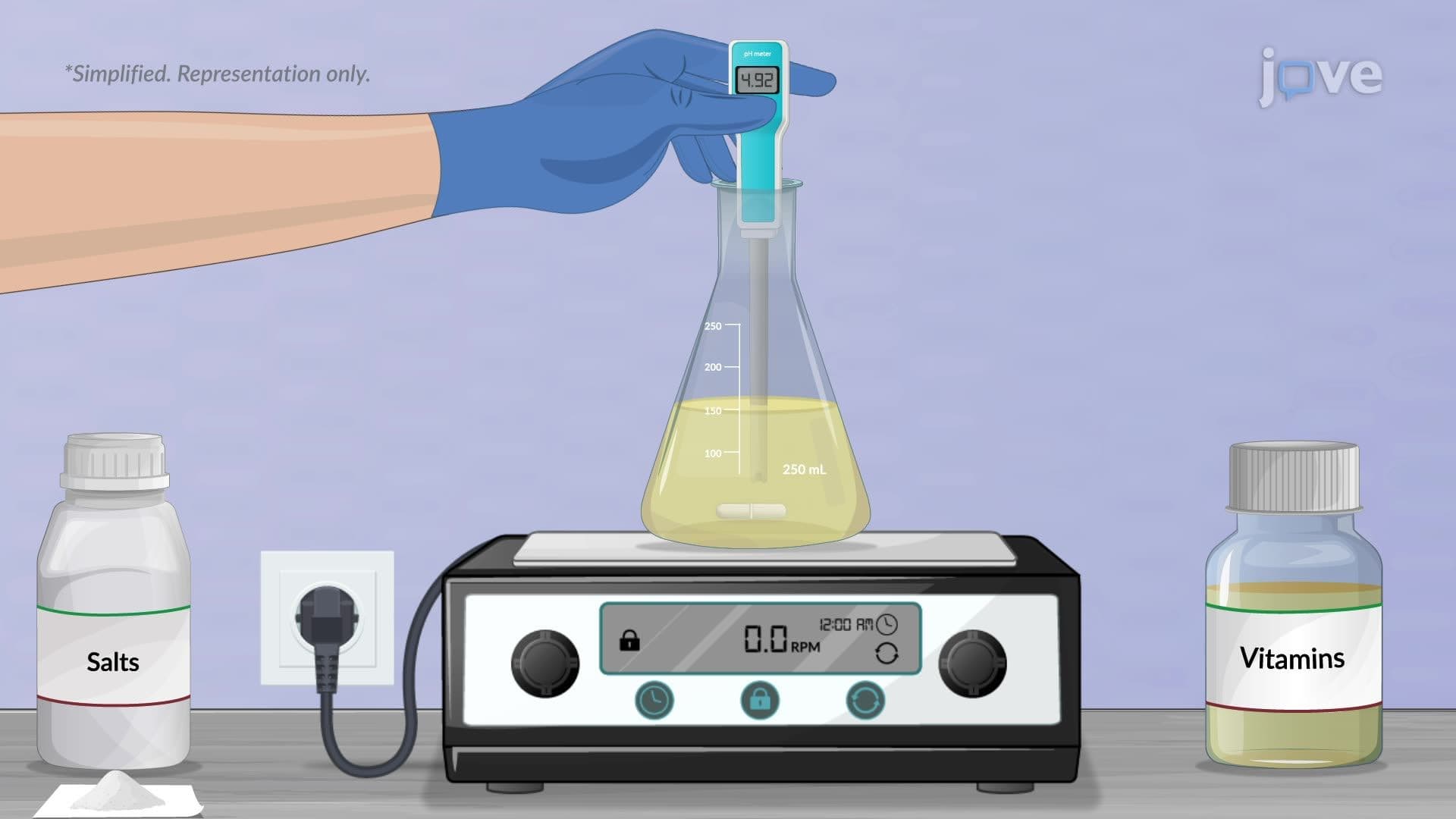
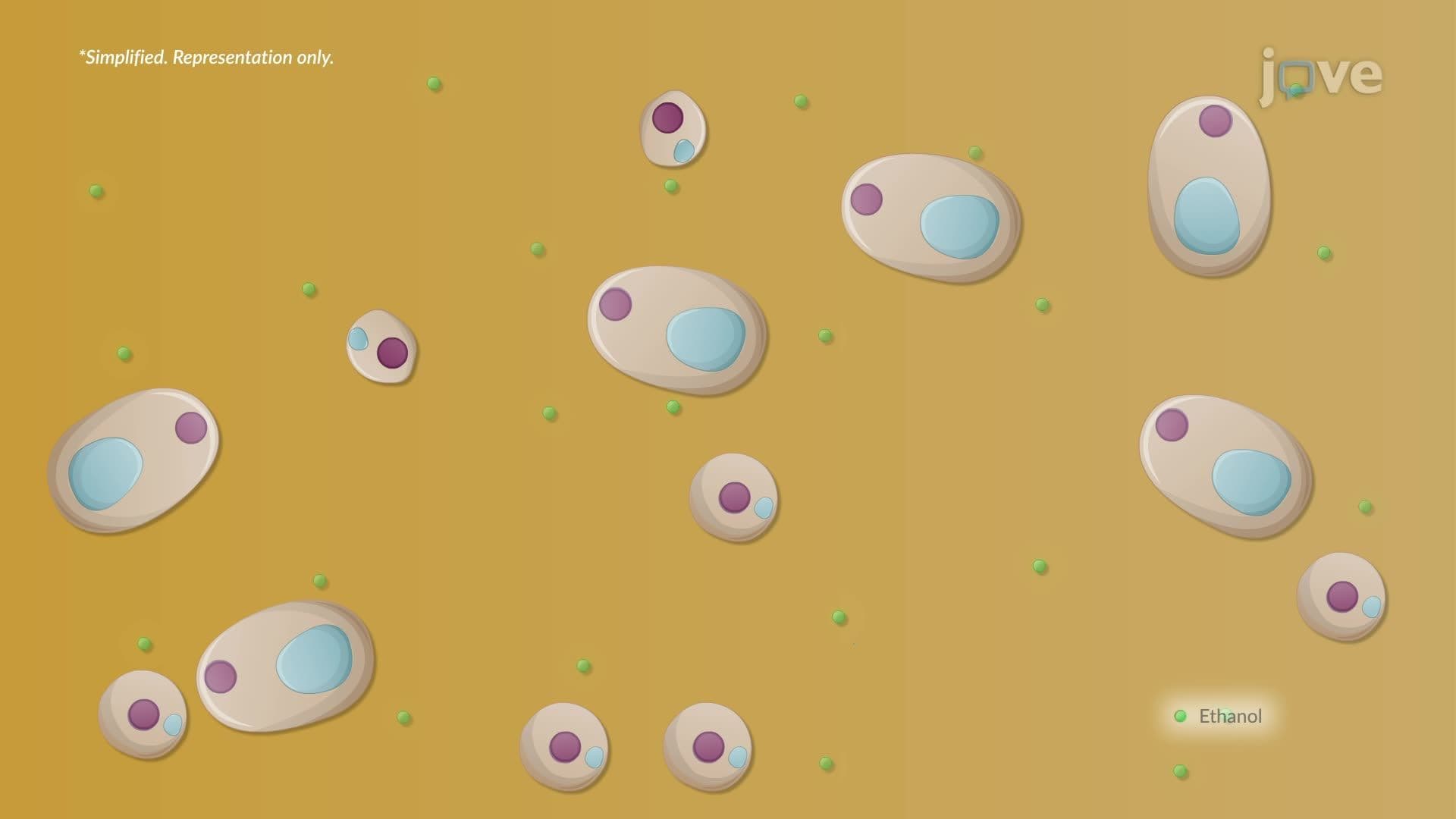
In microbiology and industrial biotechnology, the composition of a growth medium is never arbitrary, it is a carefully engineered set of conditions that determines how well microorganisms grow and how much of a desired product they produce. The methods of medium optimization are systematic experimental strategies used to identify the best possible combination of nutrients, pH, temperature, and other variables to maximize microbial performance. Whether the goal is antibiotic production, enzyme production, or biofuel production, optimizing the growth medium is one of the most critical steps in scaling a process from a lab bench to a commercial facility.
The most intuitive starting point for medium optimization is the One-Factor-at-a-Time (OFAT) method. In this approach, a researcher adjusts a single variable, for example, adjusting pH from 6 to 7, while holding all other factors constant, then measures the effect on microbial growth or product yield. This method is straightforward and easy to interpret, making it a common introduction in college-level microbiology courses and AP Biology lab discussions.
However, OFAT has a significant limitation: it ignores interaction effects. In real biological systems, changing pH can alter how microorganisms absorb carbon sources or respond to nitrogen availability. These interactions mean that optimizing each variable independently can lead to misleading conclusions. As the number of variables grows, which happens quickly in large-scale fermentation settings, OFAT becomes both time-consuming and scientifically incomplete.
The Plackett-Burman (PB) design is a statistical screening tool that overcomes OFAT's limitations by testing multiple variables simultaneously. Each variable is set at two levels, a high value and a low value. For instance, pH might be tested at 9 (high) and 6 (low), while a carbon source concentration might be set at 10 g/L (high) and 5 g/L (low). Each experimental run uses a unique combination of these factor levels, and by analyzing the results across all runs, researchers can identify which variables have the greatest impact on the outcome.
A key formula to remember: in a standard Plackett-Burman design, N runs can screen up to (N − 1) variables, where N is chosen as a multiple of four. So 8 runs can screen up to 7 variables, and 12 runs can screen up to 11 variables. This makes PB designs extremely efficient for early-stage screening in microbial biotechnology research. US pharmaceutical companies and fermentation facilities routinely use PB and related designs during the development of new drug manufacturing processes.
Medium optimization connects directly to major fields within industrial microbiology. In antibiotic production, think of facilities manufacturing penicillin derivatives across the US, optimizing carbon-to-nitrogen ratios and trace mineral levels can significantly boost yields. In biofuel production, companies like Novozymes and DuPont have used statistical design methods to engineer microbial strains that convert plant biomass more efficiently.
For students preparing for the MCAT, understanding experimental design, including controls, variable manipulation, and data interpretation, is directly tested in the Biological and Biochemical Foundations section. AP Biology students will encounter these ideas in the context of scientific inquiry and experimental design standards. College undergraduates in microbiology or bioengineering courses often encounter Plackett-Burman as part of a broader unit on Design of Experiments (DOE), a toolkit central to recombinant DNA technology in industry and process scale-up.
Mastering these methods means you're not just memorizing steps, you're developing the scientific reasoning skills that define modern biotechnology research.
Related Micro-courses