Loading concepts…


11 Concepts
13 Concepts
26 Concepts
13 Concepts
6 Concepts
31 Concepts
37 Concepts
10 Concepts
7 Concepts
22 Concepts
11 Concepts
11 Concepts
22 Concepts
16 Concepts
11 Concepts
15 Concepts
14 Concepts
12 Concepts
9 Concepts
 16 Concepts
 5K Views
 Popular topics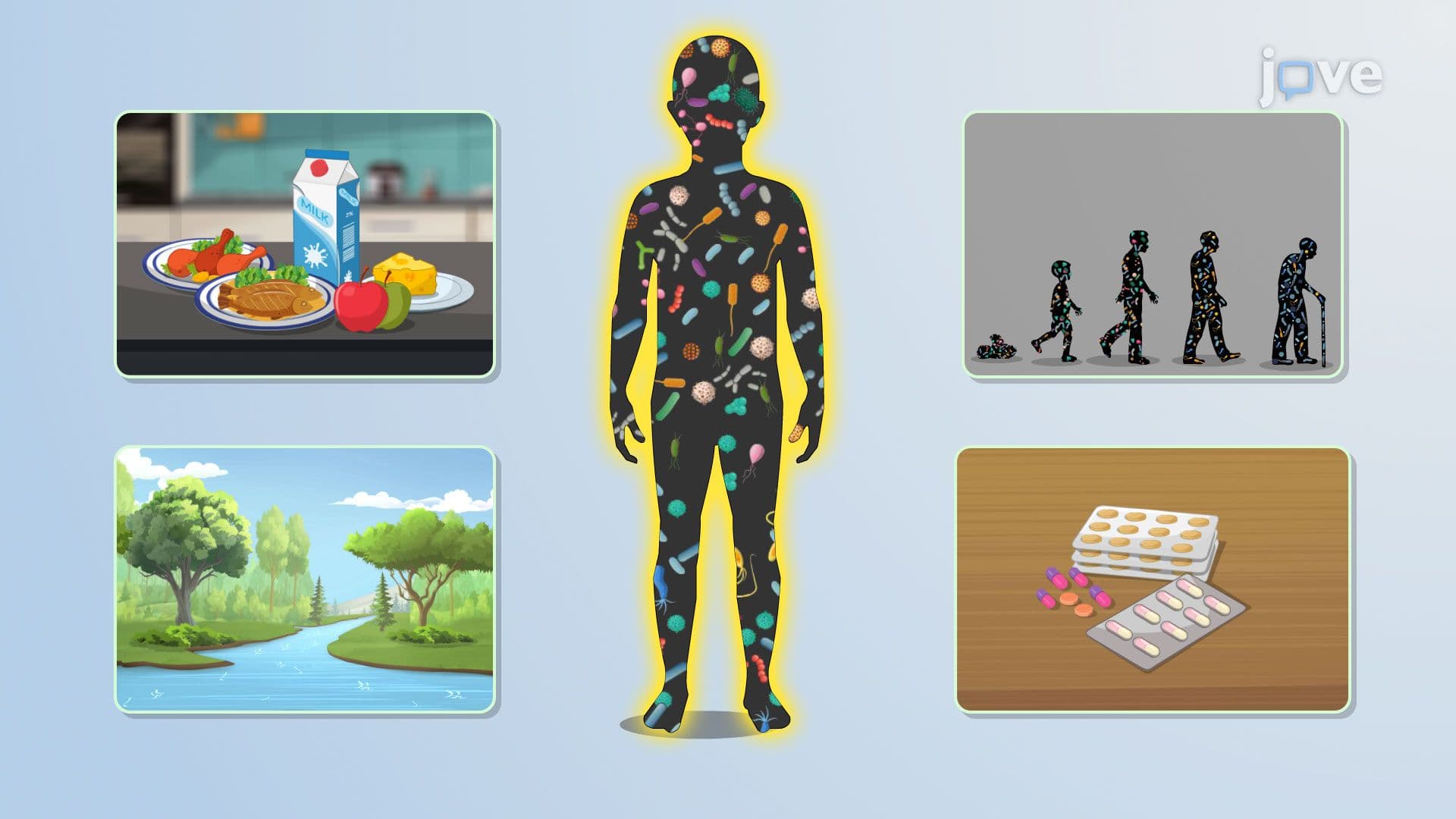

Human Microbiome and Virome principles form a cornerstone of modern microbiology, covering how trillions of bacteria, fungi, archaea, and viruses colonize the human body from birth through adulthood. Guided by JoVE Coach, this micro-course examines site-specific microbial communities, their protective functions, the consequences of dysbiosis, the gut-brain axis, and how antibiotics and probiotics shape microbial balance across body systems.
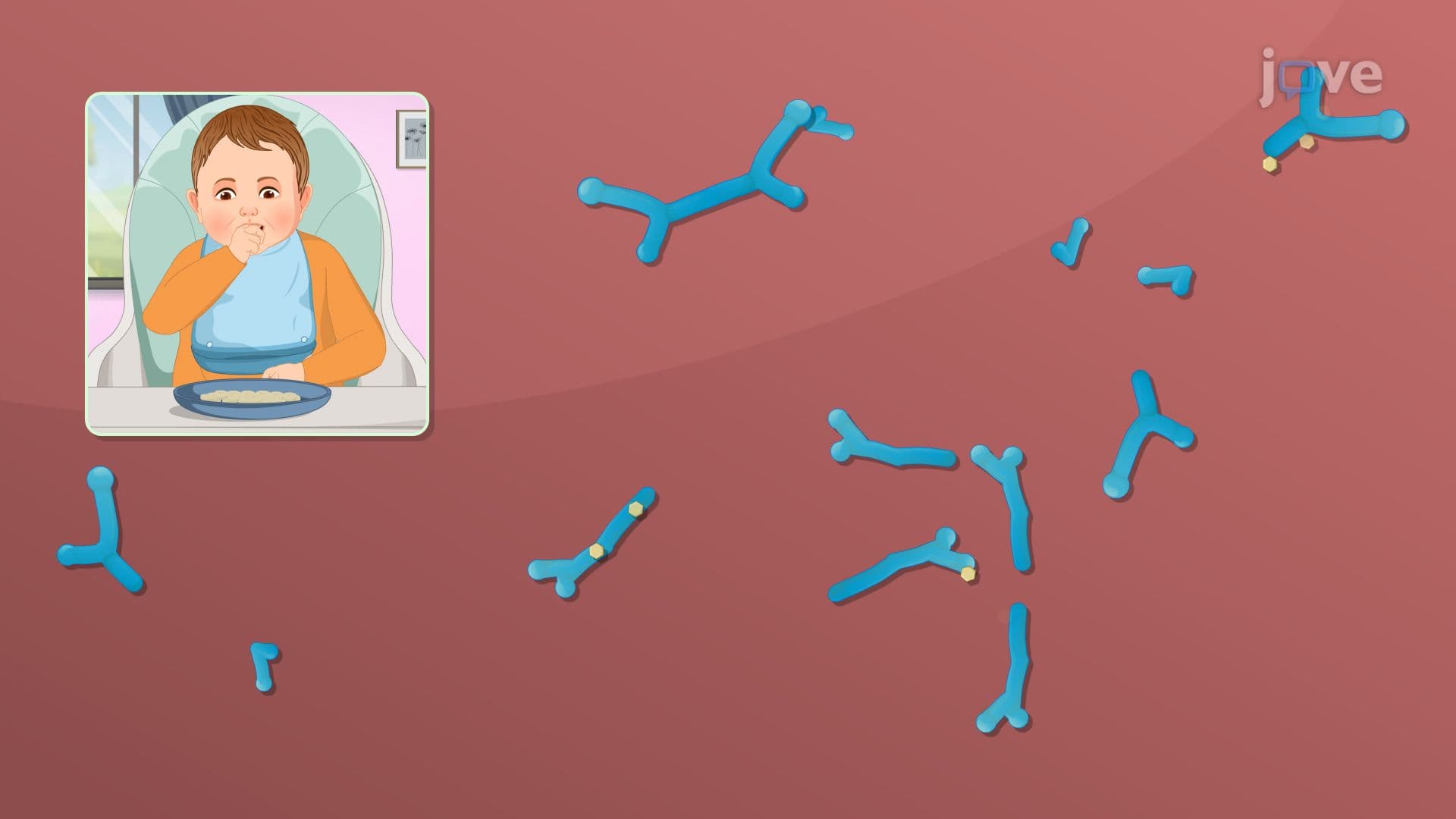
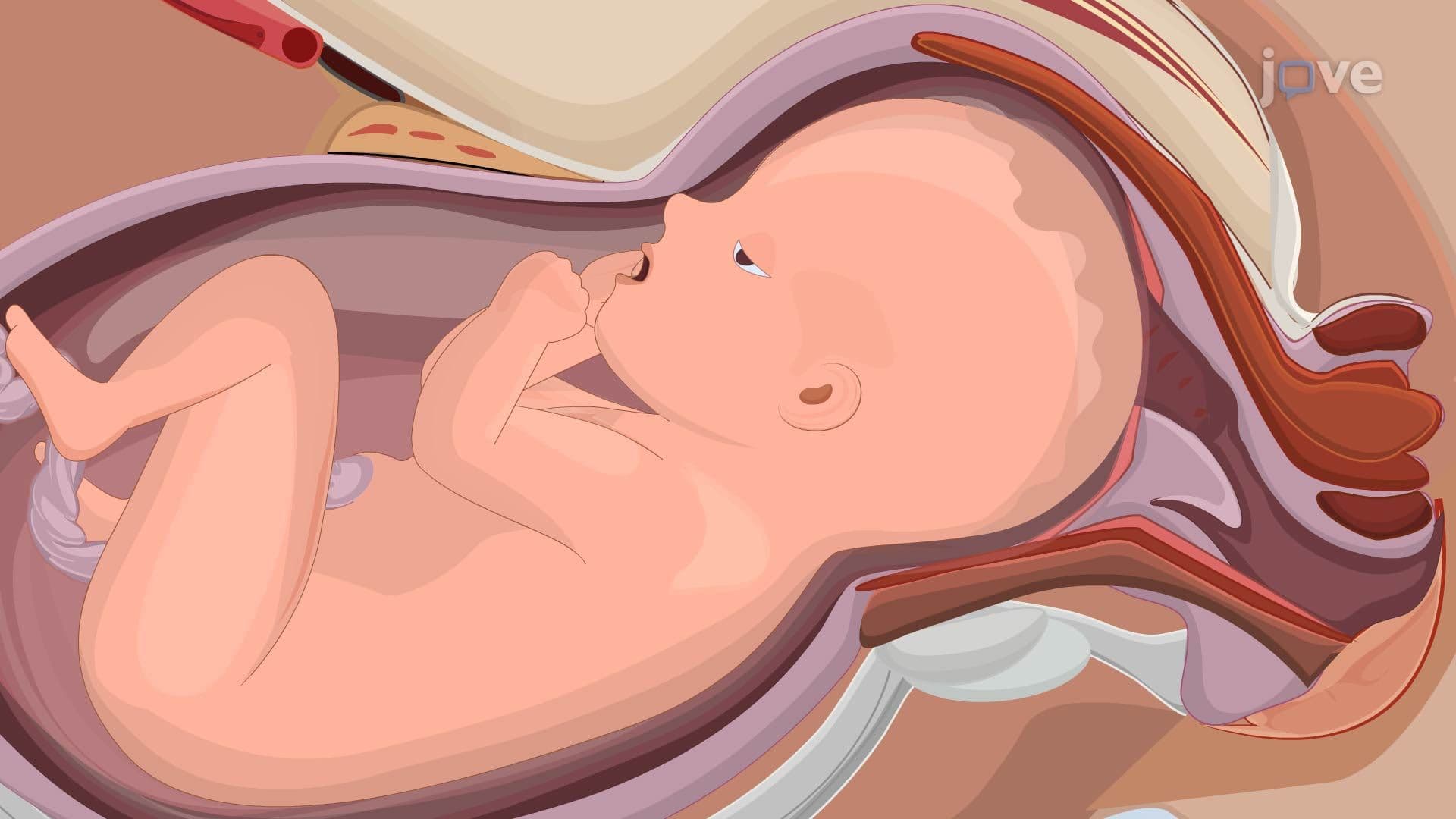
1. Introduction to the Human Microbiota and Its Development The human microbiota is the collective community of microorganisms, primarily bacteria, that permanently or temporarily inhabit body surfaces and cavities. Resident microbiota form stable, long-term populations, while transient microbiota persist only briefly. Colonization begins at birth and is strongly shaped by delivery mode: vaginal birth introduces *Bifidobacterium* and *Bacteroides*, while cesarean birth favors *Staphylococcus* and *Corynebacterium*. Breast milk oligosaccharides selectively nourish *Bifidobacterium* species in infants. By age three, the gut microbiota reaches an adult-like composition dominated by Bacteroidota and Bacillota. Throughout life, diet, antibiotic use, aging, and lifestyle continue to reshape microbial diversity and stability.
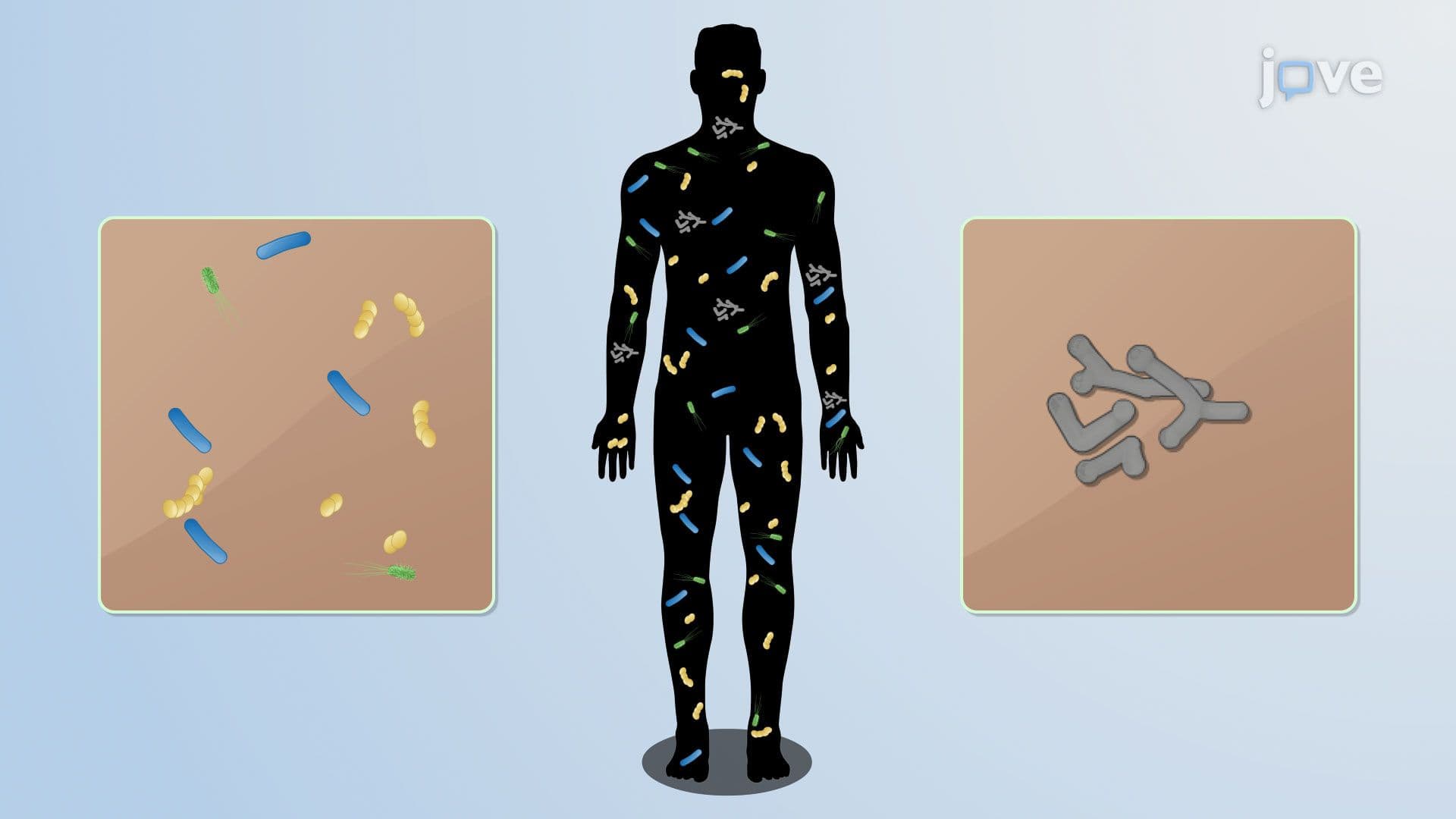
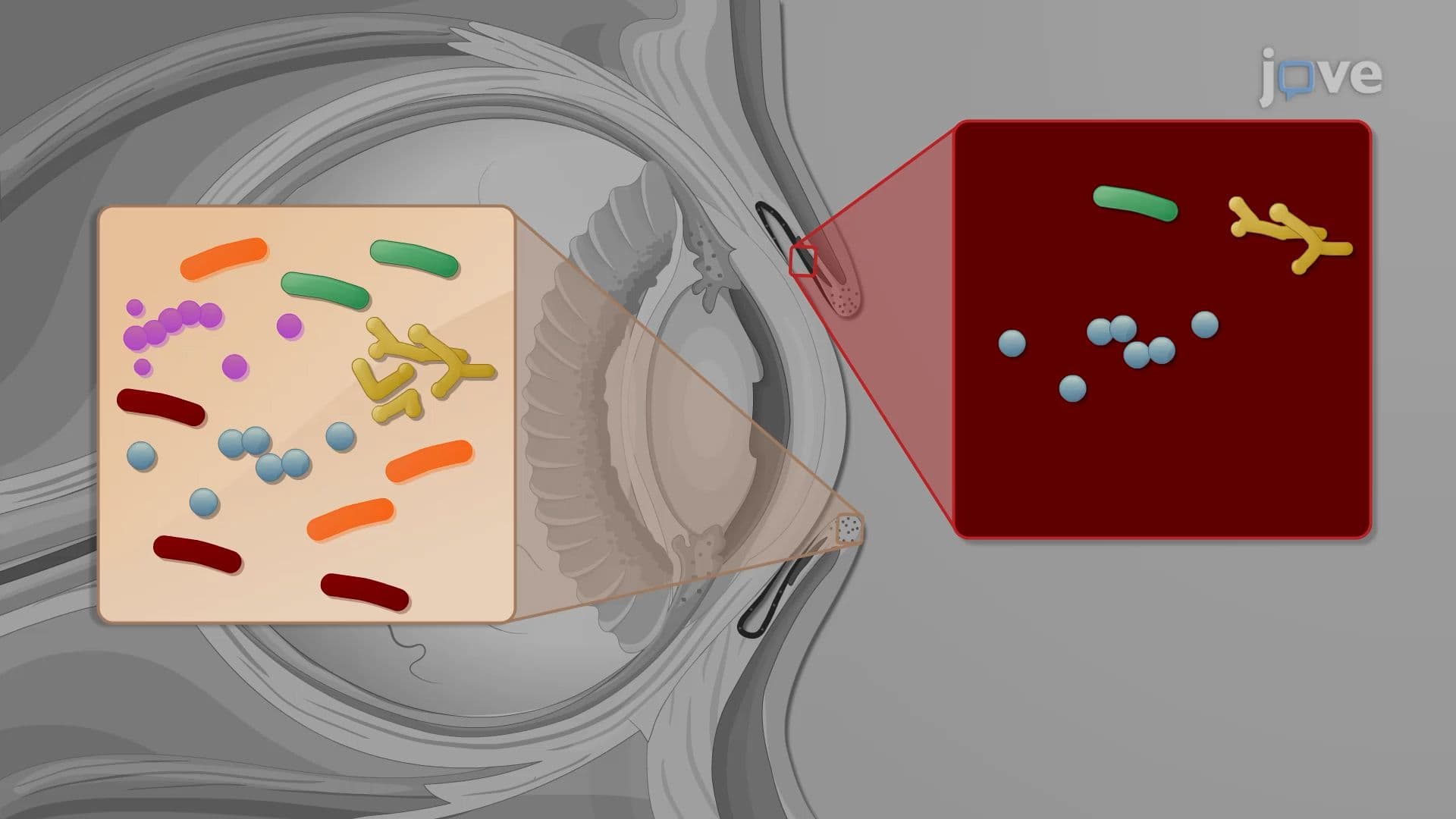
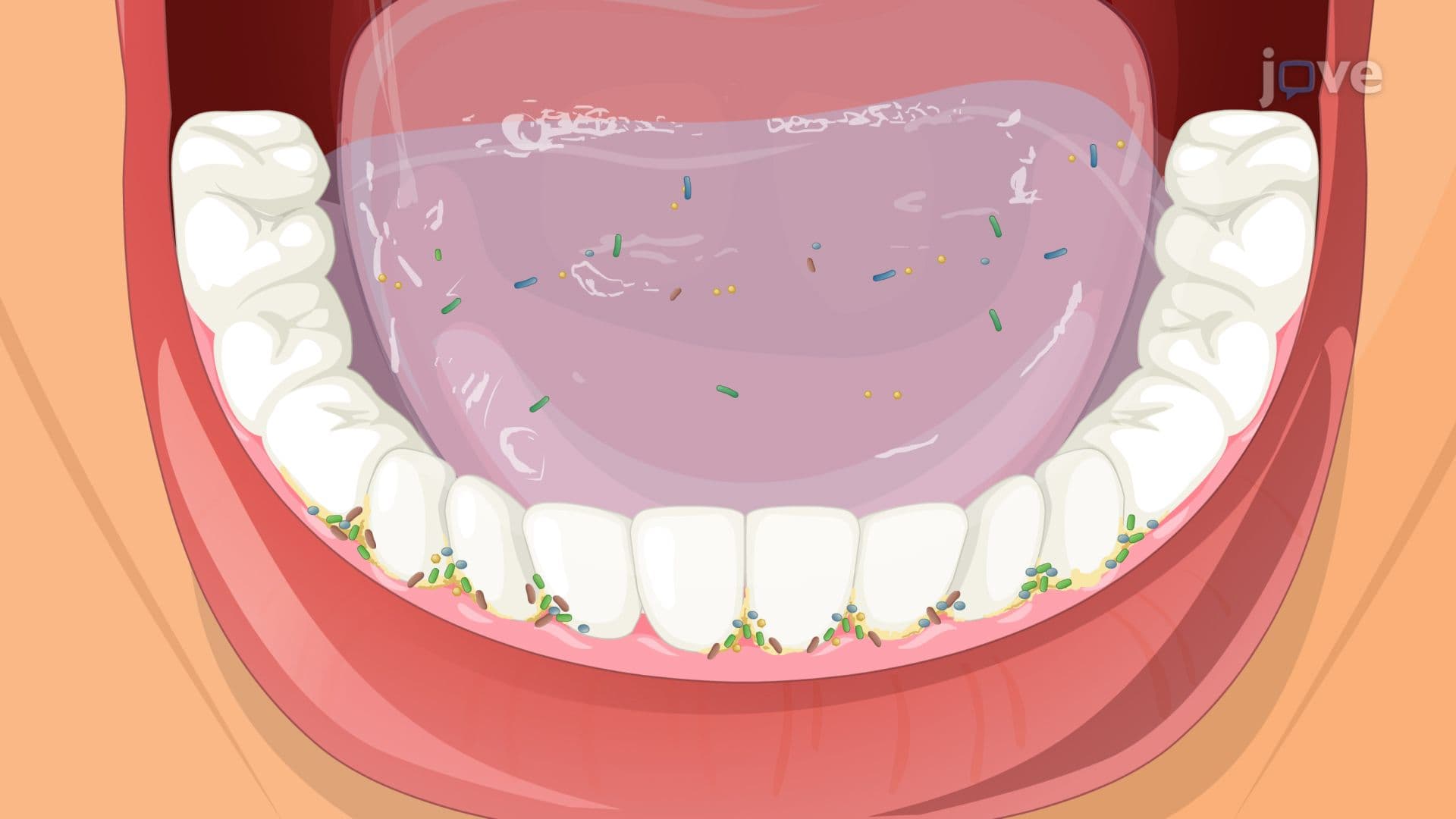
2. Site-Specific Microbiota: Skin, Eye, and Oral Cavity Each body site hosts a distinct microbial community shaped by local conditions. On the skin, oily areas support *Cutibacterium acnes*, moist areas harbor staphylococci and corynebacteria, and dry areas contain a broad mix from major phyla. *Staphylococcus epidermidis* produces antimicrobial peptides that protect against pathogens. The conjunctiva of the eye maintains a low-biomass microbiota held in check by tears and blinking; disruptions link to conditions like blepharitis and dry eye disease. The oral cavity hosts over 700 microbial species distributed across teeth, tongue, gums, and saliva based on oxygen availability, pH, and nutrient gradients, with species like *Streptococcus mutans* contributing to dental plaque formation.
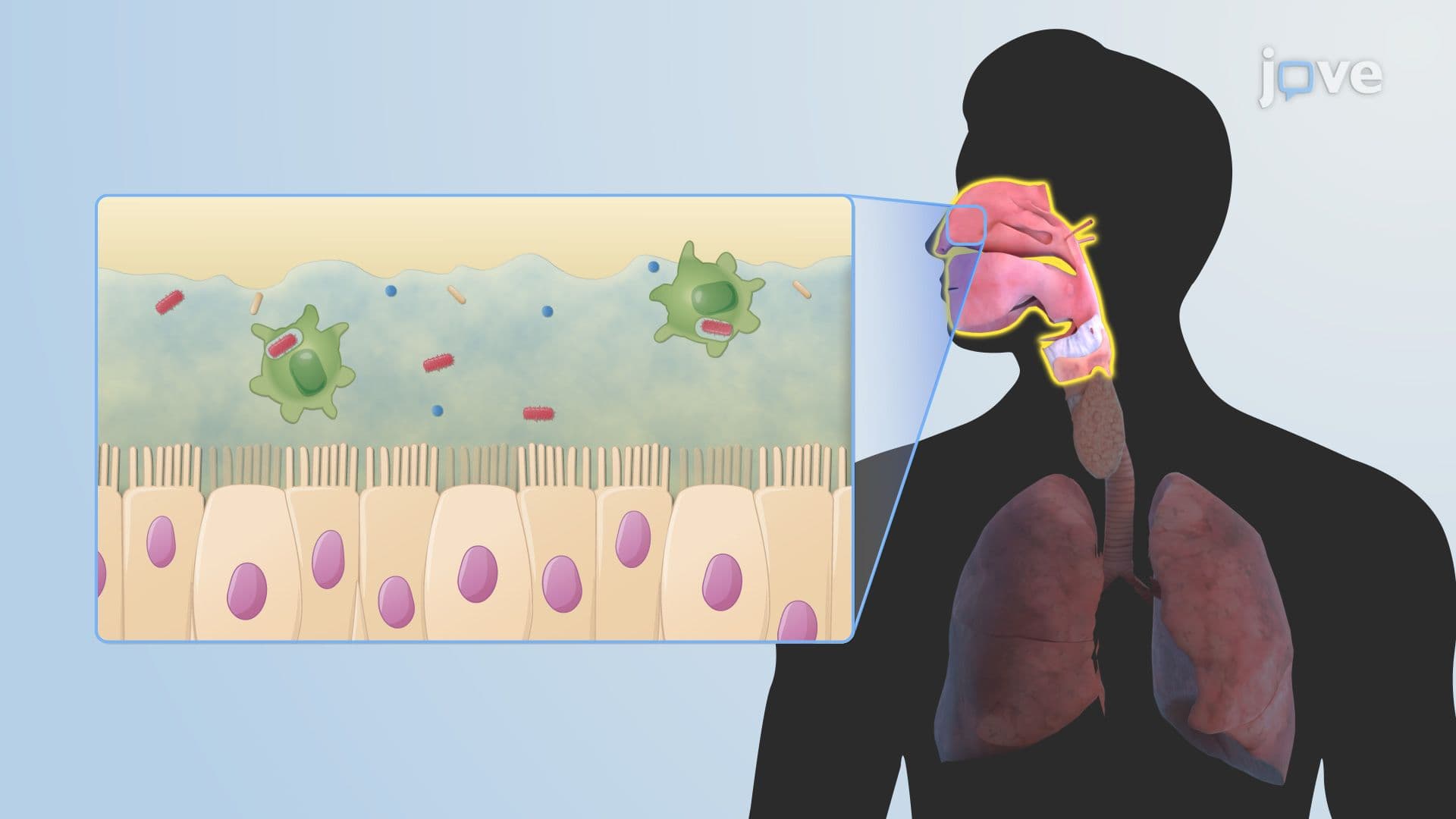
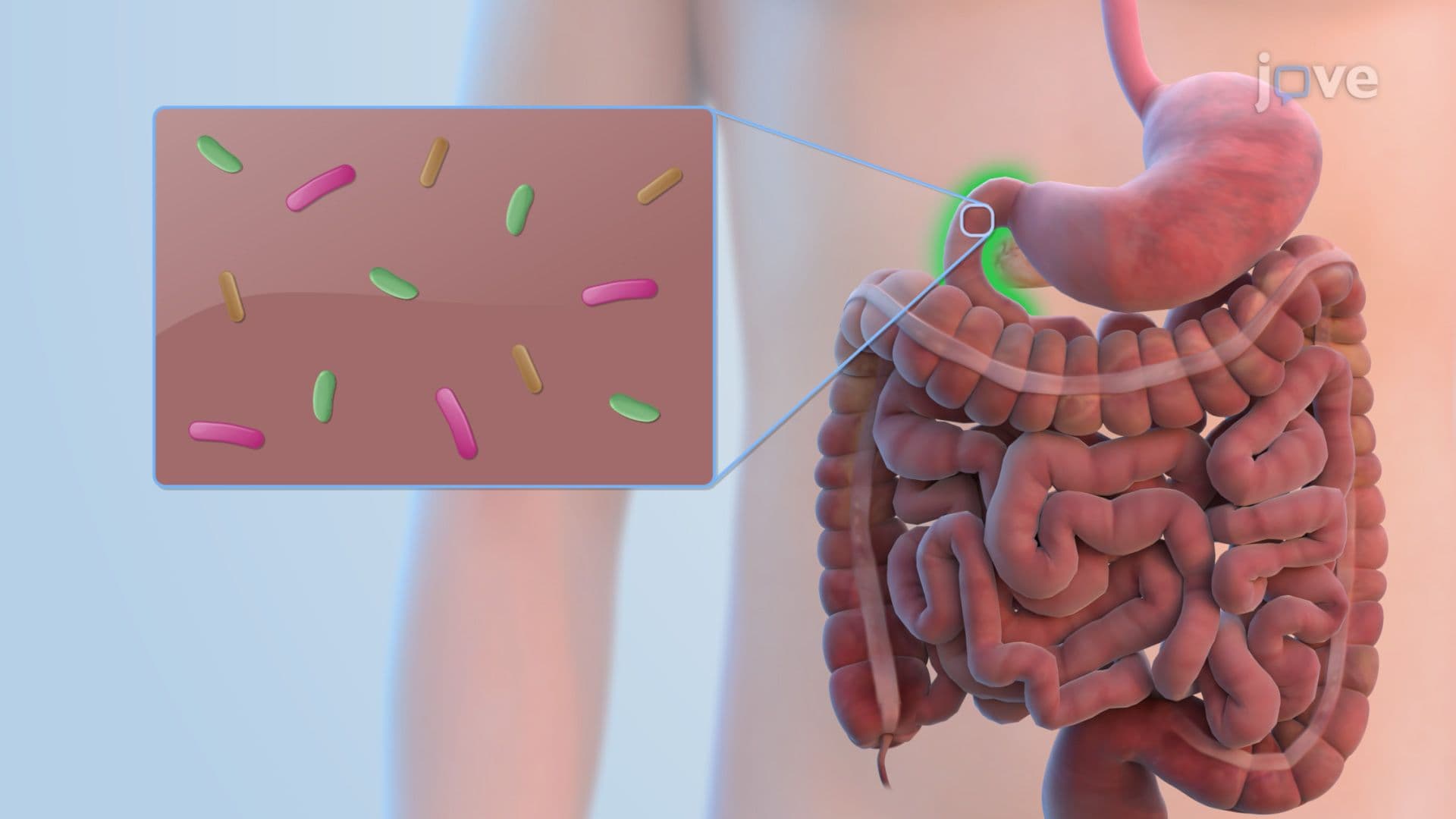
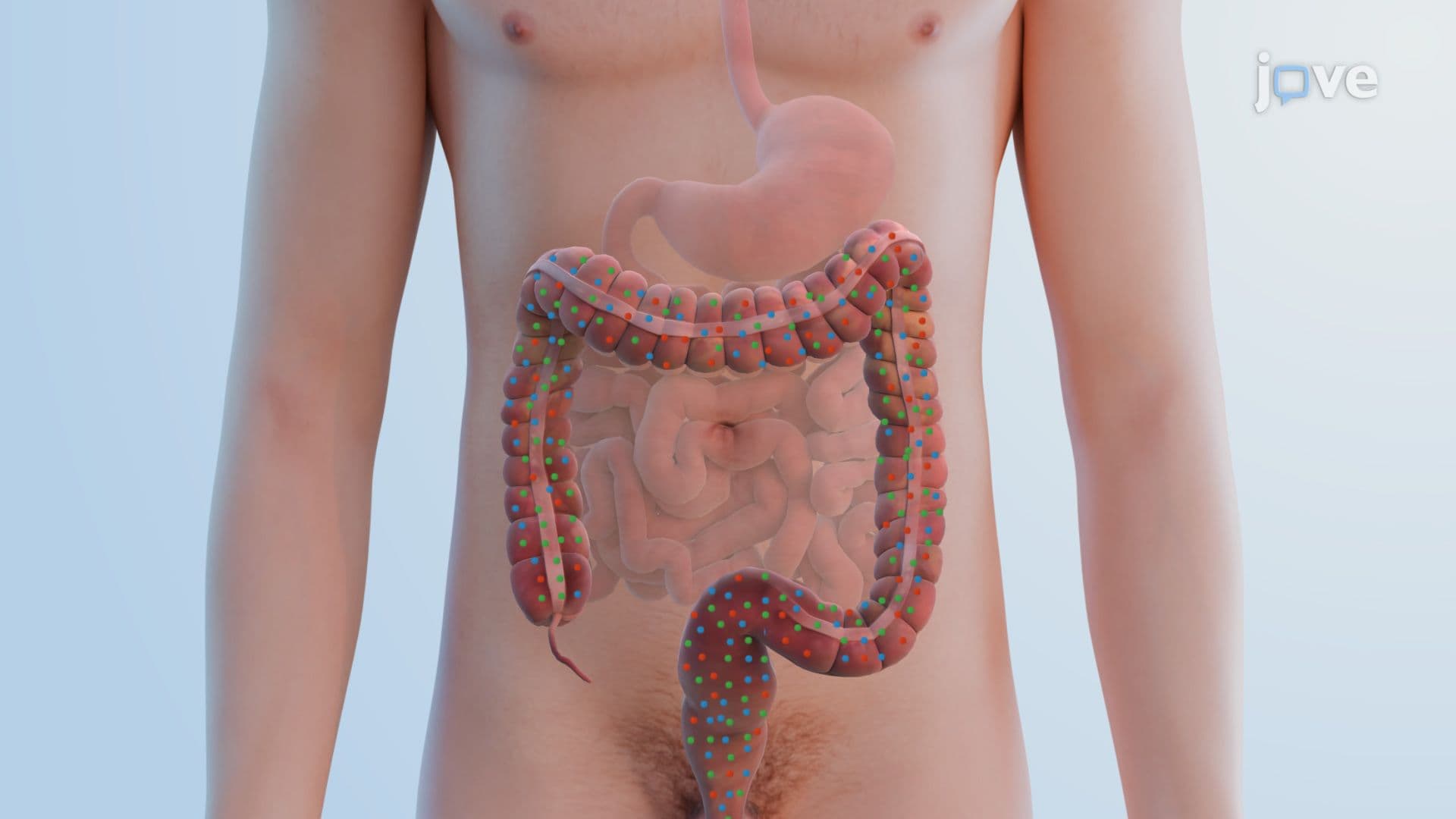
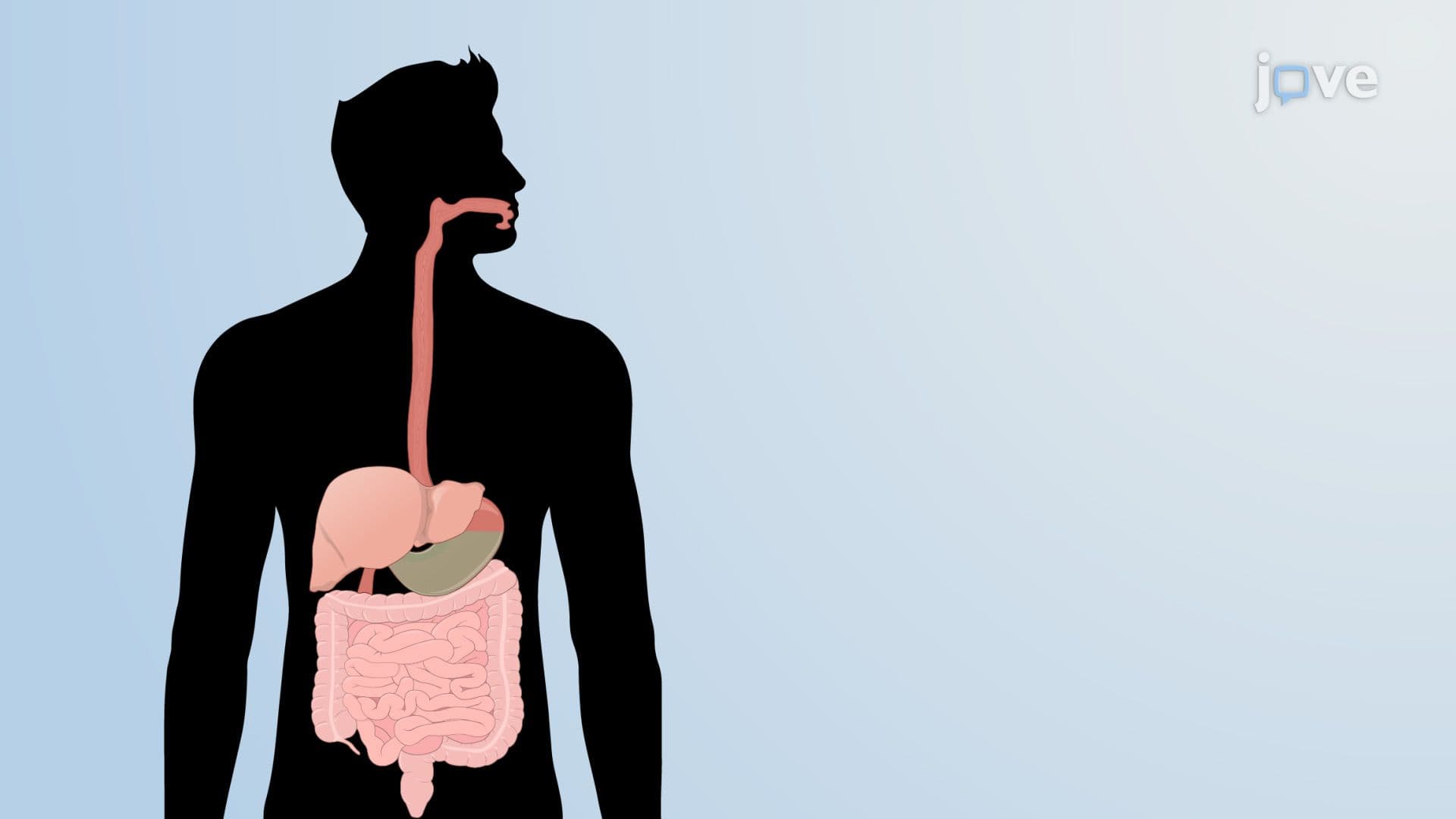
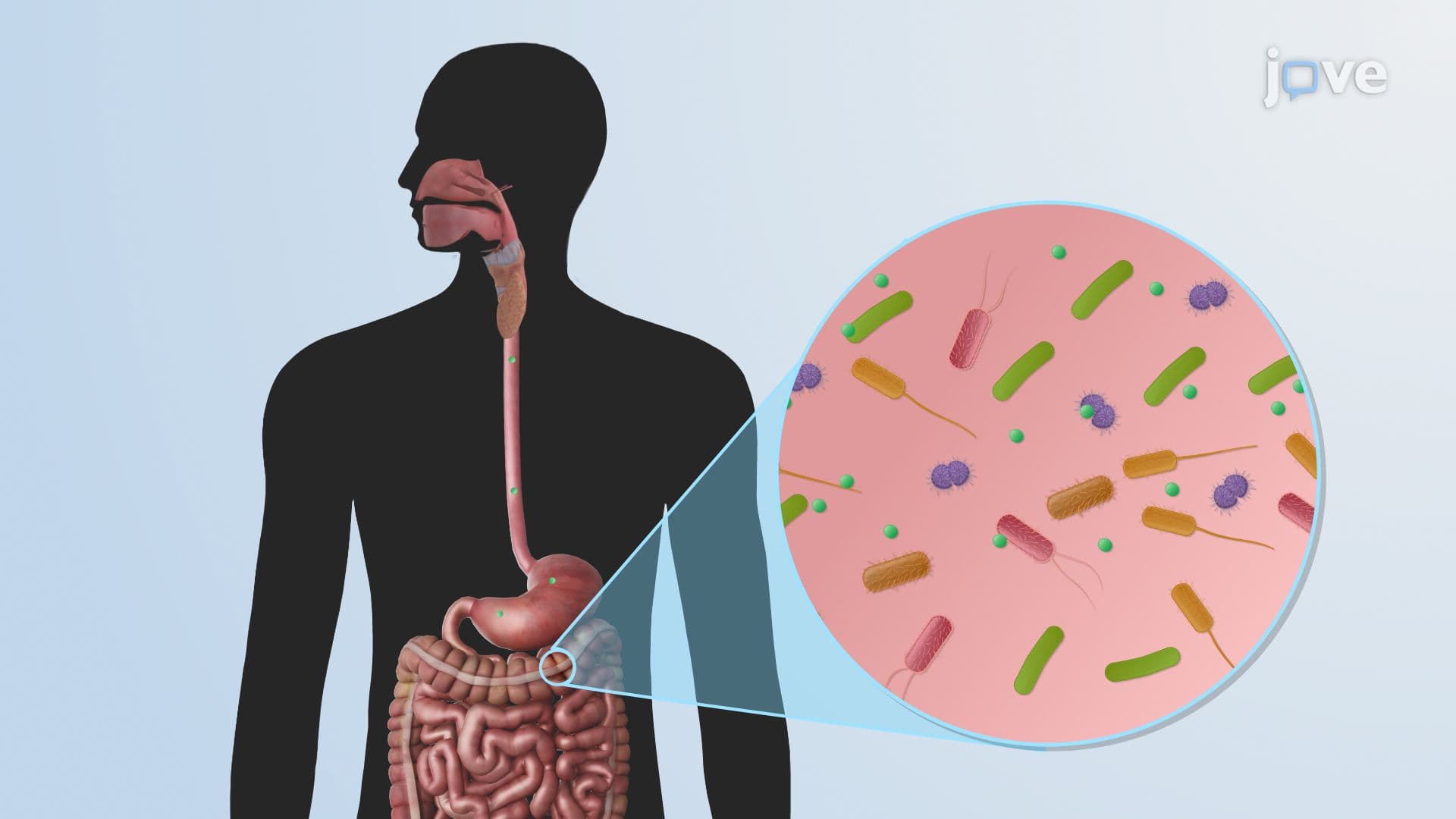
3. Microbiota of the Respiratory and Gastrointestinal Tracts The upper respiratory tract is dominated by commensal staphylococci and corynebacteria in the anterior nares, which competitively inhibit pathogens. The lower respiratory tract harbors transient genera like *Prevotella* and *Veillonella*. In the gastrointestinal tract, microbial density increases dramatically from the stomach to the large intestine. The acidic stomach limits colonizers to acid-tolerant species like *Helicobacter pylori*. The small intestine supports a low-biomass, aerotolerant community, while the large intestine hosts the body's highest microbial density, predominantly anaerobic Bacillota and Bacteroidota, that ferment dietary fiber into short-chain fatty acids, including the critical colonocyte fuel butyrate.
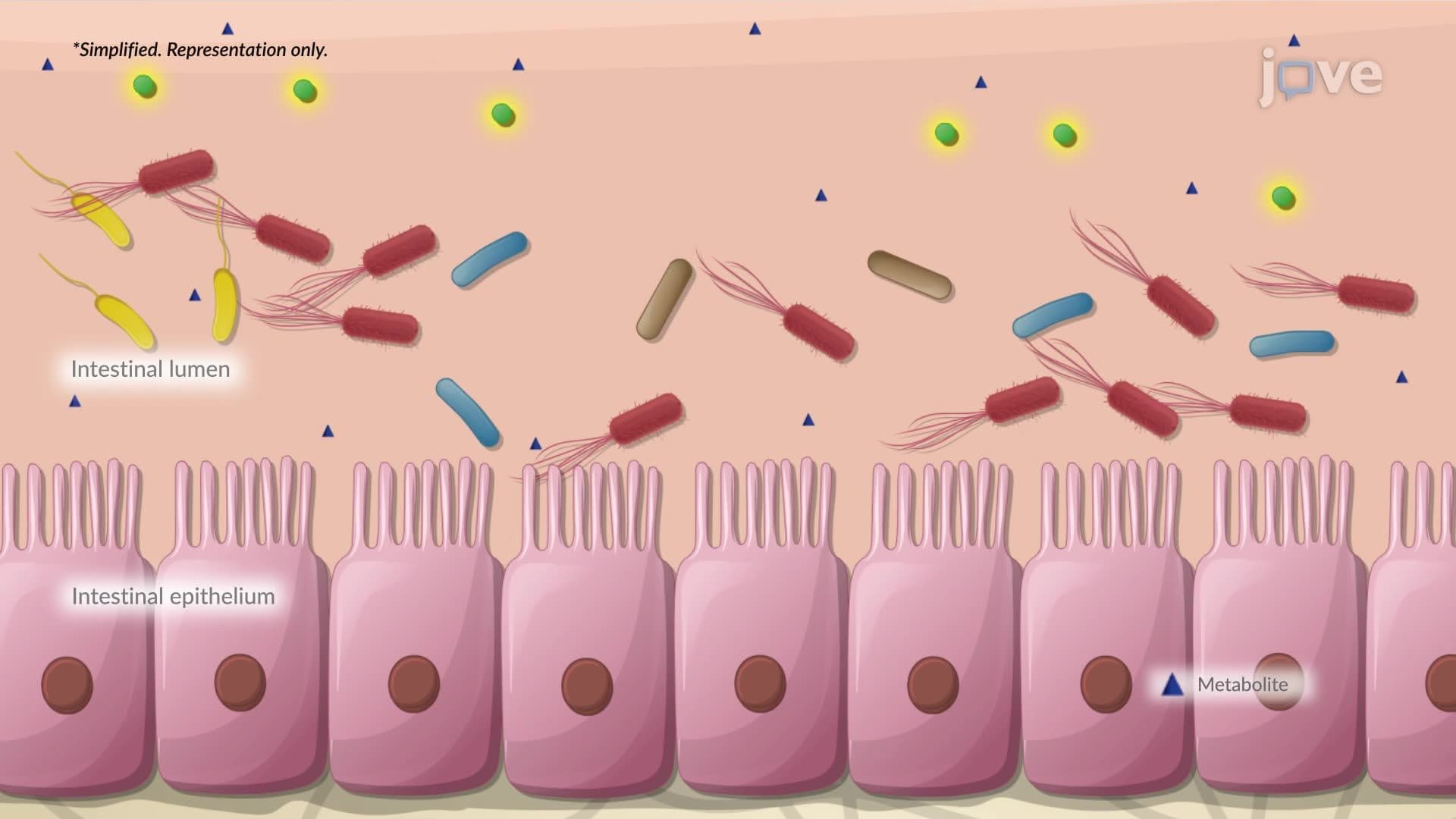
4. Functions of the Gut Microbiota and Dysbiosis The gut microbiota performs essential physiological roles: fermenting complex carbohydrates into short-chain fatty acids (acetate, butyrate, propionate), synthesizing vitamins K and B, converting cholesterol into secondary bile acids, and providing colonization resistance against pathogens like *Clostridioides difficile*. Certain Bacteroidota members activate regulatory T cells, supporting immune tolerance. When this balance is disrupted, a state called dysbiosis, microbial diversity falls, protective metabolite production declines, and pro-inflammatory signaling rises. Increased intestinal permeability allows lipopolysaccharides into the bloodstream, contributing to systemic low-grade inflammation linked to cardiometabolic risk in observational US population studies.
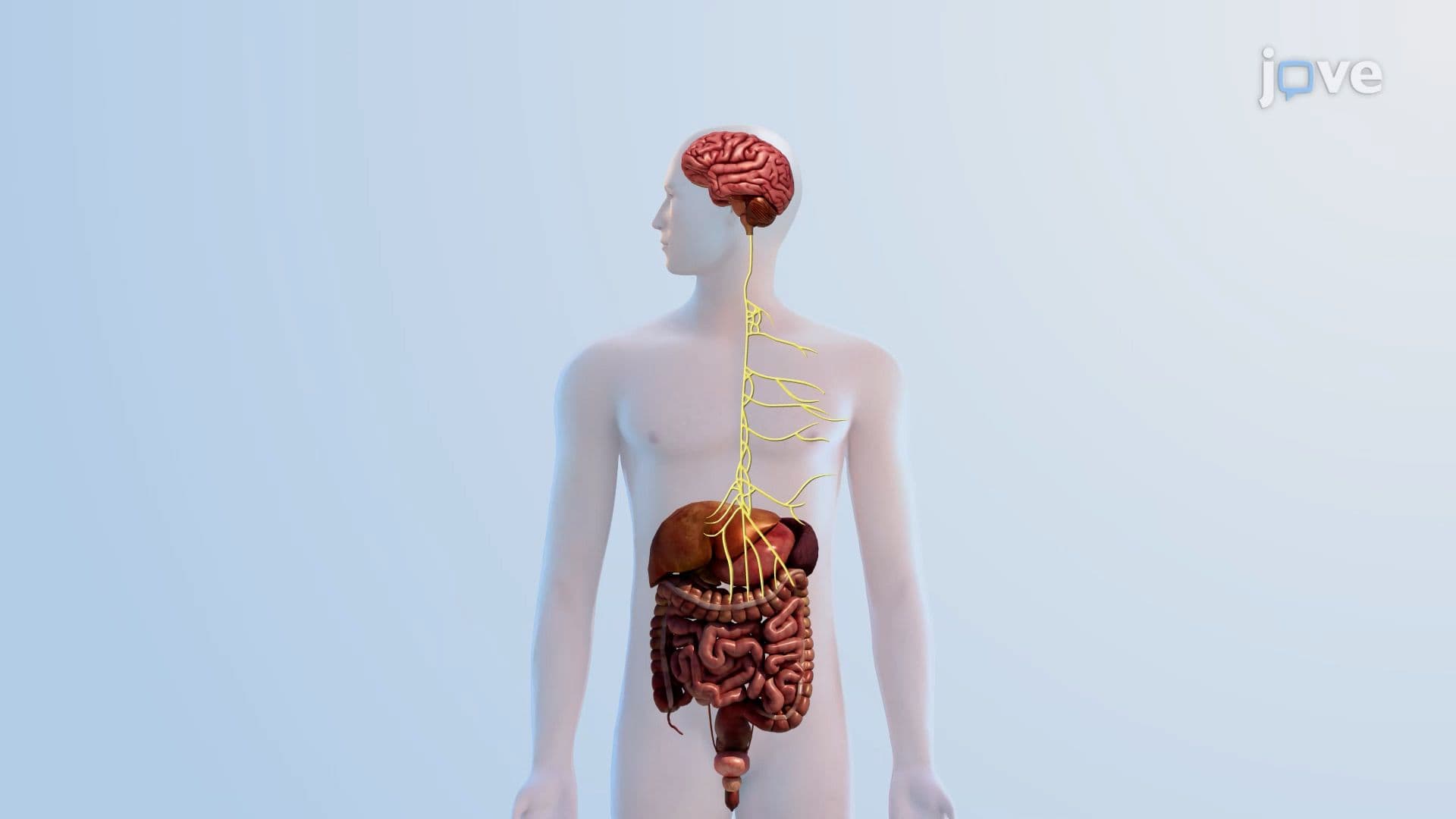
5. The Gut-Brain Axis The gut-brain axis is a bidirectional communication network connecting gut microbes to the central nervous system through neural, immune, and metabolic pathways. Microbial metabolites such as tryptophan derivatives support blood-brain barrier integrity and modulate neurological signaling. Early microbial colonization after birth has been linked in research models to aspects of immune and neural development. Dysbiosis can alter metabolite profiles, potentially weakening the blood-brain barrier. Mouse model research has shown that dysbiosis-associated compounds can trigger anxiety-like behaviors, and certain probiotics, such as *Bacteroides fragilis*, can restore microbial balance and reverse these effects, highlighting potential therapeutic relevance.
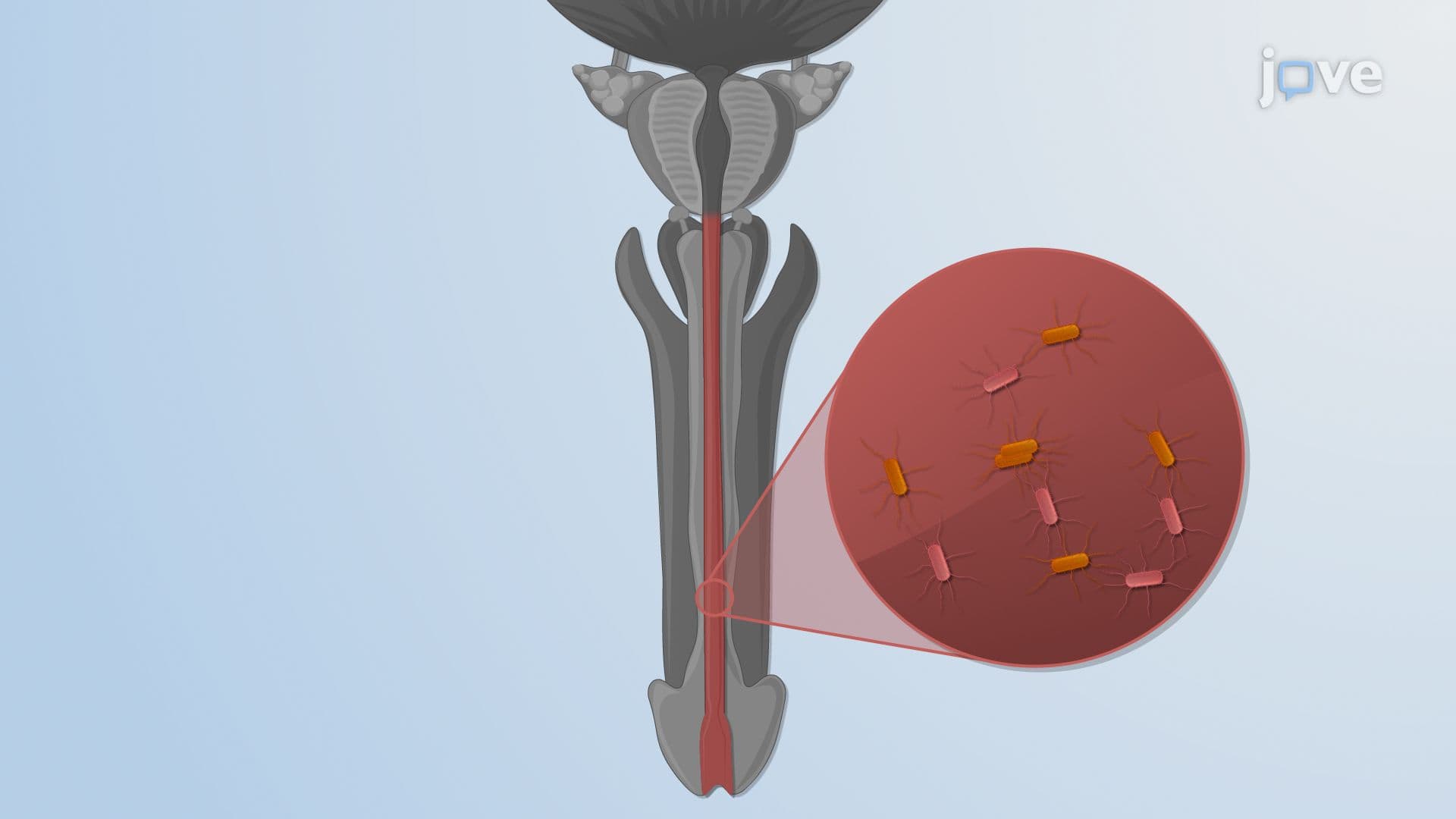
6. Microbiota of the Urogenital Tract The urogenital microbiota varies significantly by sex, age, and hormonal status. The bladder hosts low-biomass communities including *Proteus mirabilis*, which can raise urine pH through urease activity and promote kidney stone formation. The vaginal microbiota during reproductive years is dominated by *Lactobacillus* species, which ferment glycogen into lactic acid, maintaining an acidic environment that suppresses opportunistic pathogens like *Candida* species and *E. coli*. Before puberty, lower glycogen levels and neutral vaginal pH favor staphylococci and streptococci instead. Understanding these dynamics is clinically important for interpreting recurrent urinary tract infections and vaginal infections common in US clinical settings.
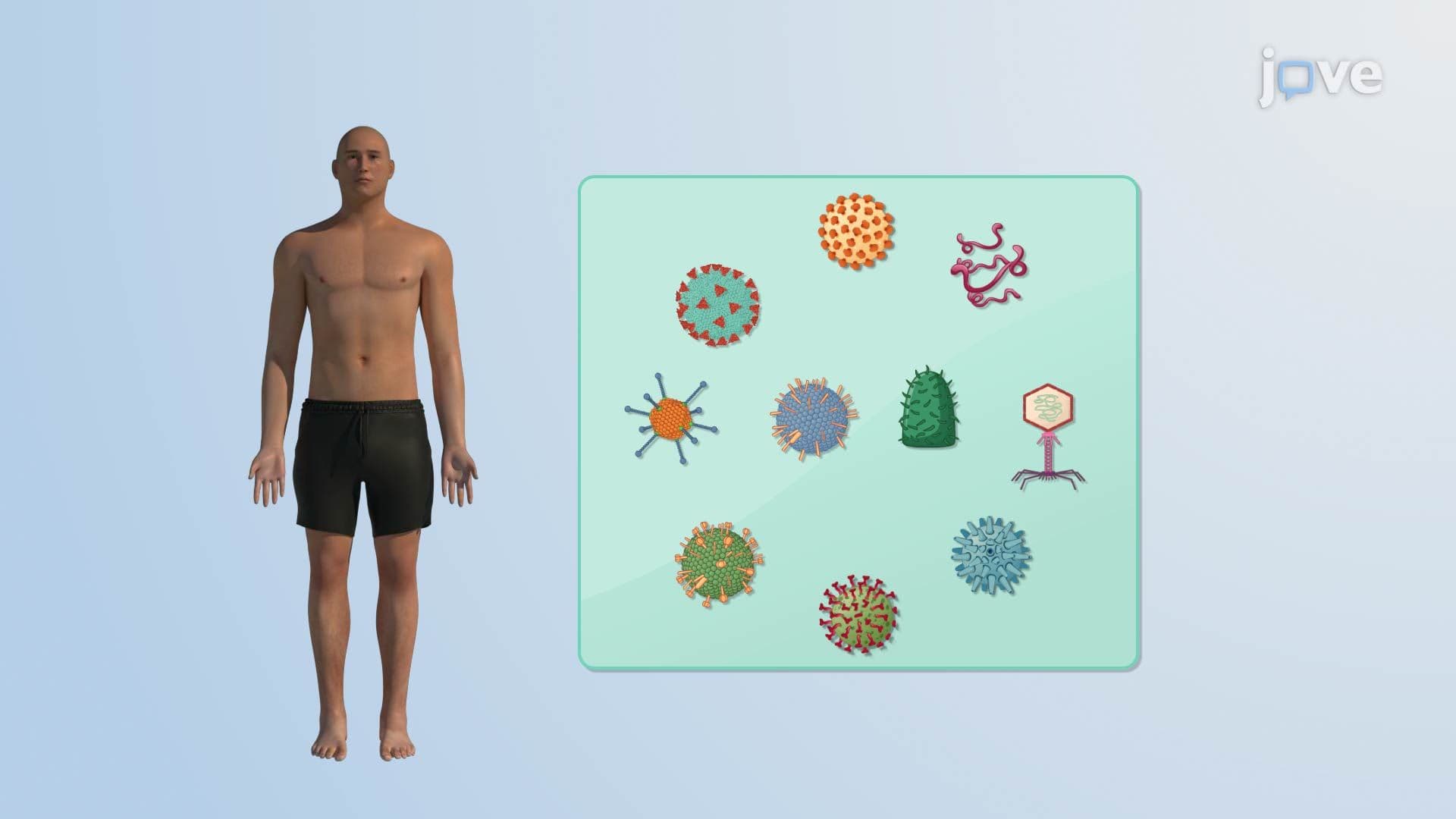
7. The Human Virome and Bacteriophages The human virome encompasses all viruses inhabiting the body, including animal viruses from families like Anelloviridae and vast populations of bacteriophages. The gastrointestinal tract represents the richest site for viral colonization. Bacteriophages can integrate into bacterial genomes through lysogenic conversion, transferring genes that alter bacterial behavior, as seen when the CTXφ phage injects cholera toxin genes into *Vibrio cholerae*, converting it into a dangerous pathogen. On mucosal surfaces, phage capsid proteins bind mucin glycoproteins, positioning phages to intercept invading bacteria before they reach epithelial cells. Altered virome patterns have been associated with inflammatory bowel disease, type 1 diabetes, and colorectal cancer in observational studies.
8. Microbiota Modulation by Antibiotics, Probiotics, and Prebiotics While antibiotics are essential tools against bacterial infections, broad-spectrum agents simultaneously eliminate beneficial gut microbes, reducing diversity and enabling opportunistic overgrowth by pathogens like *C. difficile*. Antibiotic-induced dysbiosis also disrupts short-chain fatty acid production and bile acid transformation, impairing digestion and immune function. Recovery strategies include probiotics, live beneficial microorganisms such as *Lactobacillus* species, that compete with harmful bacteria and help restore balance. Prebiotics, which are non-digestible dietary fibers, nourish beneficial bacteria and stimulate short-chain fatty acid production. Together, probiotics and prebiotics represent evidence-based adjuncts to antibiotic therapy increasingly recognized in US clinical practice guidelines.