Loading concepts…


11 Concepts
13 Concepts
26 Concepts
13 Concepts
6 Concepts
31 Concepts
37 Concepts
10 Concepts
7 Concepts
22 Concepts
11 Concepts
11 Concepts
22 Concepts
16 Concepts
11 Concepts
15 Concepts
14 Concepts
12 Concepts
9 Concepts
 7 Concepts
 1.3K Views
 Popular topics


Microbial evolution explains how bacteria, archaea, and other microorganisms change over time through mutation, natural selection, horizontal gene transfer, and genetic drift. This micro-course traces life's origins at hydrothermal vents, the rise of photosynthesis, and genome-level changes that drive the evolution of microorganisms. Real-world applications, including antibiotic resistance and long-term E. coli experiments, make these concepts relevant for US biology and health science students. Explore these topics with JoVE Coach.
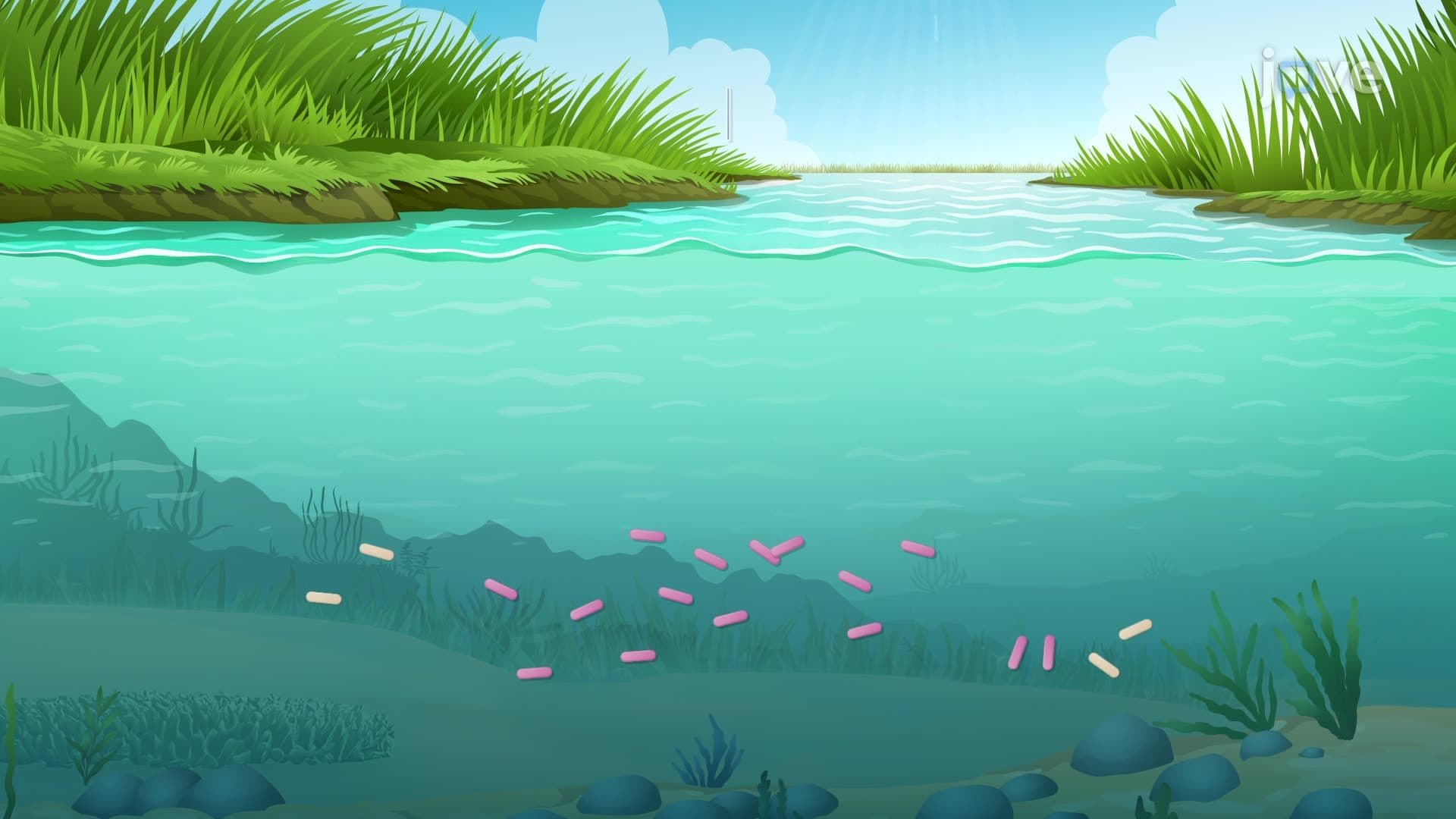
1. Origin of Cellular Life The earliest life forms are thought to have emerged at hydrothermal vents on the ocean floor, environments rich in heat, chemical gradients, and inorganic compounds like hydrogen sulfide. Mineral pores in vent structures may have acted as primitive compartments, concentrating amino acids, lipids, and nucleotides. Over time, lipid membranes replaced these mineral enclosures, forming the first protocells. These early cells likely contained self-replicating RNA before transitioning to the more stable DNA. Metabolically, these ancestors were probably chemolithotrophs, organisms that extracted energy from inorganic chemicals rather than sunlight or organic food.
2. Origin of Photosynthesis and the Great Oxidation Event Photosynthesis first appeared roughly 3.5 billion years ago in an anoxygenic form, using electron donors like hydrogen sulfide and releasing no oxygen. Cyanobacteria later evolved oxygenic photosynthesis, splitting water molecules and releasing oxygen as a byproduct. That oxygen reacted with dissolved ocean iron to form banded iron formations, geological evidence still found in US states like Michigan and Minnesota. As oxygen sinks became saturated, free oxygen accumulated in the atmosphere, triggering the Great Oxidation Event approximately 2.4 billion years ago. This event paved the way for aerobic metabolism and the protective ozone layer.
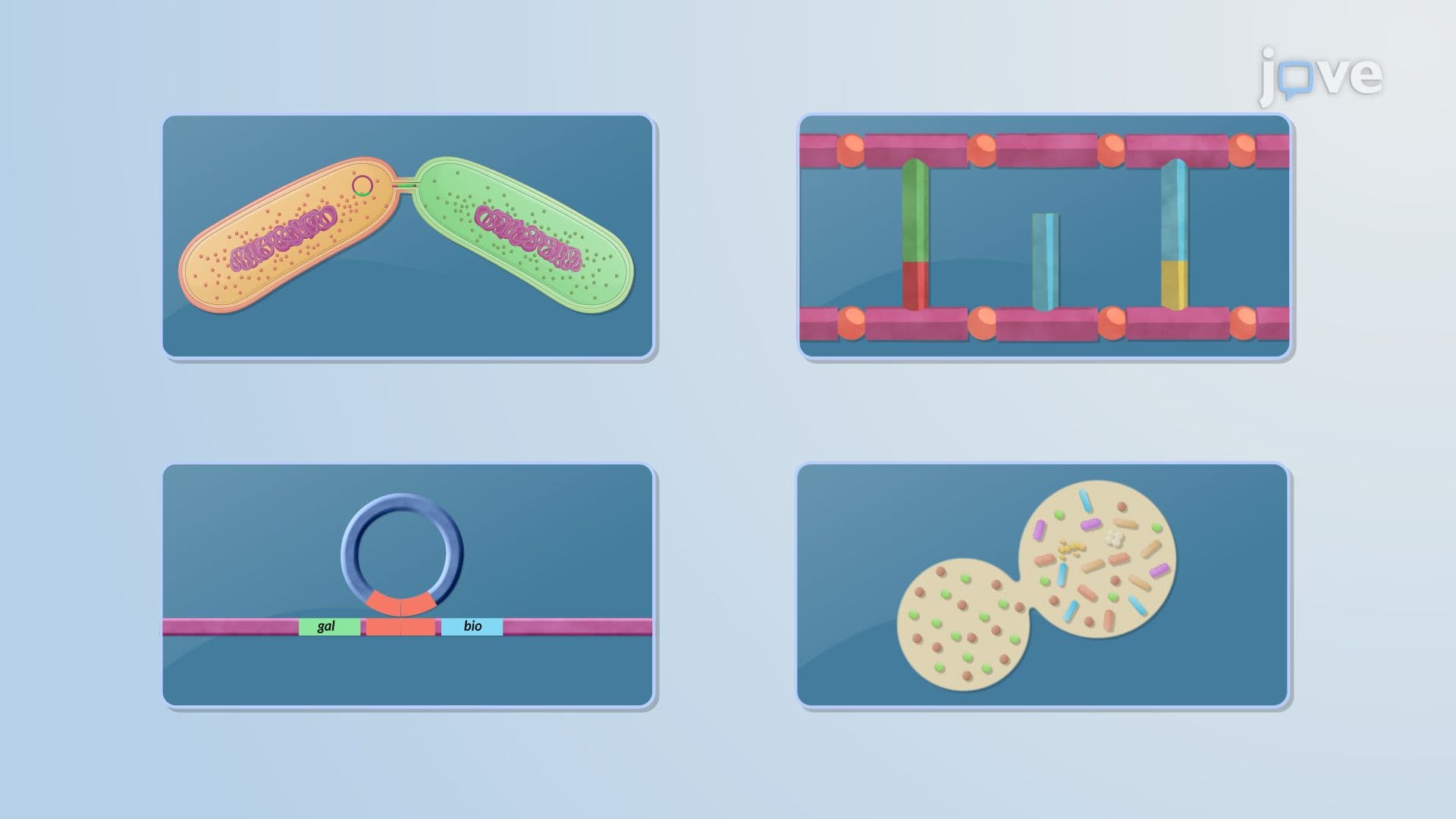
3. Mechanisms of Microbial Evolution Microorganisms evolve through four primary mechanisms: mutation, recombination, horizontal gene transfer (HGT), and genetic drift. Mutations introduce new alleles, some of which prove beneficial in shifting environments. Recombination creates new allele combinations. HGT, through processes like conjugation, allows genes to cross species boundaries, rapidly spreading traits such as antibiotic resistance across bacterial communities. Genetic drift involves random shifts in allele frequency, most pronounced in small populations or after a bottleneck event reduces population size. Together, these mechanisms explain how bacteria evolve far faster than most multicellular organisms, a critical concern in US public health and clinical medicine.
4. Evolution of New Traits: Natural Selection in Action Natural selection operates on existing genetic variation, favoring individuals best suited to their current environment. Laboratory experiments provide clear evidence of this process. The Long-Term Evolution Experiment (LTEE), launched in 1988 at Michigan State University, has tracked over 80,000 generations of *E. coli* populations grown in glucose-limited media. In one remarkable case, a population evolved the ability to metabolize citrate under aerobic conditions, a trait not seen in standard *E. coli*, illustrating how new metabolic capabilities can emerge through rare mutations over many generations. Such experiments demonstrate what drives microbial evolution at a mechanistic level.
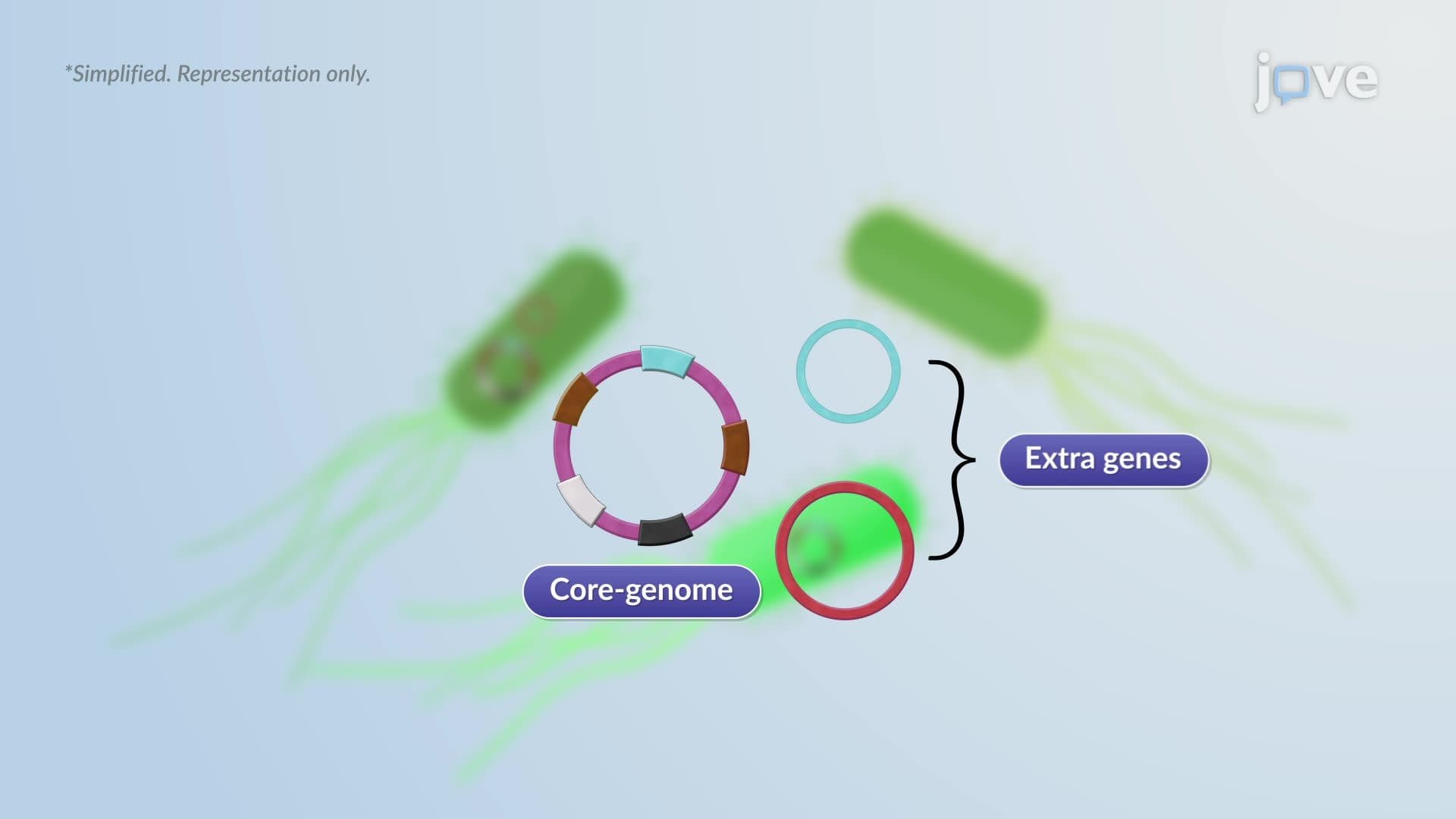
5. Evolution of the Microbial Genome: Core Genome and Pan-Genome Microbial genomes are dynamic, genes are constantly gained and lost over evolutionary time. Across strains of the same species, a shared set of essential genes forms the core genome, which encodes functions critical for basic survival. Genes found in only some strains constitute the accessory genome, often acquired through horizontal gene transfer. Together, core and accessory genes make up the pan-genome of a species. In open pan-genome species, this total gene pool expands as new strains are discovered. Harmful or neutral acquired genes are frequently deleted over time, while genes conferring competitive advantages, such as antibiotic resistance, are retained by natural selection.
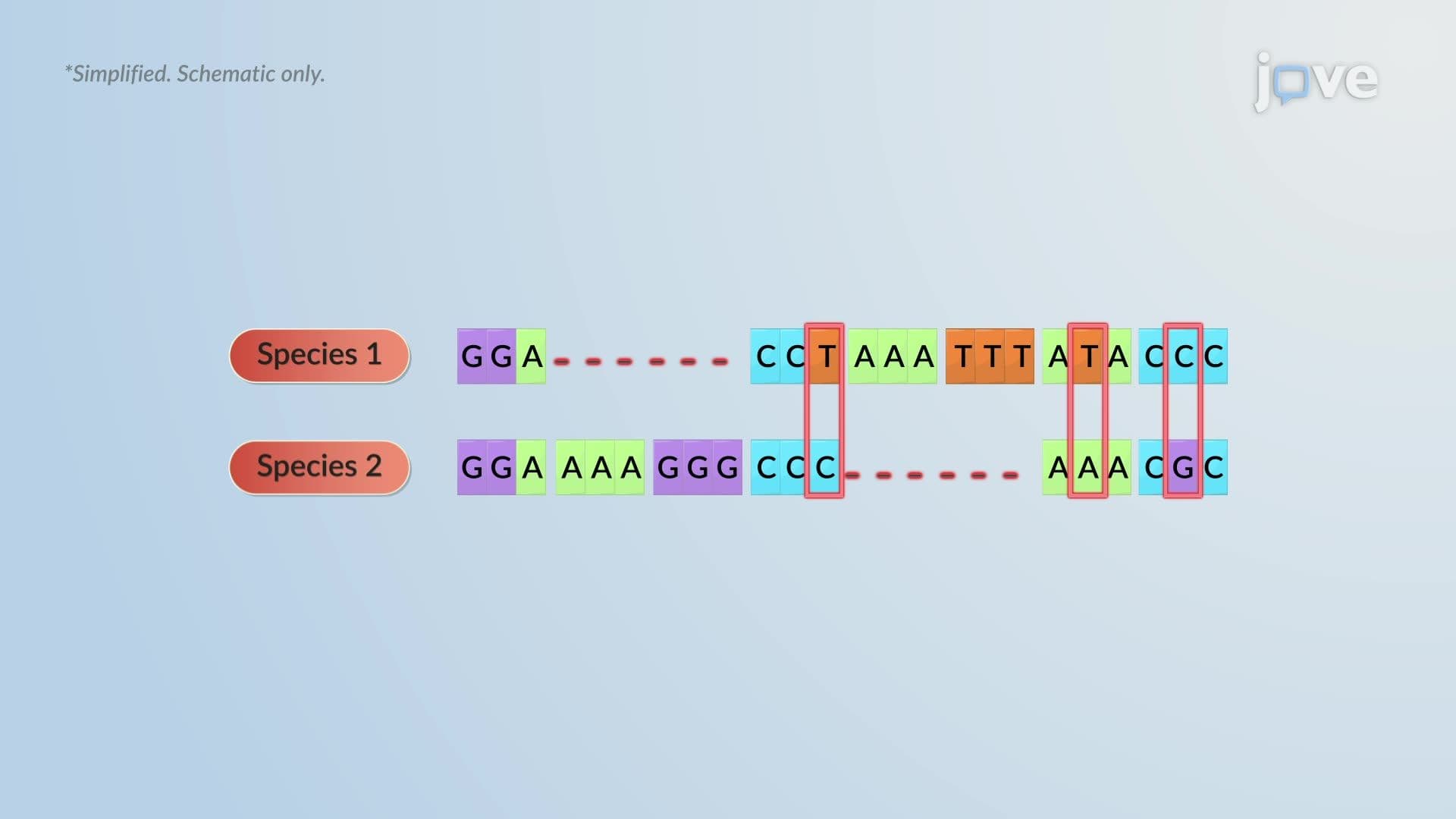
6. Microbial Phylogeny: Building Evolutionary Trees Phylogenetic trees map evolutionary relationships among microorganisms using DNA, RNA, or protein sequences. The 16S rRNA gene, highly conserved across bacteria and archaea, serves as a universal marker for microbial comparisons and is central to environmental surveys like those conducted by the Human Microbiome Project in the US. Sequences are aligned to detect mismatches and gaps, and evolutionary distance is calculated as the proportion of differing nucleotide positions. Rooted trees identify common ancestors; unrooted trees show relatedness without implying direction. Researchers must account for misleading signals caused by convergent evolution or horizontal gene transfer, which can make unrelated organisms appear closely related.
7. Phylogenetic Species Concept in Microbiology Traditional biological species concepts rely on reproductive isolation, a criterion that does not apply to asexually reproducing microbes. The phylogenetic species concept defines a species as the smallest group sharing a common ancestor with unique genetic characteristics. For bacteria, 16S rRNA gene similarity of approximately 98.7% or greater generally indicates the same species. A more precise method, Average Nucleotide Identity (ANI), compares whole genomes; a threshold of 95-96% ANI is the widely accepted standard for species-level classification. In practice, microbial species definitions also incorporate ecological roles and metabolic features, reflecting the complexity of microbial diversity studied in US research institutions and clinical labs.