Loading video…


 7 Concepts
 1.3K views

Video Summary: Phylogenetic Species Concept in Microbiology Explained
Did you know scientists can't use the same rules to classify bacteria that they use for animals? The phylogenetic species concept in microbiology solves this problem by grouping microbes based on shared ancestry and unique genetic traits rather than physical appearance. At the US Centers for Disease Control and Prevention (CDC), this approach helps identify dangerous new bacterial strains. Phylogenetic Species Concept in Microbiology Explained is your gateway to understanding how life's smallest organisms are classified. Watch the full video on JoVE Coach to master this concept with expert-led visuals and step-by-step explanations.
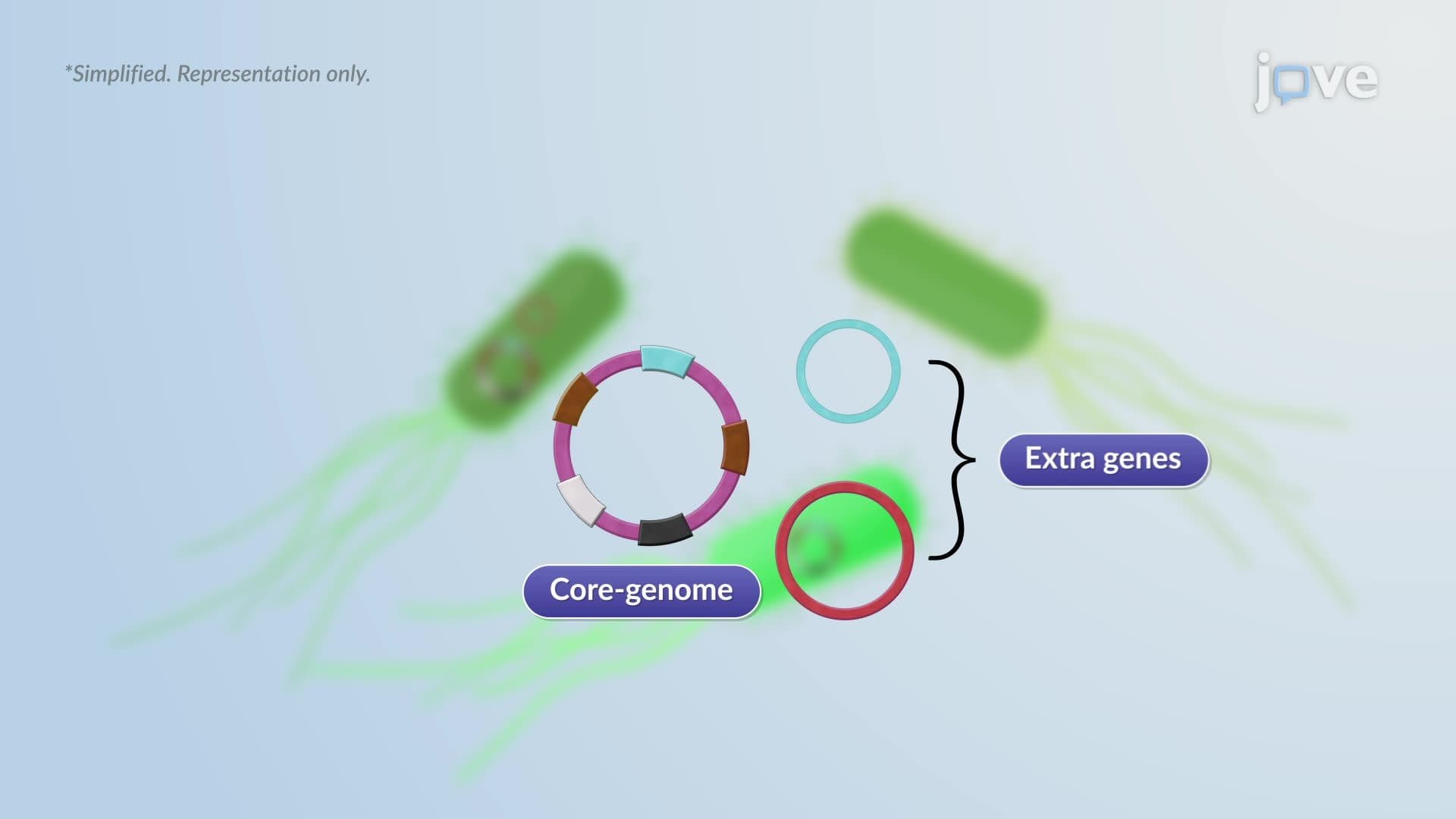
The Phylogenetic Species Concept in Microbiology defines a microbial species as the smallest group of organisms that share a common ancestor and possess at least one unique, heritable genetic characteristic. Unlike plants or animals, microbes present a classification challenge: they reproduce asexually (making reproductive isolation irrelevant), look nearly identical under a microscope, and can swap genes with unrelated organisms through horizontal gene transfer. For these reasons, the biological species concept, which defines species by the ability to interbreed, simply does not apply. Phylogenetic classification steps in to fill this gap by treating gene sequences and genome data as the primary evidence of evolutionary relationships.
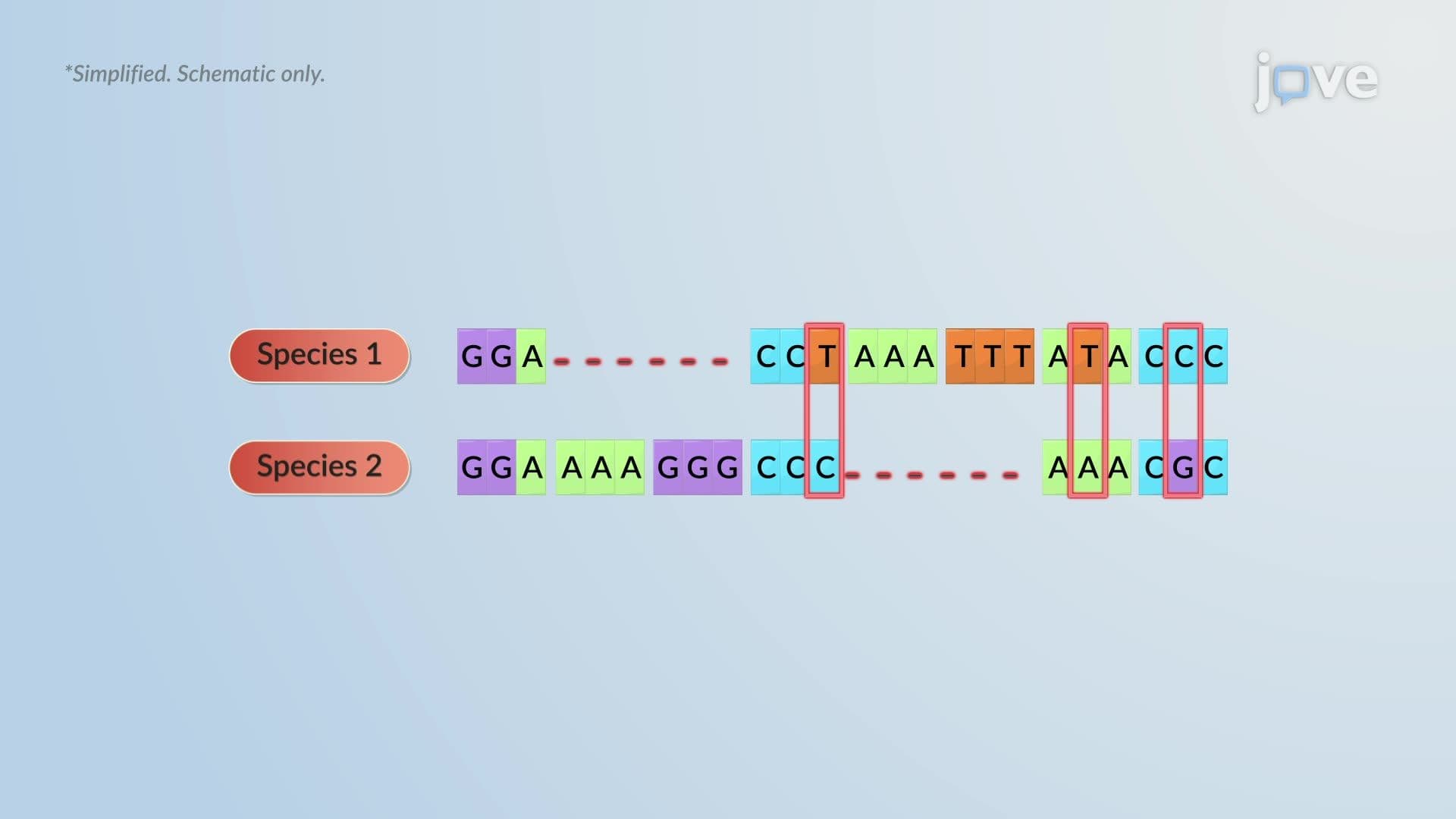
One of the most widely used tools in microbial phylogeny is the 16S rRNA gene, a region of the bacterial genome that evolves slowly and is present in virtually all prokaryotes. Scientists compare the sequences of this gene across organisms: if two bacteria share approximately 98.7% or greater similarity in their 16S rRNA sequence, they are considered members of the same species. This cutoff is not arbitrary, it was established through decades of comparative genomic research and is used in US research institutions, including those affiliated with the National Institutes of Health (NIH). However, because the 16S rRNA gene represents only a tiny fraction of the genome, it has limitations, which is where Average Nucleotide Identity becomes essential.
Average Nucleotide Identity (ANI) compares entire genomes rather than a single gene, making it a far more comprehensive measure of genetic similarity between two microorganisms. A threshold of 95-96% ANI is the current gold standard for defining species-level identity in microbiology. Think of ANI as a full genome "fingerprint comparison" rather than a single data point. In practice, the CDC and public health laboratories in the US use ANI-based genomic analysis to identify outbreak strains of pathogens like *Clostridioides difficile* and *Klebsiella pneumoniae*, directly informing treatment and containment decisions.
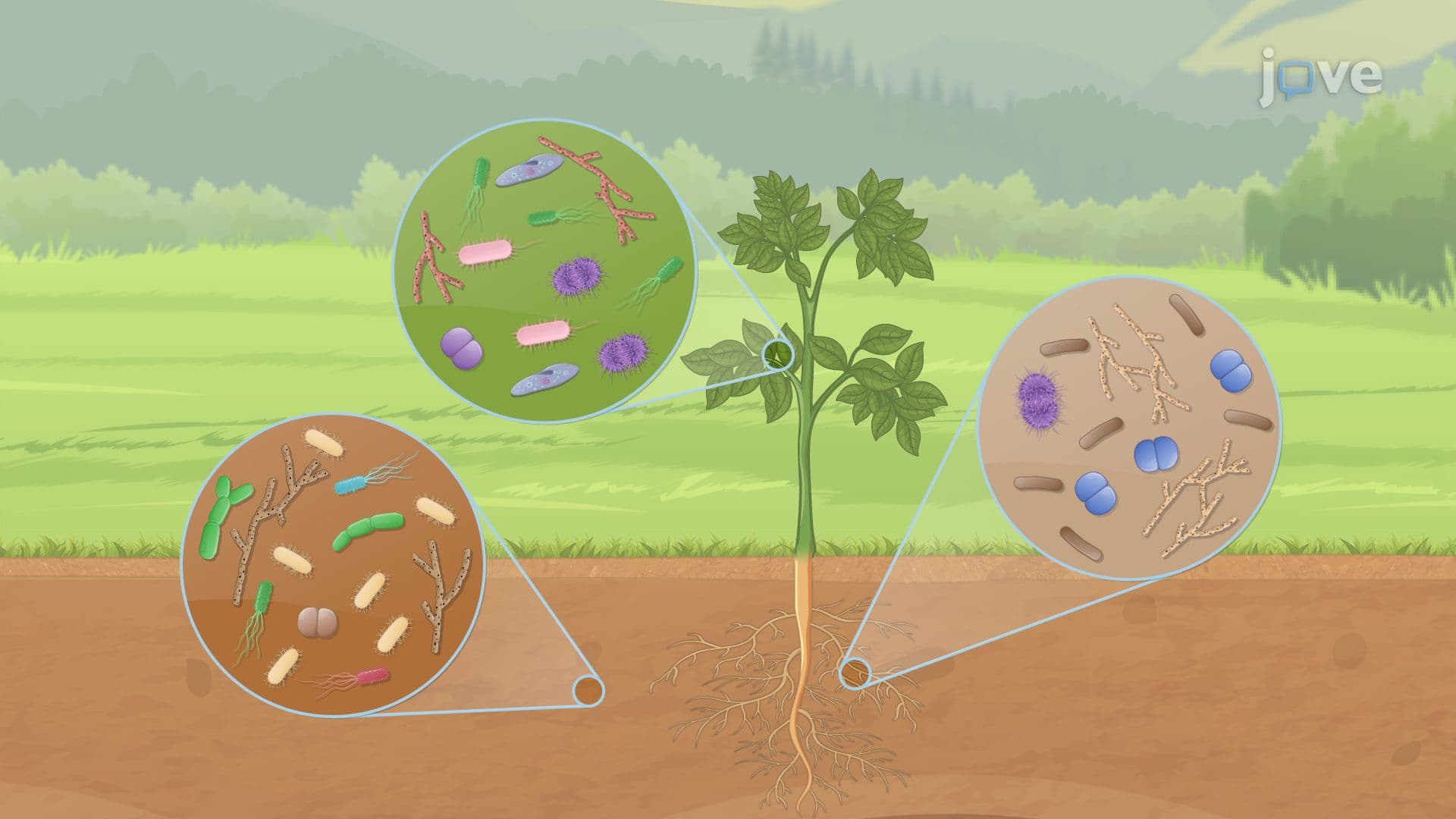
Modern microbial taxonomy rarely relies on genomics alone. Scientists combine phylogenetic data with ecological traits (where the organism lives, what environmental conditions it prefers) and metabolic features (what nutrients it consumes, what byproducts it produces). This integrative approach, sometimes called polyphasic taxonomy, produces more biologically meaningful species definitions. For example, two bacterial strains might share 96% ANI but occupy completely different ecological niches and carry out distinct metabolic functions. In that case, researchers may classify them as separate species. This nuanced thinking is tested in college microbiology midterms, AP Biology free-response questions, and MCAT passages focused on evolution and genetics.
Understanding how natural selection in microbes, genetic drift, and horizontal gene transfer drive microbial evolution is essential context for this concept. These forces continuously reshape microbial genomes, which is precisely why a dynamic, sequence-based classification system outperforms older morphological methods. Questions about the evolution of antibiotic resistance, a major public health concern in the US, are deeply connected to the mechanisms that the phylogenetic species concept is designed to track.
Related Micro-courses