Loading video…

 7 Concepts
 1.3K views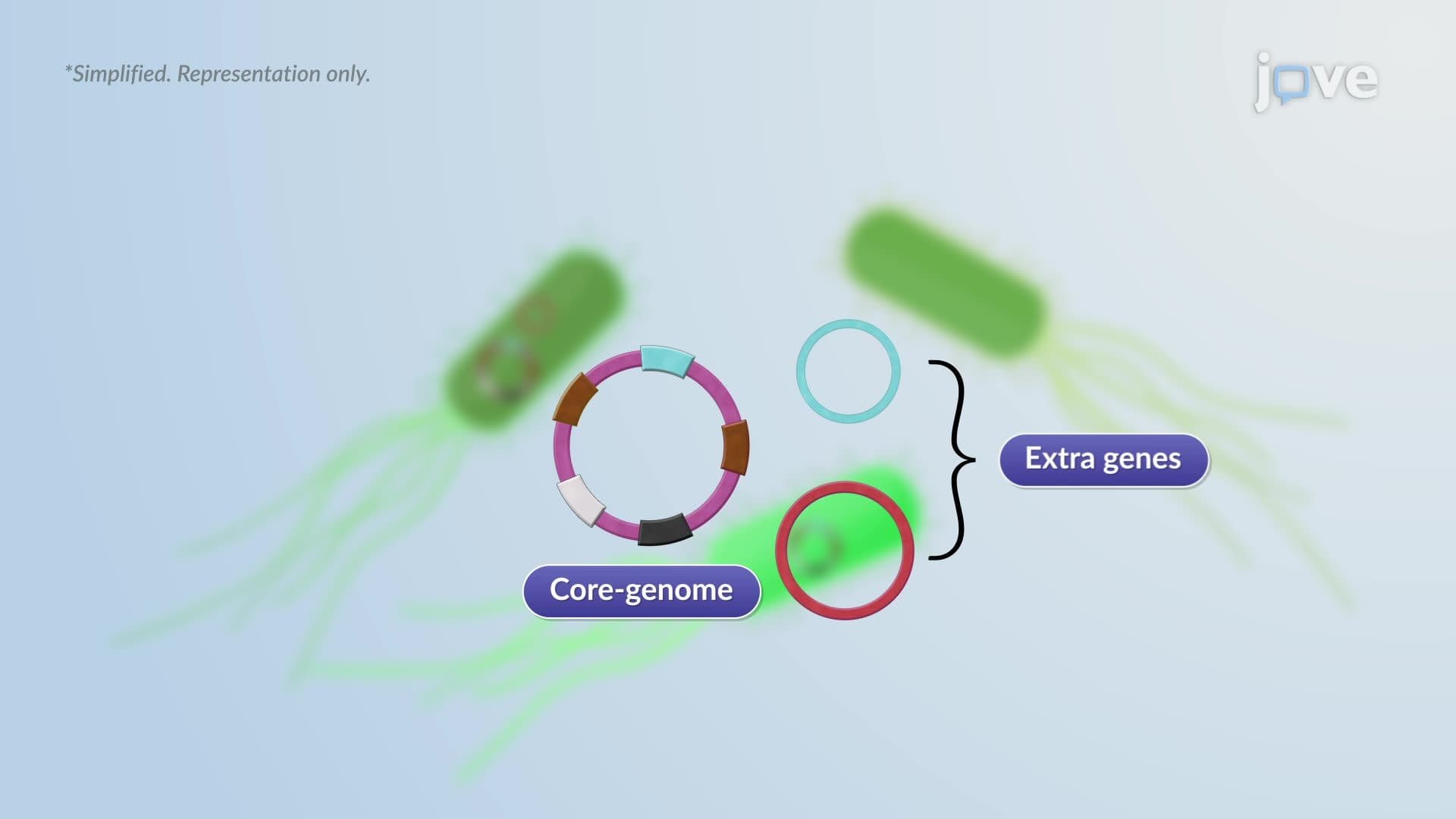

Video Summary: What Is Evolution of Microbial Genome
Did you know a single bacterial species can carry thousands of extra genes that aren't shared by all its members? The evolution of microbial genome describes how bacterial and microbial genomes constantly gain and lose genes over time. In the US, antibiotic-resistant *Staphylococcus aureus* (MRSA) is a real-world example of this process reshaping public health threats. Understanding evolution of microbial genome basics reveals why some microbes survive treatments while others don't. Watch the full video on JoVE Coach to master this concept with expert-led visuals and step-by-step explanations.
The evolution of microbial genome refers to the ongoing process by which microbial genetic content changes across generations and strains. Unlike plants or animals, microbes can alter their genomes remarkably quickly, not just through mutation, but also by acquiring entirely new genes from other organisms. This makes microbial evolution one of the most dynamic and clinically significant topics in modern biology. Students encountering this concept in AP Biology, college-level microbiology, or MCAT prep will find it woven through discussions of genetics, ecology, and infectious disease.
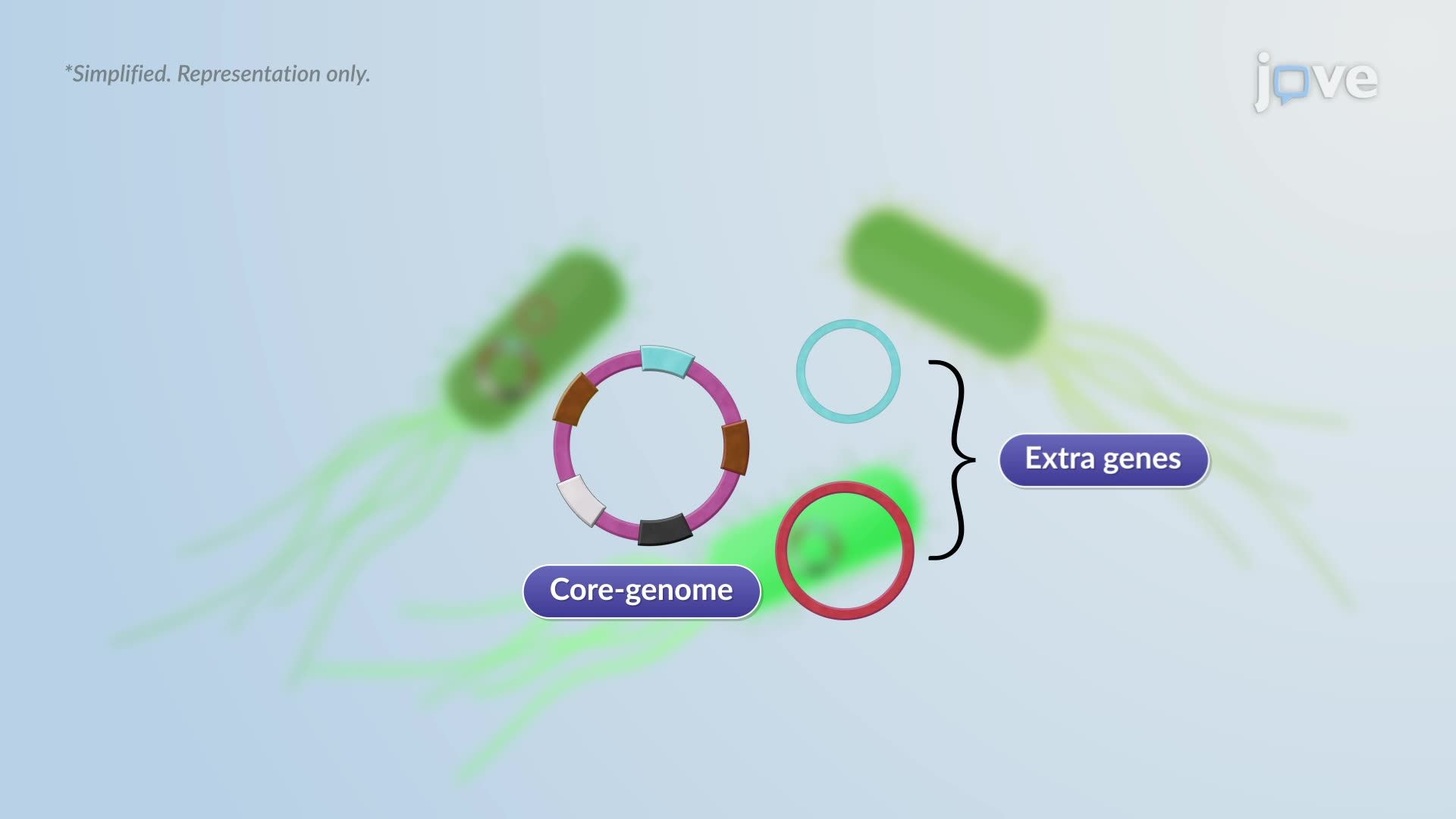
At the heart of microbial genome evolution is the distinction between the core genome and the pan-genome. The core genome consists of genes shared by all strains within a species, these encode essential functions like energy metabolism, DNA replication, and basic cellular structure. Think of it as the non-negotiable instruction manual every member of the species carries.
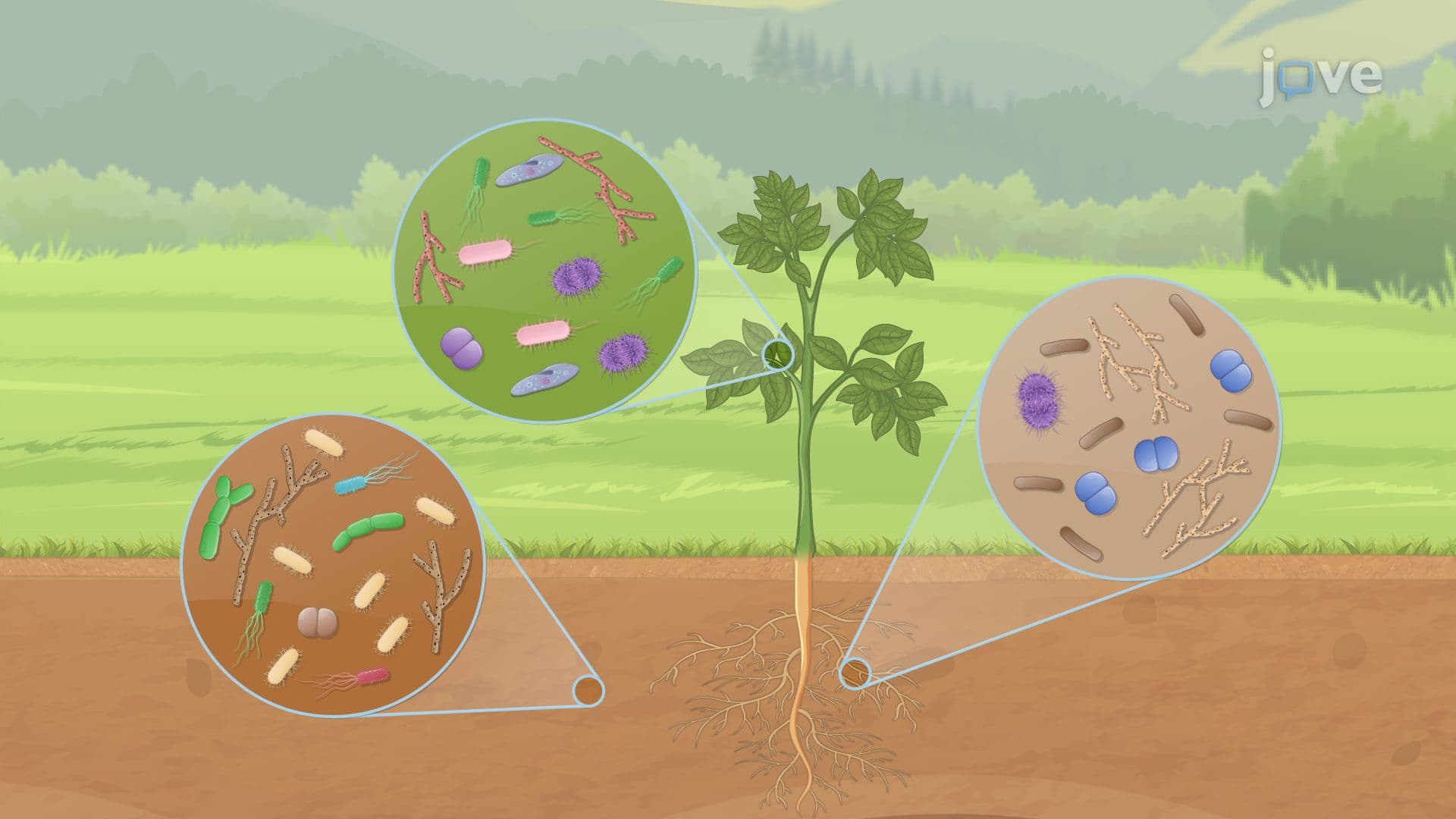
The pan-genome, by contrast, represents the *total* genetic diversity of a species, the core genome plus all the accessory genes found in some but not all strains. In species like *Escherichia coli*, which is extensively studied at US research universities, the pan-genome is described as "open," meaning it continues to expand as new strains are discovered and new genes are acquired. This concept is frequently tested in college biology midterms and is central to understanding bacterial diversity.
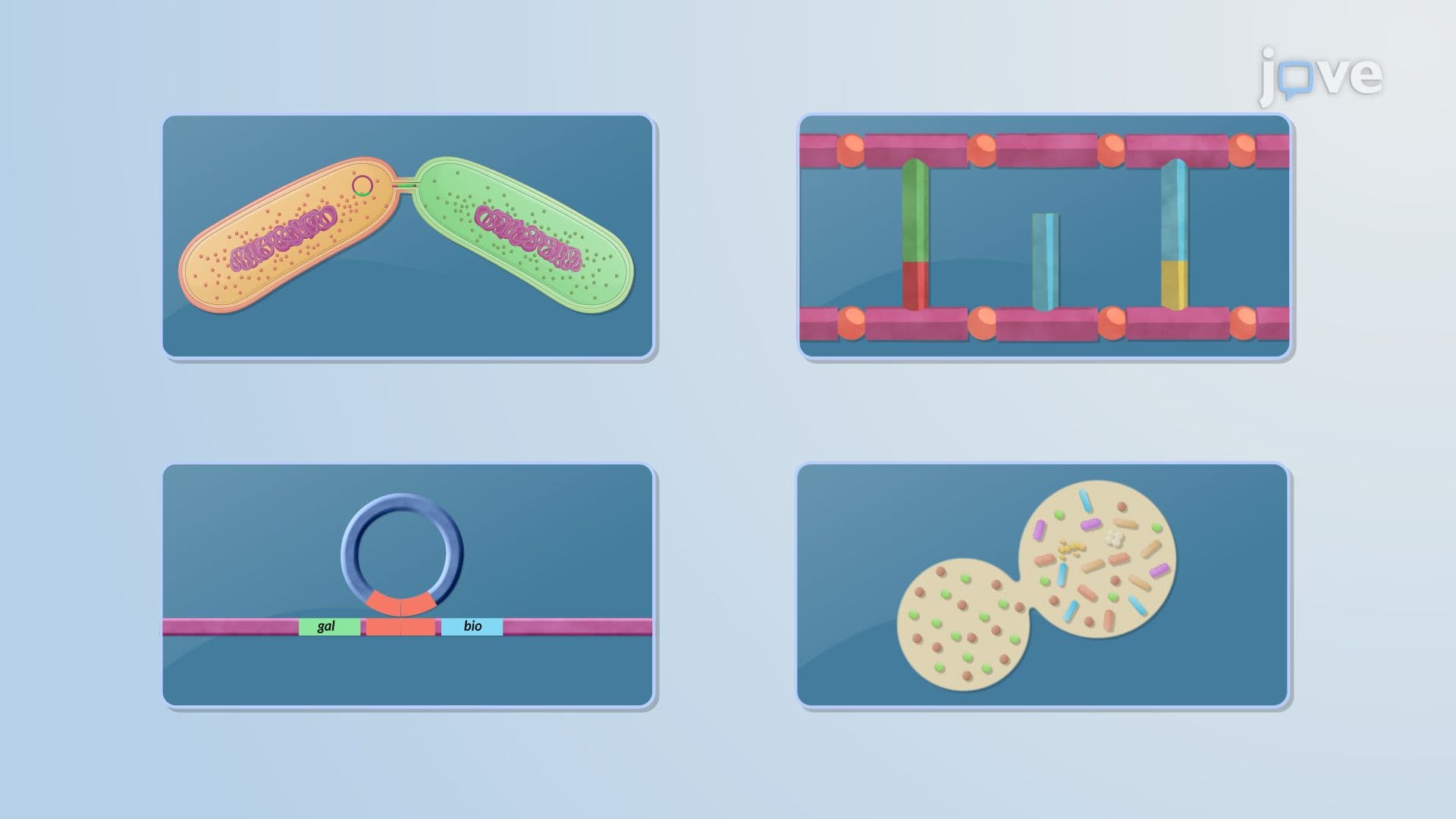
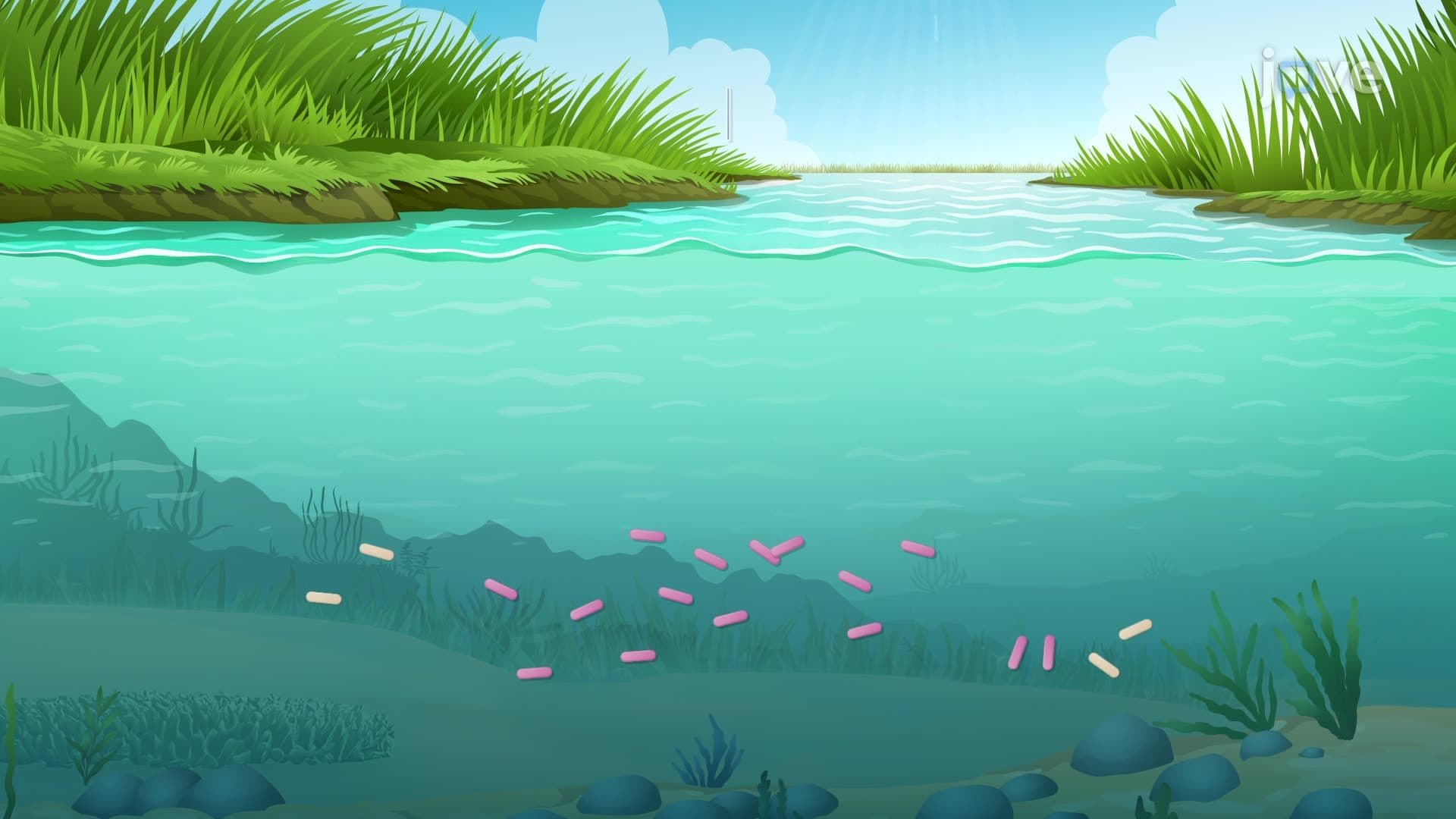
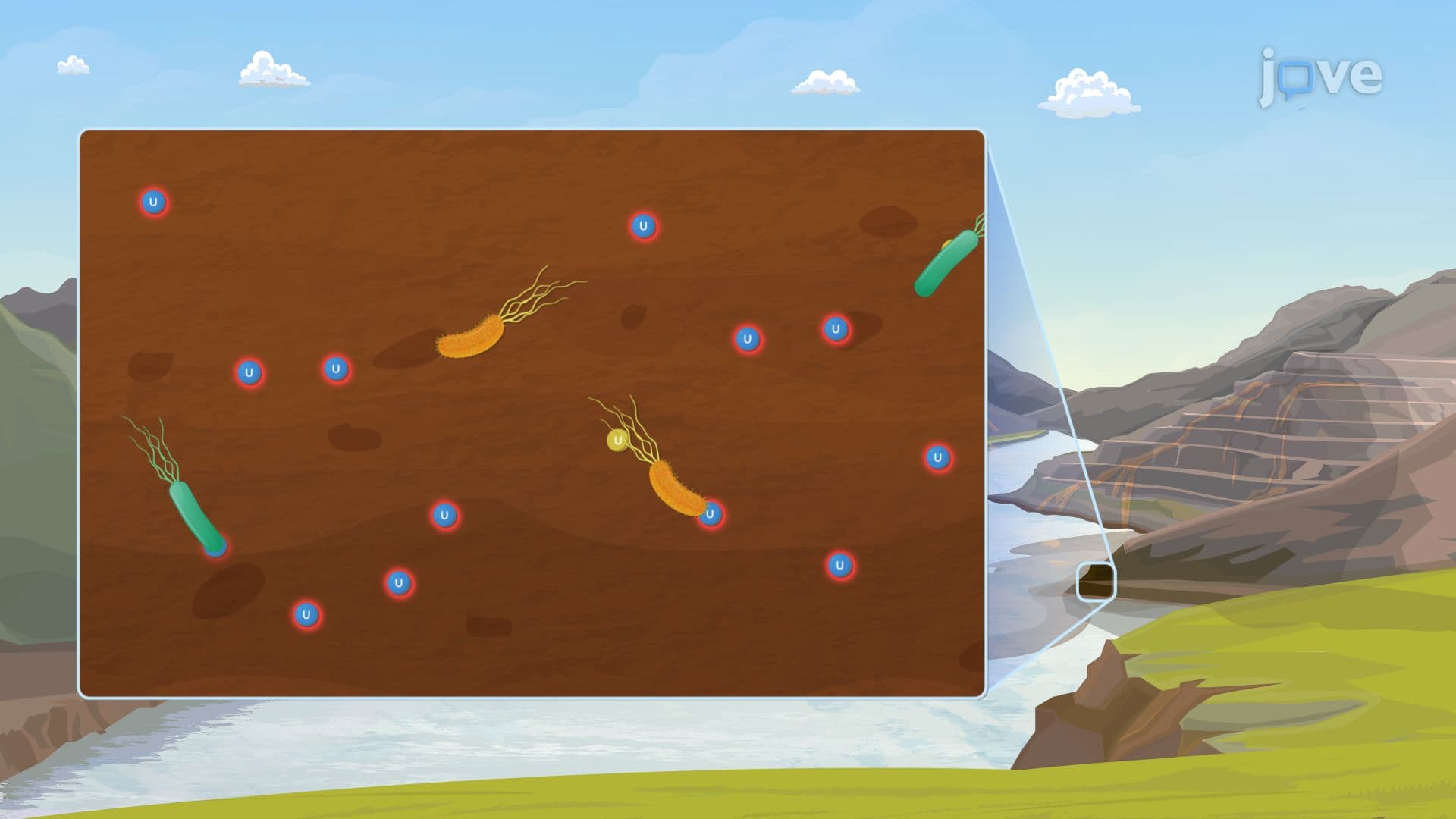
One of the most powerful forces in microbial genome evolution is horizontal gene transfer (HGT), the movement of genetic material between organisms outside of traditional parent-to-offspring inheritance. HGT occurs through three main mechanisms: transformation (uptake of free DNA from the environment), transduction (transfer via bacteriophages), and conjugation (direct transfer through cell-to-cell contact).
HGT is the primary reason antibiotic resistance spreads so rapidly in clinical settings across the US. When a hospital-acquired pathogen like *Klebsiella pneumoniae* picks up a resistance gene from a neighboring bacterial cell, it can become nearly untreatable within a single patient's infection timeline. This real-world consequence makes HGT a high-priority topic on the MCAT and in college-level microbiology courses.
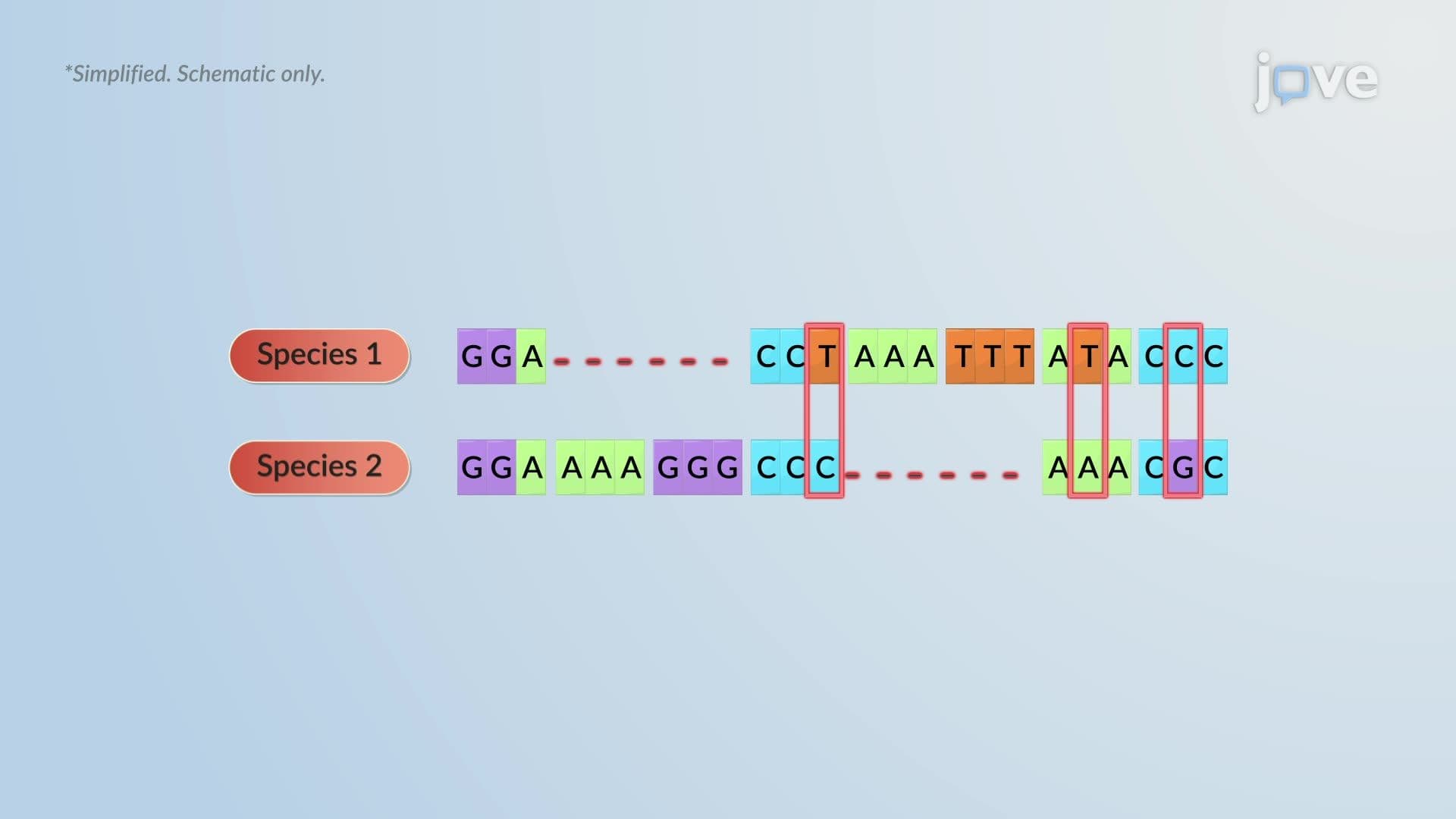
Not all acquired genes are beneficial. Many are neutral or even metabolically costly, and microbial genomes frequently shed these through gene deletion, a process driven by the efficiency of natural selection in large populations. Genes that confer no survival advantage are lost over time, while genes critical to survival in a given environment are retained and spread through the population.
Genetic drift also plays a role, especially in smaller microbial populations where random chance, rather than selective advantage, determines which gene variants persist. Understanding the interplay between natural selection and genetic drift helps explain why microbial populations in isolated environments, such as those studied by the CDC in outbreak investigations, can evolve in unexpected directions. Together, these forces shape microbial phylogeny, the evolutionary family tree that scientists use to trace pathogen origins and transmission patterns.
Related Micro-courses