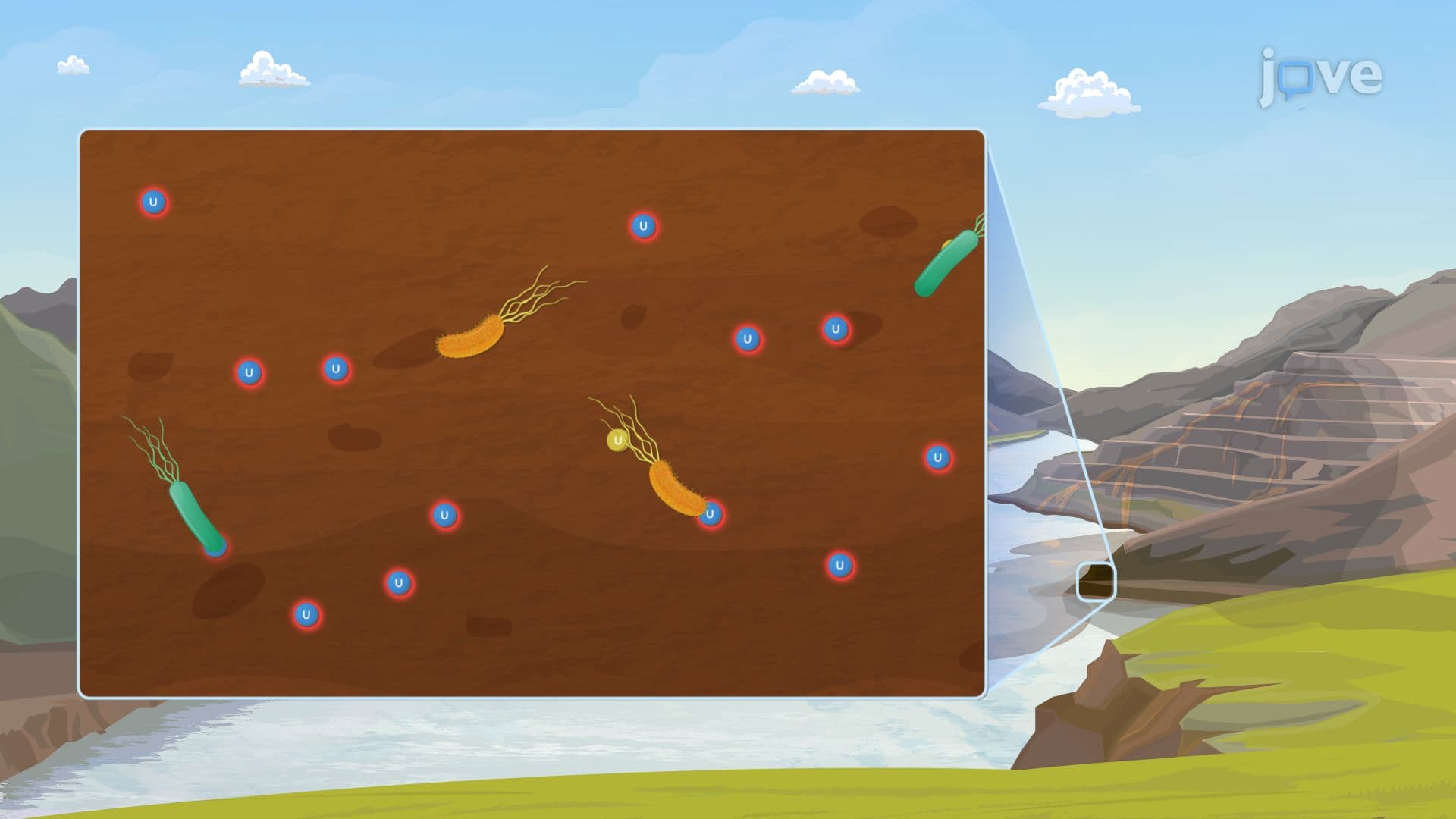
Loading video…

 7 Concepts
 1.3K views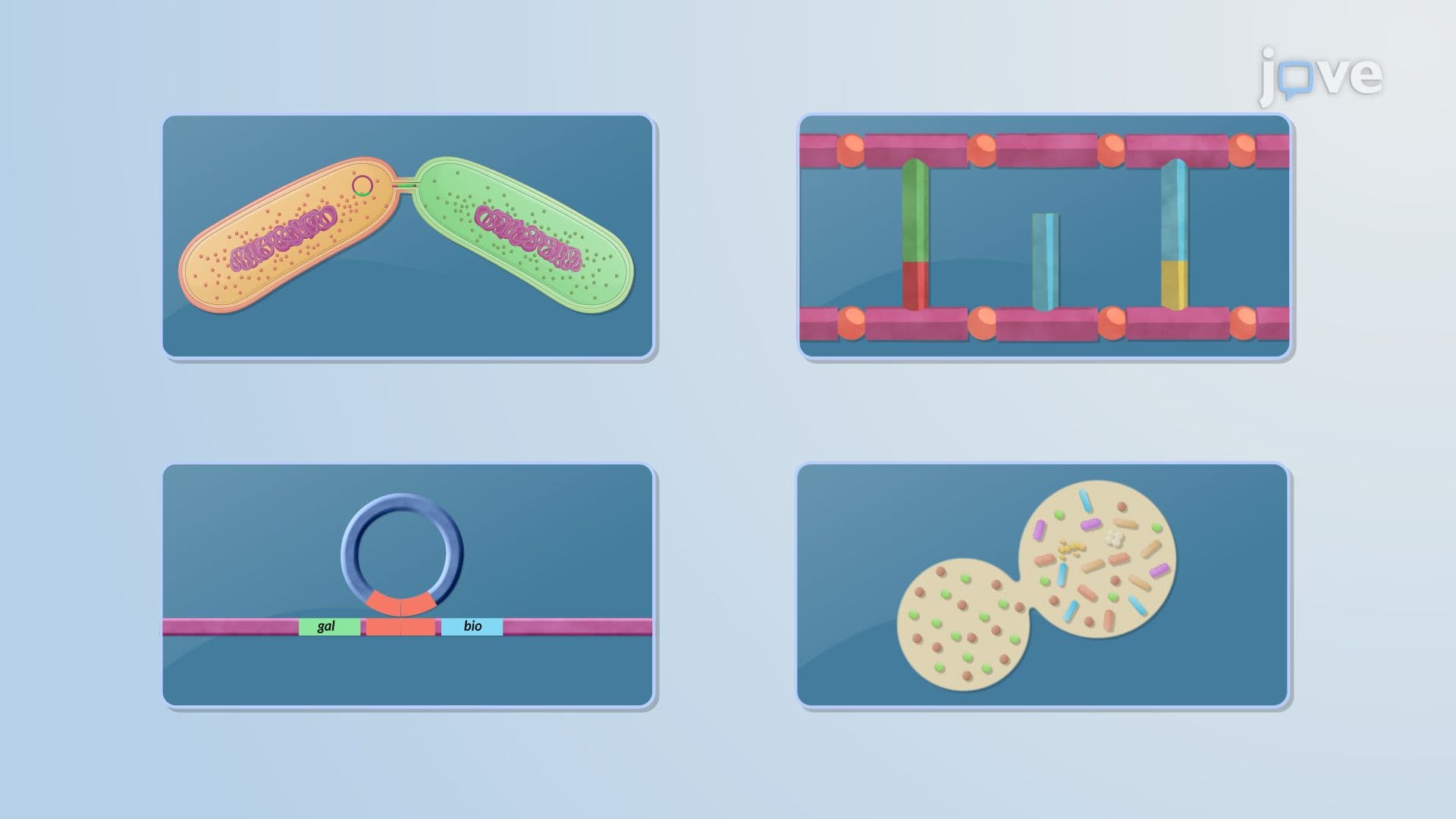

Video Summary: What are Evolutionary Processes in Microbes
Why can a bacterial infection become untreatable within months? The answer lies in evolutionary processes in microbes, one of the most dynamic forces in biology. Microbes like *E. coli* evolve rapidly through mutation, horizontal gene transfer, recombination, and genetic drift, allowing traits like antibiotic resistance to spread across US hospital systems at alarming speed. Watch the full video on JoVE Coach to master this concept with expert-led visuals and step-by-step explanations.
Microorganisms are among the fastest-evolving life forms on Earth. Unlike humans, who reproduce on a timescale of decades, bacteria like *Escherichia coli* can complete an entire generation in as little as 20 minutes under ideal conditions. This means that within a single day, dozens of generations can pass, each one an opportunity for new mutations to arise, be tested by natural selection, and either spread or disappear. Understanding evolutionary processes in microbes is fundamental to biology, medicine, and public health, and it appears regularly in AP Biology curricula, college microbiology courses, and standardized exams like the MCAT.
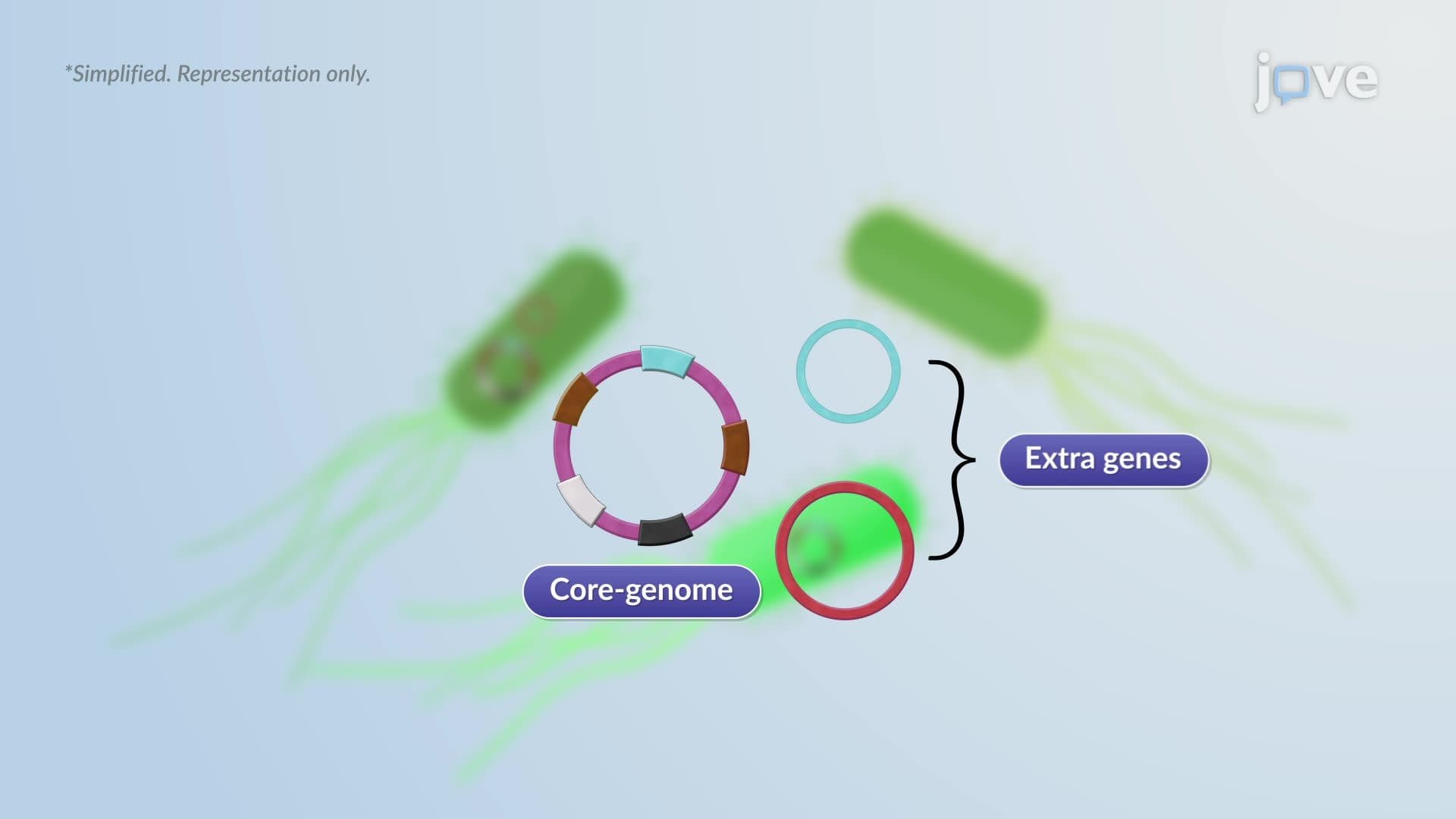
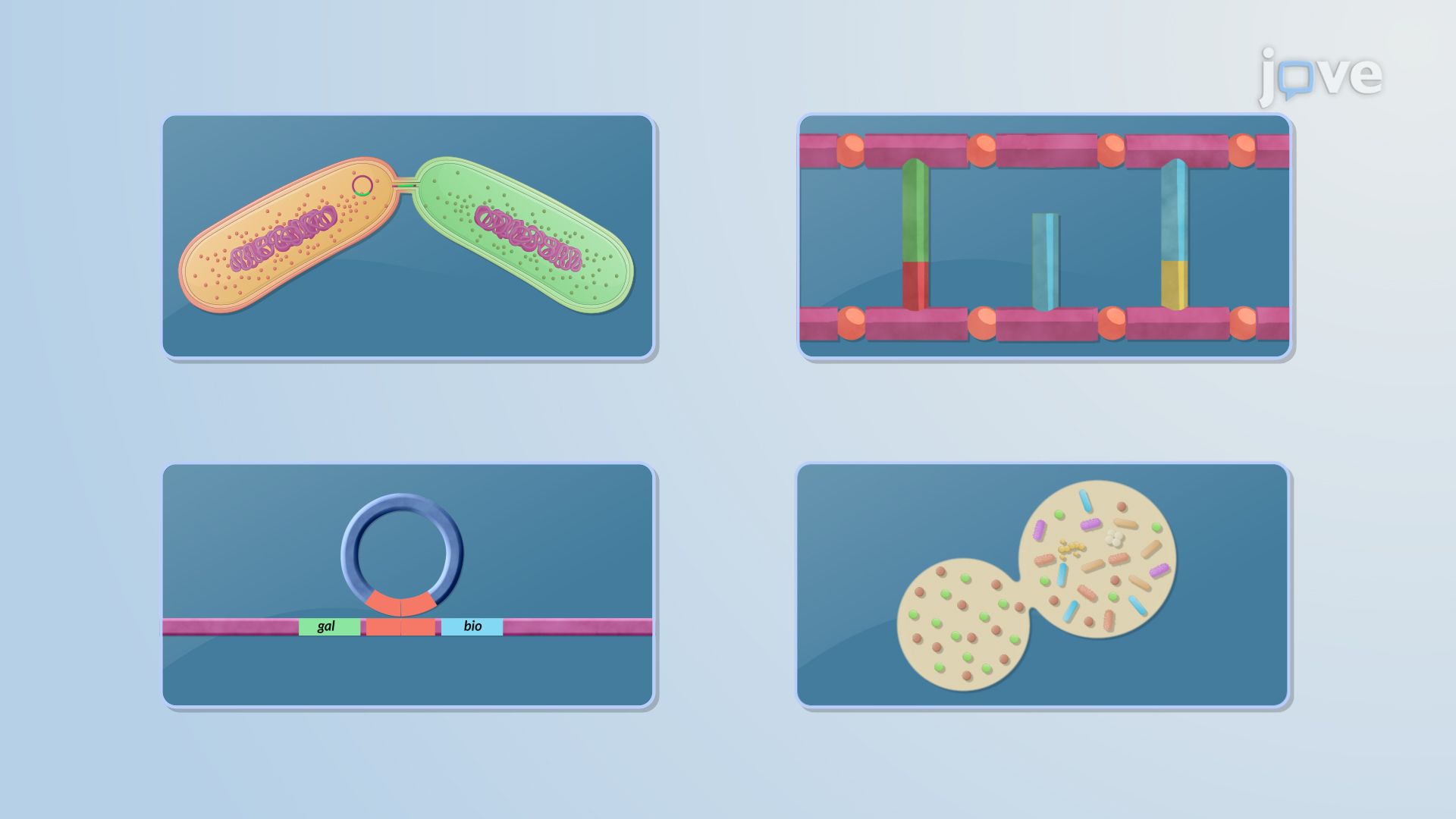
Most students learn evolution through the lens of vertical gene transfer, parents passing genes to offspring. But microbes have a powerful additional tool: horizontal gene transfer (HGT). Through a process called conjugation, one bacterial cell can directly transfer a plasmid, a small, circular piece of DNA, to a neighboring cell, even one of a completely different species. This is how antibiotic resistance genes spread so rapidly across bacterial communities in US hospitals and agricultural settings. The CDC estimates that antibiotic-resistant bacteria cause over 2.8 million infections and 35,000 deaths annually in the United States, a crisis driven largely by HGT. Other forms of HGT include transformation, where bacteria absorb DNA from their environment, and transduction, where bacteriophages (viruses that infect bacteria) carry genes between hosts.
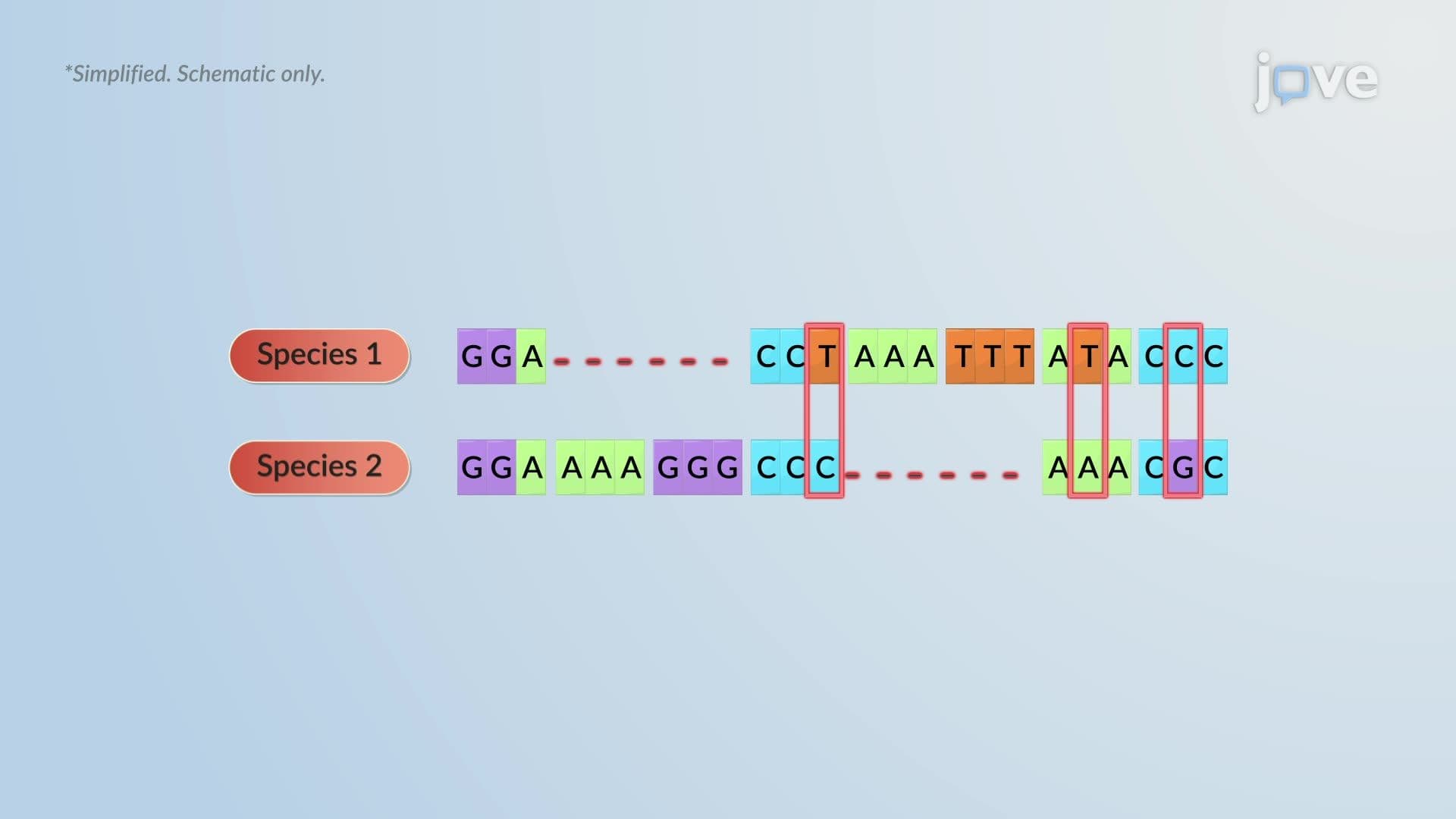
Random mutations, changes in the DNA sequence, are the foundation of all genetic variation. In microbes, mutation rates are relatively high compared to eukaryotes, partly because many bacteria lack the same robust DNA proofreading mechanisms found in human cells. Most mutations are neutral or harmful, but occasionally a mutation confers a survival advantage, such as the ability to tolerate a newly introduced antibiotic or to metabolize an unusual nutrient source. Recombination adds another layer of complexity: when foreign DNA integrates into a bacterial genome, it can create entirely new combinations of alleles that did not exist before. This process accelerates the pace of adaptation far beyond what mutation alone could achieve.
Not all evolutionary change is driven by survival advantages. Genetic drift describes random fluctuations in allele frequencies that occur simply due to chance, particularly powerful in small or bottlenecked populations. Imagine a bacterial colony nearly wiped out by an antibiotic; the survivors may not be the "best" adapted individuals but simply the luckiest. Over time, the traits of those survivors define the new population. In contrast, natural selection in microbes acts on the variation produced by mutation, HGT, and recombination, consistently favoring traits that improve survival and reproduction. The interplay between drift and selection is a core concept tested on the AP Biology exam and MCAT, especially in questions about population genetics and the evolution of antibiotic resistance.
Related Micro-courses