Loading video…


 7 Concepts
 1.3K views

Video Summary: What Is Origin of Photosynthesis
Did you know life on Earth fundamentally transformed the atmosphere over 2 billion years ago, long before dinosaurs existed? The origin of photosynthesis is one of biology's most remarkable stories, tracing back roughly 3.5 billion years to ancient microbes that learned to harvest light energy. In the US, scientists studying ancient rock formations in places like Michigan's Upper Peninsula have uncovered banded iron formations that preserve this evolutionary turning point. Watch the full video on JoVE Coach to master this concept with expert-led visuals and step-by-step explanations.
The origin of photosynthesis represents one of the most consequential biological innovations in Earth's 4.5-billion-year history. Before plants, trees, or even complex cells existed, ancient microorganisms were already experimenting with ways to capture energy from sunlight. Understanding how photosynthesis evolved helps explain why Earth looks, and breathes, the way it does today.
The earliest photosynthetic organisms, estimated to have appeared around 3.5 billion years ago, did not produce oxygen. Instead, they performed anoxygenic photosynthesis, using electron donors such as hydrogen sulfide (H₂S) or ferrous iron (Fe²⁺) to drive their biochemical reactions. Rather than releasing oxygen, these ancient microbes released sulfur compounds or oxidized iron as byproducts. This process was well-suited to early Earth's atmosphere, which lacked free oxygen and was chemically very different from today's environment. Evidence of these organisms has been found in some of Earth's oldest sedimentary rocks, giving scientists a biological window into deep time.
The game-changer in Earth's history was the evolution of cyanobacteria, single-celled prokaryotes that developed the ability to use water (H₂O) as an electron donor, releasing oxygen (O₂) as a metabolic byproduct. This innovation, known as oxygenic photosynthesis, fundamentally altered Earth's chemistry. The oxygen produced reacted with dissolved iron in ancient oceans, forming iron oxides that settled to the seafloor as banded iron formations (BIFs). These distinctive geological structures, visible today in locations like Minnesota's Iron Range, serve as one of the most compelling pieces of evidence for early oxygenic photosynthesis. Additionally, cyanobacterial communities formed layered mats that fossilized over millions of years into stromatolites, some of the oldest fossils on Earth.
As dissolved iron in the oceans became fully oxidized and major oxygen sinks were saturated, free oxygen began accumulating in Earth's atmosphere approximately 2.4 billion years ago, an episode scientists call the Great Oxidation Event (GOE). This shift had two profound consequences. First, it enabled the evolution of aerobic metabolism, allowing organisms to extract far more energy from food than anaerobic processes permitted. Second, atmospheric oxygen reacted to form the ozone layer (O₃), which began shielding Earth's surface from harmful ultraviolet radiation, a prerequisite for life to eventually colonize land. For AP Biology students and college undergraduates studying evolutionary biology, the GOE is a critical concept that ties together geology, chemistry, and biological evolution.
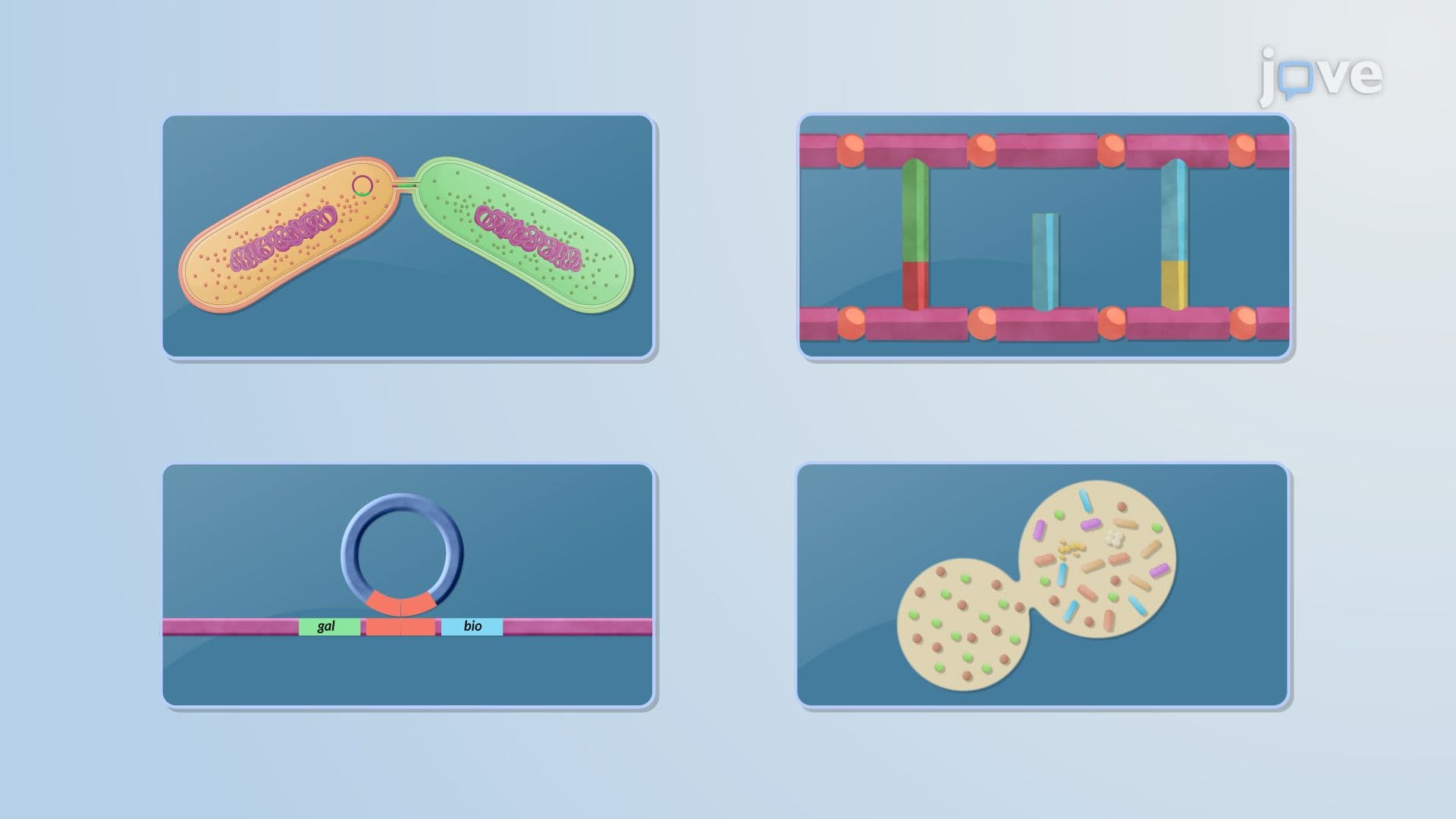
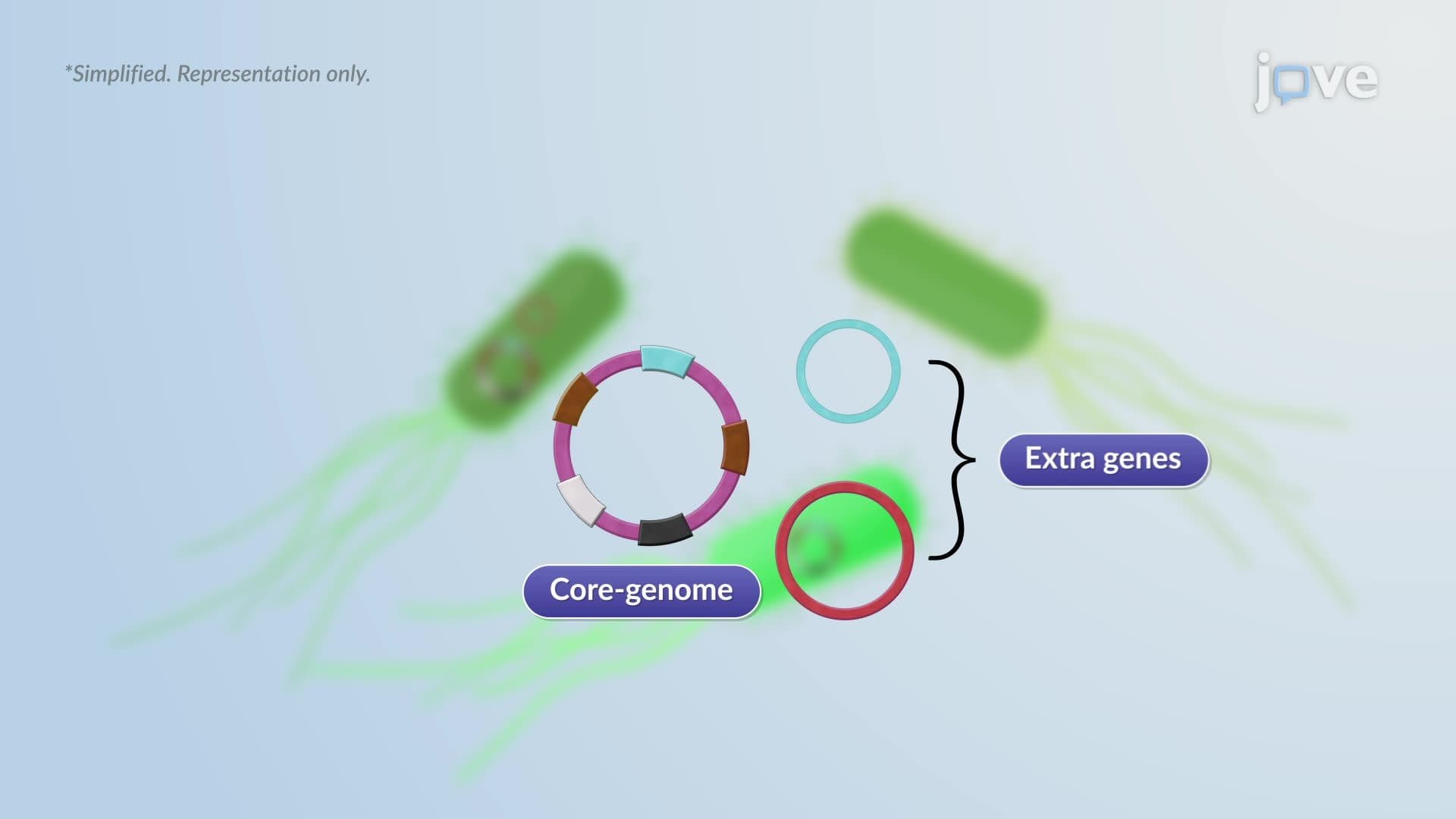
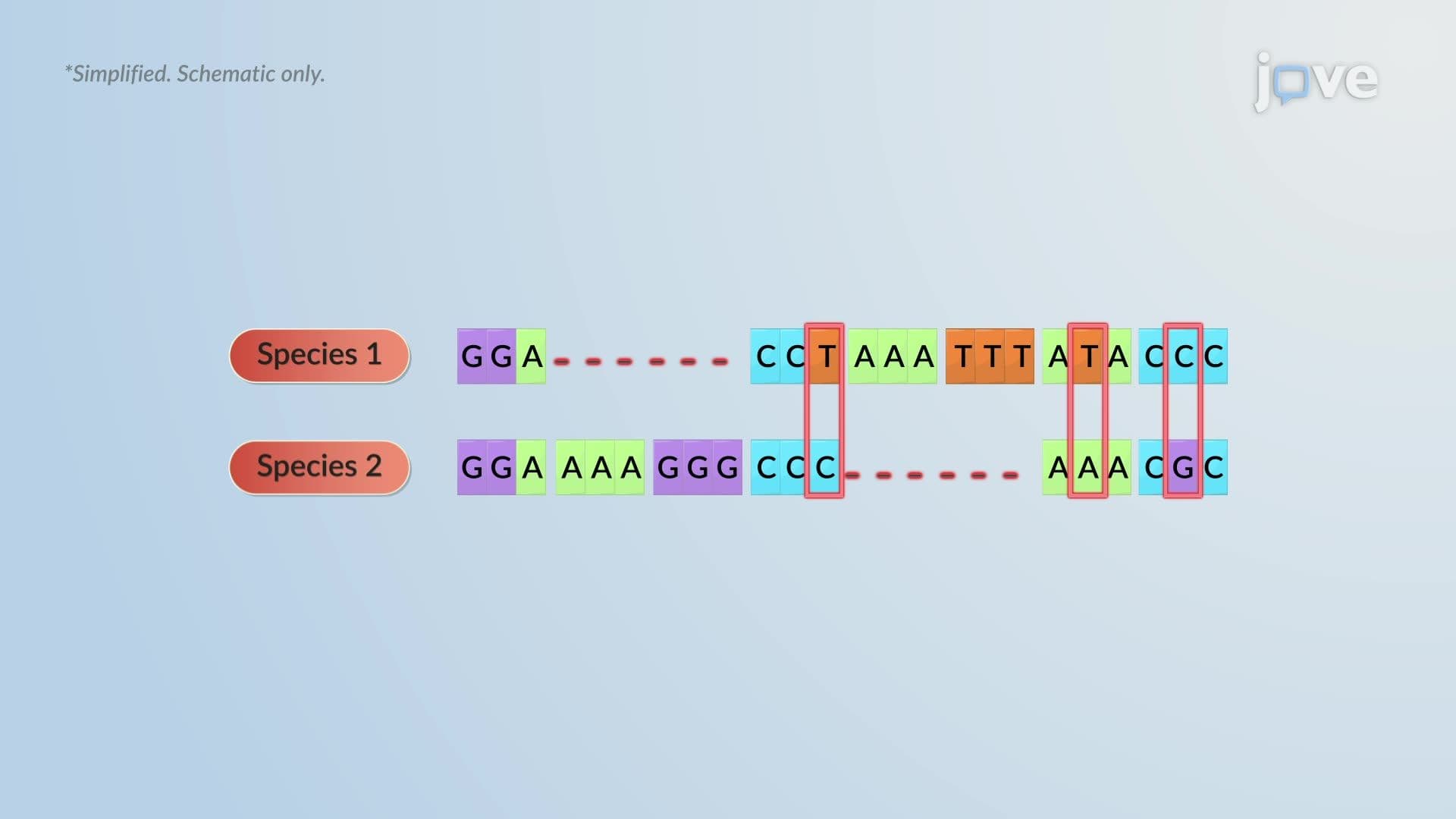
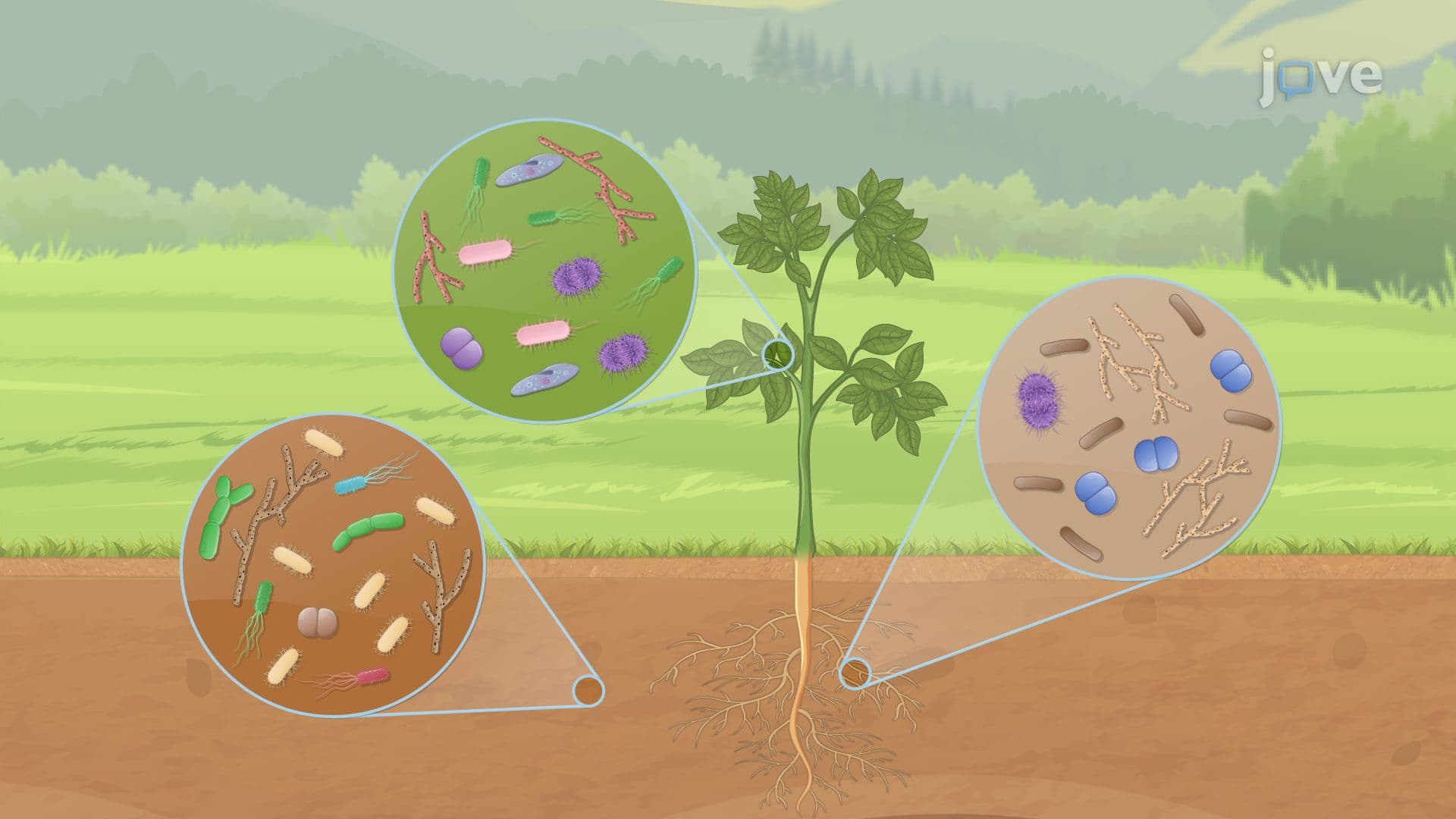
Understanding the origin of photosynthesis also involves recognizing the broader forces of microbial evolution. Mechanisms such as natural selection in microbes, genetic drift, and particularly horizontal gene transfer (HGT), the direct sharing of genetic material between organisms, likely accelerated the spread of photosynthetic genes across ancient microbial communities. Microbial phylogeny studies using modern genomic tools have helped scientists reconstruct the evolutionary tree of photosynthetic organisms, revealing deep relationships between groups. On the MCAT and in college genetics courses, understanding how microbes acquire new genetic traits through HGT versus traditional inheritance is a frequently tested concept that connects directly to the evolutionary narrative of photosynthesis.
Related Micro-courses