Loading video…

 7 Concepts
 1.3K views

Video Summary: Evolution of New Traits in Microbes Explained
Did you know a single bacterial population can evolve an entirely new metabolic ability within decades? The evolution of new traits in microbes happens faster than in any multicellular organism, making bacteria powerful windows into evolutionary biology. In one landmark US study, the Long-Term Evolution Experiment, *E. coli* gained the rare ability to digest citrate after 80,000+ generations. Watch the full video on JoVE Coach to master this concept with expert-led visuals and step-by-step explanations.
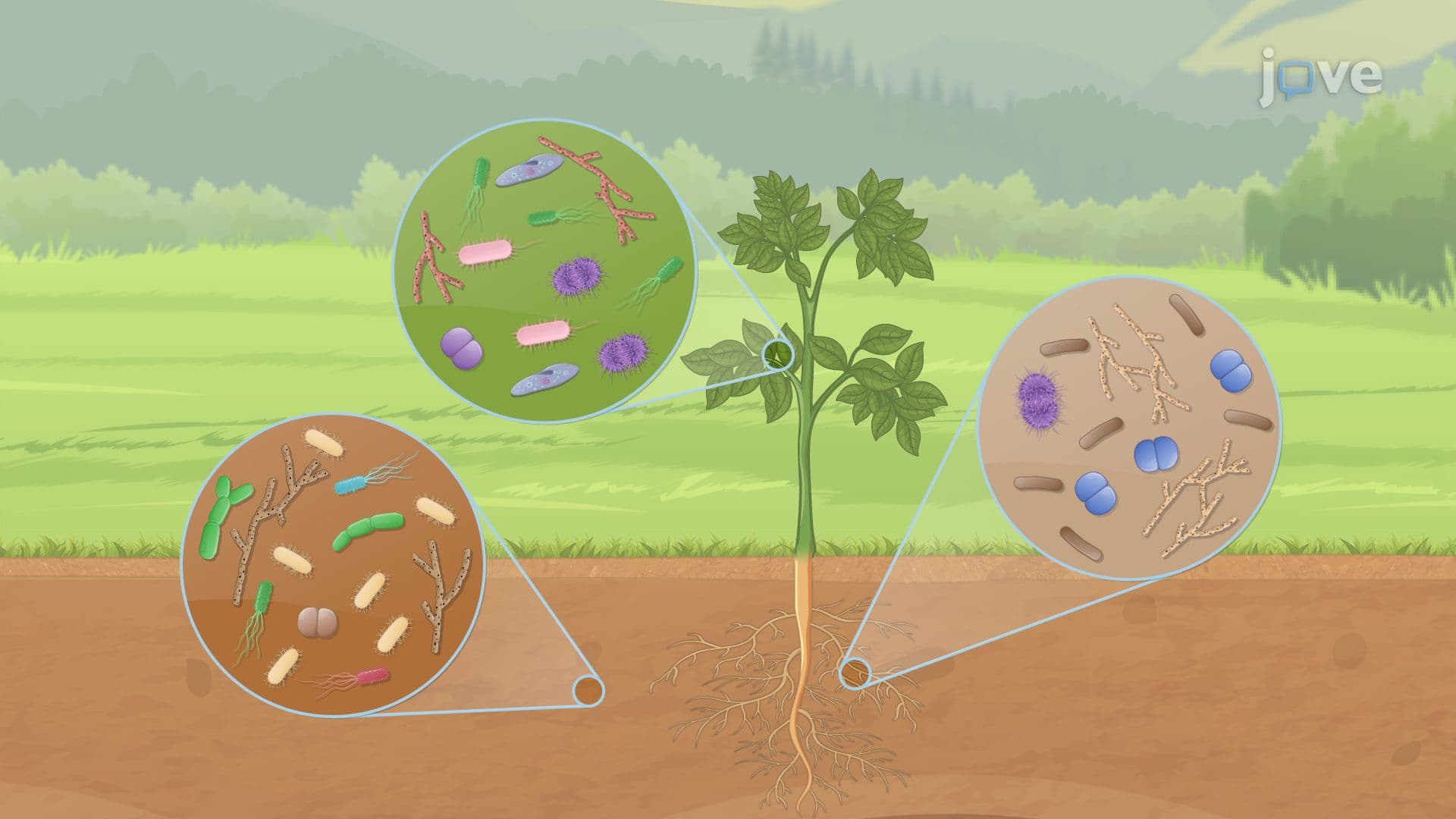
The evolution of new traits in microbes is one of the most directly observable phenomena in all of biology. Unlike elephants or oak trees, bacteria can complete hundreds of generations within days, compressing millions of years of evolutionary timescales into laboratory-sized experiments. This makes microbes uniquely powerful for understanding how natural selection, mutation, and genetic drift work together to produce biological novelty. For students preparing for AP Biology, college introductory biology, or the MCAT, understanding microbial evolution is not just academically useful, it's foundational.
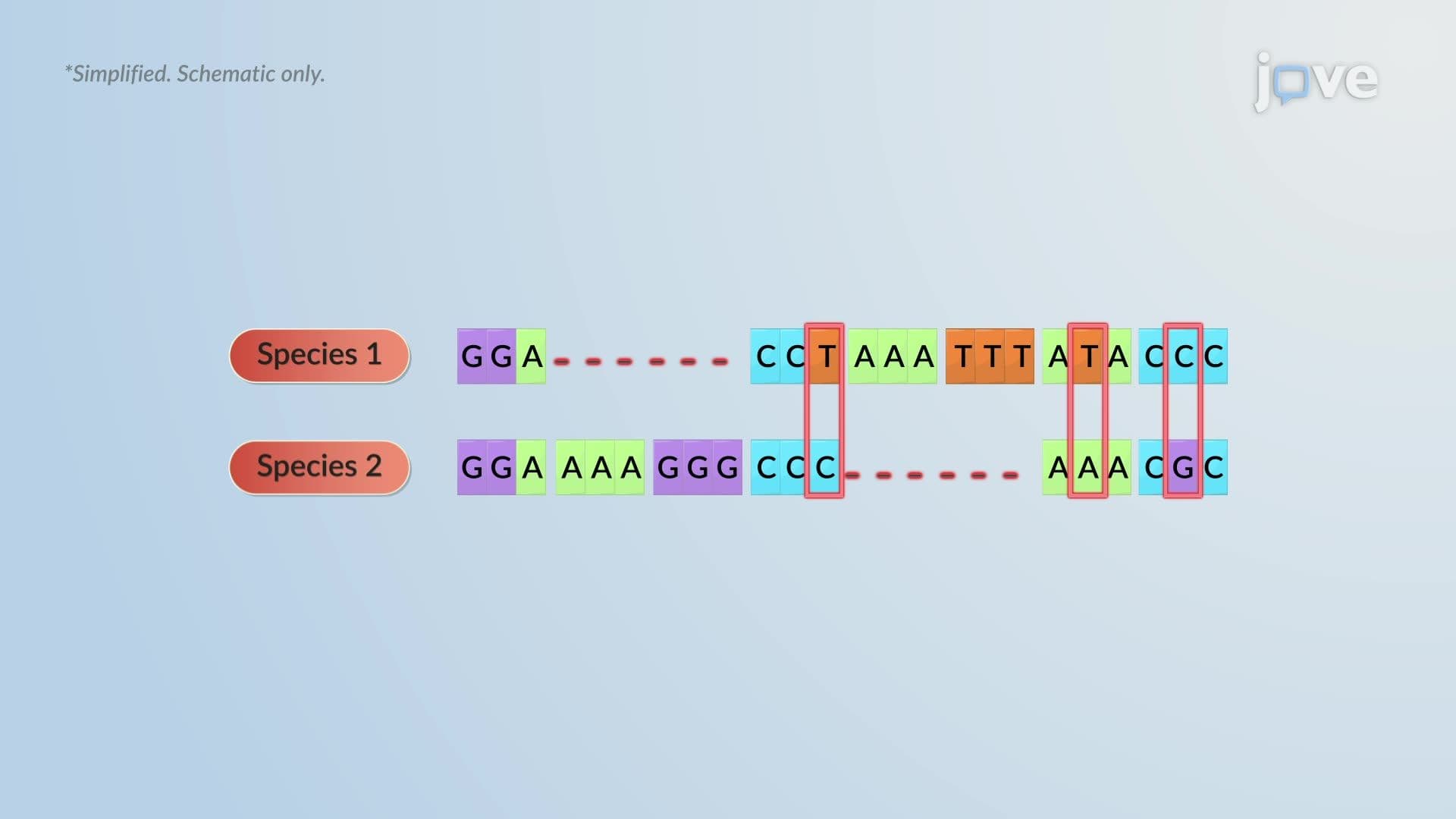
At the core of microbial evolution is natural selection acting on existing genetic variation. In any large bacterial population, random mutations constantly generate allele variants, some harmful, some neutral, and occasionally some highly beneficial. When the environment shifts, variants that happen to carry advantageous traits reproduce more successfully, increasing in frequency across the population. A classic illustration involves *Rhodobacter*, a photosynthetic bacterium that uses pigments like bacteriochlorophyll and carotenoids to harvest light. During extended darkness, these pigments become metabolically costly rather than beneficial. Pigment-lacking mutants, which were previously at a disadvantage, now outcompete the standard wild type. When light returns, the selective pressure reverses, and pigmented strains regain their dominance. This back-and-forth demonstrates that evolution is not a one-way street, it is environmentally contingent and reversible.
While natural selection acts on *existing* variation, new mutations can occasionally produce capabilities that never existed before in a lineage. The strongest experimental evidence for this comes from the Long-Term Evolution Experiment (LTEE), launched in 1988 by Dr. Richard Lenski at Michigan State University. Twelve genetically identical populations of *Escherichia coli* were placed in glucose-limited growth media and have been tracked continuously ever since, now exceeding 80,000 generations. In one extraordinary population, a rare multi-step mutation allowed cells to transport and metabolize citrate under aerobic (oxygen-rich) conditions, something standard *E. coli* cannot do. This new trait opened an entirely separate nutrient channel, giving that lineage a dramatic competitive advantage over its own ancestors. This finding is widely cited in AP Biology and college courses as direct evidence that genuinely novel traits can evolve through cumulative mutation.
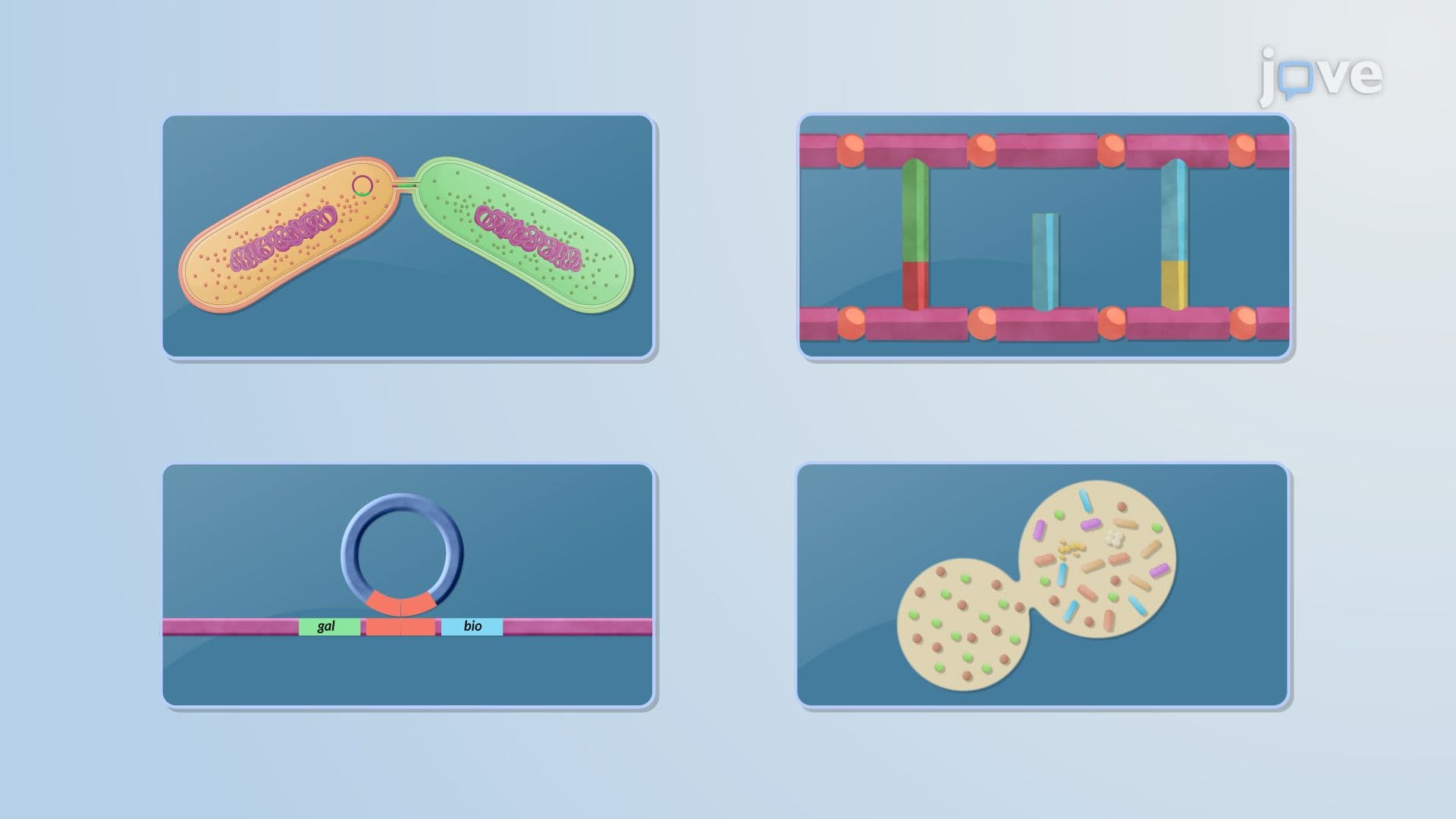
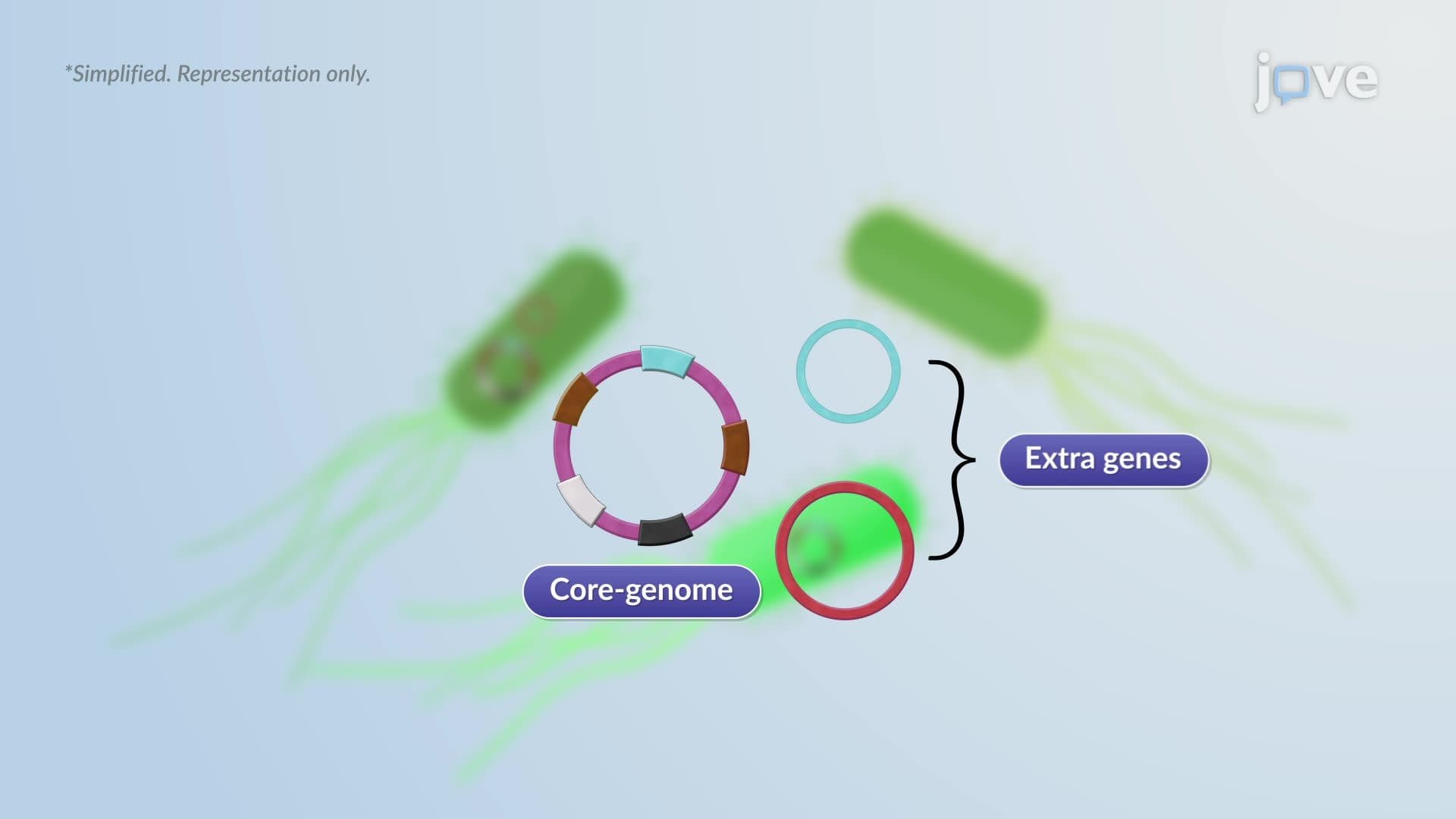
Beyond mutation, horizontal gene transfer (HGT) is a uniquely microbial mechanism for acquiring new traits. Unlike vertical inheritance (parent to offspring), HGT allows bacteria to swap genetic material directly between unrelated cells through processes like conjugation, transformation, and transduction. This is the primary driver behind the evolution of antibiotic resistance, a critical public health concern in the United States. When one bacterium acquires a resistance gene, say, against methicillin, it can transfer that gene to neighboring cells almost immediately, spreading resistance across a population far faster than mutation alone could achieve. The CDC estimates that antibiotic-resistant infections affect nearly 2.8 million Americans annually, making this one of the most consequential real-world applications of microbial evolution. Understanding HGT also reshapes microbial phylogeny, since bacterial "family trees" are complicated by genes jumping across unrelated lineages. Students encountering phylogenetic analysis on the MCAT or in college microbiology courses should keep HGT in mind as a source of complexity in evolutionary trees.
Related Micro-courses