Loading video…

 7 Concepts
 1.3K views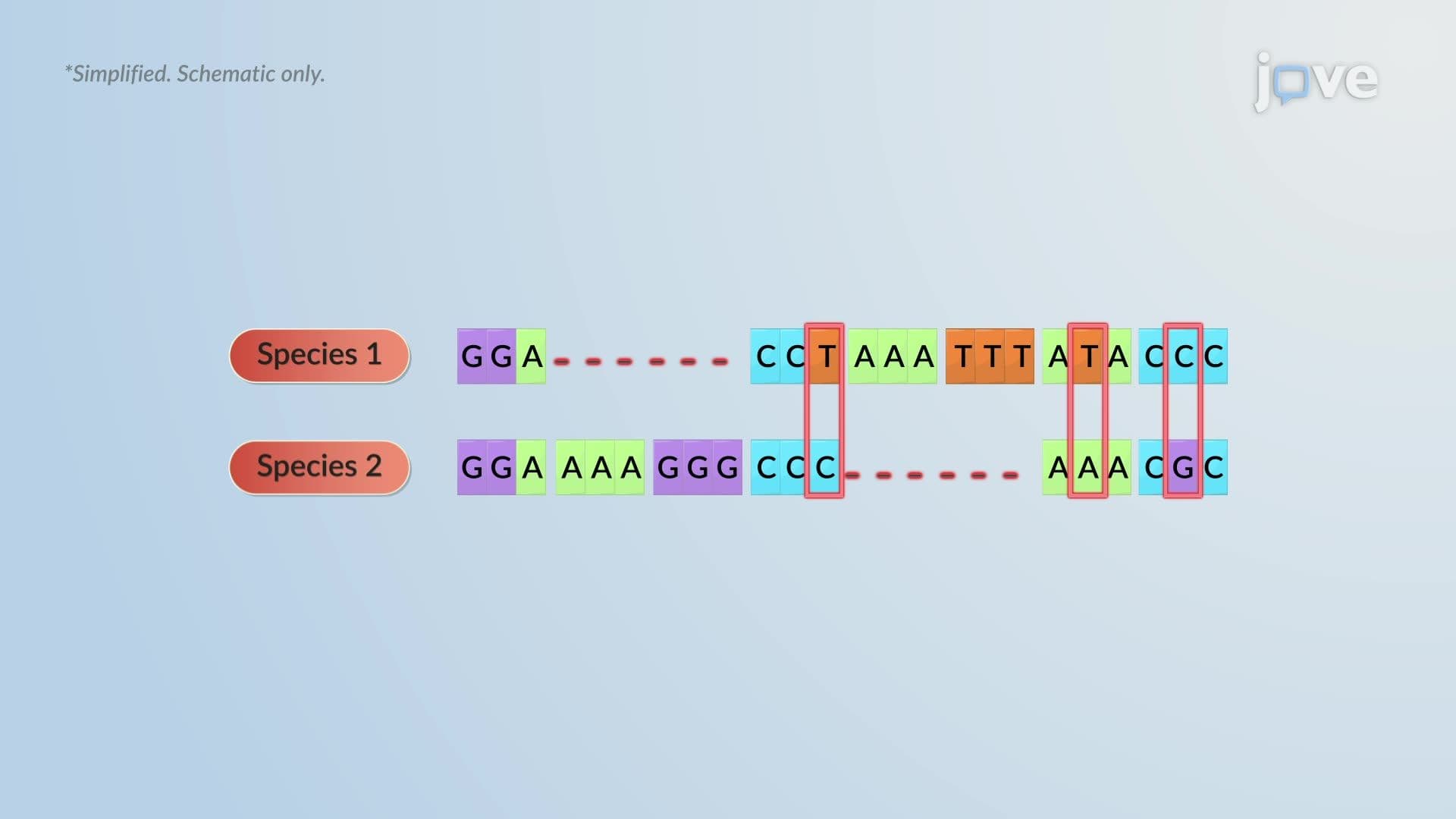

Video Summary: What Is Microbial Phylogeny
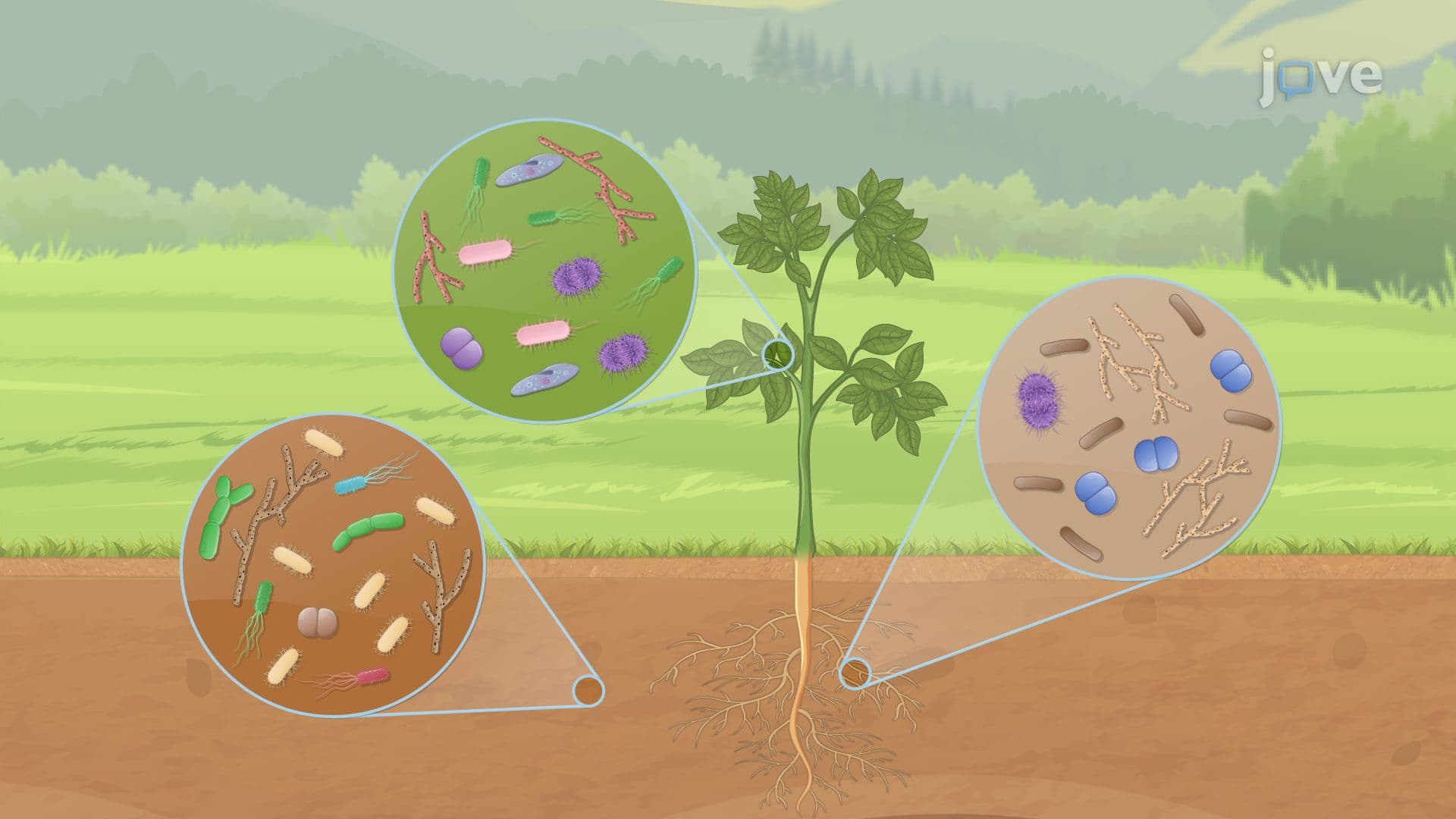
Did you know scientists can trace the entire evolutionary history of a bacterium using a single gene? Microbial phylogeny, the study of evolutionary relationships among microorganisms, uses DNA, RNA, and protein sequences to build family trees of life. US researchers at institutions like the NIH rely on the 16S rRNA gene to classify unknown microbes in clinical and environmental samples. Watch the full video on JoVE Coach to master this concept with expert-led visuals and step-by-step explanations.
Microbial phylogeny is the scientific study of how microorganisms, bacteria, archaea, fungi, and viruses, are evolutionarily related to one another. Because microbes leave no meaningful fossil record, scientists rely almost entirely on molecular data: DNA, RNA, and protein sequences. By comparing these sequences across species, researchers can reconstruct a phylogenetic tree, a branching diagram that maps out who is related to whom, and how distantly.
Not all phylogenetic trees are built the same way. A rooted tree includes a common ancestor at its base, giving the diagram a clear evolutionary direction, from past to present. Unrooted trees, by contrast, show relationships and connections without implying a direction of evolution. A third type, the phylogram, uses branch length as data: longer branches indicate more sequence change, and therefore more evolutionary divergence, over time. On AP Biology exams and college introductory biology courses across the US, students are often asked to interpret all three formats, so understanding how to read each one is an essential skill.
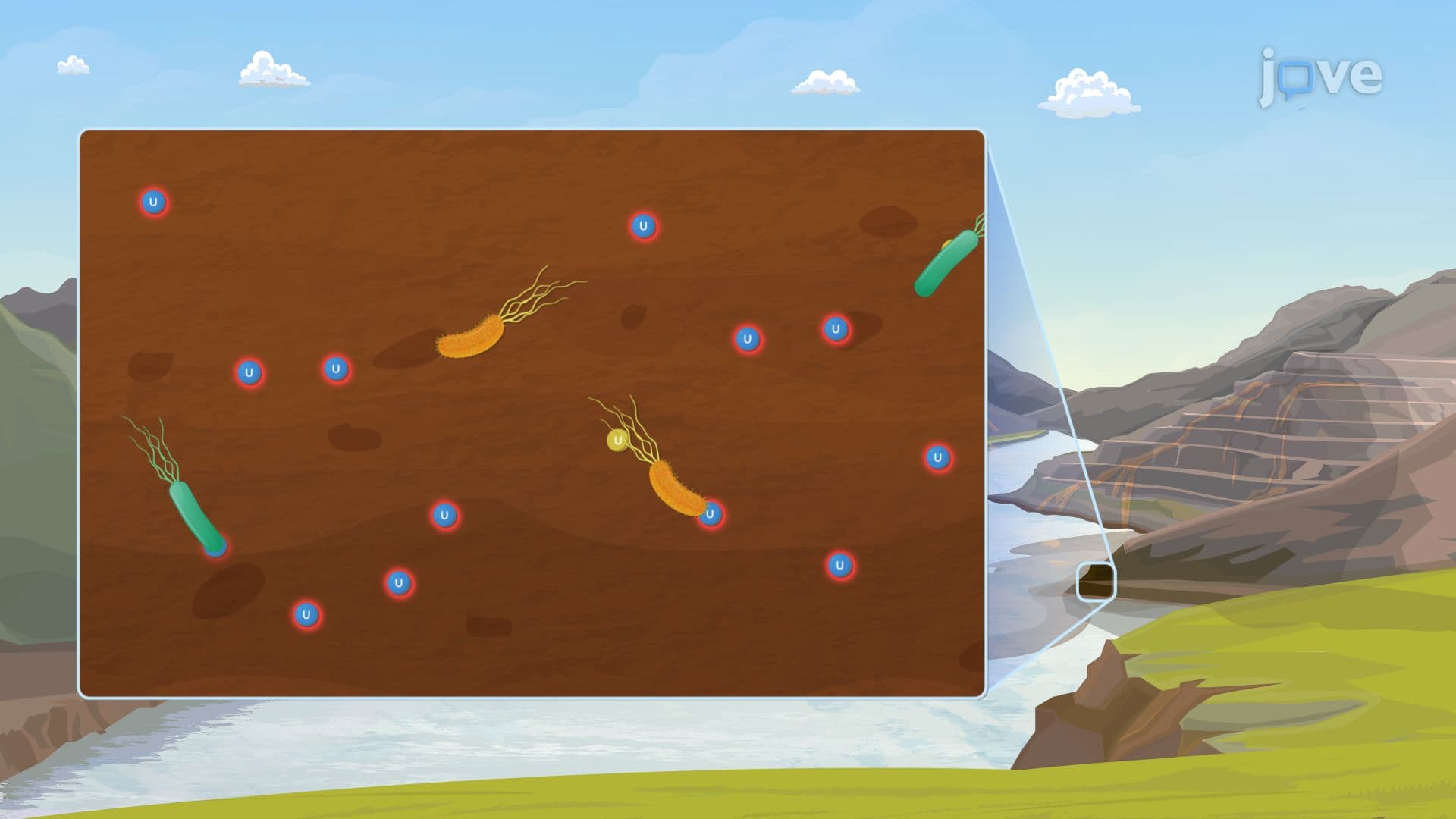
Choosing the right gene for a phylogenetic study is critical. Scientists favor genes that are highly conserved, meaning they change very slowly over evolutionary time, because these genes are present in virtually all organisms and provide a stable baseline for comparison. The 16S rRNA gene fits this description perfectly. Found in the small subunit of the bacterial ribosome, it is universally present across prokaryotes and contains both conserved and variable regions, making it ideal for both broad and fine-scale comparisons. US agencies like the CDC and environmental research labs routinely use 16S rRNA sequencing to identify unknown bacterial species in clinical samples, soil surveys, and gut microbiome studies.
Phylogenetic analysis specifically uses orthologs, genes related by speciation rather than gene duplication, to ensure that comparisons reflect true organism-level evolutionary history rather than the history of a single gene copy.
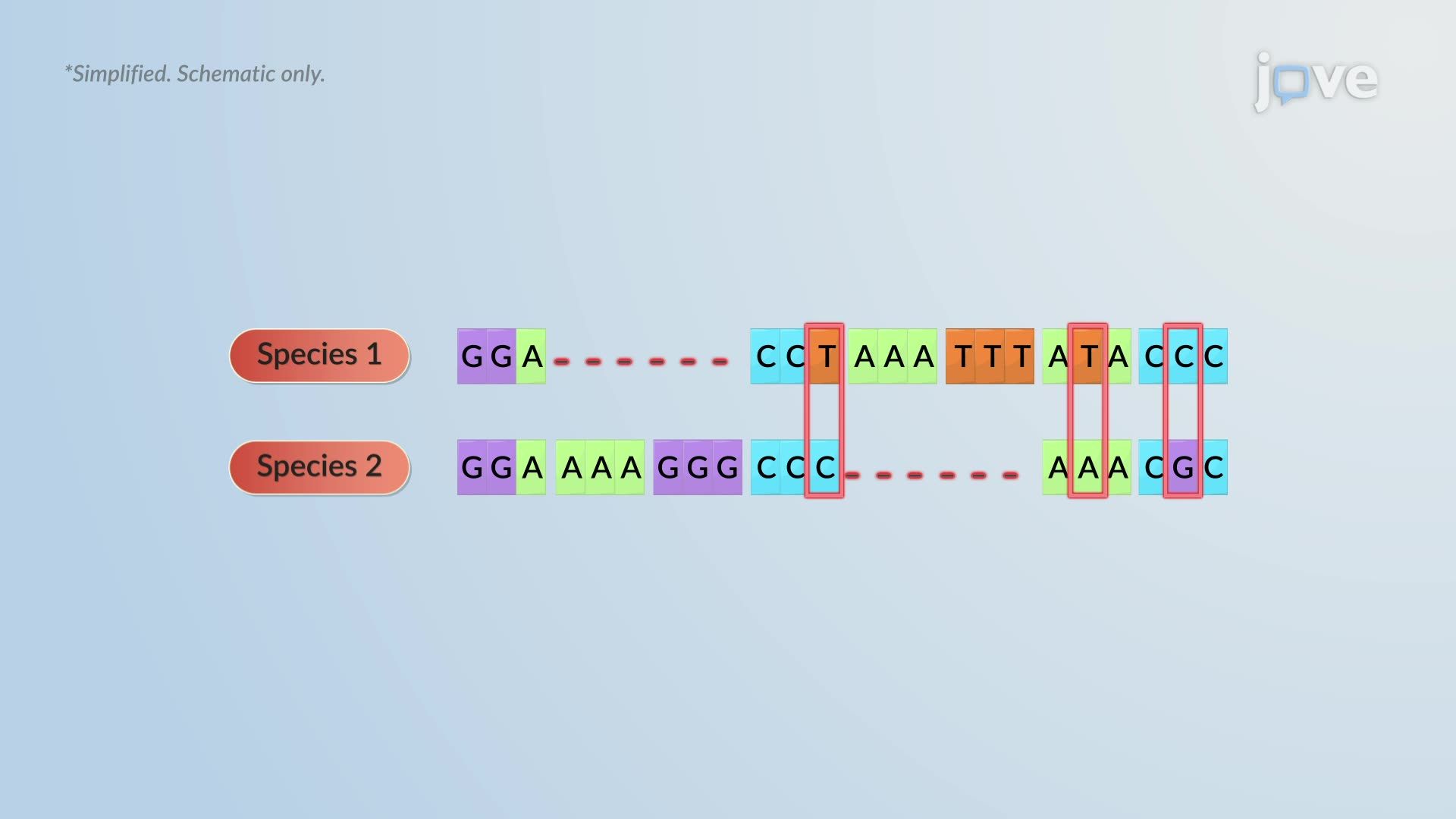
Once sequences are collected, they must be aligned, arranged so that equivalent positions across different organisms line up. Mismatches reveal mutations, while gaps indicate insertions or deletions (called indels). Evolutionary distance is then calculated as a simple ratio: the number of differing nucleotide positions divided by the total number of aligned positions. A higher ratio means greater divergence.
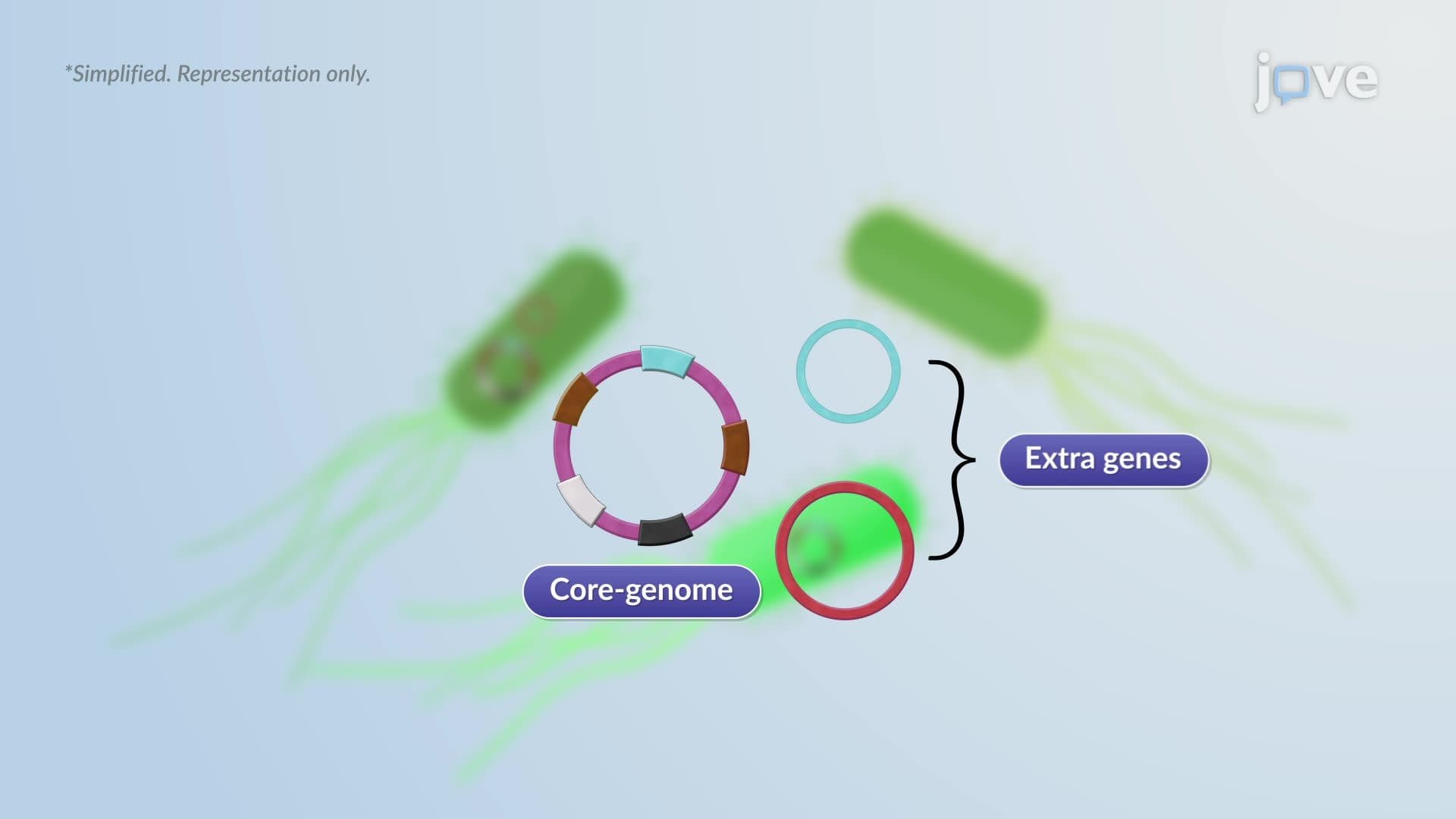
However, phylogenetic trees can be misleading in two important ways. Convergent evolution occurs when unrelated organisms independently evolve similar traits or sequences, falsely suggesting a close relationship. More significant in microbiology is horizontal gene transfer (HGT), the movement of genetic material between unrelated organisms, often through plasmids or viral vectors. HGT is a primary driver of antibiotic resistance in US hospitals, and it means that a bacterium's gene history may not match its actual species history. This distinction, between gene trees and species trees, is a concept frequently tested on the MCAT and in college-level microbiology and genetics courses.
Related Micro-courses