Loading video…

 7 Concepts
 1.3K views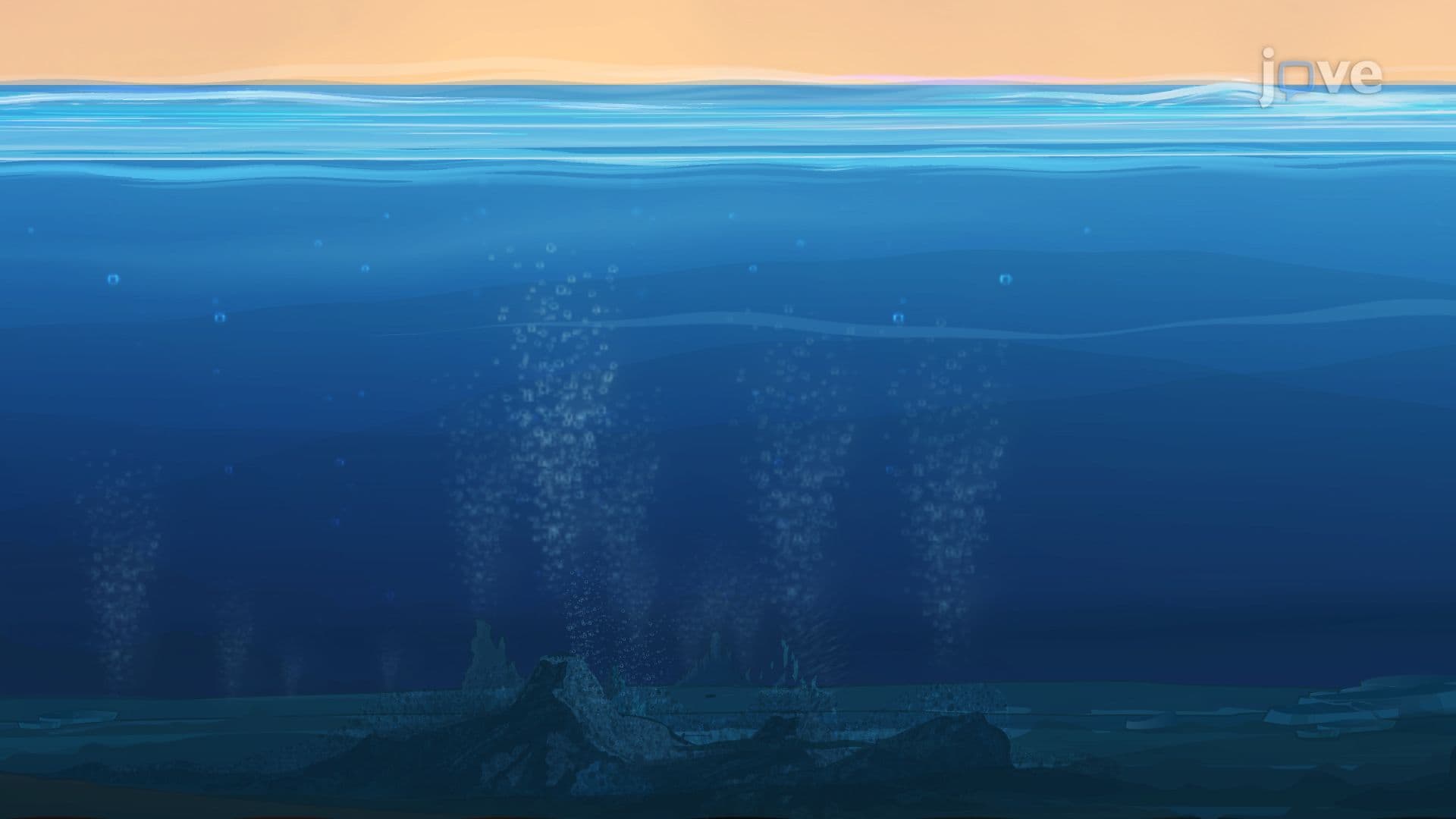

Video Summary: What Is Origin of Cellular Life
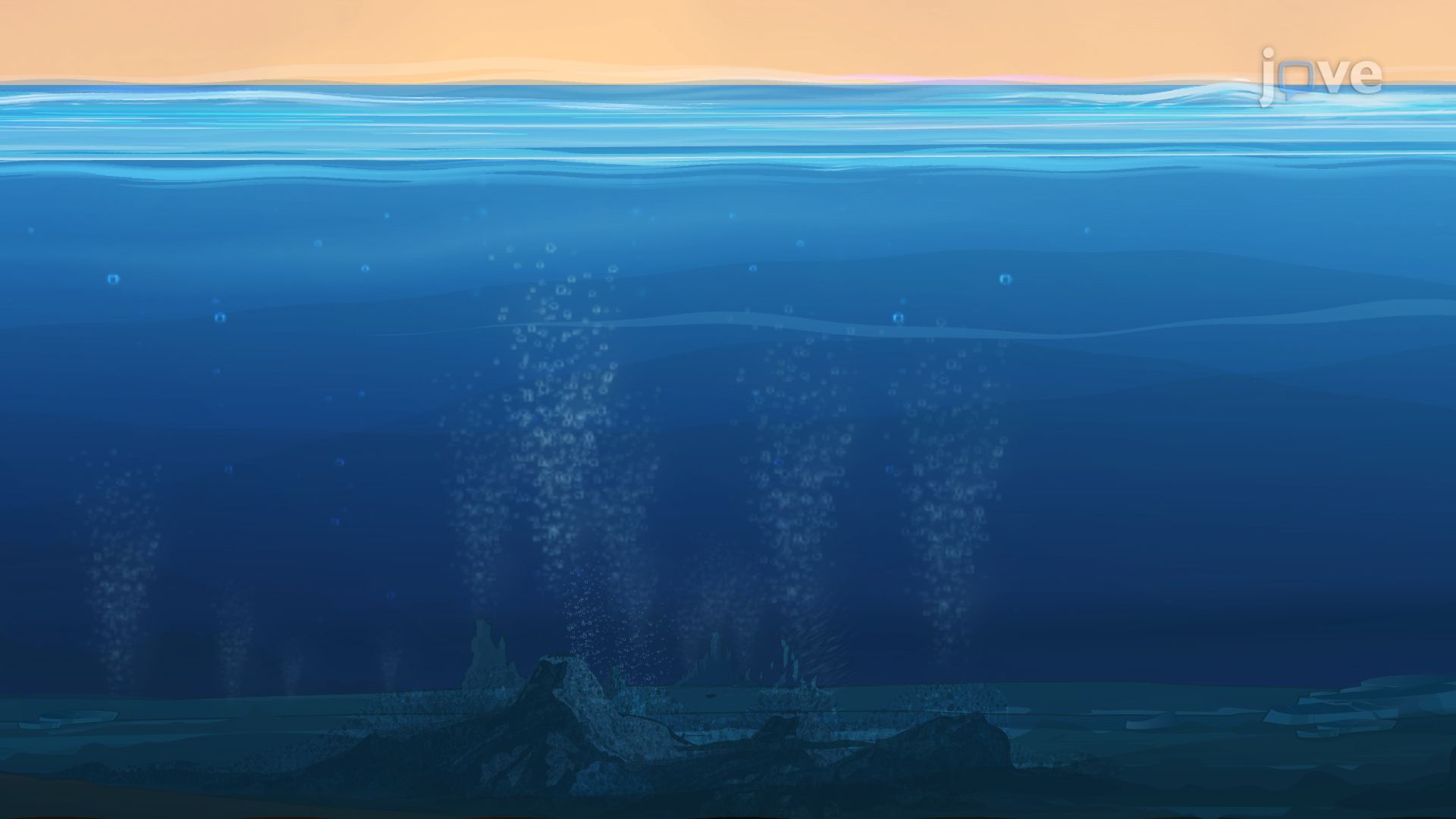
Did you know that life on Earth may have started miles underwater, in scalding volcanic vents? The origin of cellular life, one of biology's most profound mysteries, points to hydrothermal vents as likely cradles where heat, minerals, and simple chemicals sparked the first living cells. NASA researchers studying deep-sea vents off the US Pacific Coast use similar chemistry to model life's beginnings. Watch the full video on JoVE Coach to master this concept with expert-led visuals and step-by-step explanations.
The origin of cellular life refers to the series of chemical and physical processes that transformed simple, inorganic molecules on early Earth into the first self-sustaining, reproducing cells. This topic bridges chemistry, biology, and geology, and it remains one of the most actively researched questions in science today. Understanding it helps students connect foundational biochemistry to big-picture evolutionary biology, and it appears across AP Biology curricula, college introductory biology courses, and even MCAT preparation.
Among the leading hypotheses, the hydrothermal vent model has the strongest experimental support. Deep-sea hydrothermal vents, like those studied at the Lost City hydrothermal field in the Atlantic Ocean and sites explored by NOAA's Ocean Exploration program, release hydrogen, hydrogen sulfide, and heat energy continuously. These conditions create steep chemical gradients that can drive reactions without sunlight. Scientists propose that these gradients acted like a natural battery, powering the synthesis of organic molecules such as amino acids, lipids, and nucleotides directly from inorganic precursors, a process called abiotic synthesis. This is distinct from the better-known Miller-Urey experiment, which simulated a surface lightning-strike environment, yet both support the broader idea that life's chemistry can arise without biology.
Before true cells existed, some form of physical boundary was needed to concentrate molecules and allow chemistry to proceed efficiently. The microscopic pores within hydrothermal vent minerals likely served this purpose, acting as the earliest proto-compartments. Over time, lipid molecules (which naturally form bilayers in water due to their amphipathic structure) could have assembled into closed membranes, producing protocells. This transition from mineral walls to lipid membranes is a pivotal step in the origin of cellular life. Protocells provided an enclosed environment where RNA molecules could accumulate, interact, and begin performing both informational and catalytic roles.
Inside these early protocells, self-replicating RNA is thought to have been the original genetic and enzymatic molecule, a concept called the RNA World hypothesis. RNA's ability to both store information and catalyze reactions (as ribozymes) makes it uniquely suited to serve as life's first multitasker. As proteins began to emerge through RNA-directed synthesis, the protein-RNA interactions introduced greater biochemical complexity. Eventually, DNA, more chemically stable than RNA, took over as the primary information-storage molecule. This RNA-to-DNA transition is a classic topic in AP Biology and college molecular biology courses, often appearing on unit exams and the MCAT's Biochemistry section.
The first cells were almost certainly chemolithotrophs, organisms that extract energy from inorganic chemical reactions rather than sunlight. Early Earth's atmosphere lacked significant oxygen, so these cells likely used hydrogen as an electron donor and either sulfur compounds or carbon dioxide as electron acceptors to drive the synthesis of organic molecules. This metabolic strategy is not just ancient history: chemolithotrophic bacteria are still found today in Yellowstone National Park's hot springs and in deep-sea vents along the Juan de Fuca Ridge off the US Pacific Northwest coast. Studying these modern extremophiles gives microbiologists a real-world window into how the first cells might have powered themselves, and it directly connects the origin of cellular life to contemporary questions in microbial evolution, including how mutation rates, natural selection in microbes, and genetic drift have shaped life over billions of years.
Related Micro-courses