Loading video…

 11 Concepts
 1.7K views

Video Summary: What Is Microbial Bioremediation of Uranium
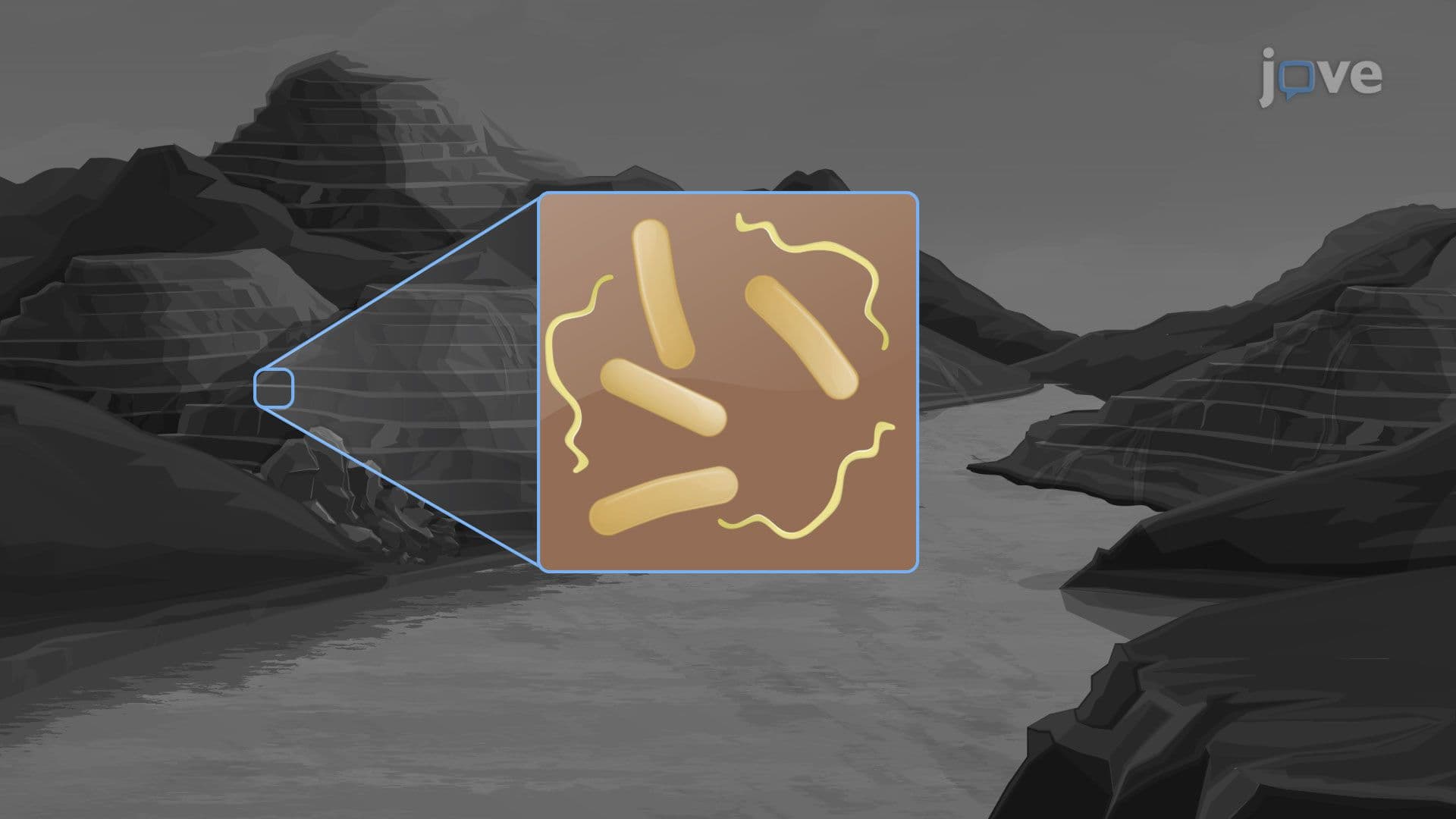
Radioactive uranium contamination threatens groundwater supplies at dozens of former nuclear weapons sites across the US, but microscopic organisms may hold the key to cleaning them up. Microbial bioremediation of uranium describes how bacteria like *Geobacter* and *Shewanella* neutralize uranium's dangerous mobility through bioreduction, biosorption, bioaccumulation, and biomineralization. At sites like the Hanford Site in Washington State, these natural microbial strategies are being studied as powerful, low-cost cleanup tools. Watch the full video on JoVE Coach to master this concept with expert-led visuals and step-by-step explanations.
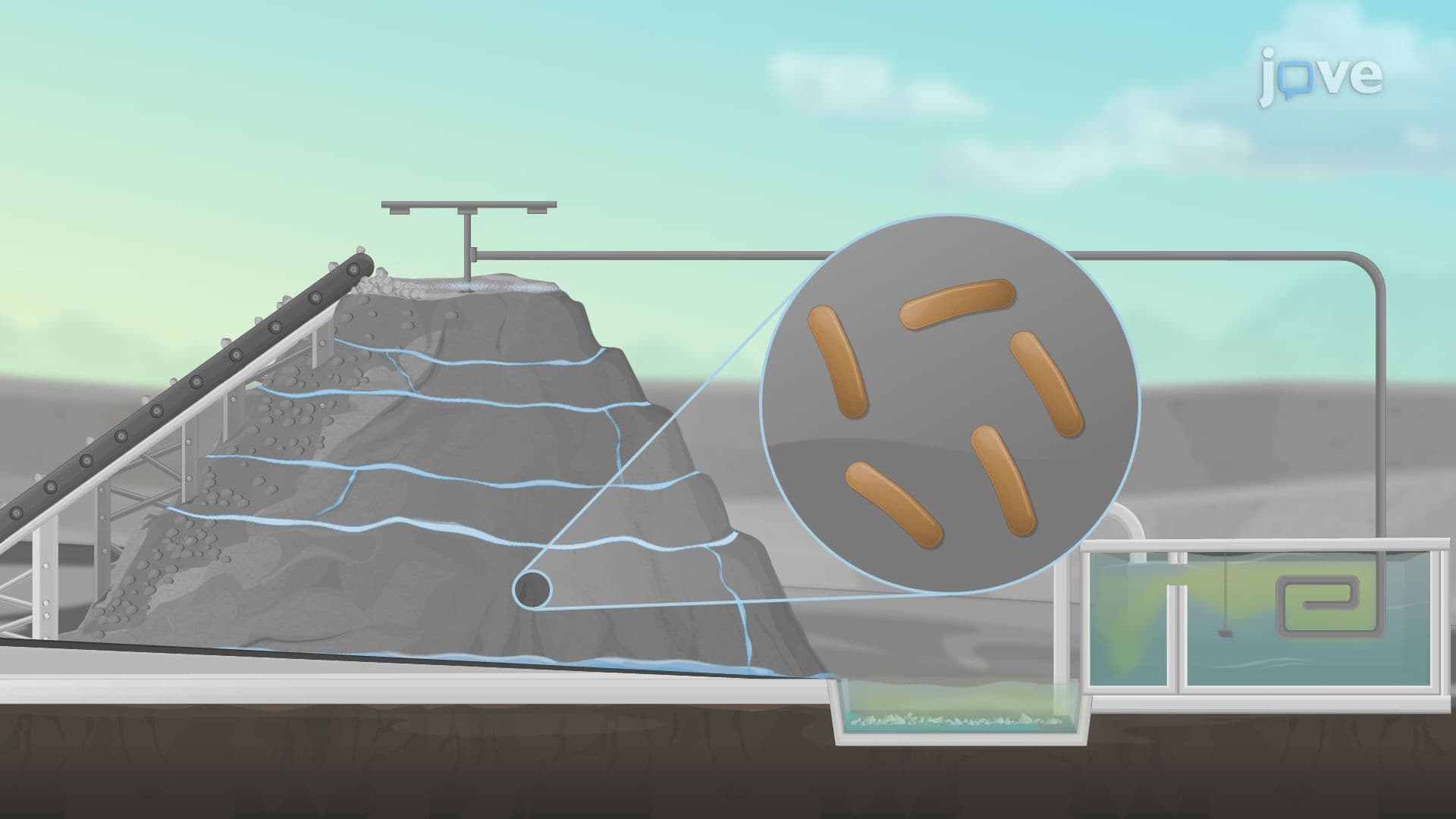
Uranium contamination is one of the most persistent environmental challenges facing the United States, particularly at legacy nuclear weapons production and mining sites. Microbial bioremediation of uranium refers to the use of naturally occurring microorganisms to immobilize or neutralize uranium in contaminated soil and groundwater. Rather than physically excavating toxic material, an expensive and disruptive process, bioremediation leverages the metabolic power of bacteria to chemically transform uranium into less dangerous, less mobile forms. Understanding this process is increasingly important in AP Environmental Science, college-level microbiology, and introductory chemistry courses.
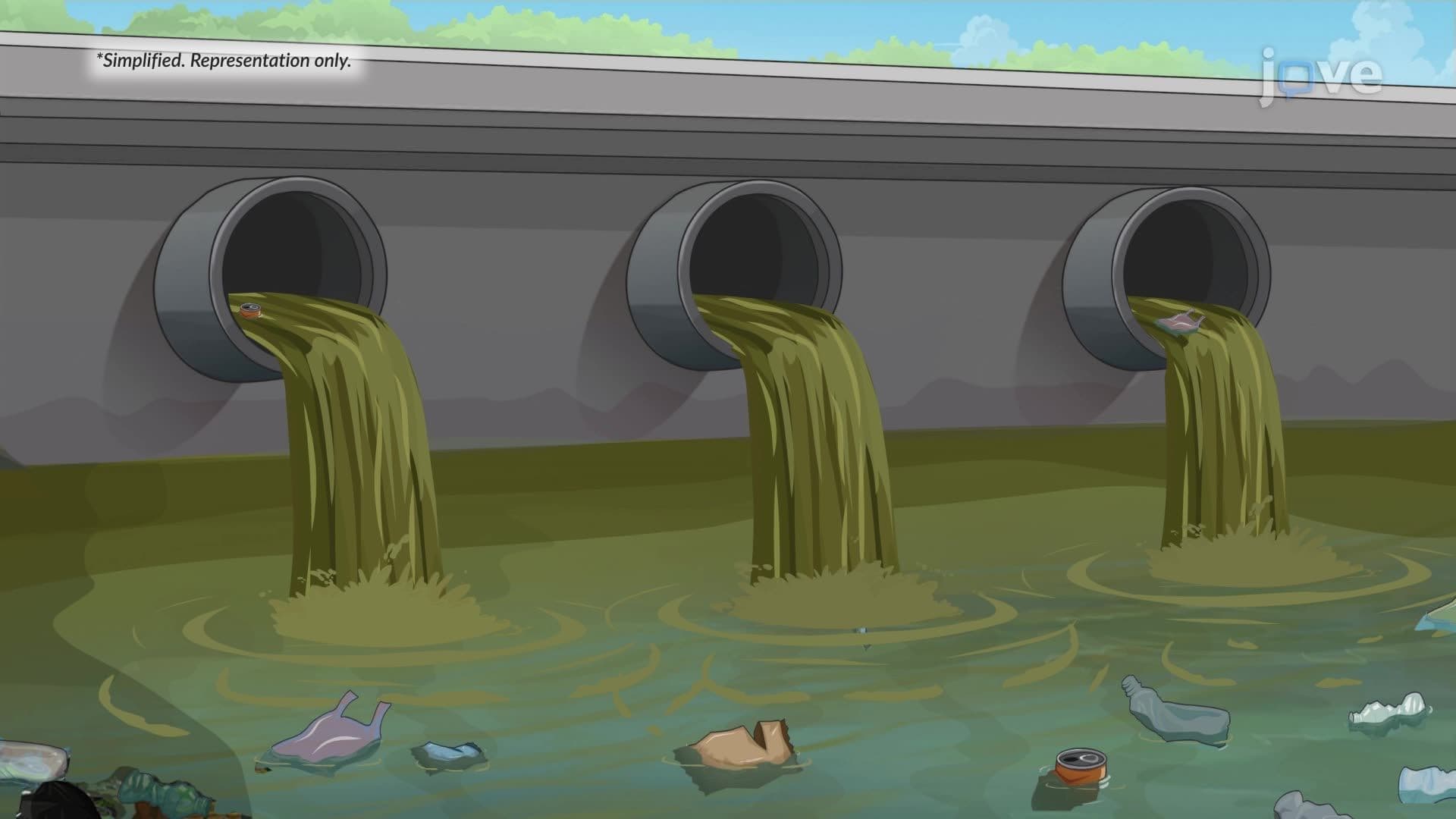
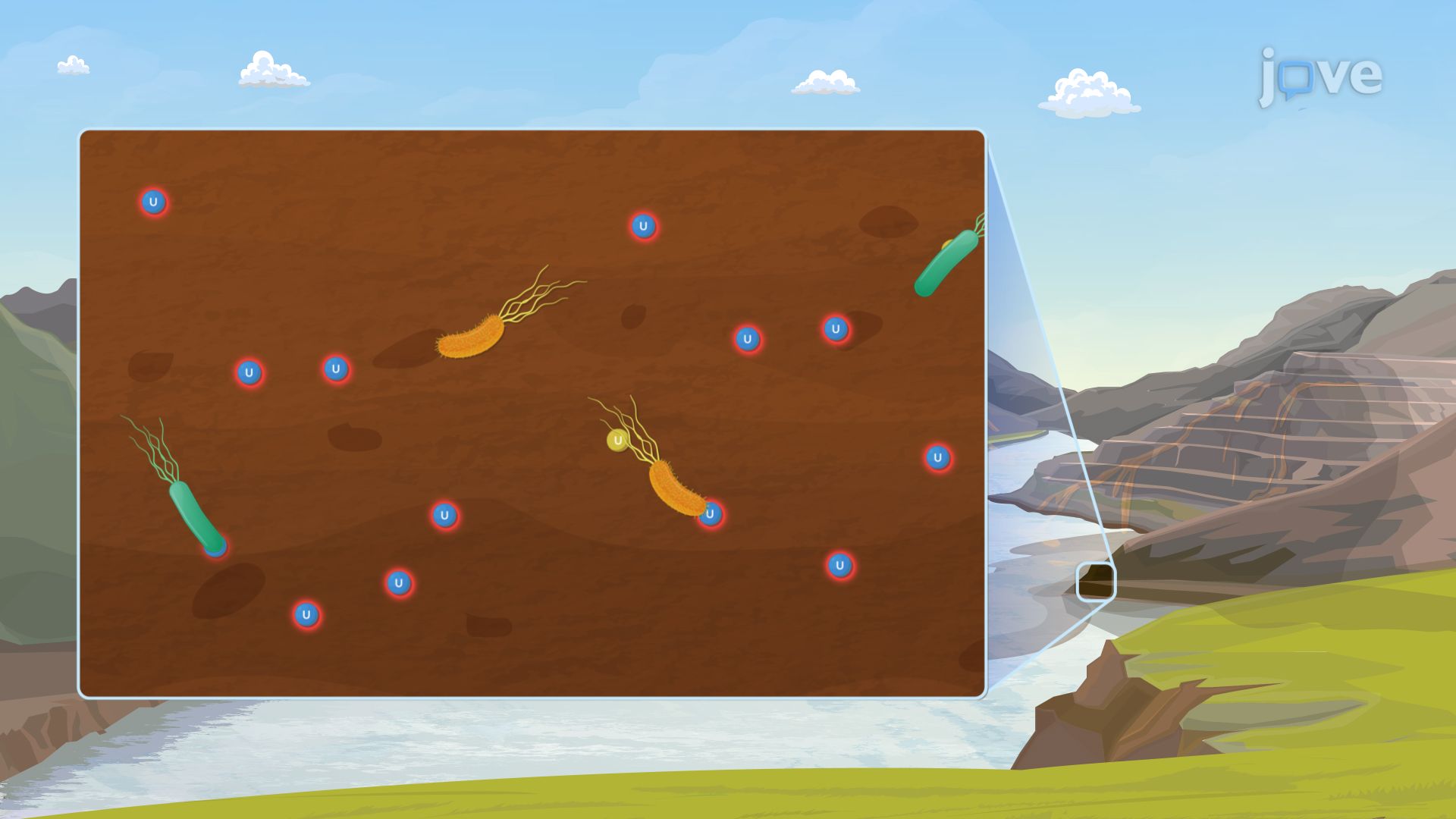
Uranium exists in nature in multiple oxidation states, but the hexavalent form, uranium(VI), is highly water-soluble. This solubility allows it to dissolve into groundwater and spread far from its original source, contaminating drinking water wells and aquatic ecosystems. At contaminated sites like the Hanford Site in Washington State or former uranium mills in Colorado and New Mexico, this mobility creates serious public health risks. The central goal of microbial bioremediation is to shift uranium from its soluble hexavalent state to its insoluble tetravalent state, effectively locking it in place.
Each remediation mechanism works differently, targeting uranium at distinct biological and chemical levels.
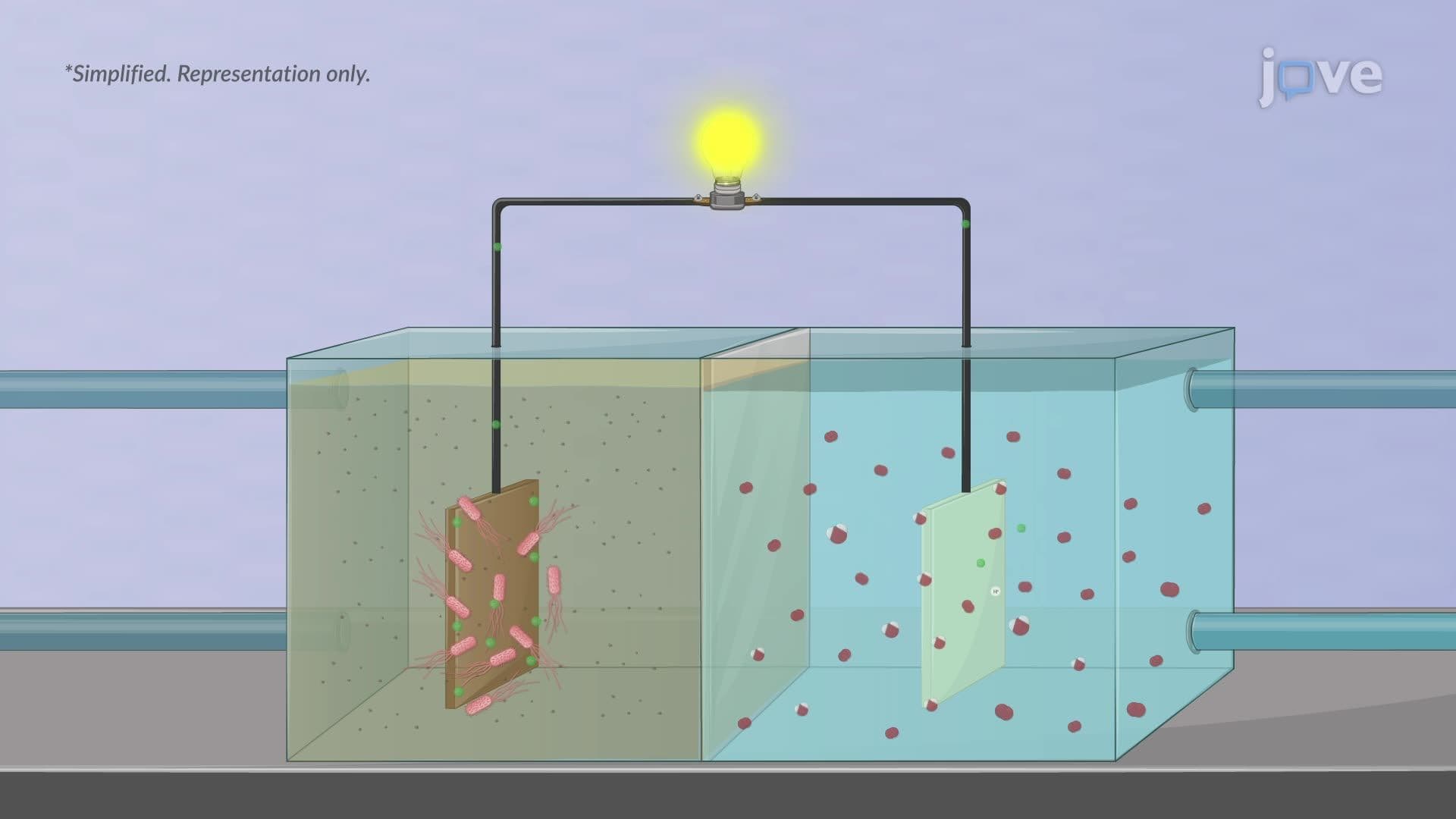
Bioreduction is arguably the most studied pathway. Bacteria such as *Geobacter sulfurreducens* and *Shewanella oneidensis* use specialized proteins called c-type cytochromes to transfer electrons to uranium(VI), chemically reducing it to uranium(IV). This tetravalent uranium then precipitates out of solution as a solid mineral called uraninite (UO₂), dramatically reducing its ability to migrate through groundwater.
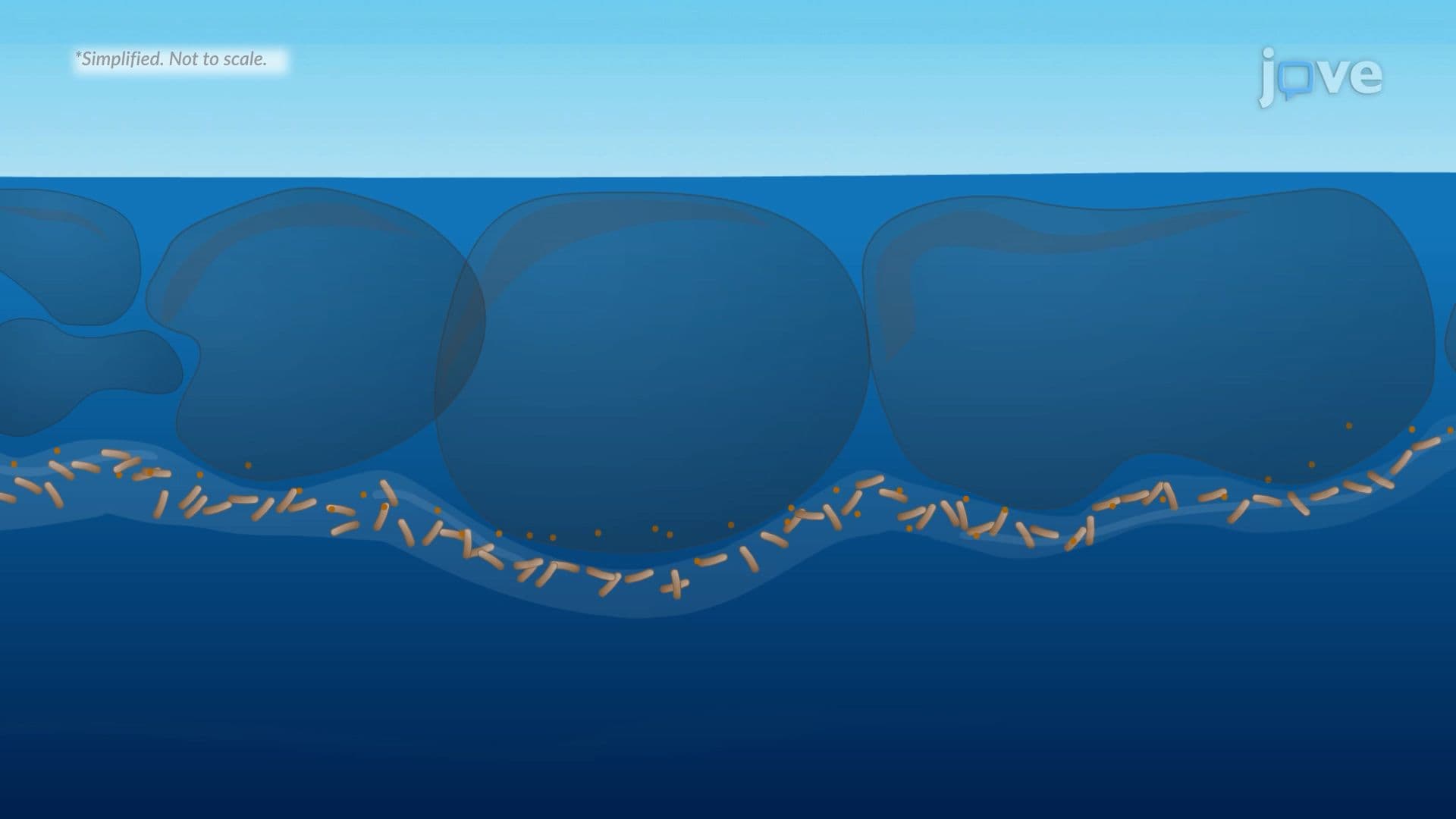
Biosorption is a passive process that does not require the bacterium to be metabolically active. Uranium ions bind to functional groups, including carboxyl (-COOH), phosphate (-PO₄), and hydroxyl (-OH) groups, found on the outer surfaces of bacterial cell walls. This surface binding effectively pulls uranium out of solution without the cell needing to expend energy, making it useful even in nutrient-poor environments.
Bioaccumulation takes the process one step further by actively transporting uranium inside the cell, where it is sequestered, often bound to polyphosphate granules. This intracellular storage prevents uranium from re-entering the surrounding environment, though it raises important questions about long-term stability if the cell dies.
Biomineralization is triggered by specific bacteria, including *Microbacterium* and *Caulobacter*, which release phosphate enzymatically. The released phosphate reacts with uranium ions in the surrounding environment to form stable uranium-phosphate minerals such as autunite. These minerals are highly insoluble and represent one of the most durable long-term immobilization outcomes.
For students in AP Biology, AP Environmental Science, or college courses in environmental microbiology, microbial bioremediation connects directly to topics like biogeochemical cycling, soil microbiology, and the role of microbes in ecosystem stability. On the MCAT, questions about microbial metabolism and electron transport chains directly relate to the bioreduction mechanism. Understanding how microbes influence heavy metal speciation also prepares students for discussions of water quality testing and wastewater treatment in both academic and policy contexts. The US Department of Energy continues to fund field-scale bioremediation research, making this a topic with active, real-world scientific development.
Related Micro-courses