Loading video…

 11 Concepts
 1.7K views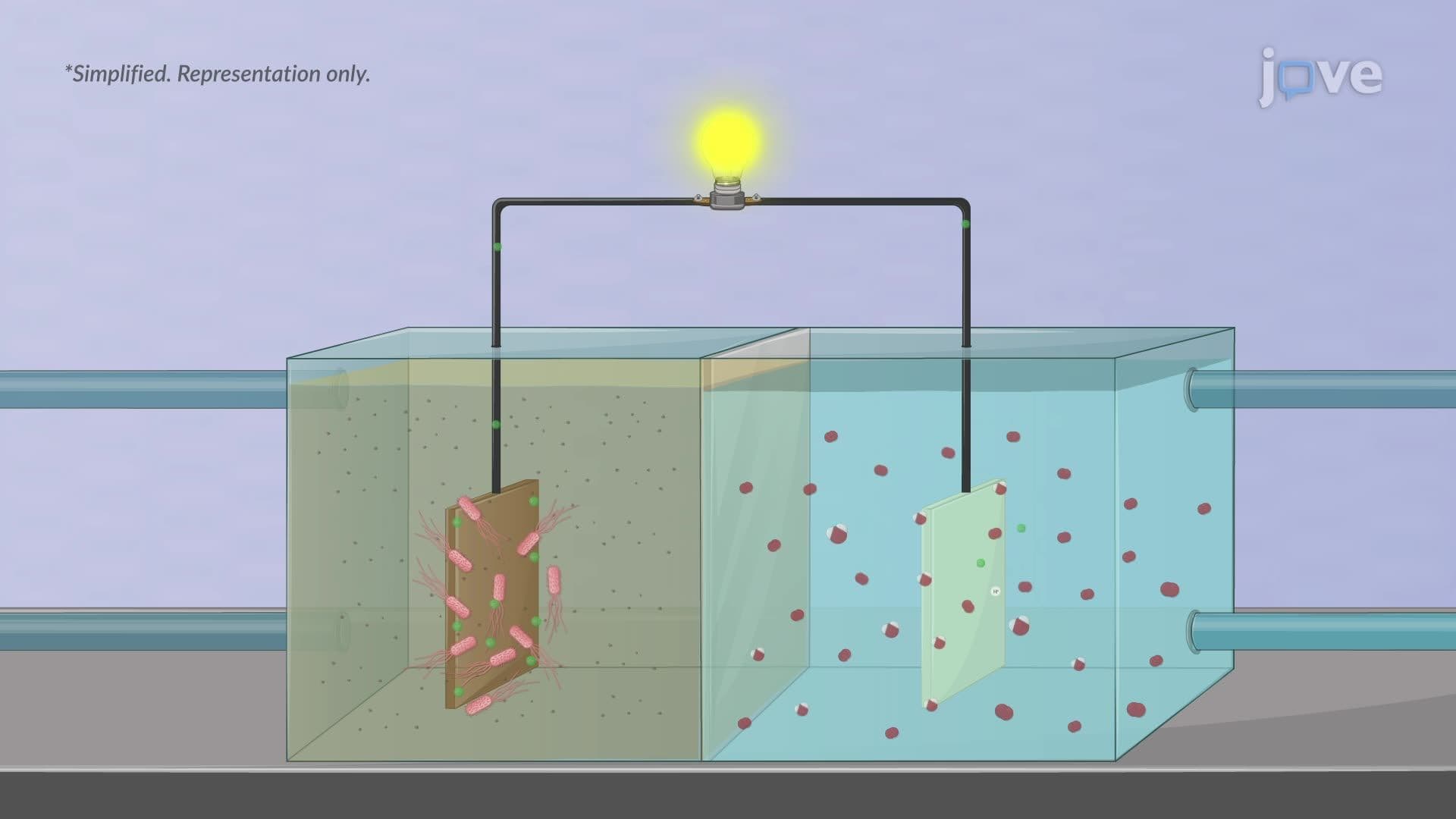

Video Summary: What are Microbial Fuel Cells
Imagine powering a water treatment plant using the very bacteria living in wastewater, that's exactly what microbial fuel cells make possible. Microbial fuel cells basics reveal how electrogenic bacteria like *Geobacter* convert organic waste into electricity through controlled electron transfer. Facilities across the US, including municipal wastewater plants, are exploring this technology. Watch the full video on JoVE Coach to master this concept with expert-led visuals and step-by-step explanations.
Microbial fuel cells (MFCs) sit at the crossroads of microbiology, electrochemistry, and environmental engineering. At their core, they exploit a remarkable ability possessed by certain bacteria, the capacity to transfer electrons outside their own cells as part of normal metabolism. Understanding MFCs not only deepens your grasp of microbial ecology but also connects directly to real-world environmental challenges like wastewater treatment and pollution cleanup.
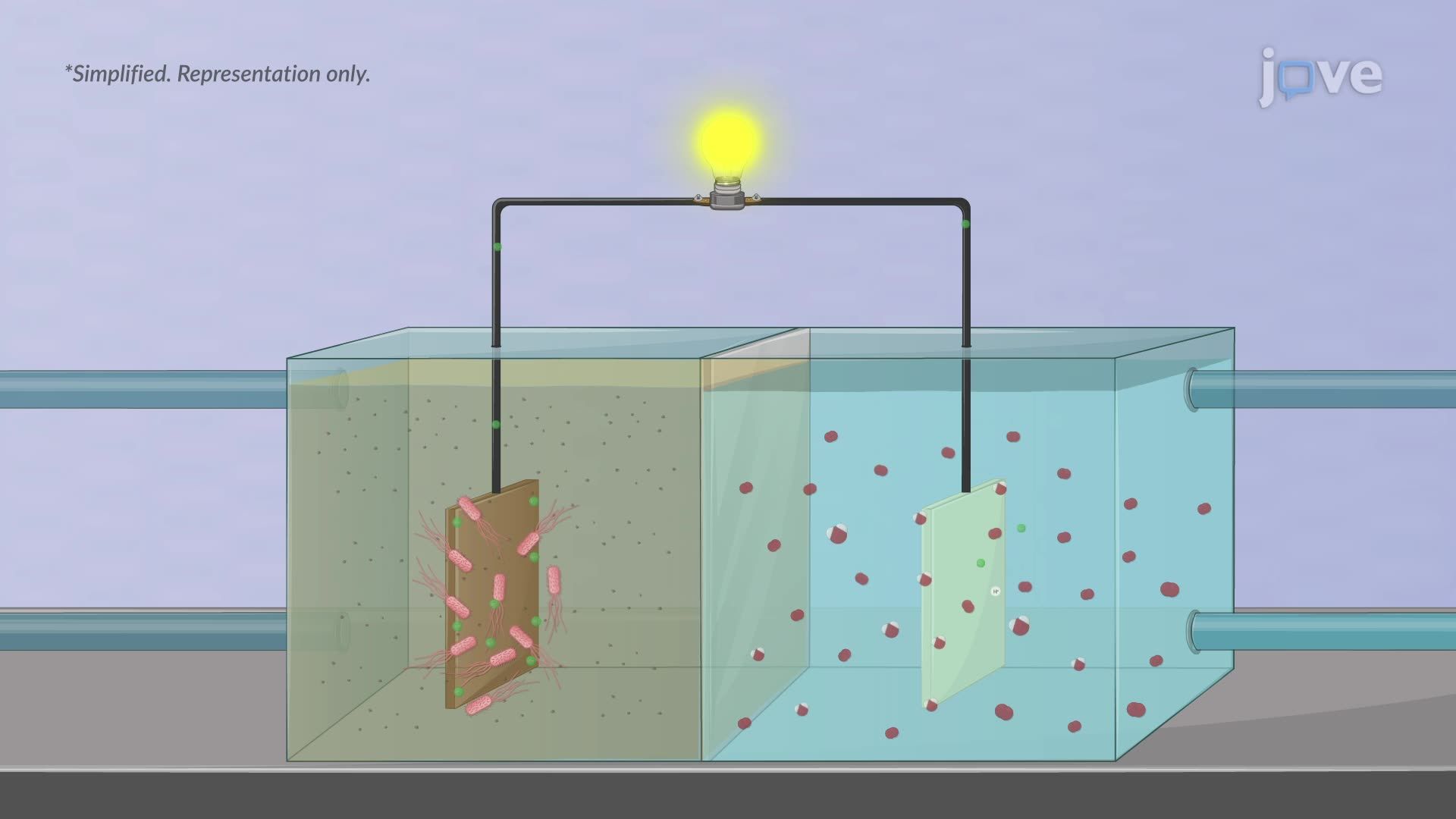
A standard MFC is divided into two chambers separated by a proton exchange membrane (PEM), a selectively permeable barrier that allows positively charged protons (H⁺) to pass through while blocking other molecules. The anoxic (oxygen-free) chamber houses electrogenic bacteria and receives a steady input of organic carbon, think sugars, acetate, or the complex organic compounds found in municipal wastewater. The oxic chamber contains oxygen and holds the cathode, where the final electrochemical reaction completes the circuit. This two-chamber design is deliberately engineered: removing oxygen from the bacterial side forces microbes to offload electrons externally rather than using oxygen as a terminal electron acceptor.
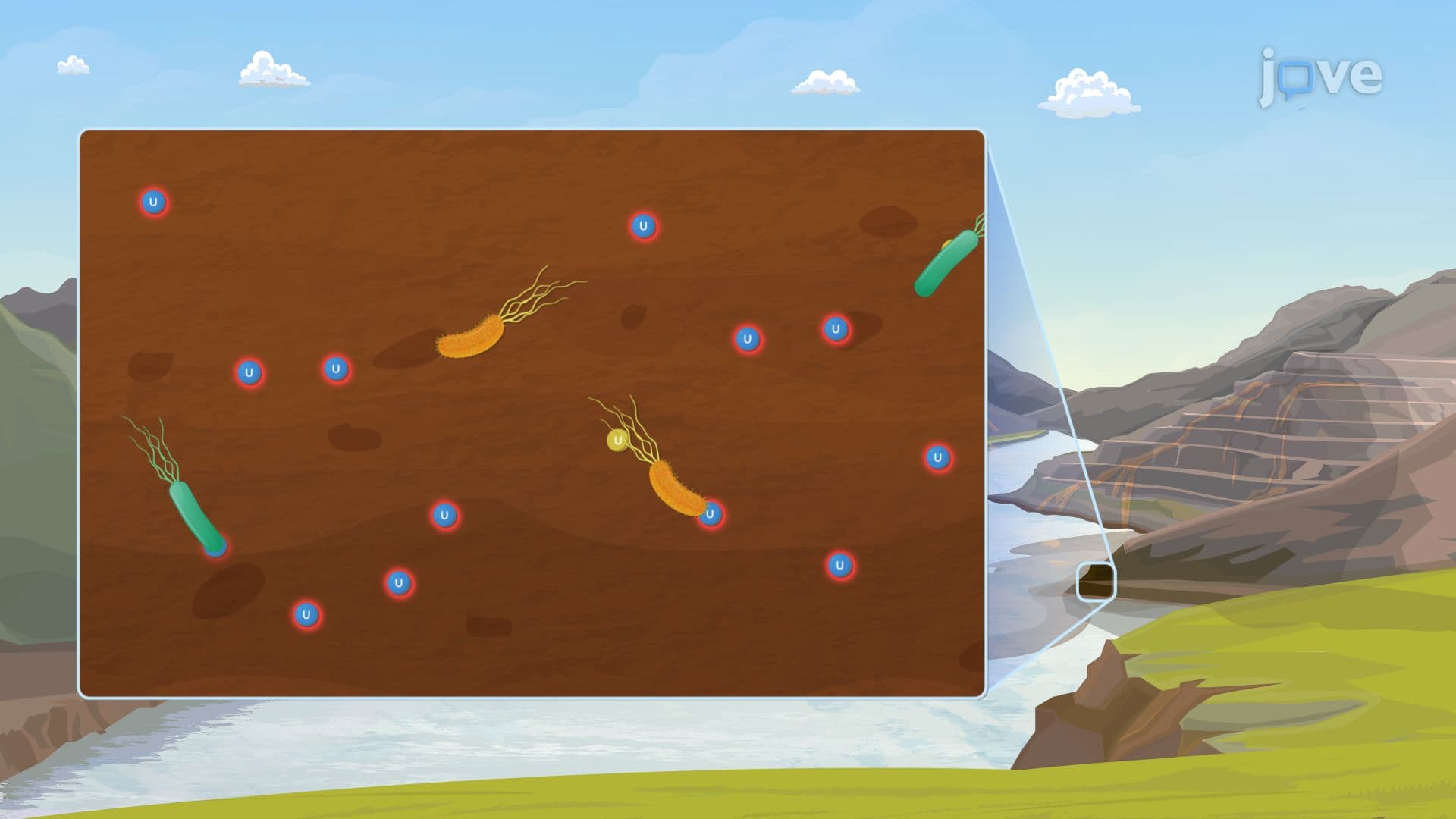
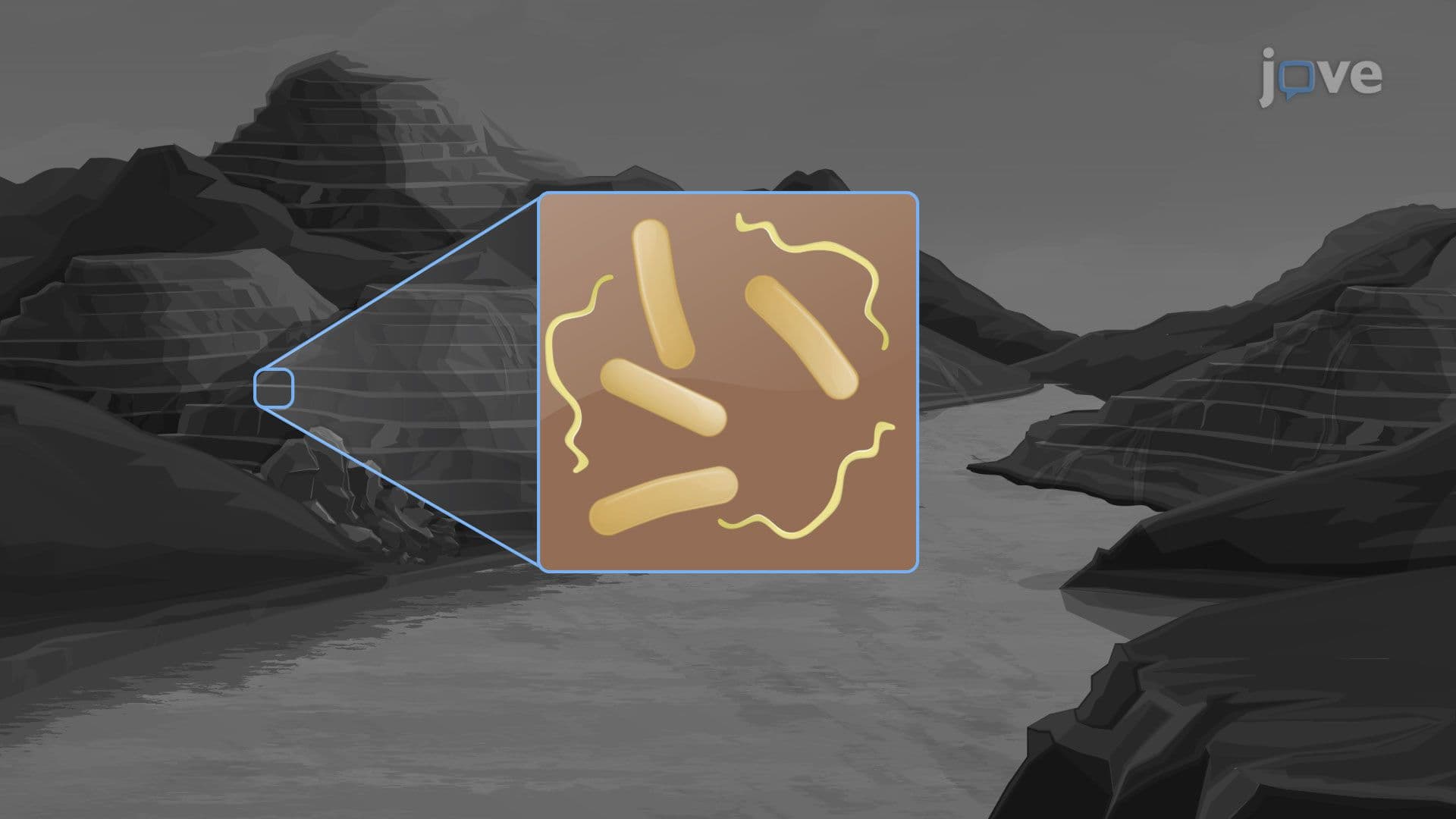
Not all bacteria can power a fuel cell, only electrogenic (also called exoelectrogenic) species have this ability. *Geobacter sulfurreducens*, one of the most studied examples, is commonly found in anaerobic sediments and soil environments across the US, including in Chesapeake Bay research sites. These bacteria oxidize organic carbon compounds during cellular respiration, stripping away electrons and protons in the process. What makes them extraordinary is how they dispose of those electrons: instead of passing them to an internal molecule, they shuttle electrons to the anode using outer-membrane cytochromes (specialized iron-containing proteins embedded in the cell wall) and electrically conductive pili, hair-like appendages sometimes called "microbial nanowires." This extracellular electron transfer is the foundational mechanism behind MFC electricity generation.
Once electrons reach the anode, they travel through an external circuit, a wire, to the cathode in the oxic chamber, and that electron movement constitutes an electric current. Simultaneously, protons generated during organic carbon oxidation diffuse through the proton exchange membrane toward the cathode. At the cathode, a catalyst (often platinum or manganese-based in research settings) facilitates the oxygen reduction reaction: electrons and protons combine with oxygen (O₂) to form water (H₂O). This final step is critical, it acts as the "electron sink" that keeps the whole system running. The overall reaction can be simplified as: Organic carbon + O₂ → CO₂ + H₂O + electrical energy.
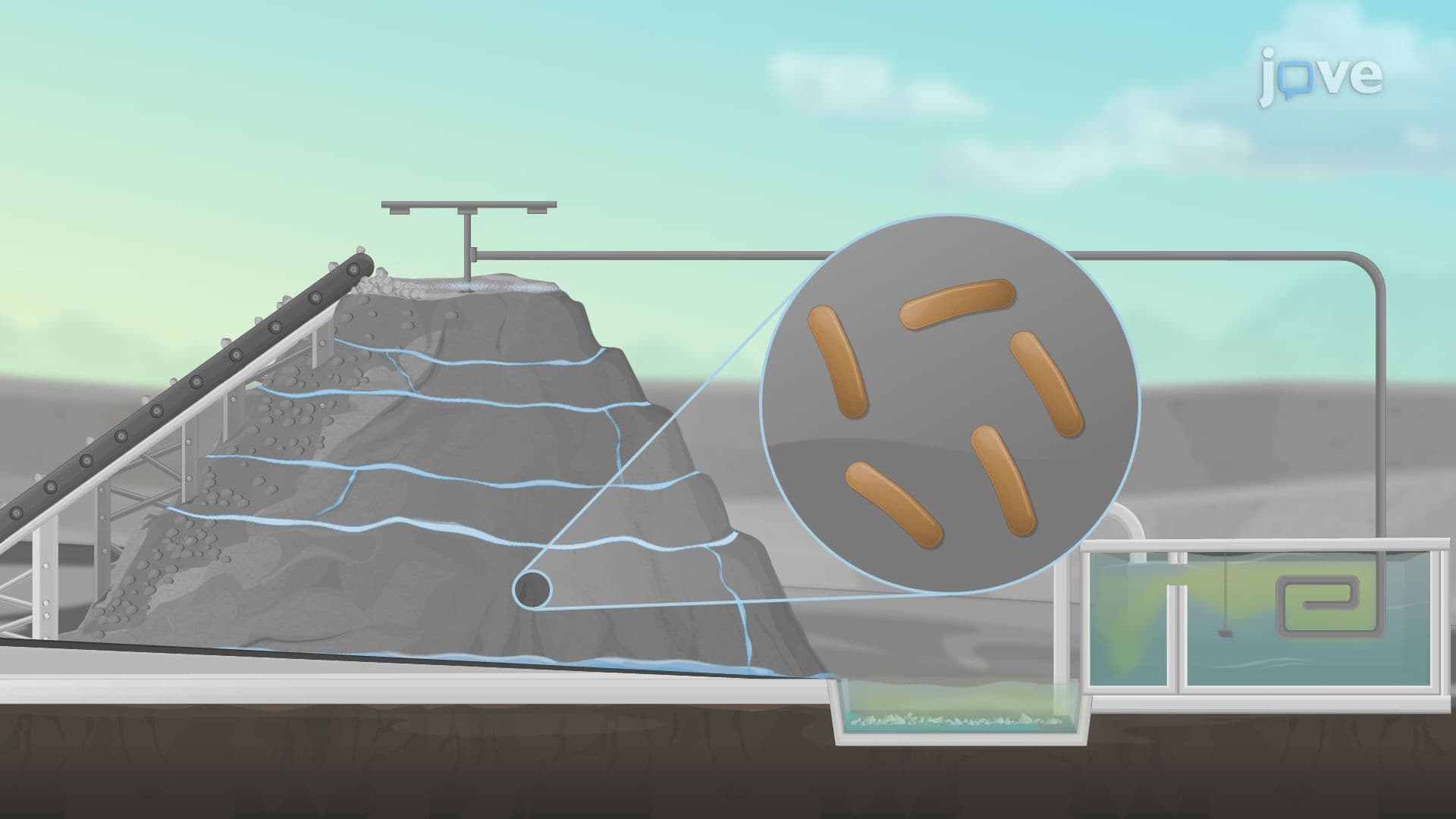
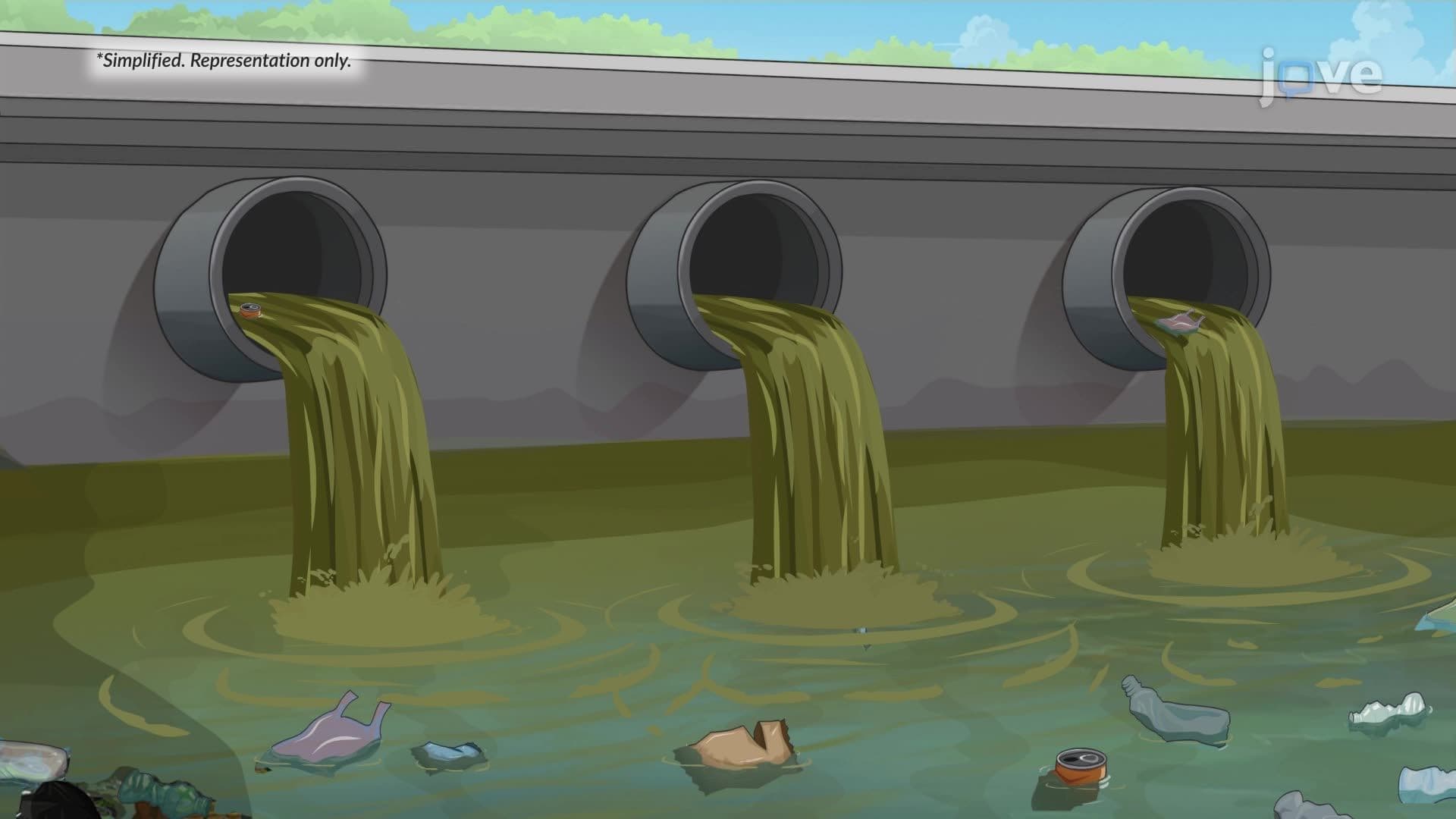
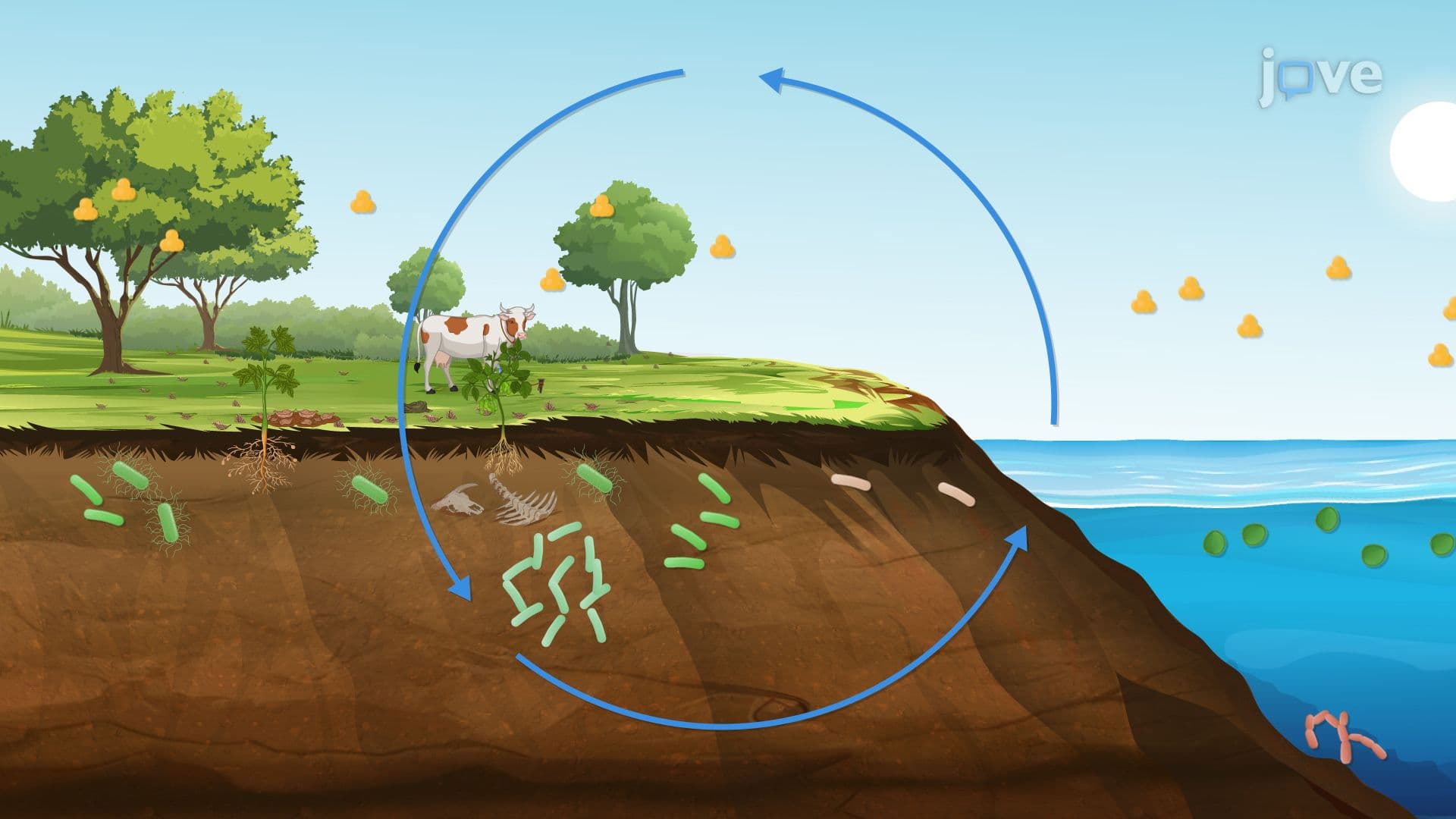
MFCs are particularly exciting for their dual function: they generate electricity while treating contaminated water or soil. In the US, research institutions like Penn State University and Lawrence Berkeley National Laboratory have piloted MFC systems integrated into wastewater treatment infrastructure. Traditional wastewater plants are energy-intensive, they consume roughly 2% of total US electricity. MFCs offer a path toward energy-neutral or even energy-positive treatment by harvesting power from organic waste that would otherwise require energy to remove. Beyond wastewater, MFCs contribute to bioremediation by stimulating microbial communities to break down organic pollutants in contaminated soil and groundwater, linking directly to concepts of biogeochemical cycling and soil microbiology you'll encounter in AP Environmental Science and college ecology courses.
Related Micro-courses