Loading video…

 11 Concepts
 1.7K views

Video Summary: What Is Microbial Corrosion
Did you know that bacteria living underground can silently eat through steel pipelines? Microbial corrosion, also called microbially influenced corrosion, is the breakdown of metals driven by microbial metabolism, and it costs the US infrastructure industry billions of dollars annually. Sulfate-reducing bacteria are key culprits, accelerating rust on buried water and gas pipelines. Watch the full video on JoVE Coach to master this concept with expert-led visuals and step-by-step explanations.
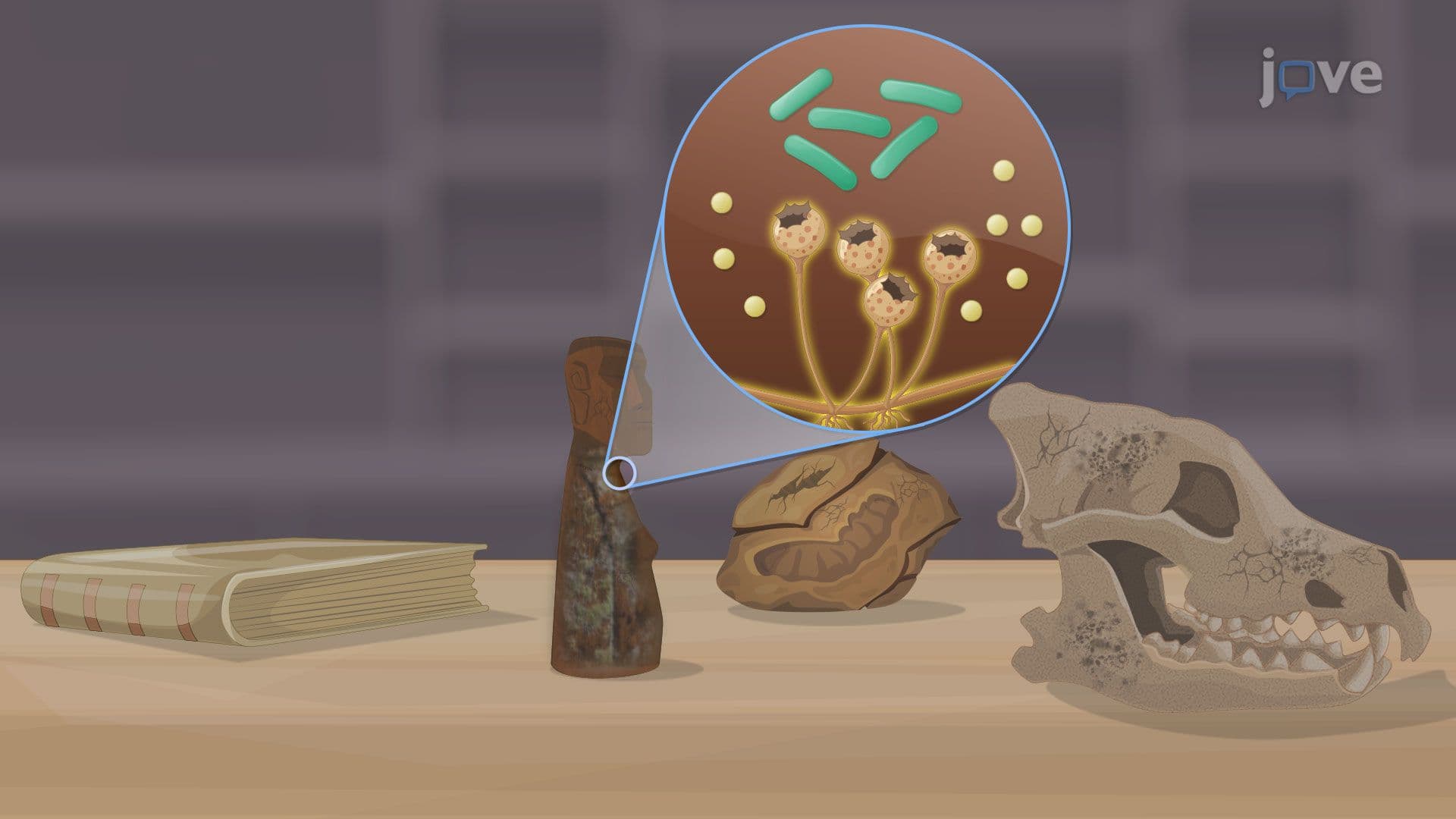
Microbial corrosion, formally known as microbially influenced corrosion (MIC), is the accelerated degradation of metals and metal alloys resulting from the metabolic activities of microorganisms. Unlike standard chemical corrosion driven by moisture or oxygen alone, microbial corrosion involves living organisms, particularly bacteria, that actively alter the electrochemical environment at a metal's surface. This makes it significantly more destructive and harder to detect. It is most commonly observed on buried pipelines, submerged marine structures, and industrial water systems, making it a major concern in civil and environmental engineering across the United States.
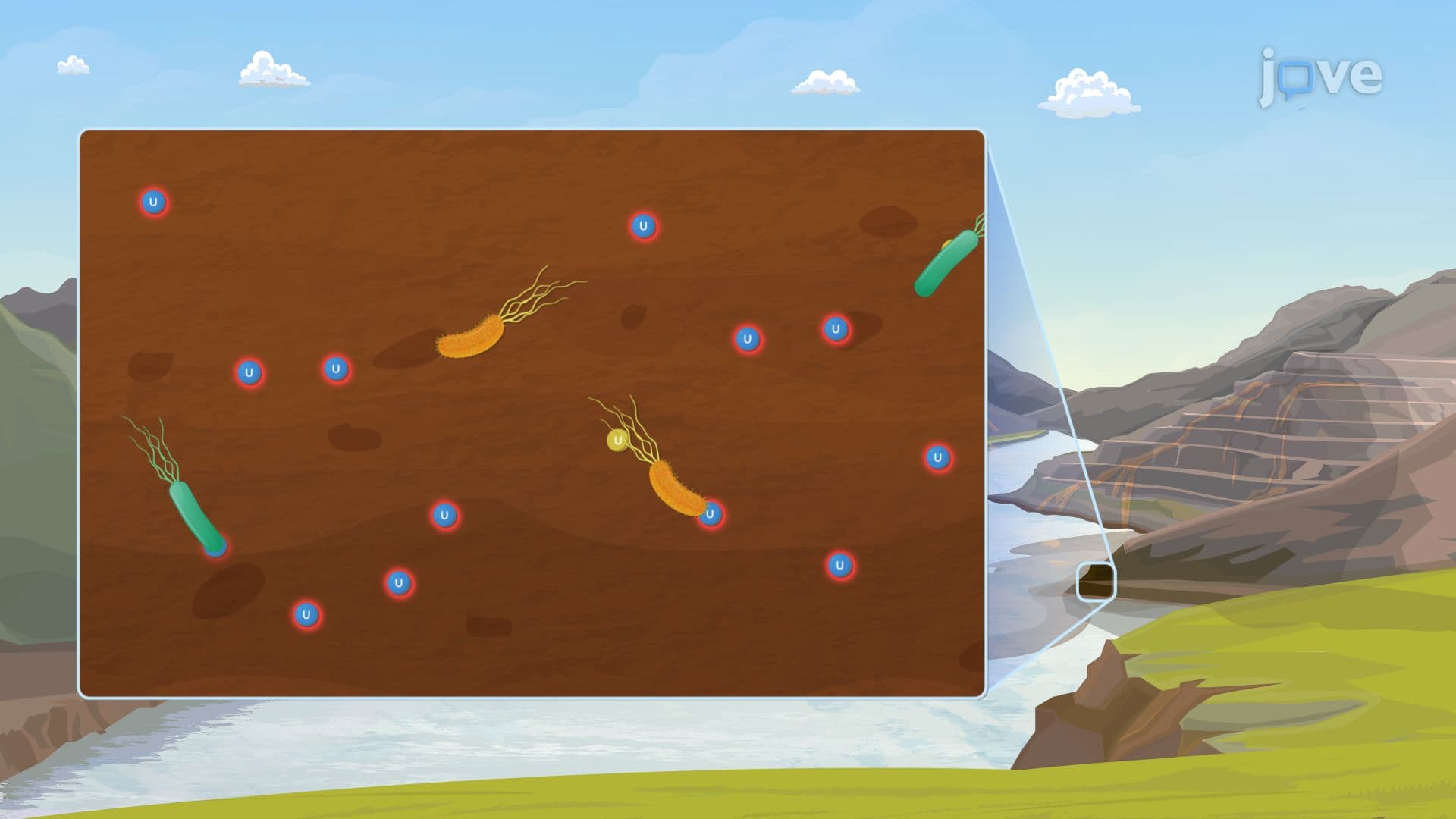
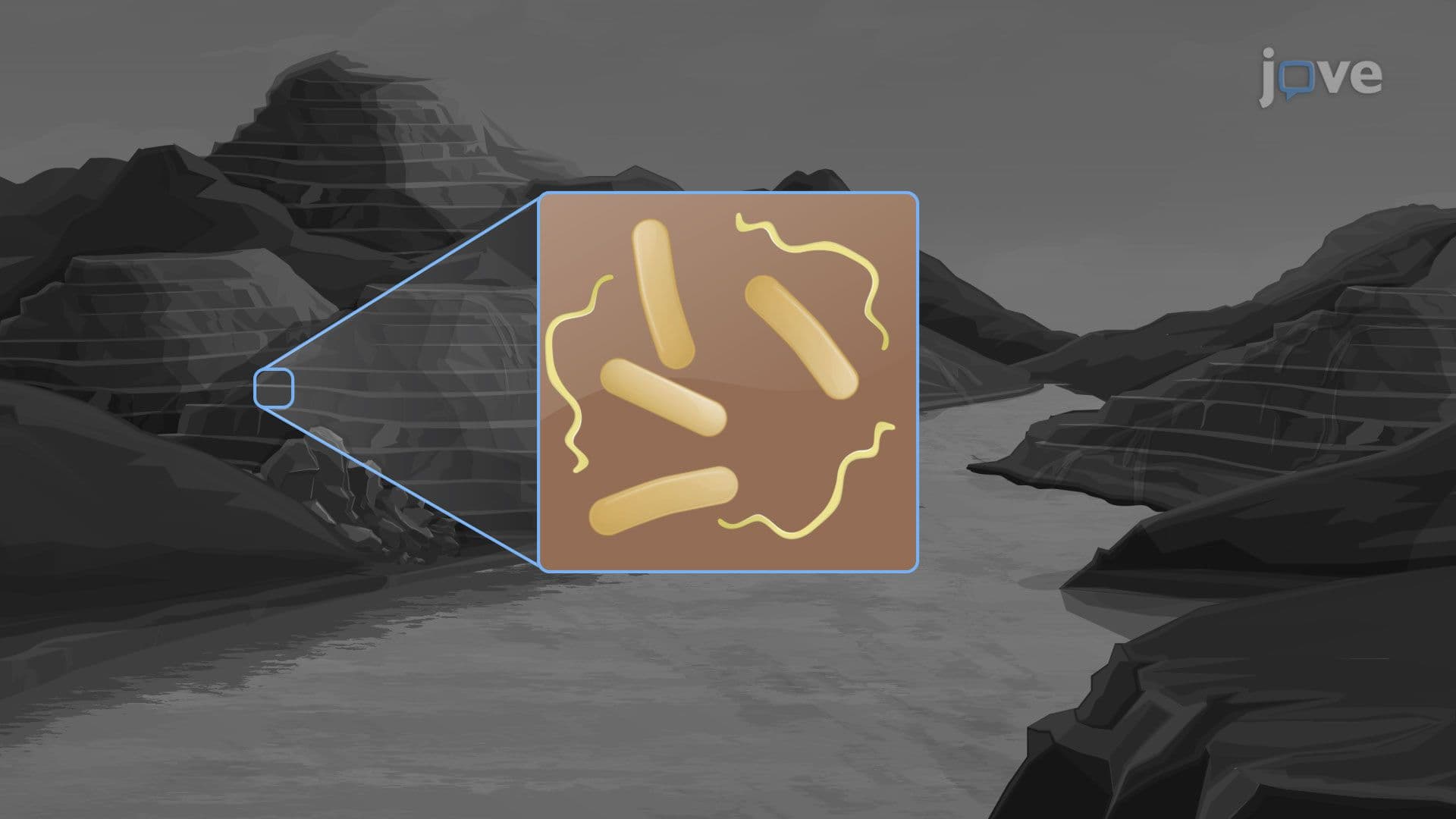
The primary microbial agents responsible for iron and steel corrosion are sulfate-reducing bacteria (SRB), anaerobic microbes that thrive in oxygen-poor environments like soil and sediment. These organisms carry out two well-documented corrosion mechanisms.
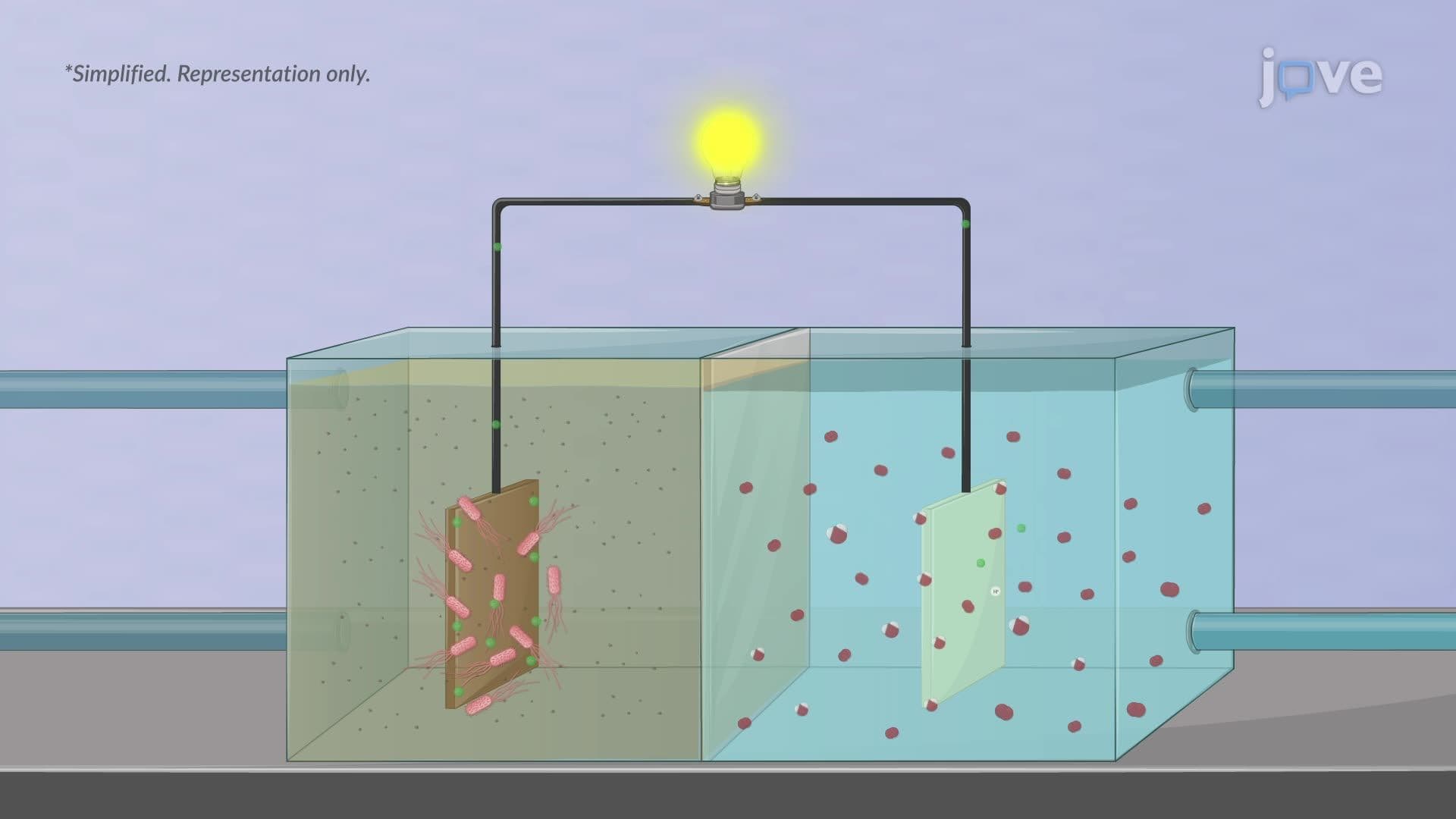
In the first mechanism, electrochemical pitting of iron naturally produces molecular hydrogen (H₂) at the metal surface. Sulfate-reducing bacteria consume this hydrogen to fuel their own metabolism, removing a byproduct that would otherwise slow further oxidation. By continuously stripping away hydrogen, the bacteria sustain and accelerate electron release from the iron, deepening pits in the metal over time.
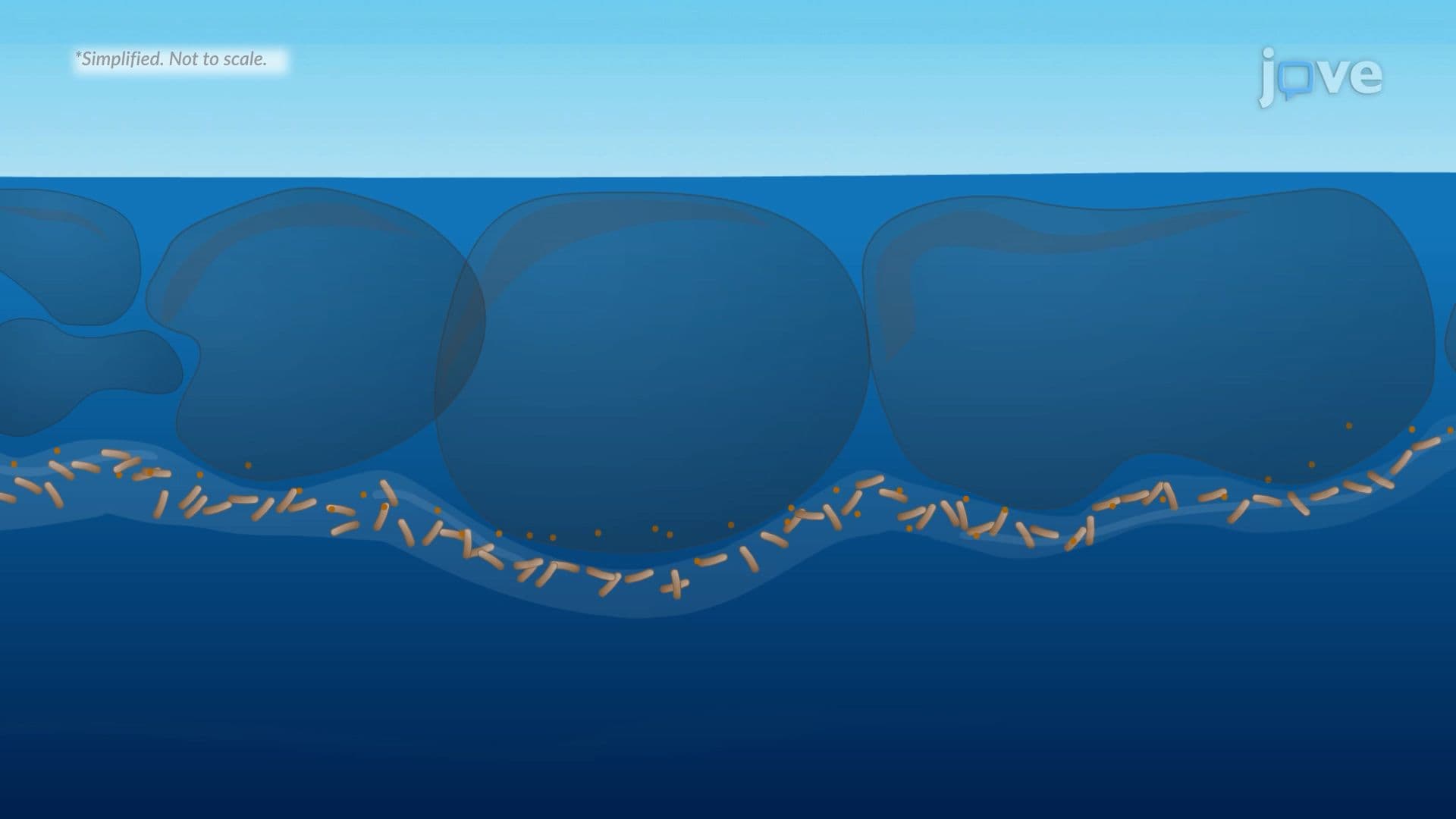
The second mechanism is even more direct. The species *Desulfopila corrodens* embeds its cells within a sulfidic corrosion layer, a biofilm-like coating made up of iron sulfide compounds. Using redox-active proteins, these bacteria accept electrons directly from elemental iron, driving the reduction of sulfate (SO₄²⁻) to sulfide (S²⁻). The sulfide immediately reacts with surrounding iron to form iron sulfide (FeS), a compound that further promotes localized corrosion and creates a self-reinforcing cycle of degradation.
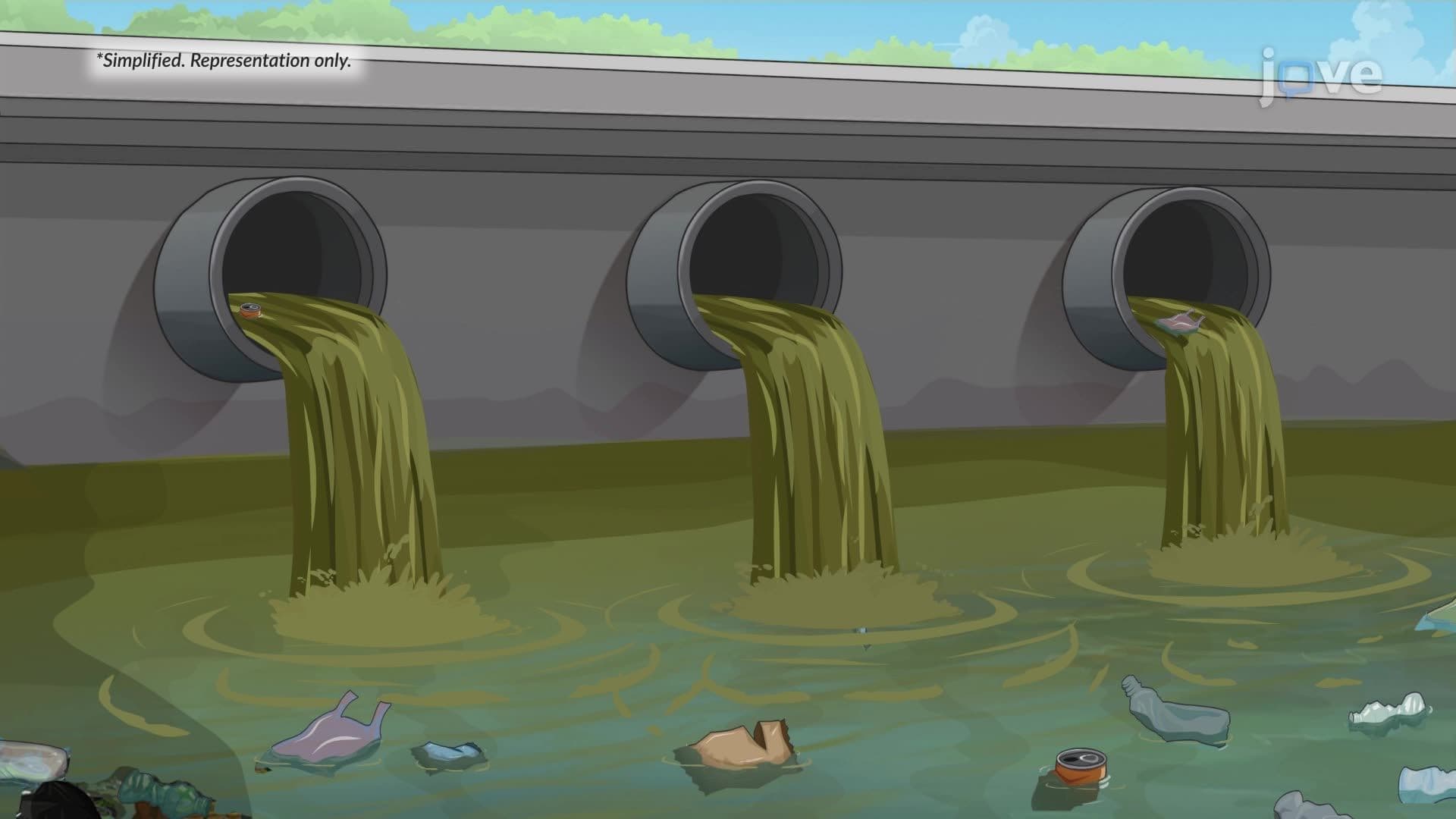
The consequences of microbial corrosion are not theoretical. In the United States, the corrosion of buried water mains, natural gas pipelines, and oil infrastructure has been linked to MIC in numerous documented cases. The American Society of Civil Engineers estimates that water infrastructure alone faces a significant corrosion-related maintenance burden. Oil and gas companies operating in the Gulf Coast region, for example, routinely monitor for SRB activity in pipeline biofilms as part of standard integrity management programs. Wastewater treatment facilities are also vulnerable, since their combination of nutrient-rich water, low oxygen, and microbial diversity creates ideal conditions for MIC.
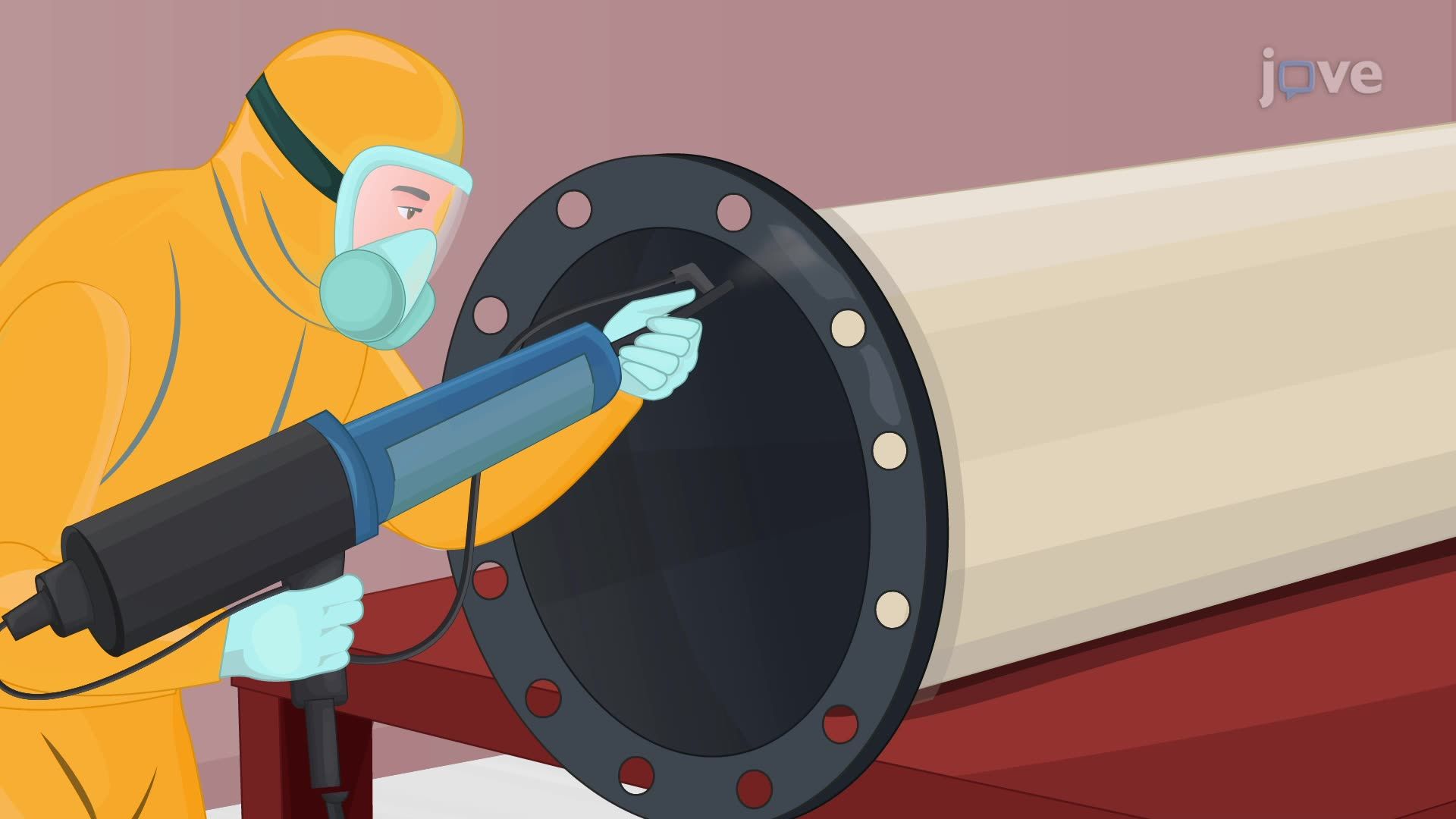
Managing microbial corrosion requires a multi-layered approach. Biocides are chemical agents applied to kill or inhibit microbial growth within pipelines and tanks. Corrosion inhibitors form protective barriers on metal surfaces, reducing electron transfer. Biofilm-disrupting biological agents, including certain bacteriophages and competing microbial communities, represent a newer, more targeted strategy that aligns with principles of bioremediation and ecological management.
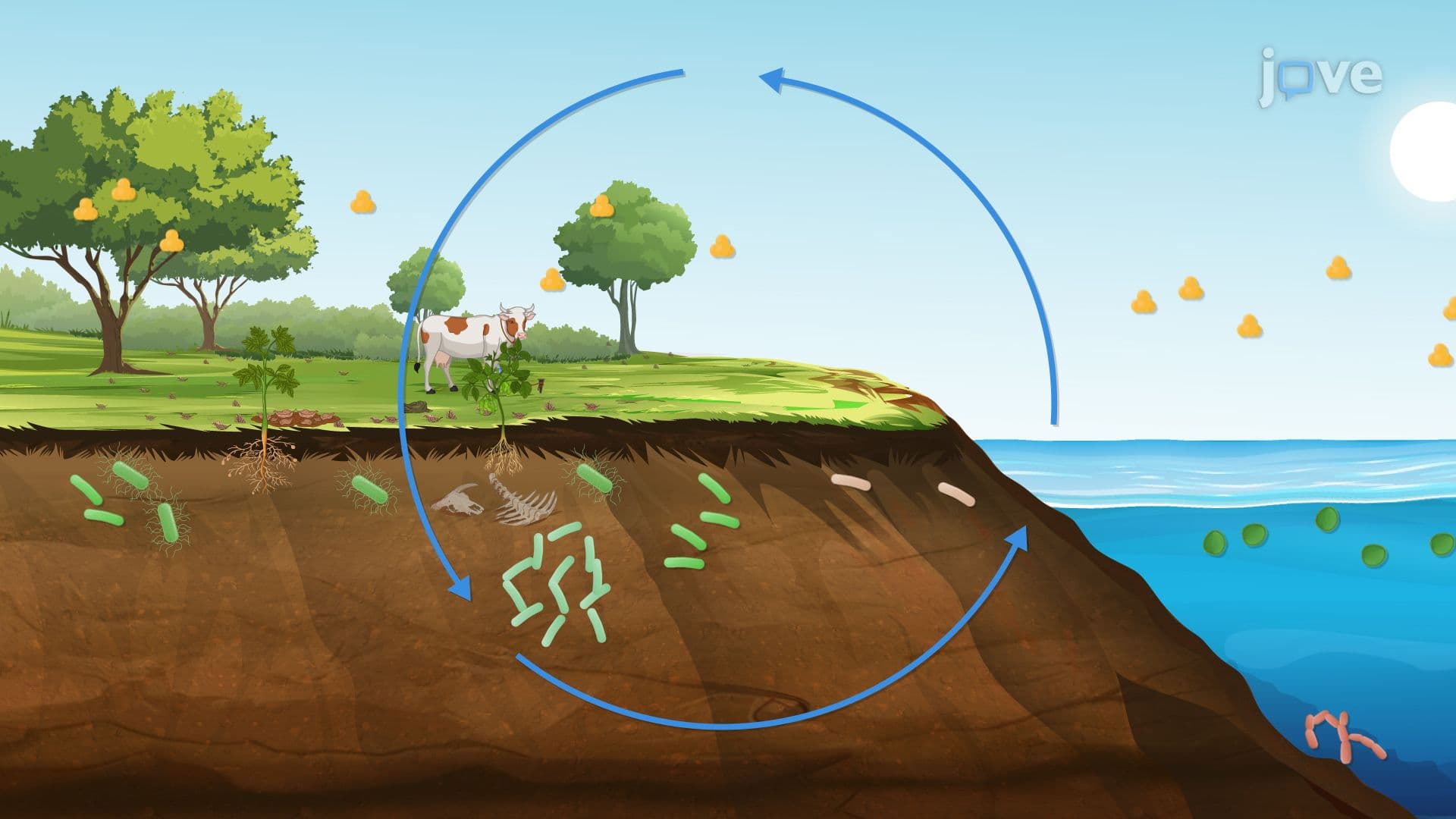
For students studying AP Environmental Science, AP Biology, or introductory college microbiology, microbial corrosion is a compelling application of biogeochemical cycling, redox chemistry, and microbial ecology. It illustrates how microorganisms shape their physical environment in ways that extend far beyond the carbon cycle, directly influencing the integrity of human-built infrastructure. Understanding MIC builds a foundation for topics like soil microbiology, water quality testing, and the broader question: how do microbes affect the environment?
Related Micro-courses