Loading subject page…

1,660 views

Video Summary: What Is Microbial Wastewater Treatment
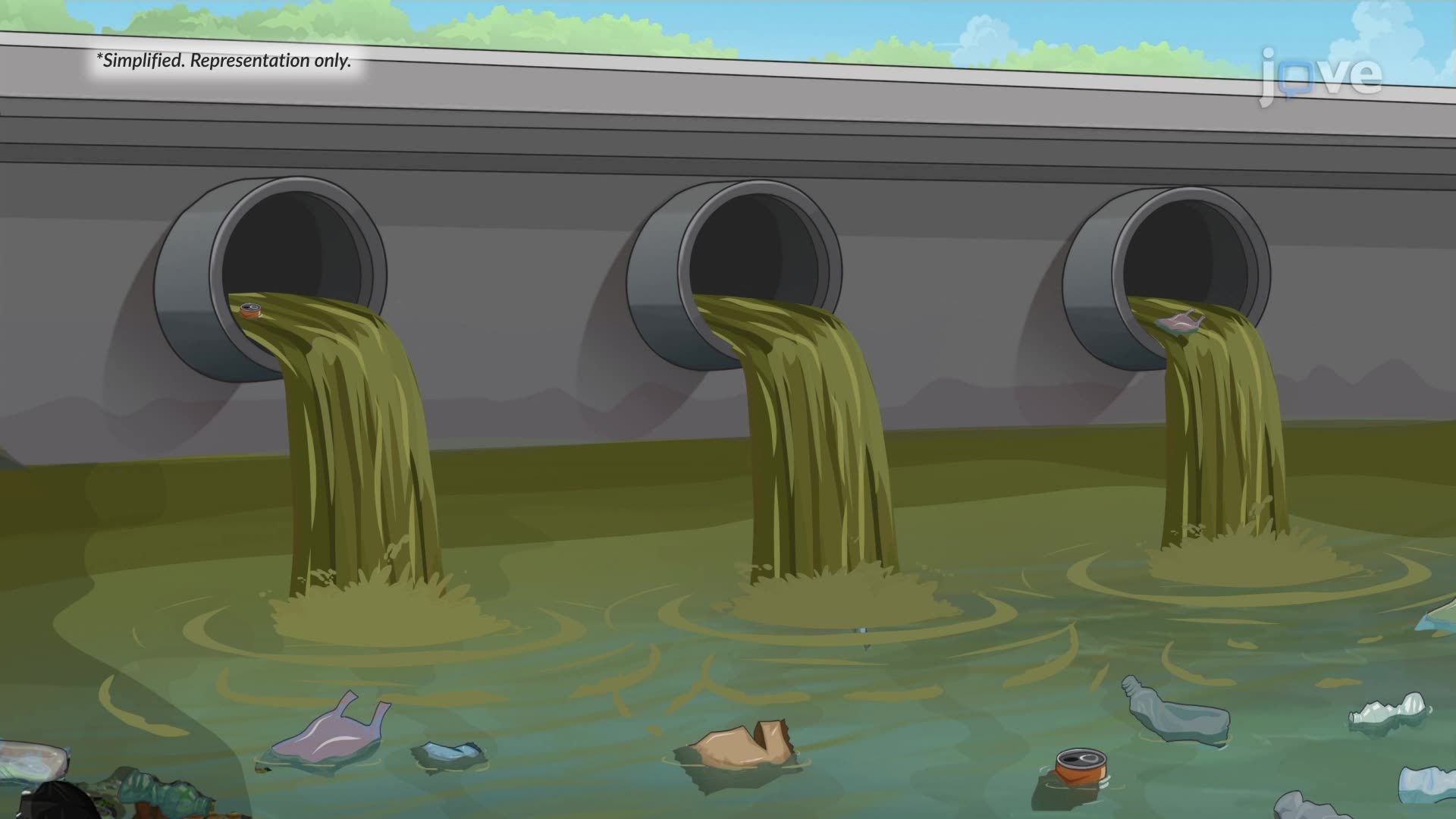
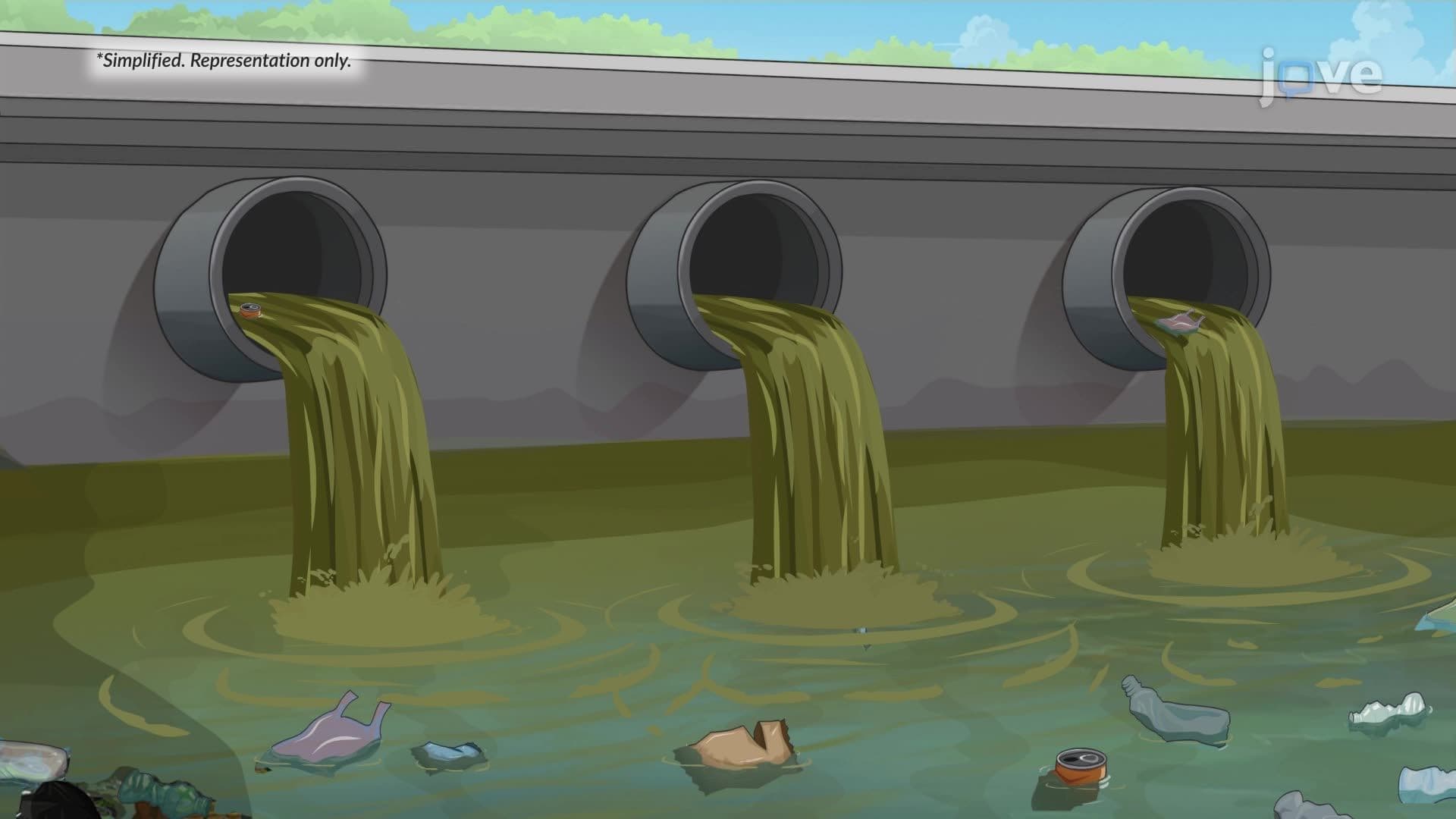
Did you know that invisible microbes in a municipal wastewater plant can remove up to 95% of organic pollutants before treated water re-enters rivers? Microbial wastewater treatment basics explain how bacteria and other microorganisms break down harmful contaminants through aerobic and anaerobic processes. From Chicago's Stickney Water Reclamation Plant to natural wetlands, What is Microbial Wastewater Treatment? is a question at the heart of environmental science. Watch the full video on JoVE Coach to master this concept with expert-led visuals and step-by-step explanations.
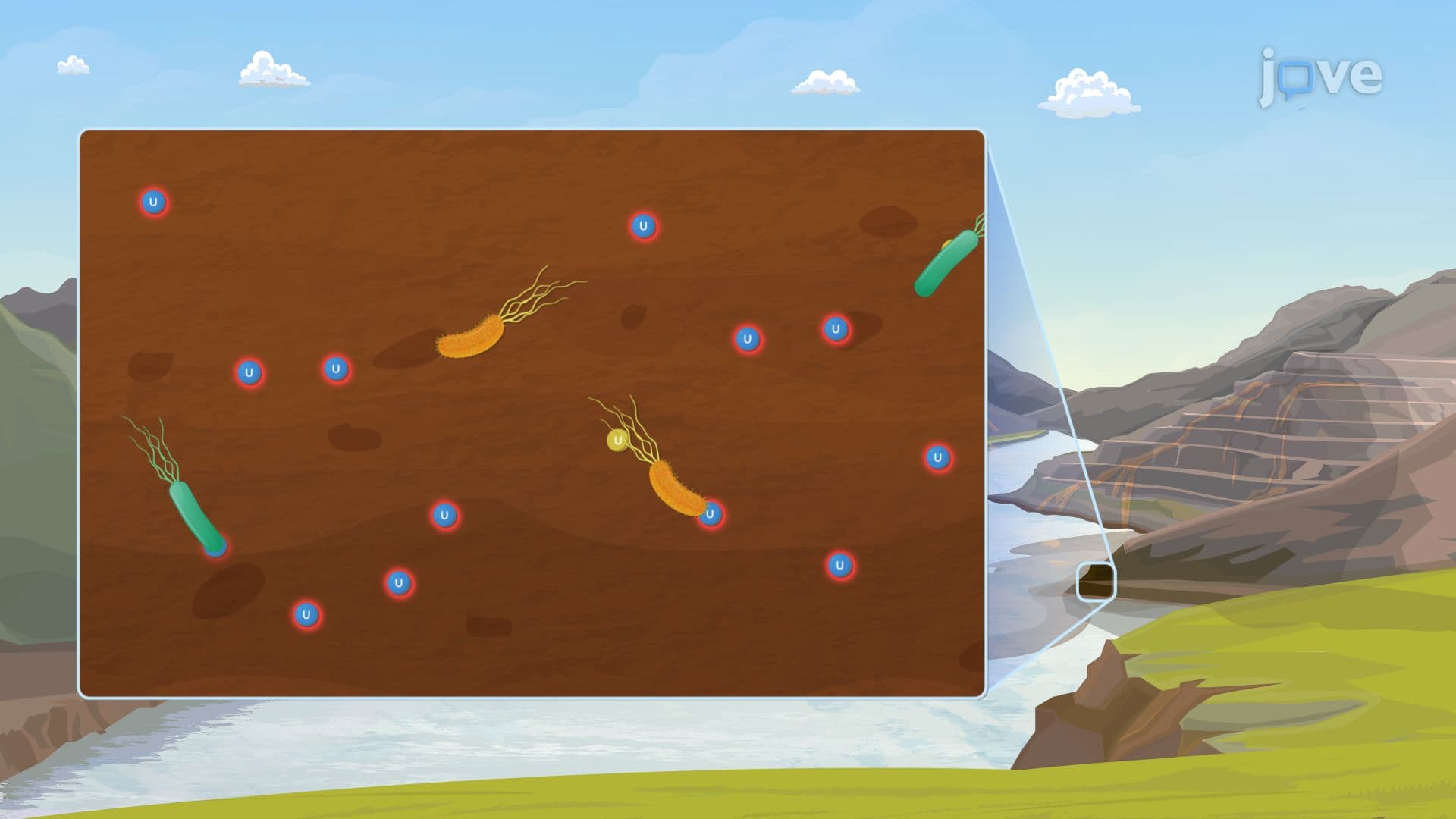
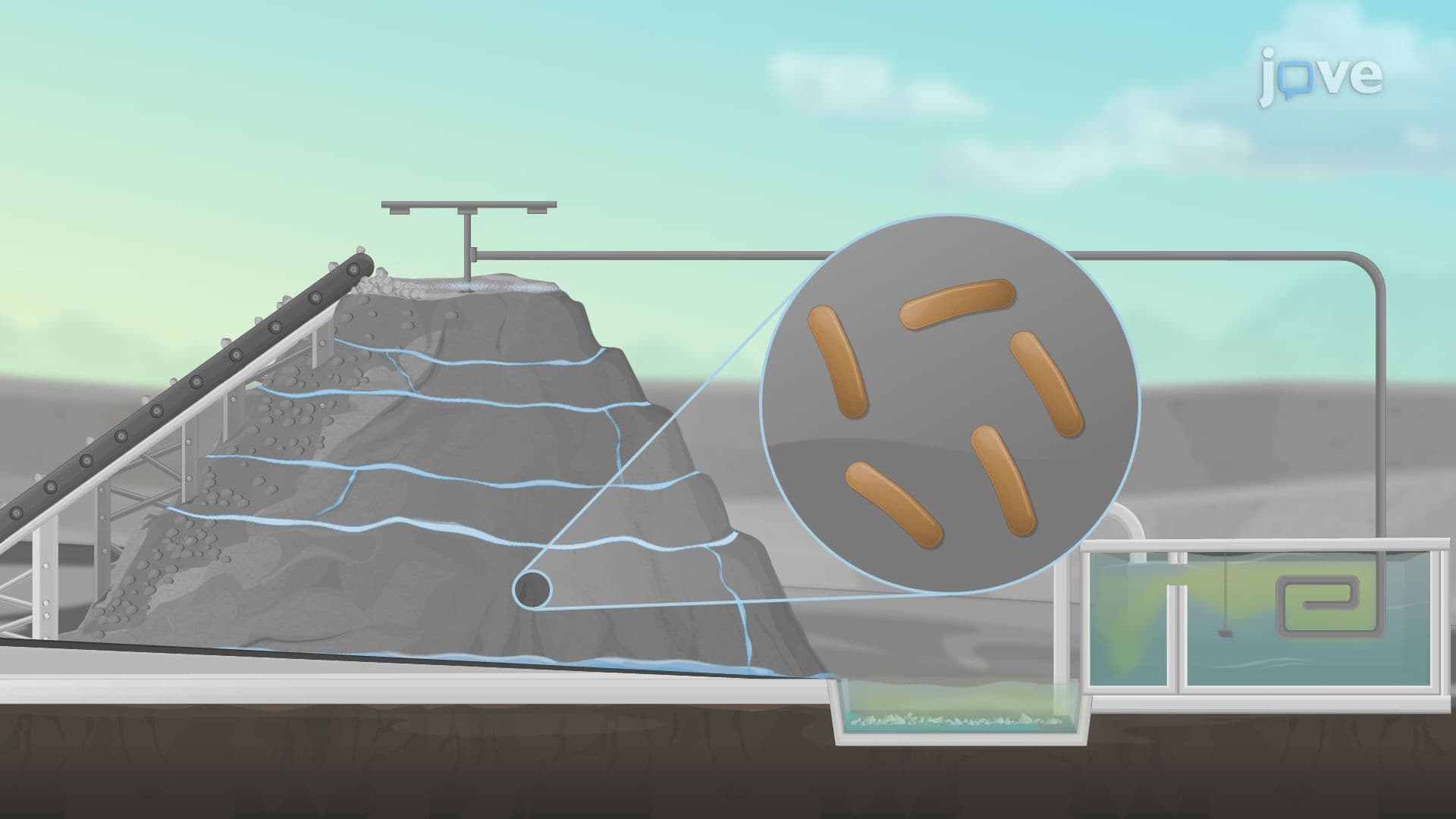
Microbial wastewater treatment refers to the use of naturally occurring or deliberately cultivated microbial communities to break down, transform, and remove contaminants from domestic sewage, agricultural runoff, and industrial effluents. These processes happen in both natural systems, rivers, wetlands, soils, and in engineered facilities like wastewater reclamation plants. Understanding this concept is foundational for AP Environmental Science, AP Biology, and introductory college courses in microbiology and environmental engineering.
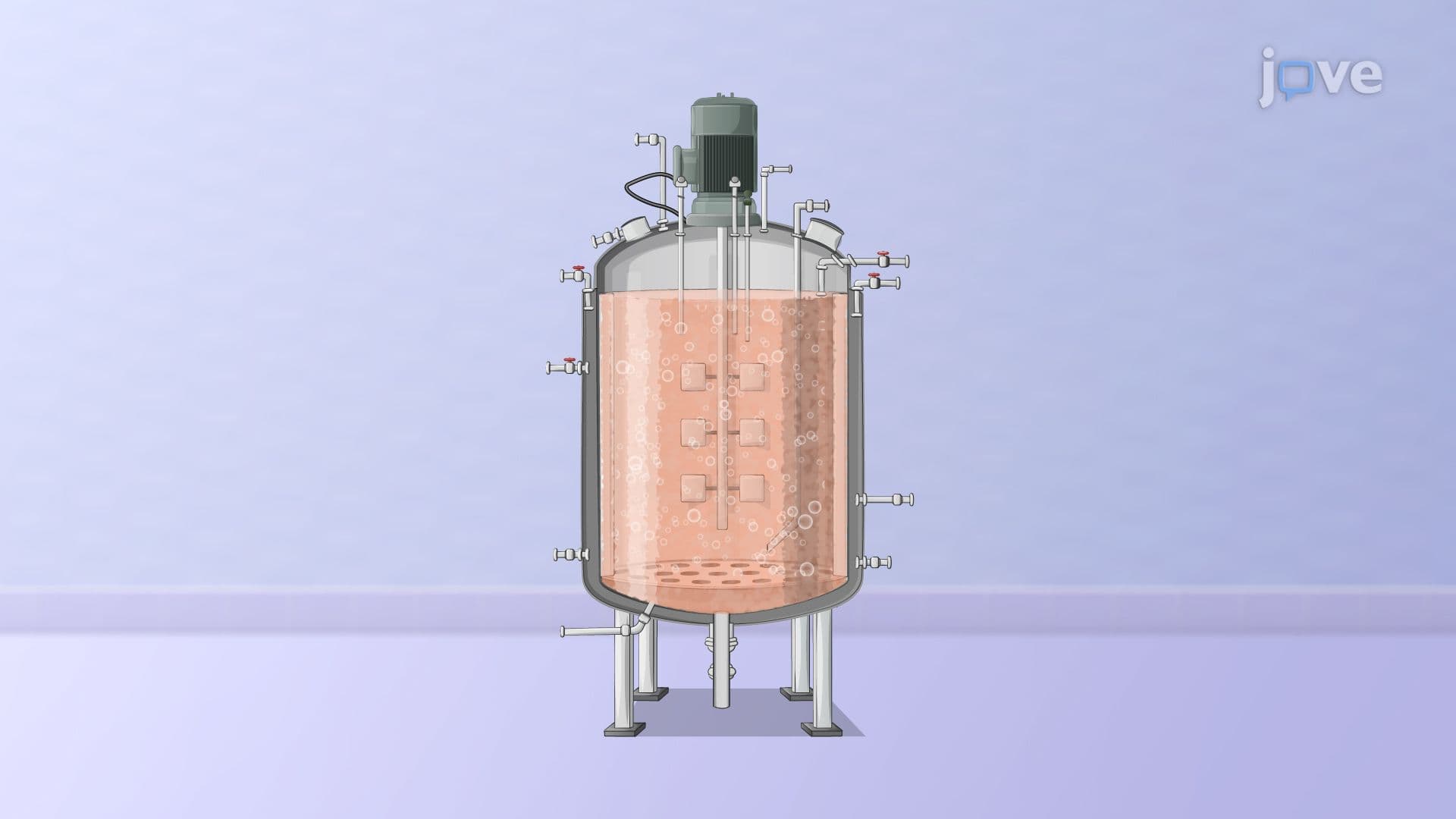
Microbial treatment is not a single process but a layered system. In oxygen-rich environments, aerobic heterotrophs oxidize dissolved organic carbon into carbon dioxide and new microbial biomass. This is exactly the biology modeled in the activated sludge tanks found at facilities like the Blue Plains Advanced Wastewater Treatment Plant in Washington, D.C. When oxygen is depleted, in deeper sediment layers or sealed digesters, anaerobic microbes take over. These organisms carry out fermentation, sulfate reduction, and methanogenesis, producing methane gas that some modern plants capture and convert to energy. This oxygen-based division of labor mirrors the layered zones (oxic, suboxic, anoxic) students encounter in aquatic ecology units.
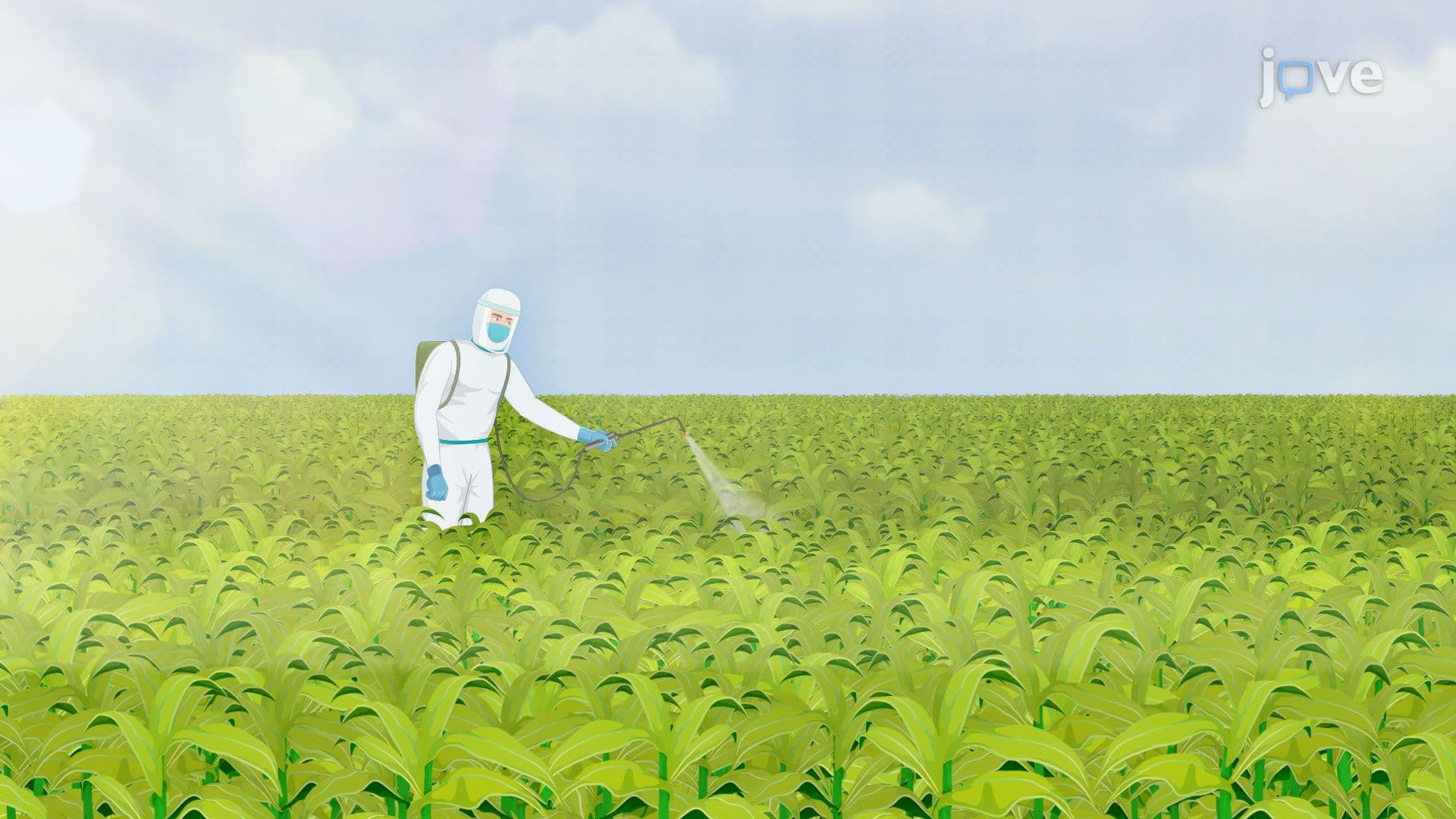
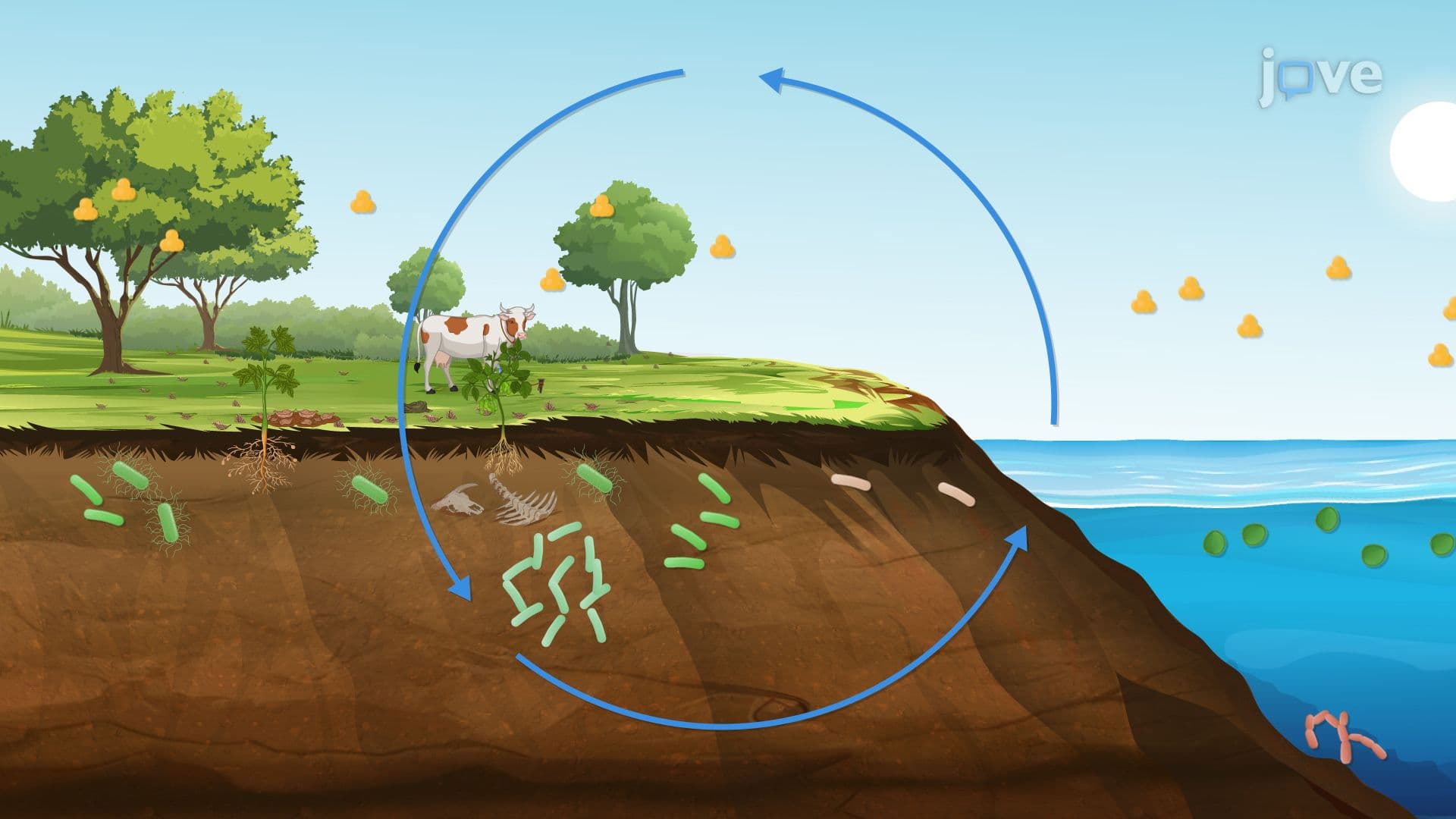
Nitrogen and phosphorus from fertilizer runoff and sewage discharge drive one of the most visible environmental consequences in US waterways: eutrophication. Excess nutrients fuel explosive algal blooms. As algae die and decompose, aerobic bacterial respiration depletes dissolved oxygen, creating hypoxic zones, like the well-documented "Dead Zone" in the Gulf of Mexico, linked to agricultural runoff from the Mississippi River Basin. Microbes do incorporate these nutrients into their biomass temporarily, but when those cells die and decay, the nutrients are released back into the water column. This cycle explains why natural microbial buffering alone cannot manage the volume of nutrient inputs that modern agriculture and urbanization generate, a concept directly tested on the AP Environmental Science exam.
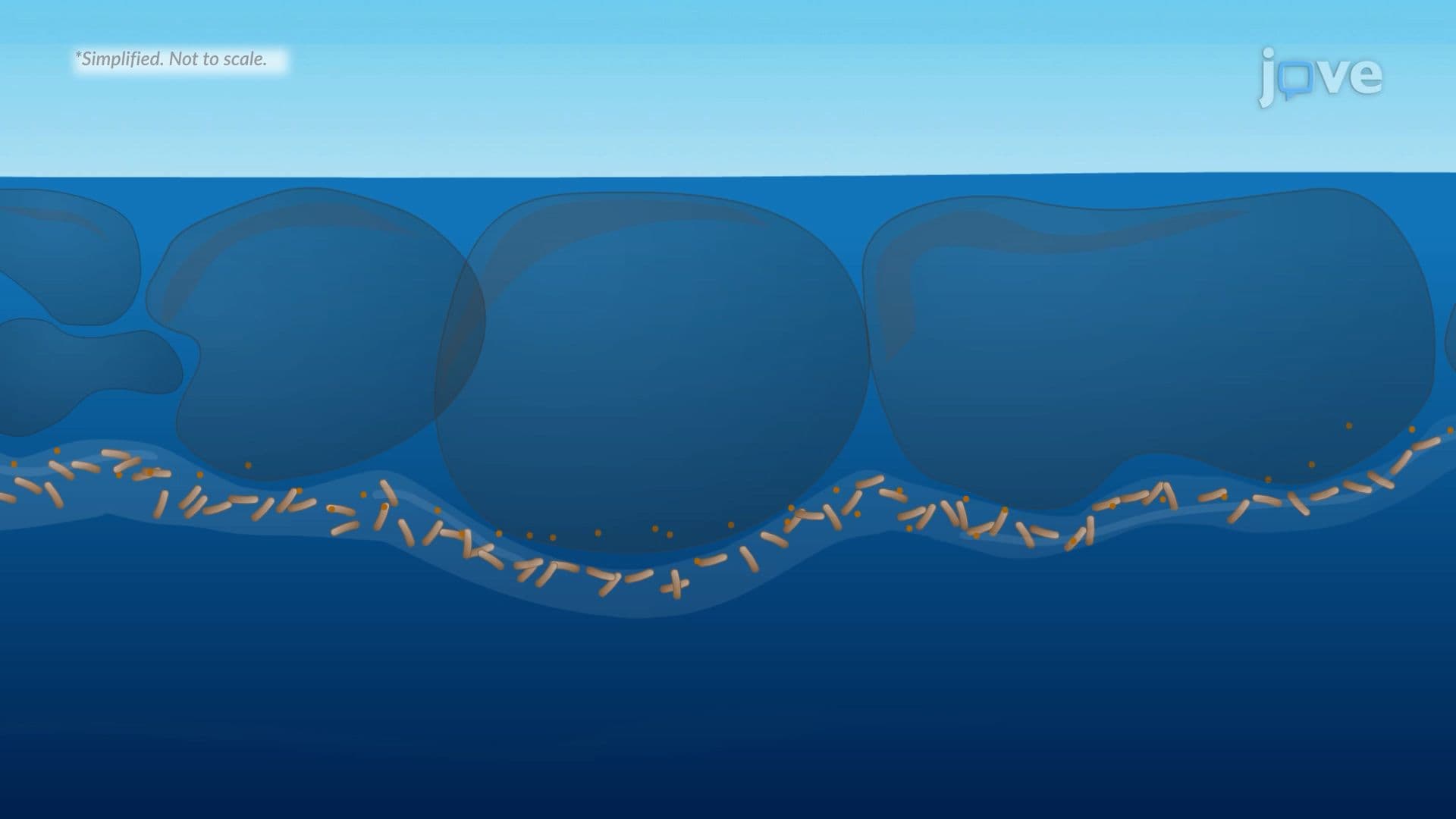
In natural and constructed wetlands, microbial biofilms, dense communities of bacteria anchored to surfaces, form on plant root systems. As water flows through the root zone, these biofilms act as biological filters, adsorbing, oxidizing, and transforming pollutants including ammonia, heavy metals, and pathogens. This is the principle behind constructed treatment wetlands used across the US, including the Tres Rios Wetlands in Phoenix, Arizona, which treats over 90 million gallons of reclaimed water daily while restoring riparian habitat. This real-world application of bioremediation demonstrates how microbial ecology directly supports sustainable water infrastructure.
Students preparing for the MCAT, AP Biology, or college midterms in environmental science should recognize that microbial wastewater treatment integrates multiple core ideas: biogeochemical cycling, microbial metabolism, ecosystem services, and water quality testing protocols. Questions often ask students to predict what happens when oxygen levels drop, explain why nutrient removal requires multiple treatment stages, or analyze data from dissolved oxygen and biochemical oxygen demand (BOD) measurements. Mastering this topic builds a strong conceptual bridge between cell biology, ecology, and applied environmental science.
Related Micro-courses