Loading video…

 11 Concepts
 1.7K views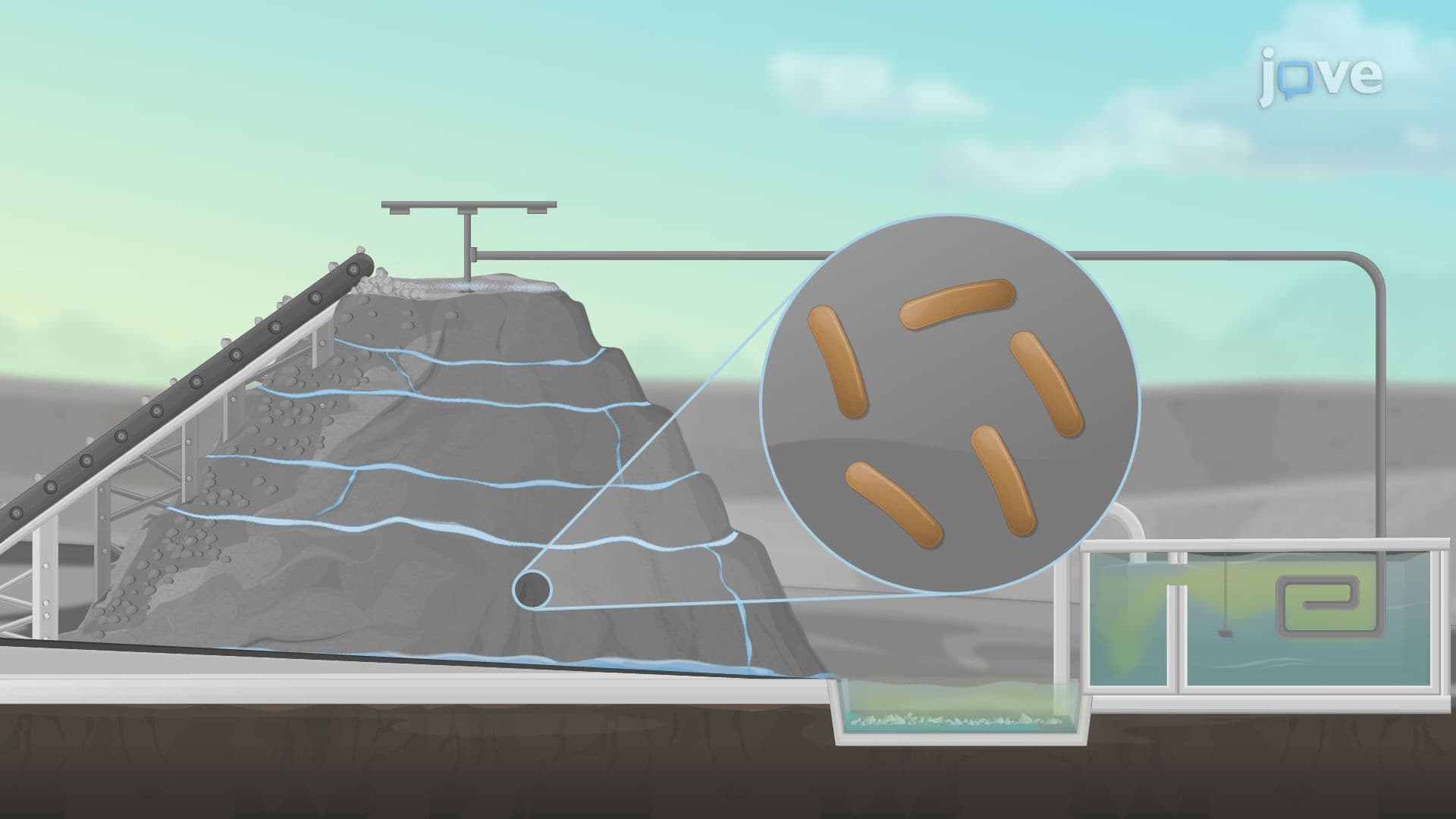

Video Summary: What Is Microbial Leaching
Did you know bacteria can mine copper more efficiently than traditional smelting? Microbial leaching, also called bioleaching, is a biotechnology process where microorganisms extract valuable metals from low-grade ores. At copper mining operations across the American West, companies like Freeport-McMoRan use this method to recover copper that conventional methods would abandon as unprofitable. Watch the full video on JoVE Coach to master this concept with expert-led visuals and step-by-step explanations.
Microbial leaching, or bioleaching, is a process in which specific bacteria chemically extract metals, most commonly copper, gold, and uranium, from low-grade ores that are too poor in mineral content to process economically through traditional smelting. Rather than using high-temperature furnaces or harsh industrial chemicals at large scale, bioleaching harnesses the natural metabolic activity of chemolithotrophic bacteria, organisms that obtain energy by oxidizing inorganic compounds. This makes microbial leaching one of the most compelling intersections of microbial ecology, industrial chemistry, and environmental science, and it's a topic that appears across AP Environmental Science, AP Biology, and introductory college microbiology and geochemistry courses.
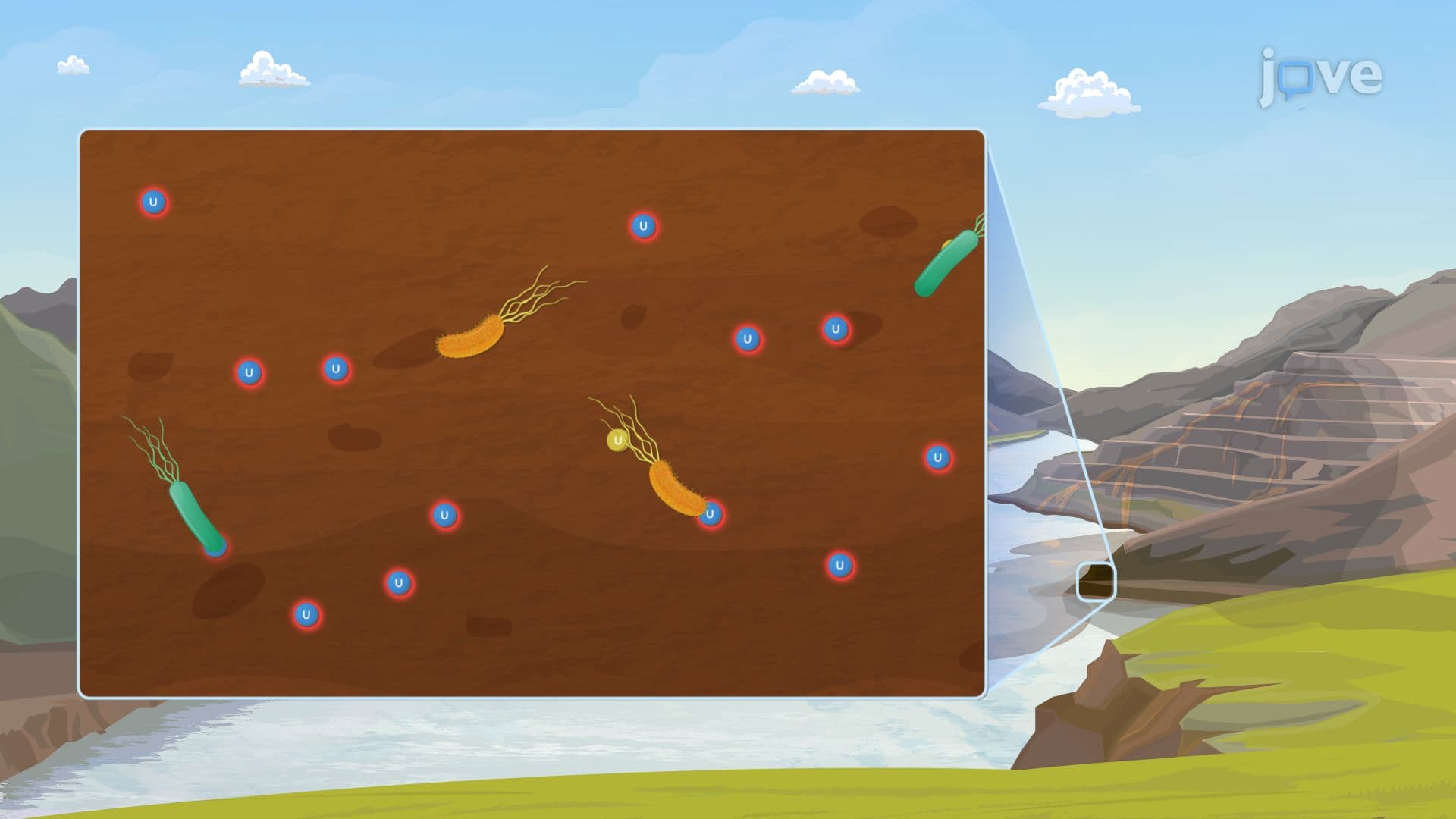
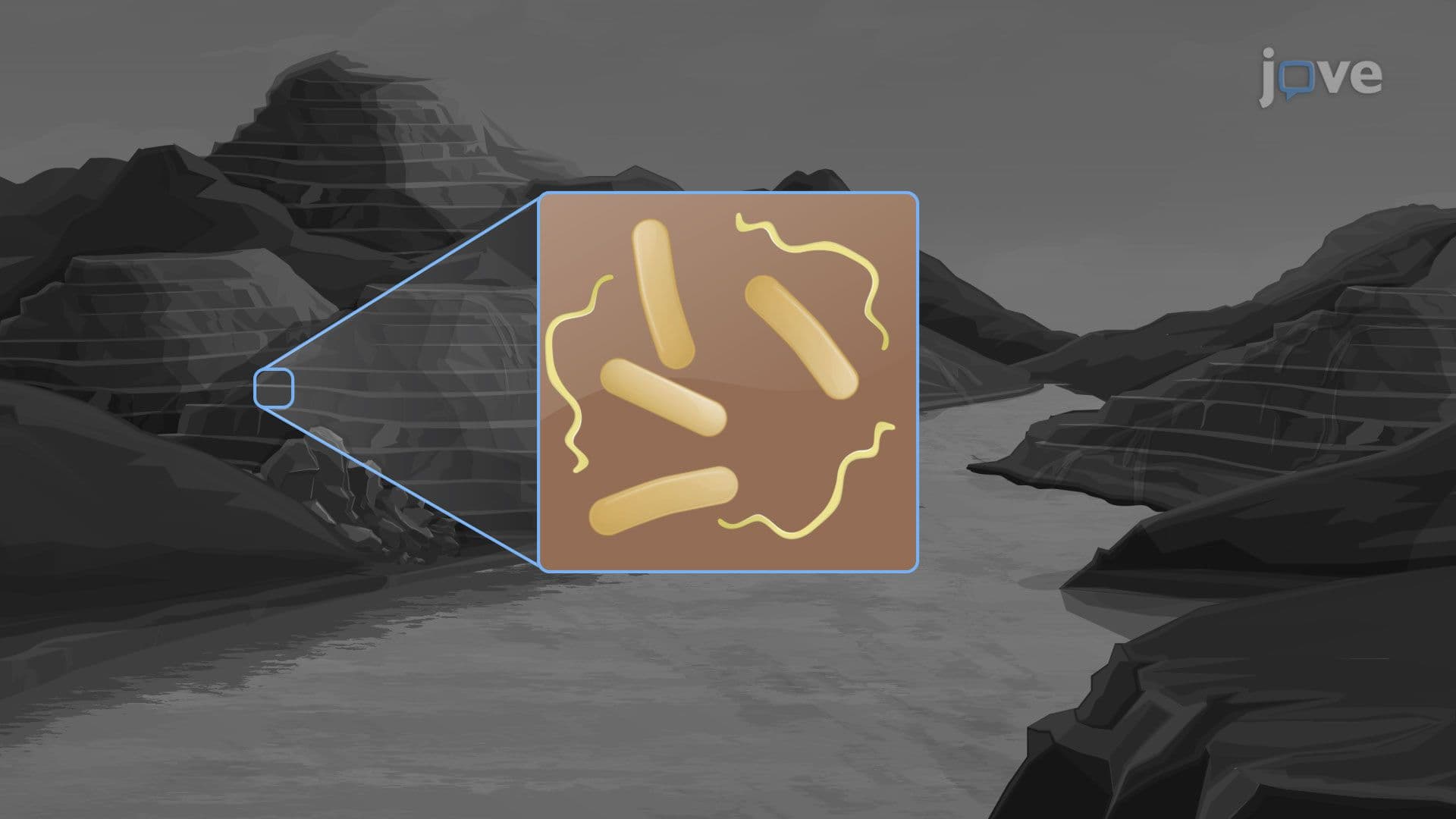
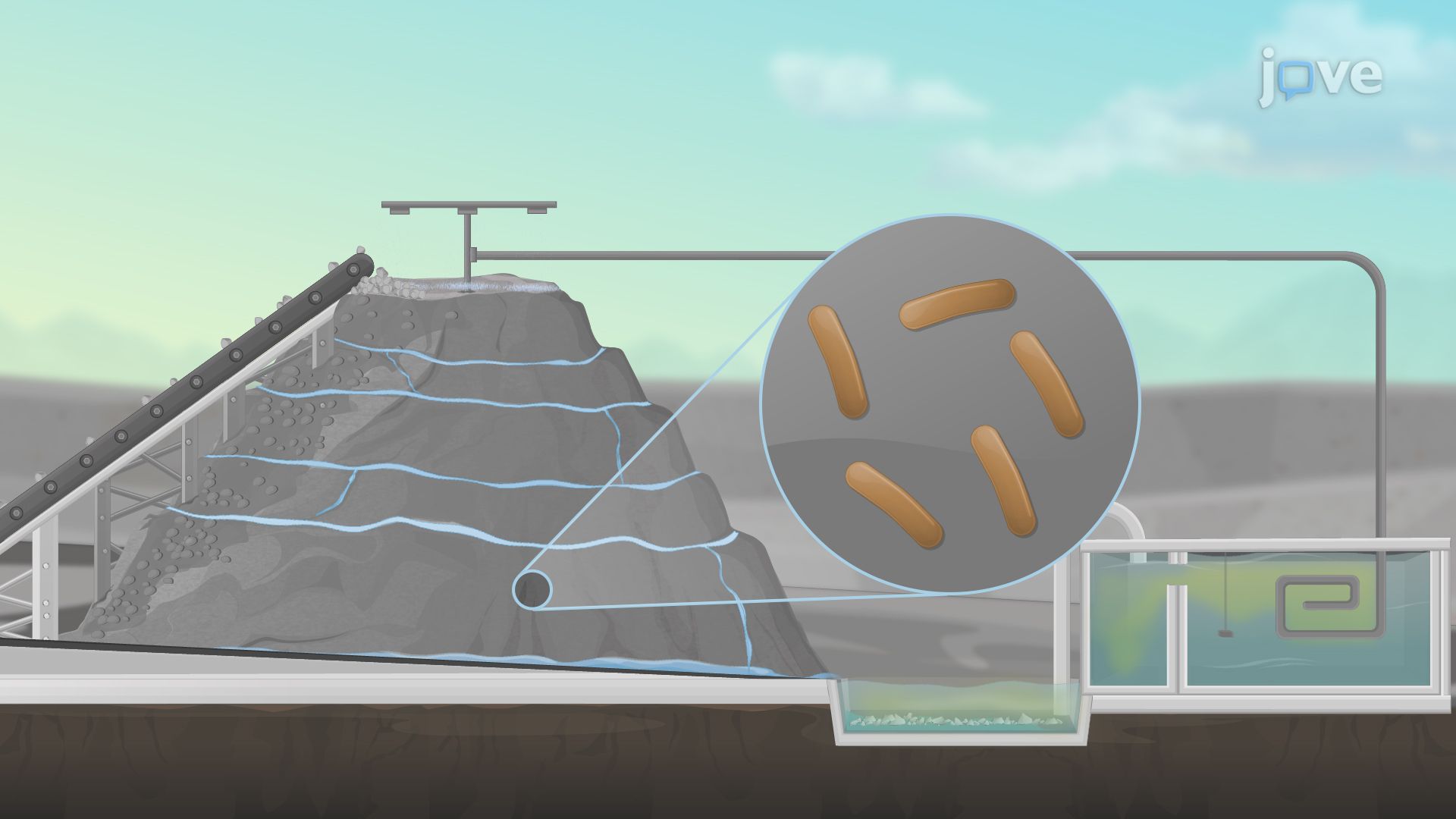
The bacterium most central to microbial leaching is *Acidithiobacillus ferrooxidans* (formerly *Thiobacillus ferrooxidans*). This remarkable microorganism thrives in highly acidic conditions, pH levels as low as 1.5, that would be lethal to most living things. It accomplishes two critical tasks simultaneously: it oxidizes ferrous iron (Fe²⁺) to ferric iron (Fe³⁺), and it oxidizes sulfur compounds back into sulfuric acid. Ferric iron is the actual chemical agent that attacks copper sulfide minerals in the ore, stripping away copper ions. Meanwhile, the regenerated sulfuric acid maintains the acidic environment that keeps the bacteria active and productive. This self-sustaining chemistry is what makes the system remarkably efficient over long periods.
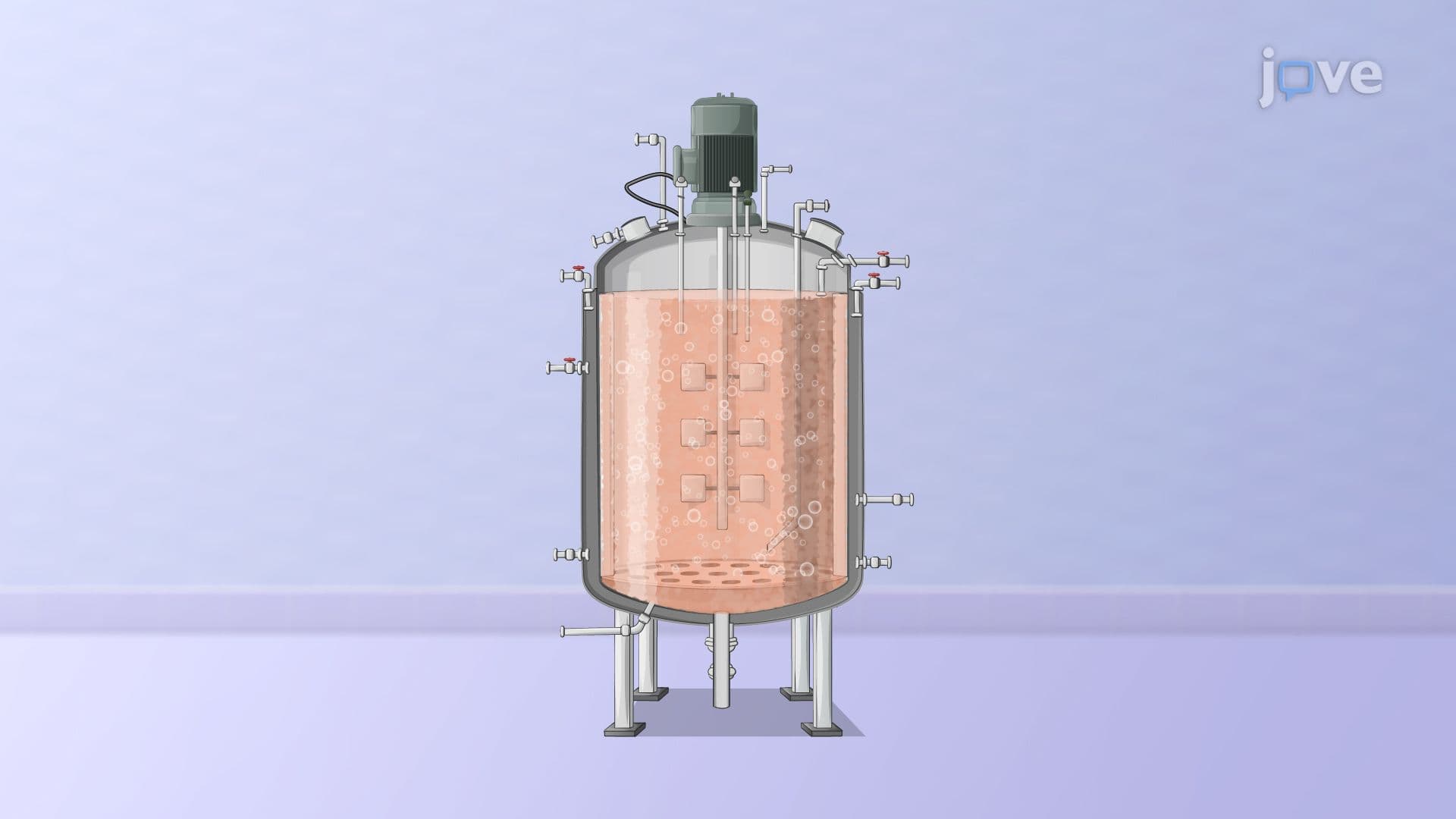
In a typical heap leaching operation, like those operating in Arizona, Nevada, and New Mexico, crushed ore is piled into large heaps and irrigated from above with dilute sulfuric acid. This acidic irrigation mobilizes iron from iron sulfide minerals naturally present in the ore, creating conditions favorable for *A. ferrooxidans*. As ferric iron generated by the bacteria reacts with copper sulfides, copper ions dissolve into the liquid flowing downward through the heap. This copper-rich liquid, called the leachate, is collected at the base and routed to recovery tanks. There, scrap iron is added, a classic displacement reaction in which iron, being more reactive than copper, forces copper out of solution as solid metallic copper. The byproduct, ferrous iron solution, is pumped to aerated ponds where bacteria reoxidize it back to ferric iron, which is then recycled back to the ore heap. The result is a closed-loop biological and chemical system.
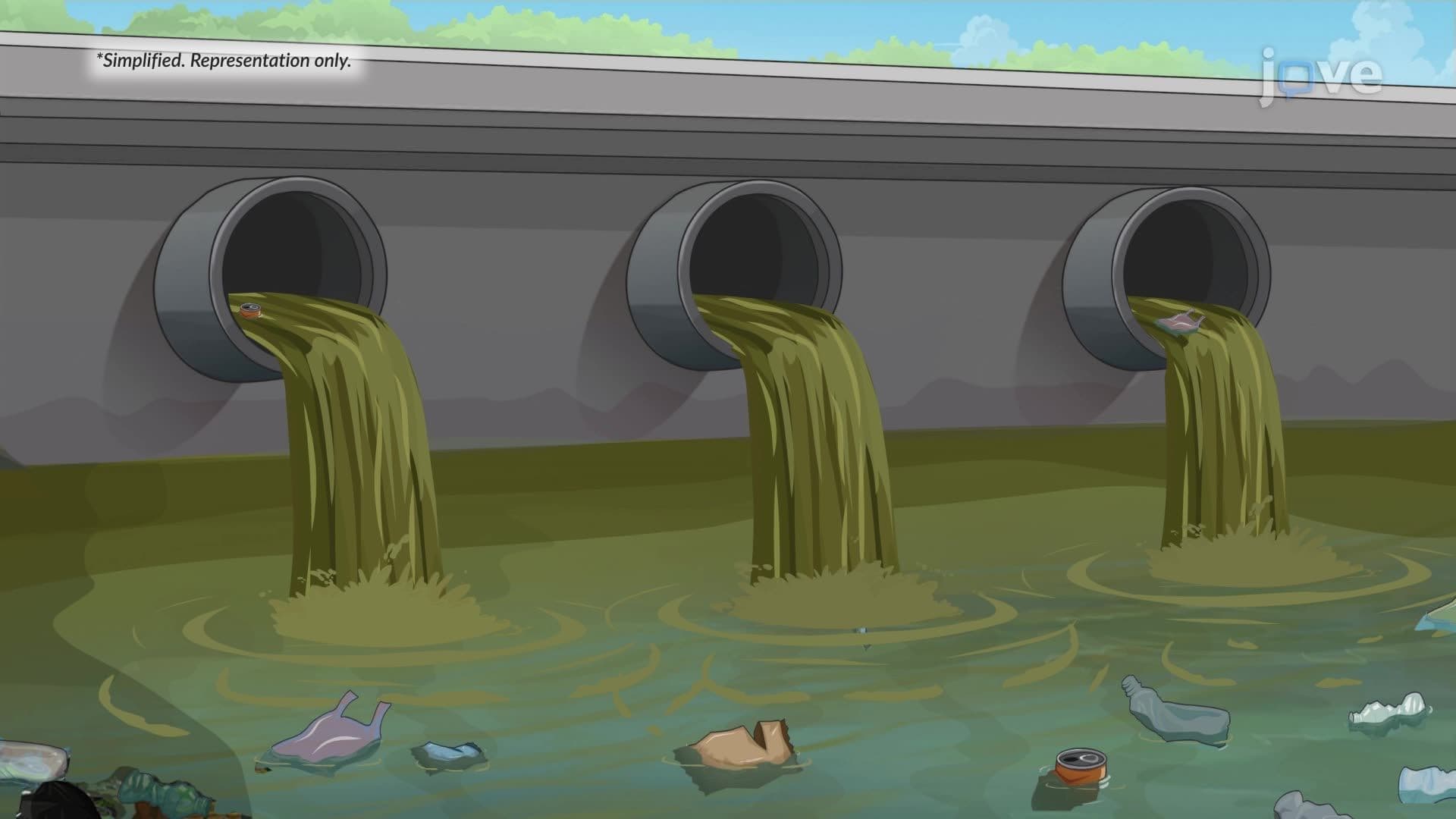
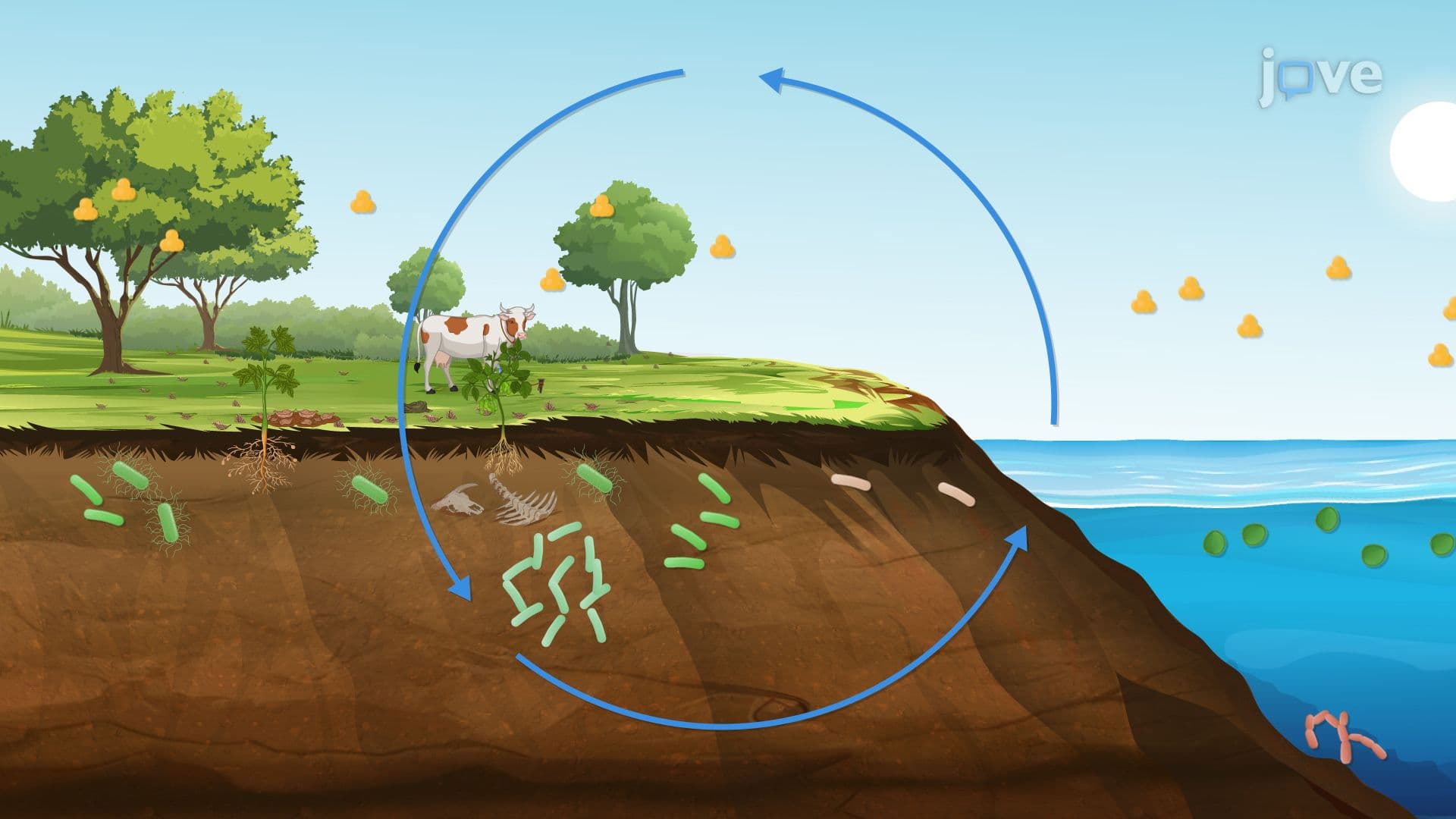
Microbial leaching is a vivid real-world example of biogeochemical cycling, specifically the iron and sulfur cycles, driven by microbial activity. Understanding this process builds directly on foundational concepts in soil microbiology and microbial ecology. It also has important connections to bioremediation: the same bacterial groups that drive bioleaching can mobilize heavy metals in contaminated soils, which is both a tool for cleanup and a potential environmental hazard if acid mine drainage contaminates nearby waterways. The US Environmental Protection Agency (EPA) monitors acid mine drainage as a major water quality concern in mining regions. Students studying for the AP Environmental Science exam or college-level environmental microbiology should be prepared to discuss how microbial metabolism can simultaneously offer industrial benefits and pose ecological risks. This dual nature makes microbial leaching an ideal case study for evaluating human impacts on the environment at the intersection of chemistry, biology, and policy.
Related Micro-courses