Loading video…

 11 Concepts
 1.7K views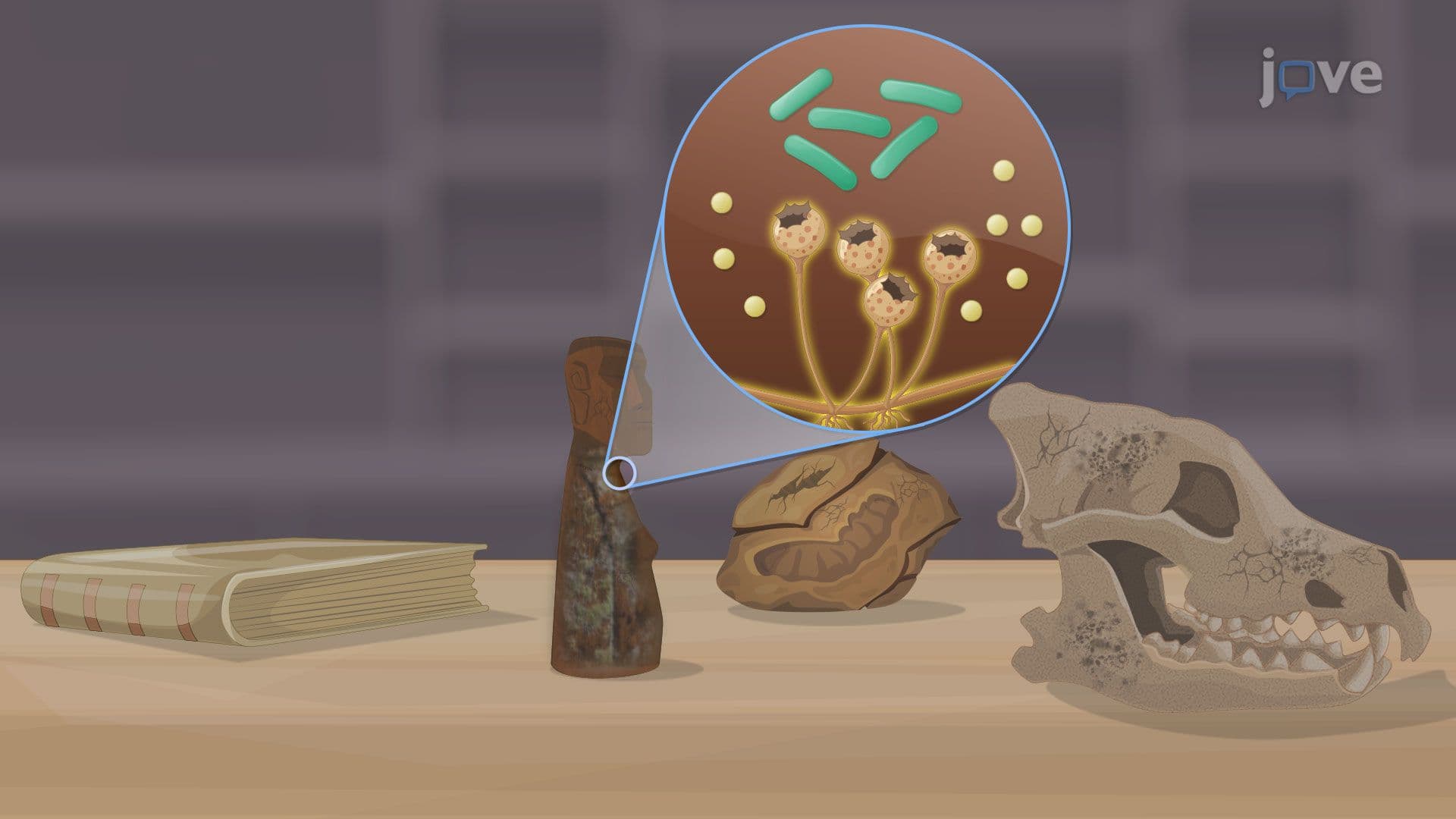

Video Summary: What Is Biodeterioration
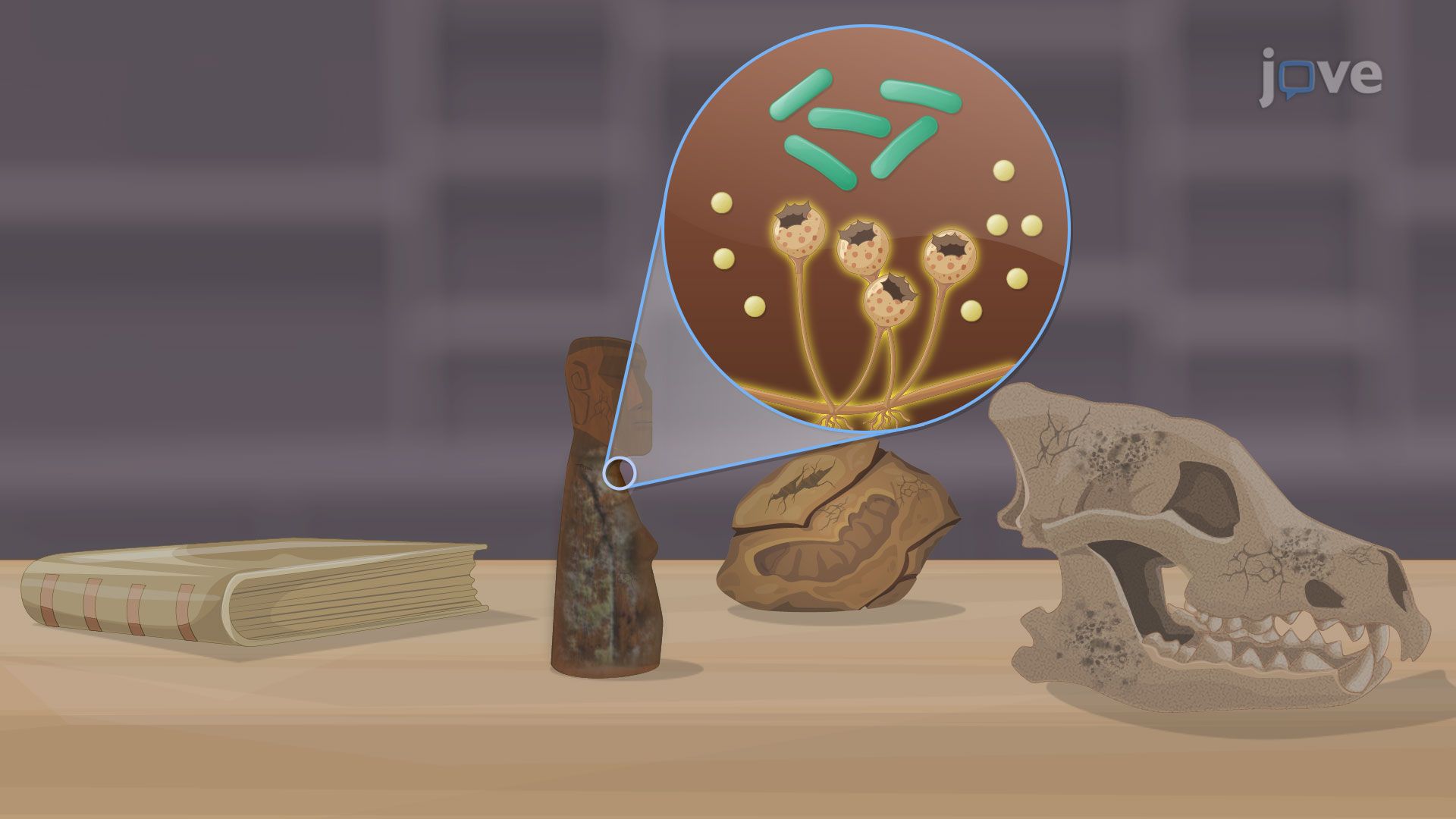
Did you know ancient documents stored in US archives can crumble, not from age alone, but from microscopic fungi? Biodeterioration describes the undesirable breakdown of materials like wood, paper, stone, and bone driven by biological activity. Fungi are key culprits, physically and chemically attacking materials, even irreplaceable fossils at institutions like the Smithsonian. Understanding what is biodeterioration helps explain why preservation matters. Watch the full video on JoVE Coach to master this concept with expert-led visuals and step-by-step explanations.
Biodeterioration is the undesirable alteration or degradation of materials caused by the metabolic activity of living organisms, primarily microbes such as fungi, bacteria, and algae. Unlike simple weathering or mechanical wear, biodeterioration is biologically driven, meaning living organisms actively break down the structure of materials. This distinction is critical in environmental science, materials science, and microbiology courses at both the AP and introductory college levels.
Fungi are among the most destructive agents of biodeterioration because they can colonize nearly any organic or mineral-rich surface. Their thread-like structures, called hyphae, physically penetrate materials, forcing apart fibers, widening cracks, and creating surface pits. This process, known as biopitting, has been documented on stone monuments, museum artifacts, and architectural structures across the United States, from sandstone statues at the National Cathedral in Washington, D.C., to wooden structures in the humid southeastern states.
Fungal biodeterioration works through two overlapping pathways. Physically, hyphae penetrate deep into substrates, causing fiber separation in paper, cracking in wood, and surface erosion in stone. Chemically, fungi secrete specialized enzymes: cellulases break down cellulose in plant-based materials like paper and wood, while ligninases degrade lignin, the structural polymer that gives wood its rigidity. The products of this enzymatic breakdown are small molecules that the fungi absorb as nutrients, essentially eating the material from within.
On fossil specimens and mineral-rich bones, like those housed in natural history museums across the US, fungi release organic acids that lower the local pH. This acidic environment dissolves calcium phosphate and carbonate minerals, forming secondary mineral crusts on the surface and weakening the structural integrity of the fossil. Fungal pigments, particularly melanins, compound the damage by permanently staining surfaces, a major challenge for conservators working to restore artifacts.
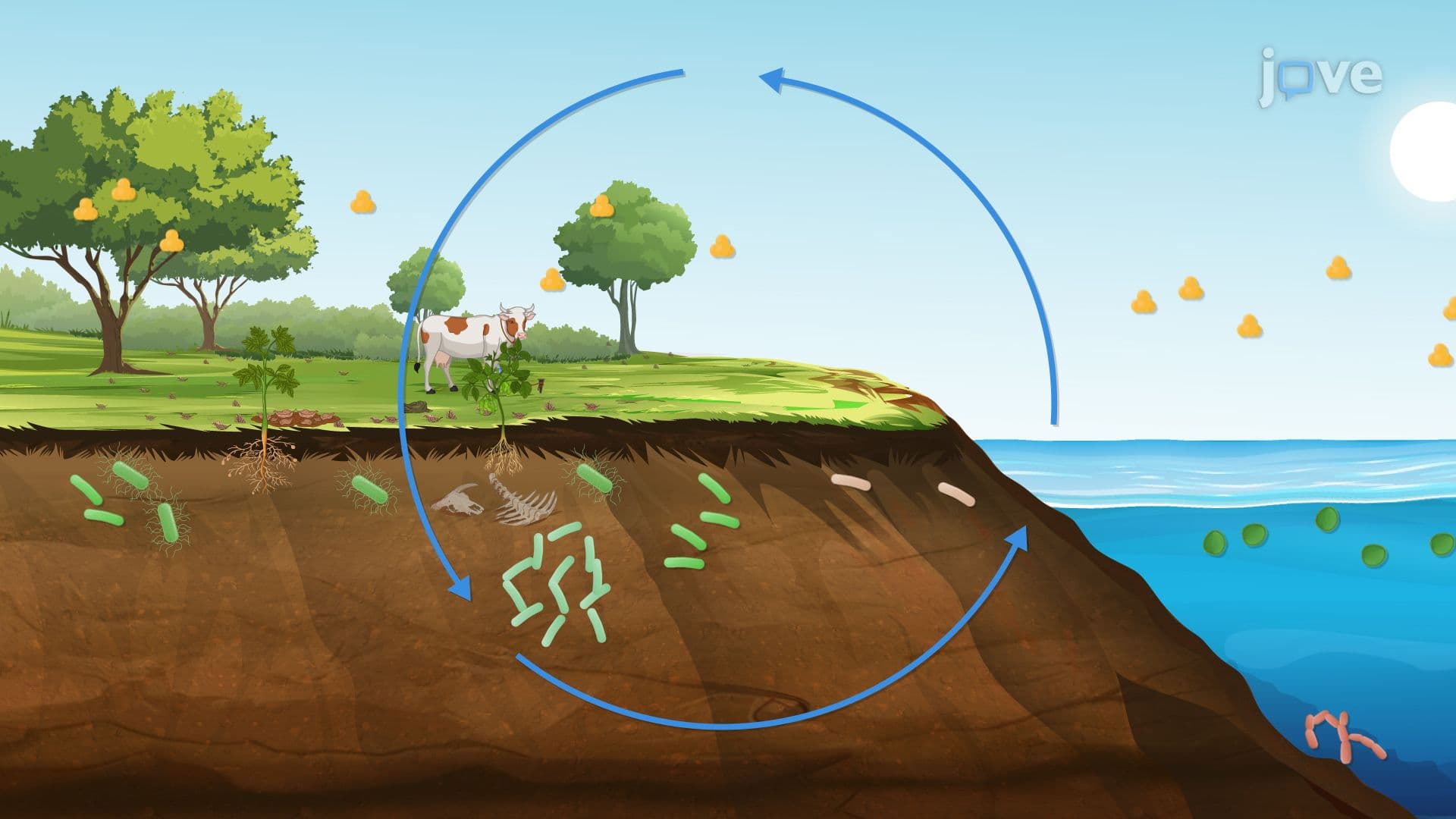
Biodeterioration does not happen in isolation, it is part of the broader picture of how microorganisms interact with their environment. The same enzymatic processes that destroy a library manuscript are, in natural ecosystems, essential to decomposition, soil microbiology, and biogeochemical cycling. Fungi and bacteria that degrade cellulose and lignin are the primary drivers of the carbon cycle in forest soils, converting organic matter into CO₂ and nutrient-rich compounds that feed other organisms.
This overlap is why biodeterioration concepts appear in AP Environmental Science and college-level microbial ecology courses. Understanding how microbes affect the environment, whether by recycling carbon in forests or corroding a historic wooden ship, draws on the same core biochemical principles.
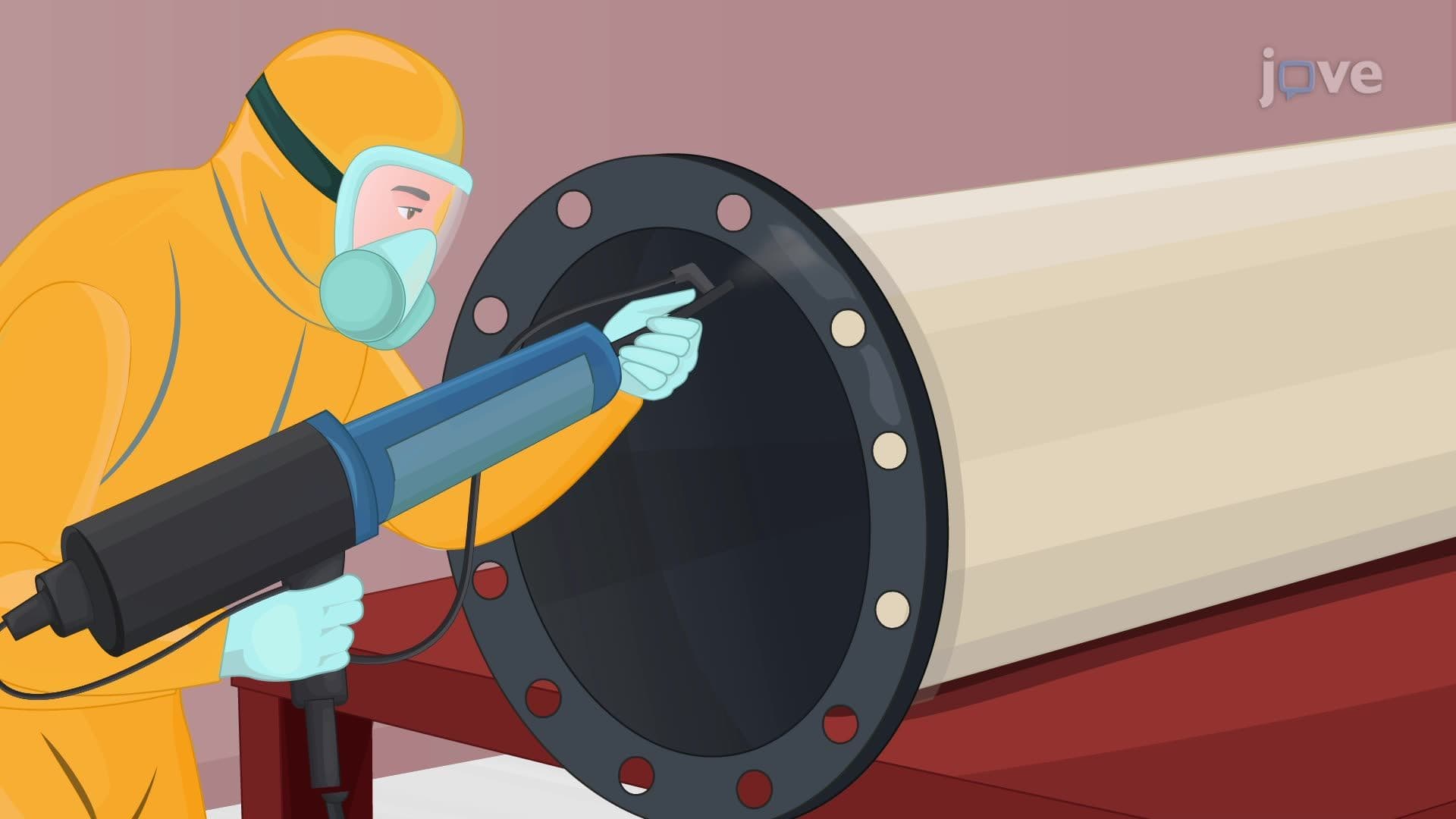
Preventing biodeterioration requires controlling the environmental factors that allow microbial growth. In practice, US museums, archives, and libraries, such as the Library of Congress, maintain strict climate control protocols: regulating relative humidity below 60%, controlling temperature, filtering air to reduce spore-carrying dust, and preventing water intrusion. Antifungal chemical treatments and protective antimicrobial coatings are applied to vulnerable surfaces to halt active deterioration.
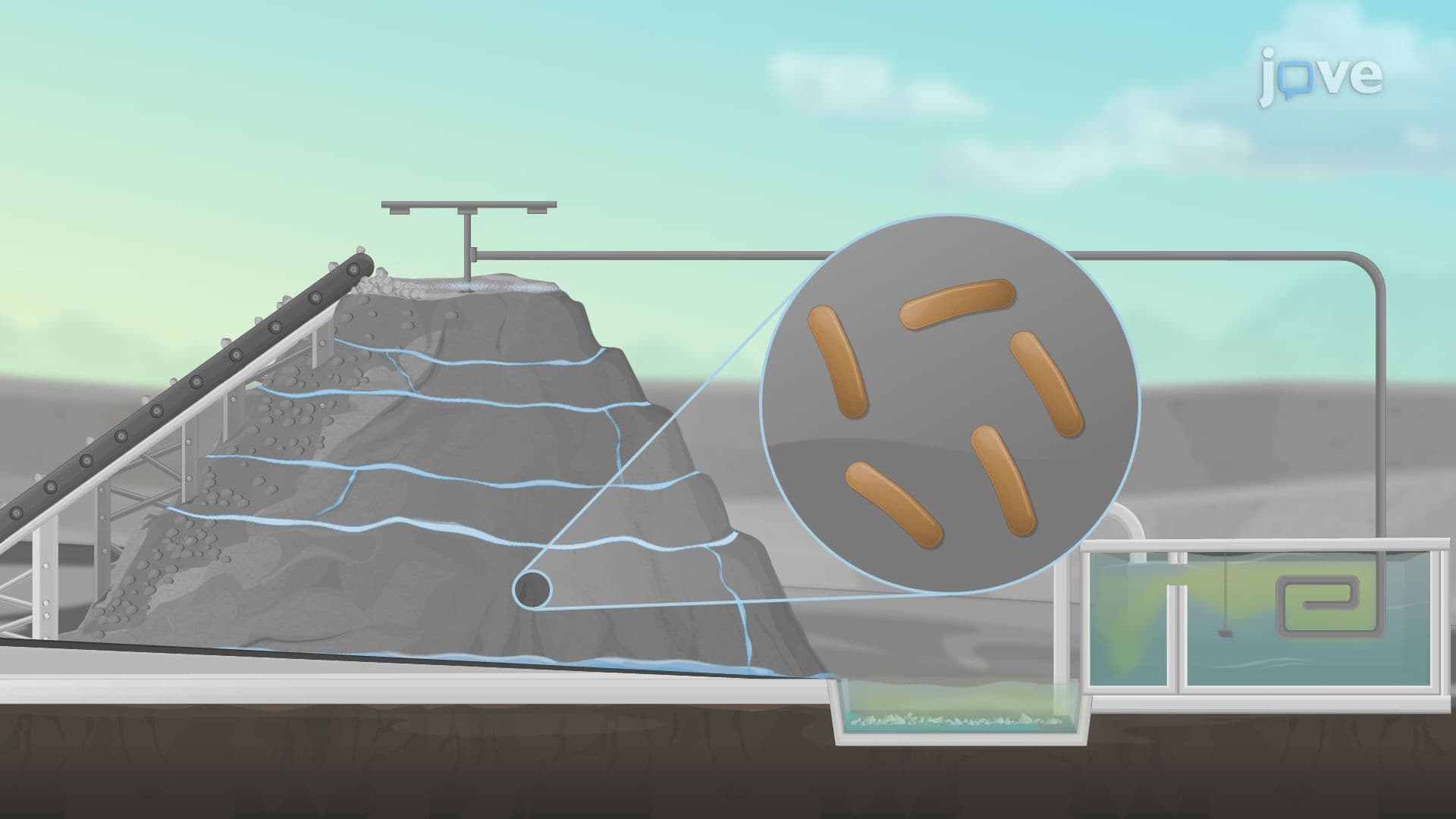
Interestingly, the field of bioremediation, where microbes are deliberately used to clean up pollutants, draws on a deep understanding of the same microbial mechanisms that cause biodeterioration. Knowing how fungi and bacteria break down complex organic molecules is central to wastewater treatment, soil remediation, and water quality testing applications. On exams including AP Biology, AP Environmental Science, and college midterms, students should be prepared to connect biodeterioration mechanisms to these broader ecological and applied contexts.
Related Micro-courses