Loading subject page…

1,660 views

Video Summary: What Is Acid Mine Drainage
Abandoned mines in Pennsylvania have turned entire rivers orange, and the culprit is acid mine drainage. This environmental chemistry process begins when mining exposes sulfide minerals to air and water, triggering reactions that generate sulfuric acid. Bacteria like *Acidithiobacillus ferrooxidans* accelerate the cycle, ultimately poisoning US waterways with toxic metals. Watch the full video on JoVE Coach to master this concept with expert-led visuals and step-by-step explanations.
Acid mine drainage (AMD) is one of the most widespread and costly environmental problems associated with mining in the United States. It occurs when sulfide-bearing minerals, most commonly pyrite (iron sulfide, or FeS2), are exposed to oxygen and water during mining operations. The result is the spontaneous generation of sulfuric acid, which leaches into groundwater, streams, and soils, creating conditions so toxic that entire aquatic ecosystems can collapse. Understanding AMD is essential for AP Environmental Science students, college-level ecology and geochemistry courses, and anyone interested in real-world environmental challenges.
The process begins with a straightforward oxidation reaction: when pyrite contacts water and oxygen, it breaks down to release ferrous iron (Fe2+) and sulfuric acid (H2SO4). This initial reaction lowers the pH of surrounding water significantly. Under normal conditions, this process is relatively slow. However, the chemistry accelerates dramatically once ferrous iron is oxidized to ferric iron (Fe3+). Ferric iron is a powerful oxidizing agent that attacks additional pyrite, generating even more acid and iron, a runaway cycle that can persist for decades or even centuries after a mine closes. The Appalachian coal region and the Iron Mountain Superfund Site in northern California are two prominent US examples where this cycle has caused catastrophic, long-lasting damage.
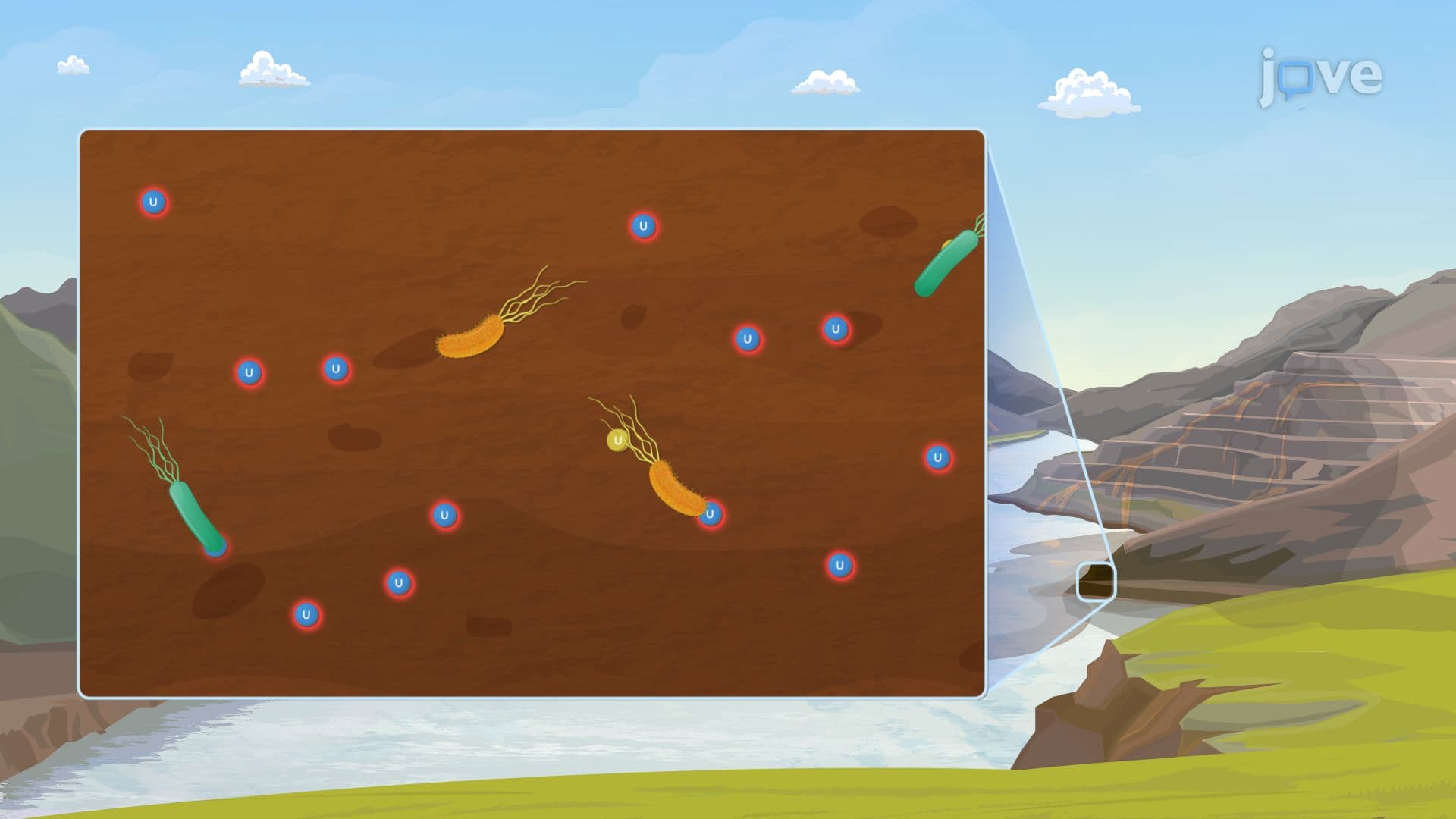
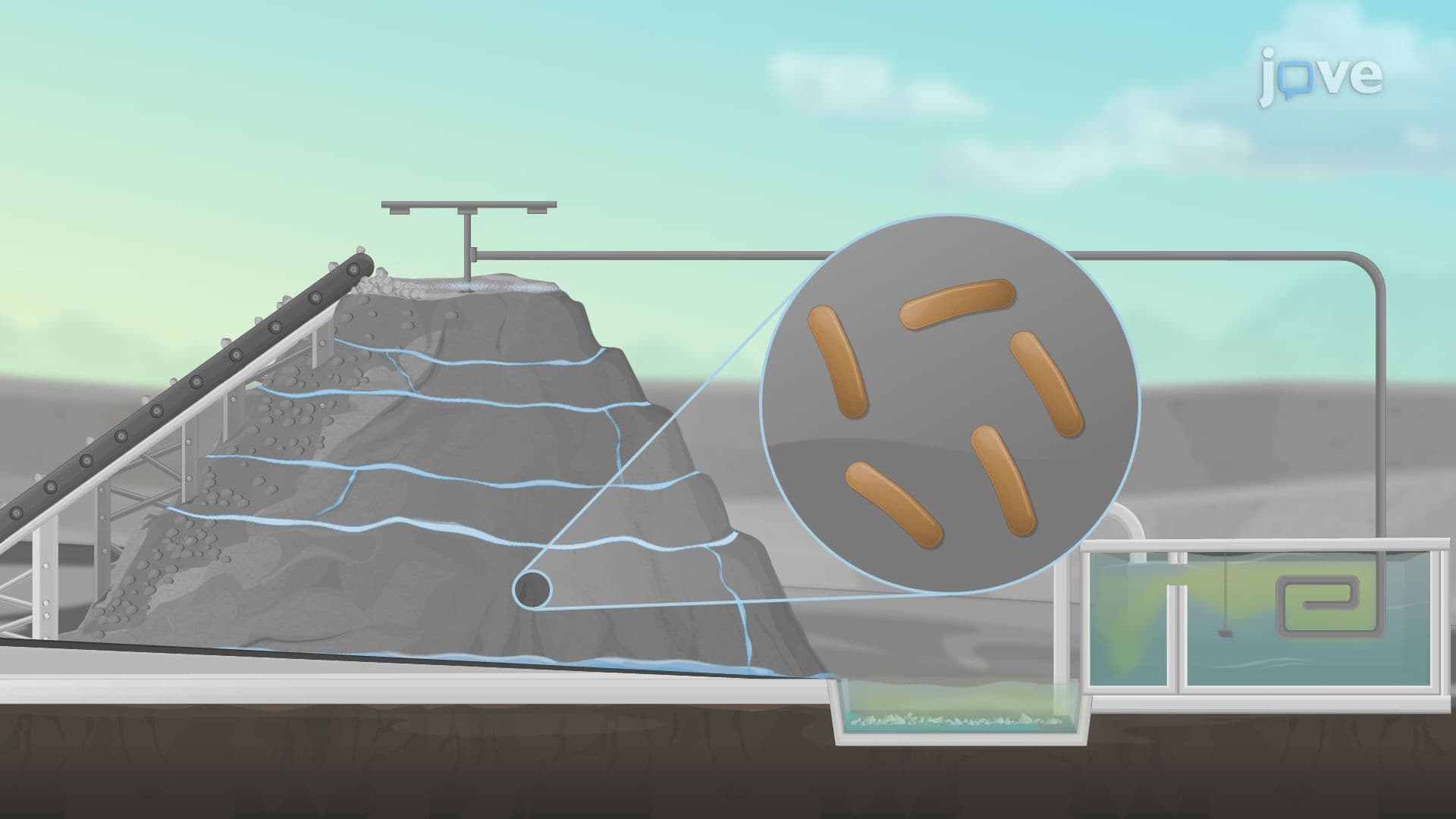
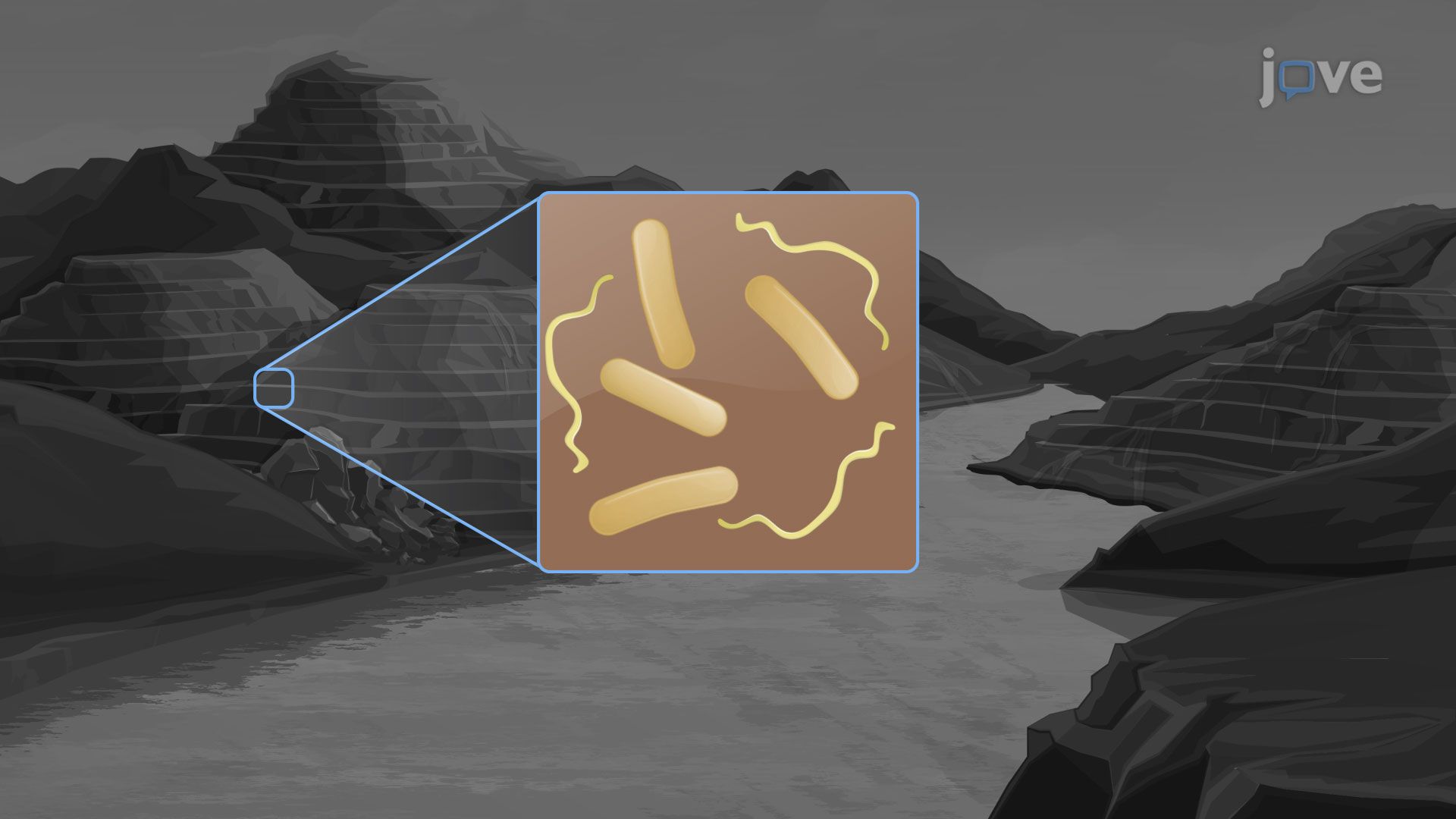
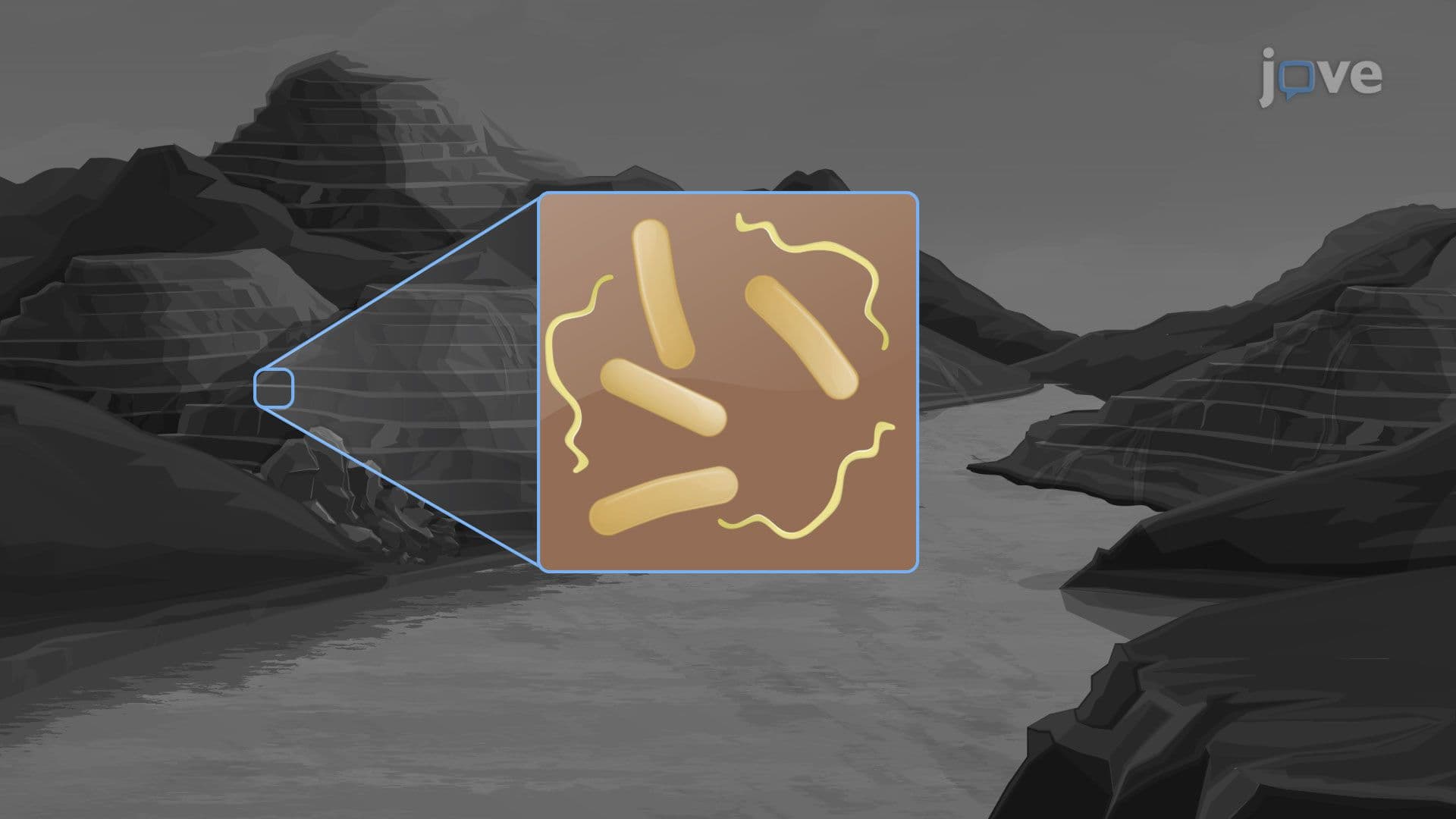
What transforms a manageable chemical reaction into an environmental crisis is often microbiology. Certain chemolithotrophic bacteria, organisms that derive energy from inorganic compounds, thrive in the extreme acidity of mine drainage. Species like *Acidithiobacillus ferrooxidans* and *Leptospirillum ferrooxidans* catalyze the oxidation of ferrous iron to ferric iron, dramatically speeding up pyrite breakdown. This is a striking example of how microbial ecology and biogeochemical cycling intersect: microbes are not passive bystanders in their environment but active drivers of chemical transformation. On AP Biology and college microbiology exams, students are frequently asked to explain how microorganisms contribute to nutrient and mineral cycles, AMD is an excellent real-world case study that demonstrates this principle.
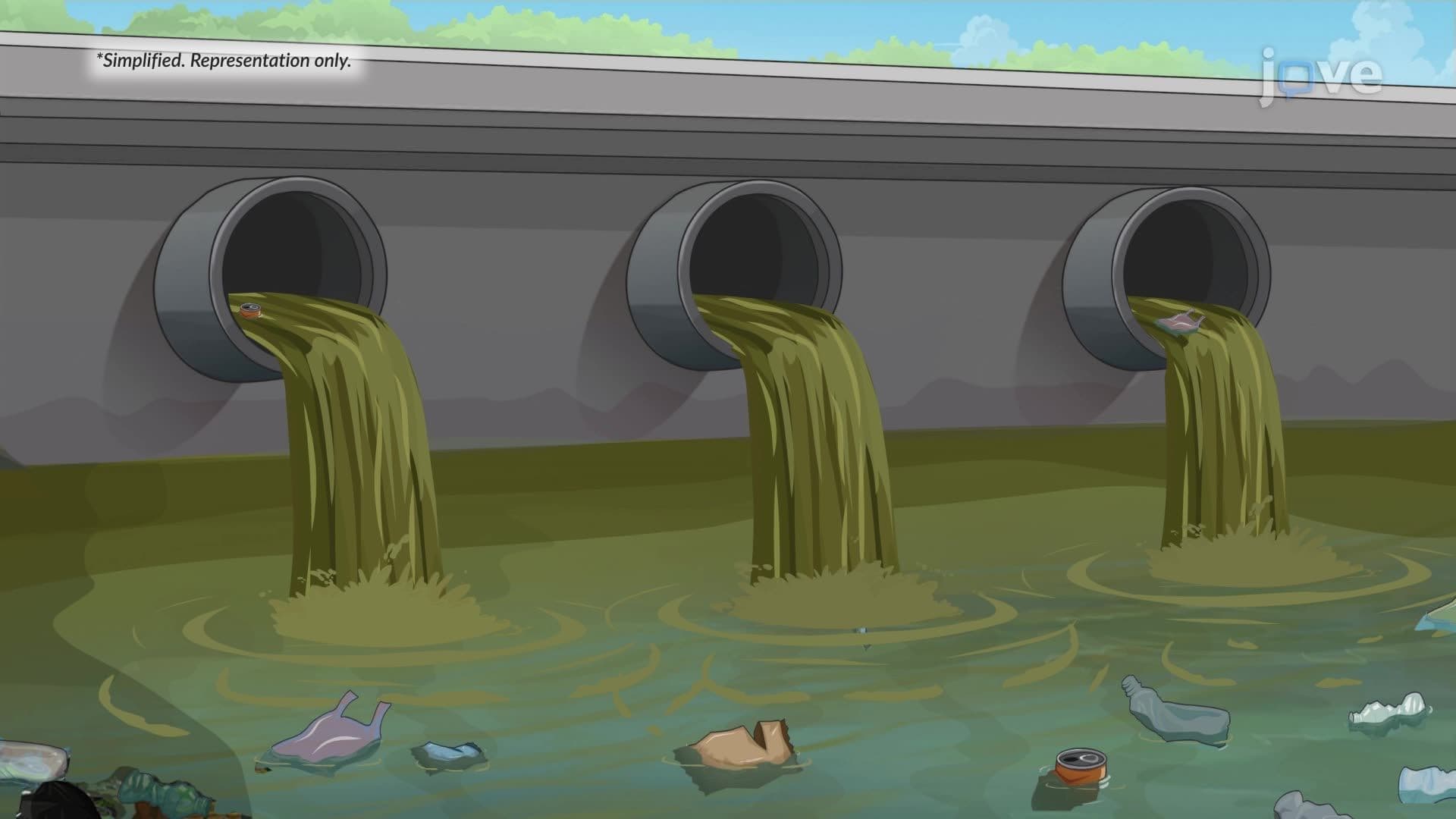
As acidic mine water flows into oxygen-rich streams, ferrous iron oxidizes further and reacts with water to precipitate iron hydroxide, the orange or reddish coating visible on streambed rocks in AMD-affected areas, commonly called "yellow boy" by environmental engineers. Beyond the visual impact, the low pH unlocks toxic metals including aluminum, cadmium, arsenic, and lead from surrounding rock and soil. These metals accumulate in aquatic organisms, disrupting reproduction, damaging gill tissue in fish, and ultimately reducing biodiversity. Rivers in the Susquehanna watershed in Pennsylvania have been monitored for decades due to AMD contamination, making them important case studies in water quality testing and environmental remediation courses.
Addressing AMD requires both engineering and biology. Passive treatment systems, such as constructed wetlands and anaerobic limestone channels, use natural geochemical processes to neutralize acidity and precipitate metals out of solution. Active approaches include adding lime (calcium hydroxide) to raise pH. Increasingly, researchers are exploring bioremediation strategies that harness sulfate-reducing bacteria to reverse parts of the AMD cycle, converting dissolved metals back into insoluble sulfide minerals. These approaches are directly relevant to wastewater treatment principles covered in college environmental engineering and soil microbiology courses, and they reflect growing interest in using biological systems to solve industrial pollution problems.
Related Micro-courses