Loading video…


 11 Concepts
 2.1K views


Video Summary: What are Microbes in Food Production
Did you know the fluffy texture of your morning toast and the tangy taste of yogurt are both created by microscopic organisms? Microbes in food production are the invisible workhorses behind some of America's most beloved foods. From Saccharomyces cerevisiae yeast making sourdough rise in San Francisco bakeries to lactic acid bacteria transforming milk into cheddar cheese, these microorganisms drive fermentation, enhance flavor, and extend shelf life. Watch the full video on JoVE Coach to master this concept with expert-led visuals and step-by-step explanations.
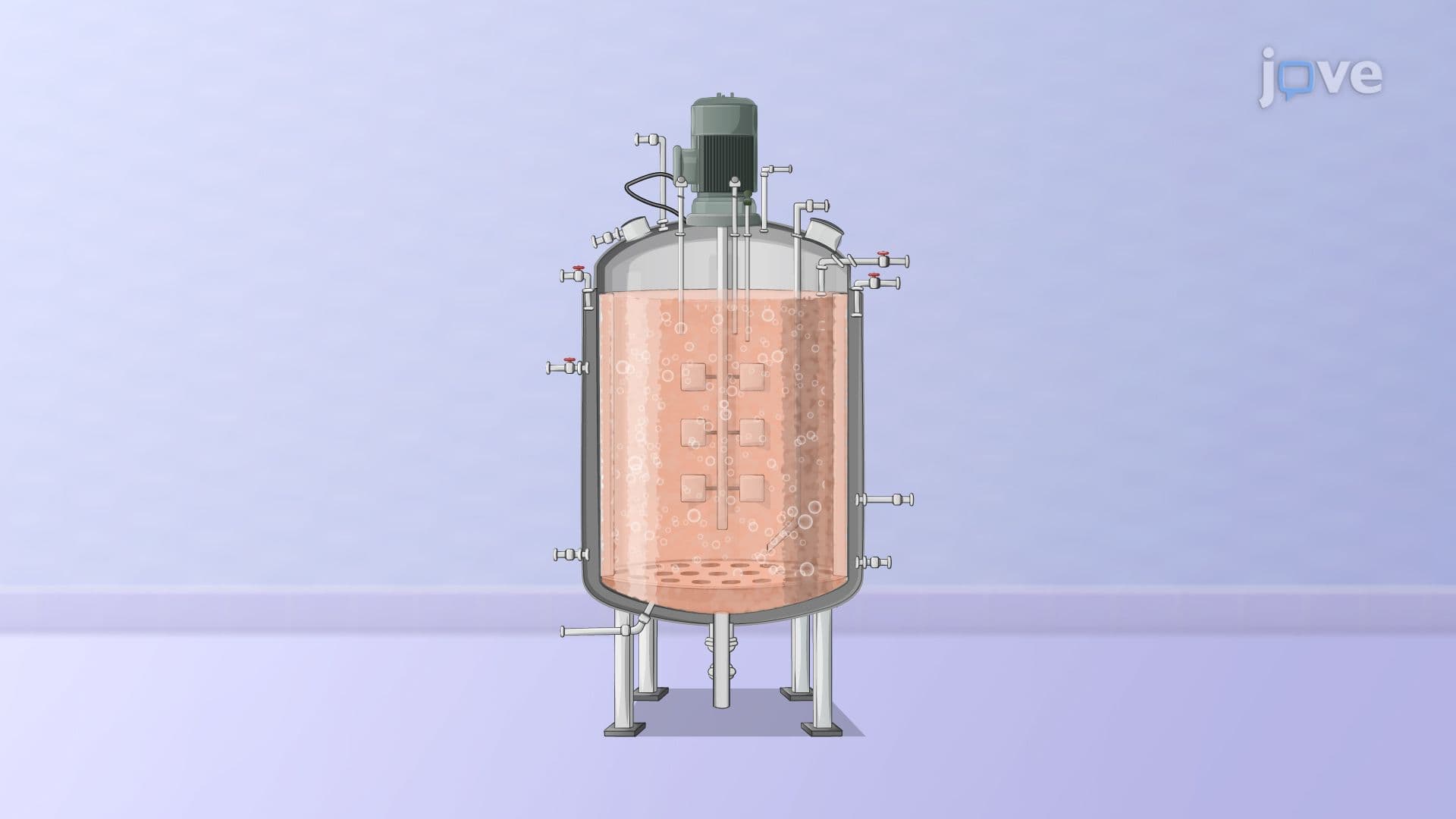
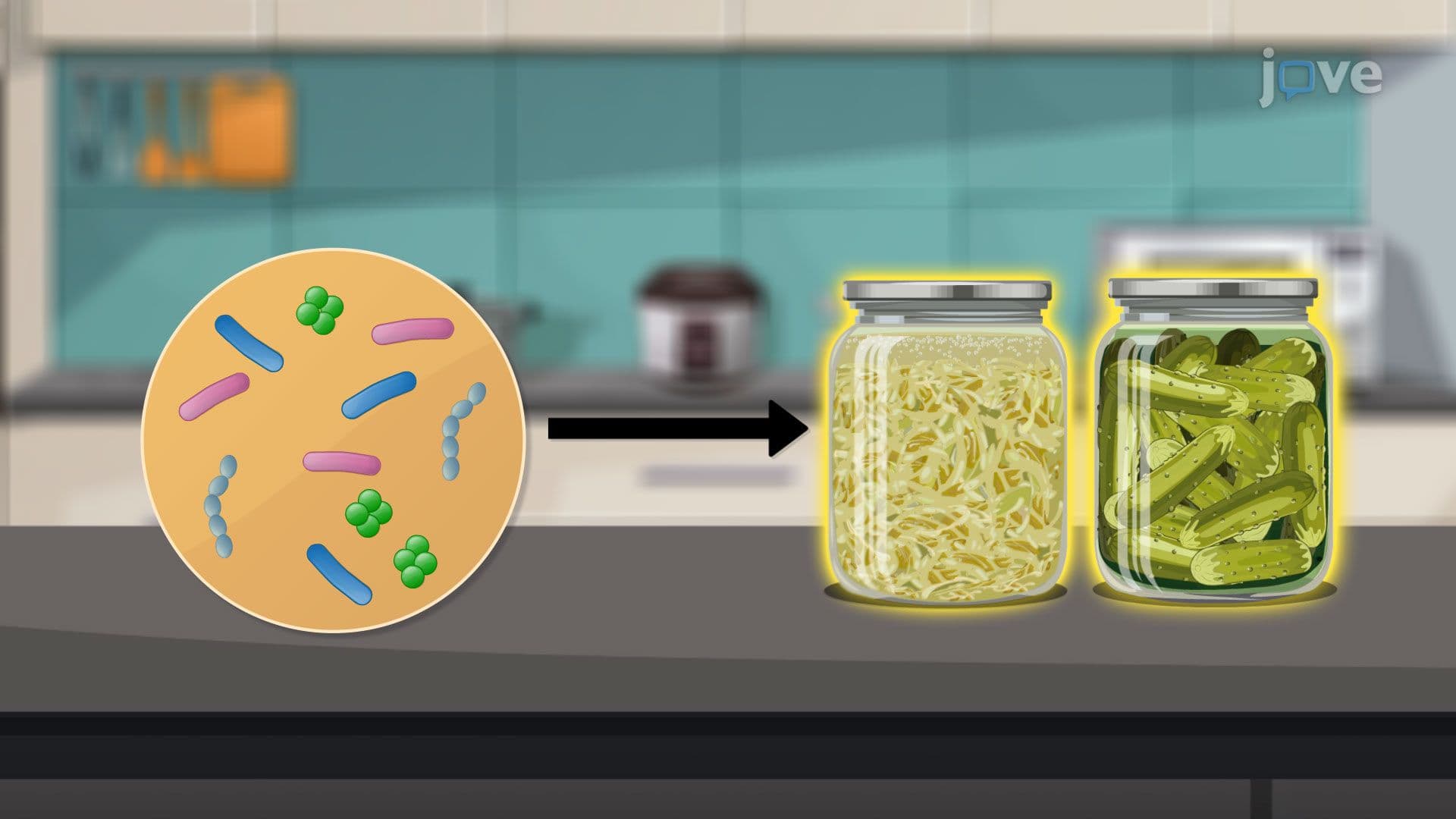
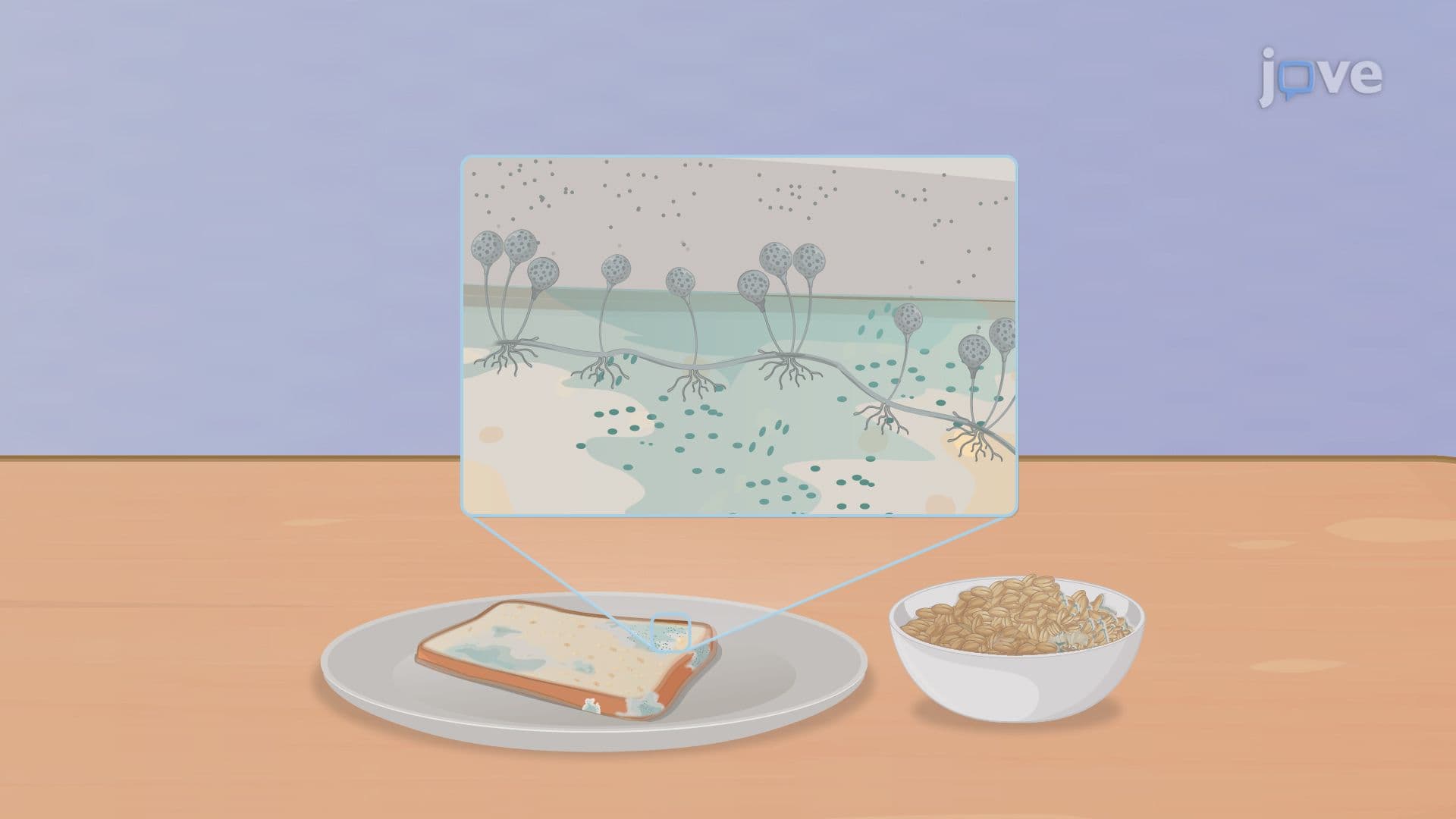
Microbes in food production are microorganisms, including bacteria, yeast, and molds, that are intentionally harnessed to ferment, preserve, flavor, and improve the nutritional value of food. Far from being solely agents of spoilage, many microbes are carefully selected and cultivated to produce the foods Americans eat every day: bread, cheese, yogurt, beer, wine, and pickles. Understanding their roles is a foundational concept in AP Biology, college-level microbiology, and food science courses across the US.
In the baking industry, the star player is *Saccharomyces cerevisiae*, a yeast species that performs alcoholic fermentation. When yeast cells metabolize simple sugars in dough, they produce carbon dioxide gas and ethanol as by-products. The carbon dioxide becomes trapped in the gluten network of the dough, causing it to expand and rise. The ethanol evaporates during baking, leaving behind the airy, light texture associated with leavened breads. Commercial bakeries across the US, from large industrial operations to artisan sourdough producers, rely on precise yeast management to achieve consistent product quality. This process is a classic example of anaerobic respiration and is frequently tested on AP Biology exams and college biochemistry midterms.
Lactic acid bacteria (LAB) are central to the production of a wide range of dairy products. What makes dairy fermentation particularly fascinating is that the same category of bacteria can produce dramatically different products depending on temperature, bacterial strain, and processing steps, a concept called strain-specific fermentation.
Fermentation is one of humanity's oldest food preservation strategies, and modern food science has confirmed why it works so effectively. The drop in pH caused by lactic acid production creates an environment hostile to many foodborne pathogens, such as *Salmonella* and *Listeria*, which are common targets of US food safety regulations enforced by the FDA and USDA. This natural preservation mechanism extends shelf life without relying solely on refrigeration or chemical preservatives.
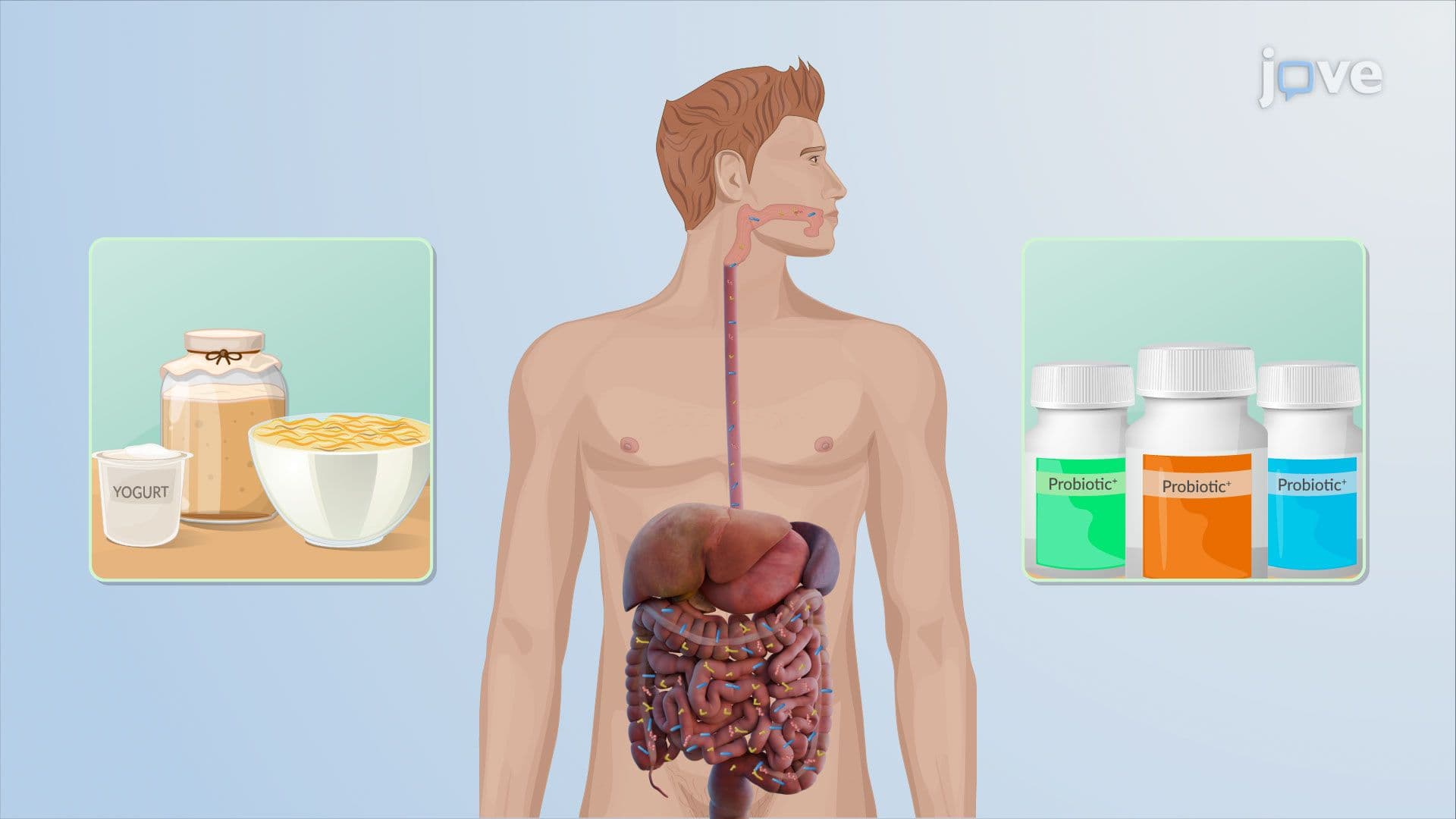
Beyond safety, many fermented foods are rich in probiotics, live beneficial bacteria that support gut microbiome health. Yogurt brands sold across the US, such as Chobani and Fage, prominently highlight their live and active cultures, reflecting growing consumer awareness of the probiotic benefits tied to lactic acid bacteria. Understanding this connection between fermentation, food spoilage mechanisms, and human health is increasingly relevant in AP Environmental Science, Nutrition, and college-level biology courses, as well as the MCAT's biochemistry and microbiology sections.
Related Micro-courses