Loading subject page…

2,135 views
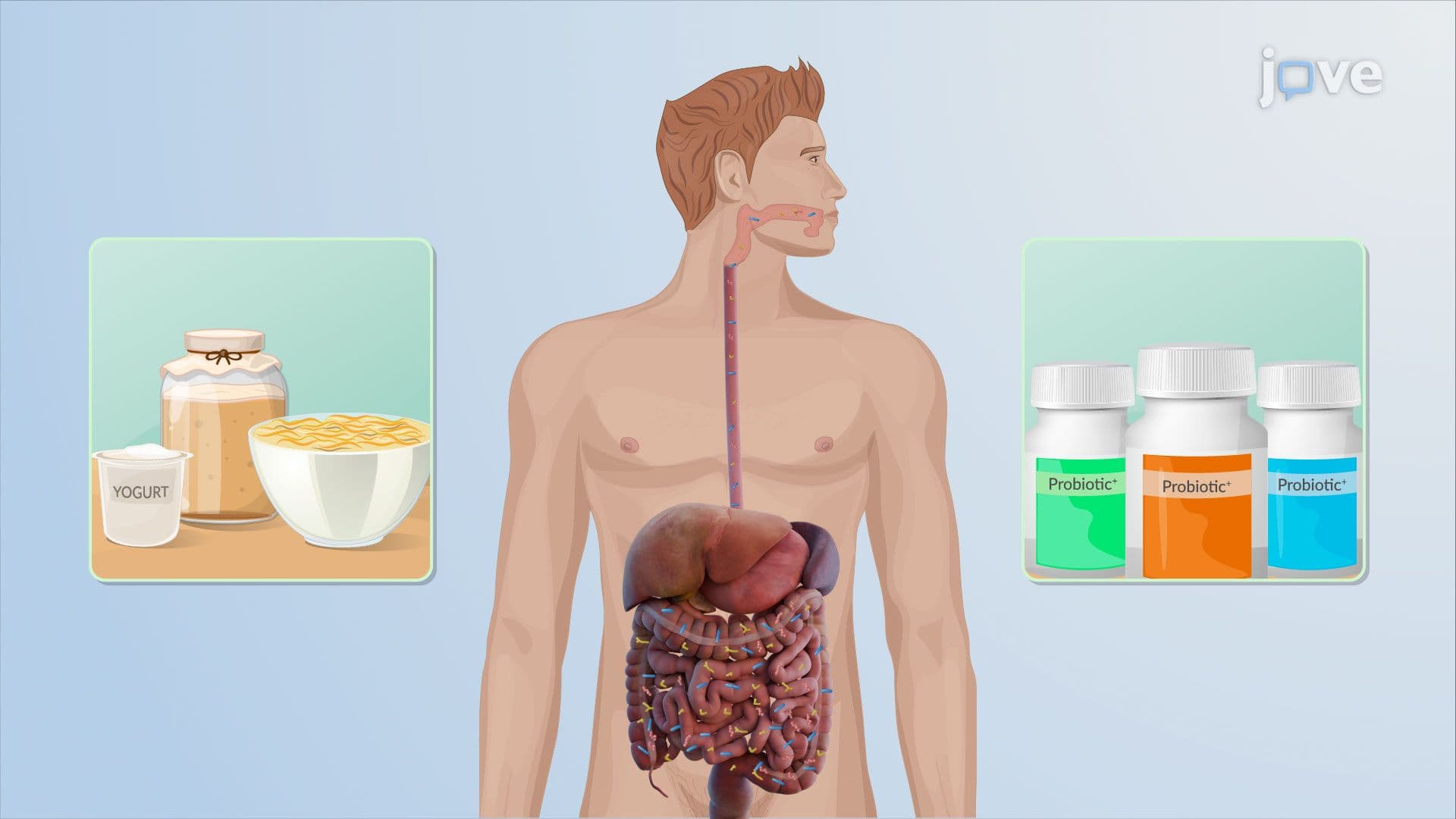

Video Summary: What are Probiotics
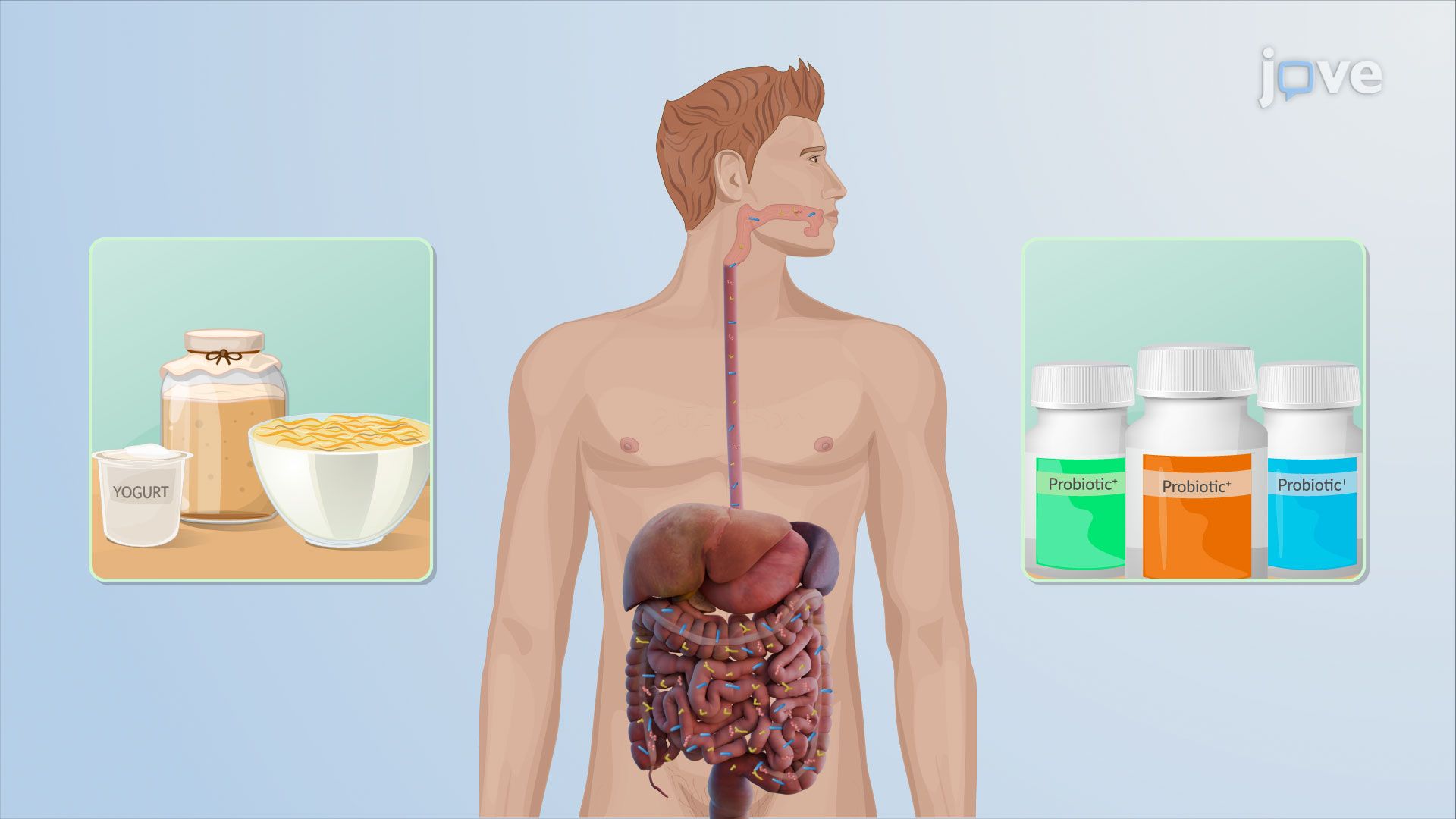
Did you know the yogurt in your fridge contains billions of living bacteria that actively protect your gut? Probiotics, live microorganisms that deliver real health benefits, are found in everyday foods like yogurt, kefir, and sauerkraut, which are staples in American households. Understanding what probiotics are helps explain how your body defends itself against harmful pathogens naturally. Watch the full video on JoVE Coach to master this concept with expert-led visuals and step-by-step explanations.
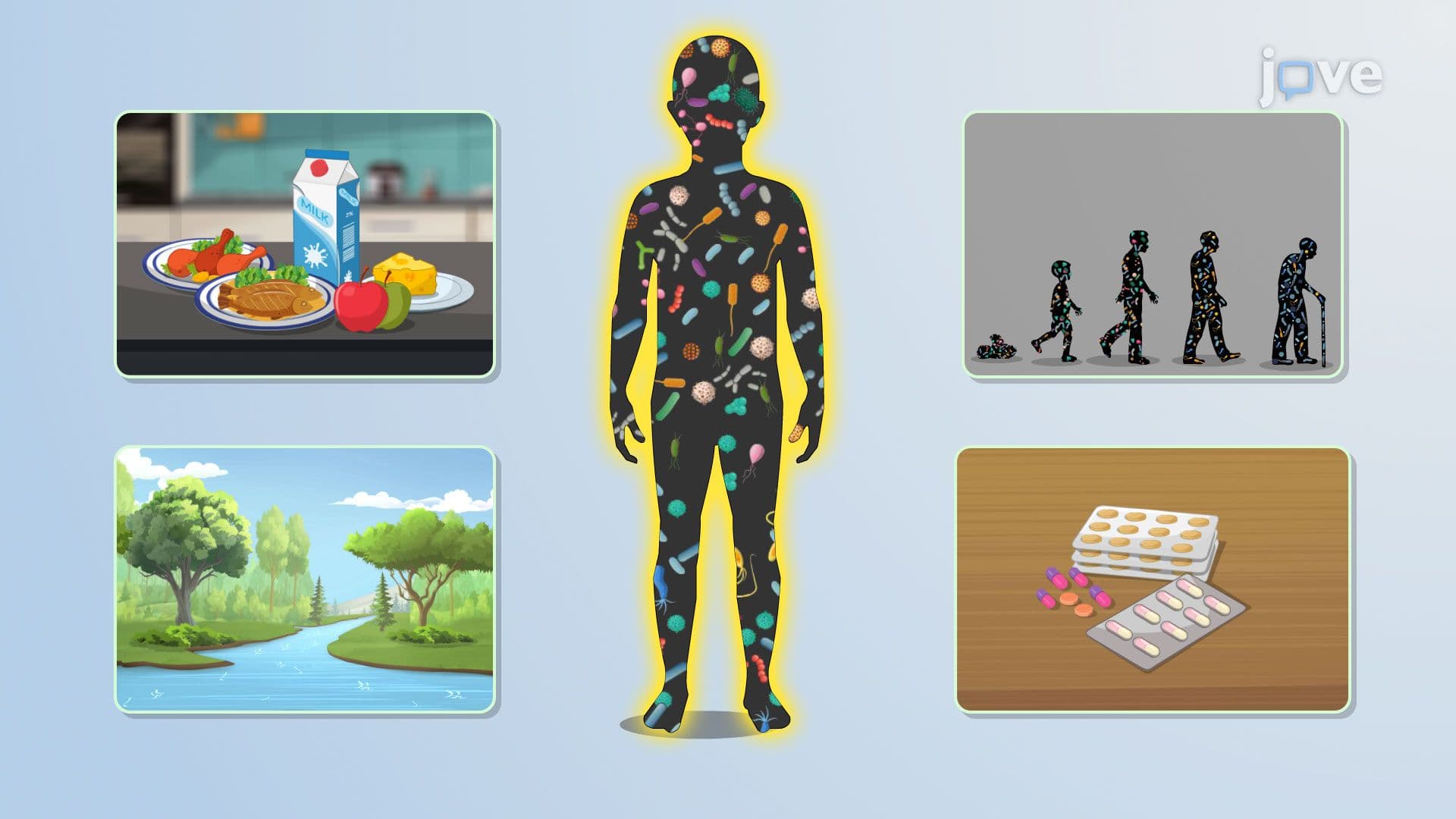
Probiotics are live microorganisms that, when consumed in sufficient quantities, confer measurable health benefits to the host. This definition, formalized by the World Health Organization and widely referenced in US nutrition and medical education, sets probiotics apart from prebiotics (non-digestible fibers that feed beneficial bacteria) and postbiotics (the metabolic byproducts those bacteria produce). The most clinically studied probiotic genera are *Lactobacillus* and *Bifidobacterium*, both of which naturally colonize the human gastrointestinal tract from infancy. In US college biology and AP Biology curricula, probiotics are typically introduced within units on microbial ecology, the human microbiome, and host-pathogen interactions.
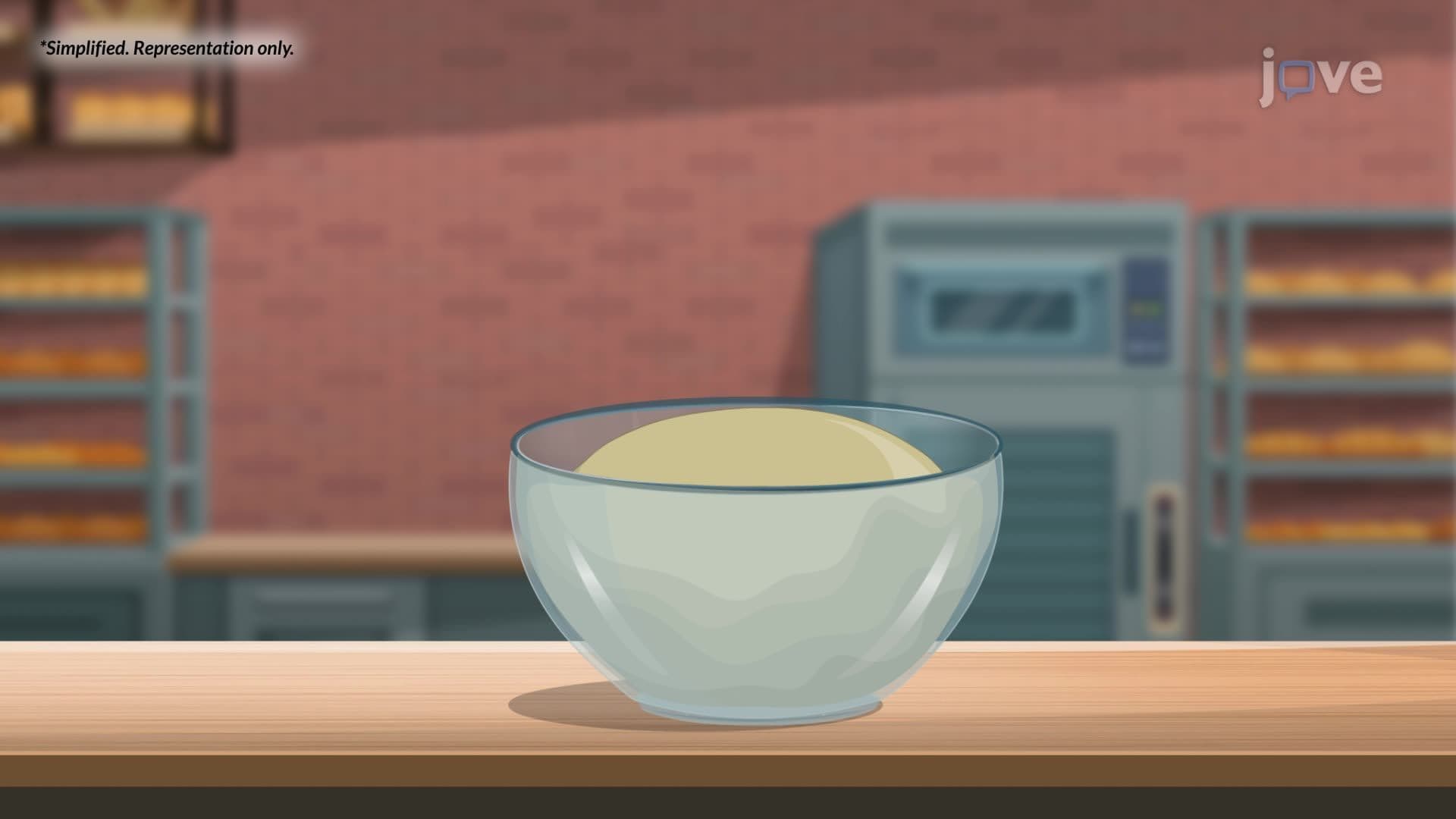
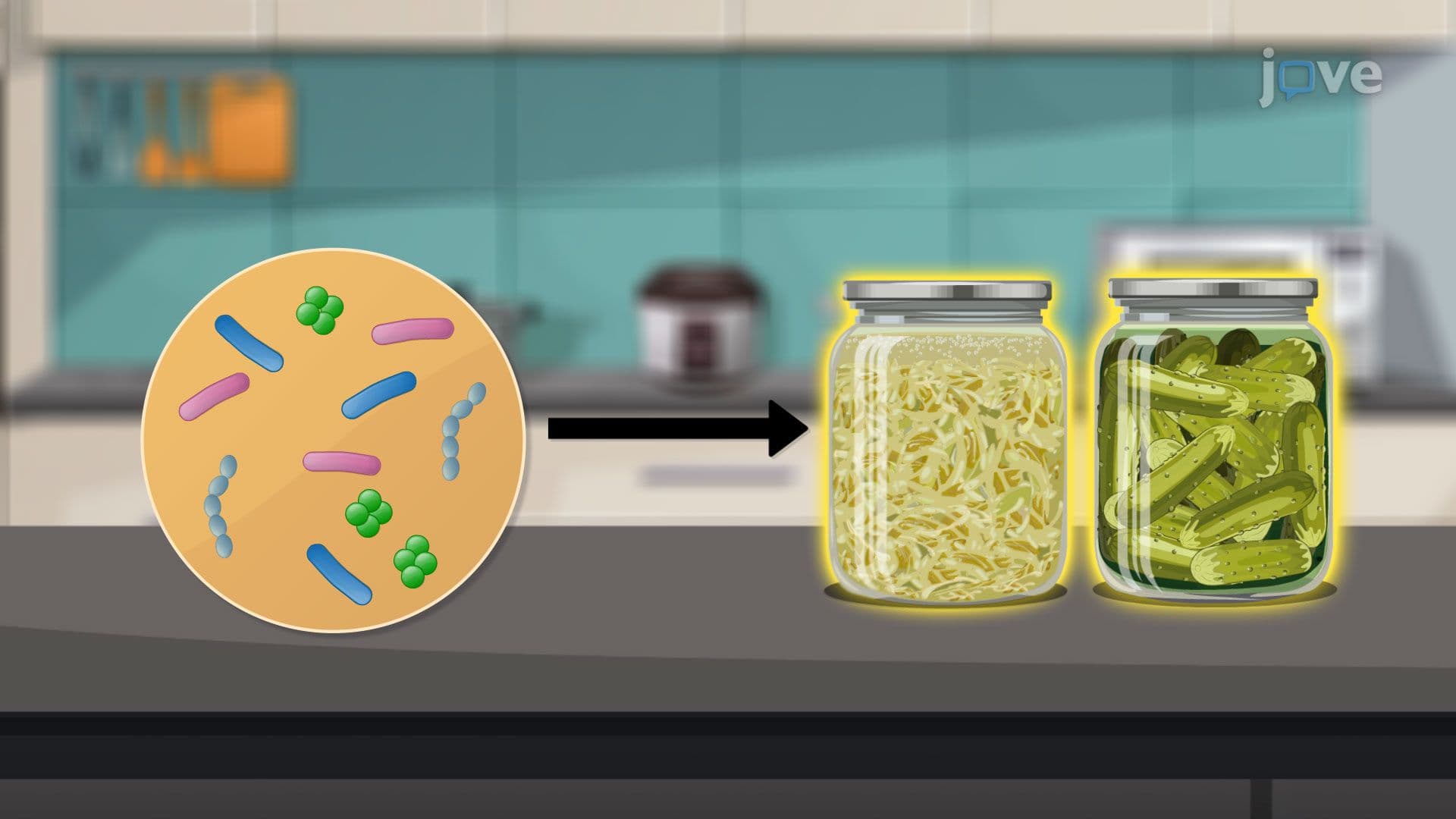
Many Americans already consume probiotics without realizing it. Fermented foods, including yogurt with live active cultures (a label regulated by the National Yogurt Association in the US), kefir, aged cheeses, buttermilk, kombucha, and sauerkraut, are among the richest dietary sources. The fermentation process itself is key: beneficial bacteria metabolize sugars and produce acids, naturally preserving food while simultaneously colonizing it with health-promoting microbes. Beyond food, probiotic supplements are a multi-billion-dollar industry in the US, with products regulated as dietary supplements under the FDA's DSHEA framework rather than as drugs. Understanding fermentation as both a food preservation strategy and a vehicle for probiotic delivery is a cross-cutting concept in food science, microbiology, and public health coursework.
Probiotics defend the gut through several overlapping mechanisms that are particularly important to understand for exams like the MCAT, AP Biology, and college-level microbiology midterms.
Competitive exclusion is the first line of defense: probiotic bacteria physically occupy adhesion sites along the intestinal lining, consume available nutrients, and produce metabolites that crowd out harmful microorganisms. This directly limits the ability of foodborne pathogens, such as *Salmonella*, *E. coli* O157:H7, and *Clostridium difficile*, to establish themselves in the gut.
Antimicrobial compound production is equally critical. Probiotics synthesize organic acids (like lactic acid and acetic acid), hydrogen peroxide, and bacteriocins, small proteins that act like natural antibiotics against competing microbes. Together, these compounds lower the gut's pH, creating an environment hostile to pathogen survival and overgrowth.
Mucus barrier reinforcement is a third mechanism: probiotics stimulate goblet cells in the intestinal lining to produce more mucin, the protein backbone of protective gut mucus. This thickened barrier physically prevents pathogens and their toxins from crossing into the bloodstream, a process directly relevant to understanding gut permeability and systemic inflammation in college-level anatomy and physiology courses.
Beyond defense, probiotics actively contribute to host nutrition. Specific strains synthesize vitamin B12 (critical for nerve function and red blood cell production), folate (essential for DNA synthesis and fetal development), and vitamin K (necessary for blood clotting). This nutrient synthesis function is especially significant for individuals with dietary restrictions or absorption challenges. In US clinical and pre-health coursework, including MCAT prep and USMLE Step 1 study, understanding how gut microbiota influence vitamin availability connects microbiology directly to biochemistry and physiology.
Related Micro-courses