Loading video…

 22 Concepts
 3.7K views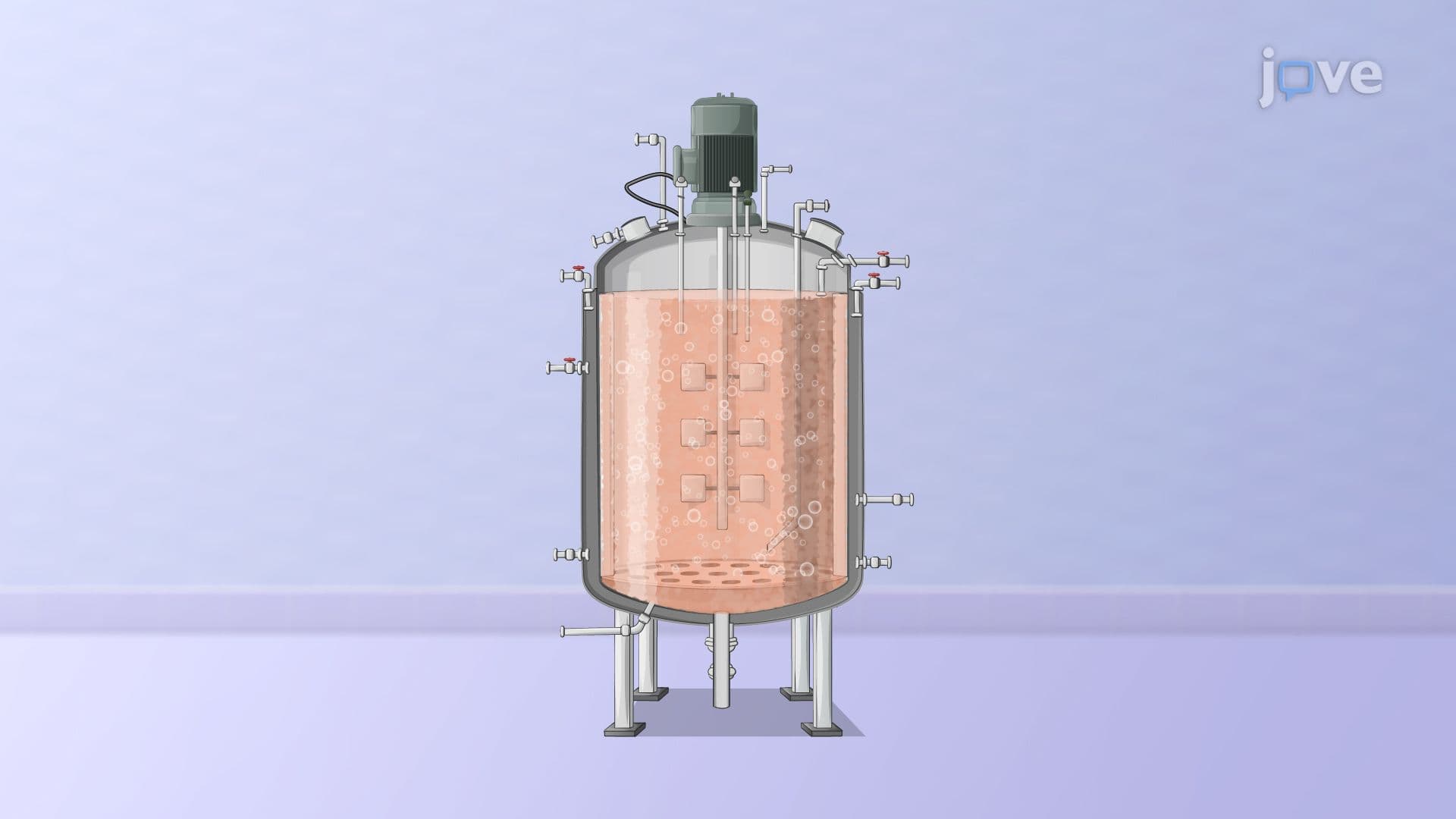

Video Summary: Bioreactor Design and Operational System Explained
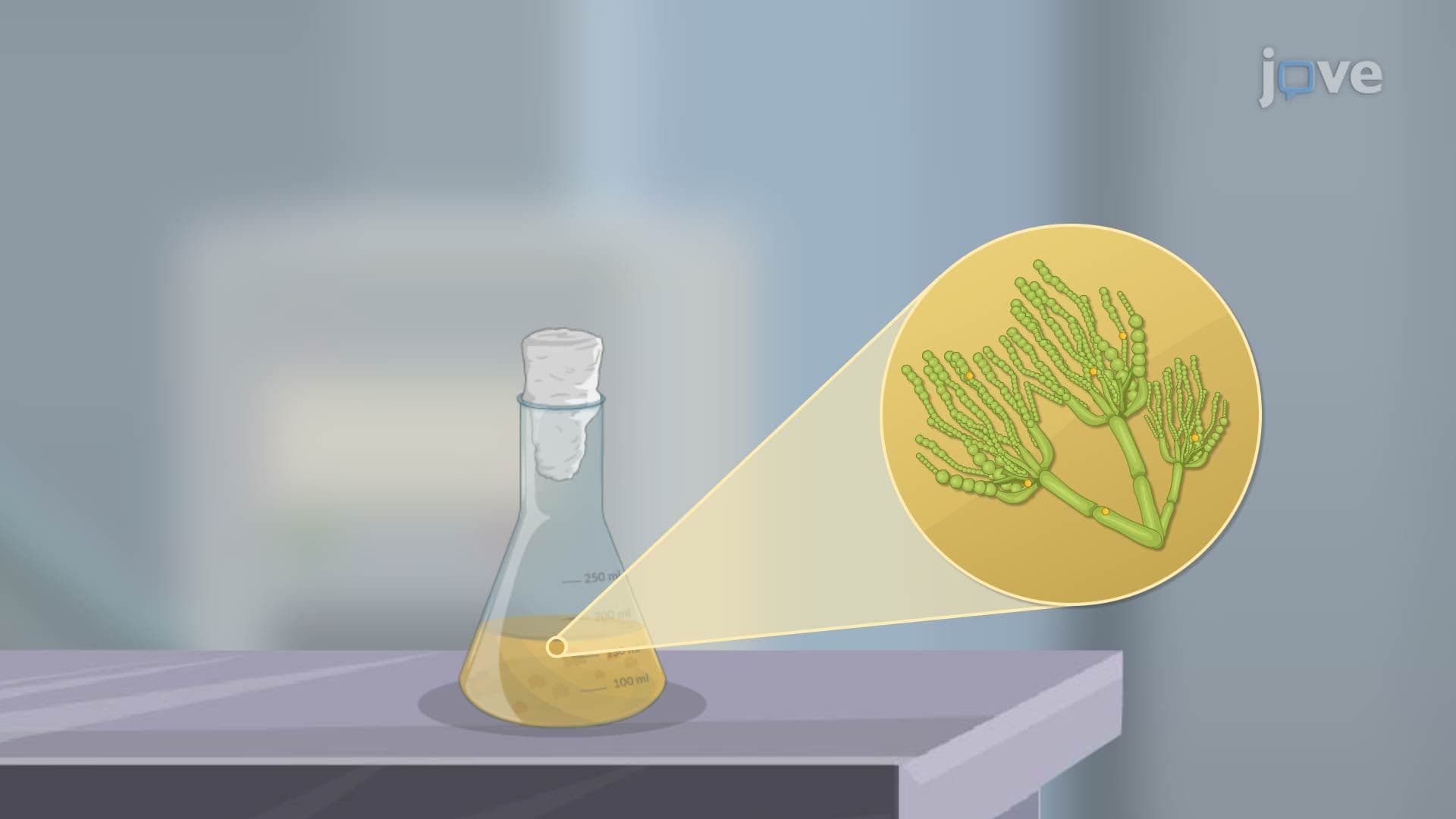
Did you know that the antibiotics used in US hospitals are produced inside massive steel vessels by living microorganisms? Bioreactor design and operational system basics explain exactly how this happens. These controlled environments power large-scale fermentation across American biotech and pharmaceutical industries. Understanding bioreactor design and operational system principles reveals how products like insulin and enzymes are manufactured at industrial scale. Watch the full video on JoVE Coach to master this concept with expert-led visuals and step-by-step explanations.
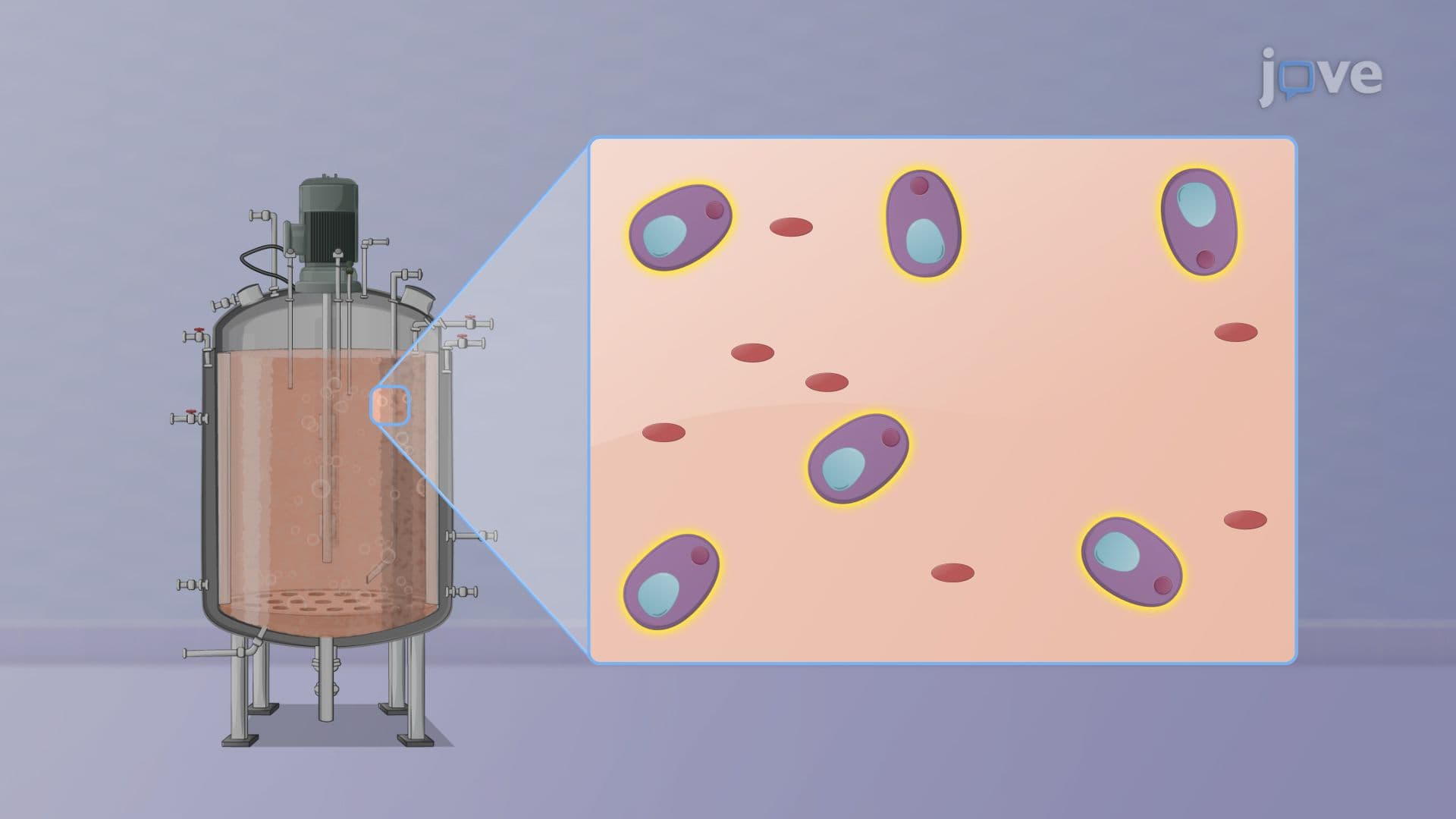
A bioreactor is far more than a simple container, it is a precisely engineered system designed to give microorganisms everything they need to thrive and produce valuable biological products at scale. Whether the goal is antibiotic production, enzyme manufacturing, or biofuel production, the bioreactor creates and maintains the exact environment microorganisms require. Understanding bioreactor design and operational system principles is foundational to courses in microbiology, biotechnology, and bioengineering at both the AP and college level.
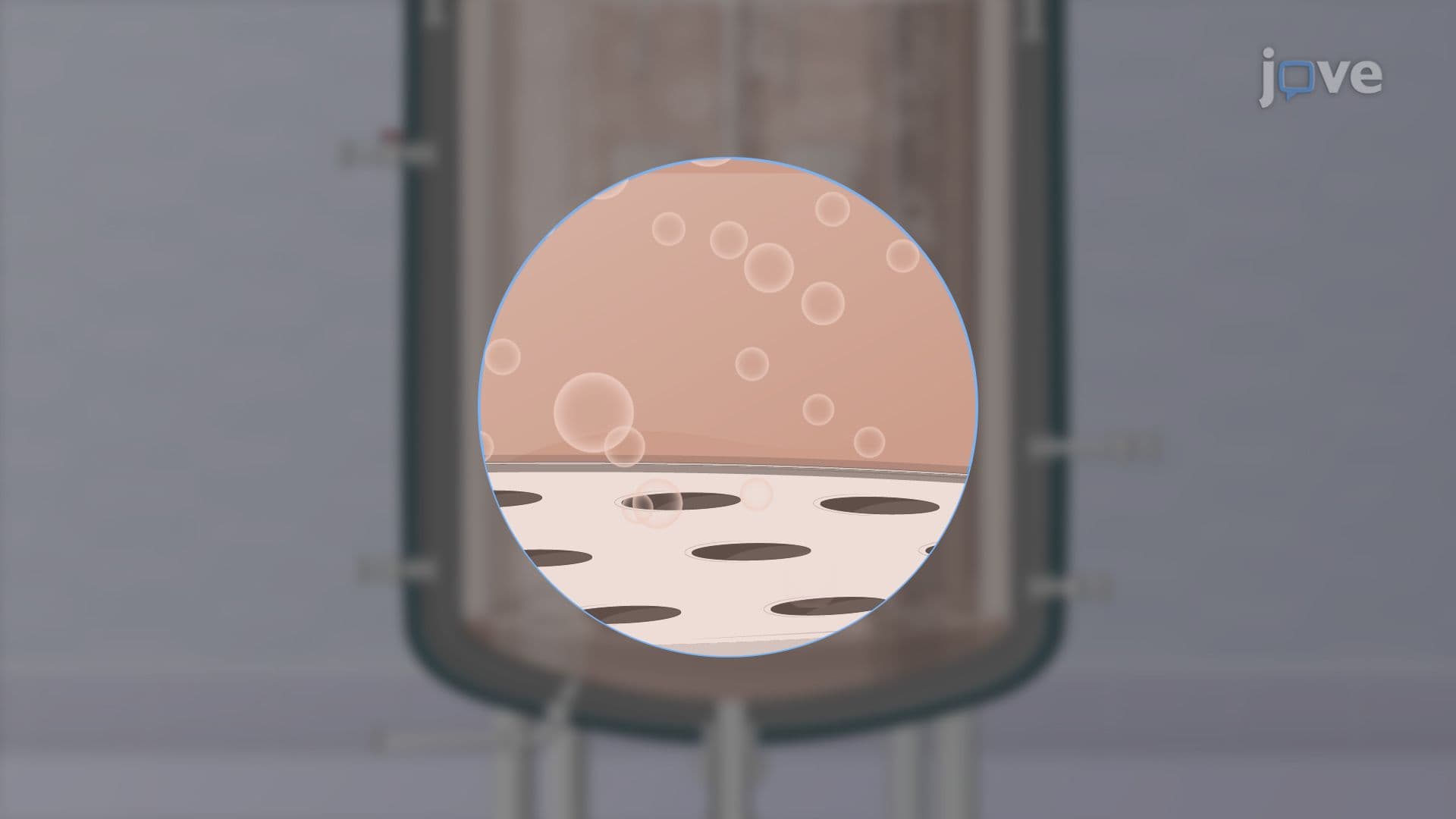
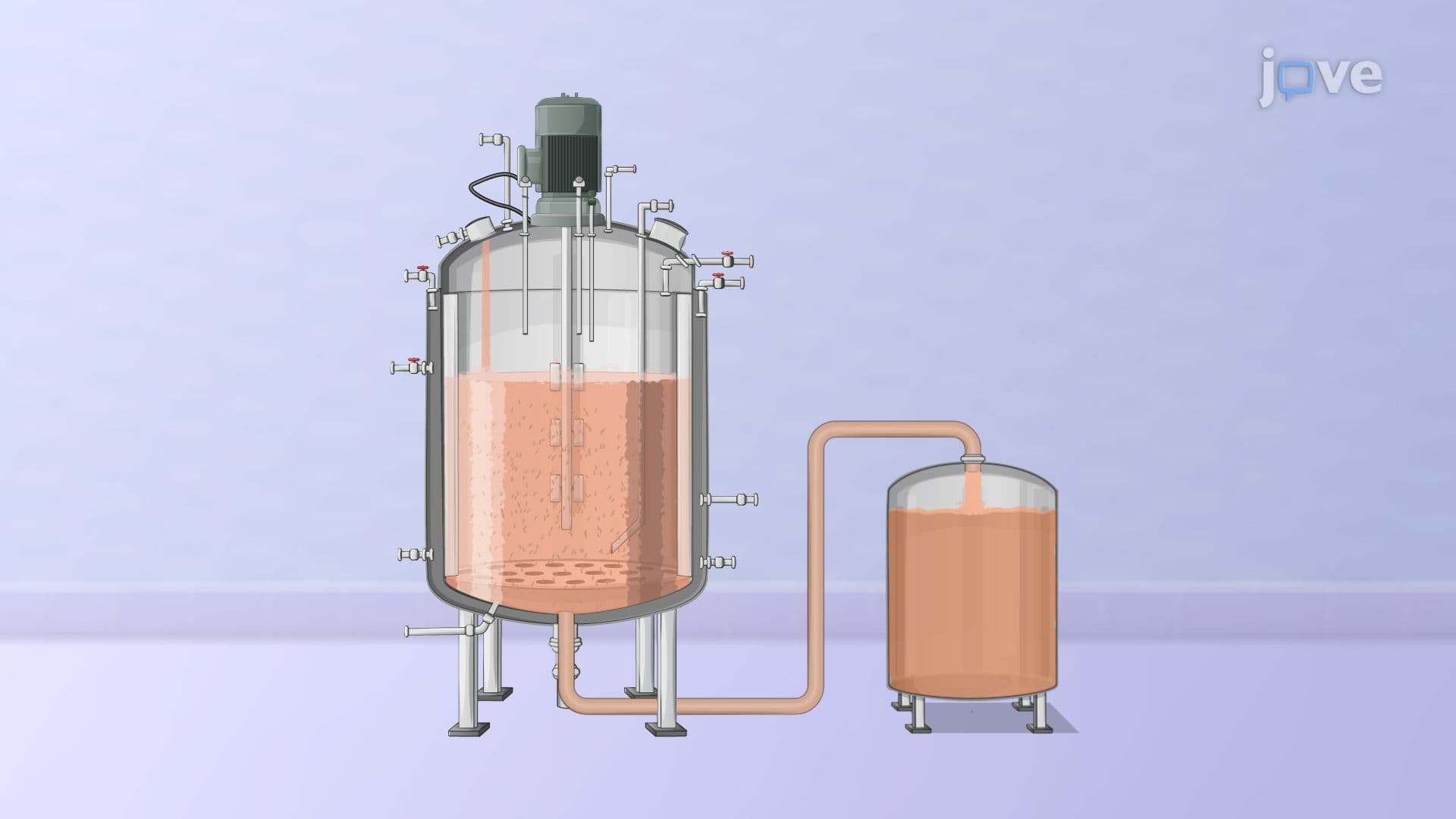
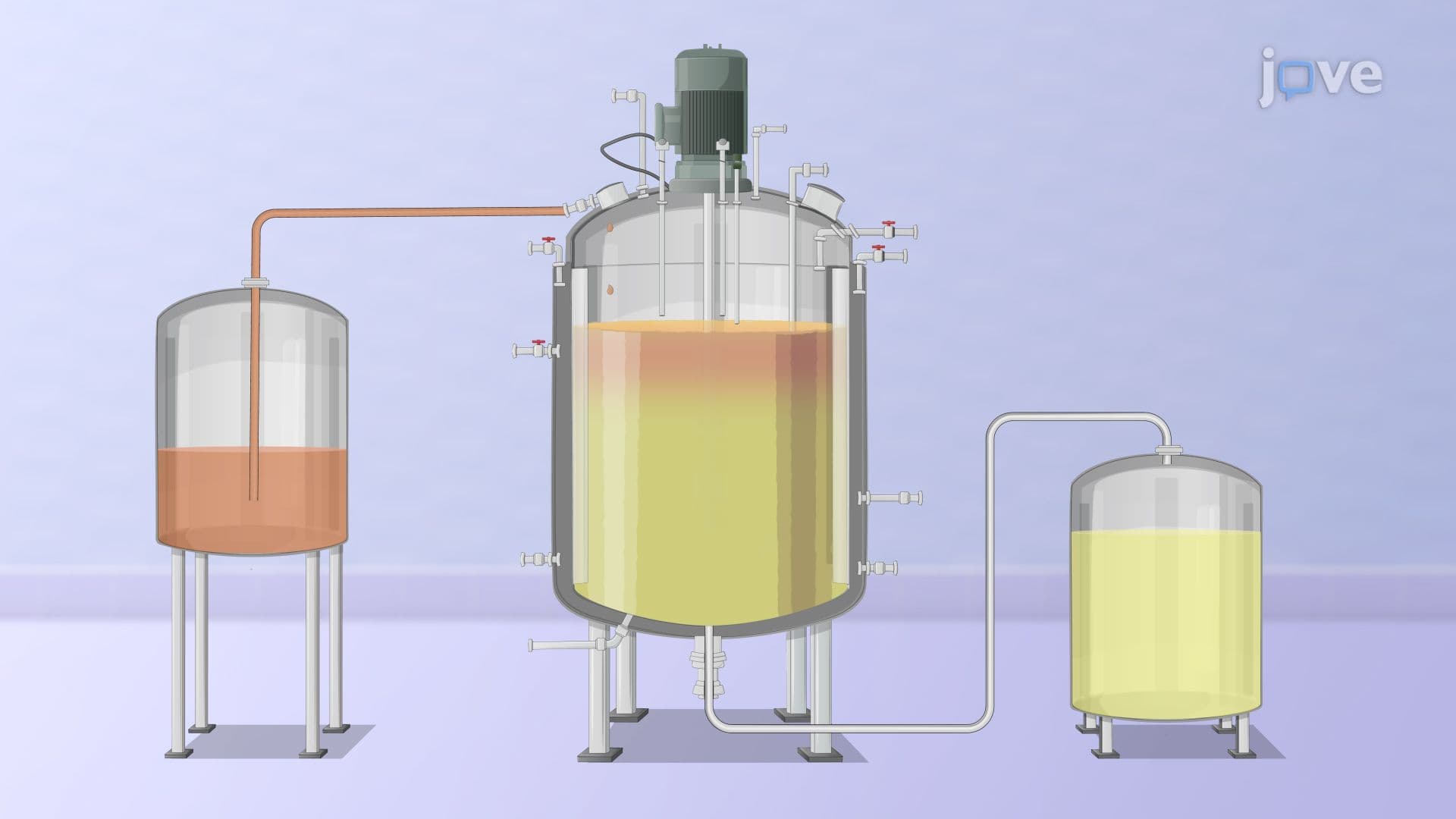
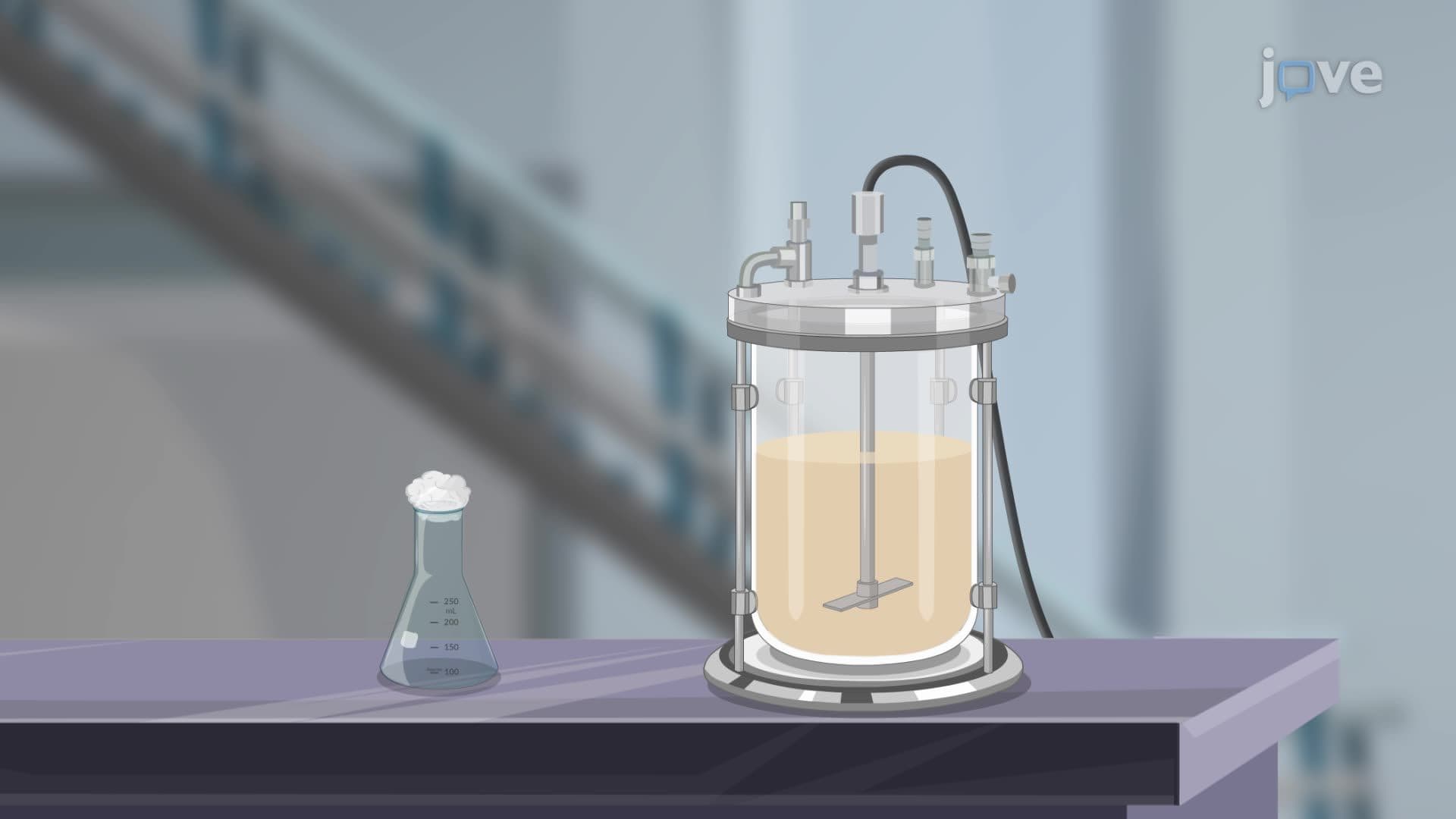
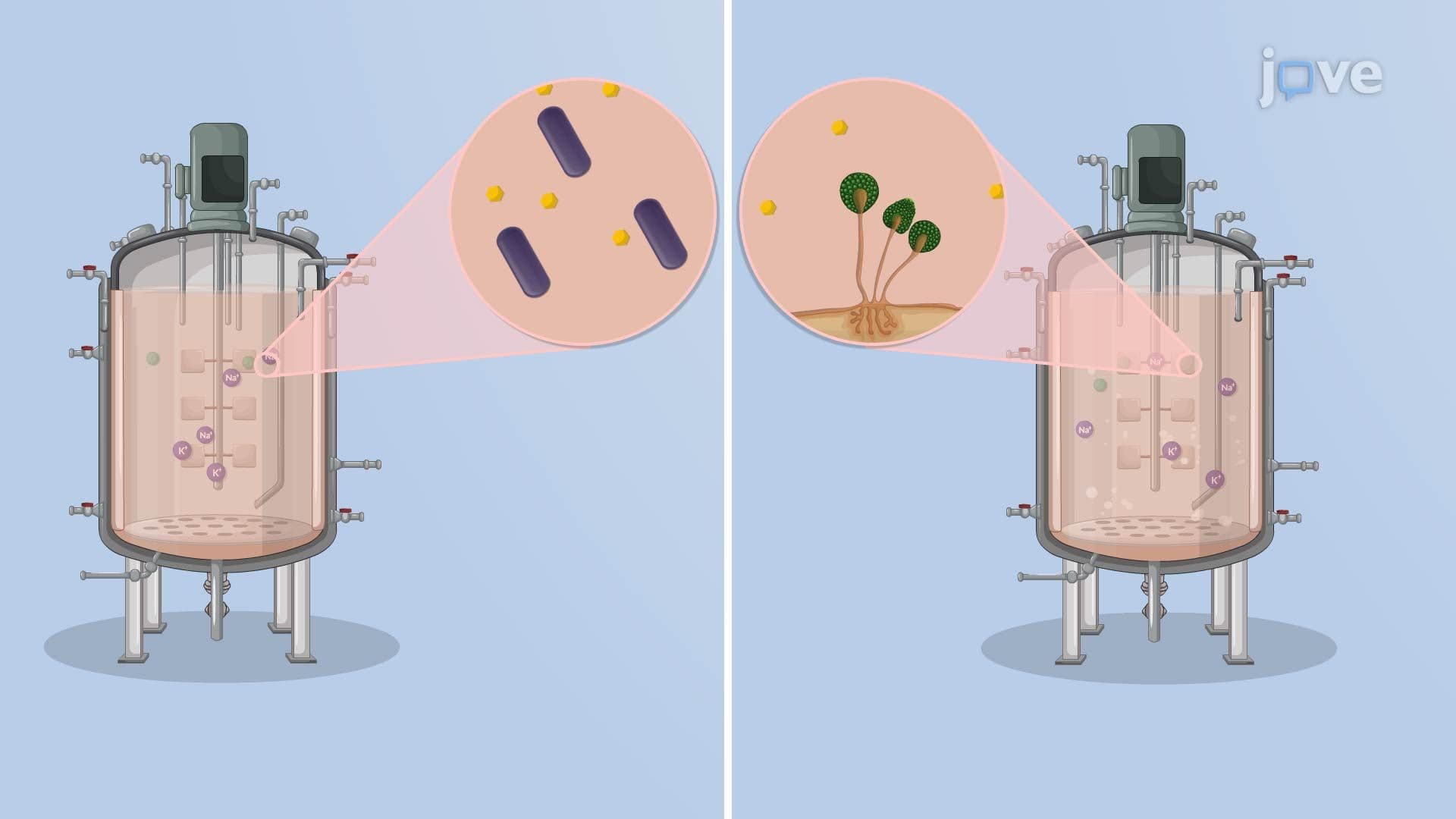
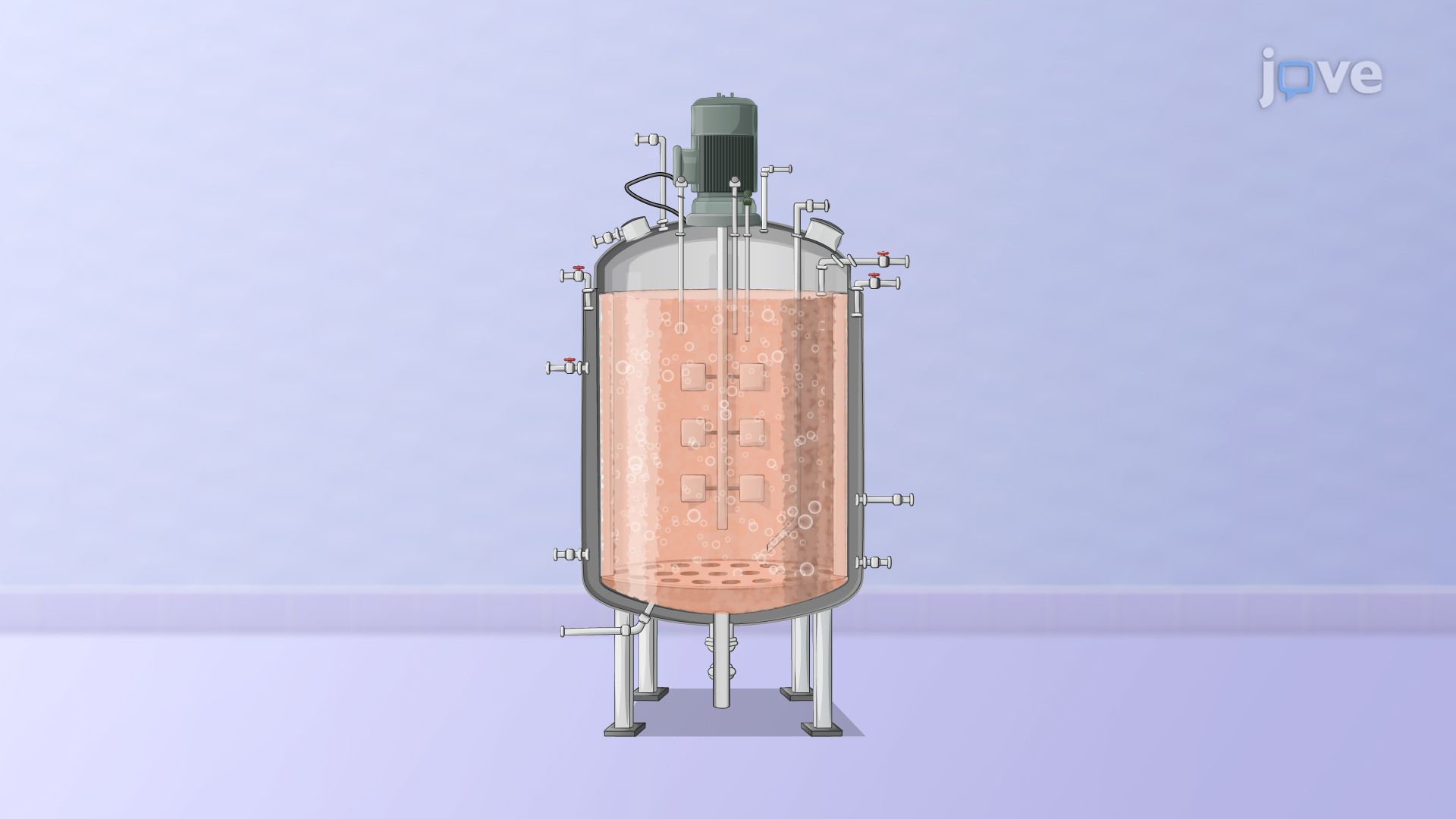
The most widely used industrial design is the aerated stirred-tank batch bioreactor, typically constructed from stainless steel for durability and sterility. Key structural features include:
Each component is designed with contamination prevention in mind. Fully welded seams, smooth internal surfaces, and non-porous gaskets at all joints eliminate hiding spots for unwanted microorganisms, a non-negotiable standard in US pharmaceutical manufacturing facilities regulated by the FDA.
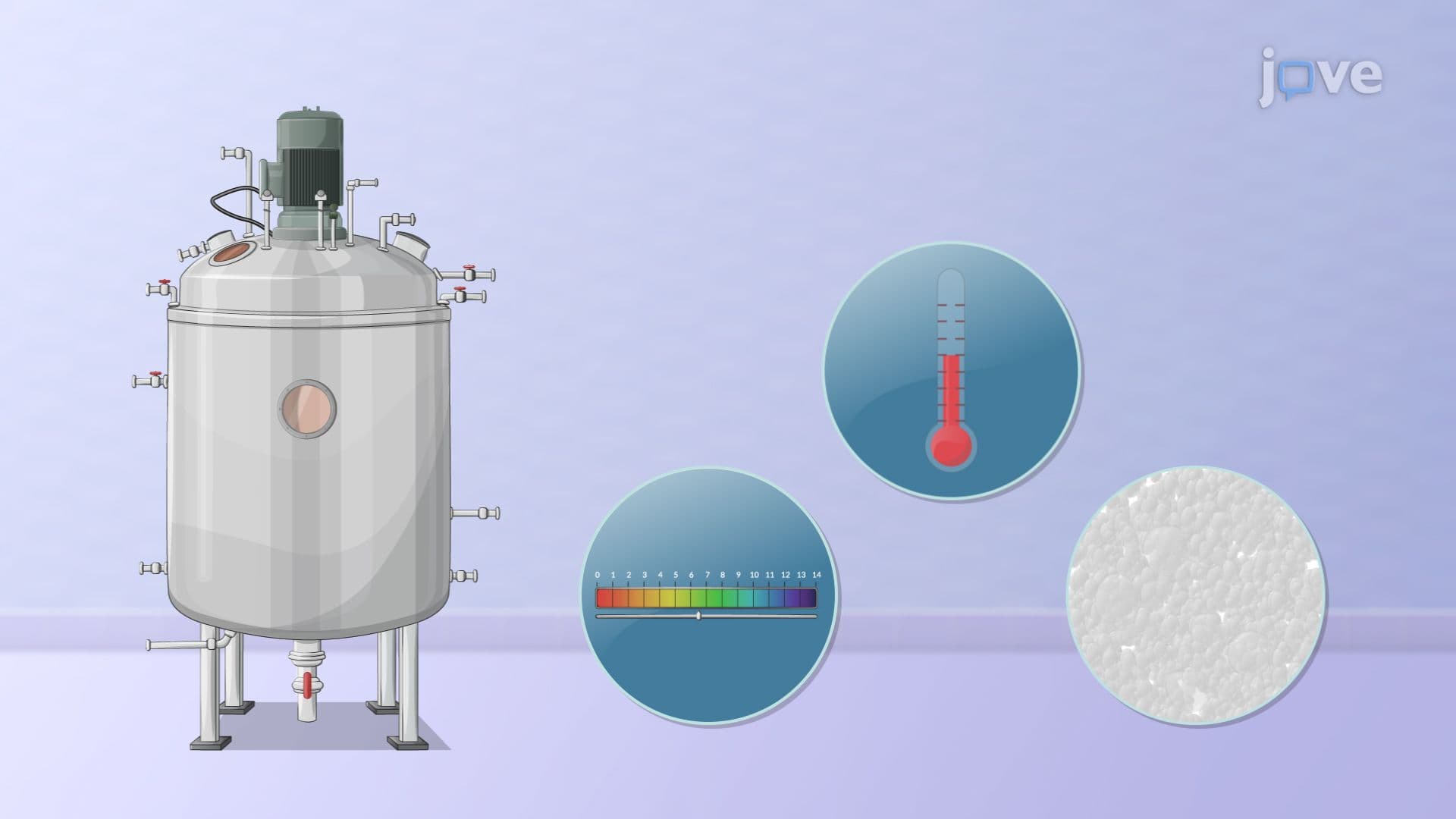
Modern bioreactors are equipped with sophisticated sensor arrays that continuously track dissolved oxygen, pH, and temperature. These readings allow operators, or automated control systems, to adjust conditions in real time. For example, if dissolved oxygen drops too low during antibiotic production, the sparger flow rate can be increased immediately. This level of process control is what separates reliable industrial output from unpredictable bench-scale experiments. In microbial biotechnology programs at US universities, students learn to interpret these sensor outputs as part of bioprocess engineering coursework.
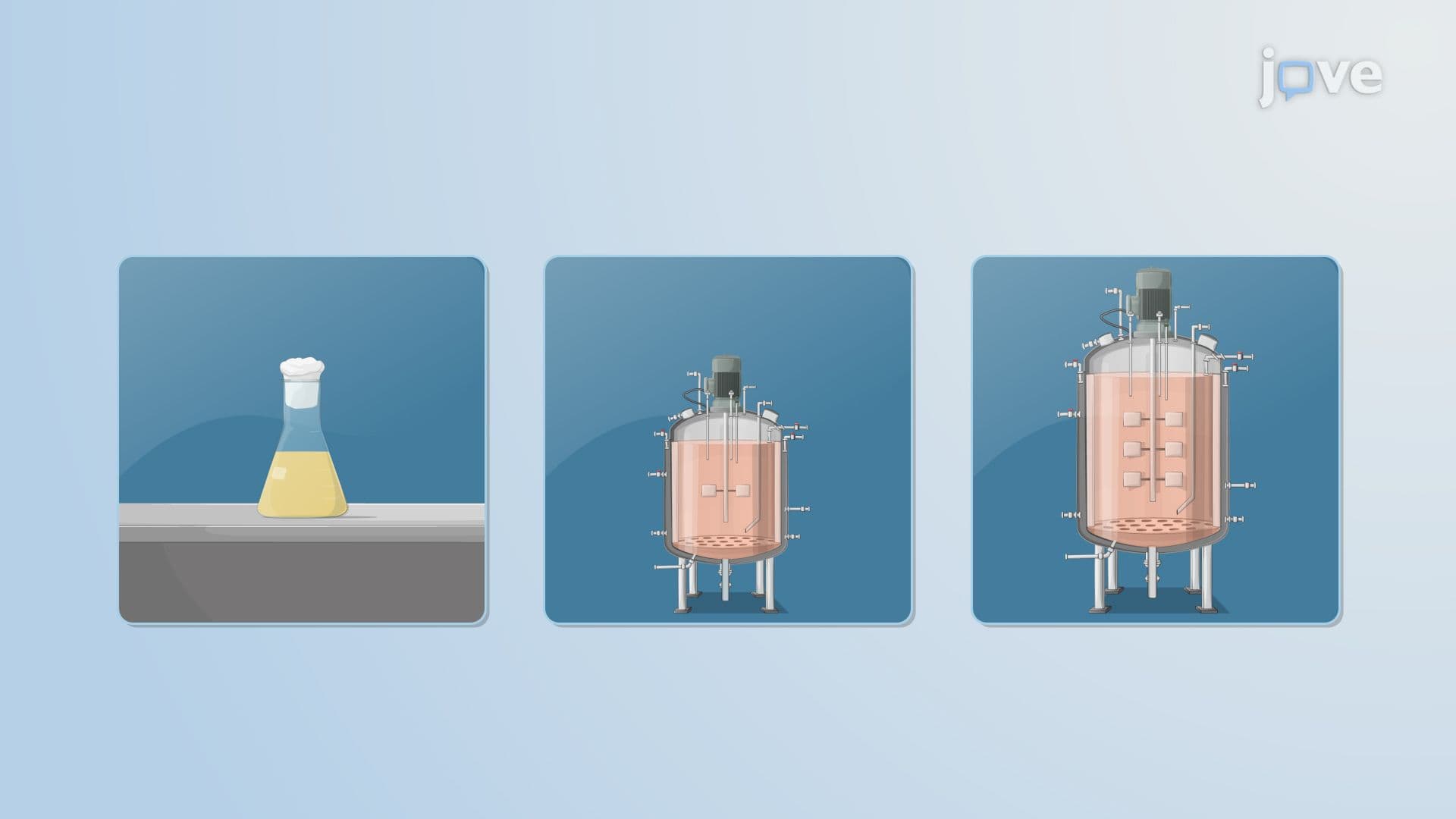
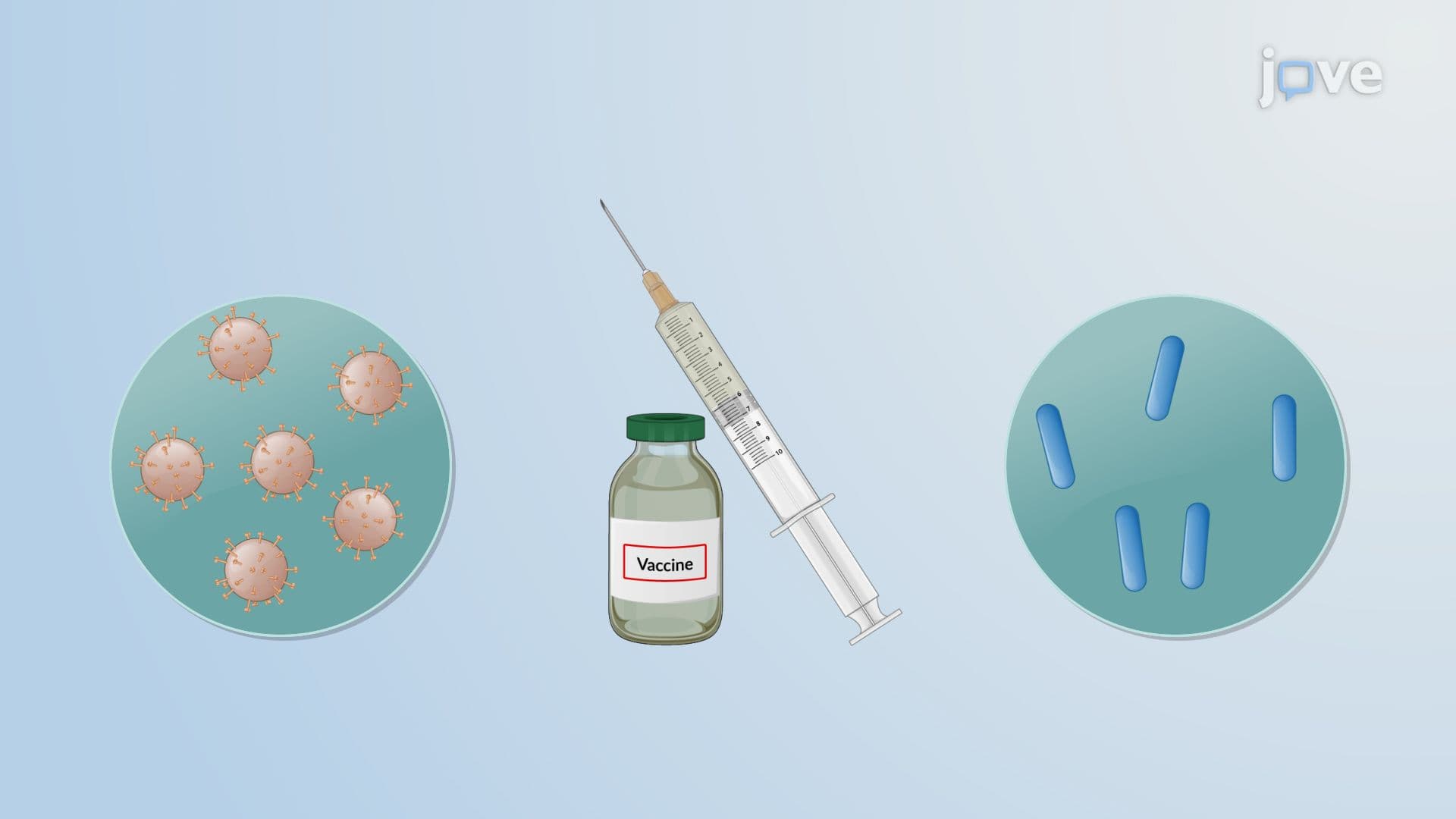
Bioreactor systems are the backbone of several industries critical to American life. Companies like Genentech and Amgen use large-scale bioreactors to produce recombinant proteins, including insulin and monoclonal antibodies, using recombinant DNA technology in industry. The US biofuel sector relies on fermentation bioreactors to convert plant sugars into ethanol. Industrial enzyme manufacturers supply everything from food processing enzymes to laundry detergents. Even vaccine production, as seen during the rapid US COVID-19 response, depends on bioreactor scale-up capability.
AP Biology students encounter bioreactor concepts when studying biotechnology and gene expression applications. MCAT test-takers are expected to understand microbial growth, fermentation, and the biochemical basis of industrial microbiology. College-level courses in bioprocess engineering, microbiology, and biochemistry frequently feature bioreactor design on midterms and lab practicals. Understanding what industrial microbiology is used for, and how bioreactor components support each application, provides a strong conceptual foundation for all of these assessments.
Related Micro-courses