Loading subject page…

3,720 views

Video Summary: What Is Bioreactor Controls I
Did you know that a single contaminated bioreactor batch can cost a US pharmaceutical company millions of dollars? Mastering bioreactor controls-I basics is the key to preventing that disaster. This concept covers how industrial systems precisely regulate temperature, pH, and foam, the three variables most critical to microbial productivity in antibiotic and enzyme manufacturing. Watch the full video on JoVE Coach to master this concept with expert-led visuals and step-by-step explanations.
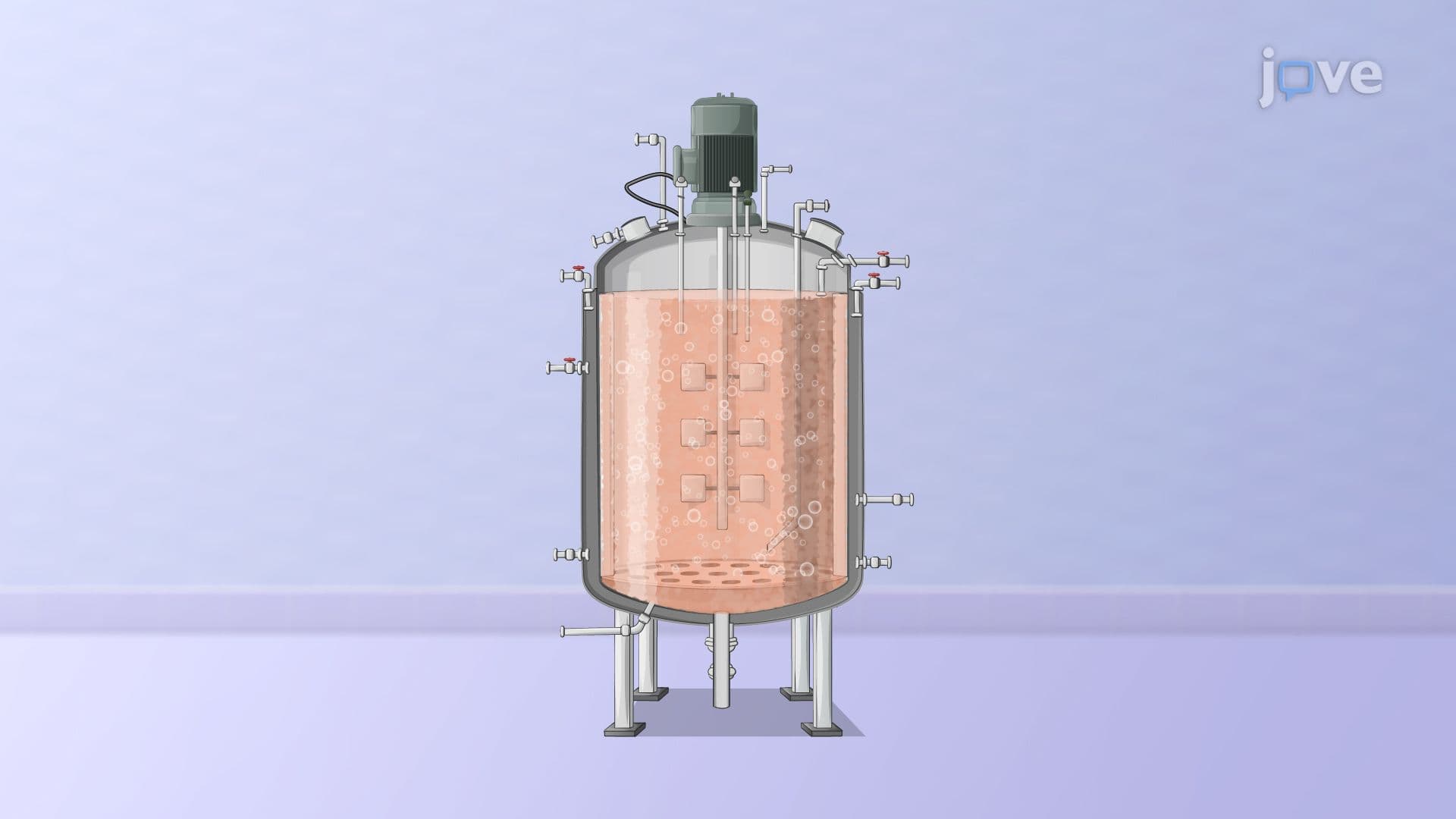
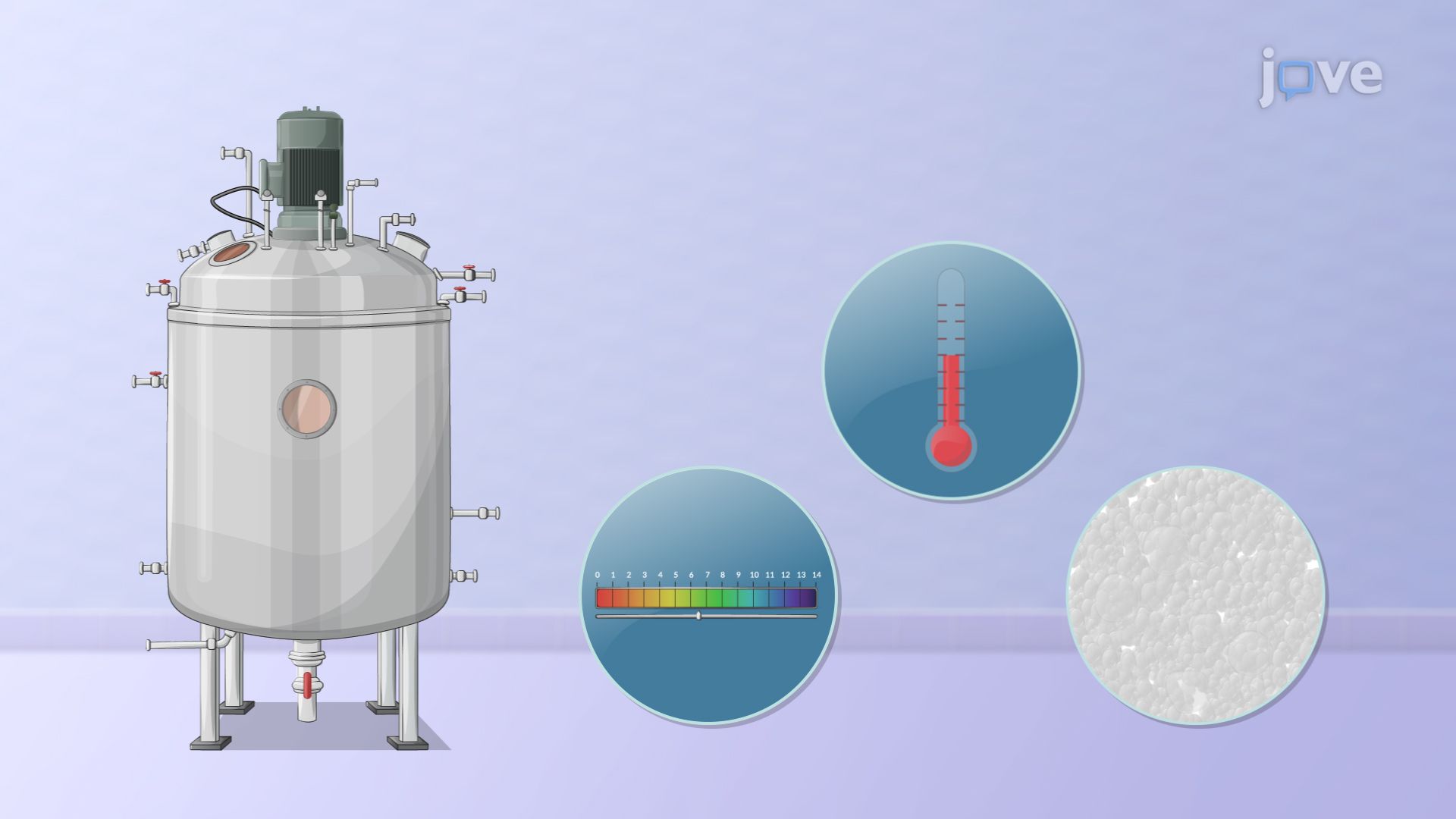
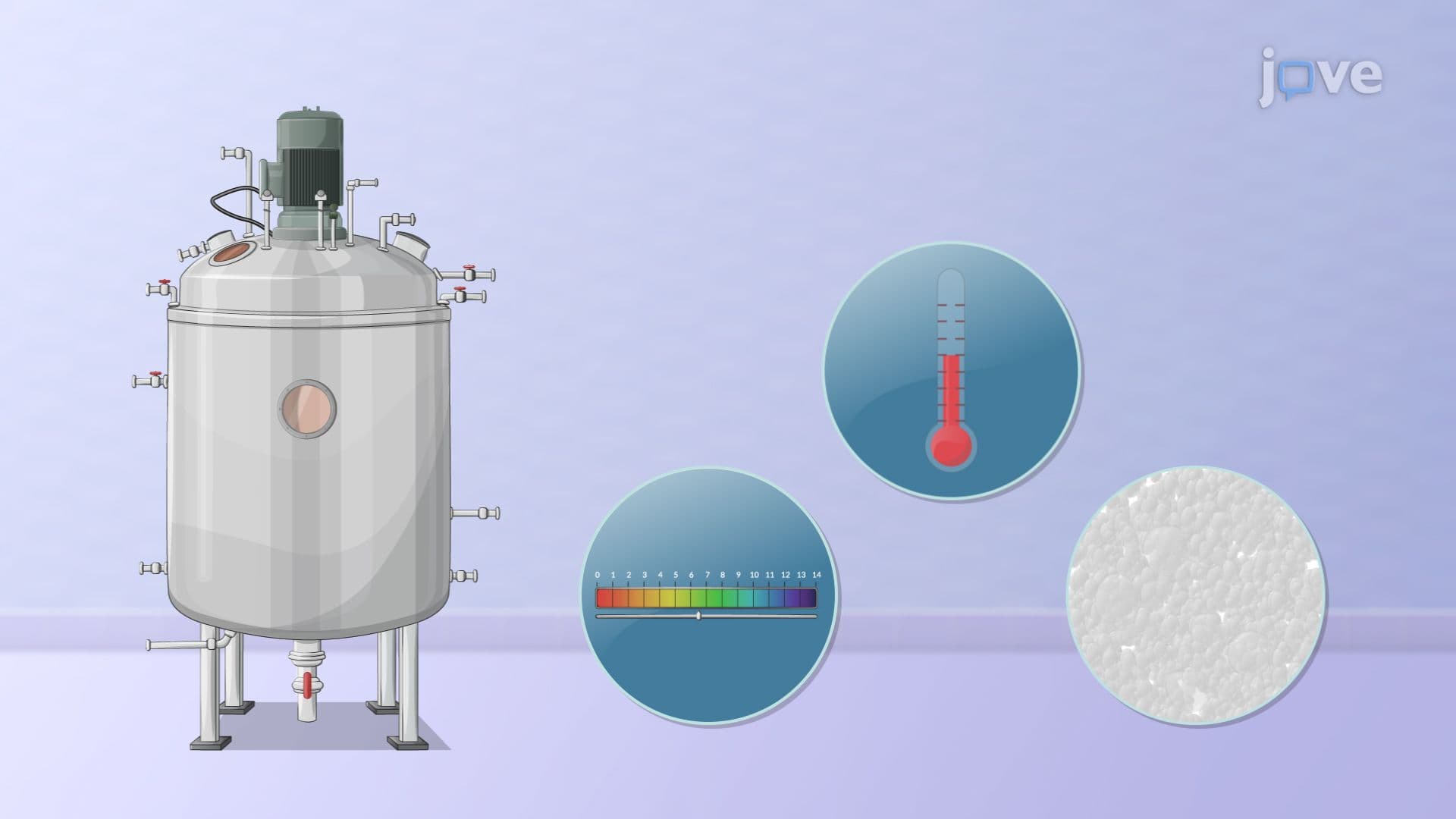
Bioreactor controls-I refers to the set of physical and chemical strategies used to regulate three mission-critical environmental parameters inside a bioreactor: temperature, pH, and foam. In industrial microbiology, even small deviations in these variables can dramatically reduce product yield or kill entire microbial cultures. Understanding these controls is fundamental not only for microbial biotechnology courses but also for preparing for AP Biology exams, college-level biochemistry, and the MCAT, where industrial applications of cellular metabolism are frequently tested.
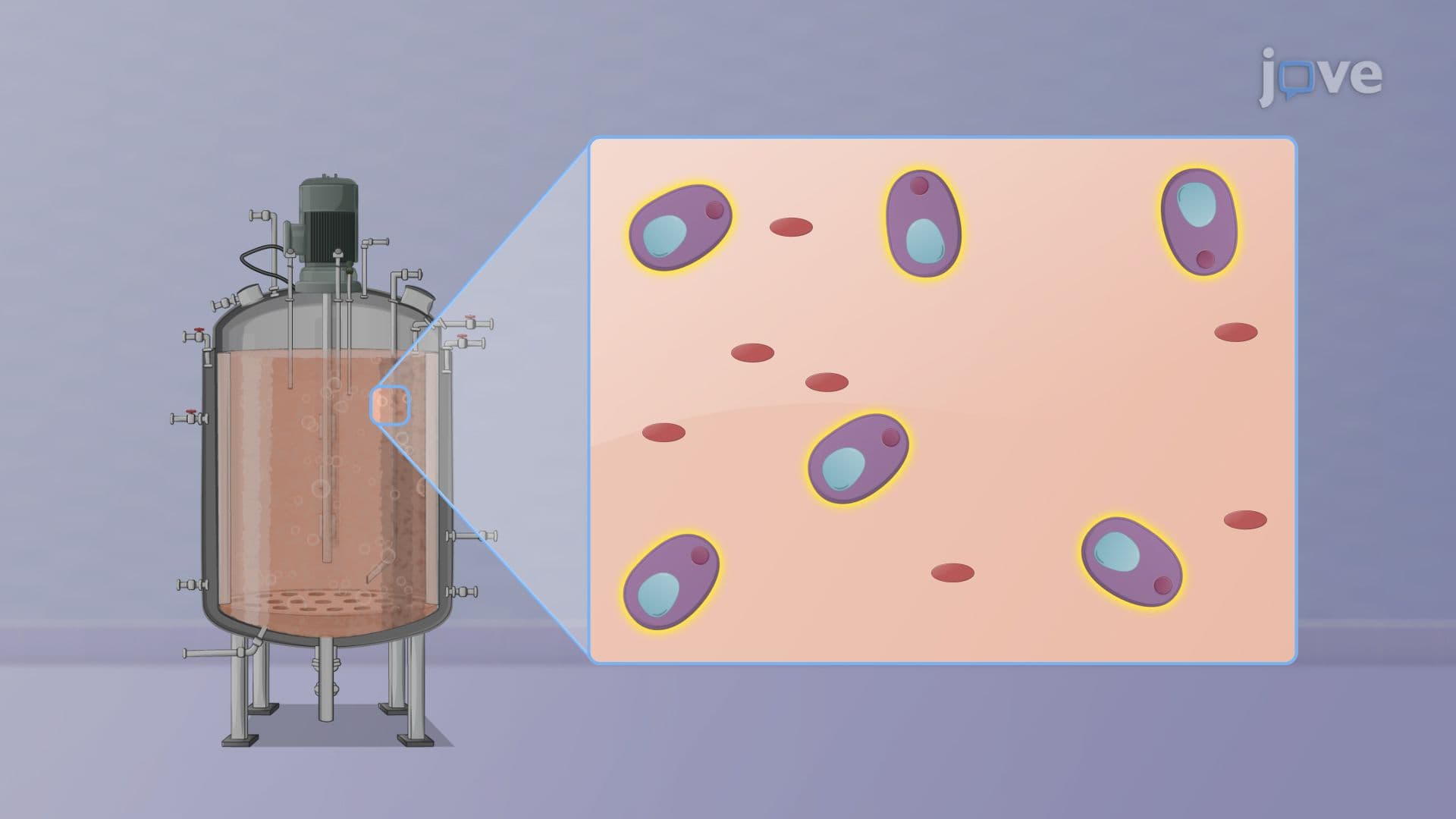
Temperature rises inside a bioreactor for three reasons: microbial metabolism generates heat as a byproduct of cellular respiration, mechanical agitation from impellers adds frictional energy, and aeration introduces energy through compressed gas movement. Left unmanaged, this heat accumulation pushes cultures past their optimal growth temperature, often between 30°C and 37°C for common industrial microbes like *Escherichia coli* or *Saccharomyces cerevisiae*.
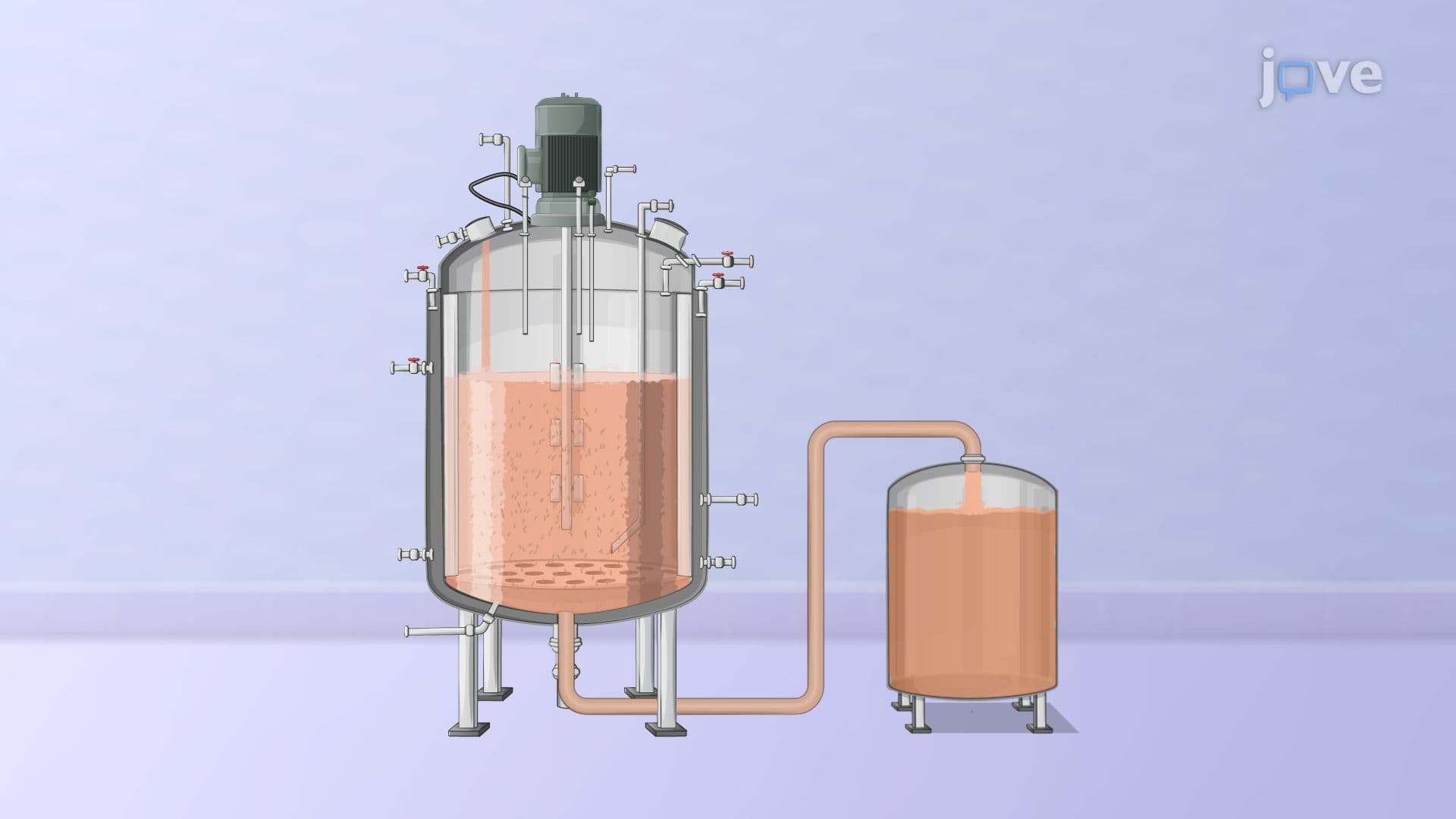
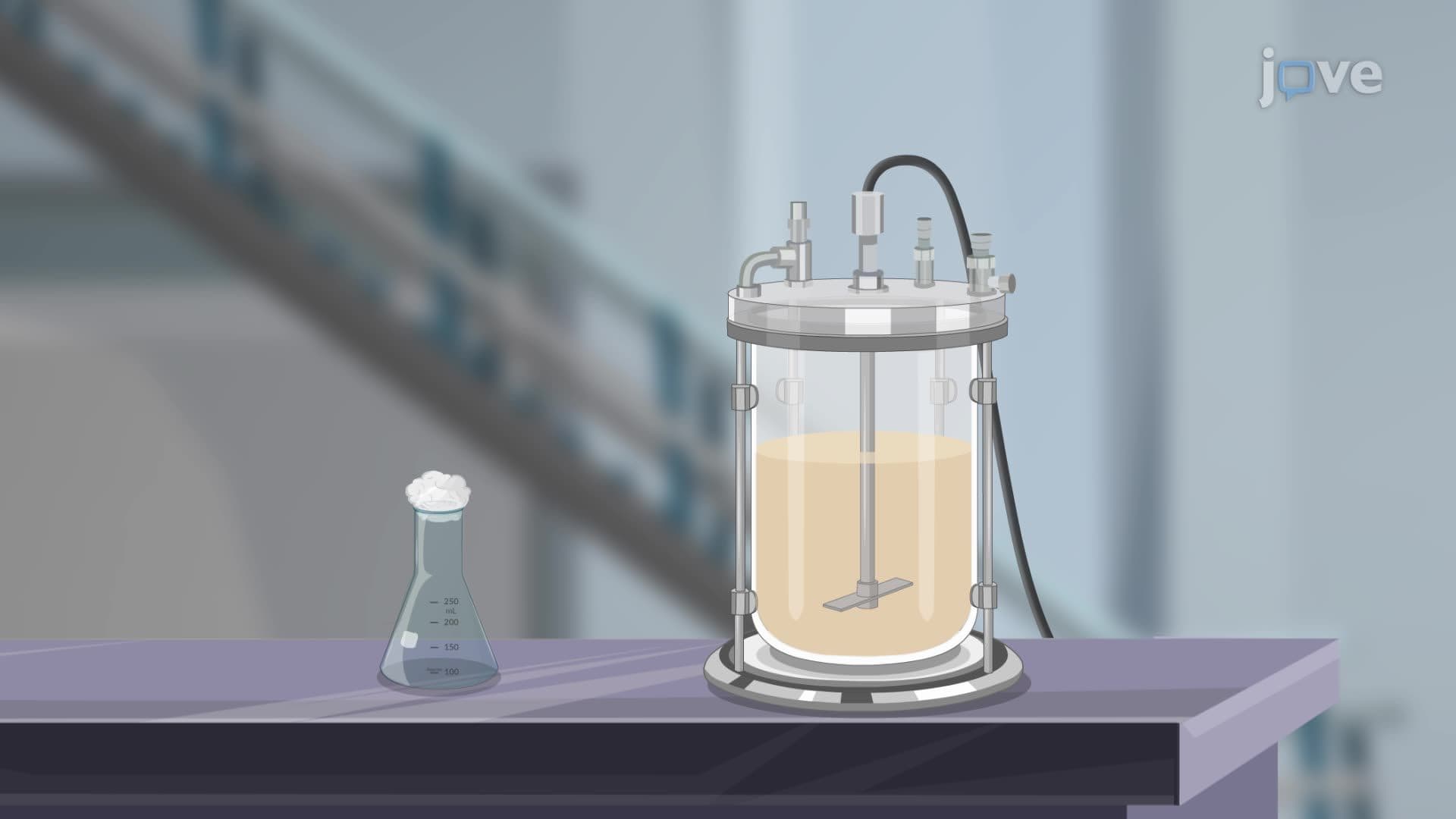
To counteract this, engineers use water baths for small-scale laboratory systems, external jacketed vessels that circulate refrigerated water around the bioreactor wall, or internal cooling coils submerged directly in the fermentation broth for large-scale fermentation operations. US companies such as Pfizer and Genentech rely on jacketed vessels and coil systems in their manufacturing plants, where batch volumes can exceed tens of thousands of liters. Temperature sensors connected to automated feedback loops maintain precision within a fraction of a degree.
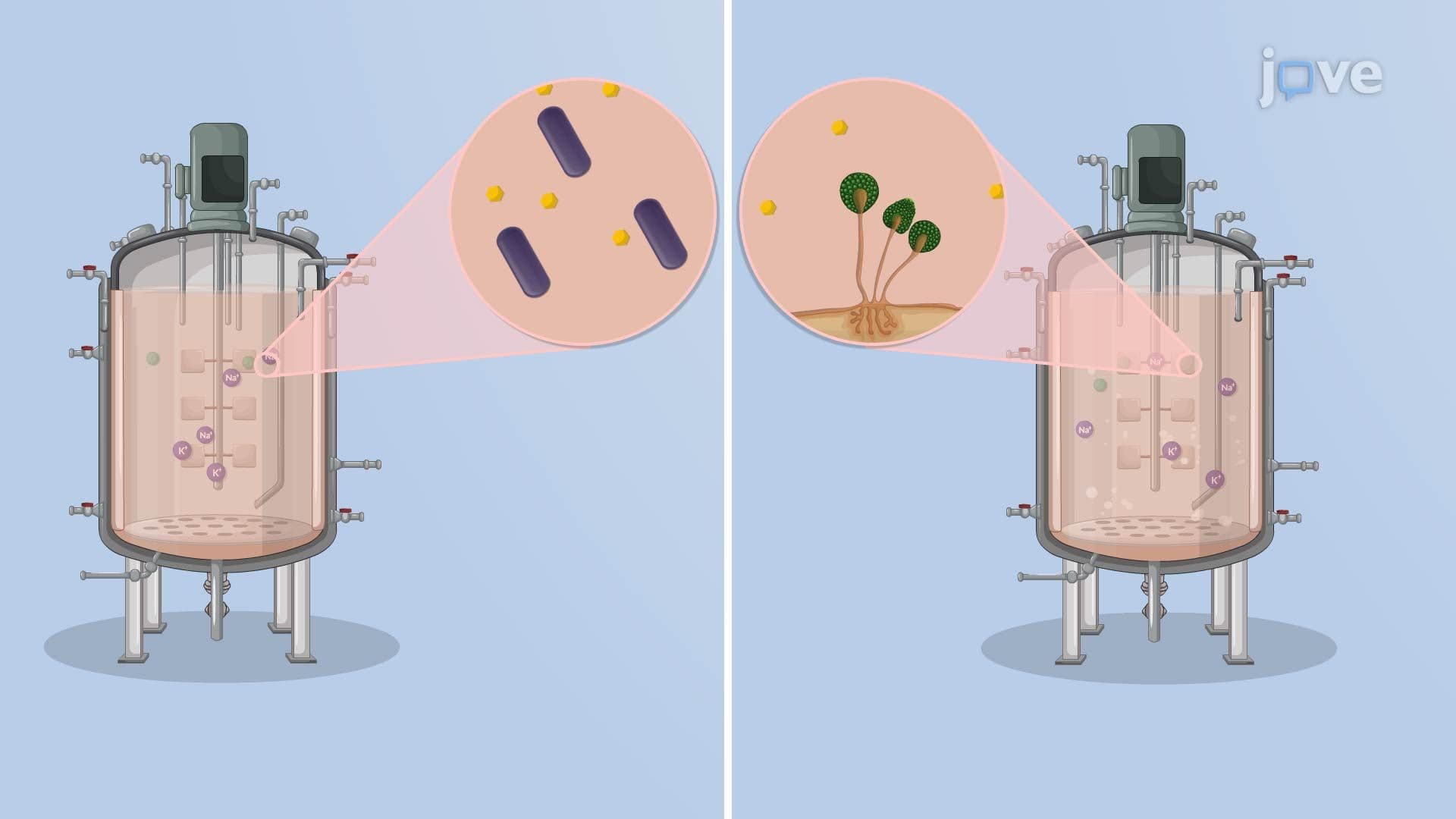
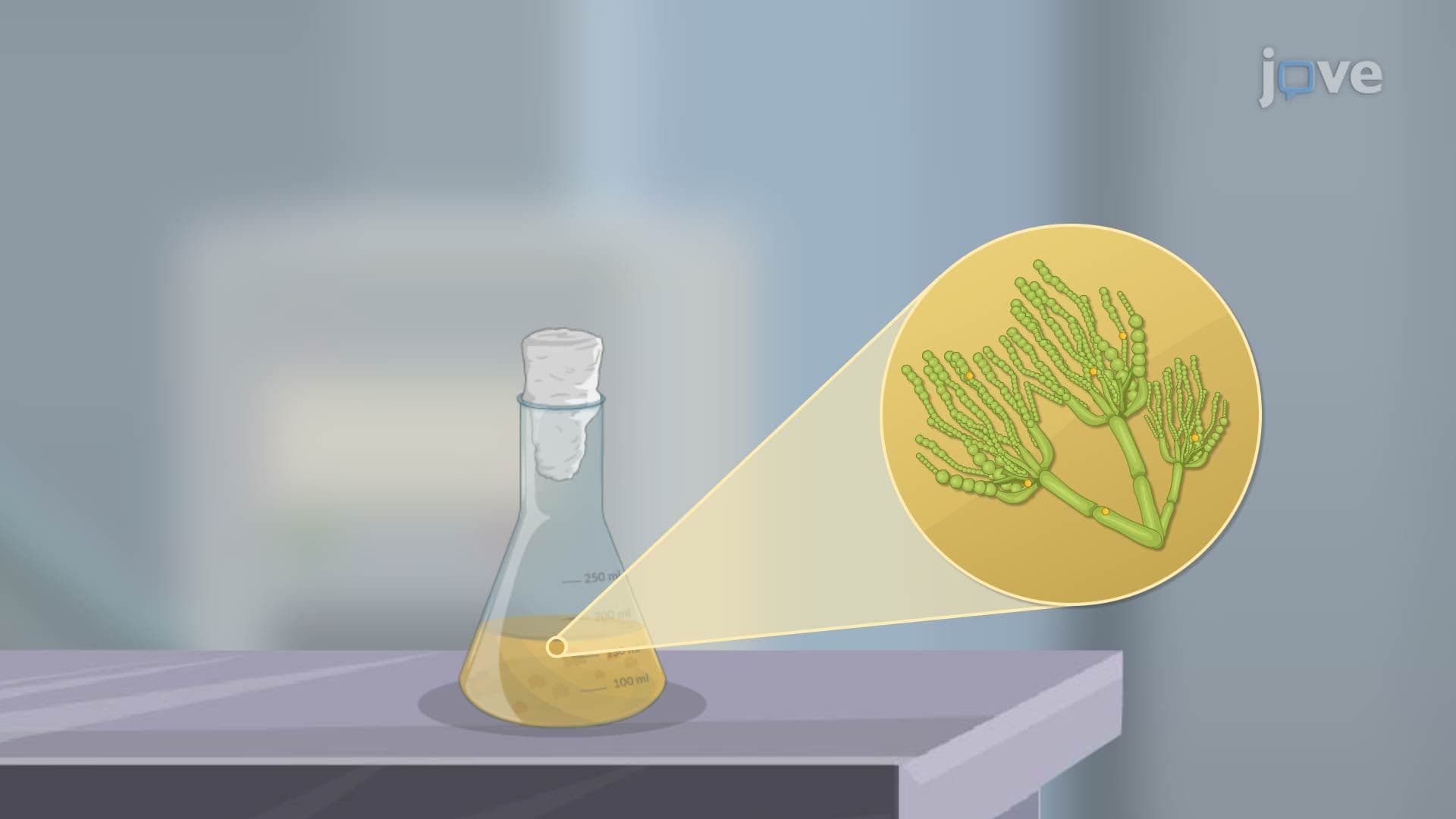
Microbial metabolism continuously produces acids and bases as metabolic byproducts, organic acids like lactic acid and acetic acid are common offenders. A drifting pH disrupts enzyme activity, membrane function, and ultimately product synthesis. In antibiotic production facilities, maintaining a stable pH is directly tied to the productivity of organisms like *Penicillium chrysogenum*.
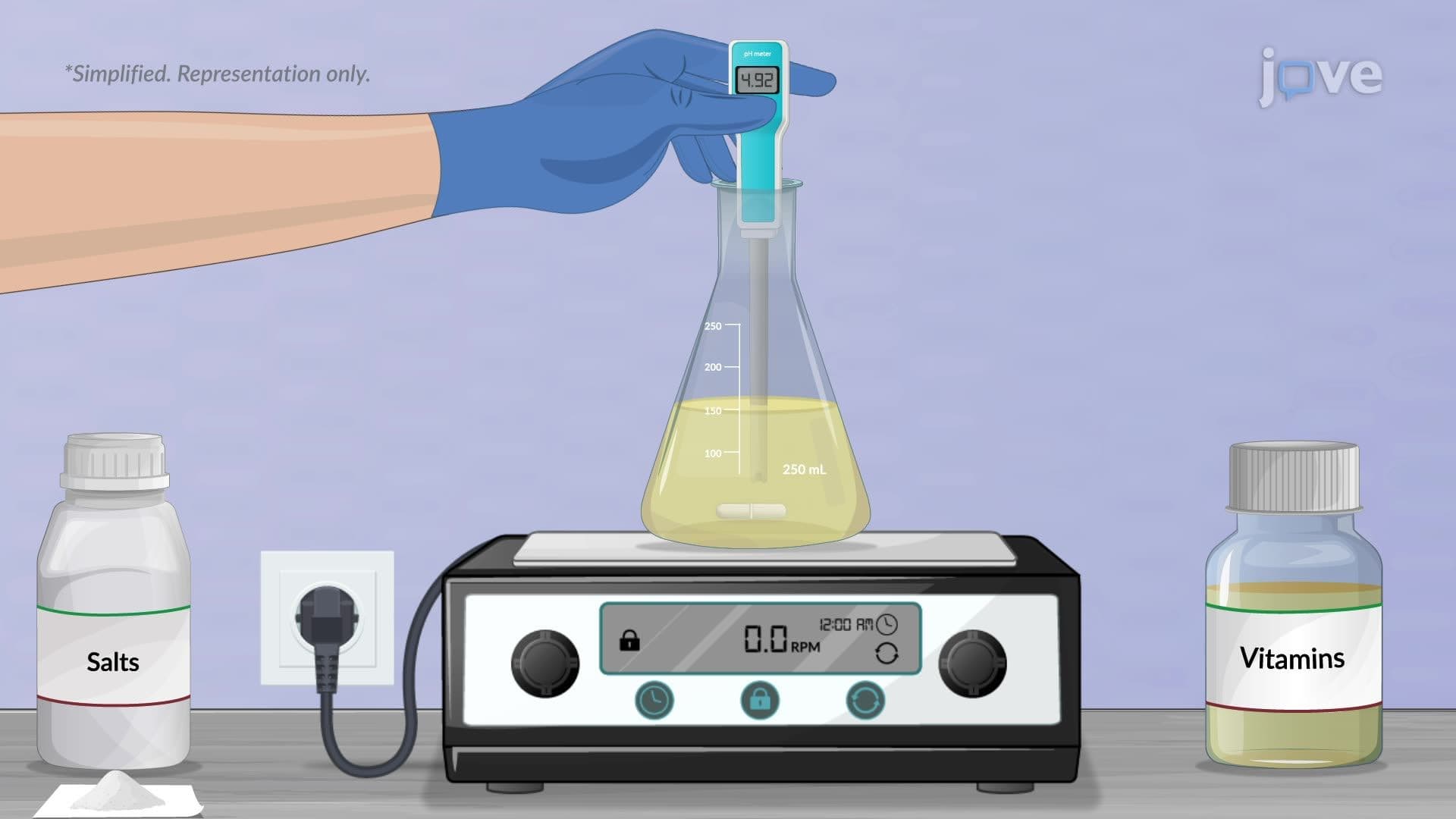
pH is managed using two complementary approaches. Chemical buffers resist moderate pH shifts passively, while automated control systems use sterilizable electrochemical probes to monitor pH in real time and trigger pumps that add acid or base on demand. A particularly elegant solution used in industry is the addition of ammonia gas or ammonium hydroxide, which neutralizes acid while simultaneously supplying nitrogen, an essential nutrient, to the growing culture. This dual function makes ammonia a cost-effective and metabolically supportive control agent in enzyme production and recombinant DNA technology in industry.
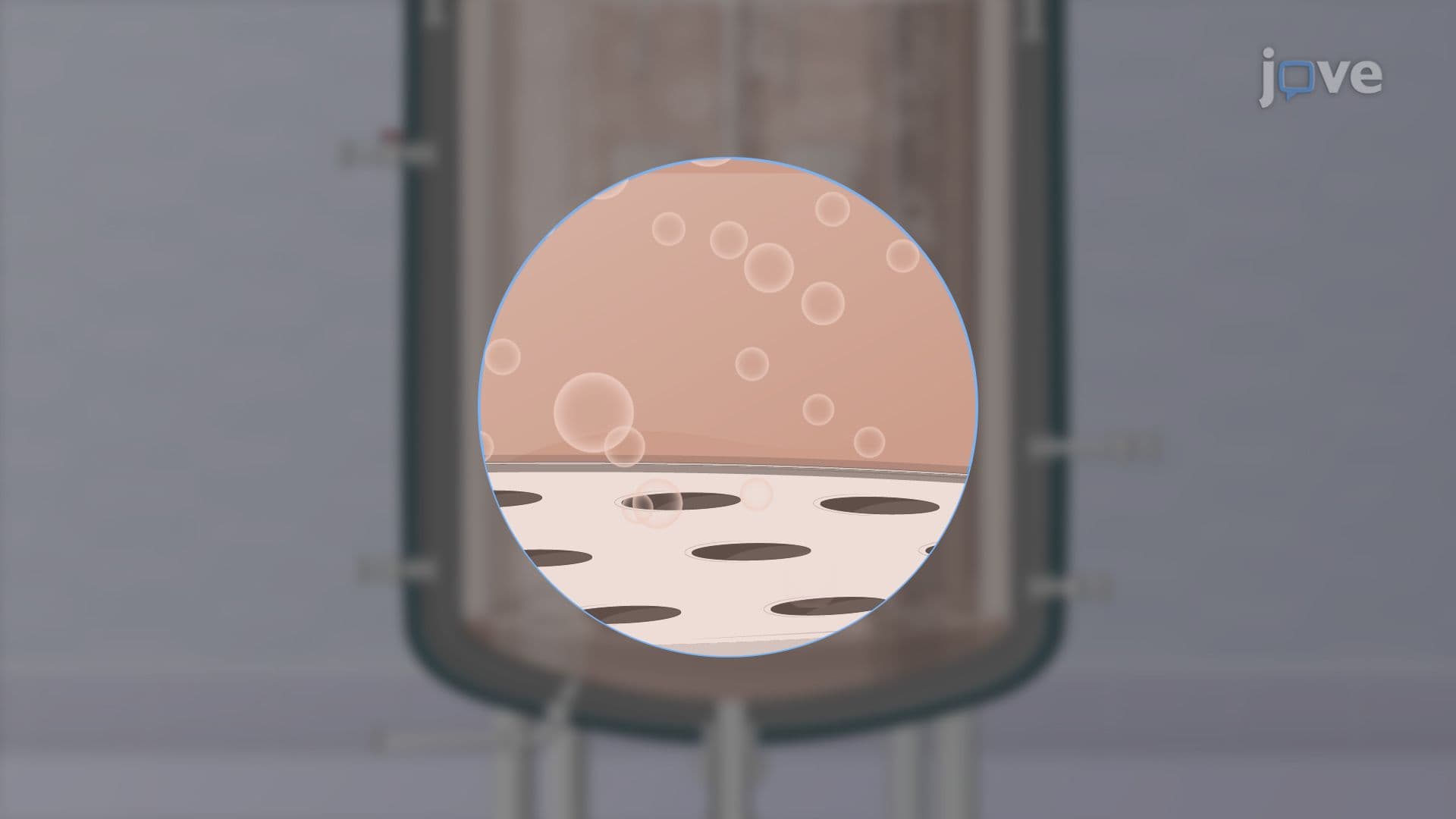
Foam forms when aeration, agitation, and microbial surface-active proteins interact at the liquid-air interface to create stable bubble layers. Unchecked foam can overflow into exhaust filters, contaminate downstream systems, and reduce oxygen transfer efficiency, a serious problem in biofuel production and recombinant protein manufacturing.
Mechanical foam control uses rotating foam breakers mounted above the liquid surface to physically shatter foam films. Chemical antifoams, compounds such as silicone oils or polypropylene glycols, work by reducing surface tension, destabilizing the foam film, and causing rapid bubble coalescence and collapse. The ideal antifoam for industrial use must satisfy four criteria: it must be non-toxic to the microorganism, autoclavable (sterilizable by steam under pressure), non-metabolizable (so microbes do not consume it), and must not impair oxygen transfer from the gas phase into the broth. In practice, US biotech manufacturers carefully screen antifoam agents against all four criteria before approving them for Good Manufacturing Practice (GMP) production runs.
These three control systems, temperature, pH, and foam, work together as an integrated regulatory framework, and understanding how they interact is central to answering questions about what industrial microbiology is used for and how microorganisms are deployed in real manufacturing environments.
Related Micro-courses