Loading video…

 22 Concepts
 3.7K views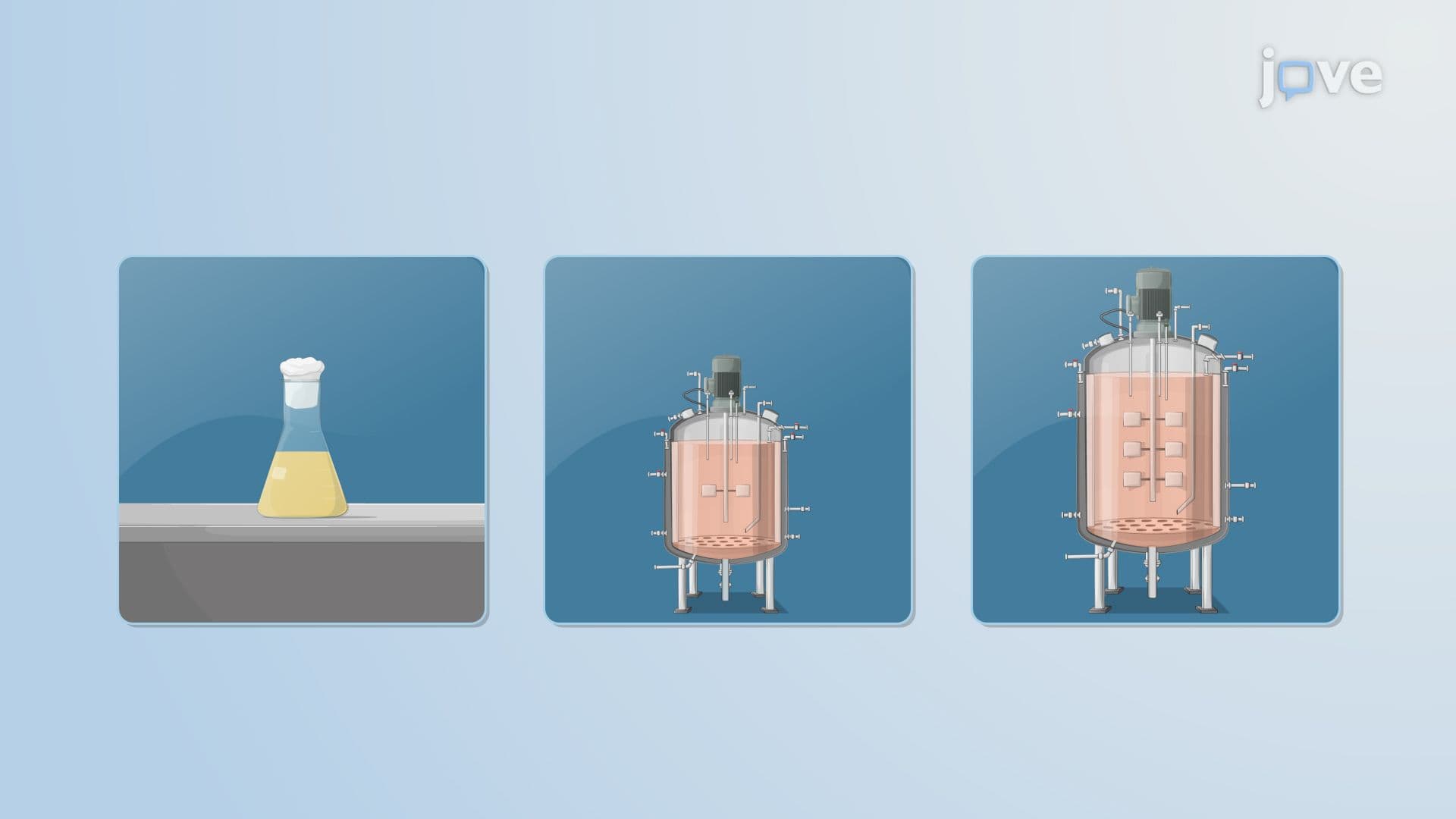

Video Summary: What are Scale up Processes
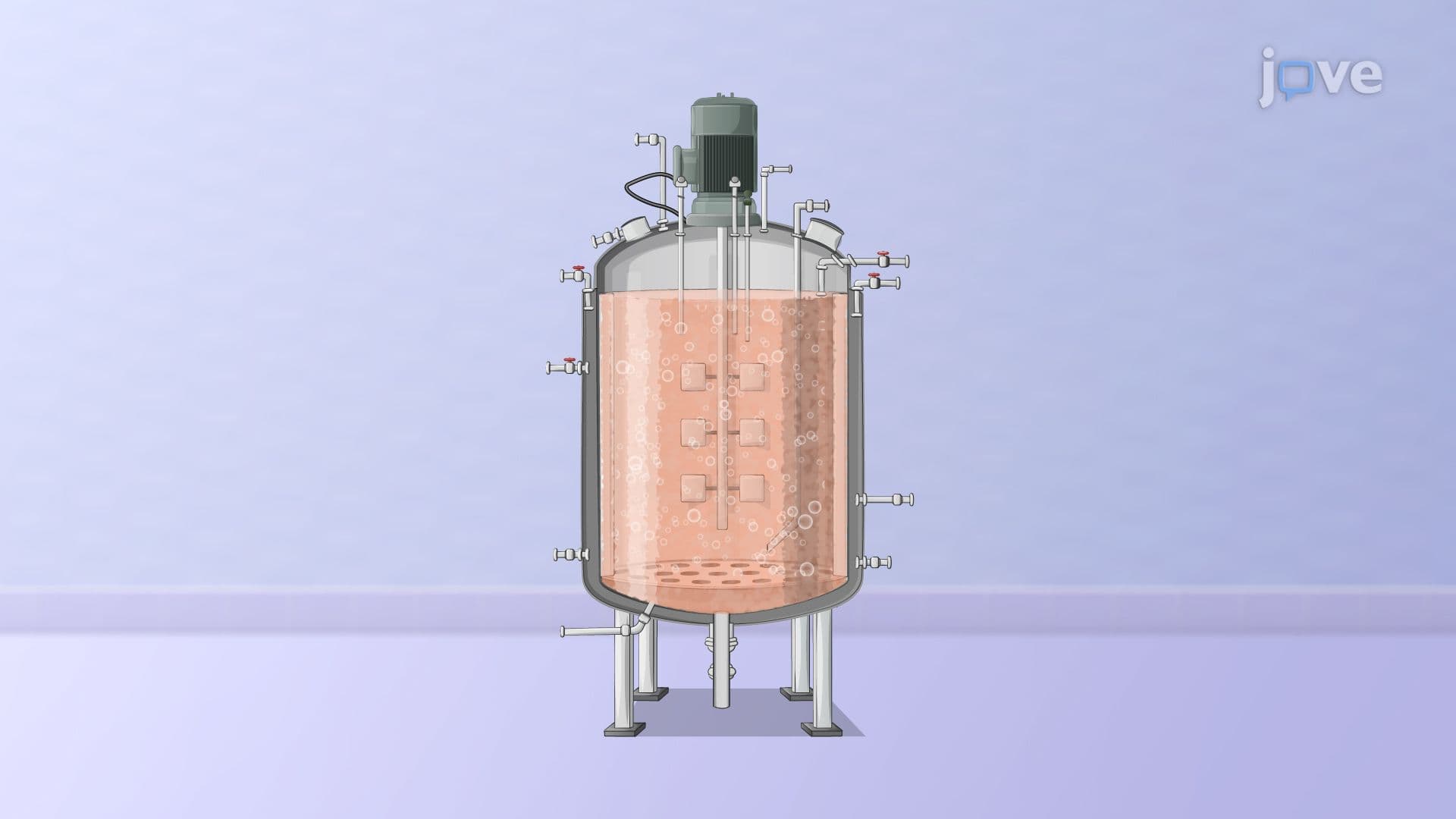
Did you know that producing a single dose of penicillin requires fermenters holding tens of thousands of liters? Scale-up processes are the step-by-step methods used to transition microbial production from a small lab bench to massive industrial facilities, without losing product quality or yield. From optimizing oxygen flow to controlling heat buildup, these processes power US biotech companies like Pfizer and Genentech. Watch the full video on JoVE Coach to master this concept with expert-led visuals and step-by-step explanations.
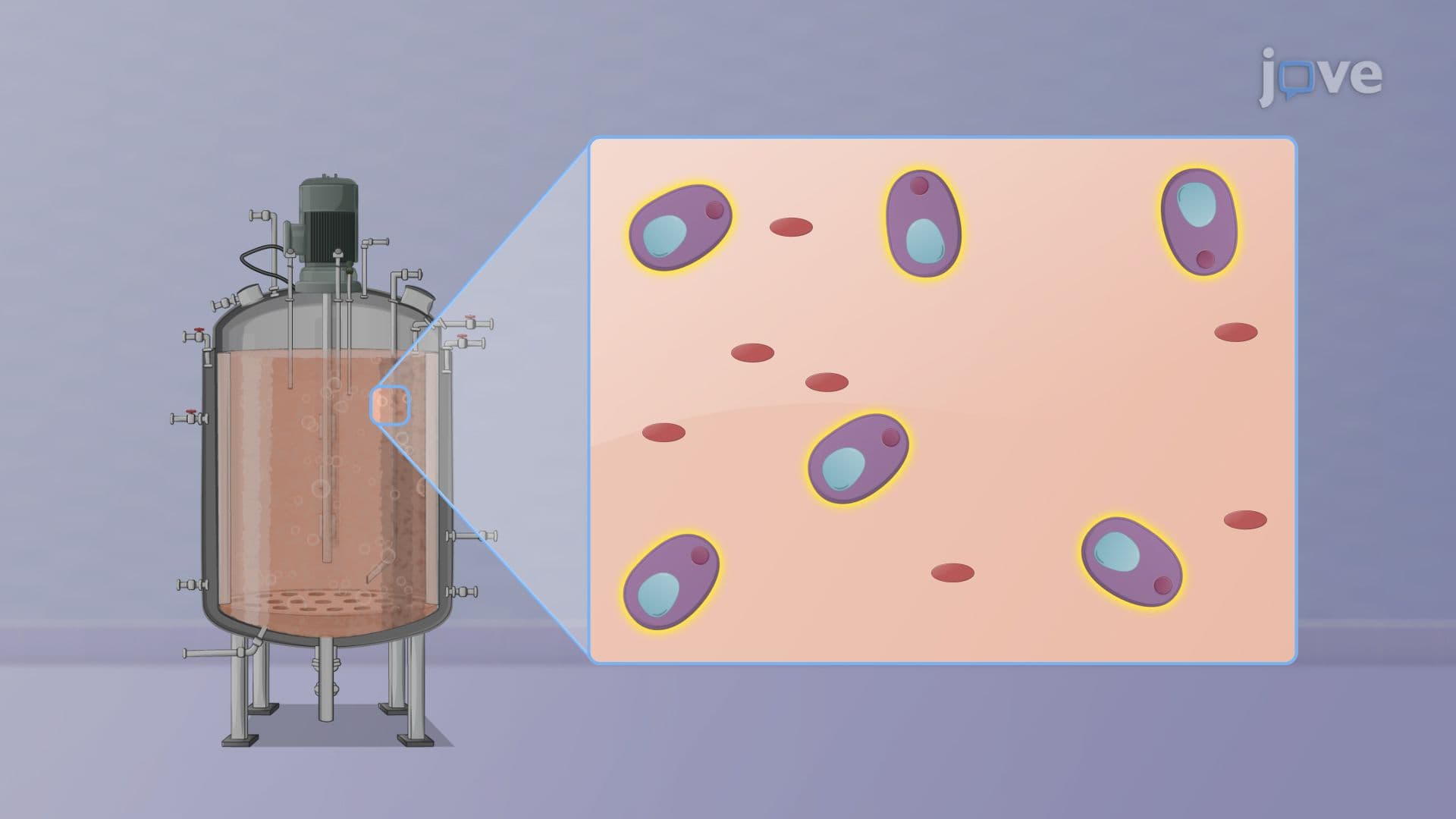
Scale-up processes describe the systematic expansion of a microbial production system, moving from small, controlled laboratory conditions to large-volume industrial manufacturing. This concept sits at the heart of industrial microbiology and microbial biotechnology, bridging fundamental science with commercial application. Whether a company is producing insulin, ethanol, or a novel enzyme, the ability to scale a process reliably is what separates a promising lab result from a viable product.
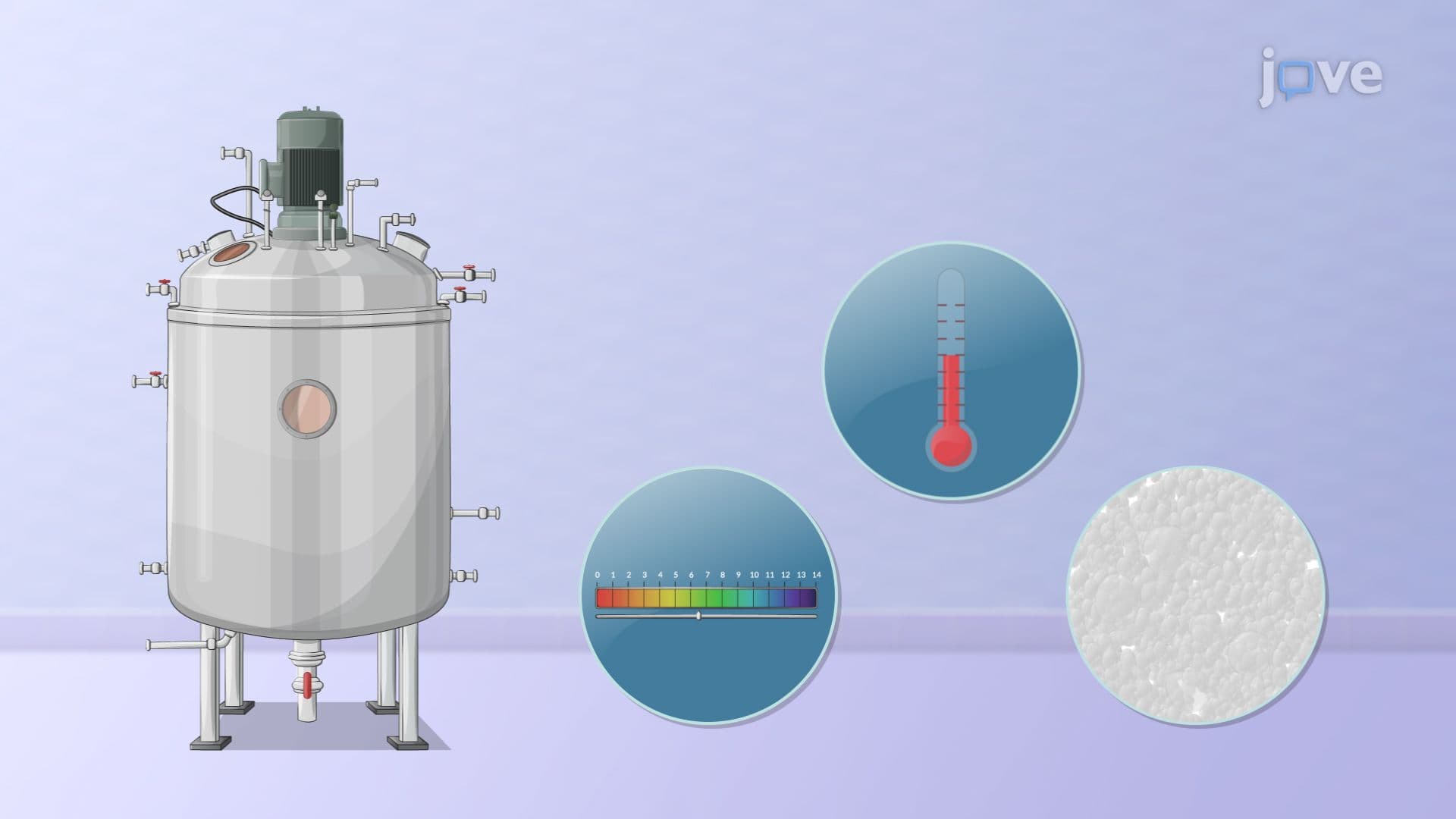
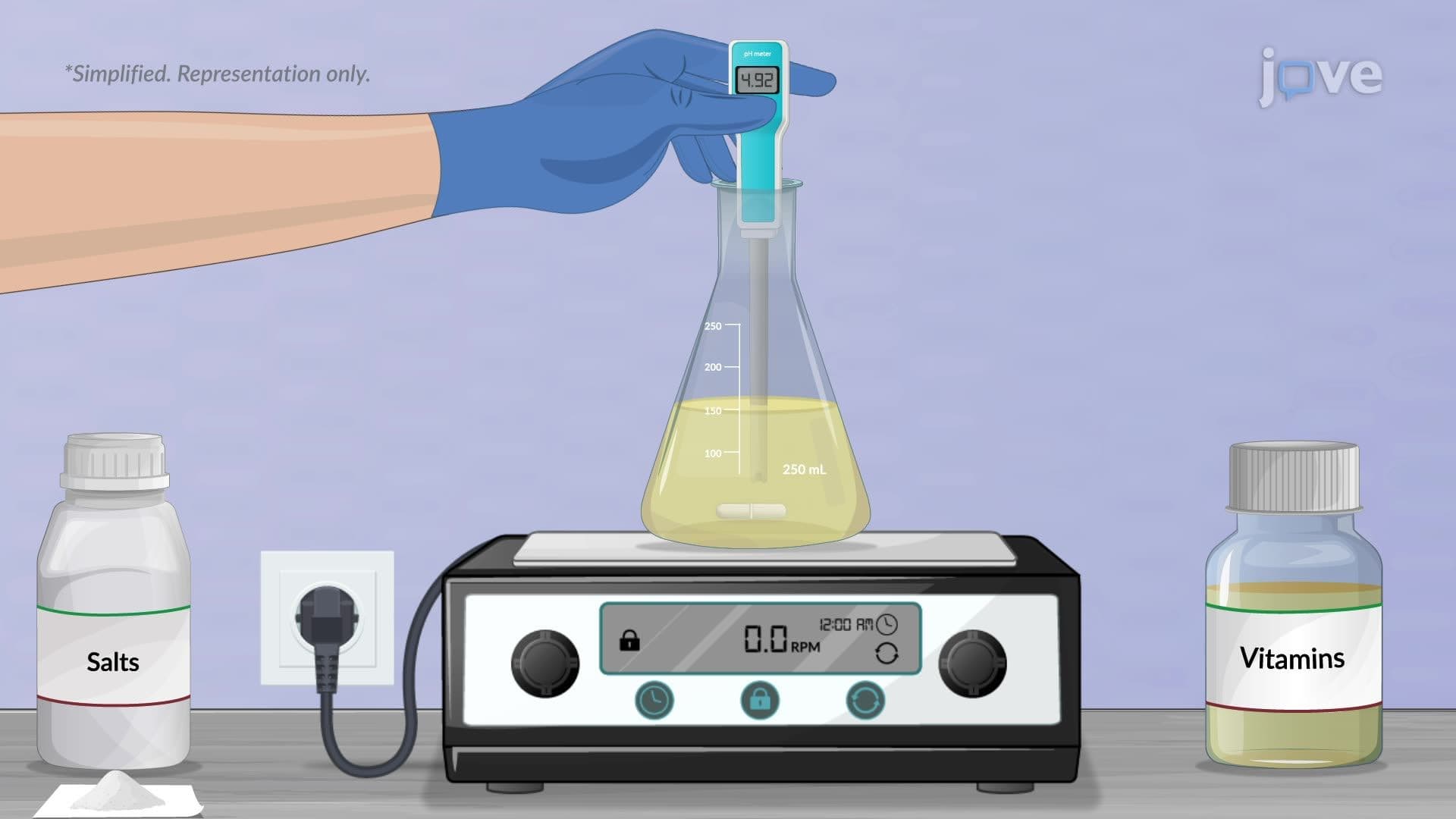
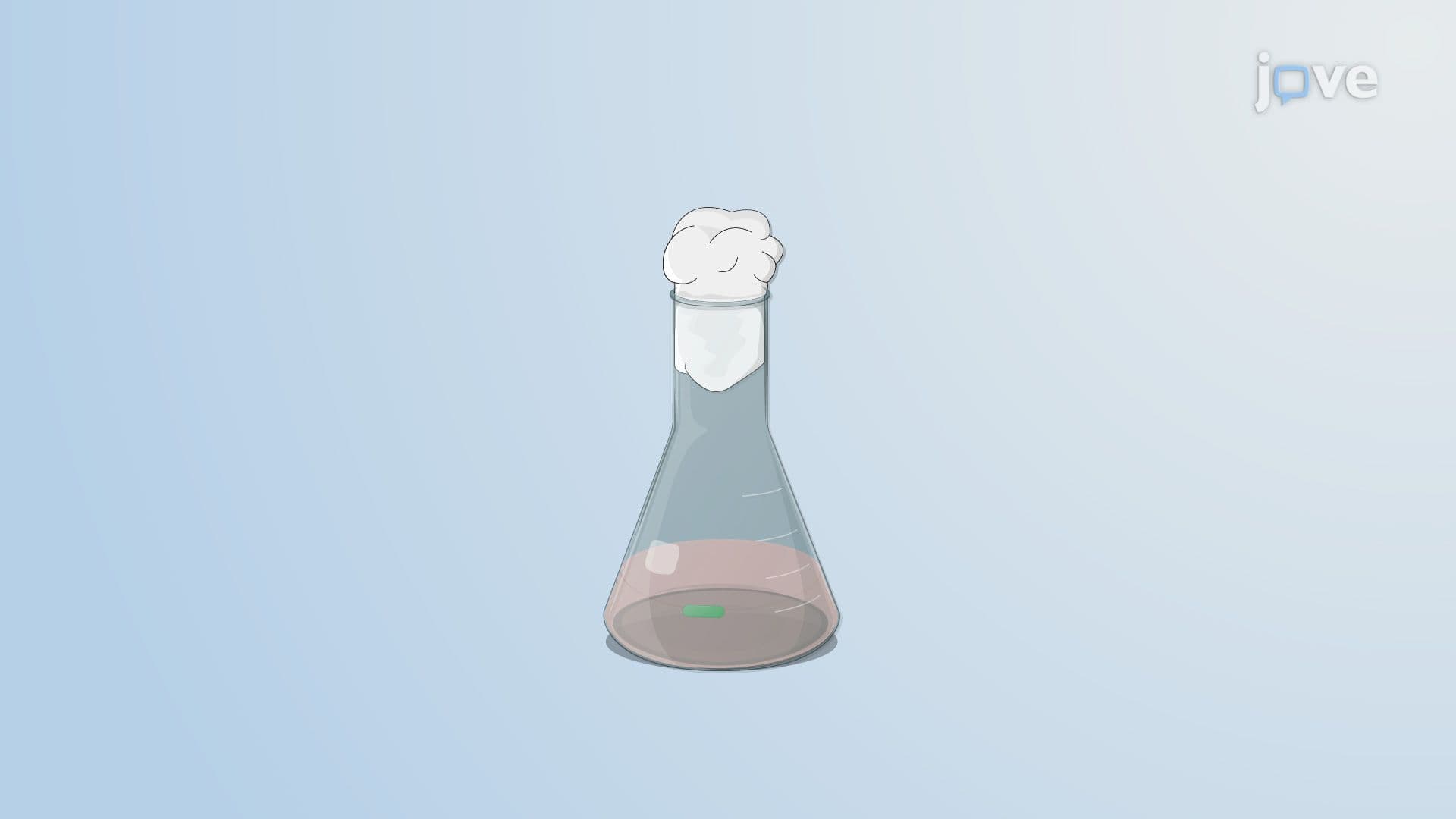
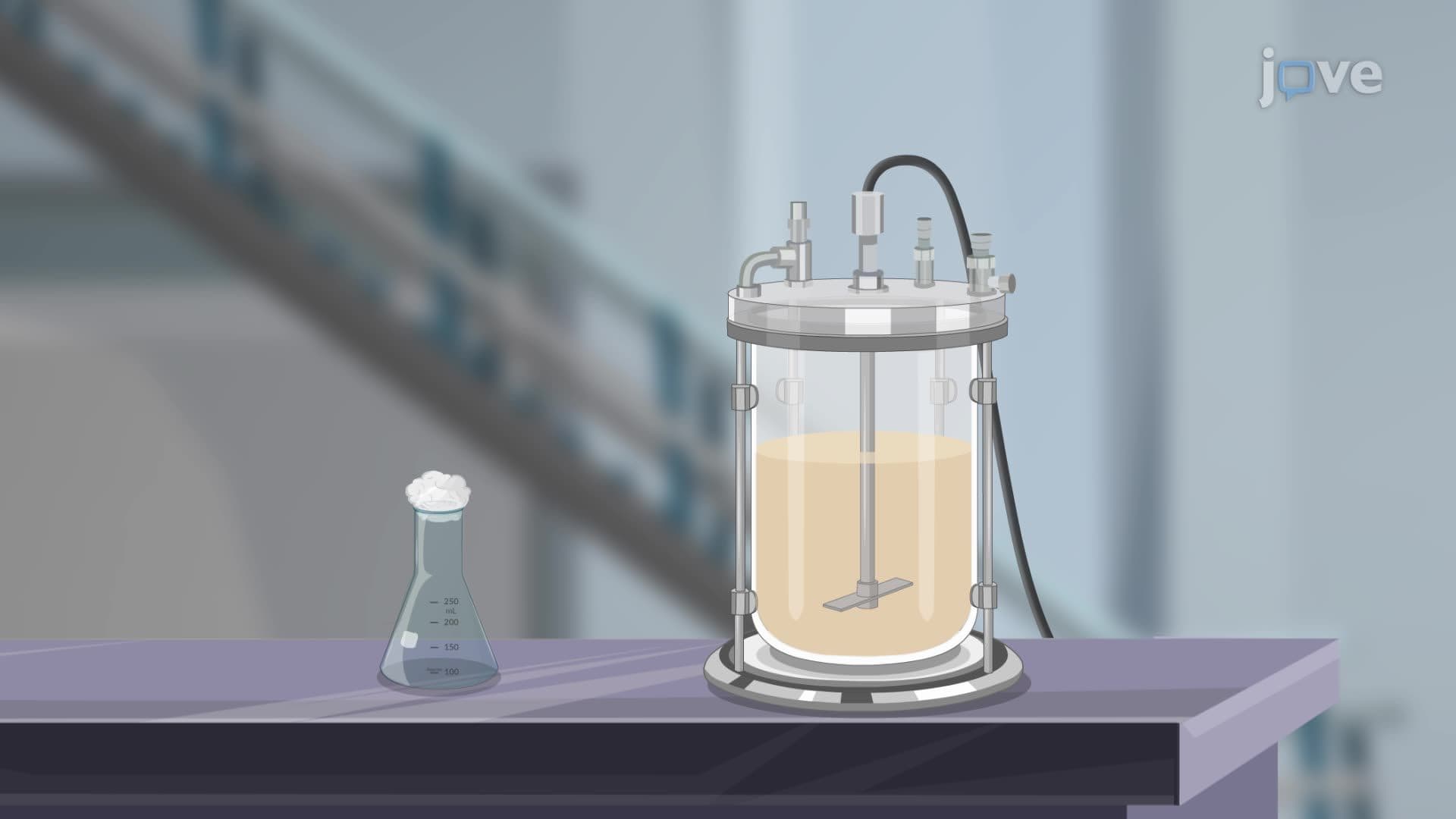
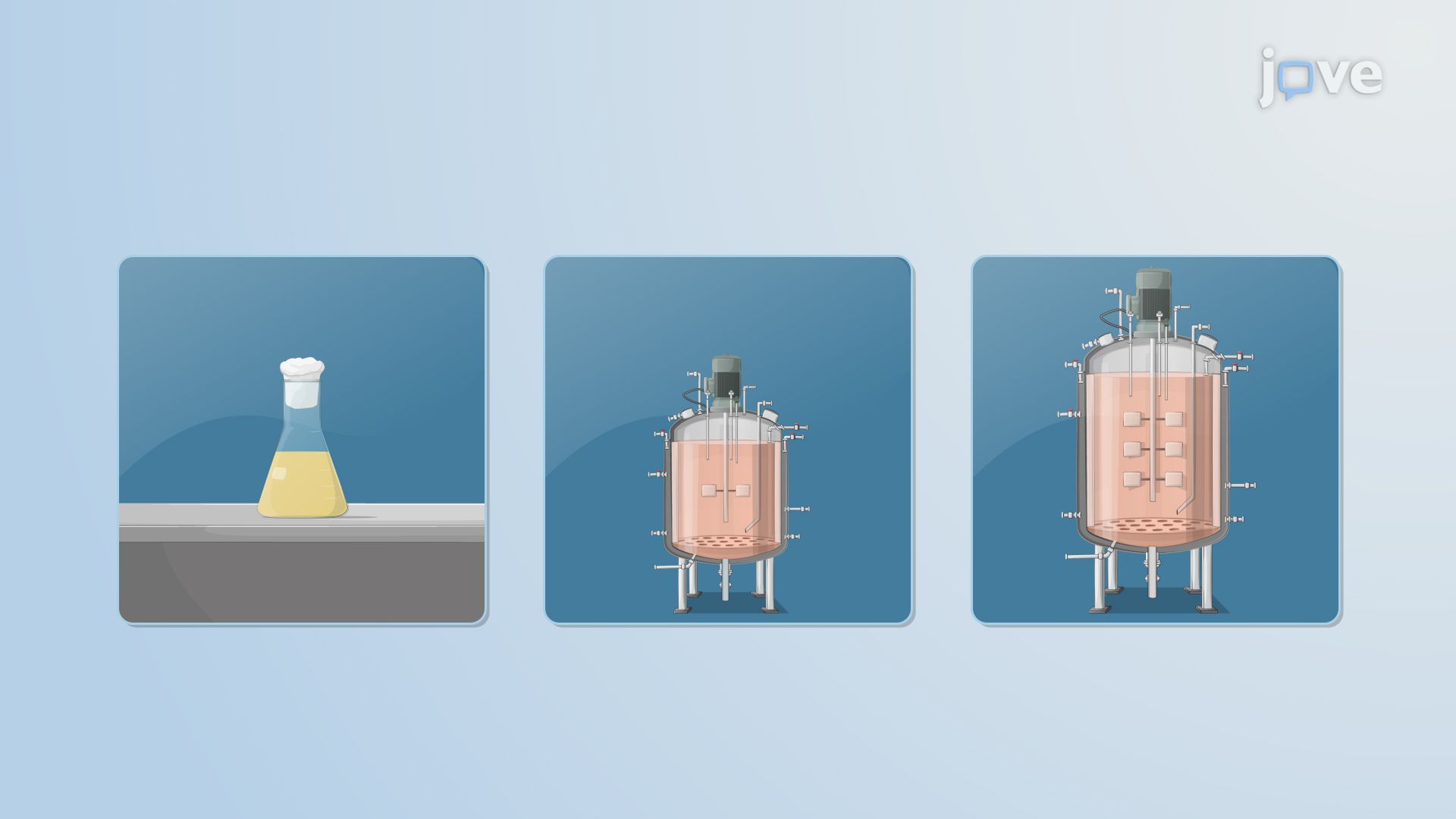
Every scale-up follows a three-stage progression. At the laboratory scale, researchers work with culture volumes typically under 2 liters. Here, scientists select the best-performing microbial strains and fine-tune variables like temperature, pH, dissolved oxygen, and growth media composition to maximize yield. This foundational work is highly controlled but cannot predict everything that happens at larger volumes.
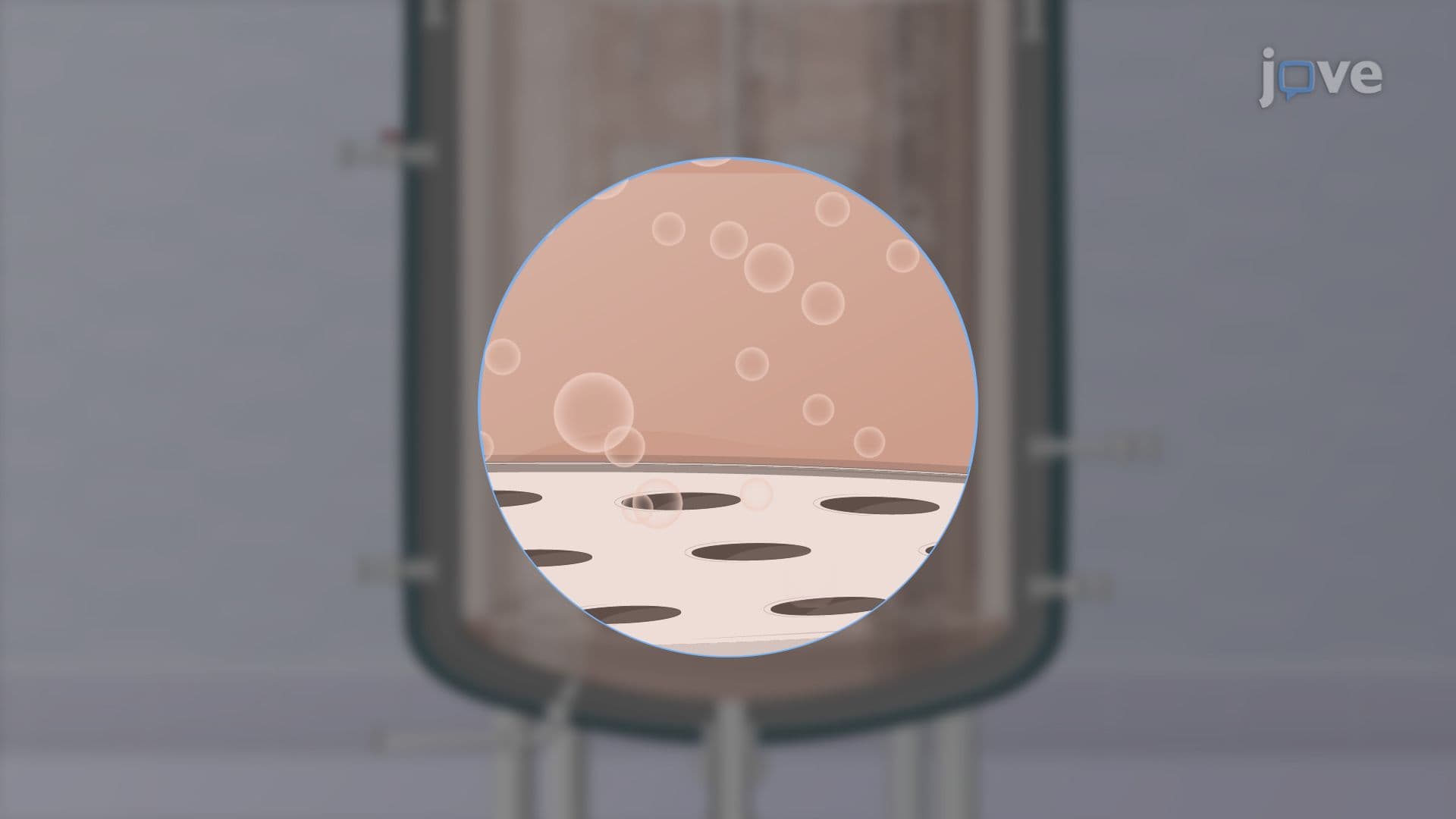
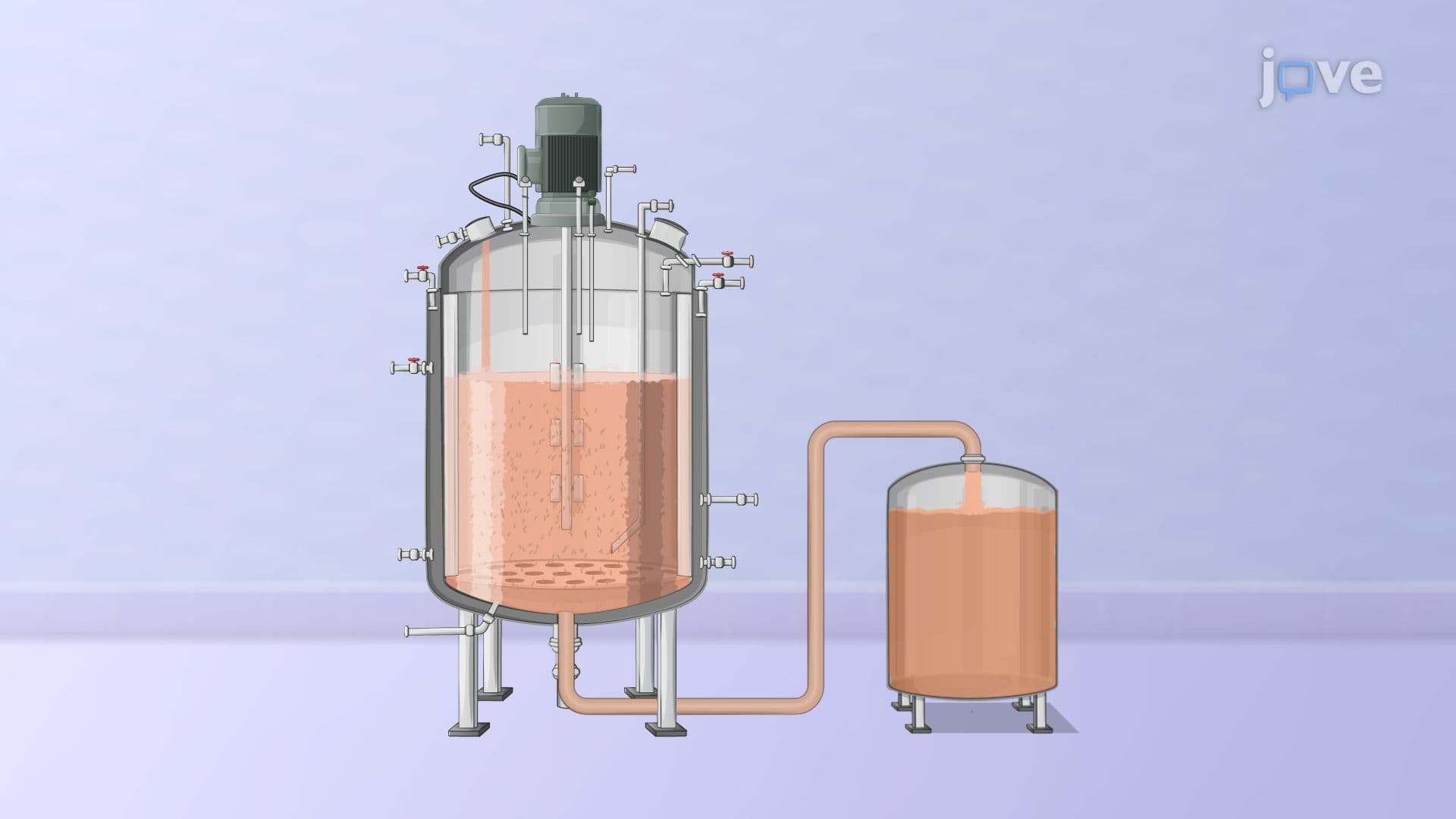
The pilot scale bridges the gap, using mid-sized fermenters ranging from 10 to 1,000 liters. This is where real engineering challenges surface. Oxygen may not distribute evenly throughout a large tank, creating oxygen gradients that stress or kill cells in certain zones. Metabolic heat generated by billions of microorganisms can exceed a fermenter's cooling capacity. Foaming, caused by proteins and agitation, can block air filters and contaminate products. Engineers address each issue by adjusting airflow rates, installing better cooling coils, modifying impeller designs, and using antifoam agents.
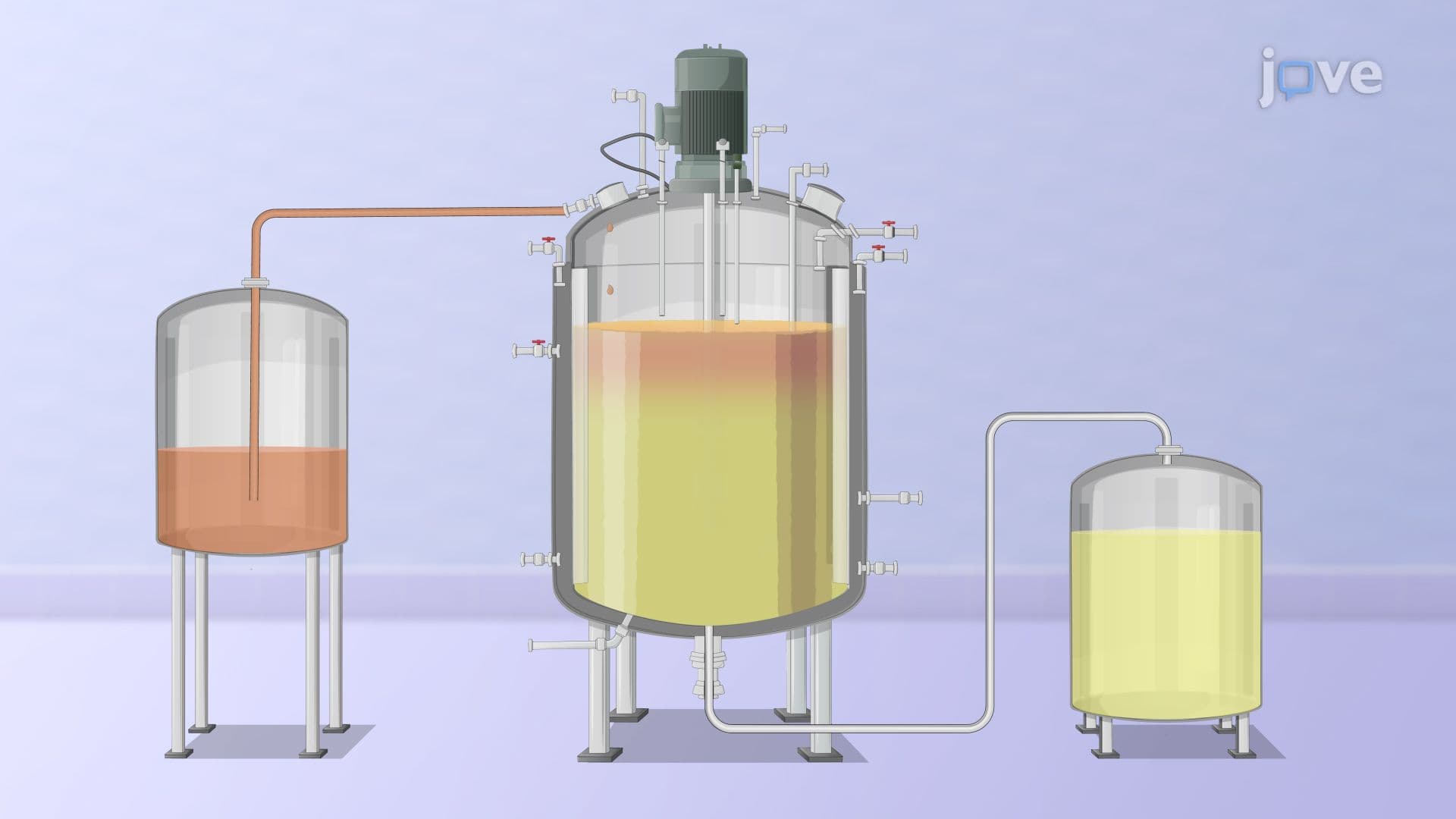
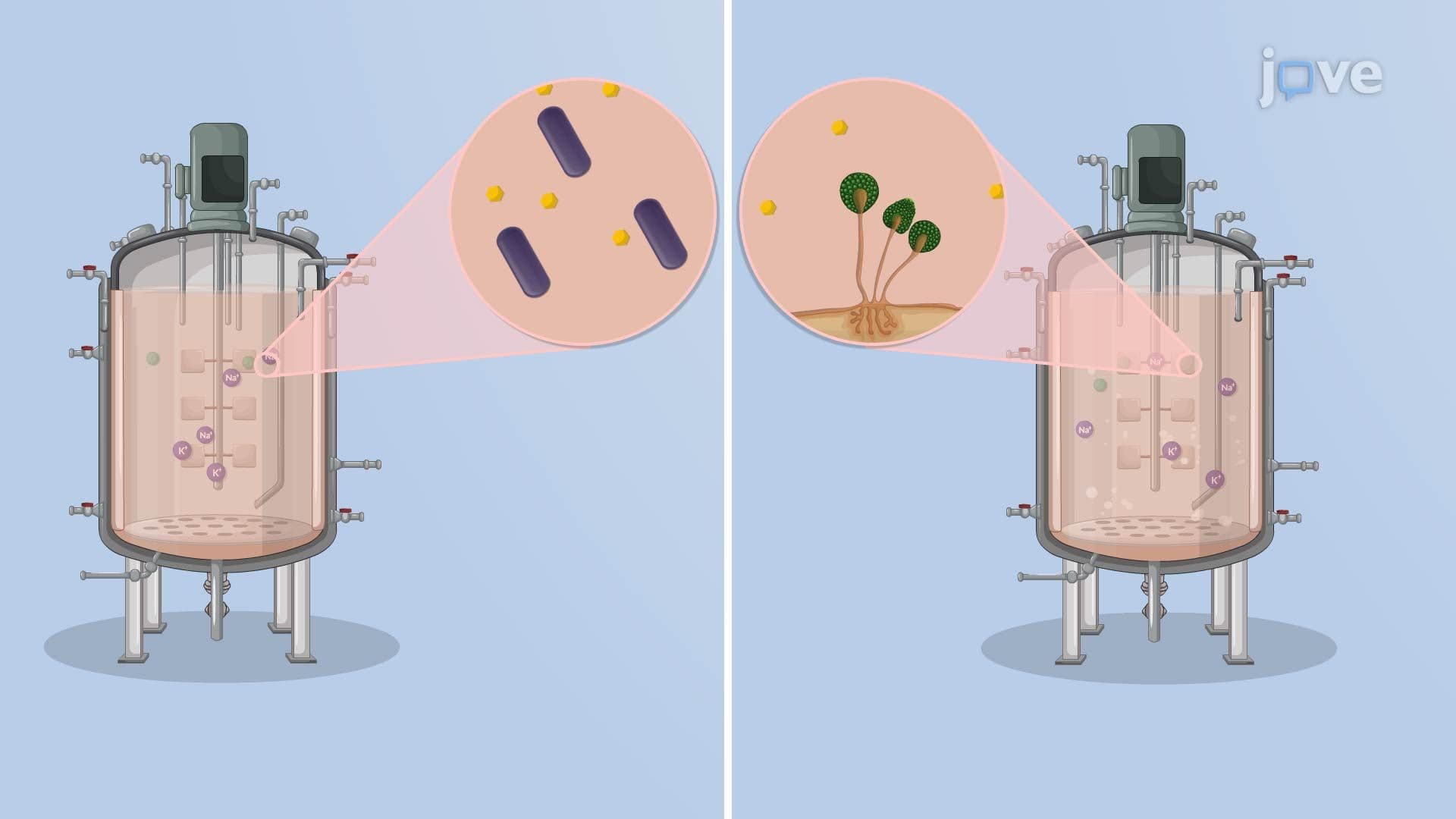
Once the process performs consistently at pilot scale, production moves to the industrial scale, where fermenter volumes exceed 10,000 liters. Companies like Archer Daniels Midland (ADM) use fermenters at this scale for biofuel production, while pharmaceutical manufacturers rely on them for large-scale fermentation of antibiotics and recombinant proteins.
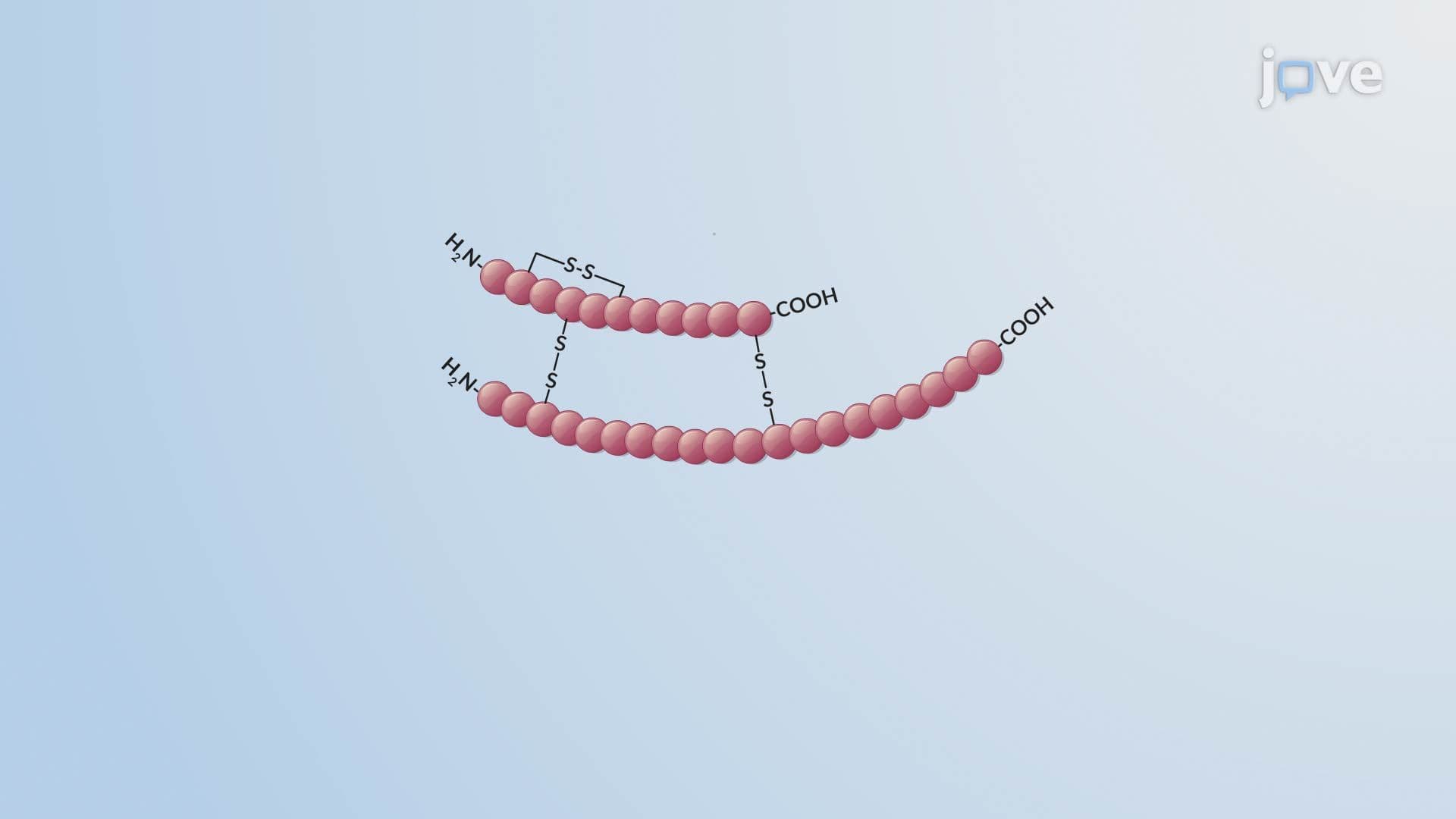
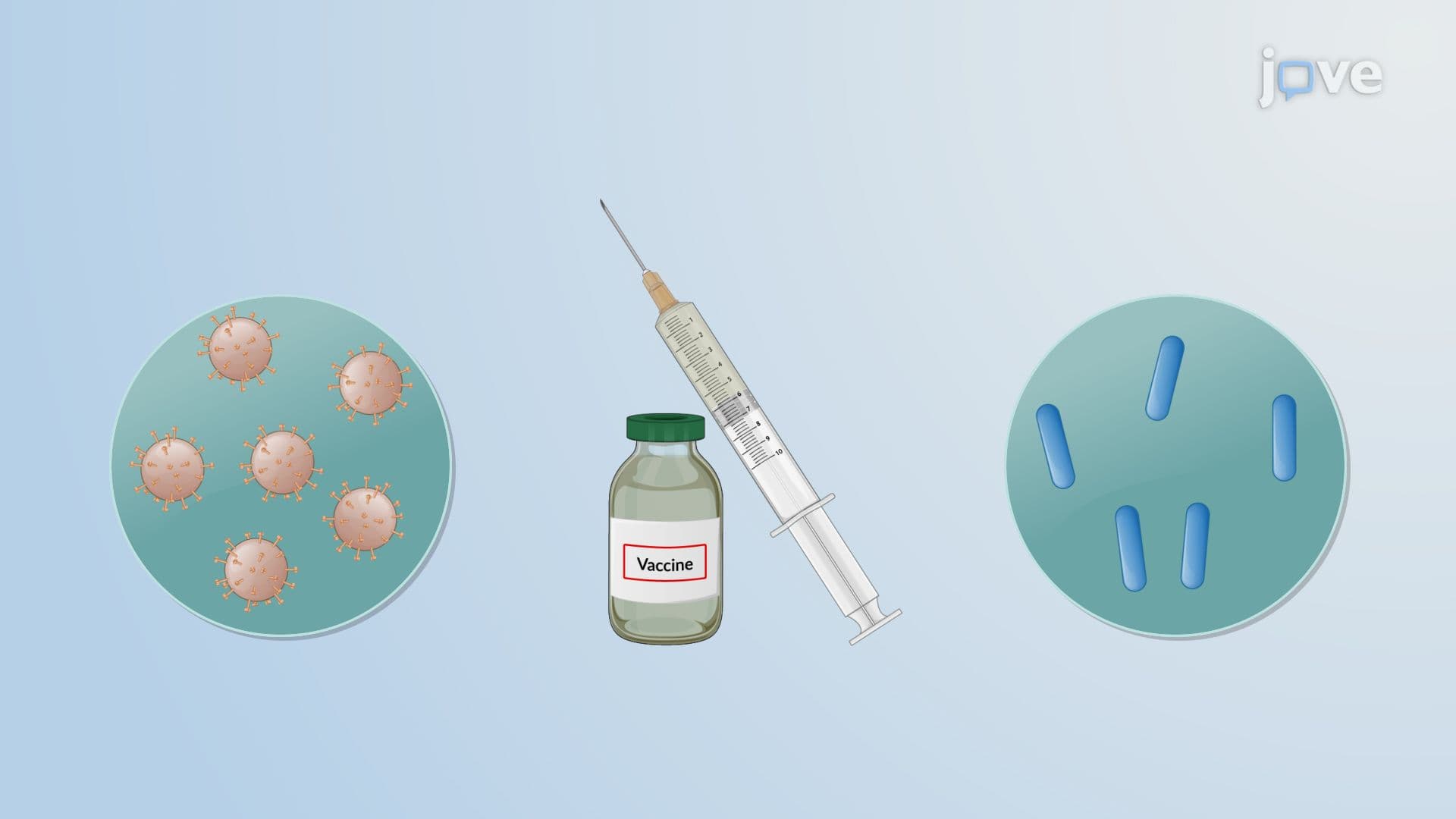
Understanding scale-up processes explains how microorganisms are used in industrial processes across multiple sectors. Antibiotic production, including penicillin and streptomycin, depends entirely on scaled fermentation. Enzyme production for detergents, food processing, and diagnostics requires industrial fermenters running continuous microbial cultures. Biofuel production, including corn-based ethanol produced across the US Midwest, relies on yeast fermentation at massive scales. Meanwhile, recombinant DNA technology in industry, used to manufacture human insulin, growth hormones, and monoclonal antibodies, depends on scale-up to reach the volumes needed for patient care.
Scale-up processes appear in AP Biology and AP Environmental Science discussions of biotechnology and microbiology. College students encounter this topic in introductory microbiology, biochemical engineering, and cell biology courses. MCAT test-takers should connect scale-up to enzyme kinetics, microbial growth curves, and metabolic regulation. Understanding the challenges and solutions at each stage, not just memorizing definitions, is the type of analytical thinking that earns points on exams and prepares students for careers in biotech, pharmaceuticals, and environmental science.
Related Micro-courses