Loading video…

 11 Concepts
 1.4K views

Video Summary: Infectious Diseases and Their Occurrence Explained
Did you know a single infected traveler can trigger a global health crisis? Infectious diseases and their occurrence follow distinct epidemiologic patterns, from isolated sporadic cases to full-scale pandemics. When COVID-19 emerged in the US, it rapidly escalated from a regional outbreak to a worldwide pandemic within weeks. Understanding these classification patterns is essential for anyone studying public health or biology. Watch the full video on JoVE Coach to master this concept with expert-led visuals and step-by-step explanations.
Every infectious disease tells a story, where it started, how fast it moved, and how many people it reached. Infectious diseases and their occurrence are described using a precise epidemiologic vocabulary that helps scientists, clinicians, and public health officials communicate quickly and respond effectively. Whether you're preparing for AP Biology, an undergraduate microbiology exam, or the MCAT, mastering these terms is non-negotiable.
Not all infectious diseases behave the same way. A sporadic disease appears irregularly and unpredictably, cases pop up occasionally without a clear pattern. Rabies in the US is a classic sporadic example; human cases occur rarely and without predictable timing.
An endemic disease, by contrast, is consistently present in a population at expected levels. Seasonal influenza is a textbook endemic disease, Americans can reliably anticipate flu season peaking between December and February each year. The US Centers for Disease Control and Prevention (CDC) tracks endemic baselines carefully, because any significant spike above that baseline signals a potential outbreak. Understanding endemic rates is also foundational in clinical microbiology, where laboratory professionals use historical data to interpret whether a pathogen's prevalence is normal or alarming.
When cases of a disease suddenly exceed the expected endemic rate within a defined geographic area, it is classified as an outbreak. Outbreaks are localized, think of a Salmonella outbreak traced to a single restaurant chain in the Midwest.
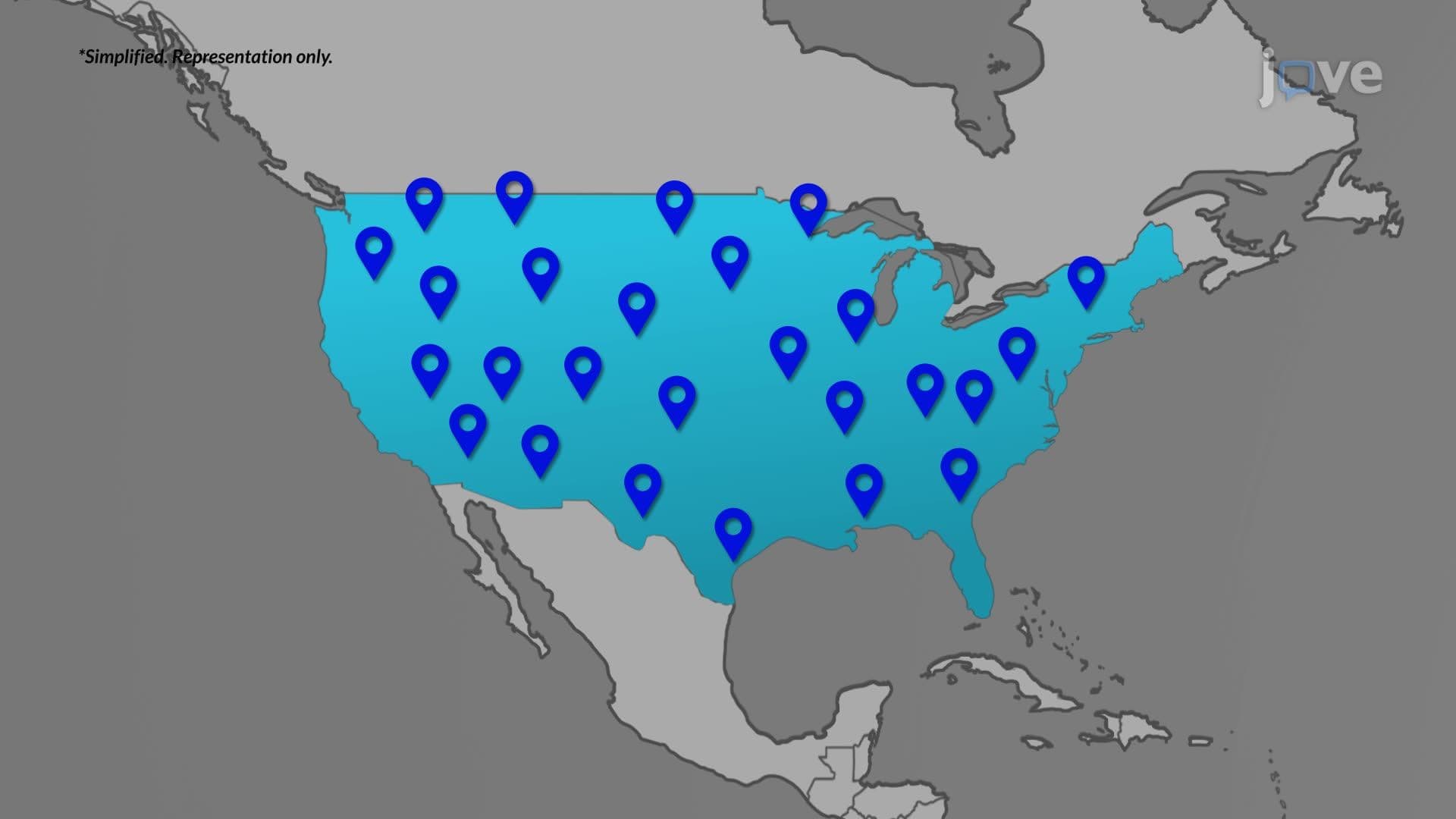
When that same disease spreads across a broader population or region, it becomes an epidemic. The 2009 H1N1 influenza epidemic in the US is a strong example: the novel strain spread rapidly across multiple states, overwhelming healthcare systems and prompting emergency public health responses.
A pandemic occurs when an epidemic crosses international borders and affects people across multiple continents simultaneously. COVID-19, caused by SARS-CoV-2, is the defining pandemic of the 21st century. By March 2020, the World Health Organization (WHO) declared COVID-19 a pandemic as cases surged across the US, Europe, and Asia concurrently. This progression, outbreak to epidemic to pandemic, illustrates how quickly an infectious agent can exploit gaps in population immunity and global connectivity.
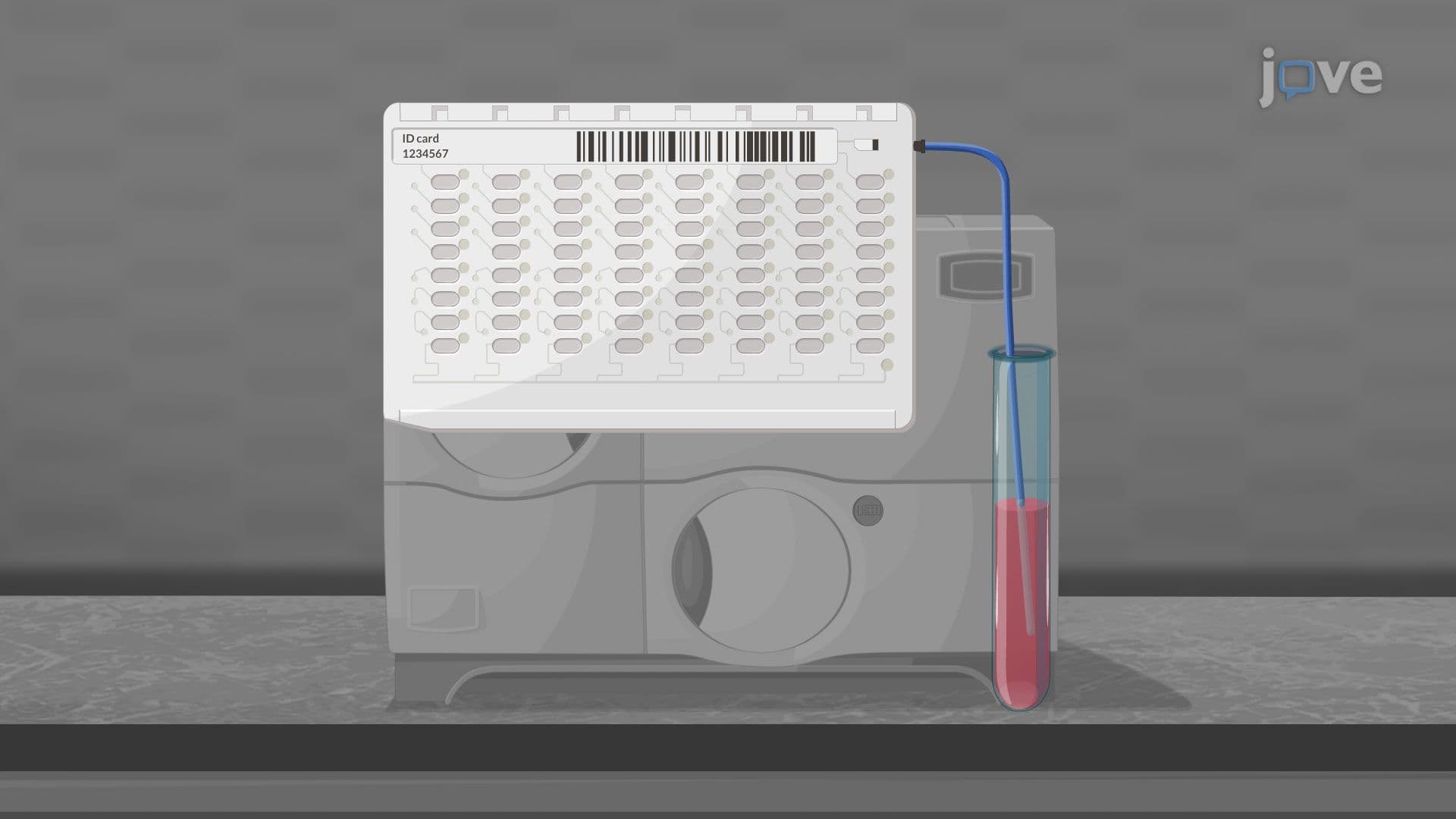
Understanding disease occurrence isn't just an academic exercise, it drives real clinical decisions. When a disease outbreak is suspected, clinical microbiology laboratories spring into action. Specimen collection and transport must follow strict protocols to ensure sample integrity. Microbiologists then apply diagnostic microbiology techniques such as microbial culture, molecular diagnostics (including PCR testing), and antibiotic susceptibility testing to identify the causative pathogen and guide treatment.
Clinical microbiologists play a critical role in outbreak response. For example, during a suspected foodborne outbreak, a clinical microbiology lab would culture stool specimens, perform sensitivity testing to determine which antibiotics the pathogen responds to, and report findings to public health authorities. On college microbiology exams and the USMLE, students are frequently tested on how specimen processing and diagnostic choices vary depending on the suspected pathogen, making this connection between epidemiologic classification and lab science especially valuable to study together.
Related Micro-courses