Loading video…

 11 Concepts
 1.4K views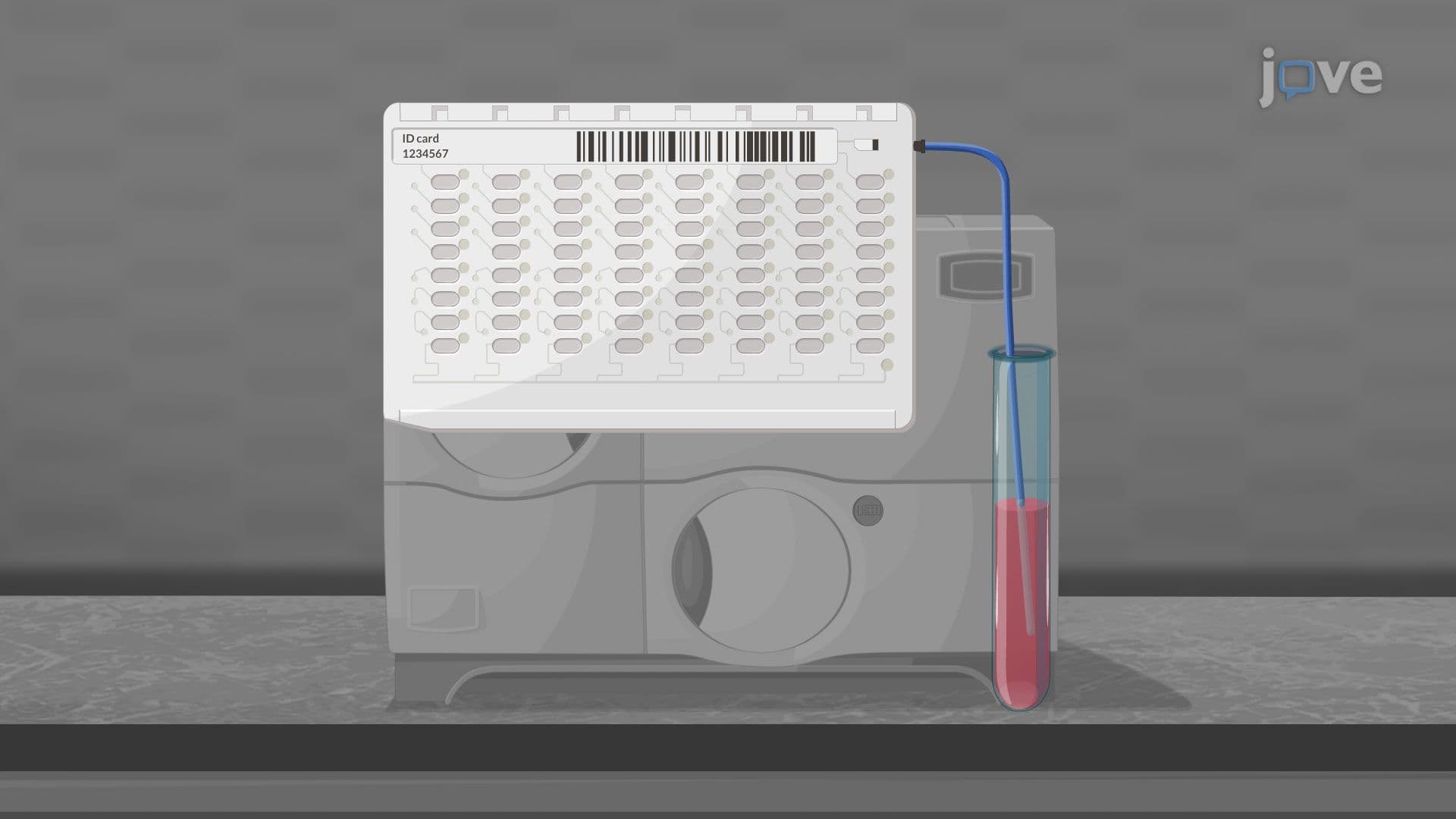

Video Summary: What Is Automated Microbial Diagnostics
Did you know a single hospital in the US can process thousands of bacterial specimens every week? Automated microbial diagnostics basics start with systems like the Vitek 2, which can identify dangerous pathogens and test antibiotic resistance in hours, not days. Understanding what is automated microbial diagnostics helps explain how US clinical labs rapidly guide life-saving treatment decisions. Watch the full video on JoVE Coach to master this concept with expert-led visuals and step-by-step explanations.
Automated microbial diagnostics refers to the use of technology-driven analyzer systems to rapidly identify infectious microorganisms and determine which antibiotics can effectively treat them. Rather than relying solely on slow, manual culture-based methods, modern clinical microbiology laboratories in the US use platforms like the Vitek 2 (bioMérieux) to process hundreds of specimens per day with minimal hands-on time. This technology sits at the intersection of microbial culture, biochemistry, and data science, and it directly influences patient outcomes.
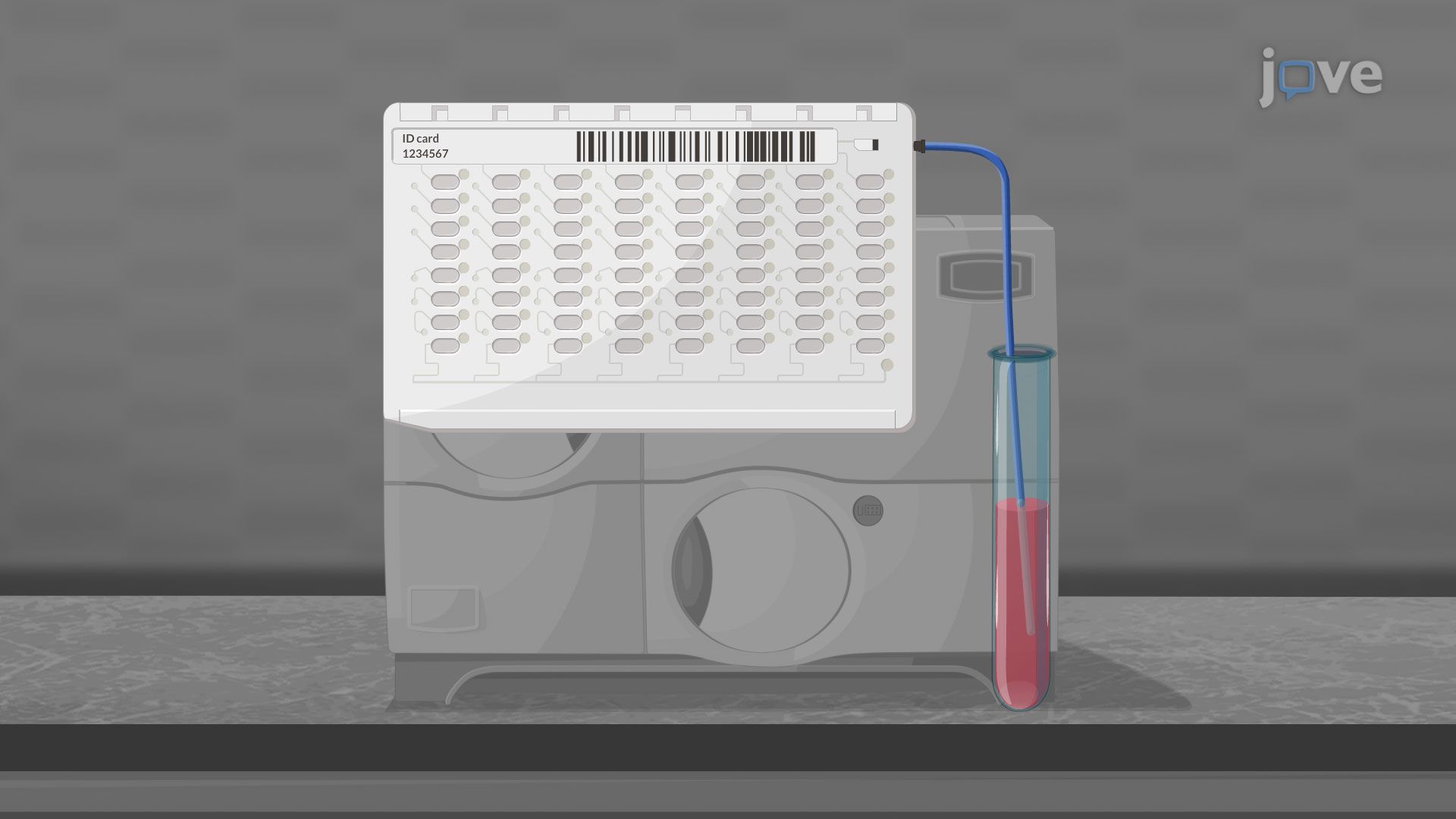
At the core of automated identification is the ID card, a compact plastic card containing dozens of miniature wells, each loaded with a specific biochemical substrate. When a suspension of pure microbial colonies is introduced, the microorganisms metabolize the substrates according to their unique enzymatic profiles. These reactions produce measurable changes in color or turbidity that the analyzer detects optically at regular intervals. The resulting pattern, essentially a biochemical fingerprint, is compared against a curated database of thousands of known species, generating a species-level identification with a confidence percentage. This process mirrors the classic diagnostic microbiology techniques taught in college-level microbiology courses, but at dramatically higher speed and scale.
Simultaneously, AST cards expose bacterial cultures to a gradient of antibiotic concentrations across multiple wells. The analyzer monitors each well for turbidity, cloudiness caused by bacterial growth. The lowest antibiotic concentration that prevents visible growth is reported as the minimum inhibitory concentration (MIC). This number is then compared against clinical breakpoints established by organizations like the Clinical and Laboratory Standards Institute (CLSI), which classify the bacterium as susceptible (S), intermediate (I), or resistant (R). These classifications directly inform the prescribing physician's choice of antibiotic, making antibiotic susceptibility testing one of the most clinically consequential steps in infectious disease diagnostics.
Before any result is released to a physician, the analyzer applies a layer of logic called automated expert rules. These rules flag biologically implausible results, for example, a result suggesting that a bacterium is resistant to an antibiotic it is inherently always susceptible to, and prompt review or repeat testing. This validation step is a critical quality-control measure that prevents reporting errors. In large US hospital systems, such as those affiliated with the CDC's Antibiotic Resistance Lab Network, this automation reduces human error while freeing clinical microbiologists to focus on complex or unusual cases.
For students preparing for the MCAT, USMLE Step 1, or college-level microbiology midterms, understanding automated microbial diagnostics provides essential context for questions about laboratory methods, antibiotic resistance mechanisms, and infection management. AP Biology and college introductory microbiology courses often frame these concepts within broader discussions of how clinical specimens are processed and what the role of a clinical microbiology laboratory is in public health. Knowing how the Vitek 2 platform works, and why MIC values matter, gives students a concrete, real-world anchor for otherwise abstract biochemical principles.
Related Micro-courses