Loading subject page…

1,427 views

Video Summary: Determinants of Bacterial Pathogenicity and Virulence Explained
How do bacteria outsmart your immune system? Understanding the determinants of bacterial pathogenicity and virulence reveals why some microbes cause mild infections while others turn deadly. *Staphylococcus aureus*, a common US hospital-acquired pathogen, deploys enzymes that simultaneously build protective clots *and* dissolve them to escape, a two-faced survival strategy. Watch the full video on JoVE Coach to master this concept with expert-led visuals and step-by-step explanations.
Not every bacterium makes you sick, and the ones that do have evolved a sophisticated molecular toolkit to do it. The determinants of bacterial pathogenicity and virulence are the specific traits that allow a pathogen to enter a host, evade defenses, multiply, and cause disease. Among the most clinically important of these traits are extracellular enzymes, also called virulence enzymes, which bacteria secrete into surrounding tissues to actively reshape the infection environment in their favor.
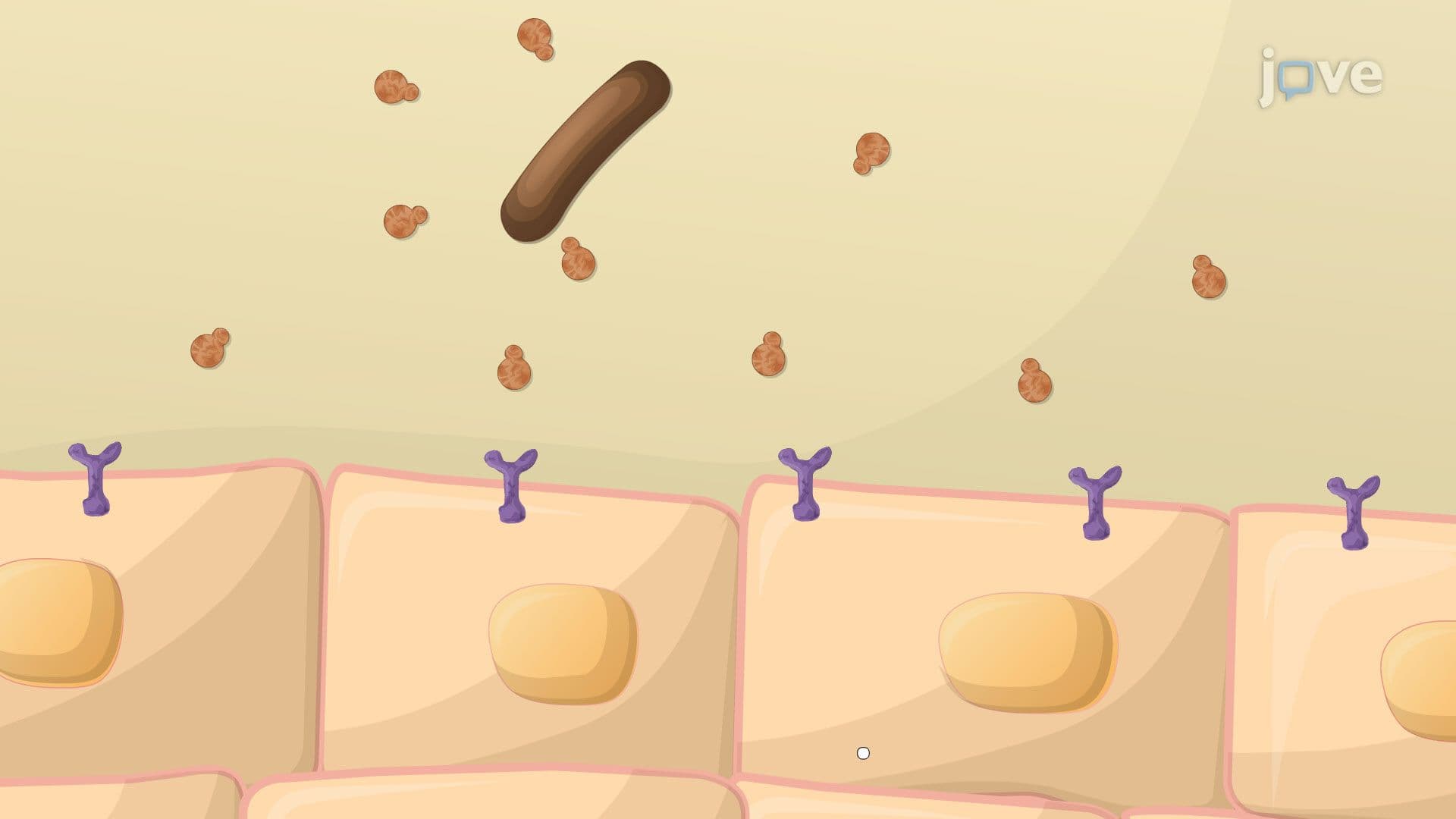
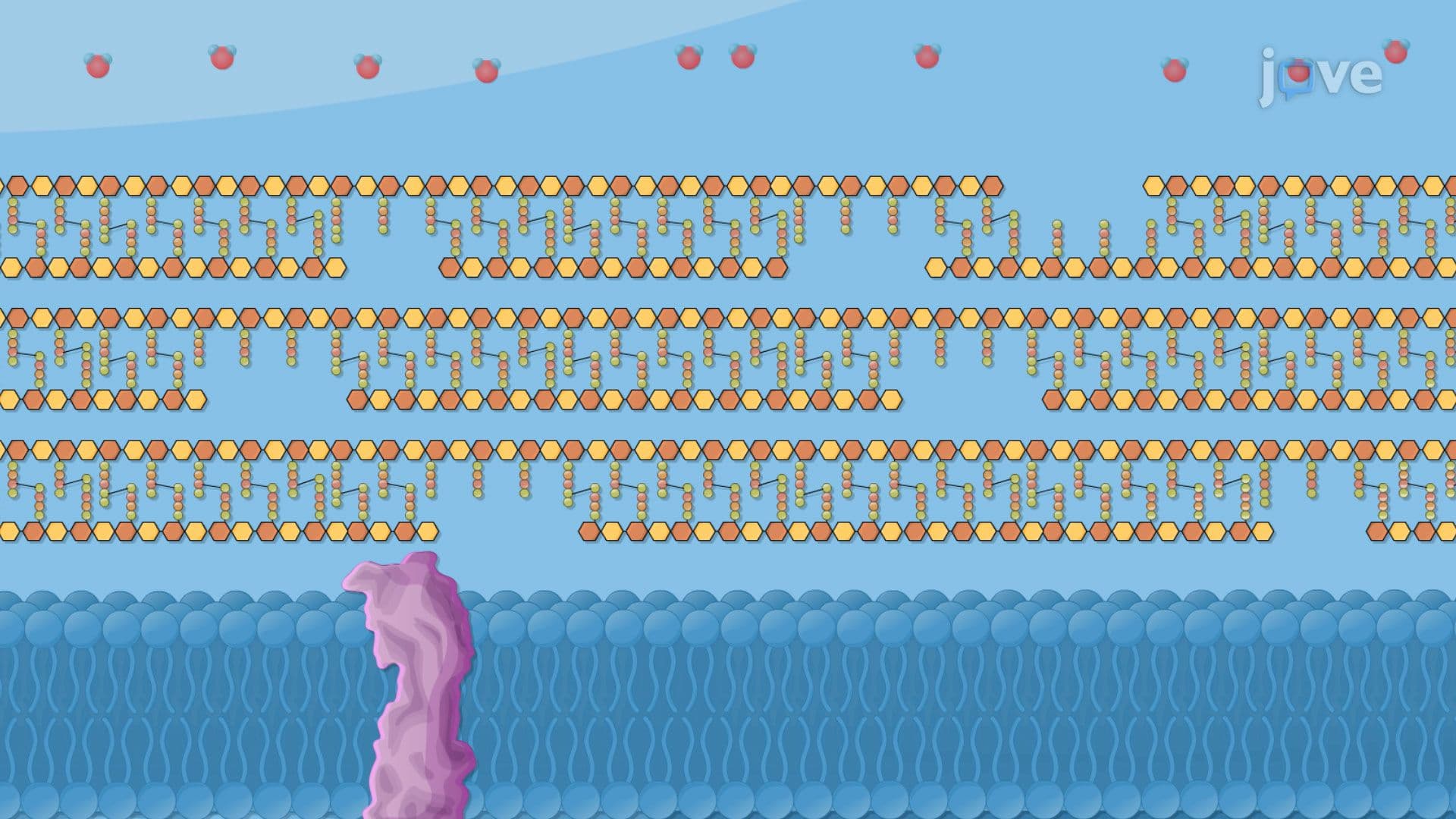
The human body coats mucosal surfaces, in the respiratory tract, gut, and urogenital system, with secretory immunoglobulin A (sIgA), an antibody that traps and neutralizes pathogens before they can adhere to cells. Some bacteria counter this with IgA proteases, enzymes that slice sIgA apart and render it nonfunctional.
*Neisseria gonorrhoeae*, the bacterium responsible for gonorrhea, one of the most commonly reported sexually transmitted infections in the United States, produces IgA proteases as a primary colonization strategy. By degrading sIgA on urogenital epithelium, it clears the way for bacterial adhesion and infection establishment. This is a textbook example of how virulence factors directly subvert host immunity at the point of entry.
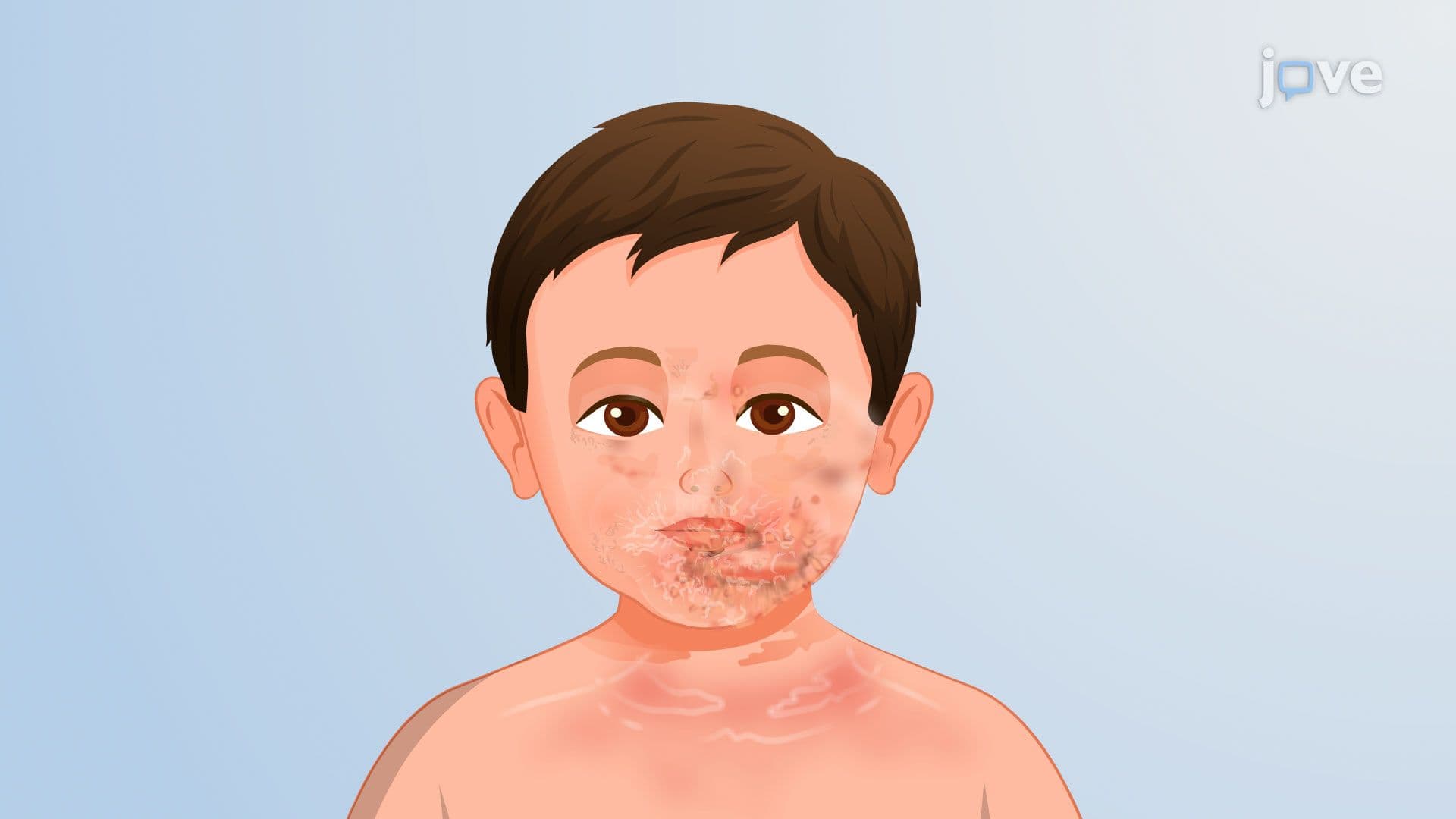
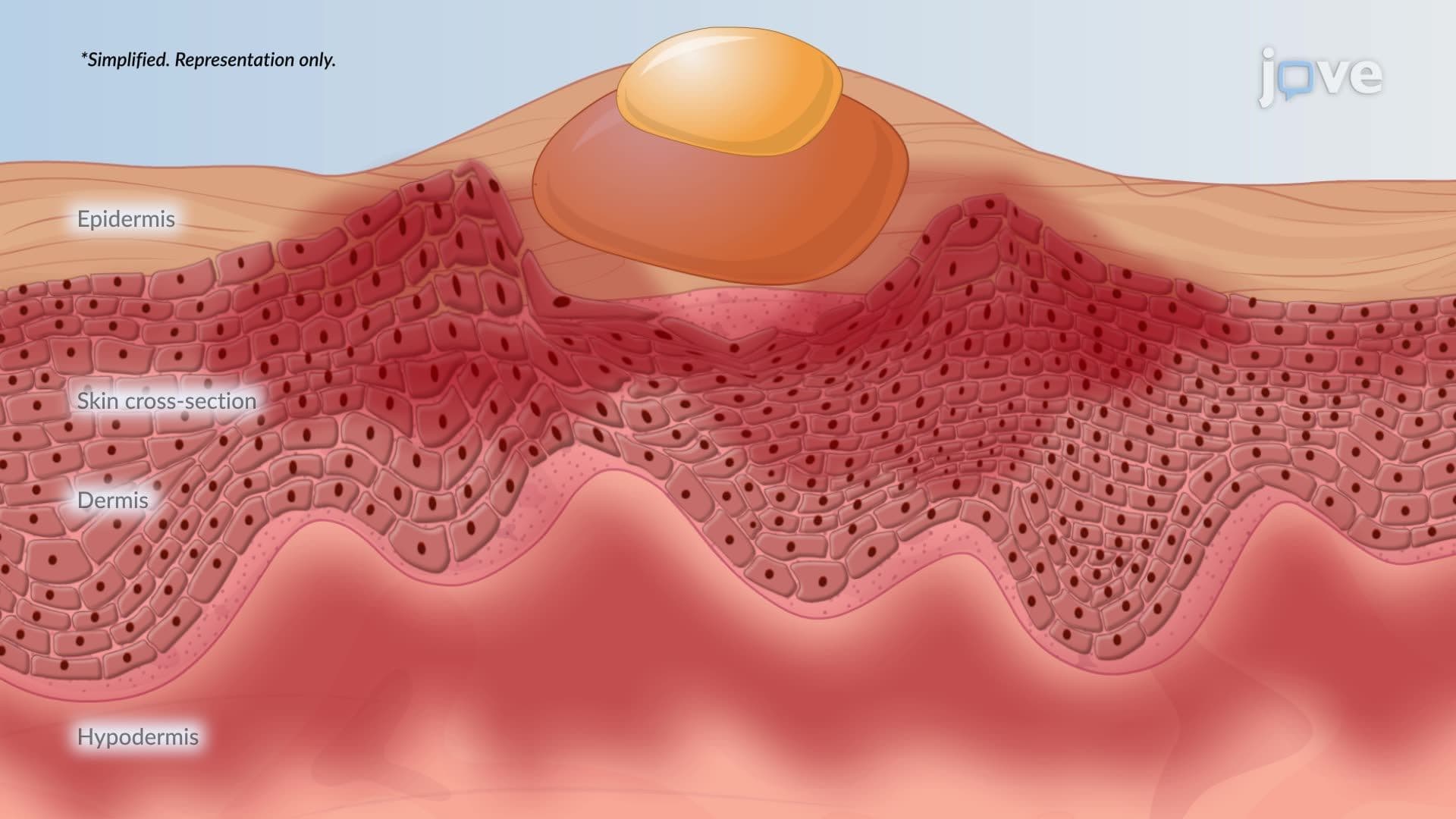
Connective tissues are held together by hyaluronic acid, a key structural component of the extracellular matrix. *Streptococcus pyogenes*, the pathogen behind strep throat, impetigo, and necrotizing fasciitis ("flesh-eating disease"), produces hyaluronidase, an enzyme that degrades this scaffold. The result is a looser tissue architecture that allows bacteria to migrate from superficial infection sites into deeper muscle, fascia, and bloodstream compartments.
Understanding hyaluronidase is especially relevant in clinical microbiology. In US hospital settings, rapid spread of *S. pyogenes* infections requires immediate infectious disease intervention, and laboratory identification of spreading soft-tissue infections often begins with specimen collection and transport to a diagnostic microbiology laboratory for culture and sensitivity testing.
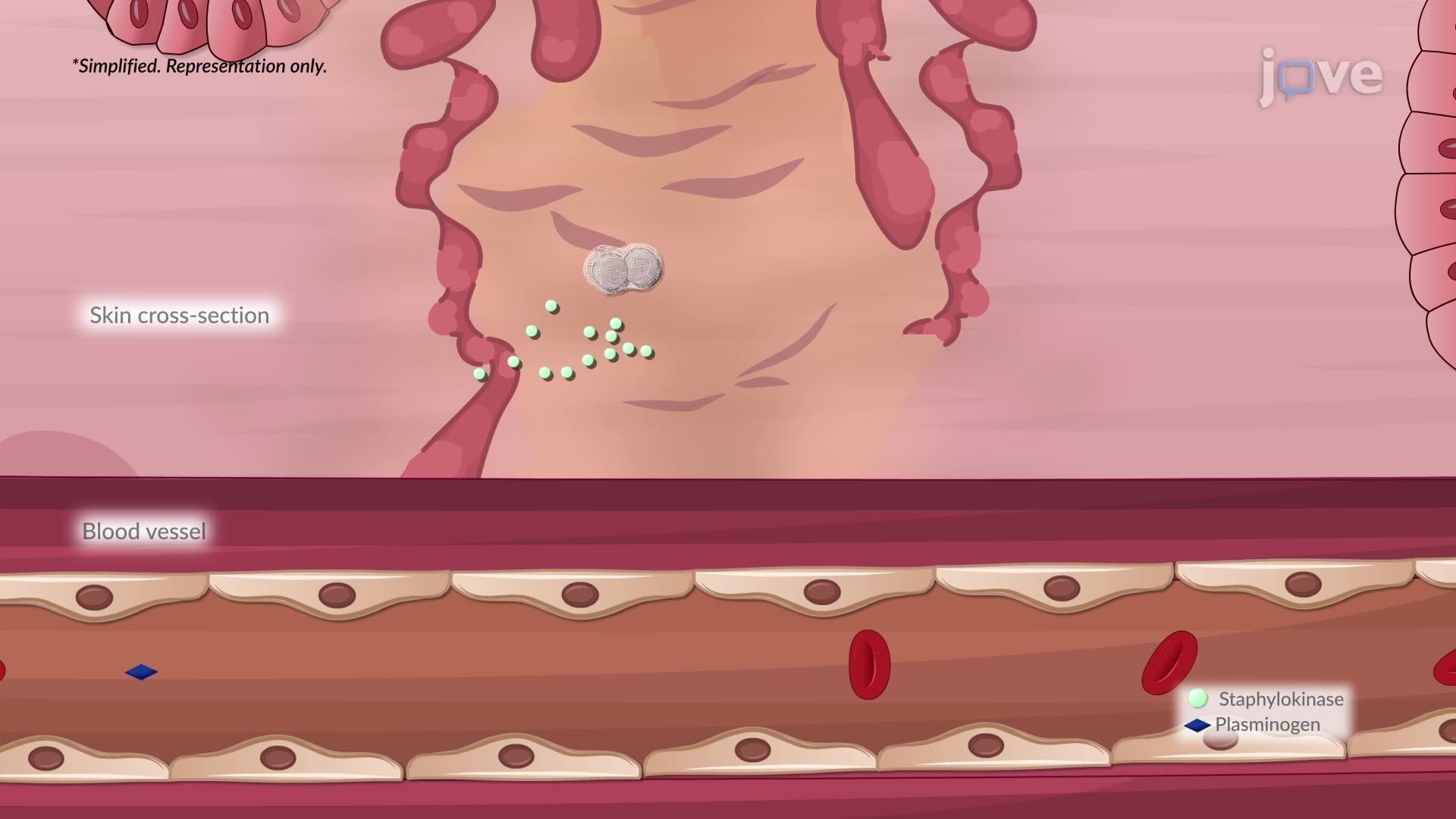
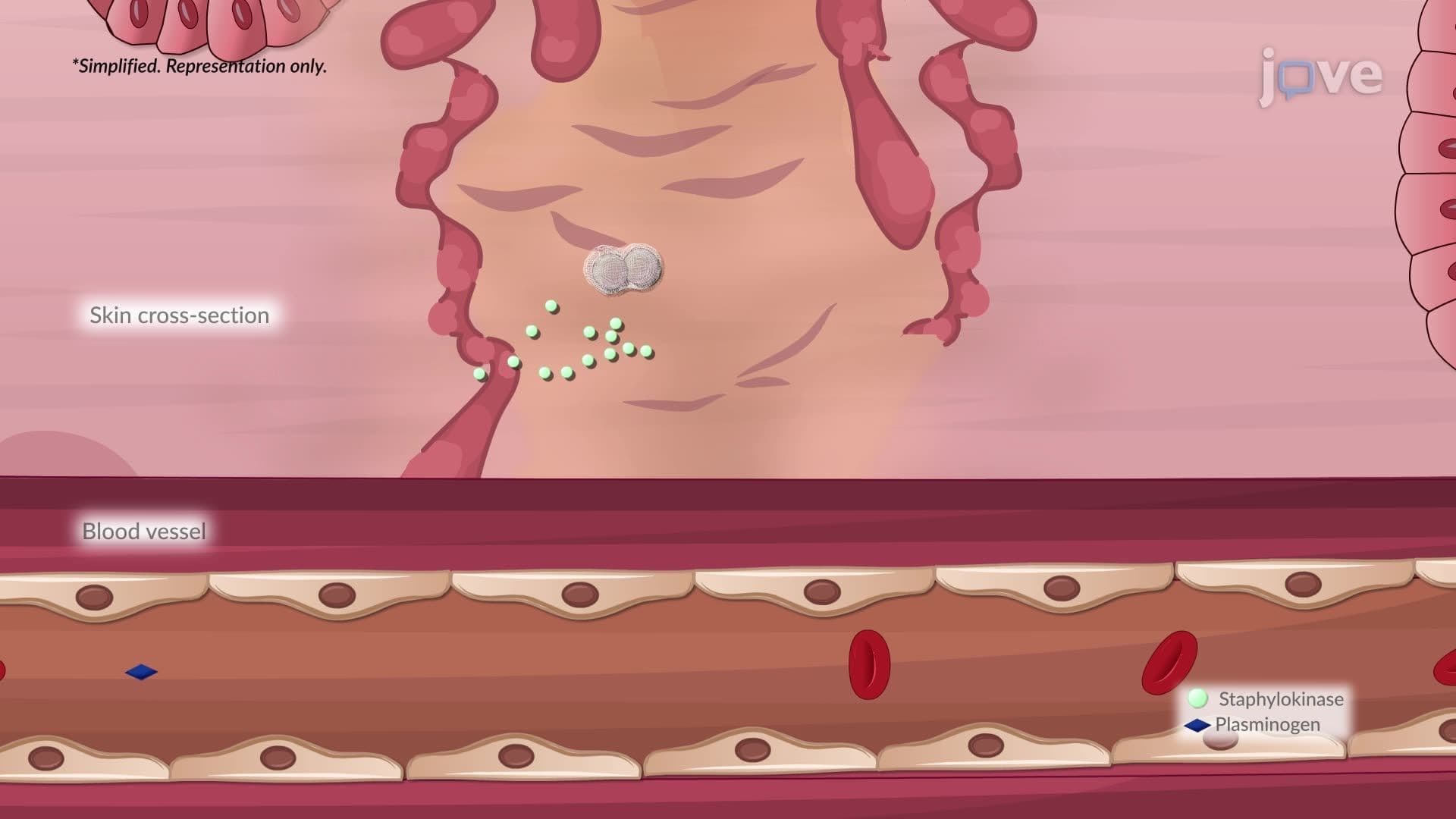
*Staphylococcus aureus* demonstrates one of the most remarkable examples of virulence versatility. It produces coagulase, which converts the blood protein fibrinogen into fibrin, forming a clot around bacterial colonies. This fibrin shell acts as camouflage, physically shielding bacteria from immune cells like neutrophils and macrophages, a strategy called immune evasion.
Yet *S. aureus* also produces staphylokinase, a kinase that activates the host's own plasminogen into plasmin, a clot-dissolving enzyme. When bacteria are ready to spread, staphylokinase dismantles the fibrin barrier. This dual coagulase-kinase strategy reflects a sophisticated, phase-dependent infection program.
In practice, the coagulase test is a foundational diagnostic microbiology technique used in US clinical laboratories to distinguish *S. aureus* (coagulase-positive) from less virulent *Staphylococcus* species. It is directly tested on MCAT biochemistry and pathology sections, AP Biology assessments, and USMLE Step 1 microbiology modules.
These virulence mechanisms are not just textbook abstractions. They inform antibiotic susceptibility testing strategies, guide clinical decisions about empirical therapy, and explain why some infections escalate rapidly while others remain localized. Students exploring careers in clinical microbiology, nursing, medicine, or public health will encounter these concepts repeatedly, from college microbiology midterms through professional licensing exams like the USMLE and NCLEX.
Related Micro-courses